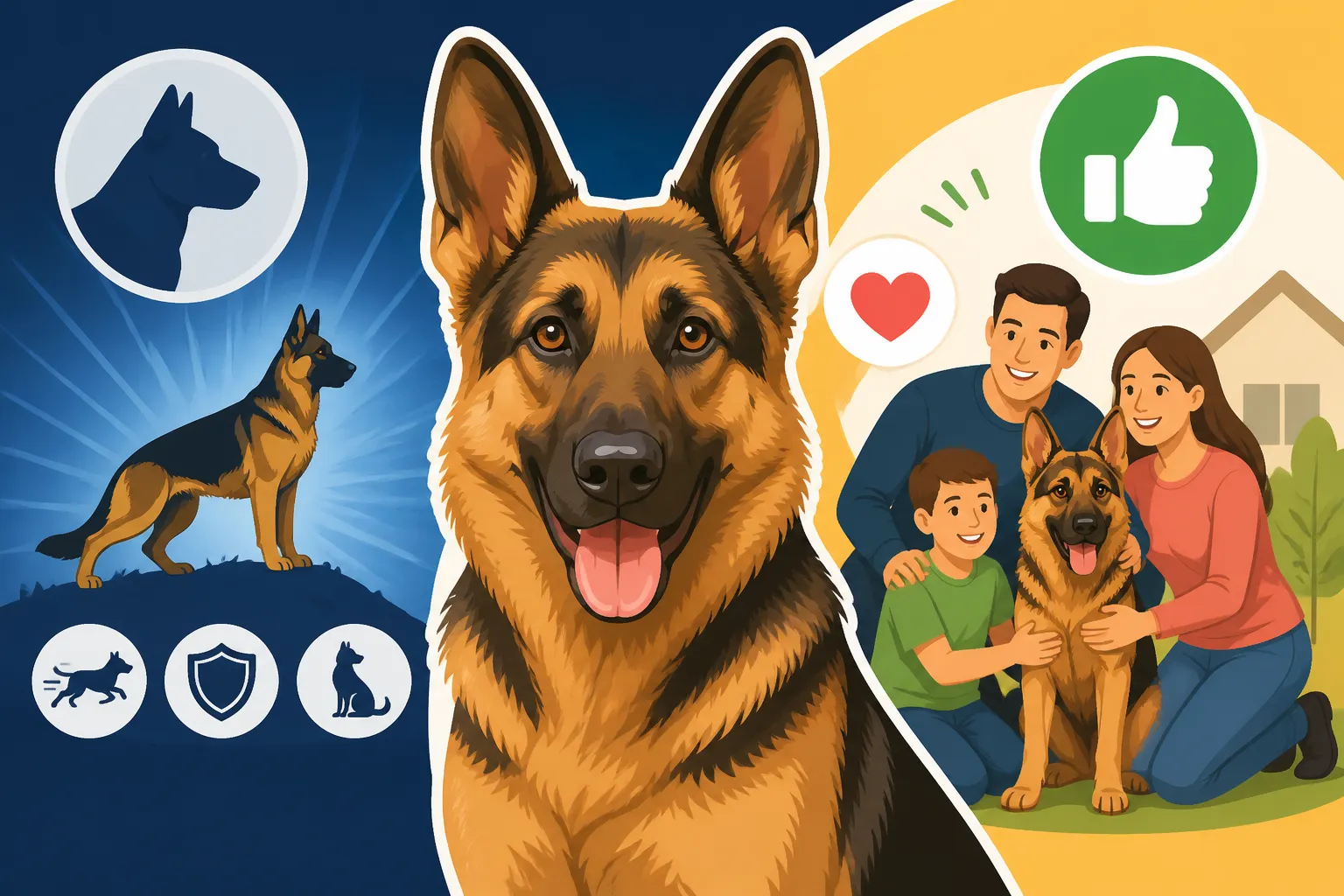
Is a American Show Line German Shepherd a Good Pet
Thinking about bringing a German Shepherd into your home is an exciting prospect, but if you've started doing your research, you've probably quickly realized there's a lot more to these magnificent dogs than meets the eye. One common point of confusion is the distinction between the various lines, especially when considering the American Show Line. Many aspiring owners wonder if a German Shepherd bred for the show ring truly makes for a good, well-adjusted family pet. This guide is here to unravel that question, offering a deep dive into what you can expect from an American Show Line German Shepherd as a companion.
Understanding the American Show Line German Shepherd Temperament
When we talk about German Shepherds, it's easy to lump them all together, but that would be a disservice to the nuances that exist between the different lines. The American Show Line, in particular, has been selectively bred with specific goals in mind, which significantly influences their temperament and suitability as a household pet.
The Drive for Appearance Over Work
Unlike their working line counterparts, who are often bred for intense drives in protection sports, herding, or police work, American Show Line German Shepherds are primarily bred to conform to the American Kennel Club (AKC) breed standard for appearance. This means breeders prioritize certain physical traits – like a specific head shape, coat color, gait, and the famously sloped back – to excel in the show ring. This focus on aesthetics naturally impacts their inherent drives and overall temperament.
What does this mean for you as a potential pet owner? It generally translates to a dog with a less intense working drive. While they are still highly intelligent and capable of learning, they typically don't possess the same relentless energy or demanding need for a "job" that you might find in a working line GSD. They might be less prone to incessant barking or destructive behaviors driven by unfulfilled working instincts, simply because those instincts aren't as deeply ingrained or pronounced. Think of it this way: a working line GSD might consider a full day of tracking and bite work a perfect afternoon, while an American Show Line might be perfectly content with a long walk, some playtime in the yard, and then cuddling on the couch. This isn't to say they don't need exercise or mental stimulation, but the type and intensity often differ. If you're looking for a companion that integrates seamlessly into family life without requiring an advanced dog sport career, this difference can be a significant advantage.
Personality Traits for Family Life
The temperament of an American Show Line German Shepherd is often described as more laid-back and docile than their high-octane working line cousins. They tend to be highly affectionate, forming strong bonds with their families. Many owners rave about their loyalty and how they become devoted shadows, always wanting to be near their human companions. This deep attachment makes them wonderful family dogs, eager to participate in family activities, whether it's a stroll through the park or a quiet evening at home.
While they still possess the inherent protective instincts characteristic of the breed, these traits are often expressed in a more measured way. They are alert and observant guardians of their home, but typically not overly suspicious or aggressive towards strangers without reason. They can be wary at first, as is natural for any German Shepherd, but generally warm up once they understand there's no threat. This balanced temperament can be a huge relief for families who want a protective dog without the constant management required for a dog with an overly sharp or reactive disposition. They are often good with children, especially when raised with them and properly socialized from a young age. Their patience and stable demeanor can make them excellent playmates and loyal protectors for the younger members of the household, though supervision is always key with any dog and child. Compared to the more intense and driven nature of other lines, an American Show Line might be a more forgiving option for those who are newer to German Shepherds or who have a busy family life and can't dedicate hours daily to advanced training or intense "work" sessions. Understanding German Shepherd Temperament and Personality for all lines can help paint a clearer picture of these differences.
Physical Characteristics and Health Considerations
When you see an American Show Line German Shepherd, their appearance is often striking and immediately recognizable. However, it's important to look beyond just their beauty and understand the potential implications of their unique physical traits on their overall health and longevity.
Distinctive Physical Traits
The most defining physical characteristic of the American Show Line German Shepherd is often their angulated rear and pronounced slope from the shoulders down to the tail. They tend to have a deeper chest, a larger, more substantial bone structure, and a powerful, ground-covering gait that judges admire in the show ring. Their coats are typically thick and lustrous, often in traditional black and tan or black and red patterns, though other colors exist. They are bred to present a picture of elegance and power, with a smooth, flowing outline.
While undeniably beautiful, these exaggerated physical traits have sometimes come under scrutiny, particularly the extreme angulation of the hindquarters. This specific conformation is highly valued in the show world for the powerful, sweeping movement it creates. However, outside the show ring, it raises questions for many about practicality and long-term health. It's a key differentiator from the straighter-backed, more moderately angulated working line dogs. For a complete understanding of how these differences came about, you might find Working Line vs Show Line German Shepherd an insightful read. The overall impression is one of grandeur, but it's important for prospective owners to understand how this physical design can impact their dog's daily life and health over time.
Common Health Concerns to Be Aware Of
Unfortunately, the pursuit of certain aesthetic traits in the American Show Line has, in some cases, inadvertently led to an increased predisposition to specific health issues. The most well-known concerns are orthopedic: German Shepherd Hip Dysplasia Explained and German Shepherd Elbow Dysplasia: Symptoms and Treatment. The exaggerated angulation and overall structure, while desired for show, can place additional stress on joints, potentially contributing to these debilitating conditions. It's not a universal outcome, and responsible breeders are diligently working to mitigate these risks, but it's a factor you must be aware of.
Beyond joint issues, German Shepherds, regardless of line, can be prone to other health problems such as bloat (German Shepherd Bloat: Signs and Prevention) or degenerative myelopathy (Degenerative Myelopathy in German Shepherds). When considering an American Show Line, it's absolutely crucial to research breeders thoroughly and ensure they perform extensive health testing on their breeding stock. This includes OFA or PennHIP certifications for hips and elbows, as well as DNA tests for genetic conditions. Don't be shy about asking for proof of these tests for both parents. Understanding German Shepherd Genetic Health Testing is paramount. A responsible breeder is your best defense against inherited health problems, and they should be transparent about their dogs' health history. Investing in good quality food, readily available from retailers like Chewy, and regular veterinary check-ups can also help keep your German Shepherd as healthy as possible throughout their life.
Exercise, Training, and Socialization Needs
Even with their more laid-back demeanor compared to working lines, American Show Line German Shepherds are still active, intelligent dogs that require consistent effort in terms of exercise, training, and socialization to thrive. Neglecting these areas can lead to a dog that, despite its inherently good nature, develops behavioral issues.
Moderate Exercise Requirements
While they may not need to run a marathon every day, American Show Line German Shepherds are far from couch potatoes. They still require a good amount of daily exercise to stay physically fit and mentally content. A couple of solid walks a day, perhaps 30-60 minutes each, combined with some dedicated playtime in a securely fenced yard, is often sufficient. Think games of fetch, tug-of-war, or simply exploring a new walking route. This level of activity helps burn off excess energy, maintain a healthy weight, and prevent boredom that can lead to destructive behaviors like chewing or digging.
It's important to remember that they are still German Shepherds, a breed historically developed for demanding physical work. They enjoy being active with their families. If you're someone who enjoys daily walks, hikes, or playing in the yard, an American Show Line GSD will likely be a fantastic companion. If your lifestyle is extremely sedentary, even a calmer show line might find itself with pent-up energy, which can manifest as restlessness or nuisance behaviors. You might find resources like German Shepherd Exercise Requirements helpful for tailoring a routine. Remember, physical activity also contributes significantly to a dog's overall How to Keep a German Shepherd Healthy and can impact their lifespan.
Trainability and Temperament for Learning
American Show Line German Shepherds are highly intelligent and possess a strong desire to please their owners, making them generally very trainable. They respond well to positive reinforcement methods, like treats, praise, and play, and thrive on consistency. Starting early with puppy classes and basic obedience training is highly recommended. Their intelligence means they pick up commands quickly, but it also means they can get bored if training isn't varied and engaging.
Their temperament, often being a bit softer and more sensitive than some working lines, means they typically don't respond well to harsh training methods. A gentle but firm approach, combined with clear communication and rewards, will yield the best results. They excel in activities like obedience trials, rally obedience, or even scent work, which provides both mental and physical stimulation. Even if you don't plan to compete, teaching your GSD a variety of commands and tricks will strengthen your bond and keep their sharp minds engaged. For a comprehensive overview, checking out How to Train a German Shepherd will give you a solid foundation.
Importance of Early Socialization
Regardless of line, early and thorough socialization is non-negotiable for German Shepherds. Even with their generally stable temperament, an American Show Line GSD needs to be exposed to a wide variety of sights, sounds, people, and other animals from a young age in a positive and controlled manner. This helps them develop into well-adjusted, confident adults who are comfortable and calm in different situations. Without proper socialization, any German Shepherd can become fearful or reactive, which can be a significant challenge given their size and strength.
Start introducing your puppy to new experiences as soon as they are old enough and vaccinated. Take them to puppy classes, introduce them to trusted friends and their well-behaved dogs, and expose them to different environments, from bustling parks (on leash) to quiet neighborhoods. Make every new experience a positive one with treats and praise. This consistent effort in their formative months will build a solid foundation for a lifetime of confidence and good behavior. For detailed steps and advice on how to approach this, refer to How to Socialize a German Shepherd. Remember, a well-socialized GSD is a joy to live with and a much safer companion in public.
Living with an American Show Line German Shepherd
Bringing any dog into your home is a significant commitment, and the American Show Line German Shepherd is no exception. While they can be fantastic pets, it's crucial to understand what life with them truly entails to ensure a harmonious relationship.
Suitability for Different Lifestyles
The good news is that American Show Line German Shepherds are generally quite adaptable, making them suitable for a broader range of lifestyles compared to their more intense working line cousins. They thrive in homes where they are considered part of the family, not just an outdoor dog. They do best with owners who can provide consistent training, daily exercise, and plenty of affection. If you have an active family that enjoys outdoor activities and wants a loyal companion to share them with, an American Show Line GSD could be an excellent fit.
They can integrate well into homes with children, often showing a protective but gentle nature, especially if raised together. However, as with any large, powerful breed, supervision and teaching children how to interact respectfully with dogs are paramount. They can also coexist peacefully with other pets, particularly if introduced properly and raised alongside them. Apartments might be challenging due to their size and need for exercise, but with enough outdoor activity, it's not impossible, though a home with a yard is generally preferred. What they truly need is companionship; they are not dogs to be left alone for extended periods without interaction. Their need for connection and mental engagement is significant.
Grooming and Maintenance
One aspect of owning an American Show Line German Shepherd that you absolutely cannot overlook is their grooming needs. These dogs have a dense double coat designed to protect them from the elements. And yes, they shed – a lot! Especially during "blow coat" season, which typically happens twice a year, you'll find German Shepherd hair everywhere. Investing in a good quality vacuum cleaner and a reliable shedding brush is not a luxury; it's a necessity. You might even find specific tools from retailers like Chewy incredibly helpful.
Regular brushing, ideally several times a week, is essential to manage shedding, prevent matting, and keep their skin healthy. It also helps distribute natural oils, keeping their coat shiny. While they don't require frequent bathing, which can strip their coat of essential oils, occasional baths are necessary, especially if they've gotten particularly dirty. Beyond brushing, routine nail trims, ear cleaning, and dental care are crucial for their overall health and well-being. Keeping up with their grooming not only keeps them looking great but also allows you to regularly check for any skin issues, lumps, or parasites. For more detailed advice, check out German Shepherd Shedding: How to Manage It.
Is This the Right Fit for You?
So, after diving into the specifics, is an American Show Line German Shepherd a good pet? For many families, the answer is a resounding yes! They offer an incredible combination of loyalty, intelligence, and a loving, protective nature without the extreme intensity often associated with working lines. They are trainable, affectionate, and can integrate beautifully into a family setting.
However, they are not a low-maintenance breed. They require commitment to their exercise, training, and grooming needs. They thrive on human companionship and mental stimulation. If you're prepared to provide a loving home with consistent boundaries, daily activity, and proper care, an American Show Line German Shepherd can be an incredibly rewarding companion. If you're looking for a dog that can largely entertain itself or requires minimal interaction, this might not be the right choice. Consider your lifestyle honestly and evaluate if you have the time, energy, and resources to meet the needs of this magnificent breed. Many owners find the deep bond and unwavering loyalty they receive make every effort worth it, contributing to a rich German Shepherd Life Expectancy: How to Maximize It.
Here's a quick summary to help you decide if an American Show Line German Shepherd aligns with your expectations:
| Trait | American Show Line German Shepherd | Typical "Good Pet" Expectation |
|---|---|---|
| Temperament | Calm, affectionate, loyal, protective (but not overly sharp) | Friendly, stable, adaptable, good with family |
| Energy Level | Moderate; needs daily walks & play, less intense drive | Moderate to active; enjoys outdoor activities |
| Trainability | High; intelligent, eager to please, responds to positive reinforcement | Responds well to training, enjoys learning |
| Protective Instincts | Present and alert, but generally well-managed | Alert to strangers, protective of home and family |
| Grooming Needs | High; dense double coat, significant shedding, regular brushing essential | Moderate to high; depends on coat type, requires routine care |
| Common Health Concerns | Prone to orthopedic issues (hips/elbows), responsible breeding crucial | General breed health concerns, vet care important |
| Suitability for First-Time GSD Owners | Often more forgiving and adaptable for those new to the breed | Generally adaptable and manageable with commitment |
| Need for Companionship | High; thrives on being part of the family, dislikes isolation | Enjoys being with family, not suited for long-term solitude |
Disclaimer
This article is for general informational purposes only and does not constitute professional advice. Laws, prices and regulations vary by location and change over time. Consult a qualified professional for guidance on your specific situation.