How to Prevent Hemangiosarcoma in German Shepherds
Discovering that your beloved German Shepherd could be at risk for a devastating illness like hemangiosarcoma is a fear no dog parent wants to face. This aggressive cancer often strikes silently, making genuine prevention incredibly challenging and leaving many owners feeling helpless. This comprehensive guide will delve deep into understanding hemangiosarcoma, explore every possible angle to mitigate its risks, and equip you with the knowledge for early detection, offering peace of mind and proactive steps for your cherished companion.
Understanding the Shadow of Hemangiosarcoma in German Shepherds
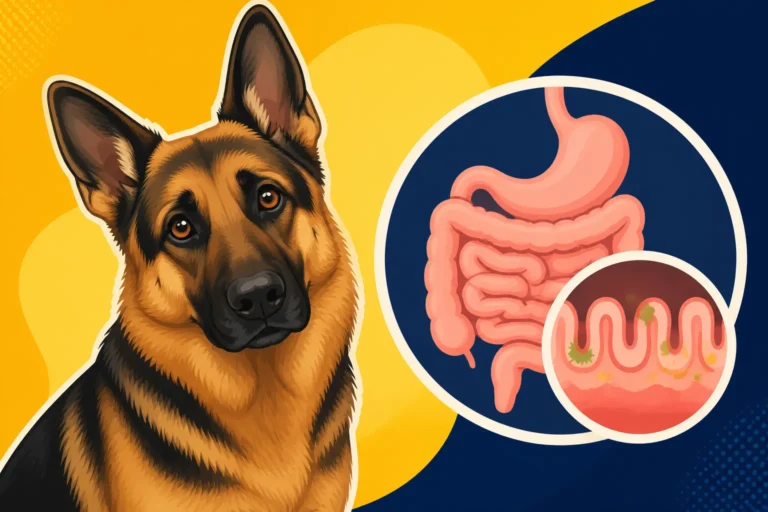
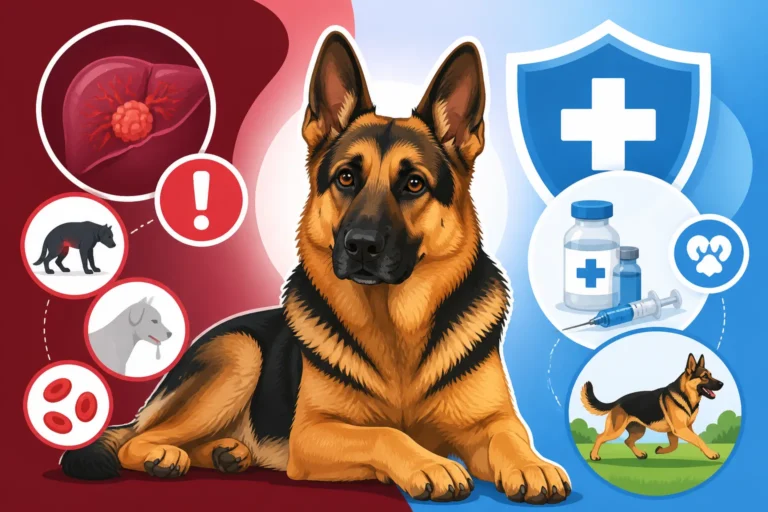
It's a hard truth: hemangiosarcoma is a particularly cruel and aggressive form of cancer that originates in the cells lining blood vessels. While it can affect any breed, our magnificent German Shepherds, along with Golden Retrievers and Labrador Retrievers, are disproportionately represented among those diagnosed. This isn't just a random bad luck draw; there's a strong genetic component at play, which immediately complicates the idea of "prevention" in the traditional sense. You can't simply vaccinate against it or remove a single environmental trigger. This cancer often metastasizes rapidly and silently, frequently found in the spleen, heart, or liver, making early detection a race against time, a race many owners don't even know they're running.
When it comes to our German Shepherds, their genetic predisposition means they carry a higher inherent risk. This isn't to say every German Shepherd will develop it, but rather that the breed's genetic blueprint makes them more susceptible. Unlike some other health issues where a clear cause-and-effect can be drawn, hemangiosarcoma remains somewhat mysterious in its exact triggers, beyond the underlying genetics. The disease progresses quickly, and symptoms often only appear once the cancer has advanced, leading to internal bleeding that can be catastrophic. The sudden collapse of a seemingly healthy dog is, tragically, often the first indication that something is terribly wrong.
Navigating the Challenges of True Prevention
Given its aggressive nature and genetic links, outright "prevention" of hemangiosarcoma is a concept that veterinarians and researchers are still grappling with. It's not like preventing fleas with a topical treatment or avoiding obesity through diet. Instead, our focus shifts to risk reduction, early detection strategies, and overall wellness support to give our German Shepherds the best possible chance against this formidable foe. This means being vigilant, making informed lifestyle choices, and maintaining a strong partnership with your veterinarian.
The Genetic Predisposition and Breeding Practices
One of the most significant challenges lies in the genetic component. While specific genes linked to hemangiosarcoma are still being researched, the increased prevalence in certain breeds points to heritable factors. This makes responsible breeding paramount. Reputable breeders should be transparent about the health history of their lines, looking for any incidence of cancer, especially hemangiosarcoma, in immediate relatives. While there isn't a specific genetic test for hemangiosarcoma yet that can definitively screen breeding dogs, breeders should be committed to improving the health of the breed as a whole. Owners interested in adding a German Shepherd to their family should always prioritize finding a breeder who prioritizes health clearances and genetic testing for other common ailments, as this generally indicates a commitment to overall health. For more information on health, you might want to read our guide on German Shepherd Genetic Health Testing.
Environmental Factors and Lifestyle Choices
While genetics load the gun, environmental factors and lifestyle choices might pull the trigger, or at least influence the timing and severity of the disease. Research is ongoing, but some theories suggest that chronic inflammation, exposure to certain toxins, and even dietary deficiencies could play a role. However, it's crucial to understand these are still areas of active investigation, and definitive links are hard to establish. What we do know is that a healthy, balanced lifestyle supports overall immune function, which is always beneficial.
For instance, minimizing exposure to environmental carcinogens, such as certain pesticides, herbicides, and household chemicals, is a prudent step for any dog owner. Think about what your German Shepherd walks on or rolls in in your yard and local park. Using pet-safe cleaning products indoors and avoiding chemically treated lawns can contribute to a cleaner environment for your dog. Additionally, ensuring your dog isn't exposed to secondhand smoke is another common-sense measure to protect their respiratory and overall health, as studies in human medicine have shown links between smoke exposure and various cancers.
Strategies for Reducing Potential Risks
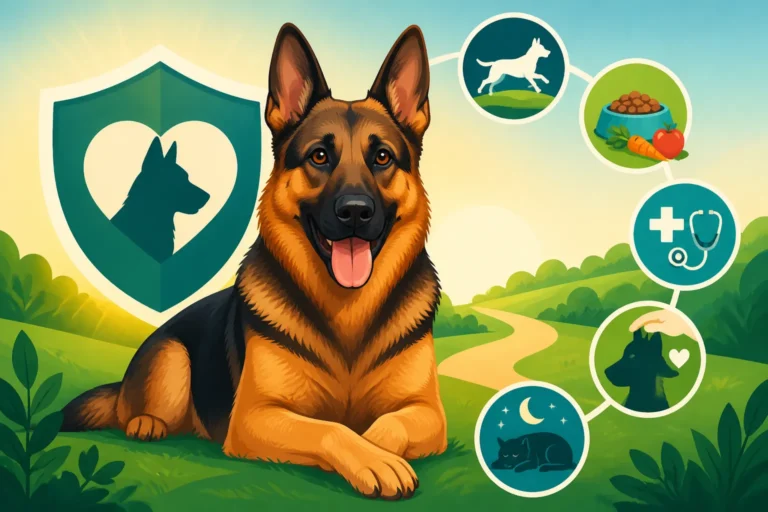
Since we can't completely prevent something with a strong genetic component, our best approach is to focus on reducing any potential risk factors we can influence and bolstering our dog's natural defenses. This multi-faceted strategy focuses on diet, exercise, stress management, and maintaining a healthy body weight.
Optimizing Diet and Nutrition
A high-quality, balanced diet is fundamental to supporting your German Shepherd's immune system and overall health. While no specific diet is proven to prevent hemangiosarcoma, nutrient-dense food can help reduce inflammation and provide the building blocks for healthy cellular function. Look for dog foods with whole ingredients, quality protein sources, and a good balance of fats, carbohydrates, vitamins, and minerals.
Consider foods rich in antioxidants, such as those containing cranberries, blueberries, spinach, and sweet potatoes, which can help combat oxidative stress in the body. Some owners explore specialized diets, like fresh food or raw food (BARF) diets, believing they offer superior nutrition and fewer artificial additives. If you're considering a raw diet for German Shepherds, it's essential to consult with a veterinary nutritionist to ensure it's balanced and safe. Regardless of the type of food, avoiding highly processed foods with excessive fillers, artificial colors, and preservatives is a sound choice for any pet. For guidance on optimal feeding, our German Shepherd Feeding Guide offers excellent insights.
| Dietary Component | Potential Benefit for Overall Health | Considerations for Hemangiosarcoma Risk Reduction |
|---|---|---|
| High-Quality Protein | Muscle maintenance, immune function | Essential for cellular repair, choose lean sources. |
| Omega-3 Fatty Acids | Anti-inflammatory properties | May reduce systemic inflammation. Found in fish oil. |
| Antioxidants (Vitamins C & E, Selenium) | Combat oxidative stress, protect cells | Supports immune health, found in fruits/vegetables. |
| Balanced Carbohydrates | Energy, fiber for gut health | Whole grains or easily digestible sources. |
| Limited Artificial Additives | Reduce potential toxin exposure | Choose natural ingredient foods to minimize chemical intake. |
The Role of Exercise and Weight Management
Regular, appropriate exercise is crucial for maintaining a healthy weight, promoting good circulation, and supporting overall vitality in German Shepherds. Obesity is a known risk factor for various cancers in dogs, much like in humans, as excess fat tissue can produce hormones and inflammatory compounds that promote cancer growth. Keeping your German Shepherd at a lean, healthy weight reduces strain on their organs and musculoskeletal system, and supports a more robust immune response.
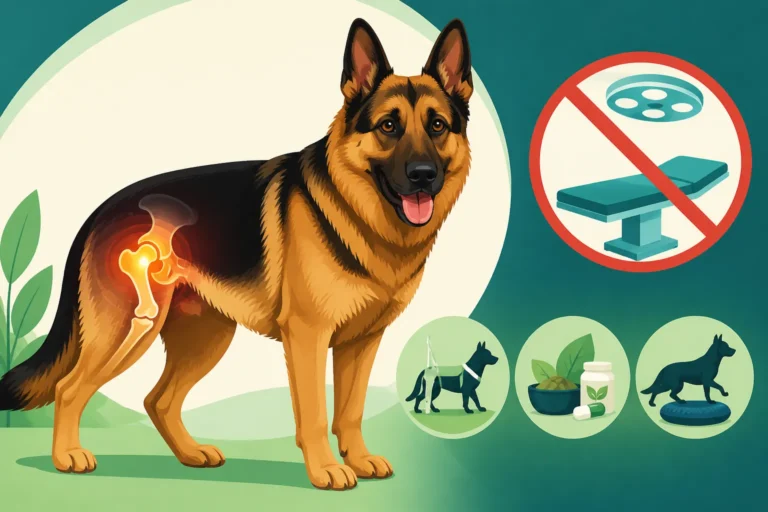
However, it's a fine line with German Shepherds, especially as puppies, where too much strenuous exercise can exacerbate joint problems like hip and elbow dysplasia. The key is consistent, moderate activity tailored to their age and physical condition. Daily walks, playtime in the yard, and mentally stimulating activities like fetch or training sessions are ideal. Avoid high-impact activities or long-distance running until their growth plates have closed, typically around 18-24 months of age. A healthy, active lifestyle contributes significantly to how to keep a German Shepherd healthy overall.
Minimizing Stress and Chemical Exposure
Chronic stress can negatively impact a dog's immune system, potentially making them more vulnerable to illness. While it's impossible to eliminate all stress, creating a stable, predictable, and loving environment can significantly reduce your German Shepherd's stress levels. This includes consistent routines, adequate mental stimulation, and plenty of positive reinforcement. A German Shepherd prone to German Shepherd Separation Anxiety Solutions, for example, might experience higher baseline stress, which should be managed.
As previously mentioned, reducing exposure to environmental chemicals is another crucial step. Be mindful of:
- Yard products: Opt for organic or pet-safe alternatives for fertilizers, weed killers, and insecticides.
- Household cleaners: Use natural or non-toxic cleaning agents.
- Flea and tick preventatives: Discuss with your vet the safest and most effective options, considering both topical and oral treatments.
- Passive smoke: Ensure your dog is not exposed to tobacco smoke.
While none of these individually cause hemangiosarcoma, a cumulative reduction in potential carcinogen exposure supports overall health and may reduce cellular damage over time.
The Critical Importance of Early Detection and Monitoring
Because true prevention is elusive, the most powerful tool we have against hemangiosarcoma is early detection. This aggressive cancer often has vague or non-existent symptoms until it reaches an advanced stage, making regular veterinary check-ups and your keen observation skills absolutely vital. Recognizing the subtle signs and acting quickly can dramatically impact the prognosis and treatment options. This is where pet insurance, like a plan from Healthy Paws, can become a lifeline, as diagnosing and treating cancer can incur significant financial costs.
Regular Veterinary Check-ups and Screening
Your German Shepherd should have at least annual veterinary check-ups, and senior dogs might benefit from biannual visits. These appointments are not just for vaccinations; they are a crucial opportunity for your vet to perform a thorough physical examination, listen to their heart, palpate their abdomen, and discuss any changes you've noticed.
For German Shepherds, especially those over the age of five, discussing more proactive screening measures with your vet is advisable. This could include:
- Baseline bloodwork: Regular blood tests, including a complete blood count (CBC) and chemistry panel, can sometimes reveal subtle changes even before symptoms appear. For insights into what to test, see German Shepherd Bloodwork: What to Test.
- Abdominal ultrasound: Because the spleen and liver are common sites for hemangiosarcoma, periodic abdominal ultrasounds, particularly for senior German Shepherds, can help detect splenic masses early. This isn't usually part of a routine check-up but can be considered as a proactive screening tool for at-risk breeds.
- Echocardiogram: If your vet hears any heart murmurs or abnormalities, an echocardiogram can check for cardiac involvement, another common site for this cancer.
These screenings are not guaranteed to catch every case, but they significantly improve the chances of early detection when compared to waiting for overt symptoms.
Recognizing Subtle Warning Signs
As a German Shepherd owner, you are your dog's first and most important line of defense. You see them every day, you know their normal behavior, and you are uniquely positioned to spot subtle changes that a vet might miss in a quick exam. Hemangiosarcoma symptoms are often non-specific, mimicking other less serious conditions, which is why vigilance is key.
Watch out for:
- Lethargy or weakness: Is your energetic German Shepherd suddenly reluctant to play or go for walks? Are they sleeping more than usual?
- Pale gums: This can be a sign of anemia or blood loss. Healthy gums should be a salmon pink color.
- Abdominal distension: A swollen or distended belly can indicate internal bleeding, especially if it appears suddenly.
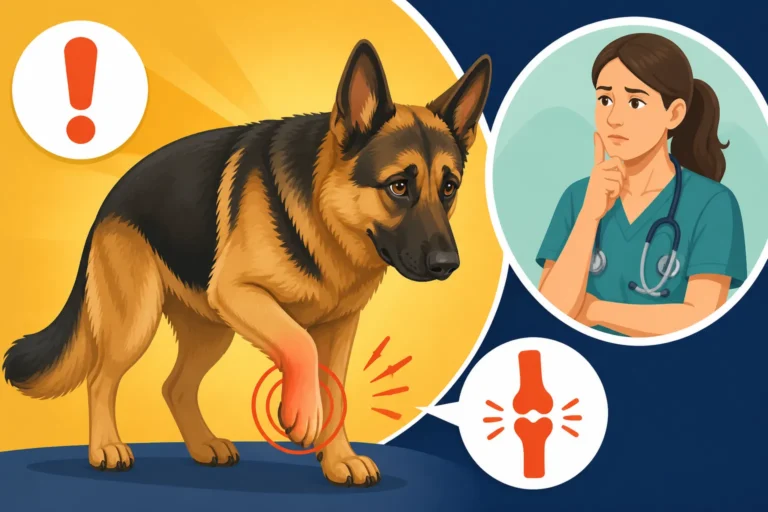
- Intermittent lameness or weakness: This can be a very subtle sign, often dismissed as arthritis or a minor strain.
- Loss of appetite or weight loss: Unexplained changes in eating habits or a gradual decrease in weight.
- Difficulty breathing: Especially if accompanied by other signs of weakness.
- Sudden collapse: This is a severe emergency and often indicates a ruptured tumor causing significant internal bleeding.
If you notice any of these signs, especially if they are persistent or worsen, contact your veterinarian immediately. It’s better to investigate a false alarm than to delay critical care. Early diagnosis, even if it leads to difficult conversations, provides the best opportunities for intervention, making a huge difference in outcomes.
Supporting Overall Wellness for Longevity
While hemangiosarcoma presents a significant challenge, fostering overall health and a strong immune system in your German Shepherd can provide a buffer against various diseases and improve their resilience, even if it doesn't offer a direct "prevention" against this specific cancer. A healthy body is simply better equipped to handle illness.
The Power of a Strong Immune System
A robust immune system is your German Shepherd's best defense against illness, including potentially mitigating the impact of various cellular abnormalities. Everything we've discussed – good nutrition, appropriate exercise, stress reduction, and minimizing toxin exposure – contributes to a healthy immune system.
Consider adding veterinarian-approved supplements that support immune health. Omega-3 fatty acids, for example, found in fish oil, are known for their anti-inflammatory properties and can support cellular health. Probiotics can improve gut health, which is intrinsically linked to immune function. Always discuss any supplements with your veterinarian to ensure they are appropriate for your dog's specific needs and won't interact negatively with other medications or conditions. For older German Shepherds, ensuring their senior care routine is optimized is also vital, and our German Shepherd Senior Care Guide can offer further insights.
Maintaining a Healthy Environment
Beyond what goes into their body, the environment your German Shepherd lives in plays a role in their overall well-being. A clean, safe home free from excessive dust, allergens, and airborne irritants supports respiratory health and reduces the burden on their immune system. Regular cleaning, using air purifiers, and maintaining good ventilation can make a difference.
Remember that German Shepherds thrive on routine and mental stimulation. A dog that is bored or constantly stressed is more likely to develop behavioral issues and potentially have a weakened immune system. Engage them with puzzle toys, regular training sessions, and plenty of quality time with you. A happy, mentally stimulated dog is generally a healthier dog.
The Role of Pet Insurance in Managing Serious Illnesses
Let's be realistic: even with the best preventative care and vigilance, serious illnesses can strike. When facing a diagnosis as devastating as hemangiosarcoma, the financial burden of advanced diagnostics, surgery, chemotherapy, and palliative care can be overwhelming. This is where pet insurance can truly provide invaluable support and peace of mind.
A comprehensive pet insurance plan, such as those offered by Healthy Paws, can cover a significant portion of veterinary costs for accidents, illnesses, and even certain hereditary conditions. This means you can focus on making the best medical decisions for your German Shepherd without the added stress of crushing veterinary bills. When you have a breed like the German Shepherd, known for certain health challenges, understanding Is Pet Insurance Worth It for a German Shepherd becomes a really important conversation. Having that financial safety net allows you to pursue aggressive treatments or extensive palliative care that you might otherwise have to forgo, ultimately giving your beloved companion the best possible chance at extending their quality of life.
Navigating a Hemangiosarcoma Diagnosis
Despite our best efforts, a hemangiosarcoma diagnosis can still occur. When it does, it's a terrifying moment, but knowing your options and having a support system in place is crucial.
Treatment Options and Prognosis
If hemangiosarcoma is diagnosed, your veterinarian will discuss treatment options. These often include surgical removal of the tumor (e.g., splenectomy for splenic tumors), followed by chemotherapy. The goal of surgery is to remove the primary tumor and prevent rupture, while chemotherapy aims to slow the spread of the remaining microscopic cancer cells. Unfortunately, even with aggressive treatment, the prognosis for hemangiosarcoma is often guarded due to its highly metastatic nature.
However, advancements in veterinary oncology are constantly being made. Your vet may refer you to a veterinary oncologist who specializes in cancer treatment. They can provide the most up-to-date information on protocols, clinical trials, and supportive care to maximize your German Shepherd's comfort and quality of life for as long as possible. Understanding the scope of German Shepherd Hemangiosarcoma Explained can help owners prepare.
Quality of Life and Palliative Care
Should a cure not be possible, or if aggressive treatment is not the right choice for your dog, focusing on palliative care becomes paramount. This involves managing pain, maintaining appetite, and ensuring your German Shepherd remains comfortable and enjoys their remaining time. Palliative care can include pain medications, anti-inflammatory drugs, appetite stimulants, and nutritional support.
The decision-making process during this time is incredibly difficult, often fraught with emotion. It's essential to have open and honest conversations with your veterinary team about your dog's quality of life. This may include discussions about when it might be time to consider humane euthanasia, a heartbreaking but often compassionate choice when pain and suffering can no longer be managed. Support groups and resources for pet bereavement can also be incredibly helpful during this challenging period. Ultimately, ensuring your dog's comfort and dignity should always be the priority.
Disclaimer
This article is intended for informational purposes only and is not a substitute for professional veterinary advice. Always consult with a qualified veterinarian regarding your German Shepherd's health and any medical conditions. Do not disregard professional medical advice or delay seeking it because of something you have read here.