How to Stop a German Shepherd from Biting
Few things are as alarming as a German Shepherd's bite, whether it's the razor-sharp nips of a puppy or the more concerning, forceful mouth contact from an adult. It's easy to feel frustrated, scared, or even a little heartbroken when your beloved companion shows this behavior, especially when you’re trying your best to raise a well-behaved dog. This comprehensive guide will delve deep into the common reasons behind biting in German Shepherds, offering practical, empathetic, and detailed strategies to effectively address and prevent this challenging issue at every stage of their lives, helping you foster a safer, more harmonious relationship.
Understanding Why German Shepherds Bite
Before you can tackle biting behavior, you first need to understand its root cause. Biting isn't always aggression; often, it's a form of communication or a developmental stage. Assuming the worst without investigating the "why" can lead to ineffective or even detrimental training methods. German Shepherds are intelligent and powerful dogs, and their actions always stem from a reason, even if it's not immediately obvious to us humans.
Puppy Nipping and Play Biting
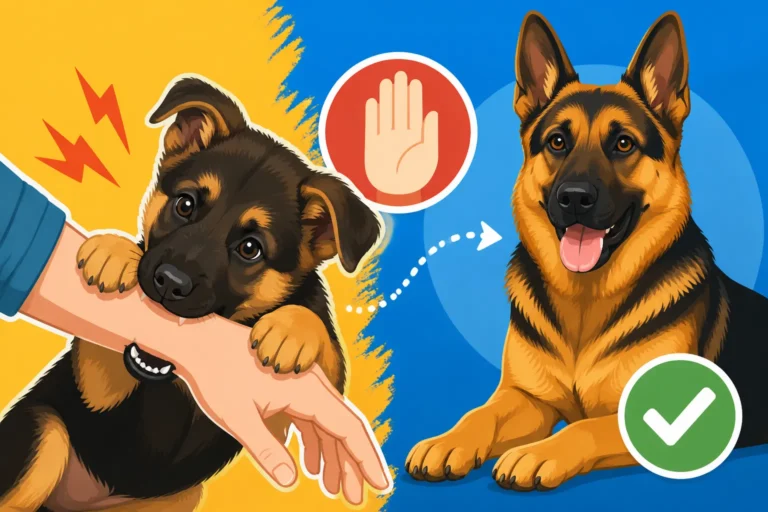
Ah, the joys of a German Shepherd puppy! Those adorable little land sharks with their needle-sharp teeth. Puppy nipping and play biting are incredibly common, and honestly, a perfectly normal part of puppy development. Puppies explore the world with their mouths, and they learn about bite pressure through play with their littermates. When a puppy bites another too hard, the bitten puppy yelps, and play stops, teaching the offender that painful bites end the fun.
Many new owners often feel overwhelmed by the constant nipping, especially when it targets hands, ankles, and clothing. It's not maliciousness; it’s how they interact and learn their boundaries. However, it's crucial that we, as their human companions, step in and continue this education, teaching them appropriate bite inhibition before these habits become ingrained. If this vital lesson isn't taught early, a puppy might grow up believing that biting hard is an acceptable way to interact or get attention, which can lead to more serious issues down the line with an adult dog.
Teething and Oral Exploration
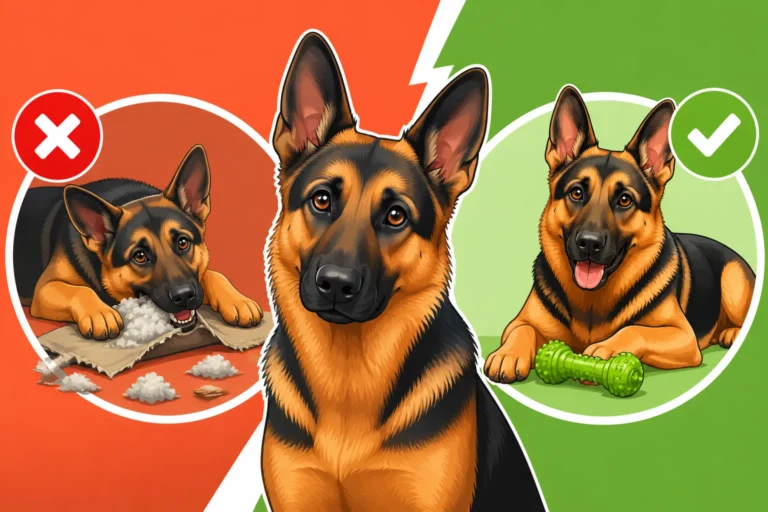
Just like human babies, German Shepherd puppies go through a teething phase, and it's no picnic for them (or your furniture!). From about 3 to 6 months of age, those sharp puppy teeth fall out, and their strong adult teeth begin to emerge. This process can be quite uncomfortable, leading puppies to seek relief by chewing and nipping anything and everything. Your hands and feet, unfortunately, are often the most accessible and interesting chew toys.
During this period, their need to chew is almost insatiable. They’re not trying to be naughty; they’re trying to soothe their aching gums. It's a critical time to provide plenty of appropriate chew items and redirection, otherwise, your favorite pair of shoes or the leg of your dining table might become collateral damage. Ignoring this developmental need can also exacerbate nipping, as they haven't learned what is and isn't acceptable to mouth.
Fear, Anxiety, and Defensive Biting
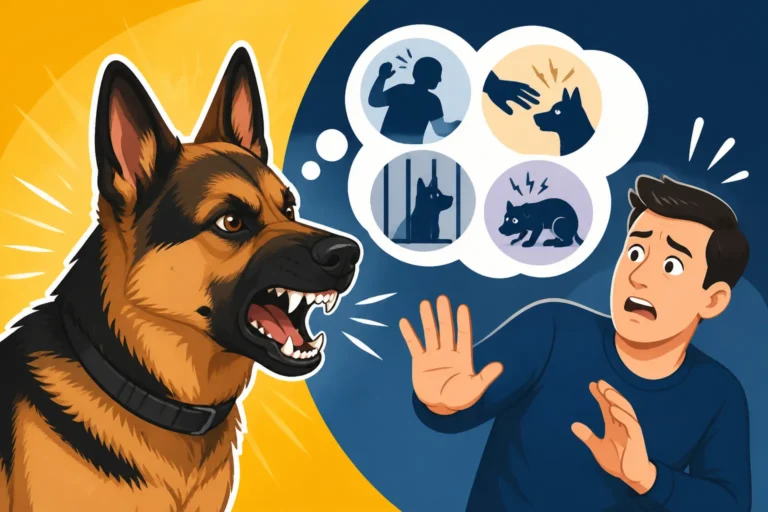
This is where biting can become much more serious, especially with an adult German Shepherd. Fear and anxiety are incredibly common triggers for defensive biting. A dog that feels cornered, threatened, or overwhelmed might bite to create space or make the perceived threat back off. This isn't aggression for aggression's sake; it's a self-preservation instinct. This type of biting often comes with clear warning signs – think growling, lip curling, ears pinned back, stiff body language – but sometimes, if these warnings have been ignored or punished in the past, a dog might skip straight to the bite.
For instance, if your German Shepherd is uncomfortable with strangers approaching too quickly, or if they have a history of negative experiences at the vet, they might react with a bite. It’s their way of saying, "Please stop, I'm scared." Understanding German Shepherd Behavior Problems and Solutions can help you recognize these underlying anxieties. It’s our responsibility to identify these triggers and manage them proactively, providing a sense of safety and building trust, rather than forcing them into situations that cause distress.
Lack of Socialization or Training
A well-socialized German Shepherd is typically a confident and well-adjusted dog. Conversely, a lack of proper socialization, especially during their critical puppyhood window (roughly 3 to 16 weeks), can lead to fear, insecurity, and reactivity, which can easily manifest as biting. If a puppy hasn't been exposed to a variety of people, sounds, environments, and other friendly dogs in a positive way, they might view anything unfamiliar as a threat.
Similarly, inadequate training can contribute to biting. A dog that hasn't learned impulse control, boundaries, or appropriate ways to interact might resort to biting out of frustration, over-excitement, or simply because they don't know any other way. For example, a dog that hasn't been taught not to jump might nip when overstimulated because they lack the proper social graces or a clearer form of communication. Comprehensive training, much like what you'd find in a BAXTER & Bella program, provides the structure and clear communication necessary to prevent these behavioral gaps.
Resource Guarding and Territoriality
Resource guarding is when a dog becomes possessive over certain items – food, toys, a favorite resting spot, or even a person – and reacts defensively when someone approaches or tries to take them away. This can range from a subtle growl to a snap or a full bite. It’s a very natural canine instinct, but one that needs careful management in a domestic setting. A German Shepherd, with their inherent protective instincts, can be prone to resource guarding if not properly managed from a young age.
Territoriality is a similar concept, where a dog feels the need to protect their perceived territory, such as your home or yard, from intruders (which can include mail carriers, visitors, or even squirrels). They might bark, lunge, and if the perceived threat doesn't retreat, they might escalate to biting. This isn't always "aggression" in a vicious sense; it's often an overzealous attempt to fulfill their guardian role. Recognizing these behaviors early is crucial to prevent escalation and ensure the safety of everyone around your dog.
Here's a quick overview of common biting reasons and initial approaches:
| Biting Reason | Common Age Range | Underlying Cause | Initial Intervention Strategy |
|---|---|---|---|
| Puppy Nipping / Play Biting | 8 weeks to 6 months | Exploration, learning limits | Redirect to appropriate toys, teach bite inhibition, "ouch!" method |
| Teething | 3 to 6 months | Gum discomfort | Provide many appropriate chew toys |
| Fear / Anxiety / Defensive Biting | Any age, often adult | Perceived threat, insecurity | Identify triggers, create safe space, desensitize, professional help |
| Lack of Socialization / Training | Any age, roots in puppy | Unfamiliarity, impulse control | Gradual positive exposure, consistent obedience training |
| Resource Guarding / Territoriality | Any age, often adult | Possessiveness, protective | Management of resources, "trade-up" game, controlled introductions |
Early Intervention: Training Your German Shepherd Puppy
The good news about puppy biting is that it's a phase, and it’s highly trainable. The sooner you start, the better. Establishing good habits early makes a world of difference in raising a well-adjusted German Shepherd who understands appropriate mouth use. Trying to address these behaviors later in life, especially with a powerful breed like a German Shepherd, can be significantly more challenging. Think of this puppy stage as building the fundamental rules of engagement.
Teaching Bite Inhibition
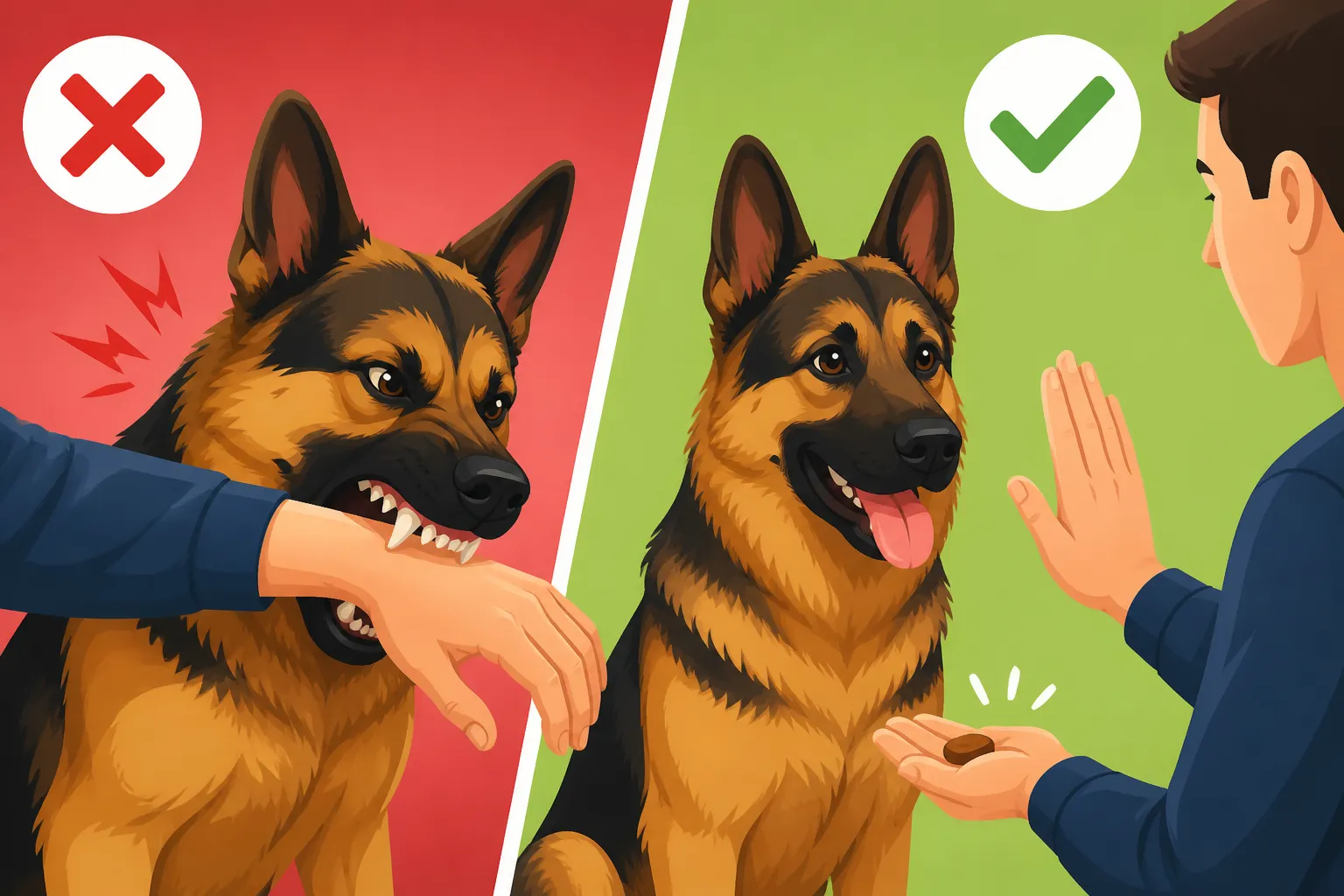
Teaching bite inhibition is perhaps the single most important lesson for a German Shepherd puppy. This isn't about stopping them from biting entirely (that's unrealistic and undesirable for a dog), but rather teaching them how hard they can bite. Remember the littermate scenario? We need to replicate that. When your puppy mouths or nips you, and it's too hard, let out a sharp, high-pitched "Ouch!" or "Yelp!" and immediately withdraw your hand and stop all interaction. This might mean getting up and walking away, or simply turning your back for 10-20 seconds.
The key is consistency and immediate feedback. The puppy learns that painful bites make the fun stop. Once they've calmed down, you can re-engage. If they nip softly, you can continue playing and praise them gently. The goal is for them to learn to control the pressure of their bite, eventually only offering very gentle mouth contact, if any, when interacting with humans. This is a foundational skill that can literally be a lifesaver, as a dog with good bite inhibition is less likely to cause serious injury even if they do bite in a stressful situation later in life. This is a key component of effective How to Do Bite Inhibition with a German Shepherd training.
Redirection Techniques for Nipping
Puppies have an innate urge to chew and mouth, especially during teething. Instead of constantly telling them "no" (which often means little to a puppy), provide them with acceptable alternatives. This is where redirection comes in. When your German Shepherd puppy comes at you with those sharp teeth, don't pull your hand away quickly, as this can often make them more eager to "catch" it. Instead, calmly insert an appropriate chew toy or a sturdy rope toy between your hand and their mouth.
Offer a variety of textures and types of toys. Some puppies love soft, plush toys, others prefer harder rubber or nylon chews, and many enjoy puzzle toys that dispense treats. Brands like Kong and Nylabone, readily available on Amazon, offer durable options perfect for a German Shepherd's strong jaws. When they take the toy, praise them enthusiastically! This teaches them that chewing on toys gets them positive attention and satisfies their oral needs. This constant, gentle guidance helps them understand what is and isn't a chewable item in your home.
Crate Training for Calmness and Structure
Crate training, when done correctly, is a phenomenal tool for German Shepherd puppies. It provides them with a safe, den-like space where they can relax and feel secure. Beyond house-training benefits, a crate can be invaluable in managing nipping and over-excitement. When your puppy becomes overly nippy, overstimulated, or simply needs a break, a short, positive "time-out" in their crate can help them settle down.
It’s crucial that the crate is introduced positively, never as punishment. Make it a comfortable place with soft bedding and maybe a safe chew toy. When your puppy is getting too wild, gently guide them to their crate for a few minutes to decompress. This teaches them self-regulation and provides a structured way to interrupt unwanted behaviors without resorting to punishment. For a deeper dive, check out our guide on How to Crate Train a German Shepherd. This quiet time in their personal space helps them reset and return calmer, often leading to less reactive behavior.
Strategies for Managing Adult German Shepherd Biting
Addressing biting in an adult German Shepherd is often more complex than with a puppy, as the behavior may be more ingrained or stem from deeper psychological issues. It requires patience, consistency, and often, professional guidance. The stakes are higher with an adult dog due to their size and strength, so safety should always be paramount.
Addressing Fear and Anxiety Triggers
If your adult German Shepherd is biting out of fear or anxiety, the first step is to identify and, if possible, avoid the triggers. This might mean changing your walking route to avoid certain dogs, limiting visitors, or creating a safe, quiet space for them when guests are over. Once you understand the triggers, you can begin a process of desensitization and counter-conditioning. Desensitization means gradually exposing your dog to the trigger at such a low intensity that they don't react fearfully. Counter-conditioning involves changing your dog's emotional response to the trigger from negative (fear) to positive (happiness).
For example, if your dog is fearful of strangers, start by having a person stand far away, just within your dog's sight, where they show no signs of fear. Reward your dog with high-value treats. Over time, gradually decrease the distance, always ensuring your dog remains calm and happy, associating the presence of strangers with positive outcomes. This is a slow, methodical process that cannot be rushed. Punishing fear-based reactions will only exacerbate the problem, teaching your dog to suppress their warning signs, making a bite more likely without warning.
Professional Help and Advanced Training
For any serious biting behavior in an adult German Shepherd, especially if it involves aggression, drawing blood, or occurs without clear warning, seeking professional help is not just recommended, it's essential. This is not a battle to fight alone. A certified professional dog trainer or a veterinary behaviorist has the expertise to accurately assess the situation, identify underlying causes (which can sometimes be medical), and develop a safe, effective modification plan. They can observe your dog's body language, assess your interactions, and pinpoint subtle cues you might be missing.
They might recommend specific tools, such as a muzzle for safety during training or while assessing triggers, or a long line for controlled exposure. They can guide you through techniques like "look at that" for reactivity, or desensitization protocols. For serious cases, a veterinary behaviorist might also consider medication as part of a comprehensive treatment plan, particularly if anxiety or phobias are severe. Remember, asking for help isn't a sign of failure; it's a sign of a responsible and loving owner committed to their dog's well-being and the safety of others. Programs like those offered by BAXTER & Bella provide structured online guidance that can be a great starting point, but in-person professional help is crucial for severe cases.
Environmental Management and Safe Spaces
Managing your dog's environment is a powerful, yet often overlooked, strategy for preventing bites. This involves setting up their living space and routines to minimize opportunities for biting and reduce stress. If your dog resource guards a specific toy, put it away when guests are present. If they guard their food bowl, feed them in a quiet, separate room. Use baby gates or crates to manage interactions, especially with children or other pets, until training has progressed significantly.
Creating a "safe space" for your German Shepherd is also vital. This could be their crate, a specific bed, or a quiet room where they can retreat when feeling overwhelmed. Teach everyone in the household, especially children, that when the dog is in their safe space, they are not to be disturbed. This respect for their personal zone reduces stress and provides an outlet for your dog to self-regulate. Thoughtful environmental management can dramatically reduce the likelihood of biting incidents while you work on long-term behavioral changes.
Building a Foundation: Long-Term Prevention and Socialization
Preventing biting is an ongoing process that extends beyond simply stopping the current behavior. It's about establishing a strong foundation of trust, clear communication, and responsible ownership that fosters a well-adjusted and confident German Shepherd throughout their life.
Consistent Training and Reinforcement
Consistency is the bedrock of all effective dog training, and it's particularly vital when addressing biting. Every member of the household needs to be on the same page, applying the same rules and using the same techniques. If one person allows nipping and another punishes it, your German Shepherd will become confused and training will stall. Enroll in obedience classes or follow a structured training program like the ones found online. Regular practice of basic commands like "sit," "stay," "leave it," and "down" not only builds impulse control but also strengthens your bond and establishes clear leadership.
Positive reinforcement is key. Reward desired behaviors generously with treats, praise, or favored toys. For example, if your puppy chooses to chew a Kong toy instead of your hand, shower them with praise. If an adult dog remains calm when a trigger appears, reward that calm behavior immediately. This consistent reinforcement helps your German Shepherd understand what you want them to do, rather than just what they shouldn't do. This ongoing commitment to How to Train a German Shepherd will shape a reliable and well-mannered companion.
Proper Socialization with People and Other Dogs
While the critical socialization window closes relatively early, ongoing, positive socialization is crucial throughout a German Shepherd's life. This means carefully orchestrated, positive exposures to a variety of people, dogs, sights, and sounds. For puppies, this includes puppy classes, controlled playdates with vaccinated, friendly dogs, and meeting different types of people (men, women, children, people with hats or glasses) in a calm, supervised manner.
For adult German Shepherds with a history of reactivity or fear-based biting, socialization needs to be approached even more cautiously, often under the guidance of a professional. It's not about throwing them into a dog park; it's about structured, positive interactions. This might involve parallel walks with a calm, friendly dog at a distance, or quiet observations of people from a safe distance, always pairing the experience with high-value treats. The goal is to build positive associations and confidence, helping your German Shepherd feel comfortable and secure in the world around them. Our guide on How to Socialize a German Shepherd provides excellent starting points.
Providing Adequate Mental and Physical Stimulation
A bored German Shepherd is a destructive German Shepherd, and sometimes, destructive or unwanted behaviors, including nipping and reactivity, stem from a lack of appropriate outlets for their considerable energy and intelligence. These dogs were bred to work, and they need both physical and mental challenges to thrive. Simply letting them out in the backyard isn't enough.
Regular exercise, tailored to their age and health, is non-negotiable. This could be brisk walks, jogging, fetch in a secure yard, or structured playtime. For German Shepherd puppies, be mindful of How Much Exercise Is Too Much for a Puppy to protect their developing joints. Beyond physical exertion, mental stimulation is equally important. Incorporate puzzle toys, scent work, obedience training sessions, or even learning new tricks. Rotating toys, hiding treats, and engaging in interactive play sessions can keep their minds engaged and prevent boredom-induced behaviors. A German Shepherd with a fulfilled mind and body is a much happier, calmer, and less likely to bite companion.
Disclaimer
This article provides general information and recommendations regarding German Shepherd biting behavior and should not be considered a substitute for professional veterinary advice or certified dog trainer consultation. Every dog is an individual, and the severity and underlying causes of biting can vary greatly. If your German Shepherd exhibits persistent or aggressive biting, especially if it causes injury, it is crucial to consult with a qualified veterinary behaviorist or a certified professional dog trainer for a personalized assessment and management plan. Your dog's health and safety, as well as the safety of others, should always be the top priority.