How to Stop German Shepherd Chewing
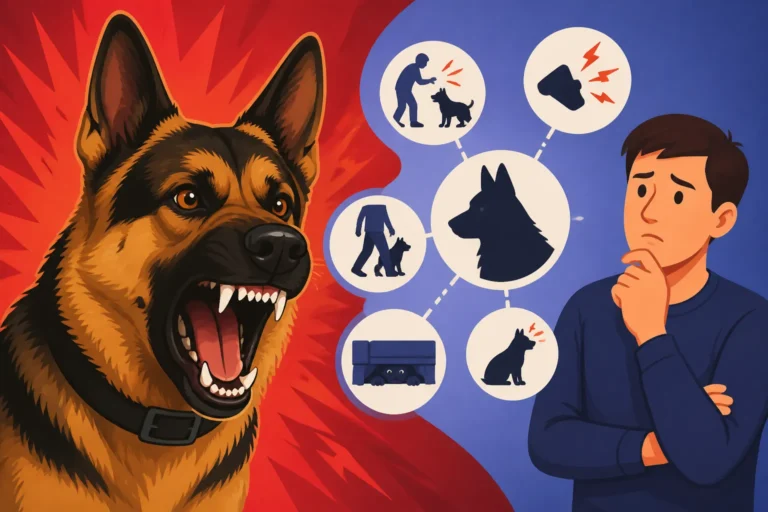
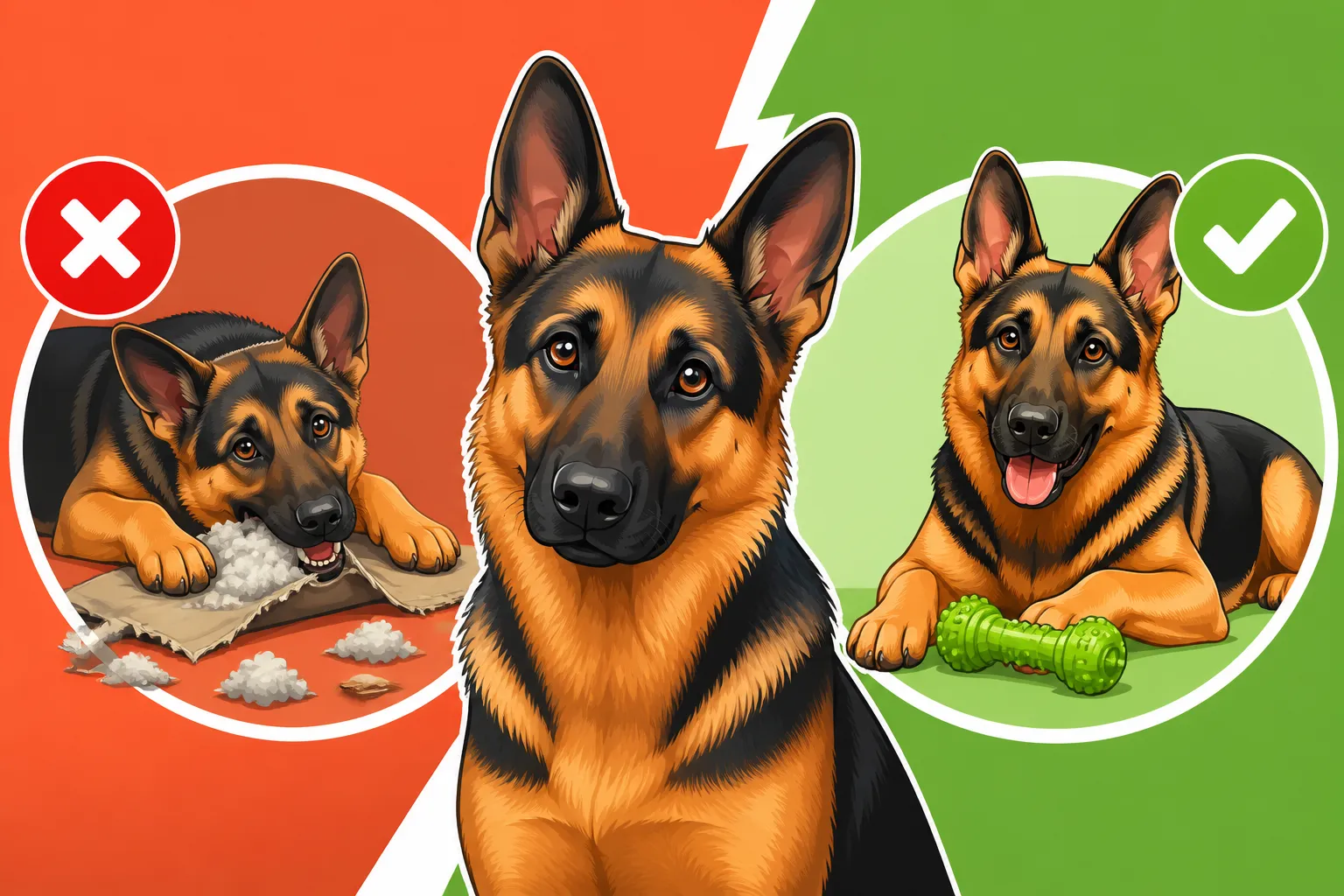
One of the most frustrating, and sometimes expensive, challenges German Shepherd owners face is destructive chewing. It's heartbreaking to come home to a shredded couch cushion or a favorite pair of shoes reduced to a pile of scraps, and it leaves you wondering why your intelligent, loyal companion decided to redecorate with their teeth. This comprehensive guide is here to walk you through understanding why your German Shepherd chews and, more importantly, equip you with practical, empathetic strategies to curb this destructive habit and foster a more harmonious home.
Understanding Why Your German Shepherd Chews
It’s easy to get angry when you discover a chewed-up item, but it’s crucial to remember that chewing is a completely natural behavior for dogs, especially for a breed as driven and intelligent as the German Shepherd. They don't chew to spite you; they chew because it fulfills an innate need. Unpacking these reasons is the first step toward finding effective solutions.
Puppy Teething Pains
Just like human babies, German Shepherd puppies go through an intense teething phase. This usually starts around 3-4 weeks of age when their baby teeth emerge, and then again, more intensely, between 12-16 weeks as their adult teeth push through. Their gums become sore and inflamed, and chewing provides immense relief. Anything and everything becomes a target for their aching mouths. Without appropriate chew toys, your coffee table leg or your favorite book might seem like the perfect pacifier. It’s not just about pain relief; it's also about exploring their world with their mouths and learning about textures and shapes. This stage is temporary, but crucial for setting up good habits.
Boredom and Lack of Mental Stimulation
German Shepherds are highly intelligent and active dogs. They were bred to work, to herd, and to be vigilant protectors. If their sharp minds and energetic bodies aren't given adequate outlets, boredom quickly sets in, and a bored German Shepherd is a destructive German Shepherd. Chewing becomes a self-soothing mechanism and a way to create their own "job." Imagine being cooped up all day with nothing to do; you'd find a way to entertain yourself too! This often manifests as chewing on furniture, doorframes, or anything they can get their paws on. They're not being naughty; they're simply channeling their pent-up energy and intelligence in the only way they know how. Providing enough mental exercise is just as important as physical exercise for this breed. If you're struggling to keep their minds engaged, consider reading our guide on Best Mental Stimulation for German Shepherds.
Anxiety and Stress
Sometimes, chewing isn't about boredom or teething; it's a coping mechanism for stress or anxiety. German Shepherds can be sensitive dogs, and changes in routine, new environments, loud noises, or separation from their owners can trigger anxiety. For many dogs, chewing releases endorphins, which helps them feel calmer and more relaxed. If your German Shepherd only chews when you leave the house, or after a stressful event like a trip to the vet, it’s a strong indicator of anxiety. This is particularly true for separation anxiety, where the chewing can be intense and focused on exits like doors or windows. Dealing with the root cause of the anxiety is paramount, and simply punishing the chewing won't solve the underlying emotional distress. For more on this topic, check out our insights on How to Stop German Shepherd Separation Anxiety.
Exploration and Natural Instinct
From the moment they're born, puppies use their mouths to explore their environment. They pick things up, mouth them, and learn about the world through taste and texture. This exploratory chewing doesn't entirely disappear as they mature. Adult German Shepherds still have a strong natural instinct to chew. It helps keep their jaws strong, their teeth clean (to an extent), and is a natural part of canine behavior. The key is to redirect this natural instinct towards appropriate items, rather than trying to suppress it entirely. It’s about teaching them what they can chew on, not that chewing is inherently bad.
Common Chewing Triggers and Scenarios
Identifying when and what your German Shepherd chews can give you crucial clues about the underlying reason for the behavior. Pay close attention to these patterns.
Household Items as Prime Targets
Many German Shepherds seem to have a particular fondness for specific household items. Shoes, remote controls, chair legs, books, throw pillows – these aren't random choices. Shoes often carry your scent, which can be comforting to an anxious dog. Furniture provides a sturdy, satisfying surface to gnaw on, and for puppies, chair legs are just the right height for their developing jaws. These items are often within easy reach and, from a dog's perspective, entirely fair game if no alternative is provided. If you find yourself constantly replacing items, it's a clear sign that management strategies need to be put in place immediately.
Chewing Linked to Separation Anxiety
This is one of the toughest forms of chewing to tackle because it stems from deep emotional distress. A German Shepherd with separation anxiety may chew intensely at exit points, like doorframes or window sills, in an attempt to get closer to their absent owner. They might also chew on bedding, crates, or personal items that smell like you. This type of chewing is often accompanied by other signs of distress, such as excessive barking, howling, pacing, or accidents indoors, all occurring only when you're not home. It's not about being destructive; it's about trying to cope with overwhelming panic. Addressing separation anxiety requires a multi-faceted approach, often involving desensitization and counter-conditioning.
Attention-Seeking Chewing
Sometimes, your German Shepherd might chew on something inappropriate right in front of you, almost daring you to react. This isn't necessarily malice; it could be an attention-seeking behavior. If they've learned that chewing on your slipper gets an immediate reaction from you – even if it's a frustrated yell or chasing them – they might repeat the behavior because any attention is better than no attention. This is especially common if they aren't getting enough dedicated playtime or training sessions. They've figured out that chewing on forbidden items is a reliable way to get you to engage with them, even if it's negative attention.
Effective Strategies to Manage Chewing
Now that we understand the 'why,' let's dive into the 'how.' Successfully stopping destructive chewing involves a combination of management, redirection, and training. Consistency is your best friend here.
Management and Prevention: Puppy-Proofing Your Home
The simplest way to stop unwanted chewing is to prevent access to chewable temptations. Think of your home through your German Shepherd’s eyes (and mouth!).
- Secure Valuables: Put shoes, books, remote controls, children's toys, and anything else you cherish out of reach. Use tall shelves, secure cabinets, or even baby gates to block access to certain rooms.
- Crate Training: A crate, when introduced positively, becomes your German Shepherd's safe den and an invaluable tool for preventing destructive chewing when you can't supervise them directly. For detailed guidance, see our article on How to Crate Train a German Shepherd. When they are in their crate, they should always have appropriate, safe chew toys.
- Supervision: The old adage "a watched pot never boils" applies here. When your German Shepherd is out of their crate, they should be under your direct supervision, especially when they are young. Use a tether or an indoor leash if necessary to keep them close and within sight. This allows you to interrupt unwanted chewing immediately and redirect them.
- Bitter Sprays: For items that can't be moved, like furniture legs or electrical cords, consider using a taste deterrent. Sprays like Grannick's Bitter Apple or Fooey are readily available on platforms like Amazon and can make forbidden items unappealing. Test on an inconspicuous spot first to ensure it doesn't stain.
Providing Appropriate Chew Toys and Rotation
This is arguably the most critical strategy. You can't expect a German Shepherd to stop chewing if you don't give them acceptable alternatives.
- Variety is Key: Dogs, just like people, can get bored with the same old toy. Offer a variety of textures, shapes, and sizes. Think rubber toys, braided ropes, dental chews, and even natural chews like bully sticks (under supervision). Some German Shepherds prefer soft, squeaky toys, while others need something rock-solid to gnaw on.
- Durability: German Shepherds have powerful jaws. Invest in high-quality, durable toys specifically designed for strong chewers. Brands like Kong, Nylabone, and GoughNuts are popular choices known for their toughness. Check toys regularly for damage and replace them when they start to break apart to prevent choking hazards or ingestion of plastic pieces.
- Rotation: To keep things exciting, don't leave all the toys out all the time. Rotate them, offering 2-3 at a time, and swap them out every few days. This keeps the toys "new" and interesting.
- Interactive Chews: Stuffable toys, like a classic Kong, filled with peanut butter (xylitol-free!), plain yogurt, or kibble and then frozen, can keep your German Shepherd happily occupied for extended periods. This combines chewing with a mental challenge, hitting two birds with one stone.
Enrichment and Exercise
Addressing the underlying needs of your German Shepherd is vital. A tired, mentally stimulated German Shepherd is far less likely to resort to destructive chewing.
- Adequate Physical Exercise: German Shepherds need a lot of exercise. This isn't just a quick walk around the block. They need vigorous activity daily – running, fetch, hiking, or even swimming. Aim for at least 1-2 hours of dedicated exercise, tailored to their age and health. Remember, a puppy's exercise needs differ from an adult's. Learn more about their needs in our guide on German Shepherd Exercise Requirements.
- Mental Stimulation: Beyond physical exercise, engage their brilliant minds. Training sessions, puzzle toys, sniff games, and even teaching them new tricks can be incredibly tiring for their brains. Enroll in obedience classes, try scent work, or introduce interactive feeding toys that make them "work" for their meals. Even just 15-20 minutes of dedicated training can wear them out more than a long walk.
- Routine: Dogs thrive on routine. A predictable schedule for feeding, potty breaks, exercise, and training can help reduce anxiety and uncertainty, which in turn can lessen stress-induced chewing.
Redirection and Positive Reinforcement
This is where you actively teach your German Shepherd what to chew.
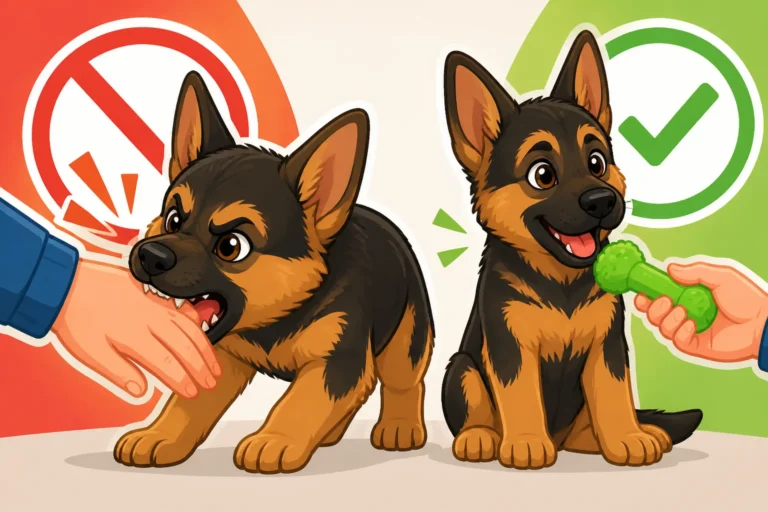
- Interrupt and Redirect: If you catch your German Shepherd chewing on something inappropriate, calmly interrupt them. Don't yell or scare them. A firm "No!" or a sharp clap is usually enough to get their attention. Immediately offer them an appropriate chew toy.
- Praise and Reward: The moment they take the appropriate chew toy in their mouth, lavish them with praise ("Good chew!") and even a tasty treat. This positive reinforcement teaches them that chewing on this toy earns them rewards, while chewing on that forbidden item does not. Consistency is key here; every time you see them chewing the right thing, reinforce it.
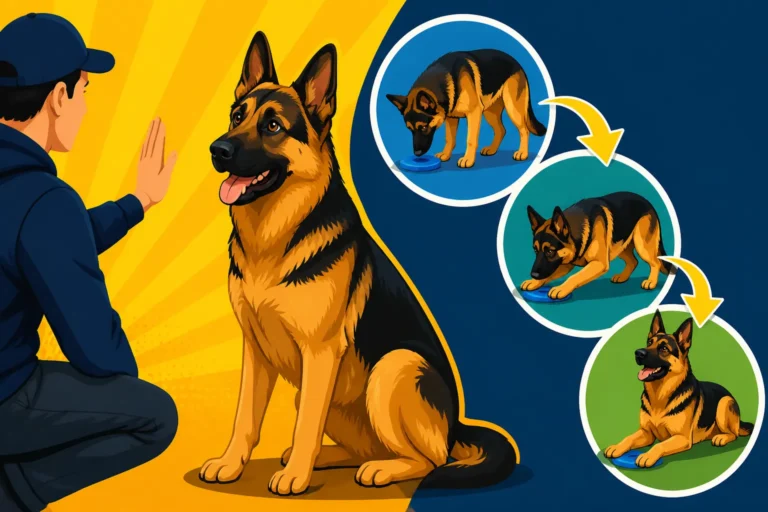
- Teach "Leave It": This is an incredibly useful command for German Shepherds. Start by teaching it with low-value items and gradually work up to higher-value temptations. A strong "leave it" command can save many household items from destruction. Online training resources, like those offered by BAXTER & Bella, often have modules dedicated to teaching foundational commands like "Leave It" and can be a great resource for consistent guidance.
Tools and Aids to Help with Chewing
Beyond the behavioral strategies, certain tools can be incredibly helpful in managing and redirecting your German Shepherd's chewing instincts.
Deterrents and Repellents
- Bitter Sprays: As mentioned, these can be a lifesaver for furniture, electrical cords, or baseboards. While not a permanent solution, they buy you time to implement training and redirection strategies.
- Commercial Anti-Chew Products: There are sprays and creams specifically formulated to deter chewing with unpleasant tastes. Always check ingredients to ensure they are pet-safe and test on a small, hidden area first.
Durable Chew Toys for German Shepherds
This breed needs toys that can withstand some serious gnawing.
- Rubber Toys: Brands like Kong, particularly their "Extreme" line, are virtually indestructible and perfect for stuffing. They provide a satisfying resistance for strong jaws.
- Nylon Chews: Nylabone offers a range of durable nylon bones in various shapes and flavors. Ensure you choose the appropriate size and strength for your German Shepherd's chewing style. Monitor them, as small pieces can break off, though usually designed to be indigestible if swallowed in small amounts.
- Hard Rubber Balls: Not just for fetch, some heavy-duty rubber balls are designed for chewing, offering a safe, resilient surface.
- Dental Chews: While not a replacement for proper dental hygiene (see German Shepherd Dental Care Explained), certain dental chews can help satisfy the urge to chew while also cleaning teeth. Choose larger, reputable brands that are designed for aggressive chewers.
- Natural Chews: Bully sticks, antlers, and robust yak chews can be excellent options, but always supervise your German Shepherd while they are enjoying these to prevent choking or splintering. Purchase from reputable sources to ensure quality and safety. Many of these can be found on Amazon with great reviews from other large dog owners.
Puzzle Feeders and Interactive Toys
These are fantastic for mental stimulation and for making your German Shepherd "work" for their food, which can reduce boredom chewing.
- Slow Feeder Bowls: These don't directly stop chewing, but they make mealtime last longer and engage your dog's mind, which contributes to overall satisfaction and less boredom later.
- Dispensing Toys: Toys that dispense kibble or treats as your dog manipulates them can turn mealtime into a fun, challenging game. This directly addresses the need for mental engagement.
- Snuffle Mats: These fabric mats with hidden pockets for treats encourage natural sniffing and foraging behaviors, tiring out your German Shepherd's brain.
Confinement Options
- Crates: As mentioned, a properly introduced crate is a safe, secure space for your German Shepherd when unsupervised. It prevents destructive chewing and keeps them safe.
- Playpens: For puppies or smaller adult German Shepherds, a sturdy playpen can offer a larger supervised area than a crate, still preventing access to off-limits items. Ensure it's tall enough and strong enough to contain them.
When to Seek Professional Help
While many chewing issues can be resolved with consistent management and training, some situations warrant the expertise of a professional. Don't hesitate to reach out if you're feeling overwhelmed or if the problem persists despite your best efforts.
Consulting Your Veterinarian
- Rule Out Medical Issues: Sometimes, excessive chewing can be a symptom of an underlying medical problem. Dental pain, gastrointestinal issues, or even nutritional deficiencies can sometimes manifest as increased chewing. A vet can rule out these possibilities.
- Anxiety Medication: If separation anxiety or other anxiety disorders are severe, your vet might discuss medication options to help manage your German Shepherd's stress levels, in conjunction with behavioral modification. This isn't a cure but can provide a window for training to be more effective.
Working with a Certified Dog Trainer or Behaviorist
- Complex Behavioral Problems: If your German Shepherd's chewing is severe, dangerous (e.g., ingesting large foreign objects), or linked to deep-seated anxiety or aggression, a certified professional dog trainer or veterinary behaviorist can provide tailored guidance. They can help diagnose the root cause and develop a specific behavior modification plan.
- Separation Anxiety Specialist: For true separation anxiety, a certified professional dog trainer with expertise in this area is invaluable. They can guide you through desensitization protocols that slowly teach your German Shepherd to cope with your absence.
Remember, finding the right trainer is important. Look for those who use positive reinforcement methods and have experience with German Shepherds and their unique needs. Many online platforms also offer virtual consultations, which can be a convenient way to get expert advice from home.
Chewing Management Checklist
Here's a quick checklist to help you stay on track with managing your German Shepherd's chewing habits:
| Strategy | Action Steps | Frequency |
|---|---|---|
| Prevention & Management | Puppy-proof your home: secure valuables, block off areas. | Ongoing |
| Use a crate or playpen when unsupervised. | Daily (as needed) | |
| Apply bitter sprays to tempting, immovable objects (e.g., furniture legs). | As needed (reapply) | |
| Appropriate Chews | Provide a variety of durable, size-appropriate chew toys. | Always available |
| Rotate toys regularly to maintain interest. | Every few days | |
| Offer interactive/stuffable toys (e.g., Kongs) filled with treats. | Daily | |
| Exercise & Enrichment | Ensure 1-2 hours of vigorous physical exercise daily (e.g., running, fetch). | Daily |
| Provide 15-30 minutes of dedicated mental stimulation (e.g., training, puzzle feeders, scent games). | Daily | |
| Maintain a consistent daily routine. | Daily | |
| Training & Redirection | Interrupt inappropriate chewing calmly and immediately redirect to an acceptable chew toy. | As it happens |
| Lavishly praise and reward (treats!) when they chew on appropriate toys. | As it happens | |
| Practice "Leave It" and "Drop It" commands. | Daily training | |
| Professional Help | Consult vet if chewing is sudden, excessive, or accompanied by other concerning symptoms. | As needed |
| Seek a certified dog trainer/behaviorist for severe anxiety or persistent issues. | As needed |
Stopping German Shepherd chewing requires patience, consistency, and a deep understanding of your dog's needs. It's not about stifling their natural instincts, but rather guiding them towards appropriate outlets. With the right approach, you can protect your home and foster a happier, healthier relationship with your beloved German Shepherd.
Disclaimer
The information provided in this article is for general informational purposes only and is not a substitute for professional veterinary or behavioral advice. Always consult with a qualified veterinarian or certified professional dog trainer regarding any health concerns or behavioral issues your German Shepherd may have.