How to Introduce a German Shepherd to Strangers
Bringing a German Shepherd into your life is an incredible joy, but let's be honest, those initial introductions to new people can feel like navigating a minefield. Many German Shepherd owners wrestle with the balance between their dog's protective instincts and the desire for a well-mannered, friendly companion. It's a common frustration when your majestic dog, who's a total sweetheart at home, suddenly becomes a barking, lunging "stranger danger" alarm when someone new approaches. This comprehensive guide is here to walk you through exactly how to make those introductions smoother, safer, and less stressful for everyone involved.
Understanding Your German Shepherd's Natural Tendencies
It’s easy to feel disheartened when your German Shepherd seems overly wary or even reactive towards new faces, but it's important to remember that much of this behavior is rooted deeply in their genetics and historical purpose. These aren't just random quirks; they're integral parts of what makes a German Shepherd, well, a German Shepherd. Understanding these underlying traits is the first step toward managing them effectively.
Instinctive Wariness and Protective Drives
German Shepherds were originally bred to be herding dogs and, very quickly, transitioned into formidable working dogs for police, military, and protection roles. This heritage instills a natural predisposition to be watchful, discerning, and protective of their family and territory. They are often described as "aloof" or "reserved" with strangers, and this isn't necessarily a flaw; it's a feature. They don't typically greet every new person with slobbery kisses and tail wags like some other breeds might. Instead, they observe, evaluate, and often take their cues from their owner.
This wariness can manifest as a deep suspicion of unfamiliar people, especially if those individuals approach too quickly, directly, or in a way that feels threatening to your dog. They are hardwired to protect, and sometimes, a perceived threat is simply someone stepping into their personal space without an appropriate introduction. This protective drive, while invaluable in certain situations, needs careful guidance in everyday life so it doesn't spill over into undesirable reactivity. For a deeper dive into their character, you might find our article on German Shepherd Temperament and Personality incredibly insightful.
The Critical Role of Early and Ongoing Socialization
Given their inherent wariness, proper socialization is not just beneficial for German Shepherds; it's absolutely critical. Socialization isn't just about exposing your puppy to as many things as possible; it’s about creating positive, calm experiences with a wide variety of sights, sounds, people, and environments. This process helps your dog learn what is "normal" and what isn't, reducing anxiety and reactivity to new stimuli.
Starting early, during the crucial puppy socialization window (roughly 3-16 weeks), sets a strong foundation. However, socialization is an ongoing process that should continue throughout your German Shepherd's life. Think of it as building a robust emotional vocabulary for your dog. A well-socialized German Shepherd learns that strangers aren't always a threat, loud noises aren't always dangerous, and new experiences can be positive. Without this foundation, their natural caution can quickly escalate into fear, anxiety, or even aggression, making introductions to strangers significantly harder. For comprehensive strategies, take a look at our guide on How to Socialize a German Shepherd.
Preparing for a Smooth Introduction
The key to successful introductions isn't just about what happens in the moment; it's heavily dependent on the preparation you put in beforehand. Think of it as setting the stage for a play – you wouldn't just throw actors on stage without rehearsing, right? The same goes for your German Shepherd and any new person they meet.
Choosing the Right Environment and Scenario
The environment where you introduce your German Shepherd to a stranger can make all the difference. A chaotic, high-traffic dog park is probably not the ideal first meeting spot, especially if your dog is already a bit nervous. Instead, opt for a controlled, low-stress environment.
- Neutral Territory First: If possible, arrange the first meeting in a neutral outdoor space, like a quiet park or an open field, where your dog doesn't feel the need to guard its home turf. This removes the added stress of territorial instincts. Keep your dog on a secure leash – a strong, comfortable leash from a brand like Ruffwear or a similar high-quality option found on Amazon can make a huge difference in control.
- At Home, But Structured: If the introduction must happen at your home, create a calm atmosphere. Have your guest wait outside for a moment, or meet them briefly on the street. Avoid having them barge in while your dog is caught off guard. Consider using a baby gate or crate to create a safe space for your dog to observe the new person initially, without feeling overwhelmed or pressured.
- One Stranger at a Time: If you're introducing your German Shepherd to multiple new people, do it one at a time if possible. A crowd can be incredibly intimidating. Focus on making one positive connection before moving on to the next.
Reinforcing Foundational Training and Obedience
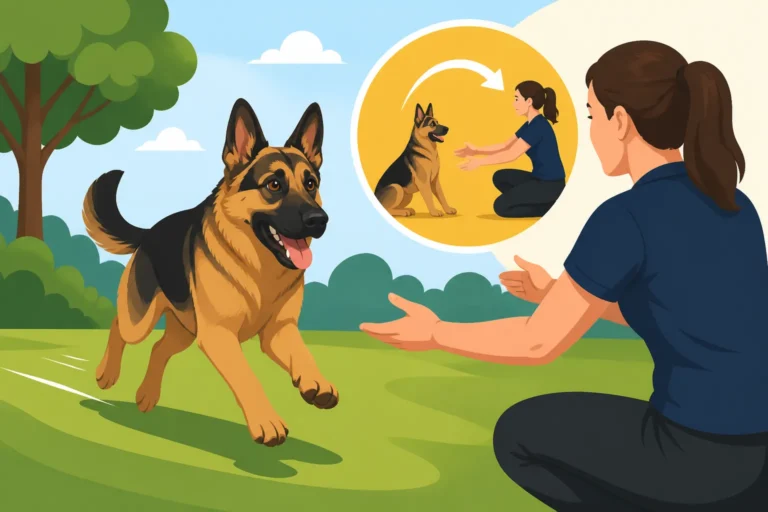
Before you even think about introducing your German Shepherd to a stranger, ensure their basic obedience commands are rock solid. These aren't just tricks; they are communication tools that give you control and give your dog confidence. Commands like "sit," "stay," "leave it," and a reliable "come" are indispensable.
- Reliable Recall and Focus: A strong "come" command means you can always call your dog back to you if a situation becomes overwhelming. Training for focus, where your dog makes eye contact with you on command, helps redirect their attention away from potential triggers. Online training resources, such as those offered by BAXTER & Bella, can provide excellent structured programs to build these foundational skills in a positive way.
- "Place" or "Mat" Training: Teaching your German Shepherd to go to a designated "place" and stay there calmly is invaluable for home introductions. It gives your dog a safe, predictable spot to be when guests arrive, allowing them to observe from a distance without feeling threatened or needing to engage.
- Leash Manners: Your dog needs to walk calmly on a leash without pulling or lunging. This demonstrates that you are in control and helps prevent reactive behaviors before they even start. If your dog is a puller, explore training equipment like a front-clip harness or a head halter to maintain better control, again, easily found on Amazon.
Remember, consistent positive reinforcement training builds trust between you and your dog, making them more likely to look to you for guidance in new situations. Our article on German Shepherd Obedience Training Basics provides a great starting point.
Step-by-Step Introduction Process
Now that you've got your German Shepherd's mindset and the environment prepped, it's time to actually meet the stranger. This is where a structured, calm approach truly pays off. Rushing this stage can undo all your hard work, so patience is paramount.
The Initial Approach and First Impressions
The very first moments of an introduction are crucial. Your German Shepherd will be taking in a lot of information, and you need to guide them through it calmly.
- Your Dog on Leash, You in Control: Always have your German Shepherd on a leash, even if they're typically well-behaved. This gives you immediate control if they decide to lunge, bark, or retreat. Keep the leash loose but ready, avoiding any tension that might signal your own anxiety to your dog.
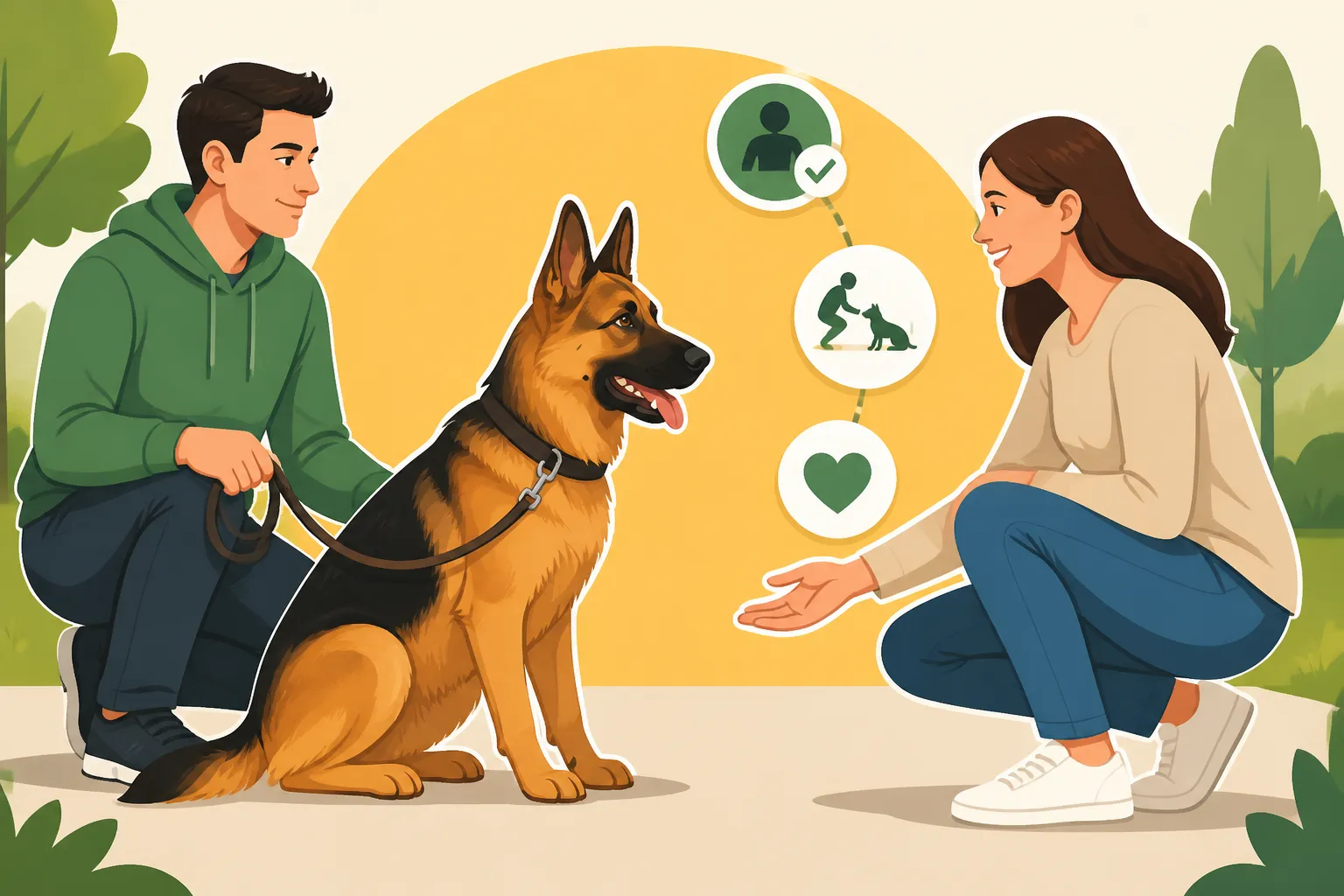
- Stranger's Role: Calm and Indirect: Instruct the stranger to avoid direct eye contact, which can be perceived as a challenge by some dogs. They should also avoid reaching out to pet the dog immediately. Instead, they should stand calmly, perhaps slightly turned to the side, allowing the dog to approach them on their own terms. It's often helpful for the stranger to be somewhat quiet or speak in a soft, low tone.
- The "Ignore and Reward" Method: A fantastic strategy is for the stranger to completely ignore your German Shepherd at first. Yes, completely. No talking, no eye contact, no reaching. This takes the pressure off your dog. As the stranger calmly stands or sits, you can reward your German Shepherd for any calm behavior (looking at the stranger, sniffing, not reacting). You can even have the stranger gently toss high-value treats (small pieces of cooked chicken, cheese, etc.) away from them, not directly to the dog, so the dog associates their presence with positive things from a distance.
Remember, the goal is for your German Shepherd to decide to investigate, not to be forced into an interaction. This initial phase might last minutes or even longer, depending on your dog's comfort level. Don't rush it. Our guide on How to Train a German Shepherd has more on positive reinforcement techniques.
Controlled Interaction and Engagement
Once your German Shepherd shows signs of curiosity or relaxation around the stranger, you can move towards a more direct interaction.
- Let the Dog Initiate Contact: The golden rule is: let the dog come to the stranger. If your German Shepherd approaches, sniffs, and seems relaxed, then the stranger can slowly offer a hand for the dog to sniff. The hand should be offered palms-down, not reaching over the dog's head.
- Petting Protocol: If the dog is still comfortable after sniffing, the stranger can try a gentle scratch under the chin or on the chest, avoiding the top of the head or direct hugs, which can be intimidating. Keep petting sessions short and sweet. Watch for any signs of discomfort from your dog.
- Short and Sweet Interactions: Don't push for a long, intense interaction. A few calm minutes are far more valuable than a prolonged, stressful one. End the interaction on a positive note, even if it's just a brief, calm sniff. This builds positive associations for future meetings.
- Practice with Multiple People: Once your German Shepherd is comfortable with one new person, repeat the process with different people in various controlled environments. This helps generalize the positive experience. Think of friends or family members who are calm and dog-savvy to assist in these practice sessions.
Decoding Your German Shepherd's Body Language
Your German Shepherd communicates constantly through body language, and being able to read these signals is absolutely paramount during introductions. Ignoring subtle cues can lead to escalated reactivity or a breakdown in trust.
- Signs of Relaxation and Confidence:
- Loose Body: Relaxed posture, not stiff or rigid.
- Soft Eyes: Pupils are normal size, not dilated, no hard stare.
- Wagging Tail: A loose, sweeping wag, not a stiff, high "flagpole" wag.
- Curiosity: Approaching, sniffing, relaxed mouth, perhaps a soft pant.
- Play Bow: Front end down, rear end up – a clear invitation to play.
- Signs of Stress, Fear, or Discomfort:
- Stiff Body/Tail: Rigid posture, tail held high and stiff or tucked low between legs.
- Direct Stare: Hard eyes, dilated pupils, often accompanied by a furrowed brow.
- Lip Licking/Yawning: Often out of context, indicating stress.
- Head Aversion/Turning Away: Trying to avoid eye contact or disengage.
- Panting (without exertion): Can be a sign of anxiety.
- Whale Eye: The whites of the eyes are visible around the iris.
- Growling/Barking: These are clear warnings and should never be ignored.
- Showing Teeth: Another clear warning signal.
- Ears Pinned Back: Flat against the head, indicating fear or submission.
If you see any signs of stress, fear, or discomfort, immediately increase the distance between your dog and the stranger. Do not force interaction. The goal is always to keep your dog under their "threshold" – the point at which they become overwhelmed and react.
Here’s a quick reference table for interpreting common body language cues:
| Body Language Cue | Interpretation (Positive/Relaxed) | Interpretation (Negative/Stressed) |
|---|---|---|
| Tail | Loose, wagging at mid-height, sweeping | Stiff, high; tucked low; rapid, stiff wag |
| Ears | Relaxed, natural position, slightly back | Pinned back, tense and forward |
| Eyes | Soft, blinking, looking away sometimes | Hard stare, dilated pupils, whale eye |
| Mouth | Relaxed, slightly open, soft pant | Closed tight, curled lips, yawning/lip licking |
| Body Posture | Relaxed, fluid, weight evenly distributed | Stiff, rigid, hunched, leaning away, trembling |
| Overall Demeanor | Curious, seeking interaction | Avoiding, retreating, growling, barking |
Addressing Common Challenges
Even with the best preparation, you might encounter bumps in the road. German Shepherds are individuals, and some will be more naturally reserved or reactive than others. Knowing how to troubleshoot common issues can help you navigate these situations.
Managing Excessive Barking or Lunging
If your German Shepherd barks or lunges at strangers, it's almost always rooted in fear, anxiety, or an overzealous attempt to protect. It's rarely true aggression without an underlying fear component.
- Increase Distance and Redirect: The moment you see your dog tense up or start to fixate, increase the distance between them and the stranger. The further away they are, the less intense the trigger. Then, immediately redirect their attention to you with a known command, like "watch me" or "sit." Reward them heavily for complying. This teaches them to look to you instead of reacting to the stranger. This is often known as "counter-conditioning."
- Desensitization Training: This involves gradually exposing your dog to strangers at a distance where they can remain calm, and slowly decreasing that distance over time as they become more comfortable. This is a long-term process that requires immense patience and consistency. You might consider professional guidance for more severe cases of reactivity. Our article on German Shepherd Reactivity on Walks has more detailed strategies.
- Management Tools: For walks, a head halter or a well-fitted front-clip harness can give you more control, making it easier to manage sudden lunges. Never rely solely on tools without addressing the underlying behavior through training.
- Avoid Punishment: Punishing your German Shepherd for barking or lunging can actually make the problem worse. It can increase their fear and anxiety, making them associate strangers (and your reaction) with negative experiences. Focus on positive reinforcement for desired behaviors.
Building Confidence in Fearful or Shy German Shepherds
Some German Shepherds are naturally more timid, shying away from strangers rather than confronting them. This fear can be just as problematic as reactivity, as a cornered fearful dog can snap.
- Never Force Interaction: The absolute worst thing you can do is drag a shy German Shepherd up to a stranger or allow people to constantly try and pet them. This will only reinforce their fear and teach them that strangers are indeed something to be afraid of.
- Controlled, Positive Exposure: Use the "ignore and reward" method described earlier, but focus even more on giving your dog space. Let them observe strangers from a safe distance, rewarding them for any calm behavior. Gradually, over many sessions, reduce the distance.
- Empowerment Through Choice: Give your German Shepherd the choice to engage or not. If they want to retreat, allow them to. Create safe zones for them, like their crate or a "place" bed, where they can feel secure when guests are over.
- Confidence-Building Activities: Enroll your German Shepherd in activities that build their confidence, such as obedience classes, nose work, or agility (if suitable for their age and health). Success in these areas can generalize to other aspects of their life, making them generally more secure. Our guide on How to Build Confidence in a Shy German Shepherd offers more techniques.
- Consistent Routine: A predictable daily routine can help reduce overall anxiety in fearful dogs. Knowing what to expect makes them feel more secure in their environment.
Introducing your German Shepherd to strangers successfully is a marathon, not a sprint. It requires patience, consistency, and a deep understanding of your dog's individual personality and breed characteristics. By taking a proactive, positive approach, you can help your loyal companion become a calm, confident, and well-adjusted member of society.
Disclaimer
The information provided in this article is for general informational purposes only and is not a substitute for professional veterinary advice, diagnosis, or treatment. Always seek the advice of your veterinarian or other qualified animal health provider with any questions you may have regarding a medical condition or behavior of your German Shepherd.