BARF Diet for German Shepherds Explained
The Biologically Appropriate Raw Food diet for German Shepherds consists of raw muscle meat, bones, organs, fruits, and vegetables.

The Biologically Appropriate Raw Food diet for German Shepherds consists of raw muscle meat, bones, organs, fruits, and vegetables.

Raw feeding for German Shepherds details muscle meat, bones, and organs, outlining preparation ratios, safety practices, and health benefits.

German Shepherd feeding methods impact health and weight, so owners must weigh free-feeding risks against structured scheduled meals.

German Shepherd senior food transition timing depends on age five to seven, physical changes, and veterinary guidance for optimal health.
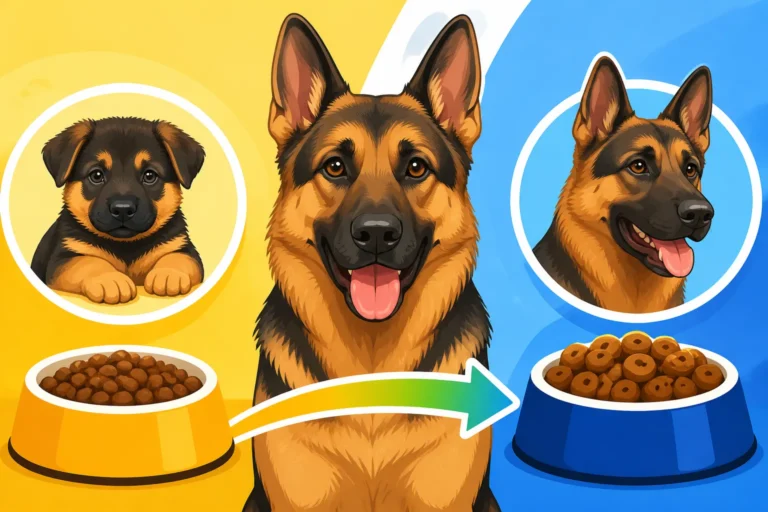
German Shepherd owners learn the ideal age, proper transition timeline, and best dietary choices for shifting growing puppies to adult dog food safely.
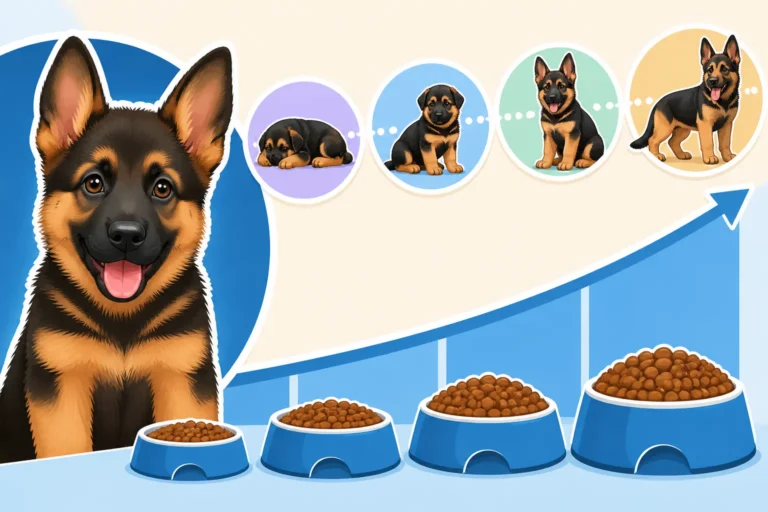
German Shepherd puppy nutrition requirements and a month-by-month feeding schedule detailing food amounts from two to twelve months of age.

German Shepherd daily calorie guidelines and weight charts help owners determine precise food portions for different activity levels and life stages.

German Shepherd feeding frequency details ideal meal schedules across puppy, adult, and senior life stages to maintain proper health and prevent bloat.
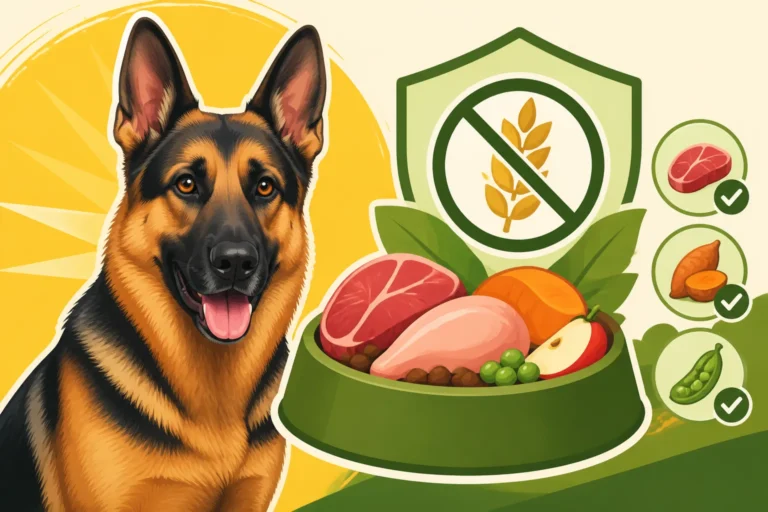
Grain-free dog food for German Shepherds involves analyzing alternative carbohydrate sources, potential heart health risks, and diagnosed allergies.

German Shepherd nutrition requirements, ingredient selection tips, and affordable food brands explained to help you save money safely.