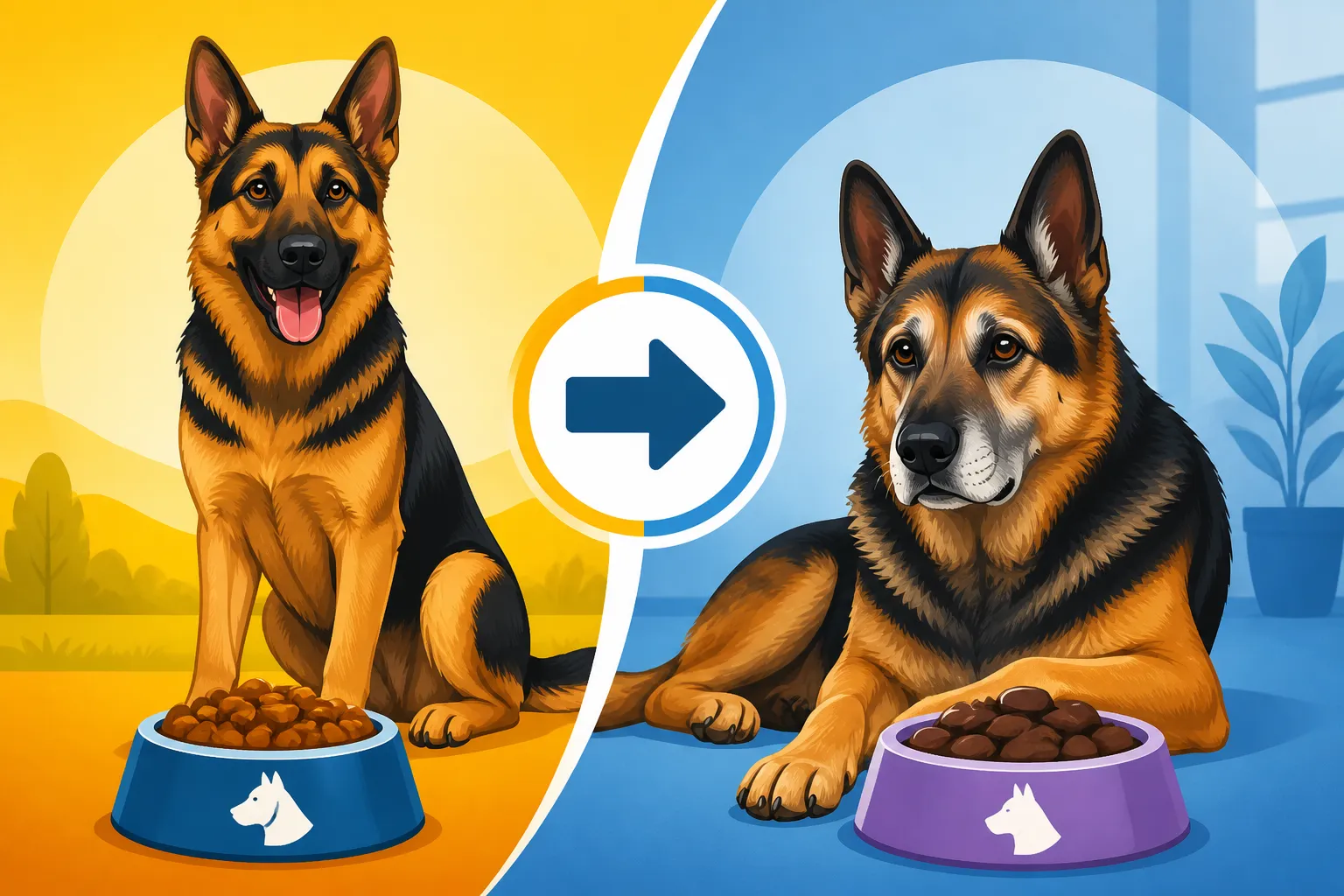
When to Switch a German Shepherd to Senior Food
One of the trickiest parts of owning a German Shepherd isn't just surviving the puppy phase or managing their boundless energy as adults; it's recognizing the subtle shift into their golden years and knowing how to adapt. Many of us find ourselves scratching our heads, wondering if our still-playful, yet slightly slower, furry friend really needs a different diet. This guide is here to walk you through exactly when and why you should consider transitioning your beloved German Shepherd to a senior-specific dog food, helping them thrive in their later life.
Understanding the Aging Process in German Shepherds
It's heartbreaking to think of our powerful, energetic German Shepherds slowing down, but time marches on for all of us, including our canine companions. Recognizing the signs of aging isn't about rushing to put them on a new diet prematurely, but rather about being observant and proactive to support their changing needs.
When Does a German Shepherd Become a Senior?
For large breeds like German Shepherds, the "senior" label often starts earlier than you might expect for smaller dogs. While there's no hard and fast rule set in stone, most veterinarians and breed experts generally consider a German Shepherd to be entering their senior years somewhere between 5 and 7 years old. This might seem young, especially if your dog is still full of zest, but their internal systems are already beginning to experience age-related changes. A smaller toy poodle might not be considered senior until 10 or 12, but our larger companions simply have a different physiological timeline.
Of course, every dog is an individual. A German Shepherd who has been a high-level working dog or an intensely active sport dog might show signs of aging a bit earlier due to accumulated wear and tear on their body. Conversely, a couch potato GSD who has lived a more sedate life might appear youthful for longer. The key is to look beyond the calendar age and observe the overall physical and behavioral picture.
Physical and Behavioral Changes to Watch For
The transition into seniorhood isn't like flipping a switch; it's a gradual evolution. As a German Shepherd owner, you're their best advocate, so keeping an eye out for these changes is paramount. These observations, combined with regular vet check-ups, will truly inform the best time to consider a dietary change.
You might start noticing your dog isn't quite as eager for those long, strenuous hikes they once adored. Perhaps they're a little slower getting up from a nap, or they hesitate before jumping into the car. These can be early indicators of joint discomfort, a common issue in German Shepherds as they age. Look for subtle stiffness, particularly in the mornings or after periods of rest. Changes in coat quality, like a duller appearance or increased shedding, can also be a sign of internal changes related to aging or nutrient absorption.
Beyond the physical, behavioral shifts are also tell-tale. Is your usually vigilant German Shepherd sleeping more? Are they less interested in playing with younger, boisterous dogs? You might even observe subtle cognitive changes, such as mild disorientation in familiar surroundings or less responsiveness to commands they once knew perfectly. Some German Shepherds might develop anxiety or become more vocal. Keeping a mental note, or even a literal journal, of these observations can be incredibly helpful when discussing your dog's health with your vet and considering adjustments to their care, including their diet.
Why a Specialized Senior Diet is Crucial for German Shepherds
Once you've identified that your German Shepherd is indeed entering their senior years, understanding why their diet needs to change is just as important as knowing when. Their bodies simply don't operate the same way they did in their prime, and their food needs to reflect that.
Nutritional Needs Shift with Age
As German Shepherds age, their metabolism slows down, and their activity levels generally decrease. This means their caloric needs go down. Continuing to feed them the same amount of high-calorie adult food can quickly lead to unwanted weight gain, which exacerbates joint problems and puts a strain on their vital organs. A good senior diet will typically have fewer calories per serving while still being nutrient-dense.
Furthermore, the quality and type of protein become even more critical. Senior dogs still need high-quality protein to maintain muscle mass, which naturally declines with age. However, the protein should be highly digestible to reduce strain on their kidneys and liver. You'll also often find senior formulas with increased fiber to aid digestion and promote satiety, helping them feel full on fewer calories. Look for foods that emphasize easily digestible ingredients to support a potentially sensitive stomach, a common concern as dogs get older. For more details on overall feeding, check out our comprehensive guide on German Shepherd Feeding Guide.
Addressing Common Senior German Shepherd Health Concerns
German Shepherds are prone to certain health issues that become more prevalent in their senior years, and diet plays a significant role in managing these. Joint problems, such as arthritis and continued progression of hip or elbow dysplasia, are almost universal among aging German Shepherds. A good senior dog food will often be fortified with ingredients like glucosamine and chondroitin sulfate, which are crucial for joint health and can help alleviate discomfort. Omega-3 fatty acids, particularly EPA and DHA from fish oil, are also incredibly beneficial for their anti-inflammatory properties, supporting both joint health and a healthy coat. Our article on German Shepherd Arthritis in Senior Dogs delves deeper into managing this condition.
Beyond joints, weight management becomes critical. As their activity drops, German Shepherds can easily pack on pounds, which only worsens orthopedic issues and increases the risk of other conditions like diabetes. Senior formulas are designed to help maintain a healthy weight. Digestive health can also become more delicate; specialized diets often contain prebiotics and probiotics to support a healthy gut microbiome, which is vital for nutrient absorption and overall immunity. Addressing these specific concerns through a tailored diet can significantly improve your German Shepherd's quality of life in their senior years.
Practical Guide to Transitioning Your German Shepherd to Senior Food
Making the switch to senior food isn't just about grabbing a new bag from the pet store. It's a thoughtful process that involves your vet, careful food selection, and a gradual introduction to prevent digestive upset.
Consulting Your Veterinarian: The First Step
Before you make any significant changes to your German Shepherd's diet, a visit to your veterinarian is non-negotiable. They are your best resource for personalized advice. A thorough senior check-up will assess their overall health, including blood work, urinalysis, and a physical examination to identify any underlying conditions that might influence dietary choices. This is especially important for German Shepherds, who can have complex health profiles as they age.
Your vet can help you determine if your dog truly is ready for a senior diet, or if their current health status necessitates a different approach. They might recommend specific types of food based on any emerging health concerns, such as early kidney issues, heart conditions, or severe arthritis. They can also offer guidance on appropriate portion sizes and whether any additional supplements, beyond those in senior food, like those discussed in Best Joint Supplements for Senior German Shepherds, are needed. Think of them as your co-pilot in navigating your dog's senior health journey.
Choosing the Right Senior Food
The market is flooded with senior dog food options, and finding the right one for your German Shepherd can feel overwhelming. Don't just pick the first one you see. Look for formulas specifically designed for large breeds, as these will have appropriate kibble sizes and nutrient ratios. Key ingredients to prioritize include high-quality, easily digestible protein sources (like real chicken, lamb, or fish), moderate fat content, and increased fiber.
Many reputable brands offer excellent senior formulas. When browsing online retailers like Chewy or Amazon, you'll find a wide variety from brands known for their large breed or senior-specific lines. Some owners even explore fresh food options like Ollie, which can be customized to a dog's life stage and specific needs, potentially offering more readily digestible nutrients for an aging system. Always read the ingredient list carefully and pay attention to guaranteed analysis percentages for protein, fat, and fiber. For more specific recommendations, our guide on Best Food for Senior German Shepherds offers a deeper dive.
The Gradual Transition Process
Once you've chosen a senior food with your vet's blessing, the transition itself must be gradual. Abruptly changing your German Shepherd's diet can lead to digestive upset, including diarrhea, vomiting, or a decreased appetite, which is the last thing you want for an aging dog. A slow, steady approach over 7-10 days is ideal.
Start by mixing a small amount of the new senior food with their current adult food. For the first two days, use about 25% new food and 75% old food. Over the next few days, increase the ratio to 50/50, then to 75% new food and 25% old food. By days 7-10, your German Shepherd should be eating 100% senior food. During this period, observe your dog closely for any signs of digestive upset, changes in stool consistency, or lack of appetite. If you notice any issues, slow down the transition even further, or consult your vet. This patient approach ensures a smooth and comfortable dietary shift for your beloved companion.
What to Look For in a Quality Senior German Shepherd Food
Navigating the pet food aisle, whether online or in person, can feel like a maze. Understanding the specific components that make a senior German Shepherd food truly beneficial will empower you to make the best choice.
Key Ingredients and Nutritional Profiles
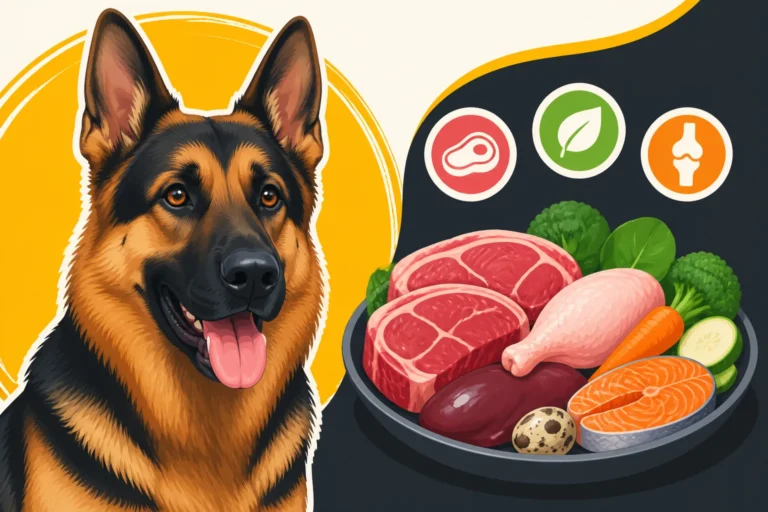
When scrutinizing labels, you're looking for ingredients that specifically support the unique challenges of aging. For joint health, which is paramount for German Shepherds, glucosamine and chondroitin sulfate are your heavy hitters. These naturally occurring compounds help maintain cartilage integrity and reduce inflammation in the joints. Many senior formulas will boast higher levels of these. Beyond these, Omega-3 fatty acids, especially from sources like fish oil (look for EPA and DHA), are powerful anti-inflammatories that benefit not only joints but also skin and coat health, and even cognitive function.
Digestibility is key, so look for a high-quality, easily digestible protein source as the first ingredient. Think lean meats like chicken, turkey, or lamb. The overall protein content should be sufficient to maintain muscle mass without overtaxing aging kidneys. Fiber content should be moderate to slightly higher to aid in digestion and stool regularity, helping prevent constipation which can sometimes be an issue in less active seniors. Antioxidants (like Vitamins E and C, and specific plant extracts) are also important to combat cellular damage and support the immune system. Consider how a balanced diet contributes to How to Keep a German Shepherd Healthy throughout their life.
Specific Brands and Product Lines
While I can't endorse a single "best" brand for every German Shepherd, there are several reputable options that consistently receive high marks for their senior and large breed formulas. Brands like Royal Canin often have breed-specific formulas, including one for German Shepherds, and specific senior lines. Purina Pro Plan also offers robust options, with their Bright Mind line specifically formulated for cognitive health in senior dogs, which can be a huge benefit for German Shepherds. Hill's Science Diet is another vet-recommended brand with excellent senior options focusing on mobility and vitality.
When shopping, popular online retailers like Chewy and Amazon make it easy to compare different brands, read reviews, and check detailed ingredient lists. You might also find specialized brands like Orijen or Acana, known for their high-protein, often grain-free options, that also offer senior-specific formulas, though always discuss grain-free with your vet. Some smaller, boutique brands might offer fresh-cooked or human-grade options, which can be highly digestible for sensitive senior stomachs. Remember, the best choice often comes down to your individual dog's health needs, preferences, and what your veterinarian recommends after a thorough examination.
German Shepherd Nutritional Comparison by Life Stage
Understanding how the nutritional needs change across a German Shepherd's life stages can make the transition to senior food clearer. This table highlights typical ranges for key nutrients, but remember, individual needs may vary, and veterinary consultation is always recommended.
| Nutrient Category | German Shepherd Puppy (up to 12-18 months) | Adult German Shepherd (1.5-6 years) | Senior German Shepherd (6+ years) |
|---|---|---|---|
| Protein (Min) | 28-32% | 22-26% | 22-28% |
| Fat (Min) | 15-20% | 12-16% | 10-14% |
| Fiber (Max) | 3-5% | 4-6% | 5-8% |
| Calories (kcal/cup) | 400-450+ | 350-400 | 300-350 |
| Calcium (Min) | 1.2-1.6% (lower for large breeds) | 0.8-1.2% | 0.7-1.1% |
| Phosphorus (Min) | 1.0-1.3% | 0.7-1.0% | 0.6-0.9% |
| Glucosamine/Chondroitin | Not typically added | Often added (maintenance levels) | Higher concentrations often added |
| Omega-3 Fatty Acids | Present | Present (beneficial to supplement) | Higher levels often added, critical |
| Antioxidants | Present | Present | Higher levels often added, critical |
Note: These are general guidelines. Always consult your veterinarian for specific recommendations tailored to your German Shepherd's individual health profile, activity level, and existing medical conditions.
Transitioning your German Shepherd to a senior diet is a thoughtful act of care that acknowledges their changing body and aims to support their health and comfort in their later years. By understanding their needs, consulting your vet, and choosing the right food, you're helping them enjoy their golden years to the fullest. Paying close attention to signs of aging, such as those related to German Shepherd Hip Dysplasia Explained or German Shepherd Weight and Obesity Risks, will help you proactively manage their health through diet and lifestyle adjustments.
Disclaimer
The information provided in this article is for general informational purposes only and is not a substitute for professional veterinary advice. Always consult with a qualified veterinarian for any health concerns or before making any changes to your German Shepherd's diet or care routine.