German Shepherd Von Willebrand Disease: Symptoms and Treatment
Type 1 Von Willebrand Disease in German Shepherds causes symptoms like nosebleeds and bruising, requiring specific veterinary treatment.

Type 1 Von Willebrand Disease in German Shepherds causes symptoms like nosebleeds and bruising, requiring specific veterinary treatment.
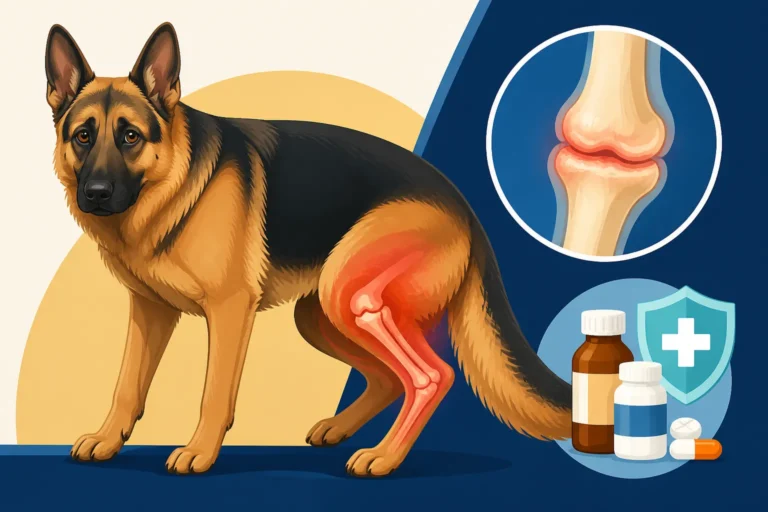
German Shepherd osteoarthritis is a progressive joint condition causing pain, stiffness, and reduced mobility in older or active dogs.
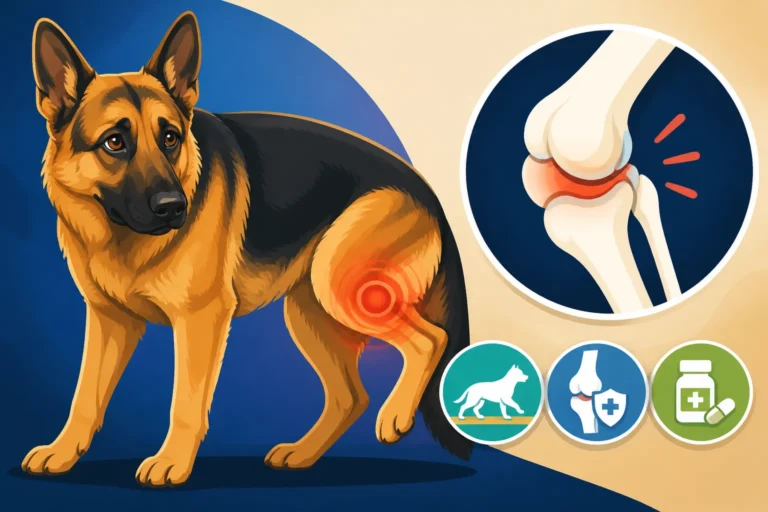
German Shepherd arthritis details degenerative joint disease symptoms, diagnostic veterinary exams, and medical treatment options for canine mobility.

German Shepherd allergies are explored by detailing common environmental, food, and flea triggers, alongside typical skin and digestive symptoms.

German Shepherd Exocrine Pancreatic Insufficiency is a genetic condition causing malnourishment, chronic diarrhea, and weight loss despite constant hunger.
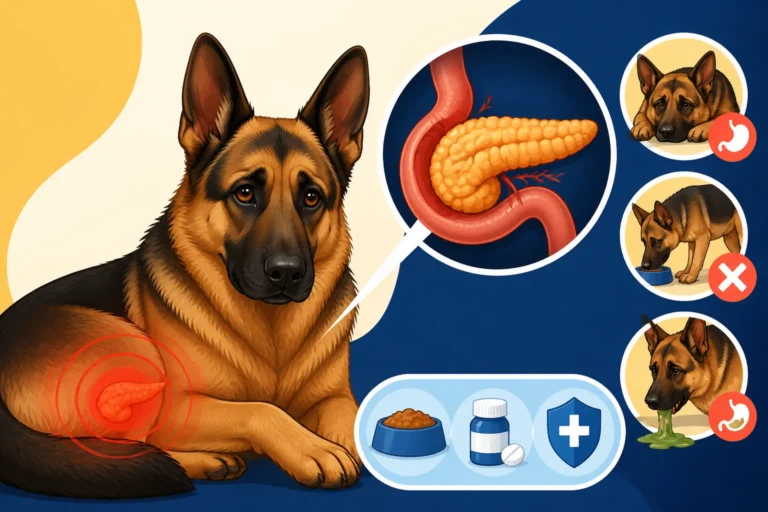
German Shepherd pancreatitis causes painful digestive inflammation. This overview details acute and chronic symptoms, breed risks, and veterinary tests.
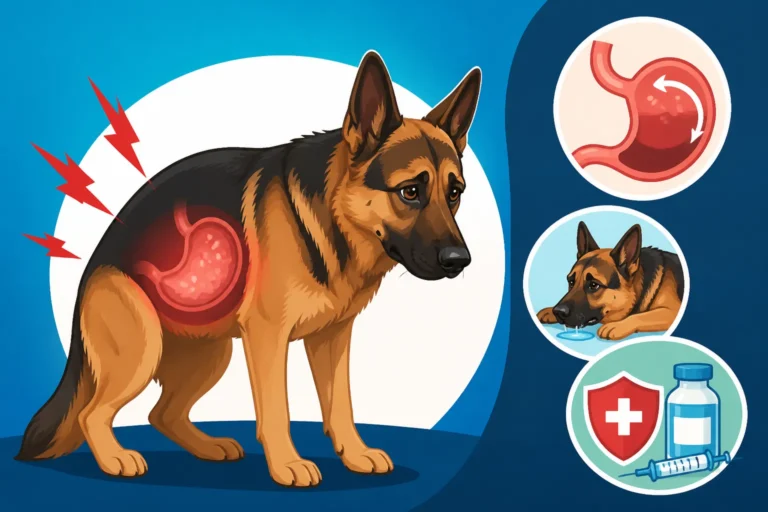
German Shepherd bloat is a life-threatening medical emergency. Learn the early symptoms and immediate treatment strategies for this dangerous condition.
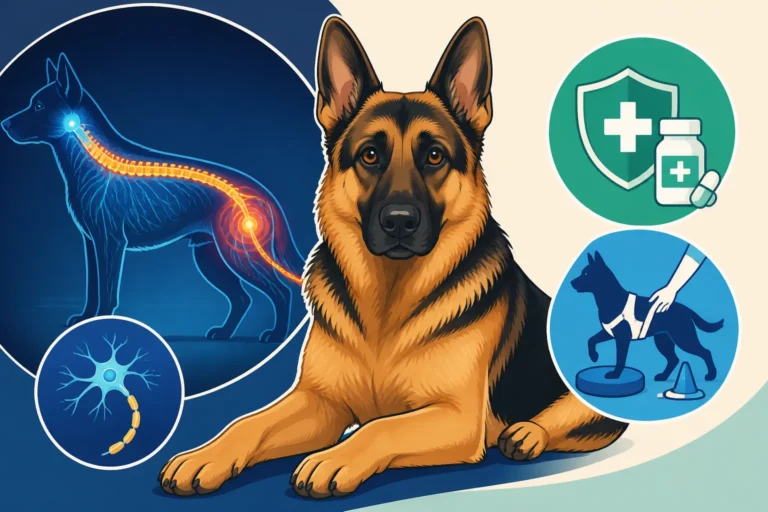
Degenerative Myelopathy in German Shepherds explains symptoms, genetic links, spinal cord changes, and diagnostic steps for this progressive condition.
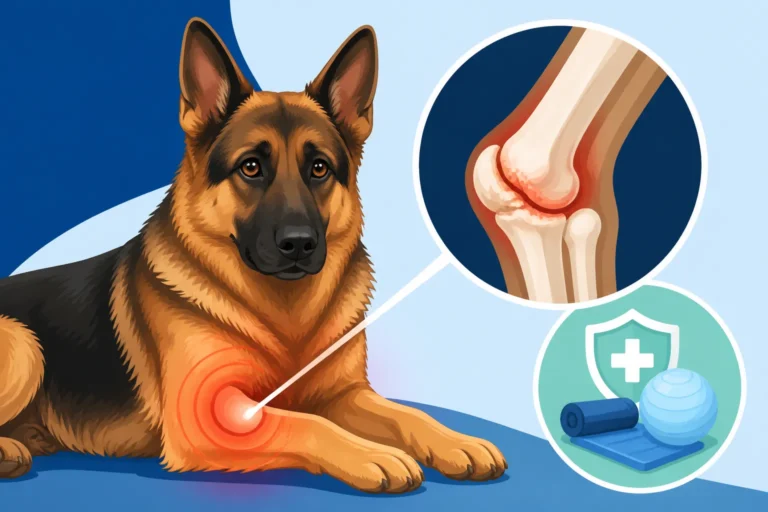
German Shepherd elbow dysplasia involves genetic joint malformations that cause painful lameness, stiffness, and progressive osteoarthritis in dogs.
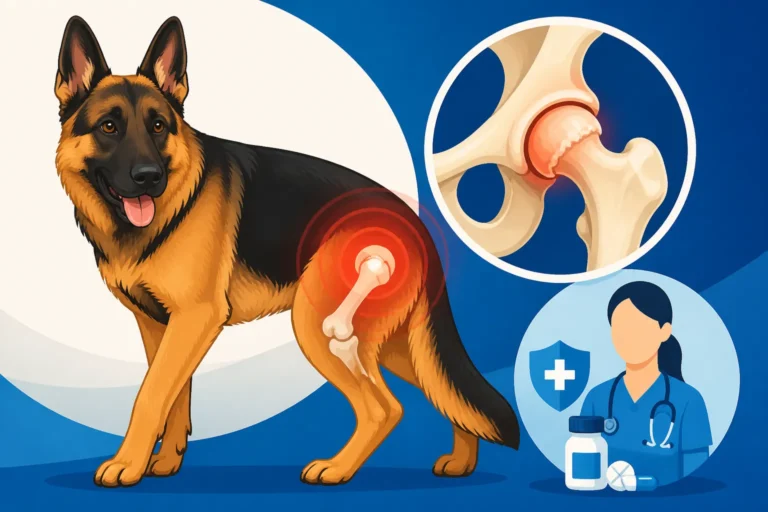
German Shepherd hip dysplasia is a painful joint malformation. Diagnosis relies on veterinary exams and X-rays to plan medical or surgical treatments.