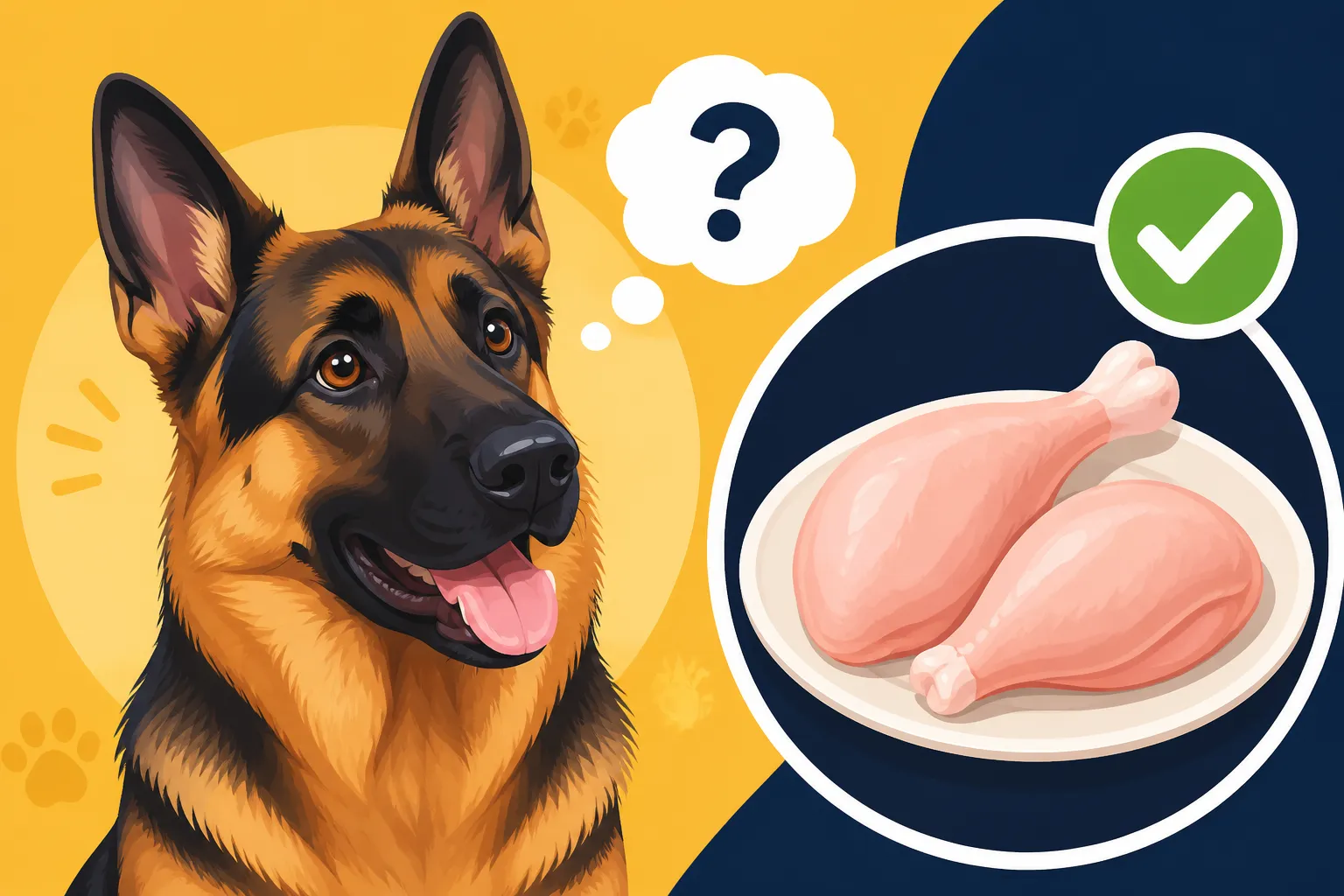
Can German Shepherds Eat Chicken
One of the most common questions I hear from fellow German Shepherd owners, especially those new to the breed, is about what human foods are safe for their furry family members. It’s completely understandable to want to share a piece of your dinner or to ensure you're offering the best possible nutrition. Among all the potential table scraps and supplementary foods, chicken often comes up as a staple, leaving many wondering: can German Shepherds really eat chicken safely? This comprehensive guide is here to cut through the confusion and give you all the information you need to make informed, safe choices for your beloved GSD.
The Nutritional Powerhouse Chicken Provides for German Shepherds
When we think about feeding our German Shepherds, we’re always aiming for optimal health, strong muscles, and plenty of energy to keep up with their active lifestyles. It's no secret that these magnificent dogs require a robust diet, and chicken, when prepared correctly, can be a fantastic addition to their nutritional intake. It's a powerhouse of beneficial components that can support various aspects of their well-being.
Essential Nutrients and Protein Benefits
At its core, chicken is an excellent source of lean protein. For a large, muscular breed like the German Shepherd, protein isn't just a buzzword; it's the fundamental building block for muscle development, tissue repair, and maintaining that incredible strength and agility we admire. Without adequate protein, GSDs can struggle with muscle wastage, a lack of energy, and even a dull coat. The amino acids in chicken are particularly crucial, as dogs cannot produce all essential amino acids on their own and must get them from their diet.
Beyond protein, chicken also brings a wealth of other vital nutrients to the table. It's rich in B vitamins, such as Niacin (B3) and Pyridoxine (B6), which play critical roles in metabolism, nerve function, and red blood cell formation. Imagine your GSD tearing through the park, chasing a ball – those B vitamins are working hard to convert food into usable energy, preventing fatigue and keeping them sharp. Furthermore, chicken provides essential minerals like phosphorus, which is vital for strong bones and teeth, and selenium, an important antioxidant that supports immune health. It’s not just about the calories; it’s about the quality and breadth of nutrition.
Chicken in Commercial Dog Foods
If you glance at the ingredient list of many high-quality commercial dog foods specifically formulated for large breeds, you'll often find chicken listed as a primary ingredient. There's a good reason for this. Reputable brands understand the nutritional value chicken offers and how well dogs typically digest it. They utilize chicken in various forms—whole chicken, chicken meal, or chicken fat—to provide a balanced diet. For example, formulas like Royal Canin German Shepherd for German Shepherds: Review or Purina Pro Plan for German Shepherds: Review frequently feature chicken to meet the specific dietary needs of this breed, including support for their powerful musculature and often sensitive digestive systems.
These commercial foods undergo rigorous testing and are balanced with other ingredients like grains, vegetables, and supplements to provide a complete diet. When considering a dog food, whether it contains chicken or not, it's always wise to look for clear ingredient labels and ensure it's formulated for large breeds or all life stages by a veterinary nutritionist. This often means choosing kibble or wet food designed to deliver all necessary nutrients without guesswork. Many pet supply retailers, like Chewy, offer a wide selection of chicken-based dog foods, making it easy to find a suitable option.
Navigating the Risks: When Chicken Can Be Tricky for Your German Shepherd
While chicken offers undeniable nutritional benefits, it's not without its pitfalls, especially when fed improperly. As responsible German Shepherd owners, it's our duty to understand these risks thoroughly to avoid any unfortunate incidents or health complications. A seemingly harmless piece of chicken can quickly become a veterinary emergency if the wrong parts are given or if it's prepared incorrectly.
The Perils of Cooked Bones
This is perhaps the most critical warning for any dog owner considering feeding chicken: never, ever feed cooked chicken bones to your German Shepherd. Cooked bones, regardless of whether they come from a drumstick, thigh, or wing, become brittle and prone to splintering. When a dog chews on these, the fragments can be sharp and jagged. These sharp splinters pose a severe risk, as they can:
- Cause choking: Especially smaller pieces.
- Puncture the esophagus or stomach: Leading to internal bleeding and life-threatening infections.
- Obstruct the digestive tract: Creating blockages that often require emergency surgery.
- Cause severe constipation: If larger, undigested bone fragments make it into the intestines.
I've heard far too many heartbreaking stories from owners who, with the best intentions, gave their dog a cooked chicken bone, only to end up in the emergency vet clinic. It's a scenario we all want to avoid. Even if your GSD has successfully eaten cooked bones in the past without incident, it's simply not worth the gamble. The potential consequences are too severe to ignore. Always err on the side of caution and ensure all chicken bones are removed before offering any chicken to your dog.
Raw Chicken Concerns and Bacterial Risks
The topic of feeding raw chicken to dogs often sparks intense debate among pet owners. Proponents of raw diets, often following a BARF (Biologically Appropriate Raw Food) model, argue that raw meat is more natural and beneficial for a dog's digestive system. Indeed, some German Shepherds thrive on carefully prepared raw diets. However, raw chicken, just like raw meat for human consumption, carries inherent risks, primarily concerning bacterial contamination.
The main culprits are bacteria like Salmonella and E. coli. While dogs' digestive systems are generally more acidic and shorter than humans', providing some protection, they are not immune to these pathogens. Consuming contaminated raw chicken can lead to:
- Gastrointestinal upset: Vomiting, diarrhea, and lethargy are common symptoms.
- Systemic infections: In severe cases, bacteria can enter the bloodstream, leading to more serious health issues.
- Zoonotic transfer: This is a significant concern. Bacteria like Salmonella can easily be transferred from the raw meat to your dog, then from your dog to you or other family members through saliva, feces, or contaminated surfaces. This is especially risky for young children, the elderly, or immunocompromised individuals in the household.
If you are considering a raw diet for your German Shepherd, it's crucial to do extensive research and, more importantly, consult with a veterinarian knowledgeable in canine nutrition. They can guide you on proper sourcing, handling, and balance to mitigate risks. Remember, a balanced Raw Diet for German Shepherds Explained requires more than just tossing a raw chicken breast into a bowl; it involves precise calculations of muscle meat, organs, and bone to be truly complete and safe. For most home cooks, the safest approach is to stick with cooked chicken.
Seasonings, Fats, and Allergies
Beyond bones and bacteria, how you prepare chicken for yourself can make it unsafe for your German Shepherd. Human-grade chicken often comes seasoned, marinated, or fried, all of which present problems for our canine companions.
- Harmful Seasonings: Ingredients commonly found in human cooking, such as onions, garlic powder, excessive salt, and certain herbs, are toxic or harmful to dogs. Onions and garlic, in particular, can cause red blood cell damage, leading to anemia. Even a small amount can be problematic for some dogs.
- Excessive Fats and Oils: Frying chicken or serving it with rich gravies can introduce too much fat into your GSD's diet. High-fat meals can lead to an upset stomach, severe diarrhea, and, more dangerously, pancreatitis – a painful inflammation of the pancreas that can be life-threatening. Given that German Shepherds can be prone to sensitive stomachs, it's best to keep their chicken plain. If you suspect issues, learning about German Shepherd Pancreatitis: Symptoms and Treatment is crucial.
- Chicken Allergies: Yes, dogs can be allergic to chicken, even though it's a common protein source. Just like humans, some dogs develop sensitivities or full-blown allergies to certain ingredients over time. Symptoms of a chicken allergy can range from itchy skin, ear infections, and hot spots to gastrointestinal upset like vomiting and diarrhea. If your German Shepherd shows any signs of discomfort after eating chicken, it's vital to investigate. A veterinarian can help you determine if it's an allergy or another issue. You can learn more in articles such as German Shepherd Allergies: Symptoms and Treatment or German Shepherd Food Allergy Symptoms. Switching to a novel protein source, under vet guidance, might be necessary in such cases.
Safe and Sound: How to Prepare Chicken for Your German Shepherd
Now that we’ve covered the "whys" and "what-ifs," let's dive into the "how-tos" of safely preparing chicken for your German Shepherd. The goal here is to make it nutritious and palatable without introducing any of the risks we've just discussed. It's surprisingly simple, but adherence to a few key rules is paramount.
Best Cooking Methods
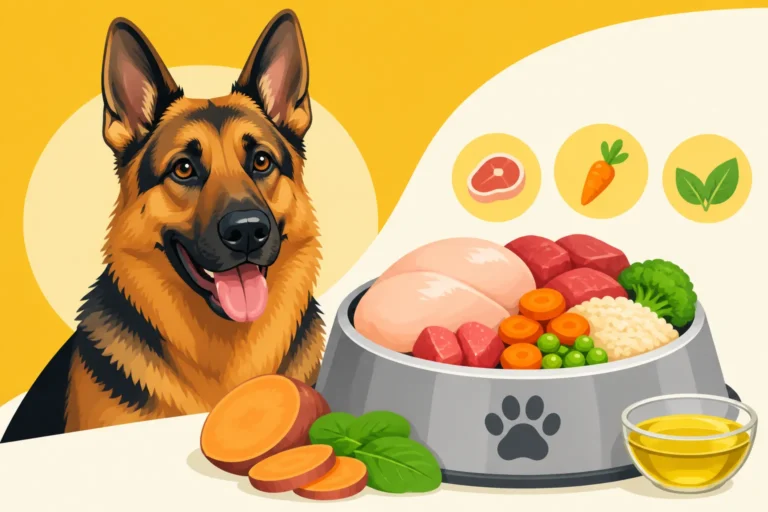
The best approach for preparing chicken for your German Shepherd is to keep it plain, simple, and thoroughly cooked. The primary goal is to eliminate harmful bacteria and ensure no bones remain. Here are the safest cooking methods:
- Boiling: This is perhaps the easiest and most common method. Simply place boneless, skinless chicken breasts or thighs in a pot, cover with water, and boil until thoroughly cooked. The meat should be white all the way through, with no pink remaining. Once cooked, let it cool completely. The cooking water, often called "chicken broth" (ensure no seasonings were added), can also be a tasty and hydrating treat for your GSD, especially if they have a sensitive stomach.
- Steaming: Steaming chicken is another excellent option as it retains moisture and nutrients without adding fats or oils. Use a steamer basket over boiling water and cook until the chicken is firm and white throughout.
- Baking/Roasting: You can bake boneless, skinless chicken breasts or thighs in the oven. Place them on a baking sheet, and bake at around 375°F (190°C) until cooked through. Again, no seasonings, no oils, no marinades. Plain is the key.
- Grilling: If you're grilling for yourself, you can set aside a piece of boneless, skinless chicken before adding any rubs, sauces, or oils. Grill it until fully cooked. Make sure there’s no charring, as burnt meat can also be unhealthy for dogs.
After cooking, regardless of the method, always allow the chicken to cool completely before handling. This makes it easier to debone (if necessary, though boneless is preferred) and dice, and prevents accidental burns to your dog's mouth.
Proper Portioning and Serving
Even safe, plain chicken should be given in moderation. Think of it as a treat or a supplement, not the primary meal. A German Shepherd's main diet should come from a high-quality, balanced dog food that meets all their nutritional requirements.
- Start Small: If your GSD has never had chicken before, introduce it slowly. Offer a very small piece, perhaps a tablespoon, and observe them for any adverse reactions over the next 24-48 hours. Look for signs of upset stomach like vomiting, diarrhea, or unusual lethargy.
- Portion Control: For an adult German Shepherd, a safe portion size of cooked, diced chicken might be anywhere from a few tablespoons to half a cup, depending on their size, activity level, and overall diet. This shouldn't exceed about 10% of their daily caloric intake to prevent nutritional imbalances or weight gain. A good rule of thumb for any treats or additions is to adhere to the 10% rule. You can refer to resources like How Much to Feed a German Shepherd for more detailed feeding guidelines for their main meals.
- Serving Suggestions:
- Mix with Kibble: Dice the cooked chicken into small, bite-sized pieces and mix it into their regular kibble. This can make mealtime more exciting, especially for picky eaters.
- Training Treats: Small pieces of cooked chicken make excellent high-value training treats, especially for complex commands or outdoor training sessions where distractions are high.
- Food Puzzles: Stuff cooked chicken into a Kong or other food puzzle toy. This provides mental stimulation and extends mealtime, which can be great for energetic GSDs. You can find a wide variety of these toys on platforms like Amazon or specialized pet stores on Chewy.
- Topper for Bland Diet: If your German Shepherd is recovering from an upset stomach and your vet recommends a bland diet (often boiled chicken and rice), this is when plain chicken becomes a temporary main component, but strictly under veterinary guidance.
Remember to always ensure the chicken is diced appropriately to prevent choking, especially for enthusiastic eaters who might gulp down their food.
When to Consult Your Vet
While this guide offers general advice, every German Shepherd is an individual. What works perfectly for one might not be ideal for another, especially concerning their unique sensitivities or existing health conditions. Therefore, knowing when to bring your veterinarian into the discussion is incredibly important.
- Before Major Dietary Changes: If you're considering a significant shift to a diet that incorporates a lot of homemade chicken, or if you're thinking about a raw diet, a conversation with your vet is non-negotiable. They can help you formulate a nutritionally complete and balanced plan, considering your dog's age, weight, activity level, and any underlying health issues.
- Suspected Allergies or Sensitivities: If you notice any signs of discomfort after feeding chicken—be it itching, rashes, ear infections, vomiting, or diarrhea—stop feeding chicken immediately and contact your vet. They can help diagnose whether it's an allergy, a sensitivity, or something else entirely. Identifying the cause of German Shepherd Sensitive Stomach Solutions can be a complex process, often requiring elimination diets.
- Chronic Health Conditions: German Shepherds are prone to certain health issues, some of which impact diet. For instance, if your GSD has Exocrine Pancreatic Insufficiency (EPI), a condition where their pancreas doesn't produce enough digestive enzymes, their dietary needs are very specific. You'd need to discuss appropriate protein sources and preparation methods with your vet for proper German Shepherd EPI Diet and Management. The same applies to conditions like kidney disease or liver issues, where protein intake might need careful monitoring.
- Any Concerns: When in doubt, always reach out to your veterinarian. They are your best resource for personalized advice tailored to your German Shepherd's specific needs. A quick phone call can often prevent a more serious problem down the line.
Here's a quick overview of safe and unsafe chicken for your GSD:
| Category | Safe for German Shepherds | Unsafe for German Shepherds | Why? |
|---|---|---|---|
| Bones | None (some raw feeders use raw bones, but highly debated) | Cooked bones (splintering, choking, internal damage) | Cooked bones become brittle and can cause severe internal injuries. |
| Preparation | Boiled, Steamed, Baked, Grilled (plain) | Fried, Breaded, Rotisserie, Marinated, Highly Seasoned | Excessive fat, oils, and seasonings are harmful/toxic. |
| Seasoning | Plain, unseasoned | Onions, garlic, salt, pepper, spices, butter, oils, sauces | Many common human seasonings are toxic or cause digestive upset. |
| Chicken Type | Boneless, skinless chicken breast or thigh | Fatty skin, gristle, organ meat (unless part of balanced raw diet) | Fatty parts can lead to pancreatitis; organ meat needs careful balancing. |
| Temperature | Cooked thoroughly, cooled | Raw or undercooked (bacterial risk), Hot (burns) | Raw carries bacterial risks (Salmonella); hot food can burn mouth/esophagus. |
| Portion Size | Small, as a treat or kibble topper (max 10% of daily calories) | Large quantities, replacing balanced meals | Too much can lead to nutritional imbalance, weight gain, or digestive upset. |
Ultimately, providing your German Shepherd with chicken can be a wonderful way to offer them a nutritious and delicious treat or dietary supplement. The key lies in understanding the difference between safe and unsafe preparation. By sticking to plain, thoroughly cooked, boneless, and unseasoned chicken, and always consulting your vet with any concerns, you can ensure that this popular protein benefits your GSD without any unnecessary risks. Our companions rely on us for their well-being, and making informed choices about their diet is one of the most important ways we show them our love.
Disclaimer
The information provided in this article is for general informational purposes only and does not constitute veterinary advice. Always consult with a qualified veterinarian for any health concerns or before making any changes to your German Shepherd's diet or healthcare routine.