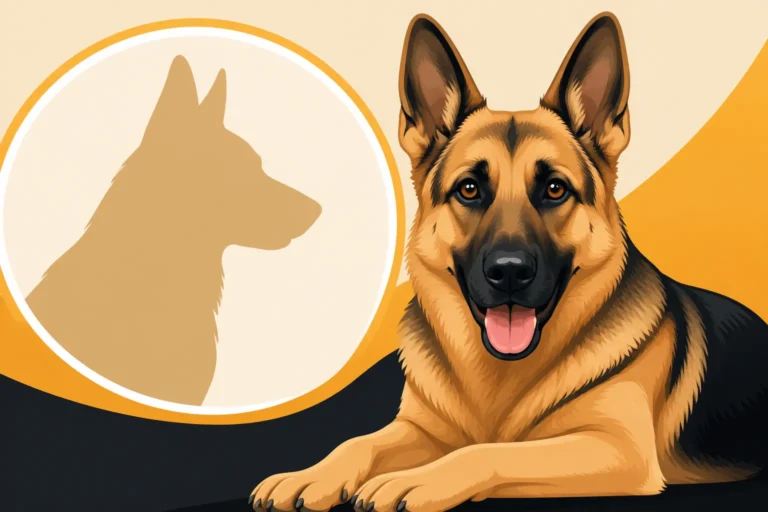
Blue German Shepherd: What to Know
It's completely understandable to be captivated by the striking appearance of a Blue German Shepherd. Many aspiring GSD owners, and even seasoned ones, are drawn to this unique coloring and naturally wonder if it’s a distinct breed, if they come with special traits, or if there are any particular challenges. Let's peel back the layers and discover everything you need to know about these beautiful, often misunderstood, dogs. This guide will clarify the genetics behind their captivating coat, discuss their temperament and potential health considerations, and equip you with the knowledge to make an informed decision about welcoming a Blue German Shepherd into your family.
What Exactly is a Blue German Shepherd?
First things first, a Blue German Shepherd isn't a separate breed or a designer dog created by mixing different breeds. They are, at their core, 100% German Shepherd Dogs, just with a unique coat color caused by a specific genetic trait. This distinction is crucial because it helps to dispel many myths and ensure we focus on the breed's well-being rather than just an aesthetic. Understanding the science behind their color is the first step in appreciating these wonderful canines.
The Genetic Basis of the Blue Coat
The "blue" color in German Shepherds is the result of a recessive gene known as the "dilute" gene (often denoted as 'd'). This gene doesn't create a new pigment; instead, it dilutes the existing black pigment (eumelanin) in the dog's coat to a lighter, grayish-blue shade. Think of it like adding white paint to black paint – it lightens the color, but the base pigment is still there. For a German Shepherd to exhibit the blue coat, they must inherit two copies of this recessive gene, one from each parent. If a dog only inherits one copy, they will be a carrier but will not display the blue color themselves; they will typically have a standard black or black and tan coat.
What this means for breeders is that two standard-colored German Shepherds can produce blue puppies if both carry the recessive dilute gene. This often surprises people who assume a blue puppy must have a blue parent. It's a bit like human eye color or hair color – recessive traits can pop up unexpectedly when the right genetic combination occurs. The rarity of seeing this trait is simply because not all German Shepherds carry the gene, and responsible breeders often prioritize other traits like health, temperament, and adherence to breed standards.
Distinguishing Blue from Other "Rare" Colors
It's easy to get lost in the world of "rare" German Shepherd colors, but it's important to differentiate blue from other dilute shades or non-standard variations. For instance, you might hear about "liver" German Shepherds, which are another dilute color but affect the red/brown pigment (phaeomelanin) and give a reddish-brown appearance, rather than the gray-blue. There are also white German Shepherds, whose color is caused by a different recessive gene entirely that suppresses pigment, giving them a pure white coat.
The blue gene specifically acts on black pigment, resulting in that distinctive cool, grayish tone. Sometimes a blue German Shepherd might also have tan markings, in which case they're often called "blue and tan." However, the tan areas themselves aren't diluted by this specific gene. Understanding these nuances helps us appreciate the genetic diversity within the breed and recognize that while certain colors are less common, they are still fundamentally German Shepherds. If you're curious about other unique appearances, you might enjoy learning more about German Shepherd Colors and Coat Types.
The Distinctive Look of a Blue German Shepherd
When you encounter a Blue German Shepherd, you'll immediately notice their unique aesthetic. It's not just the coat; the dilute gene influences other aspects of their pigmentation, creating a consistent and striking appearance that sets them apart from their more common black and tan, sable, or solid black counterparts. This distinctive look is often what first draws people to them.
Coat Color and Variations
The coat of a Blue German Shepherd can range significantly in shade. Some dogs will have a lighter, silvery-blue or steel-gray appearance, almost shimmering in certain lights. Others might exhibit a much deeper, richer slate-gray or charcoal blue, especially in their adult coat. This variation is often influenced by other genetic modifiers and how much actual black pigment was present before dilution. When they have tan points, these will typically be a paler, less vibrant tan than you’d see on a standard black and tan GSD, sometimes appearing almost cream or faded.
The blue coloring is most uniform across their main body, with potentially lighter shading on their belly or inner legs. What makes them truly stand out is the soft, almost muted quality of their coat, lacking the sharp contrast often seen in more standard colors. It’s a very sophisticated and elegant look that commands attention. Their double coat, as with all German Shepherds, provides insulation and protection, and you can learn more about managing it in our guide on German Shepherd Shedding: How to Manage It.
Eye, Nose, and Paw Pad Pigmentation
Beyond the coat, the dilute gene also impacts other pigmented areas of the dog's body. One of the most noticeable features of a Blue German Shepherd is their eye color. While German Shepherds typically have dark brown eyes, blue GSDs often have lighter eyes, ranging from amber to a yellowish-gold, or even a pale green. As puppies, their eyes might appear a striking blue, but this usually transitions to a lighter shade as they mature. This lighter eye color is a direct result of the same dilute gene affecting the pigment in the iris.
Similarly, their nose, paw pads, and eye rims will typically match their dilute coloring. Instead of the deep, solid black found on standard German Shepherds, these areas will be a slate-gray or blue-gray. This uniformity in dilute pigmentation across the entire dog is a hallmark of the blue genetic trait. If you ever see a "blue" German Shepherd with a jet-black nose, it's a strong indicator that it might not be a true blue, or perhaps a different genetic factor is at play. Proper pigmentation is often a sign of good health and breeding, so it's something to observe even when considering a specific color.
Debunking Myths: Blue German Shepherd Temperament and Health
When a coat color is considered "rare" or "non-standard," myths and misconceptions often follow. Many people worry if a Blue German Shepherd will be different in terms of personality or if their unique color comes with inherent health problems. Let's address these concerns head-on to ensure you understand that, color aside, they are still very much the German Shepherds we know and love.
Coat Color Does Not Define Temperament
This is perhaps the most important myth to debunk: a German Shepherd's coat color has absolutely zero bearing on their temperament or personality. A Blue German Shepherd should possess all the characteristic traits of the breed: intelligence, loyalty, courage, eagerness to please, and a strong protective instinct. They should be just as trainable and as devoted to their families as any other German Shepherd. If you're looking into the general character of the breed, our guide on German Shepherd Temperament and Personality offers a comprehensive overview.
Any variations in temperament are due to genetics inherited from their parents' overall lines (regardless of color), early socialization, training, and environmental factors – not their coat. A well-bred Blue German Shepherd from responsible parents will have the same stable and confident demeanor you'd expect from any other well-bred GSD. Conversely, a poorly bred German Shepherd, regardless of color, might exhibit behavioral issues like shyness, aggression, or nervousness, simply because their parents weren't chosen for sound temperaments. This is why focusing on the breeder's practices and the dog's lineage is far more important than their coat color alone.
Health Considerations: Separating Fact from Fiction
The dilute gene itself (the 'd' gene) is not known to cause any specific health problems. A Blue German Shepherd is generally as healthy as any other German Shepherd, provided they come from healthy lines. The concern about health often arises because unscrupulous breeders sometimes prioritize "rare" colors for profit, breeding dogs without proper health testing, or breeding closely related dogs to increase the chances of getting the recessive dilute gene. This practice, unfortunately, can lead to puppies with genetic health issues.
German Shepherds, as a breed, are prone to certain genetic health problems, regardless of their color. These include common issues like German Shepherd Hip Dysplasia Explained and German Shepherd Elbow Dysplasia: Symptoms and Treatment, as well as conditions like Degenerative Myelopathy. This is why thorough German Shepherd Genetic Health Testing of the parents is absolutely critical for any German Shepherd puppy, blue or otherwise. If a breeder is only focused on selling a "rare" blue puppy and can't provide clear health clearances for the parents, that should be a major red flag. Always prioritize health and temperament over color when choosing a puppy.
Rarity, Cost, and Finding a Blue German Shepherd
The unique appearance of the Blue German Shepherd often leads to questions about their availability and price. Because the dilute gene is recessive and the color is a disqualifying fault in many show rings, they are indeed less common. This rarity can, unfortunately, be exploited by some, making it even more important for prospective owners to be well-informed and cautious.
Why They Are Less Common
Blue German Shepherds are less common than their black and tan or sable counterparts primarily because the "blue" color is considered a fault in the breed standards of major kennel clubs, such as the American Kennel Club (AKC) and the Fédération Cynologique Internationale (FCI). While it doesn't affect their health or ability to be a wonderful pet, it means that reputable breeders who aim to produce show-quality dogs or preserve the traditional appearance often avoid breeding for the dilute gene. Their focus is on health, temperament, structure, and adherence to the recognized standard.
This doesn't mean ethical breeders never have blue puppies. If two otherwise excellent German Shepherds happen to be carriers of the dilute gene, they might produce a blue puppy in a litter of standard-colored siblings. When this happens with a responsible breeder, the blue puppy still benefits from the same careful health screening and genetic background as its littermates. However, breeders who specifically aim to produce blue puppies solely for their color might be prioritizing aesthetics over crucial health and temperament considerations, which is where buyers need to be wary.
Understanding the Price Tag
The price of a Blue German Shepherd can vary widely, sometimes even exceeding that of a standard-colored GSD due to their perceived rarity. However, it's critical to understand that a higher price tag does not automatically equate to a higher quality, healthier dog. Unethical breeders may inflate prices for "rare" colors without putting in the work for proper health clearances, socialization, or responsible breeding practices.
A German Shepherd puppy's price is influenced by many factors, including the breeder's reputation, the lineage of the parents (champion lines, working titles), health testing performed, and initial veterinary care. A responsible breeder invests heavily in all these areas. If you encounter a breeder advertising "rare blue German Shepherds" at an exorbitant price but lacks transparency about health testing or parentage, proceed with extreme caution. Our guide on German Shepherd Puppy Price Explained delves into the various factors that influence the cost of a German Shepherd puppy.
How to Find an Ethical Blue German Shepherd Breeder
Finding a reputable breeder is paramount, especially when seeking a dog with a non-standard color. Your priority should always be health and temperament over coat color. Here's what to look for:
- Health Clearances: Demand proof of health testing for both parents, including certifications for hips (OFA or PennHIP), elbows, and possibly for genetic diseases like DM (Degenerative Myelopathy). This is non-negotiable for any German Shepherd puppy.
- Temperament Focus: An ethical breeder will prioritize sound temperament. They should be able to tell you about the parents' personalities and allow you to interact with them. Look for confident, stable dogs, not shy or aggressive ones.
- Transparency: A good breeder is open about their practices, answers all your questions, and allows you to visit their facility (if feasible) to see the puppies and their living conditions.
- Contract and Guarantees: They should provide a written contract outlining health guarantees and often a spay/neuter clause for pet-quality puppies.
- Not Color-Focused: Be wary of breeders who market their puppies solely based on their "rare" color and inflate prices excessively. An ethical breeder will focus on the overall quality of the dog.
- References: Ask for references from previous puppy buyers and veterinarians.
You can find more detailed advice on choosing a breeder in our comprehensive guide, How to Find a Reputable German Shepherd Breeder. Remember, patience is key. It might take time to find a blue German Shepherd from a breeder who truly prioritizes the breed's health and integrity.
Considering Adoption
While less common, it's not impossible to find a Blue German Shepherd through rescue organizations or shelters. Many German Shepherd-specific rescues occasionally take in dogs of all colors, including those with unique appearances. Adopting a rescue dog can be incredibly rewarding, offering a second chance to a deserving animal. While you might not get a puppy, many adult rescue dogs are already house-trained and socialized. This option often involves a lower adoption fee compared to breeder prices, and rescues typically ensure their dogs are health-checked and temperament-assessed before placement.
Living with a Blue German Shepherd
Once you’ve found your Blue German Shepherd, either through a reputable breeder or adoption, their daily care and needs will be essentially the same as any other German Shepherd. Their unique color doesn’t require special grooming techniques or dietary adjustments, but consistent care is vital for their overall well-being.
Essential Care and Nutrition
Like all German Shepherds, blue GSDs are active, intelligent dogs that thrive on a consistent routine of exercise, mental stimulation, and a balanced diet.
- Exercise: They need a significant amount of physical activity daily – not just a short walk around the block. Running, playing fetch, hiking, and even dog sports are excellent ways to burn off their energy. Check out our German Shepherd Exercise Requirements for more in-depth information. Lack of exercise can lead to destructive behaviors and anxiety.
- Nutrition: A high-quality dog food formulated for large breeds is crucial for a German Shepherd's health, especially during their growth phases. Look for foods with real meat as the first ingredient and appropriate protein and fat levels. You can find detailed feeding advice in our German Shepherd Feeding Guide and recommendations in Best Dog Food for German Shepherds. You can often find a great selection of high-quality large-breed foods on platforms like Chewy, ensuring your GSD gets the nutrition they need.
- Grooming: German Shepherds have a dense double coat that sheds year-round, with heavier "blowouts" seasonally. Regular brushing (several times a week) is essential to manage shedding, prevent mats, and keep their coat healthy. While their color is different, the grooming tools and techniques are the same. Our guide on How to Groom a German Shepherd provides excellent tips. For de-shedding tools and shampoos, many owners find a wide variety of effective products available through retailers like Chewy.
- Veterinary Care: Routine vet check-ups, vaccinations, and parasite prevention are critical. Given the breed's propensity for certain health issues, early detection and preventative care are paramount.
Training and Socialization
Training and socialization are non-negotiable for German Shepherds, regardless of their coat color. Their intelligence and strong protective instincts mean they need consistent guidance from a young age to become well-mannered companions.
- Early Socialization: Exposing your blue German Shepherd puppy to a variety of sights, sounds, people, and other well-behaved dogs during their critical socialization period (roughly 8-16 weeks) is vital. This helps them develop into confident, adaptable adults.
- Obedience Training: German Shepherds excel in obedience. Start with basic commands like sit, stay, come, and leash manners as soon as you bring your puppy home. Positive reinforcement methods work best with this intelligent breed. Consider enrolling in puppy classes and then advanced obedience. You can get started with our German Shepherd Puppy Training Guide.
- Mental Stimulation: Beyond physical exercise, German Shepherds need to work their brains. Puzzle toys, training sessions, scent work, and learning new tricks are excellent ways to provide mental enrichment and prevent boredom, which can lead to behavioral problems.
- Consistency is Key: German Shepherds thrive on routine and clear boundaries. Everyone in the household should be consistent with rules and commands to avoid confusion.
A blue German Shepherd, like any German Shepherd, is a serious commitment, requiring time, dedication, and knowledge. But for those willing to put in the effort, they are incredibly rewarding companions, offering unparalleled loyalty and affection.
Table: Blue German Shepherd vs. Standard German Shepherd (Key Differences)
To help summarize some of the key points, here’s a quick comparison of Blue German Shepherds and their standard-colored counterparts:
| Feature | Blue German Shepherd | Standard German Shepherd |
|---|---|---|
| Coat Color | Various shades of grayish-blue, slate, or silver | Black and tan, sable, solid black, bi-color, etc. |
| Eye Color | Often lighter: amber, gold, light green (can be blue as pup) | Typically dark brown |
| Nose/Pads | Slate-gray or blue-gray | Solid black |
| Genetics | Homozygous recessive dilute gene (dd) | Can be any genotype (DD or Dd for non-dilute) |
| Temperament | Same as any GSD (depends on breeding, training) | Same as any GSD (depends on breeding, training) |
| Health Risks | Same as any GSD (prone to hip/elbow dysplasia, DM) | Same as any GSD (prone to hip/elbow dysplasia, DM) |
| Rarity | Less common, often considered a "fault" in show rings | Common, recognized in breed standards |
| Price | Can be higher due to perceived rarity (beware inflated prices) | Varies based on breeder, lineage, health testing |
| Care Needs | Identical to standard German Shepherds | Identical to blue German Shepherds |
| Suitability | Excellent family pet, working dog (if well-bred) | Excellent family pet, working dog |
Conclusion
The Blue German Shepherd is a truly magnificent animal, possessing all the intelligence, loyalty, and protective instincts of the German Shepherd breed, wrapped in a unique and striking coat. Their blue coloration is simply a genetic variation, not an indicator of a different breed, temperament, or inherent health issues. The most crucial takeaway is that the color of a German Shepherd should always be secondary to their health, temperament, and the ethics of their breeder.
If you are drawn to the aesthetic of a Blue German Shepherd, congratulations – you have excellent taste! Just ensure you do your homework, prioritize finding a responsible breeder who conducts thorough health testing and focuses on sound genetics, or consider giving a loving home to a rescue. With proper care, training, and a lot of love, a Blue German Shepherd will be a cherished and devoted member of your family for many wonderful years.
Disclaimer
This article is for general informational purposes only and does not constitute professional advice. Laws, prices and regulations vary by location and change over time. Consult a qualified professional for guidance on your specific situation.