German Shepherd IGP Training: Step-by-Step
Many German Shepherd owners dream of tapping into their dog's incredible potential for work and discipline, but the path to advanced training, especially something as demanding as IGP, can feel incredibly complex and daunting. It’s not just about teaching a few tricks; it’s about forging an unbreakable bond, understanding intricate behaviors, and dedicating countless hours. This comprehensive guide is designed to demystify IGP training for your German Shepherd, breaking down each phase step-by-step to help you understand what it truly takes to embark on this challenging and rewarding journey.
Understanding IGP: More Than Just a Dog Sport
IGP, formerly known as Schutzhund, is a demanding three-phase dog sport that originated in Germany. It was developed in the early 20th century as a breed suitability test for German Shepherds, ensuring they retained their working qualities – intelligence, courage, trainability, and a strong work ethic. Today, it remains a rigorous assessment, not just of a dog's physical prowess, but also its mental stability and ability to perform under pressure alongside its handler. It's a sport that truly showcases the incredible versatility of the German Shepherd breed.
The History and Purpose of IGP
Back in the day, when German Shepherds were first being established as a breed, there was a real concern that their working ability might be diluted as they became more popular pets. The founders of the breed wanted to ensure that these magnificent dogs didn't lose their inherent protective instincts, their sharp intelligence, and their incredible drive. So, they created Schutzhund (meaning "protection dog" in German) as a way to test and preserve these essential characteristics. It’s a testament to the dedication of those early breeders that we still have such capable dogs today. When you see a German Shepherd performing in IGP, you're watching a direct link to that original purpose – a dog that is sound in mind and body, ready to work.
Why IGP Training is a Deep Commitment
Let's be real: IGP isn't for the faint of heart, nor is it a casual hobby. This isn't just about spending an hour a week at a basic obedience class. It’s a lifestyle. You’re committing to years of consistent training, traveling to events, investing in specialized equipment, and working closely with experienced mentors. The depth of the bond you build with your German Shepherd through this process is unparalleled, as you learn to communicate almost telepathically. However, it requires immense patience, resilience, and a willingness to learn continually, both for you and your dog. If you're looking for an activity that will truly challenge and enrich your relationship with your German Shepherd, and you're ready for the dedication, IGP can be incredibly fulfilling.
The Core Components of IGP Training: Tracking, Obedience, and Protection
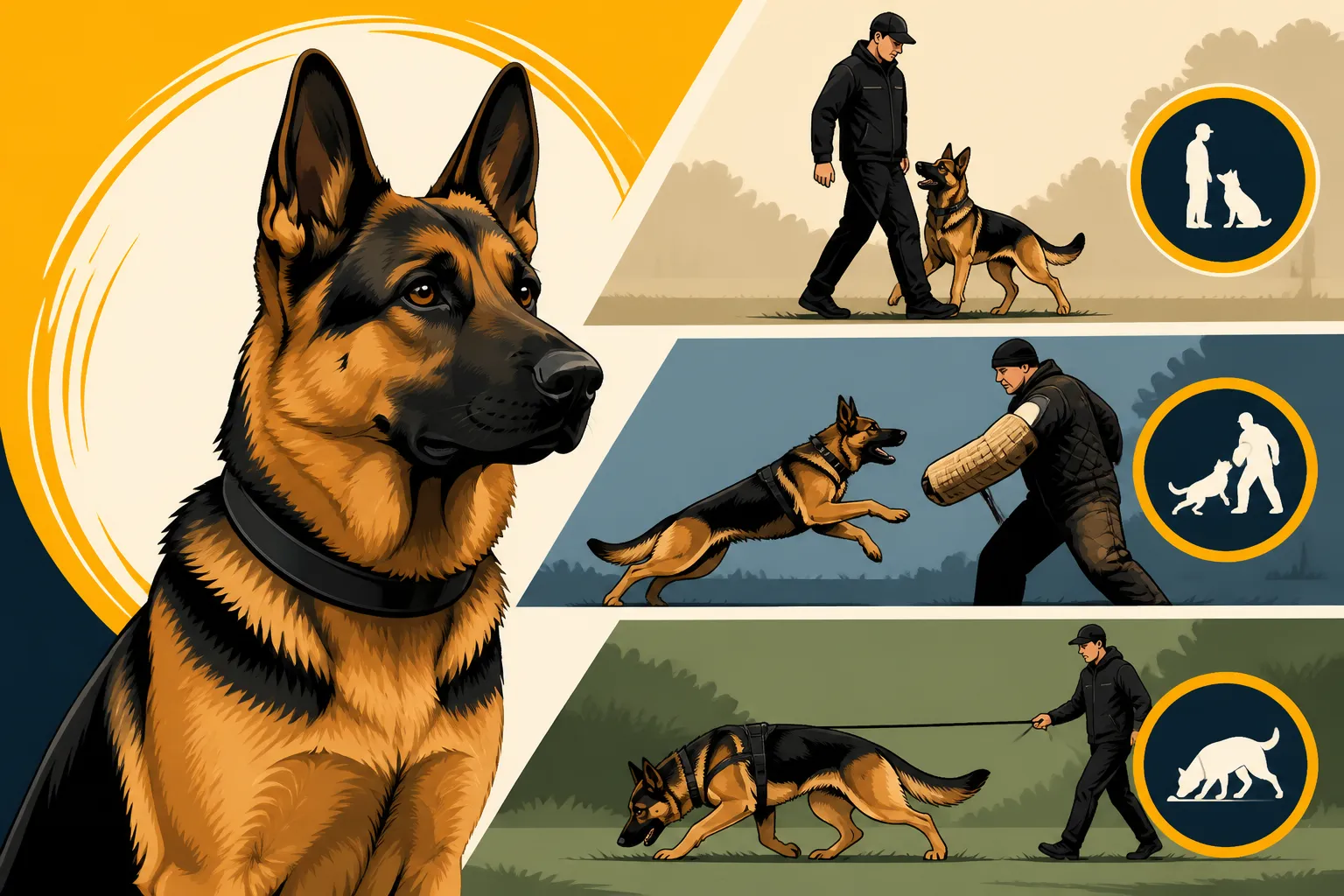
IGP is broken down into three distinct phases: Tracking (A), Obedience (B), and Protection (C). To earn an IGP title, a dog and handler team must pass all three phases in a single trial. Each phase tests a different set of skills and requires a unique approach to training.
Phase A: Tracking (Fährtenarbeit)
Tracking is often considered the foundation of IGP, as it taps into a German Shepherd's natural scenting abilities. In this phase, the dog follows a human track, which varies in age, length, and number of turns depending on the specific IGP level. The dog must demonstrate careful, methodical tracking, indicating small, human-scented articles left on the track. It's not just about finding the articles, but about how precisely and intently the dog tracks the human scent.
The Art of Scent Work
For many German Shepherds, tracking is a truly innate activity, but turning that natural inclination into a precise, competitive sport requires a lot of patience and consistency. You'll start with short, straight tracks on soft ground, using high-value rewards at the end and for finding articles. The dog learns to put its nose to the ground and stay focused on the track layer's scent, ignoring distractions. This isn't about speed; it's about accuracy and commitment to the scent. A common frustration is when dogs want to "air scent" instead of putting their nose down, but with proper technique and repetition, they learn the precise method required. Finding a good tracking mentor is absolutely key here, as they can read your dog's subtle cues and guide you. You might even find specialized tracking harnesses and long lines available on sites like Amazon that are specifically designed for this type of work.
Building Focus and Stamina
As your dog progresses, tracks become longer, older, and include more turns and changes in terrain. The goal is to build your dog's mental stamina and focus, so they can maintain their concentration over an extended period. This phase really highlights a German Shepherd's deep intelligence and their incredible ability to concentrate on a single task, shutting out the rest of the world. It strengthens their problem-solving skills and builds immense confidence in their own abilities.
Phase B: Obedience (Unterordnung)
The obedience phase in IGP is far more stringent than typical companion dog obedience. It requires precision, enthusiasm, and perfect execution of a series of exercises, both on and off-leash. These include heeling, sit, down, stand, retrieve on flat ground, retrieve over an A-frame hurdle, retrieve over a long jump, and a long down-stay with distractions. The dog must perform these exercises with clear communication, attentiveness to the handler, and without hesitation.
Precision and Enthusiasm
This is where the magic of teamwork really shines. Your German Shepherd isn't just performing actions; they're performing them with gusto and precision. Imagine your dog heeling so closely they're practically mirroring your movements, with their eyes glued to yours, even when other dogs are barking or people are moving around. This level of focus doesn’t happen by accident. It’s built through countless hours of positive reinforcement, clear markers, and consistent expectations. The frustration often comes when a dog is technically correct but lacks the "joy" in their work. Balancing that perfect form with eager, happy performance is the essence of high-level IGP obedience. Many handlers find that a strong foundation in basic obedience, perhaps learned through an online program like BAXTER & Bella, can significantly smooth the transition to the demands of IGP-level precision.
Advanced Retrieves and Stays
The retrieves involve the dog confidently taking a dumbbell over various obstacles and returning it to the handler. The long down-stay is particularly challenging, requiring the dog to remain in a down position for an extended period, often at a distance from the handler, while another dog performs its routine nearby. This tests not only the dog's self-control but also the handler's confidence in their dog's training. It shows the world that your German Shepherd has the mental fortitude to remain calm and steadfast even amidst potential chaos.
Phase C: Protection (Schutzdienst)
The protection phase is often the most misunderstood and visually impressive part of IGP. It tests the dog's courage, protective instincts, and control. It involves the dog finding a "decoy" (a person wearing protective gear), holding them, preventing escape attempts, and releasing on command. It emphasizes the dog's ability to be assertive and strong, but also to be perfectly controllable by the handler, switching off aggression instantly.
Controlled Aggression and Courage
This phase isn't about teaching a dog to be aggressive; it's about channeling a German Shepherd's natural protective drives and courage into a highly controlled, sport-specific behavior. The dog must demonstrate strong, full grips on the bite sleeve, intense guarding, and instant obedience to the handler's "out" command, releasing the decoy on cue. A common misconception is that this makes dogs dangerous; in reality, a properly trained IGP dog is more controllable because they understand when and where it is appropriate to engage these drives. Training for this phase requires working with experienced decoys and understanding the nuances of how to build a dog's confidence and drive safely and ethically. This is where the breed's "German Shepherd Temperament and Personality" truly comes into play, highlighting their innate fearlessness and loyalty.
The "Out" Command and Handler Control
The "out" command is perhaps the most critical part of the protection phase. The dog must release the decoy immediately and without question. This demonstrates the handler's absolute control over their dog's powerful drives. Without a reliable "out," a dog cannot pass the protection phase. It's a testament to the extensive training and the deep trust between dog and handler, showcasing that the dog is a partner, not an uncontrollable weapon. Learning "How to Stop German Shepherd Aggression" is fundamentally important, and IGP training, when done correctly, reinforces this control.
Embarking on Your IGP Journey: Getting Started and Foundational Work
Starting an IGP journey with your German Shepherd is a significant undertaking, but with the right preparation and resources, it can be incredibly rewarding. It begins long before you step onto the training field for the first time.
Choosing the Right German Shepherd
While most German Shepherds can learn basic obedience, not every German Shepherd has the temperament and drives required to excel in IGP. If you're serious about the sport, choosing a puppy from proven working lines is crucial. Look for breeders who actively compete in IGP, whose dogs have strong health clearances, and whose puppies show good nerve, confidence, and drive from an early age. This is where understanding "German Shepherd Genetic Health Testing" and researching "Working Line vs Show Line German Shepherd" becomes incredibly important. A dog with excellent genetics for temperament and health will have a much better chance of thriving in such a demanding sport.
Health and Temperament Considerations
A dog with "German Shepherd Hip Dysplasia Explained" or other significant health issues won't be able to handle the physical demands of IGP. Equally important is temperament. An ideal IGP German Shepherd is confident, social, possessive of strong drives (prey drive, retrieve drive), shows good courage, and is resilient to environmental stresses. They shouldn't be overly aggressive or fearful, as these traits can lead to dangerous and untrainable behaviors in the protection phase. It’s a balance of innate power and impeccable character.
Finding an IGP Club and Mentor
This is perhaps the single most important step. You cannot train for IGP effectively on your own. You need access to an experienced club, qualified decoys, and knowledgeable trainers who can guide you through each phase. A good club will prioritize safety, ethical training methods, and the well-being of the dogs. They will also provide the structured environment and equipment necessary for proper training.
The Value of Community and Expertise
A good IGP club is more than just a training ground; it’s a community. You'll find experienced handlers who can offer advice, share tips, and celebrate your successes (and commiserate during your frustrations). The expertise of a qualified decoy is indispensable for the protection phase, as they understand how to properly motivate and challenge your dog without causing fear or trauma. They know how to build drive and confidence, which is a nuanced art. Always prioritize a club that emphasizes positive reinforcement and clear communication over harsh corrections.
Essential Foundation Training
Before you even think about full IGP routines, your German Shepherd needs a rock-solid foundation in basic obedience and socialization. This means puppy classes, consistent home training, and exposure to various environments, people, and other dogs. A German Shepherd puppy should begin "German Shepherd Puppy Training Guide" early, focusing on developing a strong retrieve drive, impulse control, and engagement with you.
Early Socialization and Engagement
A well-socialized German Shepherd is a confident German Shepherd. Exposure to different sights, sounds, and experiences from a young age helps build a dog's resilience and prevents fear-based behaviors. Concurrently, you should be focusing on building high engagement with your dog. This means playing together, making training fun, and becoming the most interesting thing in their world. If your dog isn’t excited to work with you, IGP will be an uphill battle. Games that encourage chasing, tugging, and retrieving are fantastic for building the necessary drives for IGP. "How to Bond with a German Shepherd" is a crucial component long before formal IGP training begins.
Progressing Through the IGP Ranks: A Step-by-Step Approach
Once you have the right dog, the right club, and a strong foundation, you can begin the more structured, step-by-step process of training for IGP titles. Remember, this is a marathon, not a sprint.
Building Drive and Focus
In the initial stages, the focus is less on perfection and more on building the dog's desire to work. For tracking, this means making the track a fun game where the reward is always at the end. For obedience, it's about using toys and treats to make exercises exciting and building intense play engagement with your dog. In protection, it’s about building prey drive and confidence in engaging with the decoy through games and short, successful interactions with equipment like bite sleeves (which you can find on Amazon). The goal is to make your German Shepherd want to do the work.
The Role of Motivation
Motivation is the fuel for IGP training. Whether it's food, toys, or praise, finding what truly drives your individual German Shepherd is critical. You'll use this motivation to reward desired behaviors, shaping them into the precise routines required for competition. It’s a delicate balance of pushing your dog to perform at their best while keeping their spirits high and their enthusiasm intact. "German Shepherd Exercise Requirements" play a big role here, as a well-exercised dog is often a more focused and enthusiastic trainee.
Layering the Exercises
Once the drive is established, you start "layering" the exercises, gradually adding complexity and duration.
Step-by-Step in Tracking
You'll start with short, straight tracks, placing food in every footprint, then slowly fading the food, increasing the track length, introducing turns, and aging the track. The dog learns to rely on its nose and its understanding of the task, rather than just seeking food. Eventually, small articles are introduced, and the dog learns to indicate them.
Step-by-Step in Obedience
Each obedience exercise is broken down into small, manageable components. For instance, heeling starts with short bursts of enthusiastic engagement, then gradually extends in duration and includes turns, stops, and changes in pace. The retrieve is taught by first building a strong retrieve drive, then teaching the dog to hold the dumbbell, then retrieving over flat ground, then over obstacles. Each step is built upon the last, ensuring the dog understands and can perform consistently. This is where a detailed training plan, much like those you'd find in a comprehensive guide on "German Shepherd Obedience Training Basics", becomes invaluable.
Step-by-Step in Protection
Protection training also progresses systematically. It starts with teaching the dog to bite a sleeve or rag, building their confidence and grip strength. Then, the focus shifts to out commands, guarding, and controlling the engagement. The decoy plays a critical role in simulating real-life scenarios, allowing the dog to learn how to appropriately react to threats and release on command. This phase requires meticulous attention to timing and safety.
Preparing for Trial
As your dog masters the individual exercises, you'll begin to string them together into the full routine required for a trial. This includes practicing transitions between exercises, working under simulated trial conditions (with judges, other dogs, and distractions), and refining your handler commands. The goal is consistency and predictability, so both you and your German Shepherd are confident on trial day.
Trial Simulations and Pressure Testing
Before ever stepping into an actual trial, you'll want to simulate the environment as closely as possible. This means practicing in different locations, with different decoys, and with the added pressure of an audience or other dogs. This helps identify any weak points in your training and allows you to reinforce confidence in your German Shepherd. It’s not just about the dog performing the exercises, but about both handler and dog performing under stress. This truly shows the stability and training of the team.
Table: IGP Phases at a Glance
| Phase | Description | Key Skills Tested | Typical Equipment |
|---|---|---|---|
| A: Tracking | Following a human track on varied terrain, indicating articles. | Scent discrimination, focus, endurance, methodical work. | Tracking harness, long line, tracking articles, flags. |
| B: Obedience | Performing precise on/off-leash exercises with enthusiasm. | Heeling, sits, downs, stands, retrieves (flat, hurdle, jump), long down-stay. | Training collar/leash, dumbbells (wood, metal), hurdles, long jump. |
| C: Protection | Controlled engagement with a decoy, guarding, preventing escapes, releasing on command. | Courage, drive, grip strength, handler control, instant obedience. | Bite sleeve, whip (for noise), protective suit for decoy, blind. |
Disclaimer
The information provided in this article is for general informational purposes only and does not constitute professional veterinary advice. Always consult with a qualified veterinarian or certified dog trainer for any health concerns or before implementing any new training regimen for your German Shepherd. IGP training is a serious endeavor and should only be pursued under the guidance of experienced professionals.