How to Teach a German Shepherd Its Name
Bringing a new German Shepherd home, whether a tiny, playful puppy or an adult rescue, is incredibly exciting, but one of the first, most fundamental challenges owners often face is simply getting their dog to reliably respond to their name. It can be frustrating when you call your dog, and they either look right through you or give you a blank stare, especially when you know how crucial that immediate attention is for their safety and your bond. This comprehensive guide is here to walk you through the proven methods and patient approaches to teach your German Shepherd to not just hear their name, but to respond to it with enthusiastic attention, setting a strong foundation for all future training.
Why Name Recognition is Crucial for Your German Shepherd
Teaching your German Shepherd to recognize and respond to their name might seem like a basic command, but it's far more than just a polite convention. It's the cornerstone of all effective communication and a fundamental aspect of their safety and integration into your family life. Without a solid understanding of their name, every other command becomes a struggle, and real-world safety can be compromised.
Building Foundational Communication
Imagine trying to teach a child to read without first teaching them the alphabet. It’s the same principle with your German Shepherd. Their name isn't just a label; it's a signal. It tells them, "Hey, I'm talking to you! Pay attention, something important is coming next." This immediate shift in focus from whatever captivating scent or intriguing sound they were engrossed in to you, their handler, is vital. It creates a direct line of communication, cutting through distractions and establishing you as the center of their world, at least for that moment.
When your German Shepherd reliably responds to their name, it means you can effectively initiate any command or interaction. Want to teach them "sit"? First, you need their attention, which starts with their name. Need to redirect them from something they shouldn't be doing, like chewing on your favorite rug or trying to jump on a guest? Calling their name, getting their attention, and then issuing a "leave it" or "off" command is a far more effective strategy than just yelling into the void. This foundational step empowers you to communicate clearly and build a comprehensive understanding of what you expect from them, leading to a much more harmonious relationship.
Safety and Recall Implications
Beyond basic communication, reliable name recognition is a non-negotiable safety tool. Picture this: you're at the local dog park, and your German Shepherd is happily chasing a ball when suddenly a gate is accidentally left ajar, or they spot something truly enticing across the street. A quick, clear call of their name, followed by a strong "come" or "recall" command, could be the difference between a minor scare and a potentially life-threatening situation. If they don't even acknowledge their name, the chances of them responding to "come" are slim to none.
This isn't just about preventing them from running away. It's also about intervening in potentially dangerous social situations with other dogs or people, or preventing them from ingesting something harmful they found on a walk. Their name is your emergency button, signaling immediate attention is required. Training platforms like those offered by BAXTER & Bella often emphasize that foundational obedience, starting with name recognition, is paramount for a dog's well-being and a owner's peace of mind. Without this critical skill, the world becomes a much more dangerous place for an adventurous and intelligent breed like the German Shepherd.
The Best Age to Start Name Training
Understanding the optimal time to introduce name recognition training to your German Shepherd is key to setting them up for success. While starting early offers distinct advantages, it's never truly too late to teach an old dog new tricks, especially when it comes to something as fundamental as their name. Patience and consistency remain your most valuable assets, regardless of your dog's age.
Puppyhood: The Golden Window
When you bring home a German Shepherd puppy, typically around 8 to 12 weeks old, you've hit the "golden window" for learning. Puppies are like sponges, soaking up new information and forming associations incredibly quickly. At this age, their world is new and exciting, and they're naturally inclined to explore and bond with their human family. This natural curiosity and desire for interaction make them highly receptive to positive reinforcement training, which is exactly what name recognition relies on.
Starting name training with a young puppy harnesses their inherent drive to please and connect. Their attention span might be short, so keep sessions brief and fun – just a few minutes, several times a day. You'll be surprised how quickly they begin to associate that special sound with good things, like treats, praise, and playtime. Early training also helps prevent bad habits from forming, ensuring that their name is always a positive signal, not a precursor to something they dislike. Many expert resources, including comprehensive programs like the one from BAXTER & Bella, advocate for starting basic obedience, including name recognition, as soon as a puppy enters its new home. It’s a vital part of the initial bonding process and lays the groundwork for all future learning, including skills like proper housebreaking, as discussed in How to Potty Train a German Shepherd Puppy.
Training Adult and Rescue German Shepherds
While puppyhood is ideal, don't despair if you've adopted an adult German Shepherd or a rescue. They are absolutely capable of learning their name, even if they've been called something else before, or if their past experiences have made them a bit wary. Adult dogs often have a longer attention span than puppies, which can be an advantage, though they might also come with pre-existing habits or anxieties that need to be addressed gently.
For an adult or rescue German Shepherd, the process might take a little more time and a lot more patience. If your dog previously had a different name, or if you suspect they had negative associations with being called (e.g., only being called when in trouble), you might consider using a new name entirely. The key is to start fresh with purely positive associations. Use the same reward-based techniques as you would with a puppy, but be extra sensitive to their body language and comfort levels. Celebrate every tiny success. An adult German Shepherd who learns to trust and respond to their new name is a wonderful testament to your patience and dedication, strengthening your bond immeasurably. For more general advice on tailoring training to their unique history, check out guides like How to Train a Rescue German Shepherd.
Step-by-Step Guide to Teaching Your German Shepherd Its Name
Teaching your German Shepherd their name isn't rocket science, but it does require consistency, patience, and a clear, positive approach. By breaking it down into manageable steps, you can create a fun and rewarding learning experience for both of you. Remember, the goal is to make their name the most exciting sound they hear.
Gathering Your Tools
Before you even start saying their name, you need to prepare your training environment and gather the right motivation for your German Shepherd. This initial setup is crucial for success.
First and foremost, you'll need high-value treats. These aren't their everyday kibble; these are the treats that make their eyes light up, the ones they'd do backflips for. Think small pieces of cooked chicken, cheese, hot dogs, or commercially available soft, chewy training treats. You can find a vast selection of these on platforms like Amazon, often specifically designed for training. The higher the value of the treat, the stronger the motivation for your German Shepherd to pay attention. You can even use small bits of their regular meal if they’re particularly food-motivated, but usually, something more exciting works best, as discussed in detail in Best Dog Food for German Shepherds.
Next, choose a quiet, distraction-free environment for your initial training sessions. This could be a calm room in your house, a fenced backyard, or even a quiet time when other household members or pets aren't around. The fewer competing stimuli, the easier it will be for your German Shepherd to focus solely on you. Once they've mastered name recognition in a calm setting, you'll gradually introduce distractions, but for now, keep it simple. Having a clicker can also be a useful tool, though not strictly necessary. If you decide to use one, ensure you've properly "loaded" the clicker by associating the sound with a treat, as detailed in German Shepherd Clicker Training for Beginners. Lastly, keep your attitude positive and enthusiastic. Your energy is contagious, and a happy trainer makes for a happy learner!
The "Look At Me" Game
This is the core exercise for teaching name recognition. It's simple, effective, and builds a strong positive association with their name.
- Start in a Quiet Place: With your German Shepherd in front of you (they don't need to be sitting, just present), hold a high-value treat near your nose, so it’s visible to them. This will naturally draw their gaze towards your face.
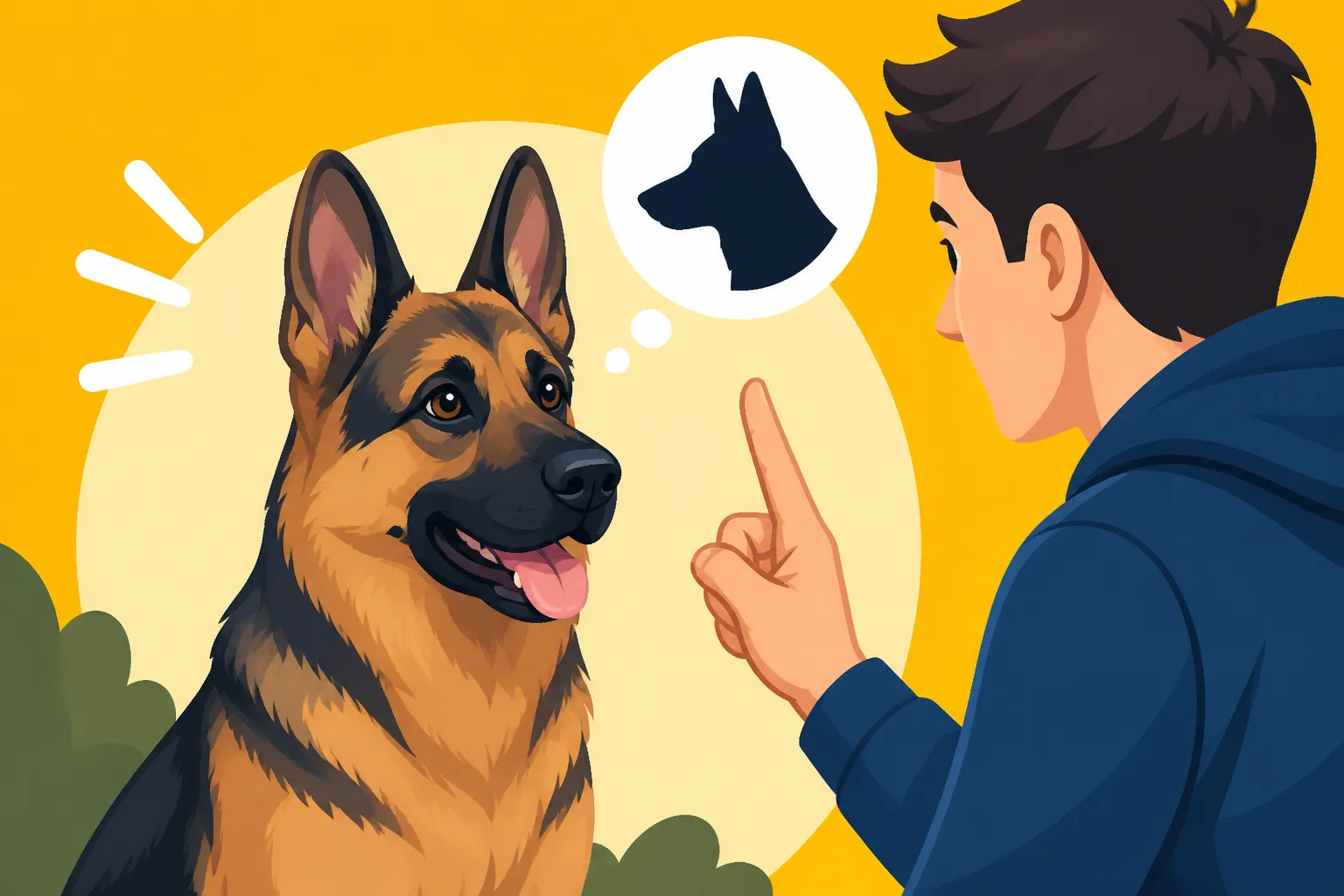
- Say Their Name, Then Reward: Once their eyes meet yours, even for a split second, immediately say their name once (e.g., "Max!") and then quickly give them the treat and lavish praise ("Good boy, Max!"). The timing here is critical: the name should be associated with the action of looking at you, not just the treat itself.
- Repeat, Repeat, Repeat: Take a step or two back, or wait a few seconds, then repeat the process. Say their name, wait for eye contact, then reward. Keep sessions short, maybe 5-10 repetitions at a time, several times throughout the day. You want to end on a high note, leaving them wanting more.
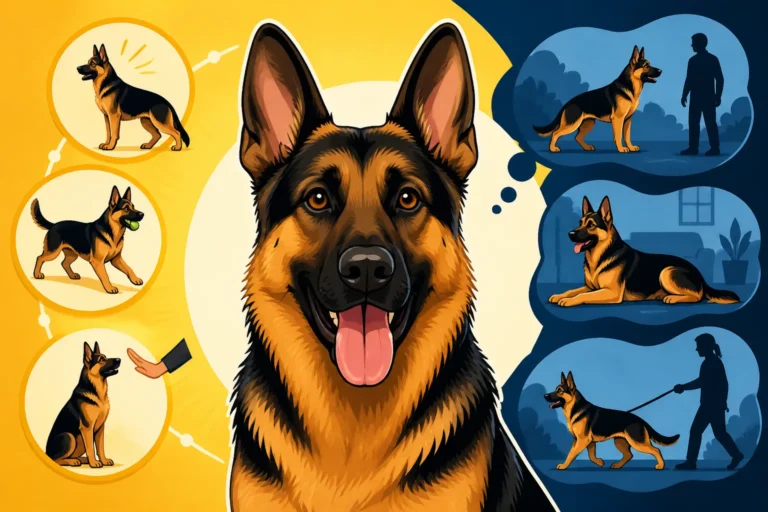
As your German Shepherd starts to consistently look at you when you say their name, you can begin to make it a bit harder. Instead of holding the treat right at your nose, try holding it slightly to the side, then moving it to your nose as you say their name. This encourages them to actively seek out your gaze. The goal is for them to eventually look at you just because they heard their name, anticipating the reward, not because they saw the treat first. This consistent positive reinforcement, where their name reliably predicts something good, is how you build a powerful response.
Adding Distractions Gradually
Once your German Shepherd is reliably turning their head and making eye contact when you say their name in a quiet environment, it's time to proof the behavior by slowly introducing distractions. This is where real-world reliability is built.
- Increase Environmental Noise: Start by introducing mild, passive distractions. Perhaps have the TV on low in the background, or practice near a window where they might hear distant sounds but aren't actively seeing anything exciting. Continue with the "look at me" game, saying their name and rewarding their attention. If they get distracted, simply wait for a lull, or gently redirect their attention with the treat, and try again. Don't punish; just make it easier.
- Introduce Movement and Other People: Next, move to slightly more distracting environments. Practice in a different room with another family member quietly moving around. Or go into your backyard where there are more smells and sounds. The key is to progress slowly. If your German Shepherd struggles, go back to a less distracting environment where they can succeed, then gradually build up again. Remember that German Shepherds are highly intelligent, as explored in German Shepherd Intelligence and Trainability, and can learn to generalize commands, but it takes careful progression.
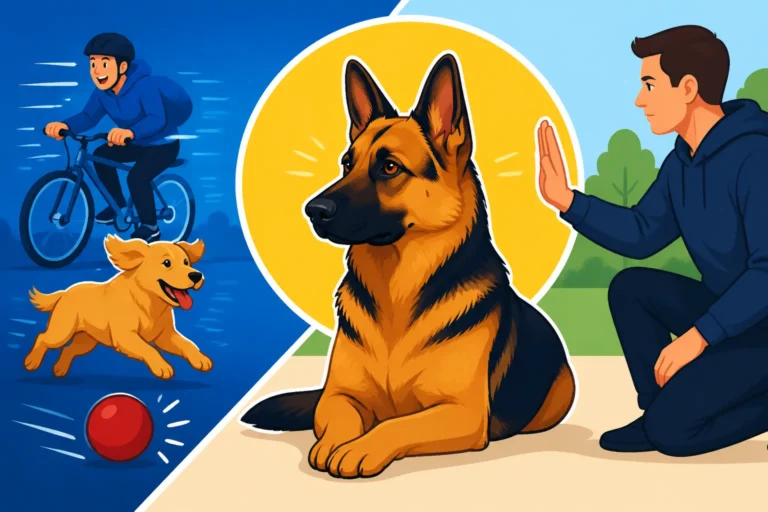
- Practice in Public or Busy Areas: Eventually, you'll want to practice in busier areas, like a local park during off-peak hours, or a pet-friendly store. Here, the distractions are much higher – other dogs, people, new smells, and sounds. This is where high-value treats are absolutely essential, and you might want to use a long leash for safety, even if they aren't directly on it. If they glance at you for even a split second amidst the chaos after hearing their name, reward them enthusiastically. The more you practice in varied settings, the more ingrained and reliable their name response will become, making it easier to progress to commands like How to Teach a German Shepherd to Come even in distracting environments.
Common Challenges and Troubleshooting
Even with the best intentions and methods, you might encounter some bumps in the road when teaching your German Shepherd their name. It's a natural part of the learning process, and understanding why these challenges arise can help you troubleshoot effectively and keep your training on track.
Ignoring Their Name
One of the most frustrating things is calling your German Shepherd's name only for them to completely ignore you, as if you hadn't spoken at all. This often happens for a few key reasons. First, the value of the reward might not be high enough. If they're more interested in sniffing that fascinating patch of grass or watching a squirrel, your boring dry kibble might not cut it. The solution? Elevate your treats. Find something truly irresistible that makes them want to break their focus and look at you. Websites like Amazon offer a wide variety of high-value, palatable training treats that can make all the difference.
Another reason for ignoring their name could be over-exposure to it without a consistent positive outcome. If you're constantly saying their name without a reward or a clear purpose, it loses its meaning. It becomes background noise. To fix this, hit the reset button. For a little while, only use their name when you're prepared to immediately reward their attention. Don't use it to scold or express frustration. Go back to basics in a quiet environment, making their name the happiest sound they hear, always followed by a treat and praise. This rebuilding of positive association is crucial for breeds that are as sensitive and intelligent as German Shepherds, a topic often covered in general guides on German Shepherd Behavior Problems and Solutions.
Over-Association with Negative Experiences
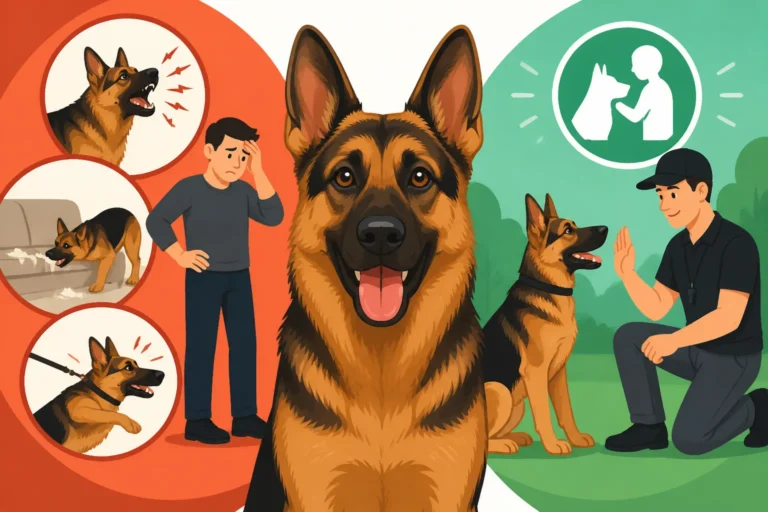
Sometimes, a German Shepherd might learn to associate their name with something they dislike. This is particularly common if their name is only called when they've done something wrong, or when they're about to be subjected to something they perceive as unpleasant, like bath time or a vet visit. If "Max!" always means "Max, stop chewing!" or "Max, it's time for a nail trim!", then why would Max want to respond?
To correct this, you need to deliberately and systematically create new, overwhelmingly positive associations with their name. For a period, commit to only using their name in positive contexts. Say their name, then immediately give a treat and praise. Do this repeatedly, many times a day, purely to build up a positive emotional bank account for their name. Play fun games where their name is used, like hide-and-seek with treats. Avoid using their name during reprimands; instead, use a consistent interrupter word like "Ah-ah!" or simply physically redirect them. Over time, you can overwrite the negative associations and transform their name back into a joyous signal. Programs like BAXTER & Bella often emphasize this kind of positive reinforcement to ensure all commands, starting with name recognition, are built on trust and enjoyment.
Using the Name Too Often
It might seem counter-intuitive, but using your German Shepherd's name too often can actually dilute its effectiveness. If their name is constantly being uttered in conversation, or you're repeating it multiple times when trying to get their attention ("Max? Max! MAX!"), it becomes less of a special command and more of an indistinct noise. It loses its power as a distinct signal that means "Pay attention to me, now."
The solution is to be mindful and deliberate with your use of their name. Say it once, clearly and with an upbeat tone. Then, pause and wait for a response. If they don't respond, don't repeat it immediately. Instead, make it easier for them: try moving closer, making a slight noise to get their attention, or showing them the treat. Once you have their focus, then say their name again, and reward. The goal is for your German Shepherd to understand that when their name is spoken, it's a specific, important cue that warrants an immediate response, not just part of the background chatter. This precision in communication is a cornerstone of effective How to Train a German Shepherd strategies and leads to a much more responsive and engaged canine companion.
| Problem | Common Cause | Troubleshooting Strategy |
|---|---|---|
| Ignoring Name | Low-value treats; Name used too often without reward | Use higher-value treats; Practice in quiet; Re-establish positive association with Name + Reward. |
| Reluctance to Respond | Name associated with negative experiences/scolding | Only use name for positive interactions; Avoid name during reprimands; Rebuild positive associations. |
| Slow Response / Distracted | Environment too distracting; Lack of consistent practice in varied settings | Start in quiet, low-distraction areas; Gradually introduce distractions; Increase treat value for difficult settings. |
| Doesn't look at you | Not enough focus on eye contact during training | Lure with treat to your nose; Reward immediate eye contact; Keep sessions short and fun. |
Disclaimer
Please remember that the information provided in this guide is for educational purposes only and is not a substitute for professional veterinary advice or certified dog trainer consultation. Every German Shepherd is an individual, and while these methods are generally effective, results can vary. If you have concerns about your dog's health or behavior, please consult with a qualified professional.