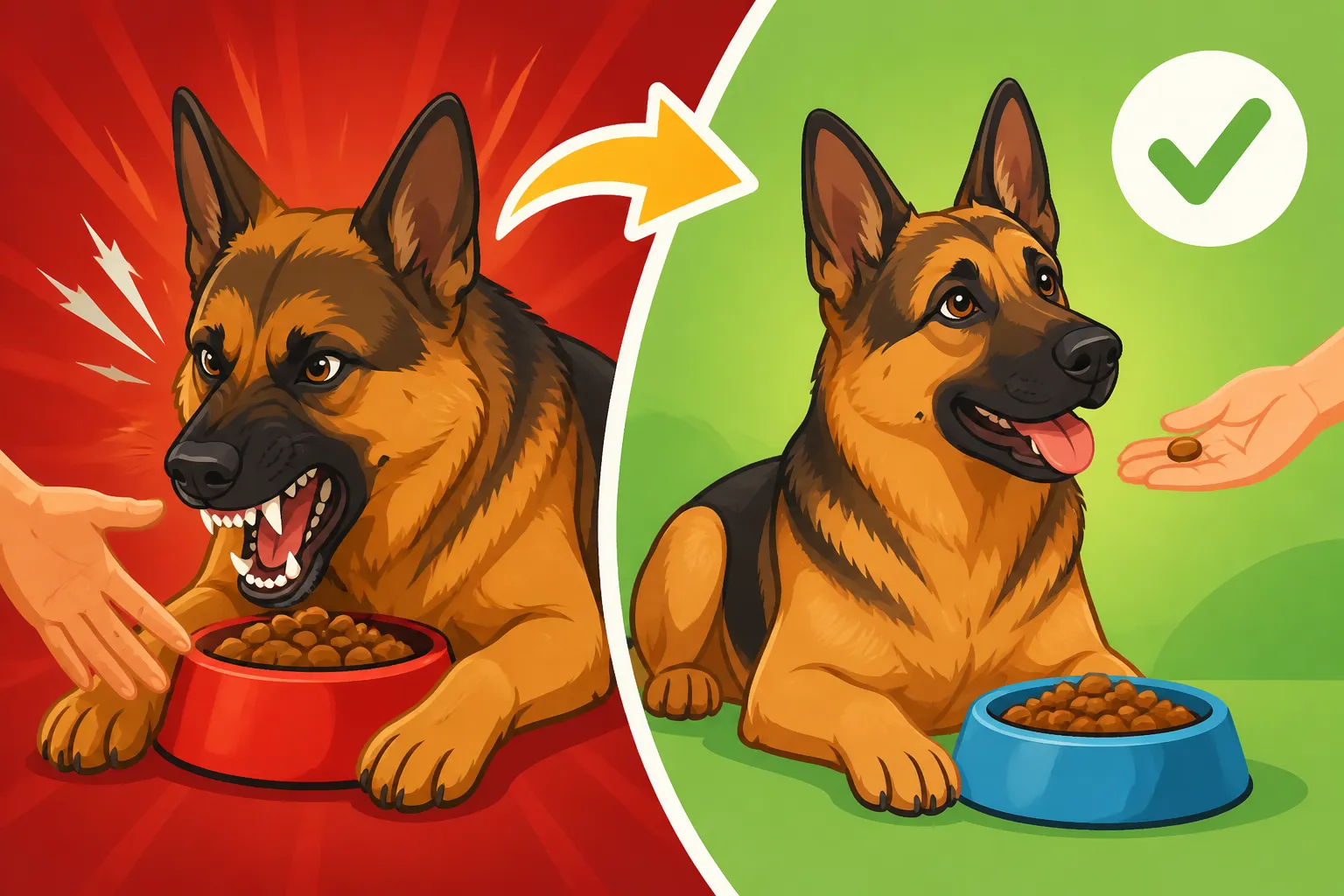
How to Stop German Shepherd Resource Guarding
Finding your beloved German Shepherd growling, stiffening, or even snapping when you get too close to their food bowl, favorite toy, or even you can be incredibly unsettling and frankly, quite scary. It’s a frustrating and often misunderstood behavior known as resource guarding, and it can leave you feeling like you've done something wrong or that your dog doesn't trust you. This guide is here to walk you through understanding why your German Shepherd might be guarding, how to prevent it from developing, and most importantly, practical steps to manage and resolve existing issues safely and effectively.
Understanding Resource Guarding in German Shepherds
Resource guarding, at its heart, is a deeply ingrained, natural canine behavior. While it's certainly not ideal for a pet living in a human home, understanding its roots can help us approach it with more empathy and less frustration. It's not a sign of a "bad" dog; it's a dog communicating their discomfort and desire to protect something they value.
What is Resource Guarding?
Simply put, resource guarding is when a dog protects an item, location, or even a person that they perceive as valuable from others, usually through a display of threatening behaviors. This could be anything from a subtle body stiffening or a hard stare to more overt actions like growling, snarling, snapping, or even biting. Imagine a child hoarding their favorite toys away from their siblings – it's a similar concept, but with potentially more serious consequences in a dog. Your German Shepherd might not understand that you're just trying to take away a chew bone for a moment or adjust their blanket; they only see a perceived threat to their possession.
The spectrum of resource guarding is wide. A mild case might involve a dog simply moving away with their cherished item when you approach, perhaps with a slight furrow in their brow. A more severe case involves intense growling, baring teeth, and lunging. It's crucial to recognize these warning signs early, as a dog isn't "suddenly" aggressive; they've often given many subtle signals that have gone unnoticed or unheeded. Ignoring these early warnings can inadvertently teach your German Shepherd that they need to escalate their behavior to get their point across, which is something we definitely want to avoid for everyone's safety and peace of mind.
Common Triggers for Resource Guarding
German Shepherds can guard almost anything they deem valuable, and what constitutes "valuable" can be quite personal to each dog. However, some items and situations are more common triggers than others. Food, for instance, is a primary one. This could be their regular kibble, a particularly delicious chew bone, or even a forbidden snack they managed to snatch. Toys, especially high-value ones like squeaky toys, Kongs filled with peanut butter, or favorite fetch balls, are also frequent targets.
Beyond physical objects, German Shepherds can also guard spaces. This might include their bed, their crate (which should ideally be a safe haven, not a guarded territory), a specific spot on the couch, or even a doorway they feel they "own." More complex, and often more challenging for owners, is when a German Shepherd begins to guard people – often a specific family member they've bonded strongly with. This can manifest as growling or pushing away other family members or even strangers who approach "their" person. Understanding these specific triggers for your dog is the first step in formulating a plan to address the behavior.
Why German Shepherds Are Prone to Resource Guarding
While any dog can exhibit resource guarding, German Shepherds, given their breed history and inherent traits, can sometimes be more prone to it. They were originally bred as herding and guarding dogs, tasks that require a strong sense of territory, a protective instinct, and a keen awareness of their surroundings. These traits, while invaluable for their working roles, can translate into resource guarding behaviors in a home environment if not properly channeled and managed. Their high intelligence means they learn quickly, both good and bad behaviors, and their natural vigilance can make them wary of perceived threats to their "belongings."
Furthermore, German Shepherds often form very strong bonds with their primary caregivers. While this devotion is one of their most beloved qualities, it can sometimes morph into guarding behavior if they perceive others as a threat to that bond or their access to their beloved human. It’s not about malice; it's often about anxiety and a profound desire to maintain control over their valuable resources, which, in their mind, can include you. It’s a classic case of instinct meeting modern domestic life, and it’s up to us, as responsible owners, to help them navigate this overlap. If you’re dealing with general behavioral challenges, our guide on German Shepherd Behavior Problems and Solutions can offer broader insights.
Early Intervention and Prevention Strategies
Preventing resource guarding from developing in the first place is always easier than trying to fix it once it's entrenched. Building a strong foundation of trust and positive associations with your German Shepherd, especially during their puppyhood, is absolutely crucial.
Starting with a Puppy: Foundation Building
When you bring a German Shepherd puppy home, you have a golden opportunity to establish healthy habits and build a relationship based on trust and mutual respect. Early socialization is key here. Expose your puppy to a wide variety of sights, sounds, people, and other friendly dogs in a controlled, positive way. This helps them learn that the world isn't a threatening place where they need to guard their possessions. A comprehensive guide like German Shepherd Puppy Training Guide can provide excellent starting points for overall development.
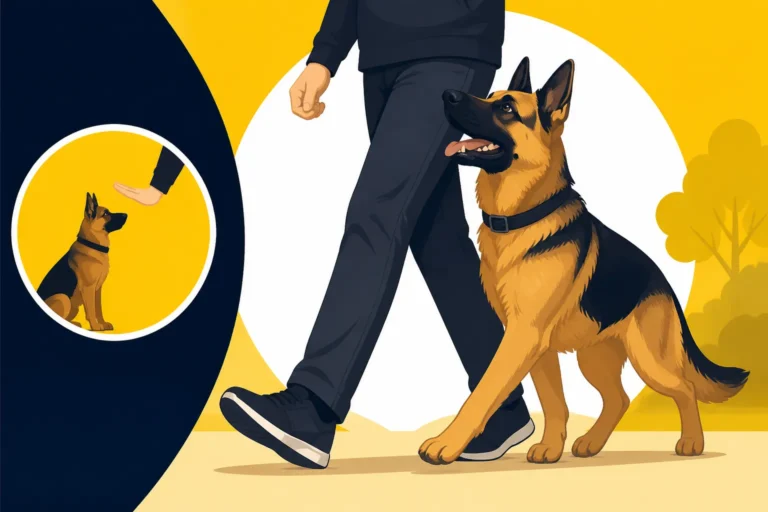
Beyond socialization, teaching basic obedience commands early on is vital. Commands like "leave it" and "drop it" are your best friends when it comes to preventing resource guarding. Start teaching these commands with low-value items, rewarding your puppy generously for complying. For instance, when they pick up something they shouldn't, say "drop it" and immediately offer a super tasty treat in exchange. The goal is to make the act of giving up an item a positive experience, teaching them that your approach means good things happen, not that their treasures will be taken away. Consistency during this phase is paramount, so make it a regular part of your daily interactions.
Creating a Predictable and Safe Environment
A dog that feels secure in their environment is less likely to feel the need to guard. Establish clear routines for feeding, playtime, and rest. When feeding your German Shepherd, ensure they have a consistent, quiet place where they can eat without interruption. If you have multiple pets, feed them in separate rooms to prevent any competition or anxiety around meal times. This simple management strategy can prevent many guarding issues from ever starting.
Furthermore, provide your German Shepherd with their own designated space, like a comfortable dog bed or crate, that they can retreat to without being disturbed. Proper How to Crate Train a German Shepherd guidance can turn a crate into a sanctuary, not a source of guarding. When children or other pets approach your German Shepherd, teach them to respect your dog's space, especially when they're eating or resting with a favorite toy. Using physical barriers, like baby gates, during meal times or when your dog is enjoying a high-value chew can also prevent accidental encounters that could trigger guarding behavior. The goal is to remove any perceived need for your dog to feel defensive about their belongings.
The "Trade-Up" Game
This is one of the most powerful tools in preventing and even resolving resource guarding. The "trade-up" game teaches your German Shepherd that when you approach them while they have a valuable item, it means they're about to get something even better. This completely flips the script on their expectation.
Here’s how to play:
- Start Low-Value: Begin with an item your dog isn't intensely protective of, like their regular kibble or a moderately interesting toy.
- Approach and Reward: As your German Shepherd is enjoying the item, casually approach them. Before you even get close enough for them to feel threatened, toss a super high-value treat (like a piece of cooked chicken or cheese) near them, slightly away from their item.
- Back Away: As they eat the treat, immediately back away. The idea is to make your appearance and the treat a fleeting, positive experience.
- Repeat: Do this several times in a session, gradually decreasing the distance you toss the treat, so they associate your proximity with delightful surprises. Never try to snatch or take the item away during this phase.
- Introducing the "Take It" and "Give": Once they are consistently happy for you to approach and toss a treat, you can introduce the "give" command. When they drop their current item to get the treat you've tossed, you can calmly pick up the original item. Then, immediately give it back to them after they've finished the treat, saying "take it." This teaches them that giving up an item is temporary and leads to rewards, and they often get their original item back.
- Increase Value Gradually: Over weeks and months, slowly increase the value of the items you practice with, eventually working up to their most cherished bones or toys. Always ensure the "trade" is genuinely better than what they have. Brands like Amazon offer a wide array of high-value treats and puzzle toys that can be fantastic for this game. Remember, consistency is key, and every successful trade builds trust and reinforces the idea that you are a giver, not a taker.
Addressing Existing Resource Guarding Behavior
If your German Shepherd is already exhibiting resource guarding, it’s important to approach the situation carefully and systematically. Safety for everyone in the household is paramount, so never put yourself or others at risk.
Assessing the Severity and Identifying Specific Triggers
Before you can begin to modify the behavior, you need a clear understanding of its characteristics. Observe your German Shepherd closely, from a safe distance, to identify precisely what they guard and how they guard it. Does it happen with all food, or only specific high-value treats like bully sticks? Is it only against certain people, like children, or everyone? Do they guard their crate, their bed, or a specific spot on the floor?
Record the signs they show: a hard stare, tense body language, a low growl, a snarl, a snap in the air, or even direct lunging or biting. This assessment helps you understand the severity of the guarding. Mild guarding might involve simply moving away or a subtle freeze. Moderate guarding includes growling and snarling. Severe guarding involves snapping, biting, and full-blown aggression. If the behavior is severe or has resulted in bites, seeking immediate professional help from a certified behaviorist is highly recommended for safety. Understanding Why Is My German Shepherd So Aggressive might shed light on other potential causes or related issues.
Desensitization and Counter-Conditioning Techniques
This is the cornerstone of treating existing resource guarding. The goal is to change your German Shepherd's emotional response to your presence near their guarded items from fear/anxiety/defensiveness to anticipation of good things.
Here's a step-by-step approach:
- Establish a Baseline (No Guarding): Start with an item they guard (e.g., a food bowl) but at a distance where they show no signs of guarding. This might mean you are across the room.
- Positive Association at a Distance: While your dog is eating or chewing, approach the safe distance, say a calm, happy word ("Good dog!"), and immediately toss a high-value treat away from them, so they have to move slightly to get it. Then, quietly retreat.
- Repeat and Gradually Reduce Distance: Repeat this process many, many times over several days or weeks. Slowly, incrementally, reduce the distance you approach, always ensuring your dog remains calm and happy, never showing signs of guarding. If they start to show tension, you've moved too quickly, so back up to the previous successful distance.
- No Taking: Crucially, during this desensitization phase, you should never reach for or take the item they are guarding. Your presence should only predict additions of good things.
- Practice with Different Items: Once successful with one item, repeat the process with other guarded resources. This systematic approach, focusing on positive reinforcement, is key to building trust. Resources like the online dog training program from BAXTER & Bella often provide detailed video tutorials on these very techniques, which can be invaluable for visual learners.
Implementing "Leave It" and "Drop It"
While desensitization and counter-conditioning work on the emotional response, the "leave it" and "drop it" commands provide you with practical tools to manage guarding situations safely. These commands teach your German Shepherd to voluntarily disengage from an item. Our guide on German Shepherd Basic Commands Every Owner Should Teach covers these commands in more detail, but here’s how to apply them specifically for guarding:
"Leave It":
- Low-Value Start: Place a low-value treat on the floor, cover it with your hand. When your dog looks at your hand, say "Leave it!"
- Reward for Disengagement: The moment they look away from the covered treat towards you, mark the behavior with a verbal "Yes!" or a clicker, and immediately reward them with a different, higher-value treat from your other hand.
- Gradual Difficulty: Practice repeatedly, gradually making the item on the floor more tempting, and eventually moving to having them "leave" items they want to grab on walks. The key is that "leave it" means don't touch this item, but I'll give you something better.
"Drop It":
- Start with a Toy: Have your German Shepherd chew on a low-value toy.
- Offer a Trade: Approach with a high-value treat. As you offer the treat, say "Drop it!" Most dogs will release the toy to get the treat.
- Reward and Return: As soon as they drop the toy, give them the treat. Then, pick up the toy and immediately give it back to them, saying "Take it!"
- Practice Consistently: Repeat this until "drop it" becomes an ingrained response, always ensuring the trade is fair or even preferential to them. The goal is that they associate "drop it" with getting something good, not losing something.
Practicing these commands in a calm, controlled environment, away from high-stress guarding triggers, will build a strong foundation. Only then can you begin to test them carefully in scenarios that might previously have triggered guarding, always with safety precautions like a long line or a secure barrier.
When to Seek Professional Help
While many cases of mild to moderate resource guarding can be managed with consistent, positive reinforcement training, there are clear instances where professional intervention is not just recommended, but essential for safety and success.
Recognizing When You're Out of Your Depth
It's perfectly normal for even experienced dog owners to feel overwhelmed or unsure when dealing with resource guarding, especially if it involves aggression. You should absolutely seek professional help if:
- Aggression Escalates: If your German Shepherd's growls turn into snarls, snaps, or bites, or if the intensity of their guarding behavior is increasing.
- Fear for Safety: If you or a family member (especially children) feel unsafe around your dog during feeding or playtime, or if there have been any actual bites.
- Guarding People: If your German Shepherd is guarding a person from others, as this can be complex and emotionally challenging to manage.
- Lack of Progress: If you've been diligently applying training techniques for several weeks or months and aren't seeing any improvement, or if the situation seems to be getting worse.
- Fear or Anxiety in the Dog: If your dog seems genuinely fearful or anxious rather than just defensive; sometimes guarding can be rooted in deeper anxiety issues.
Ignoring these signs or attempting to punish guarding behavior can often backfire, making the dog more fearful and potentially escalating the aggression. For complex behavioral issues, even training basics might feel challenging, but focusing on How to Train an Adult German Shepherd can provide a solid framework.
Types of Professionals and What to Look For
When seeking professional help, it’s crucial to find the right kind of expert. Look for professionals who use positive reinforcement, force-free methods. Avoid anyone who suggests punitive techniques, alpha rolls, or shock collars, as these methods can exacerbate fear and aggression in guarding dogs.
Here are the types of professionals to consider:
- Certified Professional Dog Trainer (CPDT-KA/KPA-CTP): These trainers have certifications demonstrating their knowledge of canine behavior and modern, humane training methods. They can provide hands-on guidance for behavior modification.
- Certified Applied Animal Behaviorist (CAAB) or Veterinary Behaviorist (DACVB): These are the highest levels of professional expertise. Veterinary behaviorists are veterinarians who have specialized in animal behavior, meaning they can diagnose underlying medical conditions that might contribute to behavior issues and can prescribe medication if necessary. CAABs typically have advanced degrees (Master's or PhD) in animal behavior. They are best suited for severe or complex cases of aggression and guarding.
- Reputable Online Programs: While not a replacement for hands-on help in severe cases, platforms like BAXTER & Bella offer extensive online resources, webinars, and personalized coaching that can complement in-person training or provide a great starting point for less severe issues.
When interviewing professionals, ask about their philosophy, methods, experience with resource guarding in German Shepherds, and what a typical training plan would involve. Look for someone who emphasizes safety, consistency, and building a positive relationship with your dog.
Holistic Approach to Management
Resolving resource guarding often requires a multi-faceted approach. It's not just about training; it's about managing the environment, being consistent in your interactions, and sometimes, addressing underlying anxiety or fear.
Environmental Management: This is often the immediate first step. For example, if your German Shepherd guards their food, feed them in a separate room or a crate away from distractions. If they guard toys, ensure high-value toys are only given when supervised, or put away when not in use. Use baby gates to create safe zones where your dog can enjoy their resources without feeling threatened. The goal is to prevent guarding incidents from happening, which stops the behavior from being practiced and reinforced.
Consistent Training: This involves continued practice of the "trade-up" game, "leave it," and "drop it" commands. Every interaction is a training opportunity. Everyone in the household must be on the same page regarding rules and training methods. Inconsistency can confuse your German Shepherd and undermine progress. For a deeper dive into general training, explore articles like How to Train a German Shepherd.
Addressing Underlying Issues: A veterinary behaviorist might identify underlying anxiety, pain, or medical conditions contributing to the guarding. For instance, a dog in pain might guard more intensely. In some cases, anti-anxiety medication, in conjunction with behavior modification, can help reduce a dog's overall stress levels, making them more receptive to training. This is always done under strict veterinary guidance.
Remember, resolving resource guarding is a journey that requires patience, consistency, and a deep understanding of your German Shepherd's needs. With the right approach and, if needed, professional guidance, you can help your loyal companion feel secure and trust you fully.
Resource Guarding Behavior & Initial Responses
It's helpful to categorize resource guarding behaviors to understand the appropriate initial response. This table provides a quick guide:
Behavior Severity Description Initial Signs Recommended First Response (Safety First!) “`html
Resource Guarding in German Shepherds: Understanding the Behavior
The first step in addressing resource guarding is truly understanding what it is and why it happens. It's easy to get frustrated or even scared when your German Shepherd exhibits these behaviors, but remember, they're communicating a need, even if it's in a way we find unacceptable. German Shepherds are magnificent, intelligent dogs, and their guarding tendencies are deeply woven into their ancestral purpose.
What Resource Guarding Actually Means
At its core, resource guarding is when a dog protects items, locations, or even people that they deem valuable from others, often through a series of escalating warning signals. Think of it as your German Shepherd saying, "Mine!" in a very emphatic way. It's an instinctual behavior, a survival mechanism from their wild ancestors who needed to protect scarce resources like food and den sites. In a modern home environment, this behavior becomes problematic because we often share resources and spaces with our dogs, and certainly don't appreciate a growl when we try to take away a dangerous item or simply clean up.
The range of behaviors can vary widely, from subtle to overt. A mild case might involve a quick, hard stare, a slight stiffening of the body, or simply moving their prized possession away from you. As the guarding intensifies, you might see a low growl, a snarl showing teeth, a snap in the air, or even a lunge or bite. It's critical to understand that these aren't isolated incidents of aggression; they are part of a communication ladder. If we miss or ignore the subtle signals, our German Shepherd learns they need to use stronger warnings to get their point across, which is precisely what leads to more dangerous behaviors. Validating your own feelings of fear or frustration is important, but remember, your dog isn't being "mean"; they're trying to protect what they perceive as theirs, often out of anxiety about losing it.
Common Items and Situations German Shepherds Guard
German Shepherds, with their intelligence and protective instincts, can decide to guard almost anything they value. However, some resources are more frequently guarded than others. Food is often at the top of the list, ranging from their everyday kibble to particularly coveted chew bones, treats, or even scraps they've managed to find. When your German Shepherd is deeply engrossed in a tasty bully stick or a Kong filled with peanut butter, their perceived value of that item skyrockets, making them more likely to guard it.
Beyond edibles, toys are another common trigger. This could be a favorite squeaky toy, a specific ball used for fetch, or any new, exciting plaything. Their bed, crate, or a specific spot on the couch or floor can also become a guarded territory. Sometimes, German Shepherds guard novel items they've just discovered, like a dropped sock or a child's toy. More challenging is when they start guarding people, typically a family member they've bonded intensely with, pushing away others who approach that person. Understanding these specific triggers for your German Shepherd is essential because it allows you to anticipate potential issues and implement targeted management and training strategies before an incident occurs.
Why German Shepherds are Susceptible to Resource Guarding
While any dog can develop resource guarding behaviors, German Shepherds, owing to their breed history and inherent characteristics, can be particularly susceptible. They were originally bred for herding and guarding livestock, roles that demanded a strong sense of ownership over their flock and territory, as well as a protective nature. These deeply ingrained instincts, when brought into a modern household setting, can sometimes manifest as resource guarding. Their natural vigilance, high intelligence, and tendency to form strong bonds with their family can all contribute.
Their intelligence means they quickly learn what works to protect their resources. If a growl successfully makes someone back away from their food, they'll remember that and use it again. Their protective nature, while a wonderful trait for a loyal companion, can sometimes extend to possessions or even a specific family member, leading them to see others as potential threats to those resources. It's not a flaw in their character, but rather an expression of their genetic predisposition, and it’s up to us to guide them and help them adapt these powerful instincts to living harmoniously within a human family. Understanding German Shepherd Behavior more broadly can provide context for many of their actions.
Proactive Steps: Preventing Resource Guarding from the Start
Prevention is always the best approach, especially with a strong and intelligent breed like the German Shepherd. Building trust and teaching your dog that your presence around their resources is a good thing, not a threat, is paramount.
Establishing Trust with Your German Shepherd Puppy
Bringing a German Shepherd puppy into your home is an exciting time, and it's also the perfect window to establish habits that prevent resource guarding. The foundation of this is building a strong, positive relationship based on trust. Early and positive socialization is key. Introduce your puppy to a variety of safe, controlled environments, people, and other well-behaved dogs. This helps them learn that the world isn't a place they need to constantly guard against. Our guide, How to Socialize a German Shepherd, provides detailed steps for this crucial process.
Beyond general socialization, specific training commands are your best defense. Teach "leave it" and "drop it" from day one with low-value items. When your puppy picks up something inappropriate, instead of snatching it, say "drop it" and immediately offer a delicious, high-value treat in exchange. The moment they release the item, reward them. This teaches them that giving something up means getting something even better, building a positive association. Always make it a rewarding experience; never make them feel punished for having an item. Consistent, positive reinforcement during this formative period will instill confidence and prevent defensive guarding habits.
Creating a Secure and Predictable Environment
A German Shepherd who feels secure and knows what to expect is far less likely to feel the need to guard. Establish clear routines for feeding, playtime, and rest. When it's mealtime, ensure your German Shepherd has a designated, quiet eating area where they won't be disturbed by other pets or family members. If you have multiple dogs, feed them in separate rooms to eliminate any competition or anxiety surrounding their bowls. This simple environmental management strategy can prevent a host of guarding issues.
Provide your German Shepherd with their own safe spaces, such as a comfortable dog bed or a properly How to Crate Train a German Shepherd crate. Teach all family members, especially children, to respect your dog's space when they are eating, chewing on a favorite toy, or resting. Using physical barriers like baby gates can be incredibly helpful during these times, especially in busy households. The goal is to minimize situations where your German Shepherd might feel the need to defend their possessions, allowing them to relax and enjoy their resources without perceived threats.
The Power of the "Trade-Up" Game
This game is an absolute must for any German Shepherd owner, whether preventing or addressing guarding. It systematically teaches your dog that human hands approaching their prized possessions mean more good things, not loss. This fundamentally shifts their emotional response from defensive to anticipatory.
Here's how to master it:
- Start with Low-Value Items: Begin with something your German Shepherd doesn't guard intensely, like their ordinary kibble or a less favored toy.
- Approach and Toss a Treat: While your dog is enjoying the item, casually approach. Before you get close enough to elicit any tension, gently toss a super high-value treat (think cooked chicken, cheese, or even liver treats) away from them, slightly beside their current item.
- Retreat Immediately: As your dog moves to enjoy the tossed treat, immediately back away. Your presence should be associated with the sudden appearance of something delicious, followed by your quick retreat, reinforcing that you're not there to take anything.
- Repeat Many Times: Practice this dozens of times over several sessions. The key is to build a strong, positive association: "Human comes near my stuff = awesome treats appear."
- Introduce the "Drop It" Command: Once your German Shepherd consistently looks up happily when you approach, and readily moves to get the tossed treat, you can introduce the "drop it" command. When they drop their current item to get the treat you've tossed, calmly say "Drop it!" and then give them the treat.
- Return the Item (Initially): After they've finished the treat, you can often pick up the original item and immediately give it back, saying "Take it!" This further reinforces that giving up an item is temporary and rewarding.
- Gradually Increase Value: Slowly, over weeks and months, work your way up to higher-value items like their favorite chew bones or toys. Always ensure the "trade" is genuinely more appealing than what they currently possess. Many excellent, durable chew toys and high-value treats perfect for this game can be found on Amazon, giving you plenty of options to keep things exciting. This consistent, positive trading will build immense trust and diminish their need to guard.
Managing and Resolving Existing Resource Guarding
If your German Shepherd is already exhibiting resource guarding, you'll need a more structured approach. This requires patience, consistency, and a deep understanding of your dog's warning signals.
Carefully Assessing Behaviors and Triggers
Before you can implement any training, you must become a keen observer of your German Shepherd's behavior. From a safe distance, carefully note every instance of guarding:
- What specific items do they guard? (e.g., food bowl, specific chew, a discarded tissue)
- What locations do they guard? (e.g., their bed, the couch, a doorway, a particular spot in the yard)
- Who do they guard against? (e.g., family members, strangers, other pets, specific children)
- What are their warning signals? (e.g., freezing, hard stare, stiffening, growling, snarling, snapping, lunging). Notice even the subtle ones, as these are critical communication attempts.
Understanding these details helps you predict when and where guarding might occur, allowing you to manage the environment and prepare for training. If your German Shepherd has bitten or aggressively lunged, or if you feel unsafe, immediately consult a professional certified behaviorist. Safety is paramount; never put yourself or others at risk. A good understanding of How to Tell If a German Shepherd Is in Pain can also be useful, as sometimes guarding can be exacerbated by discomfort.
Desensitization and Counter-Conditioning for Resource Guarding
This is the most effective way to change your German Shepherd's emotional response to your proximity to their valued possessions. The goal is to transform their anxiety or defensiveness into positive anticipation.
Here’s a step-by-step breakdown:
- Identify the "No Guarding" Zone: Start by having your German Shepherd with their guarded item (e.g., a food bowl, a chew). Position yourself at a distance where they show absolutely no signs of tension or guarding. This might be across the room, or even in another room with the door ajar.
- The "Approach and Treat Toss" Method: From this safe distance, calmly approach a few steps. As you approach, say a cheerful, calm word ("Good dog!" or "Yay!"). Before your dog reacts, gently toss a high-value treat (like a piece of real chicken or cheese, something truly irresistible) away from them, so they have to lift their head or move slightly to get it.
- Immediately Retreat: As they go for the treat, immediately and casually turn and walk away, increasing your distance again. Your approach and the treat should be fleeting.
- Repeat, Repeat, Repeat: Do this many, many times over several days or even weeks. The consistency is key. Your German Shepherd needs to learn that your approach always equals something good, and you then always leave them alone with their item.
- Gradual Reduction of Distance: Only once your German Shepherd is consistently happy, looking up expectantly, and showing no signs of guarding when you approach and toss a treat from your current distance, can you very slowly reduce your starting distance by a small amount. Again, if you see any tension, you've gone too fast; retreat to the previous successful distance.
- Never Take the Item: During this entire desensitization process, never attempt to take the item from your dog. Your presence must solely predict adding value, not removing it. This systematic process helps to rewire their brain, turning a negative association into a positive one. This slow, methodical approach is foundational to building deep trust.
Reinforcing "Leave It" and "Drop It" with Guarded Items
Once your German Shepherd has a solid understanding of "leave it" and "drop it" with low-value items, you can begin to carefully apply these commands to situations involving their guarded resources. This provides you with powerful tools to manage potential conflicts safely. For a general overview of essential commands, check out German Shepherd Obedience Training Basics.
Advanced "Leave It":
- Setup for Success: Place a moderately guarded item (not their absolute highest-value item initially) on the floor. Hold a very high-value treat in your hand.
- Issue the Command: When your German Shepherd shows interest in the item, say "Leave it!"
- Reward for Disengagement: The instant they shift their gaze from the guarded item to you, or even just hesitate, mark the behavior ("Yes!" or click) and immediately reward them with the high-value treat.
- Increase Temptation Gradually: Practice this repeatedly. Once they reliably "leave" the item for the treat, you can gradually increase the temptation of the item you're asking them to leave, always making sure your reward is more valuable. The dog learns that ignoring the guarded item leads to an even better outcome.
Advanced "Drop It" (The Trade):
- Dog with Item: Allow your German Shepherd to have a guarded item (again, start with a moderately guarded one, not the most intense).
- Offer a Higher Value Trade: Approach calmly with an even higher-value treat than the one they currently have. Say "Drop it!" as you present the trade.
- Reward and Take: As soon as they drop the guarded item to take the trade, give them the new treat. Then, safely pick up the original guarded item.
- Practice Consistent Trades: This game should always be a win-win for your dog. They give up something good, but they get something even better. Over time, they will happily drop items when asked, knowing a better reward is coming. Never try to snatch or force an item from them, especially if they are already guarding. Utilizing tools like durable chew toys and training treats from reliable sources on Amazon can help facilitate these trades.
Seeking Professional Guidance for Advanced Cases
Sometimes, despite your best efforts, resource guarding can be persistent, severe, or simply beyond your comfort level to manage alone. It's crucial to know when to bring in professional help to ensure both your German Shepherd's well-being and the safety of everyone in your home.
Knowing When to Call in the Experts
There’s no shame in admitting you need help, especially with a powerful and intelligent breed like the German Shepherd. You should seriously consider contacting a professional behavior specialist if:
- Aggression or Bites Occur: If your German Shepherd has growled, snarled, snapped, or bitten in a guarding context. This is a clear indicator that the behavior is severe and potentially dangerous.
- Escalating Behavior: If the guarding behavior is getting worse, more frequent, or involves a wider range of items or people.
- Fear for Family Members: If you, your children, or other pets are living in fear or regularly avoiding your German Shepherd due to guarding. This impacts the quality of life for everyone involved.
- Guarding of People: If your dog guards a specific person from others, this is a complex dynamic that often requires expert intervention to resolve safely.
- Lack of Progress: If you've been diligently applying positive, force-free training methods for a significant period (several weeks to months) and haven't seen meaningful improvement, or the problem seems intractable.
- Underlying Issues Suspected: If you suspect there might be an underlying medical issue, pain, or severe anxiety contributing to the guarding. A vet or veterinary behaviorist can help rule these out. For instances of sudden changes in behavior, our guide on Why Does My German Shepherd Have Aggression Issues can offer some additional context for underlying factors.
Attempting to "dominate" or punish a German Shepherd for guarding can drastically worsen the behavior, increase fear, and make them more likely to bite without warning. A qualified professional will prioritize safety and use humane, effective methods.
Finding the Right Professional for Your German Shepherd
Not all dog trainers are equipped to handle serious behavior problems like resource guarding. It's vital to choose a professional with the right credentials and philosophy. Look for:
- Certified Professional Dog Trainers (CPDT-KA, KPA-CTP): These individuals have undergone rigorous testing and adhere to ethical, science-based training practices. They can provide hands-on training and behavior modification plans.
- Certified Applied Animal Behaviorists (CAAB) or Veterinary Behaviorists (DACVB): These are the most highly qualified professionals. Veterinary behaviorists are veterinarians with advanced training in animal behavior, enabling them to diagnose medical causes for behavior and prescribe medication. CAABs typically hold advanced degrees in animal behavior. They are best for severe aggression, complex cases, or when medication might be considered.
When interviewing potential professionals, ask about their experience specifically with resource guarding in German Shepherds. Inquire about their methods (they should be exclusively positive reinforcement and force-free) and what their behavior modification plan would entail. Ask for references and observe a session if possible. Organizations like the Certification Council for Professional Dog Trainers (CCPDT) or the American College of Veterinary Behaviorists (ACVB) can provide directories of qualified professionals in your area. Many also use comprehensive programs like those offered by BAXTER & Bella as supplementary resources, providing clients with ongoing support and structured learning.
The Holistic Approach to Long-Term Success
Effective management of resource guarding often involves more than just training commands; it requires a comprehensive strategy encompassing environmental management, consistent training, and sometimes, medical support.
Ongoing Environmental Management: This remains crucial. Continue to identify and control access to high-value items, especially during unsupervised times. Implement safe feeding practices, using separate areas if you have multiple pets. Utilize crates or gates to prevent guarding incidents before they occur. The goal is to set your German Shepherd up for success by removing the opportunity to practice guarding.
Consistent and Clear Training: All household members must be consistent in applying the training protocols. This includes the "trade-up" game, "leave it," and "drop it." Inconsistency can confuse your German Shepherd and undermine progress. Daily, short training sessions, even for just a few minutes, are more effective than infrequent, long ones. Maintaining a positive, patient attitude is vital for building and maintaining trust. For more general advice on tailoring training to your dog's personality, explore Best Training Method for a Stubborn German Shepherd.
Considering Veterinary Support: If a veterinary behaviorist identifies underlying anxiety or pain, they might recommend medication in conjunction with behavior modification. Medication isn't a "cure-all" but can help reduce anxiety or discomfort, making your German Shepherd more receptive to training and capable of learning new, positive responses. This is always a decision made in close consultation with your vet or a veterinary behaviorist. A holistic plan addresses the behavior from all angles, creating a calm, safe, and trusting environment for your German Shepherd and your family.
Disclaimer
This article is for general informational purposes only and does not constitute professional advice. Laws, prices and regulations vary by location and change over time. Consult a qualified professional for guidance on your specific situation.