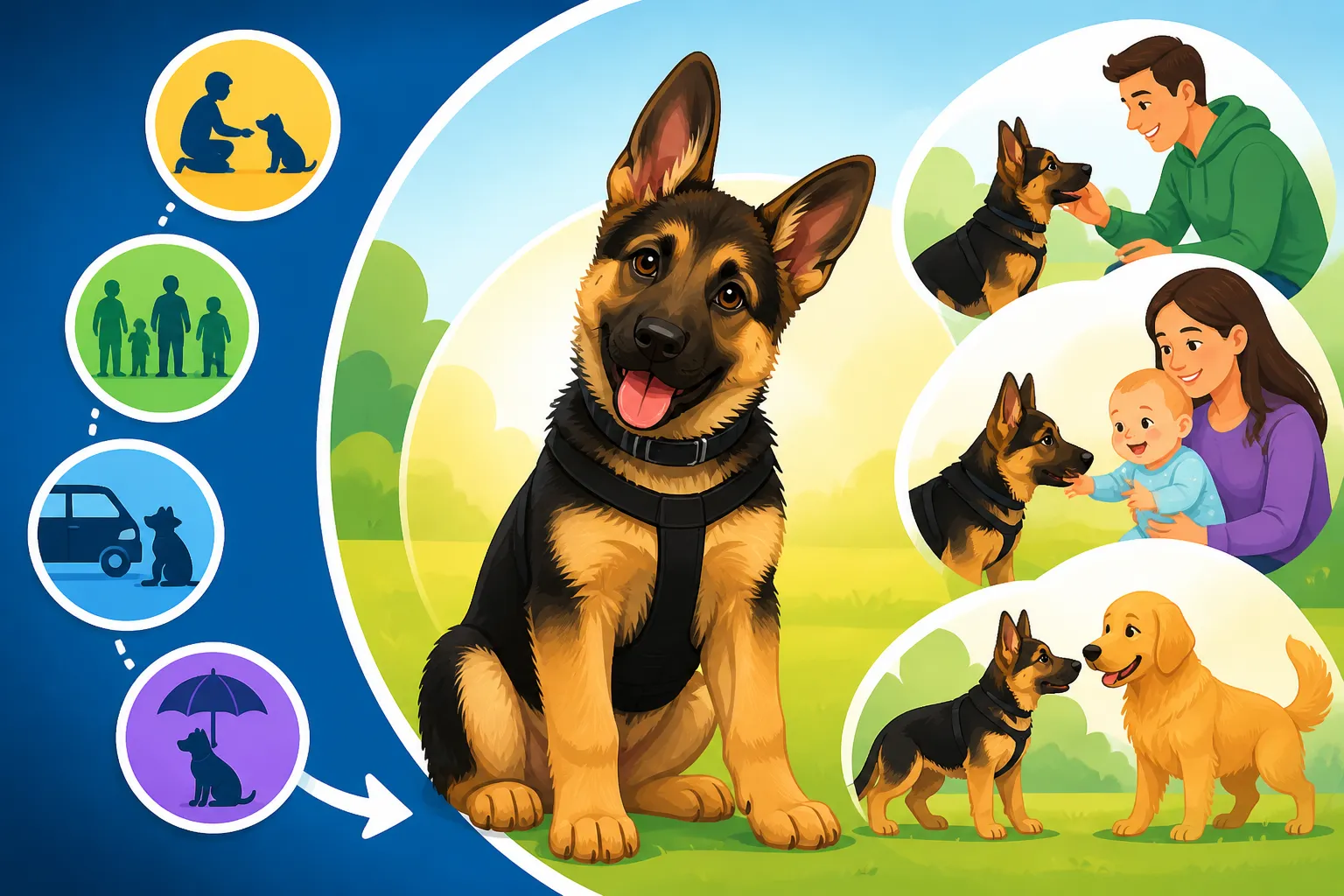
German Shepherd Socialization: Step-by-Step
Bringing a German Shepherd into your home is an exciting journey, but it comes with a huge responsibility: ensuring they grow into well-adjusted, confident companions rather than anxious or reactive dogs. Many new owners feel overwhelmed, unsure how to properly introduce their powerful pup to the big, wide world without creating fear or aggression. This comprehensive guide will walk you through a step-by-step process for effectively socializing your German Shepherd, ensuring they develop into the balanced, dependable family member you dream of.
Understanding Why Socialization is Crucial for German Shepherds
German Shepherds are renowned for their intelligence, loyalty, and protective instincts. However, these very traits, if not properly channeled and nurtured through socialization, can become liabilities. A poorly socialized German Shepherd can be a source of constant stress for both the dog and their owner, leading to a host of behavioral problems that are challenging to correct later in life.
The Dangers of Poor Socialization
Imagine taking your beautiful German Shepherd puppy, eager and full of potential, and keeping them isolated from the world. They might meet a few family members, see the backyard, and that’s about it. While this might seem protective, it actually sets them up for a lifetime of anxiety and fear. When suddenly confronted with a jogger, a child on a skateboard, or another dog, their natural reaction will be fear because these experiences are entirely new and unpredictable.
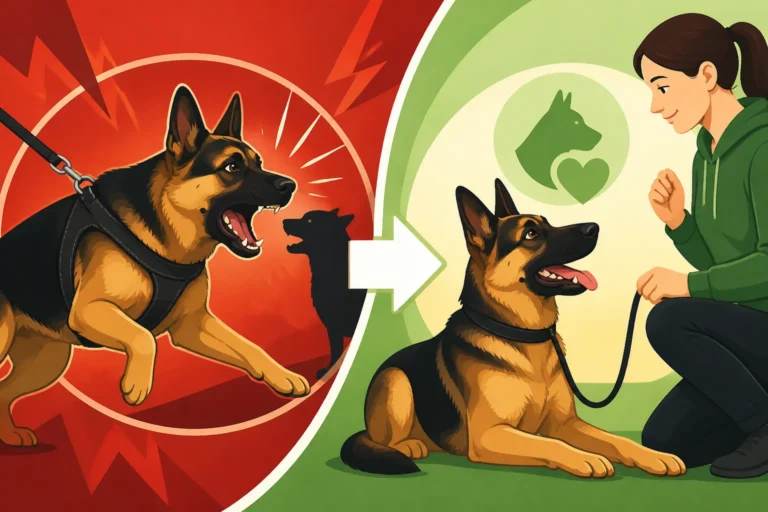
This fear often manifests as aggression – barking, lunging, snapping – because they perceive these new stimuli as threats. You might find your German Shepherd displaying signs of fear aggression when approached by strangers or becoming a terror at the dog park, lunging at other dogs out of sheer panic. Such issues can make even a simple walk around the neighborhood a dreaded event, limiting your dog's quality of life and potentially posing a risk to others. The inability to cope with novel situations can also lead to separation anxiety, destructive chewing, and obsessive behaviors, making your home life far more stressful than it needs to be. Many of these issues are discussed further in our guide to German Shepherd Behavior Problems and Solutions
Benefits of Early and Ongoing Socialization
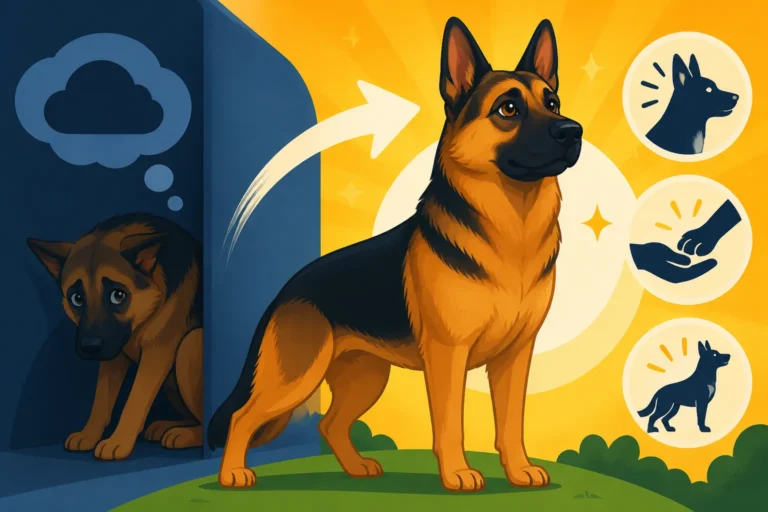
On the flip side, a German Shepherd that has been thoughtfully and consistently socialized is a joy to behold. They are confident, calm, and adaptable, capable of navigating new situations with curiosity rather than fear. From meeting new people to encountering different environments, a well-socialized GSD takes everything in stride.
This means you can enjoy trips to pet-friendly stores, walks in bustling parks, and gatherings with friends without constant worry. Your dog will be comfortable with various sounds, sights, and smells, reducing the likelihood of panic or aggressive outbursts. Furthermore, early positive experiences with other dogs help them develop appropriate canine social skills, leading to enjoyable playdates and peaceful coexistence. A well-socialized German Shepherd is not only happier and healthier but also safer for everyone they interact with, truly becoming a proud reflection of your dedication as an owner.
The Golden Window for German Shepherd Puppy Socialization
When it comes to socialization, timing is everything, particularly for a breed as impressionable and intelligent as the German Shepherd. There's a critical period in their early development where their brains are like sponges, soaking up information about the world and forming crucial associations. Missing this window can make the process significantly harder.
Puppyhood: The Critical First Few Months
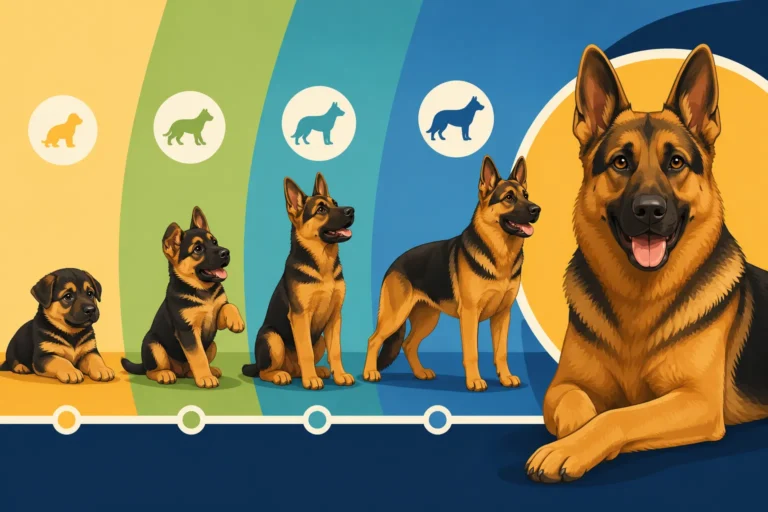
For German Shepherds, the period between 3 and 16 weeks of age is often referred to as the "critical socialization window." During these precious weeks, puppies are most open to new experiences and least likely to develop lasting fears. This is when you want to expose them to a vast array of positive stimuli, helping them build a resilient and confident temperament. Think of it as laying the foundation for their entire adult life.
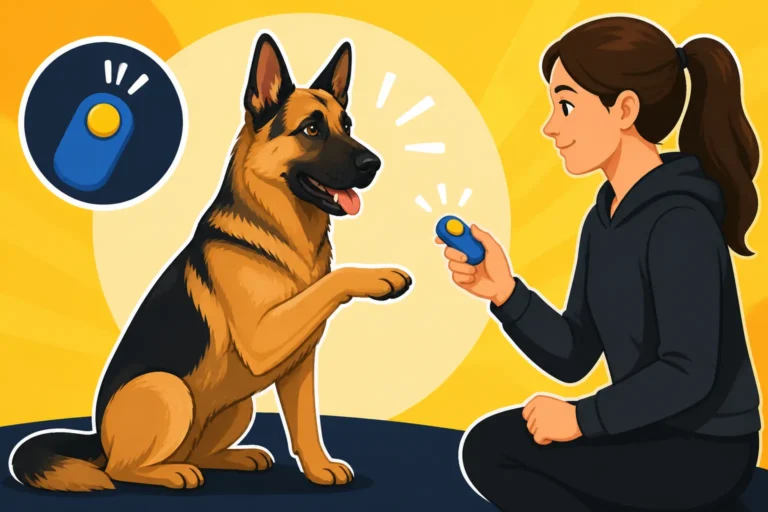
This means introducing them to different people – men, women, children, people in hats, people with glasses, people using mobility aids – and ensuring these interactions are always positive. Offer high-value treats and gentle praise during these encounters. Similarly, expose them to various environments and sounds: city traffic, quiet parks, the vacuum cleaner, doorbells, thunderstorms (if safe and controlled). Each positive experience helps them generalize that new things aren't scary, but rather opportunities for discovery or simply part of everyday life. Puppy classes, like those often recommended by trainers from organizations such as BAXTER & Bella, are invaluable during this time, providing structured, safe opportunities for puppies to interact with peers and learn good manners. Our German Shepherd Puppy Training Guide offers even more detailed advice for this stage.
Beyond Puppyhood: Continuing the Journey
While the puppy window is critical, socialization isn't a "one and done" deal. It's an ongoing process that extends well into adolescence and even adulthood. Just like people, dogs can become rusty if they don't continue to engage with the world. For German Shepherds, who mature slower than some other breeds, this continued exposure is even more vital.
As your German Shepherd enters adolescence (roughly 6 months to 2 years), they might go through "fear periods" where they suddenly become wary of things they once accepted. This is a normal part of development, and it requires patience and continued positive reinforcement. Continue to take them to new places, meet new people, and engage in safe, controlled interactions with other dogs. This reinforces the positive associations built in puppyhood and helps them maintain their confidence and adaptability. Even an adult German Shepherd can benefit from ongoing socialization, though it may take more time and careful management, especially if they have some existing anxieties. For those who missed the early window, our guide on How to Socialize an Adult German Shepherd can provide more tailored strategies.
Step-by-Step Guide to Socializing Your German Shepherd
Effective socialization requires a methodical, positive approach. It’s not about throwing your German Shepherd into chaotic situations, but rather about controlled, positive exposures that build confidence gradually. Remember, quality over quantity is key.
Exposure to Diverse Sights, Sounds, and Smells
Your German Shepherd experiences the world primarily through their nose and ears, followed closely by their eyes. Therefore, exposing them to a rich tapestry of sensory input is fundamental. Start small and close to home before venturing further out.
- Sights: Take your puppy on car rides to different neighborhoods, without necessarily getting out at first. Let them watch people, cars, bikes, and other animals from a safe distance. Walk past construction sites (again, at a safe distance), schools during pickup times, and busy storefronts. The goal is for them to observe these things without fear. People wearing different types of clothing – hats, sunglasses, uniforms, bulky jackets – should also become normal sights.
- Sounds: Introduce your German Shepherd to a variety of household sounds, like the vacuum cleaner, blender, doorbell, and washing machine, from a young age. Keep these experiences positive by associating them with treats or play. Outside, expose them to traffic, sirens, children playing, lawnmowers, and thunder (using controlled sound recordings at low volumes initially, if real storms are too intense). There are many sound desensitization tracks available on platforms like YouTube or through apps that can be played quietly in the background to gradually accustom your pup.
- Smells: Allow them to sniff new environments – parks, pet stores, nature trails. Let them investigate different smells on walks, as long as it's safe. Consider using enrichment toys where they have to sniff out treats, which helps build positive associations with novel scents.
Always keep these exposures short, positive, and paired with high-value treats and praise. If your GSD shows signs of stress (tail tucked, ears back, excessive yawning, lip licking), increase the distance or reduce the intensity, and try again later.
Positive Interactions with People
German Shepherds are naturally wary, which is a desirable trait for a protective breed. However, this wariness needs to be managed so it doesn't tip into fear or aggression. Positive interactions with a wide variety of people are crucial.
- Structured Greetings: Ask friends and family of different ages, genders, and appearances (tall, short, wearing hats, glasses, carrying bags) to meet your puppy. Have them offer a treat (if your puppy is comfortable taking it) and gentle praise, without forcing interaction. It's important to teach people to let the dog approach them, rather than the other way around.
- Public Encounters: When out and about, allow your German Shepherd to observe people from a distance. If someone asks to pet your dog, assess your dog's comfort level. If they seem eager, allow a brief, gentle pet, always supervising closely. Have treats ready to reward calm behavior. Politely decline if your dog seems unsure or overwhelmed. The goal is to create positive, brief encounters, not lengthy, stressful petting sessions. An online dog training platform like BAXTER & Bella can be incredibly helpful for learning how to manage these interactions and setting up controlled introductions with "strangers" (their trainers).
- Children and Babies: If you have children or plan to introduce your German Shepherd to kids, this is a critical area. Supervised, positive interactions are paramount. Teach children how to gently interact with dogs and teach your dog to be calm around children. Never leave a dog unsupervised with children. For detailed advice, you can look into how to Introduce a German Shepherd to a New Baby.
Safe Encounters with Other Dogs
Interacting with other dogs is vital for developing appropriate social skills. German Shepherds, especially males, can be prone to same-sex dog aggression if not properly socialized.
- Puppy Classes: Enroll your puppy in well-run puppy socialization classes. These provide a controlled environment for puppies to learn appropriate play and communication signals from their peers under the guidance of experienced trainers.
- Known, Vaccinated Dogs: Arrange playdates with calm, vaccinated, and well-socialized adult dogs you trust. Start in a neutral territory, like a park, and keep initial interactions brief and positive. Supervise every second, looking for signs of stress or over-excitement in either dog.
- Dog Parks (with caution): Dog parks can be a double-edged sword. While some German Shepherds thrive there, others can be overwhelmed or pick up bad habits. If you choose to go, visit during off-peak hours, select areas with dogs of similar size and play style, and leave if you see any signs of aggressive or inappropriate play. Always ensure your German Shepherd has a reliable recall command, as detailed in our guide on German Shepherd Recall Training: Step-by-Step, before venturing into off-leash areas.
- Leashed Greetings: On walks, allow brief, polite greetings with other dogs on leash, but only if both dogs are showing positive body language and the owners consent. Avoid nose-to-nose greetings if either dog seems tense. Keep the interaction short and move on. For products to aid in managing these interactions, like specific types of leashes or gentle harnesses, a quick search on Amazon can provide a range of options.
Novel Textures and Environments
Broadening your German Shepherd's comfort zone means introducing them to various physical sensations and locations.
- Different Surfaces: Walk your puppy on concrete, grass, gravel, wood floors, carpet, sand, and even through shallow water (if safe and warm). The goal is for them to feel comfortable and confident on any surface they might encounter.
- New Places: Beyond walks in your neighborhood, take your German Shepherd to pet-friendly stores (like Lowe's or Petco), different parks, hiking trails, and even a friendly outdoor cafe patio. Each new environment offers a unique set of sights, sounds, and smells to explore. The more diverse positive experiences they have, the more adaptable they will become.
- Vet Visits: Make vet visits positive experiences, not just for shots or sickness. Take your puppy for "happy visits" where they just get treats and praise from the staff, with no pokes or prods. This helps build positive associations with the clinic environment.
Common Socialization Mistakes to Avoid
Even with the best intentions, it's easy to make mistakes during socialization, especially with a sensitive and powerful breed like the German Shepherd. Being aware of these pitfalls can help you navigate the process more effectively.
Overwhelming Your German Shepherd
One of the biggest mistakes is pushing your German Shepherd too hard, too fast. While exposure is good, too much, too soon, can be detrimental, leading to fear, anxiety, or even aggression. Think of it like someone who hates public speaking being forced onto a stage without preparation – it's traumatizing, not helpful.
- Signs of Stress: Learn to read your dog’s body language. Signs of stress include lip licking, yawning (when not tired), turning their head away, avoiding eye contact, tail tucked, ears pinned back, panting (when not hot), excessive sniffing, and reluctance to move. If you see these signs, it means your dog is uncomfortable.
- Adjusting the Environment: When you notice stress, immediately increase the distance from the trigger, reduce the intensity of the situation, or simply leave. Don't force interaction. The goal is to always keep your German Shepherd in a "green zone" where they are calm and curious, not a "red zone" where they are overwhelmed. For example, if a bustling dog park is too much, try a quiet neighborhood park instead. Or, if meeting five strangers at once is overwhelming, stick to one-on-one introductions. Understanding your German Shepherd's energy level is also key to preventing overstimulation; our guide to German Shepherd Energy Level Explained can help.
Negative Experiences and Their Impact
A single bad experience during the critical socialization period or during a fear period can have a lasting negative impact on your German Shepherd. For instance, being attacked by another dog at the park, or having a child accidentally hurt them, can create a deep-seated fear that's very difficult to overcome.
- Protect Your Puppy: It's your job to protect your German Shepherd from negative experiences, especially during puppyhood. This means carefully selecting playmates, always supervising interactions, and removing your dog from any situation that makes them uncomfortable or unsafe. Don't allow strangers to rush up and pet your puppy without permission, and never allow a child to roughhouse or tease your dog.
- Recovery Strategies: If a negative experience does occur, don't despair, but address it immediately and carefully. Avoid coddling, which can reinforce fear. Instead, create several highly positive, controlled experiences with the trigger (e.g., other dogs, children) at a low intensity. For example, if they had a bad experience with another dog, observe dogs from a safe distance, rewarding calm behavior with treats, gradually decreasing the distance over many sessions. This counter-conditioning helps your German Shepherd replace negative associations with positive ones. If the fear is profound, consider consulting a certified professional dog trainer or behaviorist.
Socialization Activity Planner
Here's a simple table to help you plan your German Shepherd's socialization journey, keeping in mind it's an ongoing process.
| Age Range | Focus Areas | Example Activities | Key Considerations |
|---|---|---|---|
| 8-16 Weeks (Puppy) | Diverse Sights, Sounds, Smells, People, Dogs | Puppy classes, short car rides, meeting calm vaccinated dogs, gentle handling by various people, exposure to household noises, walking on different surfaces. | CRITICAL WINDOW: Keep experiences short, positive, and supervised. Prioritize positive over exhaustive. Ensure all encounters are safe. Focus on gentle exposure, not immersion. |
| 4-12 Months (Adolescent) | Reinforcement, New Challenges, Boundaries | Continue puppy class graduates, explore new parks/trails, controlled public outings (pet stores, outdoor cafes), introduce new commands in distracting environments, supervised playdates. | FEAR PERIODS: Be patient if your dog shows new wariness. Reinforce positive behaviors. Continue structured interactions. Increase duration and intensity gradually. Focus on building confidence and maintaining good manners. Consistency in German Shepherd Obedience Training Basics is key. |
| 1 Year + (Adult) | Maintenance, Advanced Skills, Enrichment | Continued outings, advanced training classes (e.g., agility, obedience), novel environments (hiking trips, dog-friendly events), regular play with trusted dogs, mental enrichment. | ONGOING: Don't let skills diminish. Continue exposing to new situations. Address any emerging fears or anxieties with professional help. Focus on enriching their lives and deepening your bond. |
Disclaimer
The information provided in this article is for educational purposes only and is not a substitute for professional veterinary or behavioral advice. Always consult with a qualified veterinarian or certified professional dog trainer for any concerns regarding your German Shepherd's health or behavior.