German Shepherd Bloat: Signs and Prevention
It's one of those heart-stopping moments no German Shepherd owner ever wants to face: you see your beloved dog suddenly pacing, attempting to vomit but bringing nothing up, their belly distending. The fear is instant and overwhelming because you know, deep down, these could be the terrifying signs of bloat. This condition, medically known as Gastric Dilatation-Volvulus or GDV, is a true emergency that can quickly turn fatal. This comprehensive guide is here to help you understand exactly what bloat is, recognize its critical signs, identify key risk factors specific to German Shepherds, and arm you with the prevention strategies that could literally save your dog's life.
Understanding Gastric Dilatation-Volvulus GDV What is Bloat Exactly
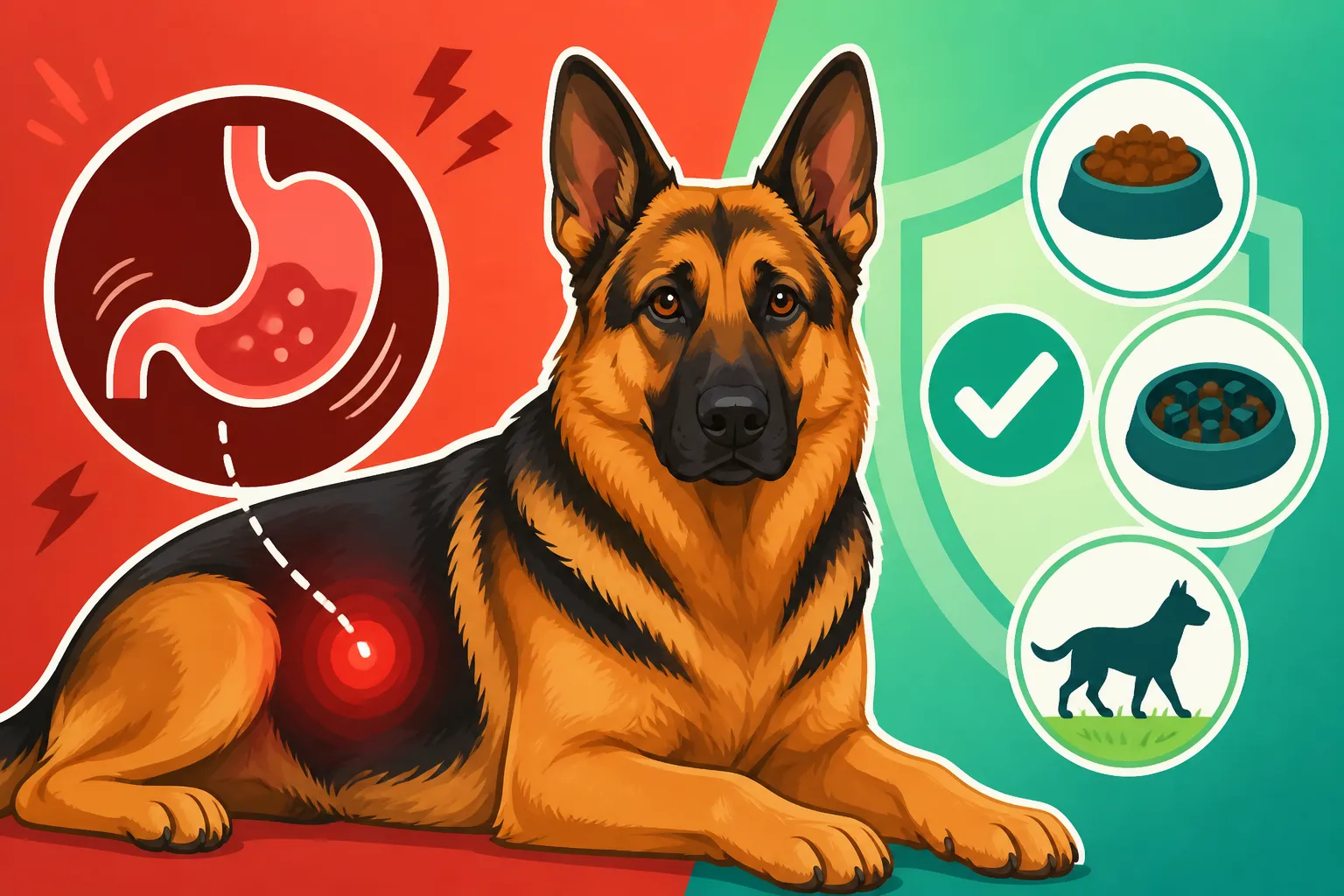
Bloat, or GDV, is perhaps the most frightening and fast-acting health crisis a German Shepherd owner might ever encounter. It's not just an upset stomach; it's a condition where a dog's stomach first fills with gas (dilatation) and then often twists upon itself (volvulus). This twisting cuts off blood supply to the stomach and other vital organs, leading to rapid tissue death and a cascade of systemic issues. The speed at which it progresses is what makes it so terrifying – minutes can genuinely matter.
What Happens During Bloat
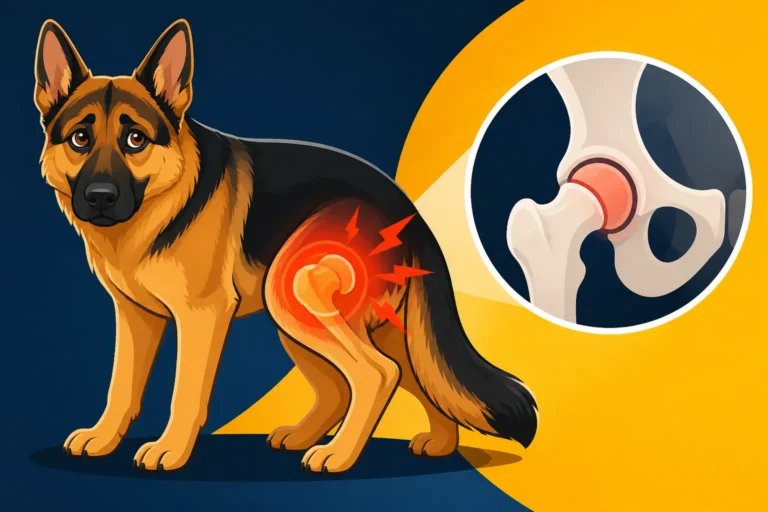
When the stomach dilates, it expands due to an accumulation of gas, fluid, or food. Imagine a balloon inflating inside your dog's abdomen. This pressure can compress major blood vessels, restricting blood flow back to the heart and causing the dog to go into shock. As if that weren't bad enough, in many cases, the dilated stomach then rotates, or "volves," around its axis. This twisting traps the contents, prevents gas from escaping, and most critically, pinches off the esophagus and duodenum, making it impossible for the dog to relieve the pressure through vomiting or burping. The blood supply to the stomach wall is compromised, leading to necrosis (tissue death). Other organs, like the spleen, can also get dragged into the twist. Without immediate emergency veterinary intervention, often involving surgery, a dog suffering from bloat will not survive. It's a race against time, where every second counts.
Why German Shepherds are Prone
German Shepherds, like many large, deep-chested breeds, have a significantly higher predisposition to developing bloat compared to smaller dogs. Their unique body conformation — a deep, narrow chest — is a major anatomical factor. The deeper chest provides more room for the stomach to swing and twist, rather than being snugly held in place. It’s like having too much empty space in a box; things can shift around more easily.
Beyond their physical build, genetics also play a substantial role. If a German Shepherd's parents or close relatives have experienced bloat, their offspring are at a higher risk. This is why reputable breeders often screen for predispositions and keep meticulous health records, including instances of bloat in their lines. You can learn more about how genetics factor into overall wellness in our guide on German Shepherd Genetic Health Testing. Understanding this inherent susceptibility is the first crucial step in vigilant prevention.
Recognizing the Early Signs of Bloat in Your German Shepherd
The insidious nature of bloat lies in how quickly it escalates. What starts as subtle discomfort can rapidly become a life-threatening emergency. As a German Shepherd owner, you need to be acutely aware of even the slightest changes in your dog's behavior and physical state, as early recognition is absolutely paramount for a positive outcome.
Subtle Behavioral Changes to Watch For
Sometimes, the very first indicators of bloat aren't overt physical symptoms but rather a shift in your dog's demeanor. Your usually calm German Shepherd might become restless, pacing incessantly around the house, unable to settle into a comfortable position. They might seem anxious or distressed, looking back at their abdomen, almost as if trying to understand what's happening. You might notice them drooling more than usual, a sign of nausea or discomfort. They might also appear weak or unsteady, or simply 'not themselves.' This is where your intuition as an owner comes into play; if something feels off, it's always better to investigate and err on the side of caution. Ignoring these subtle cues could mean missing the critical window for intervention.
Physical Symptoms and Their Urgency
As bloat progresses, the physical signs become more pronounced and alarming. The most classic symptom is an unproductive retching or gagging – your German Shepherd will attempt to vomit, often forcefully, but nothing comes up, or perhaps only foamy saliva. This is a huge red flag. Alongside this, you will likely observe abdominal distension. Their belly will appear swollen, tight, and often painful to the touch. It might feel hard, like a drum.
Other urgent physical signs include:
- Excessive drooling: As mentioned, a sign of nausea.
- Difficulty breathing: The enlarged stomach puts pressure on the diaphragm and lungs.
- Rapid, shallow breathing: Indicating pain and shock.
- Pale gums: A sign of poor circulation and shock.
- Increased heart rate: The body's attempt to compensate for decreased blood pressure.
- Weakness or collapse: A late-stage sign of severe shock.
If you observe any combination of these symptoms, especially unproductive retching and a distended abdomen, it is a dire emergency. Do not wait to see if it improves; immediate veterinary care is essential. This is not a condition you can treat at home. Get your dog to the emergency vet without delay.
The Critical Risk Factors for German Shepherd Bloat
While German Shepherds are inherently predisposed to bloat due to their anatomy, several other factors can significantly increase the risk. Understanding these can empower you to implement preventative measures and make informed decisions about your dog's care.
Genetic Predisposition and Breed Traits
We've touched on this already, but it bears repeating: genetics are a huge player in bloat risk for German Shepherds. Dogs with first-degree relatives (parents, siblings, offspring) who have suffered from GDV are at a much higher risk. This highlights the importance of asking breeders about the health history of their breeding lines, specifically regarding bloat, when considering a puppy. Beyond immediate family, certain breed lines within German Shepherds might also have a higher incidence. It's not just a deep chest, but potentially specific genetic markers that make a dog more susceptible. This inherent vulnerability underscores why proactive management is so vital for our German Shepherds.
Environmental and Lifestyle Contributors
Several environmental and lifestyle factors can tip the scales towards a bloat episode. High-stress situations, for instance, can affect gut motility and potentially increase risk. A German Shepherd prone to anxiety during thunderstorms or separation from their owner might be more vulnerable. Excessive exercise immediately before or after eating is another major contributor. A full stomach bouncing around during vigorous activity creates the perfect storm for twisting. This is why careful timing of meals and activity is a cornerstone of prevention. Additionally, dogs that are underweight or those who eat very quickly, gulping down air with their food, are also considered to be at a higher risk. Even something as seemingly minor as a change in routine or diet can sometimes be a trigger for a susceptible dog, emphasizing the need for consistency and careful transitions.
Dietary Habits and Feeding Practices
How you feed your German Shepherd plays a critical role in mitigating bloat risk. Eating one large meal a day, especially quickly, increases the volume of food and gas in the stomach, making it more susceptible to twisting. Splitting meals into two or three smaller portions throughout the day can significantly reduce this risk. Rapid eating also leads to gulping air, contributing to stomach gas. Consider using slow-feeder bowls or puzzle feeders to encourage your dog to eat more slowly. Our guide on German Shepherd Bloat Prevention Feeding Tips delves deeper into these practices. The type of food can also matter; while once thought that dry kibble was a major risk factor, more recent research suggests that the size of the kibble might be more relevant, with larger kibble pieces potentially slowing down eating. However, consistency and avoiding sudden changes in diet are always recommended.
Proactive Prevention Strategies to Protect Your German Shepherd
Knowing your German Shepherd is at risk is one thing; taking concrete steps to reduce that risk is another. Implementing preventative measures can give you peace of mind and, more importantly, safeguard your dog's health.
Smart Feeding Practices
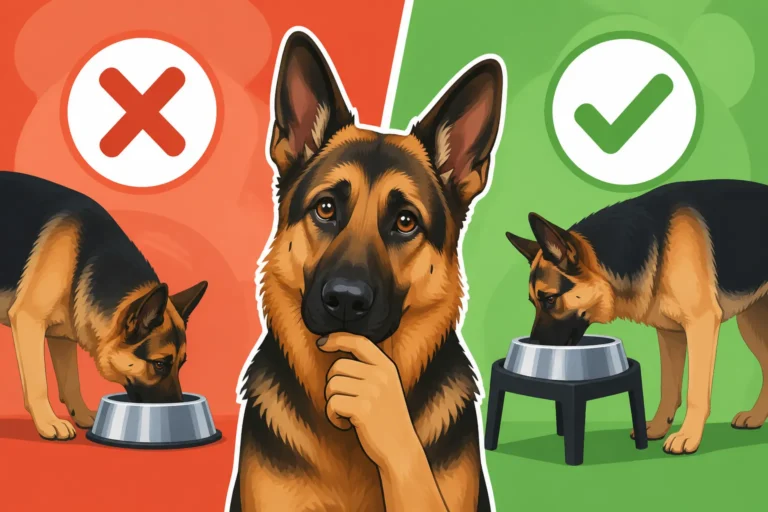
One of the most impactful ways to prevent bloat is through meticulous feeding practices. Instead of one large meal, feed your German Shepherd two or three smaller meals spaced throughout the day. This reduces the amount of food in the stomach at any given time. Encourage slower eating by using specialized slow-feeder bowls, scattering food on a flat surface, or using puzzle feeders. These methods force your dog to take smaller bites and ingest less air. Ensure your dog has access to fresh water but avoid large gulps of water immediately before or after meals. It's also crucial to avoid vigorous exercise for at least an hour before and two hours after eating. This gives the stomach time to digest without being jostled, minimizing the chance of it twisting. While the debate around raised bowls continues, recent studies don't definitively support them as a preventative measure and some even suggest they might increase risk in certain breeds by encouraging faster eating. You can explore this further in our article, Should German Shepherds Eat from Raised Bowls.
Managing Exercise and Activity
Balancing exercise with meal times is a non-negotiable part of bloat prevention. German Shepherds are energetic dogs that require ample physical activity, as discussed in our German Shepherd Exercise Requirements guide. However, this energy needs to be managed smartly around meal times. A good rule of thumb is to avoid high-impact exercise, such as running, jumping, or intense play, for at least one hour before and two hours after your German Shepherd eats. A leisurely walk is fine, but anything that causes their stomach to jostle excessively should be avoided. The goal is to allow their digestive system to work efficiently without added stress or movement that could facilitate a gastric twist. Even intense excitement right before or after eating, like a boisterous greeting at the door, can be a risk, so try to keep things calm around meal times.
Considering a Gastropexy Surgery
For German Shepherds at high risk of bloat, a prophylactic gastropexy procedure can be a lifesaver. This surgery involves permanently attaching the stomach to the abdominal wall, preventing it from twisting. While it doesn't prevent the stomach from dilating (filling with gas), it eliminates the more deadly "volvulus" component. Many owners opt for this procedure when their German Shepherd is spayed or neutered, as it can be performed simultaneously. It's a significant decision, of course, and comes with a cost and recovery period, but the peace of mind it offers is invaluable. Discussing this option with your veterinarian, especially if your German Shepherd has a strong family history of bloat or displays multiple risk factors, is highly recommended. Pet insurance providers like Healthy Paws often cover emergency bloat surgery, but it's worth checking if they also cover prophylactic procedures or if it's considered an elective surgery.
What to Do in a Bloat Emergency: Immediate Steps
Despite all preventative efforts, sometimes bloat still happens. In these critical moments, your quick thinking and swift action can be the difference between life and death for your German Shepherd.
Recognizing a True Emergency
You've read the signs, but when faced with them, it can be hard to know if it's a minor upset or the real deal. Remember these key indicators that signify a true bloat emergency:
- Unproductive retching: This is the most consistent and urgent sign. Your dog tries to vomit repeatedly but brings nothing up.
- Rapidly distending abdomen: The belly gets noticeably bigger, hard, and painful, sometimes within minutes.
- Signs of distress and pain: Pacing, whining, inability to lie down, looking at their flank.
- Weakness or collapse: Your dog becomes wobbly, unwilling to move, or collapses.
If you observe these symptoms, do not hesitate. Do not wait for a vet clinic to open if it's after hours. Do not try home remedies like antacids or gas relievers – these will waste precious time. Bloat is a medical emergency that requires immediate professional attention. Every second counts. Get your dog to the nearest emergency veterinary clinic right away.
The Importance of Rapid Veterinary Intervention
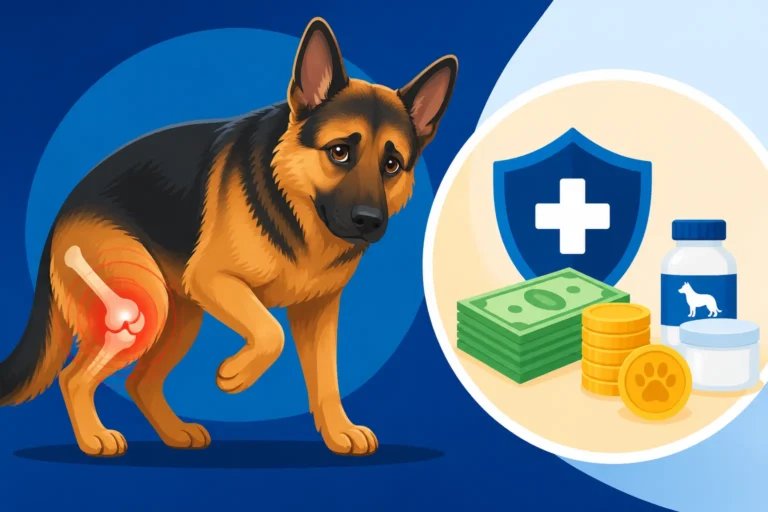
Once you recognize the signs, speed is your absolute best friend. Call your emergency veterinary clinic while you're on your way to give them a heads-up, so they can prepare for your arrival. Time is critical because the longer the stomach is twisted, the greater the damage to the stomach tissue and other organs, and the higher the risk of severe complications or death. The initial treatment often involves stabilizing your dog for shock, decompressing the stomach to release gas, and then performing surgery (gastropexy) to untwist the stomach and suture it to the abdominal wall to prevent future occurrences. The cost of such emergency treatment can be substantial, often ranging from $3,000 to $7,000 or more, highlighting why pet insurance like Healthy Paws can be incredibly valuable in managing unexpected medical emergencies. For more on what to expect, refer to our detailed guide on German Shepherd Bloat Emergency: What to Do.
Life After Bloat: Recovery and Long-Term Care
Surviving bloat is a huge hurdle, but it's just the beginning of the recovery journey. As an owner, you'll need to be prepared for both the immediate post-operative care and the ongoing management to ensure your German Shepherd thrives.
Post-Surgery Recovery Period
After emergency bloat surgery, your German Shepherd will require intensive post-operative care, usually involving a stay in the veterinary hospital for several days. During this time, they'll be closely monitored for complications like cardiac arrhythmias, peritonitis, or further stomach issues. Once home, your dog will need a quiet, comfortable space to recover. Pain management will be crucial, and your vet will prescribe appropriate medications. A special diet, often soft and easily digestible, will likely be recommended for a few weeks, and you’ll need to follow a strict feeding schedule of small, frequent meals. Exercise will be severely restricted, with only short leash walks for bathroom breaks, to allow the incision site to heal properly. The entire recovery period can take several weeks, and it demands patience and diligent care from you. It's a stressful time, but seeing your beloved companion slowly return to their normal self is incredibly rewarding.
Preventing Recurrence and Ongoing Management
Even with a gastropexy, which significantly reduces the risk of recurrence, maintaining vigilant preventative measures remains essential. The stomach can still dilate with gas, even if it can't twist. Continue feeding smaller, more frequent meals, using slow feeders, and avoiding exercise around meal times. Monitor your dog closely for any return of bloat symptoms, no matter how minor. Discuss a long-term dietary plan with your vet; some dogs may benefit from specific formulations or even a prescription diet. Regular vet check-ups are important to monitor their overall health and quickly address any potential issues. Proactive management of anxiety or stress in your German Shepherd can also contribute to their overall well-being and digestive health. Remember, bloat survivors have shown incredible resilience, but continued vigilance from their owners is key to their long-term health.
The Role of Nutrition and Supplements in Bloat Prevention
While proper feeding practices are paramount, the content of your German Shepherd's diet and the strategic use of supplements can also play a supportive role in reducing bloat risk. It's about building a strong foundation for digestive health.
Choosing the Right Food
Selecting the right dog food for your German Shepherd is a significant decision, and it becomes even more critical when bloat prevention is a concern. Generally, look for high-quality large-breed specific formulas that are rich in animal protein and healthy fats. Avoid foods with excessive fillers or questionable ingredients that might cause gas or digestive upset. Some research suggests that foods with ingredients like fat listed among the first four ingredients might be associated with a higher risk, though findings can vary. What's most important is finding a food that agrees with your dog's individual digestive system and then sticking with it. Sudden changes in diet can sometimes trigger digestive issues, so always transition new foods slowly over several days. If your German Shepherd has a sensitive stomach, you might want to look into specific formulas designed to support digestive health. Our guide on Best Dog Food for German Shepherds offers a comprehensive look at suitable options.
Beneficial Supplements and Probiotics
Supplements aren't a magic bullet for bloat prevention, but they can support overall digestive health, which in turn might reduce risk factors. Probiotics, for example, can help maintain a healthy balance of gut flora, potentially improving digestion and reducing excessive gas production. Digestive enzymes can also aid in breaking down food more efficiently. Fiber supplements might be beneficial for some dogs, helping to regulate bowel movements and gut health. However, it's crucial to consult your veterinarian before adding any supplements to your German Shepherd's diet. They can help you determine if a particular supplement is appropriate for your dog's specific needs and health status, ensuring it doesn't interact negatively with existing conditions or medications. Think of supplements as a supporting cast, not the main act, in your bloat prevention strategy.
Common Misconceptions and FAQs About German Shepherd Bloat
There's a lot of information, and misinformation, floating around about bloat. Let's clear up some common misunderstandings and answer some frequently asked questions to ensure you have the most accurate knowledge.
Dispelling Myths About Elevated Bowls
For a long time, it was widely believed that feeding dogs from elevated bowls could prevent bloat. The theory was that it would reduce air ingestion while eating. However, numerous studies, including a large-scale one by Purdue University, have actually indicated the opposite: elevated food bowls might increase the risk of bloat in large, deep-chested breeds like German Shepherds. The exact mechanism isn't fully understood, but it's thought that an elevated position might encourage dogs to eat faster, gulping more air, or that the angle might somehow facilitate stomach twisting. Therefore, based on current veterinary understanding, it's generally recommended to feed German Shepherds from bowls placed on the floor. Always discuss feeding practices with your vet, but this is one myth that has largely been debunked by scientific research.
Answering Urgent Owner Questions
Owners often have pressing questions when it comes to bloat, reflecting the anxiety and fear surrounding this condition.
Q: Can a German Shepherd get bloat from just drinking water too fast?
A: While drinking large amounts of water very quickly, especially after exercise, can contribute to stomach distension, it's less likely to cause a full-blown GDV episode on its own than a combination of factors, particularly a large meal followed by activity. However, it's always wise to manage water intake, especially after exertion, to avoid excessive gulping.
Q: Is bloat only a problem for older German Shepherds?
A: While bloat can occur at any age, it is more commonly seen in middle-aged to senior German Shepherds. However, younger dogs are not immune, especially if they have a genetic predisposition or other significant risk factors. It's important to be vigilant throughout your German Shepherd's life, from puppyhood (refer to German Shepherd Puppy Feeding Schedule for young dog nutrition) to their senior years (see German Shepherd Senior Care Guide).
Q: Does pet insurance cover bloat surgery?
A: Most comprehensive pet insurance policies, such as those offered by Healthy Paws, do cover emergency treatment for bloat (GDV) once the waiting period has passed. Given the high cost of emergency surgery, pet insurance can be an invaluable financial safety net for German Shepherd owners. It's crucial to read your policy carefully to understand what's covered, including any deductibles or reimbursement percentages.
Q: How quickly can bloat become fatal?
A: Bloat can become fatal very rapidly, often within a few hours, sometimes even less. The progression depends on how quickly the stomach twists and how severely blood flow is compromised. This is why immediate veterinary attention is non-negotiable once symptoms appear. Delaying treatment for even an hour or two can significantly reduce the chances of survival and increase complications.
Disclaimer
The information provided in this guide is intended for educational purposes only and should not be considered a substitute for professional veterinary advice. Always consult with a qualified veterinarian regarding any health concerns or before making any decisions about your German Shepherd's care.