How to Introduce a German Shepherd to a Cat
Bringing a new cat into a home with an existing German Shepherd, or vice versa, can feel like navigating a minefield. You adore both your pets, but the stark differences in their natural behaviors and instincts can create a huge amount of stress and worry, often leaving you wondering if a peaceful coexistence is even possible. This comprehensive guide will walk you through a step-by-step process, offering practical advice and empathetic understanding to help you successfully introduce your German Shepherd to your feline companion, fostering a safe and harmonious household for everyone.
Understanding the Challenge: German Shepherds, Cats, and Prey Drive
Let's be real: German Shepherds are magnificent, powerful dogs, often bred or known for their working capabilities, which frequently include a strong drive to chase and herd. Cats, on the other hand, are typically small, quick, and masters of evasion, making them prime targets for a dog's natural instincts. Understanding these fundamental differences is the first critical step to a successful introduction.
The German Shepherd's Natural Instincts
German Shepherds possess a range of natural instincts that make them phenomenal working dogs, but can also pose a challenge when introducing them to smaller, faster pets like cats. Their high energy levels, intelligence, and often pronounced prey drive are characteristics that, while not inherently aggressive, can easily be misinterpreted by a cat (and by concerned owners!). A German Shepherd, especially a younger one or one from a working line, might view a darting cat not as a friend, but as something to chase or "herd." This isn't malice; it's instinct. It’s crucial for owners to differentiate between genuine aggression and an overzealous attempt to engage in a game of chase. Understanding German Shepherd Behavior Problems and Solutions helps clarify these nuances.
Imagine your German Shepherd, Fido, sees your cat, Mittens, streak across the living room. Fido's eyes lock on, his body tenses, and he takes off after her. To Fido, this might be the most fun game ever invented. To Mittens, it's a terrifying life-or-death pursuit. Recognizing that Fido isn't trying to harm Mittens but is simply acting on a deeply ingrained urge to pursue moving objects is vital for managing the situation effectively. This instinct is often amplified in younger German Shepherds, whose exuberance can sometimes overwhelm a more timid feline. Managing this drive requires patience, consistent training, and careful supervision.
Why Cats React the Way They Do
Cats, with their keen senses and territorial nature, are incredibly sensitive to changes in their environment. The sudden arrival of a large, boisterous German Shepherd can be profoundly distressing. A cat's primary defense mechanisms are flight and freeze. When confronted by a large, unfamiliar dog, a cat will often try to escape or hide, which, ironically, can further trigger a German Shepherd's prey drive. If a cat feels cornered or threatened, it may resort to hissing, swatting, or even scratching—defensive actions meant to ward off perceived danger.
Think about Mittens again. She's used to a quiet, predictable home. Now, a creature several times her size, with loud barks and enthusiastic movements, has invaded her space. Her stress levels will likely skyrocket. Signs of stress in cats can include flattened ears, a puffed-up tail, dilated pupils, excessive grooming, hiding more than usual, or even inappropriate urination outside the litter box. These aren't signs of defiance; they're desperate pleas for safety and space. It's our job as responsible pet parents to read these signals and create an environment where both animals feel secure. Ensuring that your cat has vertical spaces to escape to, like cat trees or shelves, can make a huge difference in their feeling of security.
Essential Preparation Before the Introduction
Rushing the introduction process is one of the biggest mistakes you can make. It's far better to take weeks or even months of careful preparation than to create a traumatic experience that could damage the relationship between your German Shepherd and cat permanently. Think of this as laying the groundwork for a lifelong friendship, or at least a peaceful coexistence.
Creating Separate Safe Zones
Before your German Shepherd and cat ever lay eyes on each other face-to-face, you need to establish absolutely inviolable safe zones for both animals. This is paramount for managing stress and giving each pet their own sanctuary. For the cat, this means a dedicated room or area where the German Shepherd simply cannot go. This space should include their food, water, litter box, scratching posts, and cozy sleeping spots. Make sure the cat can access this area easily, perhaps through a pet door that only they can use, or by placing tall cat trees and shelves that are out of dog-reach.
Consider installing baby gates or specialized pet gates in doorways to create boundaries within the home. These physical barriers allow for visual and scent exchange while preventing direct physical interaction, giving both animals time to acclimate. You can find a wide variety of sturdy pet gates on Amazon that are tall enough to deter even the most athletic German Shepherd. A cat flap installed in a bedroom door, allowing the cat to retreat to a peaceful sanctuary, can be a game-changer. The goal is to ensure your cat always has an escape route and a place where they feel completely secure and undisturbed, helping to mitigate German Shepherd Separation Anxiety Solutions if your dog tends to get anxious when alone.
Training Your German Shepherd for Calmness and Obedience
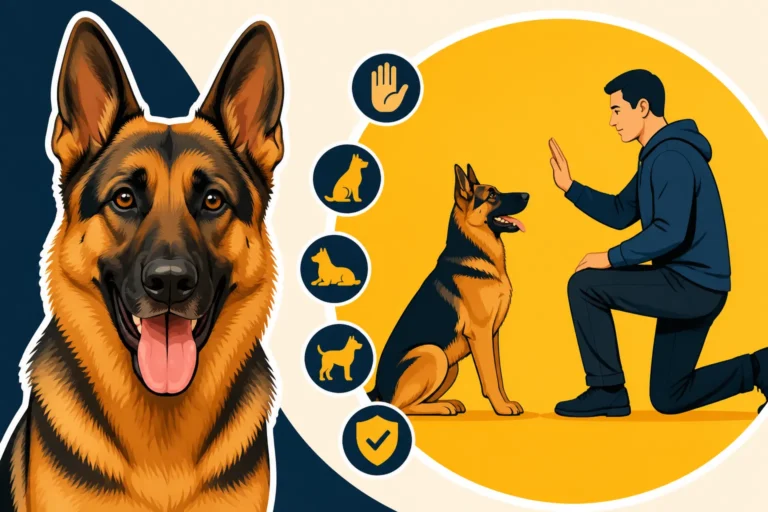
A well-trained German Shepherd is an absolute necessity for successful interspecies introductions. This isn't about teaching a few tricks; it's about establishing rock-solid obedience and impulse control, especially when faced with high-value distractions like a moving cat. Your German Shepherd must respond instantly to commands like "leave it," "stay," "down," and "come." These aren't just polite requests; they are safety commands that can prevent a chase from escalating or a potentially dangerous situation. Start with a strong foundation in How to Train a German Shepherd and practice these commands diligently in various environments with increasing distractions, long before introducing the cat.
Positive reinforcement is key here. Reward your German Shepherd handsomely for calm behavior, especially around new or exciting stimuli. If your dog is struggling with basic obedience, consider enrolling in an online training program like BAXTER & Bella, which offers comprehensive guidance from puppyhood through advanced commands. They emphasize positive methods and consistency, which are exactly what you need for this sensitive introduction. Teaching your German Shepherd a "place" command, where they go to a designated bed and stay there calmly until released, will be invaluable during initial supervised interactions. This is part of building German Shepherd Obedience Training Basics. Consistent practice ensures that your German Shepherd learns that remaining calm and following your lead is far more rewarding than giving in to primal instincts.
The Step-by-Step Introduction Process
Once you’ve set up your safe zones and your German Shepherd has a solid grasp of obedience, you can begin the actual introduction. This process should be slow, controlled, and always focused on positive experiences for both animals. Remember, patience is your best friend.
Scent Swapping and Controlled Sight
The very first step in introducing your German Shepherd to your cat should involve scent swapping. Animals communicate heavily through scent, and allowing them to get used to each other's smell can significantly reduce apprehension. Take a soft cloth or blanket and gently rub it on your cat, especially around their cheeks and head where scent glands are located. Then, place this "cat-scented" item in your German Shepherd's sleeping area or near their food bowl. Do the same with your German Shepherd’s scent for your cat. Observe their reactions. Are they curious, agitated, or indifferent? This gives you valuable insight into their initial comfort levels. Repeat this for several days or even a week, gradually moving the items closer to each other's safe zones.
Once scent swapping is going well, you can move to controlled visual introductions. This is where those baby gates or crates come in handy. Place your German Shepherd on a leash, in a "down" or "stay" position, on one side of a sturdy gate. Bring your cat into the room on the other side. Keep the sessions very short, perhaps just a minute or two initially. The goal is for both animals to observe each other calmly. If your German Shepherd starts to fixate, get overly excited, or pull on the leash, immediately interrupt with a "leave it" command and redirect their attention. Reward calm behavior with high-value treats for both the dog and the cat. It's crucial that these first visual encounters are always positive. You can even use a crate for your German Shepherd to ensure complete control, as detailed in German Shepherd Crate Training: Step-by-Step. Over several days, gradually increase the duration of these sessions, always ending before either animal shows signs of stress or over-excitement.
Supervised Interactions and Gradual Integration
When both your German Shepherd and cat are consistently calm during controlled visual sessions, you can begin supervised, unleashed interactions. This stage requires your undivided attention and should still be kept very brief initially. Your German Shepherd should be on a leash, with you holding it, even if they're not pulling. Start with your German Shepherd in a "down" or "stay" command, allowing the cat to enter the room freely. Let the cat approach the dog at its own pace—or not at all. Do not force interaction. If the cat chooses to investigate, keep your German Shepherd calm and reward them for ignoring the cat or for exhibiting gentle, relaxed body language.
Always have an escape route ready for the cat. If your German Shepherd gets too excited, or if the cat shows signs of fear (hissing, flattened ears, tail tucked), immediately separate them. End every session on a positive note, even if it’s just for 30 seconds of calm coexistence. Gradually increase the duration of these supervised sessions over days or weeks. Never leave them unsupervised until you are absolutely certain both animals are comfortable, relaxed, and ignoring each other for extended periods. This may take a long time, and some dogs and cats may never be safe to leave alone. Remember, the goal isn't necessarily for them to become best friends, but to peacefully coexist. Providing plenty of Best Mental Stimulation for German Shepherds can help burn off excess energy that might otherwise be directed at the cat.
Here’s a helpful table outlining stress signals to watch for in both your German Shepherd and your cat:
| Animal | Signs of Stress/Discomfort (Negative) | Signs of Calmness/Comfort (Positive) |
|---|---|---|
| German Shepherd | Stiff body, tense muscles, direct stare, whale eye, low growl, excessive licking lips, panting, high-pitched barks, pulling on leash, frantic sniffing, trying to pounce. | Loose body, relaxed posture, soft gaze, slow blinking, relaxed tail wag, ignoring cat, lying down calmly, slow sniffing, gentle head turns. |
| Cat | Puffed-up tail, flattened ears, dilated pupils, hissing, growling, swatting, crouching, sudden hiding, excessive grooming, darting away, tense body, staring intently. | Relaxed body, ears forward, slow blinking, tail held naturally or gently curled, rubbing against objects/you, engaging in normal activities, approaching curiously, stretching. |
Common Pitfalls and Troubleshooting
Even with the best preparation, things can sometimes go sideways. It’s important to know how to respond and when to seek additional help.
What to Do If Things Go Wrong
Despite your best efforts, there might be moments where an introduction goes awry. Perhaps your German Shepherd suddenly lunges, or your cat, feeling cornered, lashes out aggressively. The absolute first rule is immediate, calm separation. Do not yell or punish your dog, as this can create negative associations with the cat. Instead, gently but firmly lead your German Shepherd to their safe zone or use the "place" command, and ensure your cat has a clear path to retreat. Then, take a deep breath and reassess.
A setback doesn't mean failure. It simply means you've moved too quickly or need to reinforce earlier steps. Go back to scent swapping, or increase the duration of controlled sight sessions with barriers. If your German Shepherd is showing signs of high prey drive that you're struggling to control, such as persistent lunging, barking, or ignoring commands when the cat is present, it's a strong indicator that you need to slow down significantly. For more advanced issues, or if aggression from either animal is persistent, seeking guidance from a certified professional dog trainer or a veterinary behaviorist is highly recommended. They can observe the interactions in your home and provide tailored strategies, helping you with How to Stop German Shepherd Aggression if it's genuinely present. Sometimes, the problem might not even be overt aggression but rather an overabundance of energy that your dog needs an outlet for. Consider increasing your German Shepherd's daily exercise and German Shepherd Exercise Requirements.
Long-Term Management and Harmony
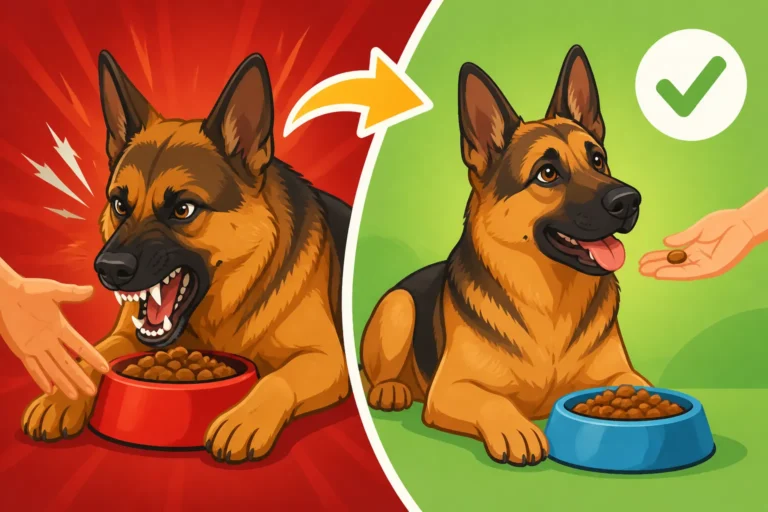
Achieving initial coexistence is a huge milestone, but maintaining harmony between a German Shepherd and a cat is an ongoing process. Even after they seem comfortable with each other, it’s vital to continue management strategies to prevent potential issues. Always feed them in separate locations to prevent resource guarding, which can manifest as aggression over food. Your cat should have elevated feeding stations that your German Shepherd cannot reach. Similarly, ensure your cat's litter boxes are in private, dog-free areas, as some German Shepherds can be unfortunately curious about litter boxes.
Continue to provide both animals with plenty of individual attention, play, and enrichment. Make sure your German Shepherd receives ample mental and physical stimulation daily, as a bored German Shepherd is more likely to create mischief, potentially bothering the cat. Providing designated safe spaces for the cat should always remain a priority, allowing them to retreat whenever they feel overwhelmed or simply want alone time. Think about Understanding German Shepherd Behavior to better manage their interactions. Over time, you might find your German Shepherd and cat sharing a couch or even grooming each other, but always remember that even the best relationships can have off days, and consistent supervision and management are key to long-term success.
Disclaimer
This article is for general informational purposes only and does not constitute professional advice. Laws, prices and regulations vary by location and change over time. Consult a qualified professional for guidance on your specific situation.