How to Teach a German Shepherd to Stay
Oh, the "stay" command! It sounds so simple on paper, right? But if you're a German Shepherd owner, you know the reality is often far more complicated. One minute your intelligent, eager-to-please companion is holding a perfect "sit," the next, a squirrel darts by, or the doorbell rings, and suddenly you're watching a furry missile disappear, leaving you exasperated and, frankly, a little worried. Getting your German Shepherd to truly understand and reliably execute "stay" isn't just about a neat party trick; it's a fundamental safety skill that can literally be life-saving. This comprehensive guide is here to walk you through every nuance of teaching your German Shepherd a rock-solid "stay" command, transforming those moments of panic into calm control and building an even stronger bond with your incredible dog.
Understanding the Importance of the "Stay" Command
When we talk about obedience training for our German Shepherds, commands like "sit" and "down" often get the spotlight. But in my years of working with these incredible dogs, I've come to realize that "stay" is truly one of the most critical. It’s not just a fancy maneuver to show off at the dog park; it’s a cornerstone of responsible dog ownership and a vital tool for your German Shepherd’s safety and well-being.
More Than Just a Trick: Safety First
Think about those heart-stopping moments that can happen in a split second. Your German Shepherd is usually well-behaved, but then a delivery person approaches the front door, and before you know it, your dog has bolted, potentially putting them in harm's way on a busy street. Or perhaps you're out for a walk, and a loose dog appears suddenly, threatening an uncontrolled encounter. These are scenarios where a reliable "stay" command isn't just helpful; it's absolutely crucial.
The "stay" command acts as an invisible safety net. It gives you the power to freeze your dog in place, preventing them from running into traffic, engaging in an unsafe interaction, or even just preventing them from becoming a nuisance to guests. It buys you precious seconds to assess a situation and regain control. I've heard countless stories, and experienced a few myself, where a solid "stay" has averted a potentially tragic accident. It’s also incredibly useful when you’re managing your home, giving you the ability to open a door without your dog dashing out, or keeping them calm and out of the way when carrying groceries or hot food. This command also works wonders in tandem with other training, such as addressing German Shepherd separation anxiety solutions by teaching them to relax and remain in a designated spot while you step away.
Building Impulse Control and Focus
German Shepherds are renowned for their intelligence and drive, which is a double-edged sword. While it makes them highly trainable, it also means they can be easily overstimulated and act on instinct. This is where "stay" really shines as a profound exercise in impulse control. It teaches your dog to override their natural urges – whether that's chasing a squirrel, greeting another dog, or jumping on a visitor – and instead, defer to your instruction.
This consistent practice of self-restraint strengthens their mental muscles. It's like teaching a child to wait for their turn; it builds patience and a deeper understanding of boundaries. For a high-energy breed like the German Shepherd, mental exercise is just as important as physical exercise. A dog that can maintain focus and control its impulses is a much calmer, happier, and more well-adjusted companion. This focus translates into better behavior across the board, making other aspects of training, like German Shepherd Obedience Training Basics, much smoother and more effective. It cultivates a dog that isn't just responding to commands, but actively engaging their brain and choosing to follow your lead, even when their instincts are screaming otherwise.
Essential Tools and Mindset Before You Begin
Before you even utter the word "stay," it's vital to set yourself and your German Shepherd up for success. This involves more than just having the right equipment; it’s also about adopting the correct mental approach to the training process. Without these foundations, you might find yourself frustrated, and your dog might become confused or disengaged.
Gathering Your Training Gear
You don't need a professional training facility to teach "stay," but having a few key items on hand will make the process much smoother and more effective.
First and foremost, high-value treats are non-negotiable, especially in the initial stages. We’re talking about small, soft, incredibly appealing morsels that your German Shepherd absolutely loves. Think boiled chicken, cheese, hot dogs, or liver treats – something they don't get every day. These aren't just snacks; they're powerful motivators that communicate to your dog, "Wow, holding still for you is really worth it!" Avoid dry, crunchy kibble for this, as it takes too long to chew and doesn't offer the same immediate gratification. You can find excellent training treats and equipment on Amazon, from tiny soft chews to durable long lines.
Next, you'll need a comfortable, non-restrictive leash and collar or harness. For "stay" training, a standard flat buckle collar or a martingale collar is often ideal, coupled with a lightweight leash. Avoid retractable leashes, as they can teach your dog to pull and offer inconsistent tension, which is counterproductive for a stationary command. The leash isn't primarily for correction but for safety and gentle guidance if your dog breaks the "stay" prematurely. It also allows you to gradually introduce distance while maintaining a connection.
Finally, choose a quiet, distraction-free space to start. This means indoors, away from windows, other pets, or household hustle and bustle. The fewer competing stimuli, the easier it will be for your German Shepherd to concentrate on you and the task at hand. As your dog progresses, you can slowly introduce more challenging environments, but for the crucial learning phase, simplicity is key. If you're using a clicker, which many find incredibly useful for precise marking of desired behavior, make sure you have it ready. If you're interested in incorporating it, our guide on German Shepherd clicker training for beginners offers a great starting point.
Cultivating Patience and Positive Reinforcement
Let’s be real: German Shepherds are incredibly smart, but they're not robots. They won't learn a new command perfectly overnight, and they certainly won't respond well to frustration or punishment. The most important "tool" you have is your own mindset.
Patience is paramount. There will be days when your German Shepherd seems to regress, or when a simple step takes ten repetitions to click. Don't get discouraged! This is a normal part of the learning curve for both of you. Getting angry or showing frustration will only make your dog anxious and less likely to engage. Remember, you're building a bond of trust and understanding, not just teaching a command.
Positive reinforcement is your best friend. This means liberally rewarding your German Shepherd with praise, treats, and even a quick game with a favorite toy (if appropriate for the context) immediately when they perform the desired behavior. The instant connection between "I stayed" and "I got a reward" is what makes the learning stick. Avoid any harsh corrections or physical punishment; it damages trust and can create negative associations with training. If your dog makes a mistake, simply reset them gently and try again. This approach fosters a joyful learning environment and makes your German Shepherd eager to participate. For those looking to eventually reduce treat dependence, check out our insights on How to Train a German Shepherd Without Treats.
Keep your training sessions short and fun. German Shepherds, especially puppies, have relatively short attention spans. Five to ten minutes, several times a day, is far more effective than one long, tedious session. End each session on a positive note, even if it means doing an easy "sit" that you know they'll nail. This keeps them excited for the next time. Understanding your individual dog’s learning style is also crucial; some may pick up on new concepts faster than others, and it's essential to tailor your pace accordingly.
Step-by-Step Guide to Teaching "Stay"
Alright, let's get into the nitty-gritty! Teaching "stay" is a gradual process that builds in complexity. You'll move through duration, distance, and distraction systematically, ensuring your German Shepherd builds confidence at each stage.
Starting with Short Durations and Distances
This is where the magic begins, in your quiet, distraction-free zone. The goal here is to establish the basic concept of holding a position until released.
- Get into Position: Start by asking your German Shepherd to "sit" or "down" – whichever they are most reliable with. It's often easier to start with a "down" for "stay" as it's a more committed position. Once they are in position, praise them.
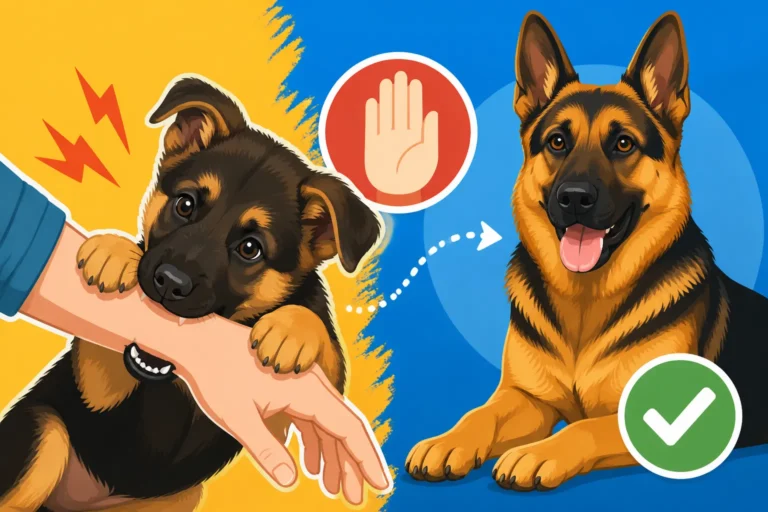
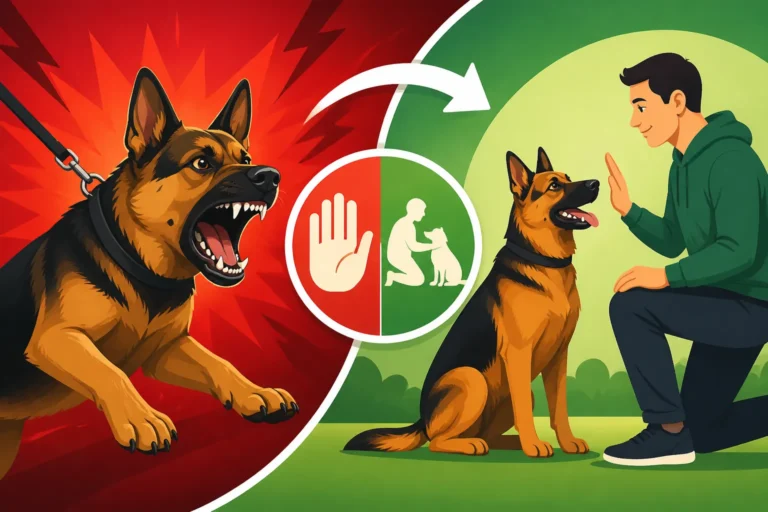
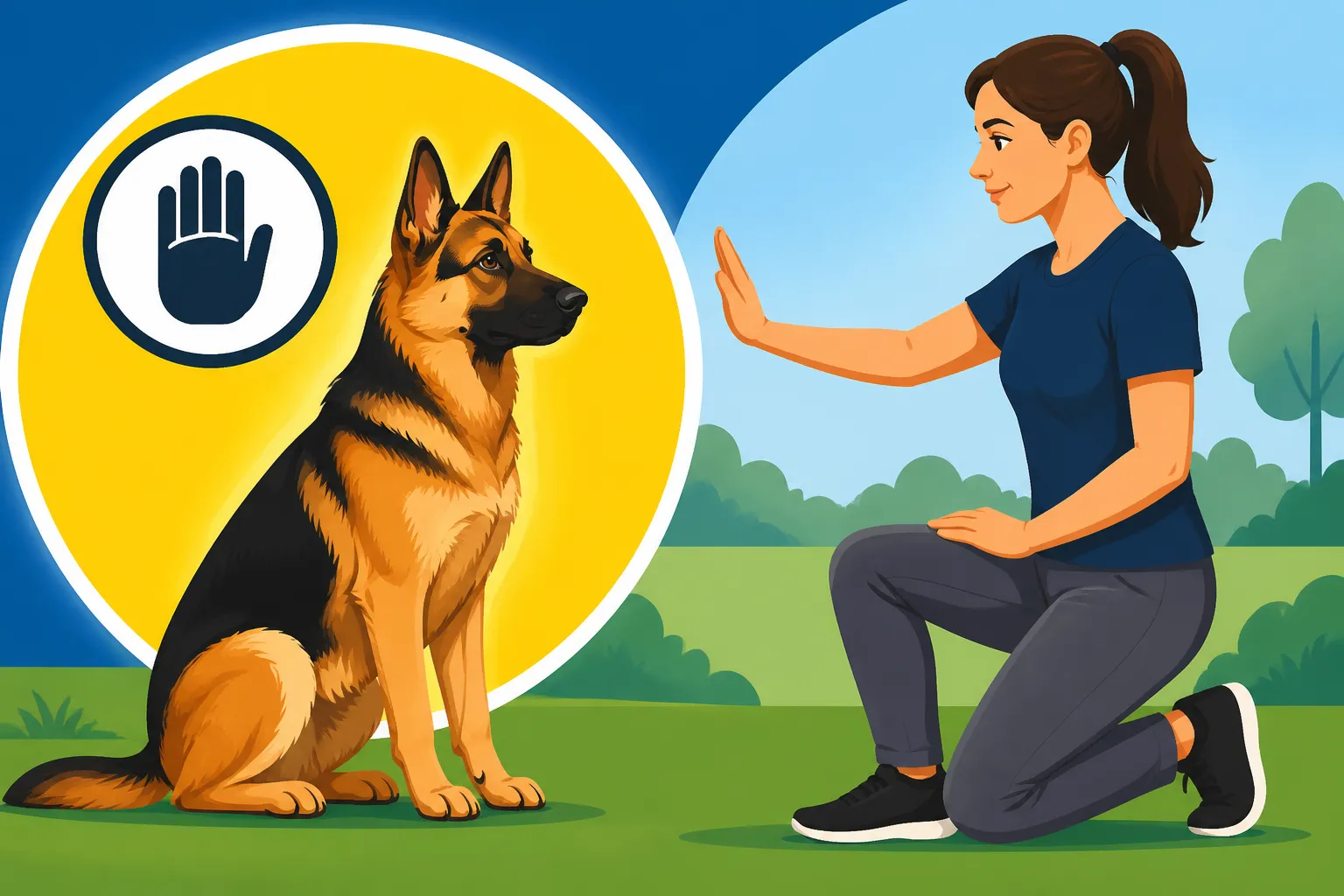
- Introduce the Cue: Hold your open palm towards your dog like a "stop" sign, and clearly say "Stay."
- Small Steps, Big Rewards: Take one tiny step backward. Wait just 1-2 seconds. Then, step immediately back to your dog, say your release word ("Okay!" or "Free!"), and give them a high-value treat and enthusiastic praise.
- Repeat, Repeat, Repeat: Do this many, many times. Don't try to increase the duration or distance yet. Your dog is learning that "stay" means "don't move from this spot until I say so."
- Gradual Increase in Distance: Once your dog is reliably holding for 1-2 seconds with you stepping back one step, slowly increase your distance. Try two steps back, then return, release, and reward. Then three steps. If your dog breaks, calmly walk them back to the original spot, put them back into position, and restart at an easier level. Never chase them or get angry; just reset.
- Gradual Increase in Duration: Once they can "stay" reliably with you standing a few feet away, start increasing the time you wait before returning. Go from 2 seconds to 3, then 5, then 10. Always return to your dog to release and reward, even if you’re increasing the distance. This reinforces that you are the source of the release and reward.
Here’s a helpful breakdown for progressing the "stay" command:
| Phase | Environment | Handler Distance | Duration | Goal |
|---|---|---|---|---|
| Phase 1 | Quiet, indoors | 1-2 feet | 1-5 seconds | Dog understands "stay" means hold position. |
| Phase 2 | Quiet, indoors | 3-5 feet | 5-15 seconds | Dog holds position with slight distance, longer duration. |
| Phase 3 | Mild distractions | 5-10 feet | 15-30 seconds | Dog begins to ignore minor distractions while holding "stay." |
| Phase 4 | Moderate distractions | 10-20 feet | 30-60 seconds+ | Dog maintains "stay" with increasing distance and environmental noise. |
| Phase 5 | Public/High distractions | Out of sight, long distance | Minutes+ | Reliable "stay" in almost any situation. |
Introducing Distractions and Generalization
Once your German Shepherd is a pro at "stay" in your quiet living room, it's time to introduce the real world. This is where many owners get stuck, but it's crucial for a truly reliable command.
Begin by moving to slightly more distracting environments within your home, like a room with a window where they can see outside, or your backyard where they might hear neighborhood sounds. Start with shorter durations and distances again in the new environment, as if it's a brand new command. Your dog needs to generalize that "stay" applies everywhere, not just in one specific spot.
Then, gradually introduce very mild, controlled distractions. This could be you rattling your keys, dropping a soft object, or even gently rolling a ball a few feet away (not directly at them!). If they break, calmly reset and reduce the distraction. The goal is to set them up for success, not to trick them. The idea here is incremental exposure. A structured program like those offered by BAXTER & Bella can be invaluable for guiding owners through these progressive steps, often providing detailed lessons on how to introduce and manage distractions effectively. This step is also a key part of what we discuss in our broader article on German Shepherd socialization checklist.
Fading the Lure and Hand Signals
In the initial stages, you likely used a hand signal (the open palm) along with the verbal cue "stay." This is a great way to help your German Shepherd understand what you're asking. However, over time, you want them to respond reliably to either the verbal cue or the hand signal, or both, without needing a constant visual reminder.
To fade the hand signal, gradually make it smaller and less pronounced. Instead of a full "stop" hand, maybe it's just a subtle flick of the wrist. Eventually, you can try giving only the verbal "stay" command. If your dog struggles, go back to using the hand signal for a few repetitions before trying to fade it again.
The key is consistency in your cues. Always use the same verbal command and hand signal, especially in the early stages. This prevents confusion for your German Shepherd, making it easier for them to understand and reliably perform the command. The goal isn't to remove the hand signal entirely, but to ensure that the command is understood and obeyed whether you use the signal or not.
Troubleshooting Common "Stay" Challenges
It's completely normal to hit a few bumps in the road when teaching "stay," especially with a smart and active breed like the German Shepherd. Don't get discouraged! Understanding the common pitfalls and how to address them will save you a lot of frustration.
My German Shepherd Keeps Breaking "Stay"
This is perhaps the most frequent complaint I hear, and nine times out of ten, it boils down to one simple thing: you've moved too fast. It's easy to get excited when your dog does well and want to push the boundaries, but patience truly is a virtue here.
If your German Shepherd is consistently breaking "stay," it's a clear signal that the current level is too challenging for them. Revert to an easier step immediately. This might mean shortening the duration, reducing the distance, or going back to a completely distraction-free environment. Think about it: if you're asking them to "stay" for 30 seconds while you're across the room and the cat is walking by, and they can only reliably do 10 seconds in a quiet room, you've set them up to fail.
Ask yourself: Are your rewards high-value enough? If you're using plain kibble, but your German Shepherd goes wild for a tiny piece of chicken, guess which one will motivate them more? Also, is your release cue ("Okay!" or "Free!") clear and consistent? A dog needs to know exactly when the exercise is over and they're allowed to move. Ambiguity can lead to anticipation and premature breaking.
Sometimes, breaking "stay" can also be a sign of underlying issues like anxiety, lack of confidence, or simply not understanding what's being asked. If you suspect deeper behavioral issues, investing in professional guidance from a certified dog trainer can be incredibly beneficial. It's an investment, but understanding German Shepherd training classes cost upfront can help you budget for this invaluable support. Remember, never punish your dog for breaking "stay." Simply guide them calmly back to their original spot, reset them in the correct position, and restart the exercise at a simpler level. Positive reinforcement focuses on rewarding success, not penalizing mistakes.
Dealing with Environmental Distractions
German Shepherds are alert, intelligent, and often have a strong prey drive. So, when that squirrel darts across the park or another dog barks loudly, it's completely natural for their attention to be pulled. The key to overcoming this is gradual, controlled exposure to distractions.
You wouldn't ask your German Shepherd to "stay" for five minutes in the middle of Times Square on their first outdoor session, right? That's asking for failure. Instead, start with very minor, controlled distractions in your chosen environment. For example, have a family member walk by quietly, or gently roll a ball away from your dog, not towards them. Gradually increase the intensity and proximity of the distractions.
For safety and gentle guidance when working with distractions, a long line (a 15-30 foot leash) is an invaluable tool. It allows your dog to feel a sense of distance and freedom while still giving you the ability to calmly guide them back to their "stay" position if they start to break. You can find various lengths and materials for long lines easily on Amazon. The line acts as your safety net, ensuring your dog doesn't bolt or practice the undesirable behavior of breaking "stay." Remember, mastering "stay" in a high-distraction environment like a busy park takes a significant amount of time, patience, and many small, successful repetitions. Celebrate every tiny win!
Advancing the "Stay" Command
Once your German Shepherd has a solid grasp of "stay" in various environments and with mild distractions, it's time to really cement the command and make it practically useful in your daily life. This involves systematically pushing the boundaries of the "Three D's" – Duration, Distance, and Distraction – and then seamlessly integrating the command into everyday routines.
Duration, Distance, and Distraction The 3 D's
This is the holy trinity of advanced obedience training. To truly proof your German Shepherd’s "stay" command, you need to challenge them in all three areas, gradually and independently, before combining them.
Duration: Can your German Shepherd hold a "stay" for longer periods? Start by asking for 30 seconds, then a minute, then two, and so on. Practice with you standing still, then with you moving around them, and eventually with you stepping out of sight for a few seconds. Imagine being able to leave your dog in a "stay" while you answer the door, or quickly grab something from another room. This takes time and consistent practice.
Distance: How far can you get from your German Shepherd while they maintain their "stay"? Begin by walking a few paces away, then across the room, then into another room, or even out of sight. Remember to start short and close again each time you increase the distance significantly. If they break, go back to the distance where they were successful. A long line can be very helpful here, allowing you to gradually extend your distance while still having a safety net.
Distraction: This is arguably the most challenging D, especially for intelligent and observant German Shepherds. We talked about introducing mild distractions earlier, but now we're talking about more significant ones: other dogs walking by, children playing, unexpected loud noises, or people moving about. Always start with mild distractions and increase intensity slowly. For instance, practice "stay" while someone walks by at a distance, then closer. Or try it during a bustling family gathering. This is where German Shepherd socialization checklist becomes crucial, as a well-socialized dog is generally more adept at handling varied environments and stimuli.
The real key is to work on one "D" at a time, or increase them in tiny increments, rather than trying to tackle all three at once. For example, if you're increasing the distance, keep the duration short and the distractions minimal. If you're introducing a new, strong distraction, bring the duration and distance back down to easy levels. This systematic approach prevents your dog from becoming overwhelmed and helps them understand that "stay" applies universally. Make training a lifelong commitment, integrating short "stay" sessions into your daily routine, even after the command is mastered.
Incorporating into Daily Life
A command isn't truly learned until it can be reliably used in real-world scenarios. The beauty of a well-trained "stay" is how many ways it can improve your daily life with your German Shepherd.
Think about common scenarios:
- Mealtime: Instead of a chaotic rush, ask your German Shepherd to "stay" while you put their food bowl down. Release them with "Okay!" once the bowl is on the floor. This teaches patience and good manners.
- Doorway Manners: Before going outside for a walk or letting guests in, ask for a "stay." This prevents door dashing and teaches them to wait politely. This directly addresses preventing issues like How to Stop German Shepherd Jumping on guests by giving them an alternative, calm behavior.
- Grooming: A "stay" can make nail trims, brushing (especially during German Shepherd shedding how to manage it), or ear cleaning much easier and less stressful for both of you.
- Vet Visits: Being able to ask your dog to "stay" calmly in the waiting room or on the exam table can be a game-changer for reducing stress for everyone involved.
By consistently incorporating "stay" into these routine activities, you're not just practicing the command; you're reinforcing your leadership and showing your German Shepherd that polite behavior is always rewarded. The ultimate goal is a dog who understands that "stay" is a temporary request to hold position until released, regardless of what's happening around them. It empowers you with control and offers your dog clarity, leading to a more harmonious and safer existence together.
Disclaimer
Please remember that this guide offers general advice for German Shepherd training. Every dog is an individual, and results may vary. It is always recommended to consult with a professional, certified dog trainer or veterinary behaviorist for personalized guidance, especially if you are encountering significant behavioral challenges. The author and publisher are not responsible for any actions taken based on the information provided herein.