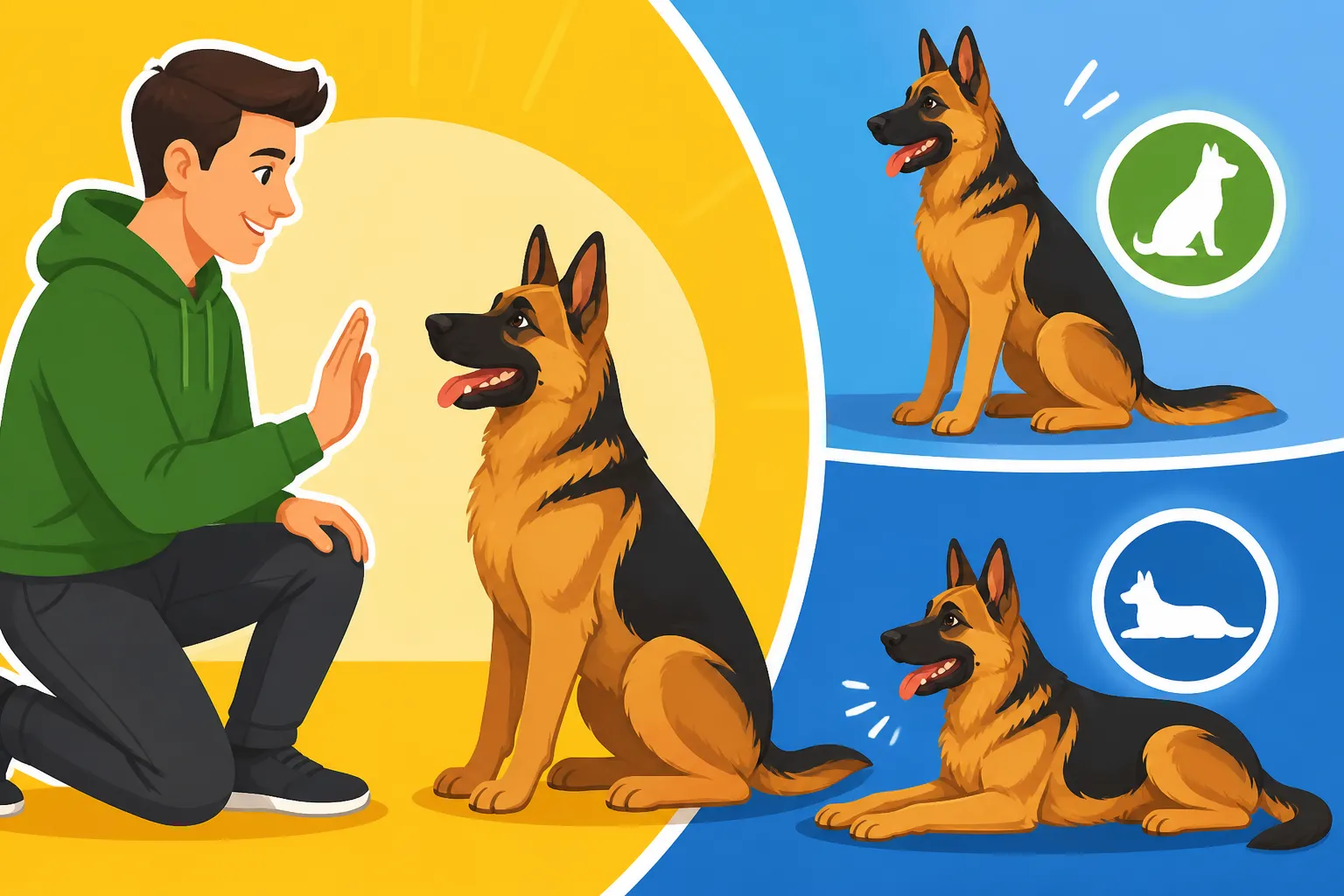
How to Teach a German Shepherd to Sit and Down
Bringing a German Shepherd into your home is an incredible joy, but let's be honest, their boundless energy and sharp minds can sometimes feel like a whirlwind, especially when you're trying to establish basic manners. Many new GSD owners feel overwhelmed trying to communicate fundamental commands like "sit" and "down" effectively, leading to frustration for both dog and human. This comprehensive guide will walk you through proven, step-by-step methods to teach your German Shepherd these crucial foundational behaviors, ensuring a well-behaved companion and a calmer household.
Understanding Your German Shepherd's Learning Style
German Shepherds are renowned for their intelligence, loyalty, and eagerness to please, which makes them fantastic candidates for training. However, they also come with a strong working drive and, at times, a stubborn streak that can test your patience. Understanding these inherent traits is key to a successful training journey.
Why German Shepherds Excel in Obedience
German Shepherds were originally bred for herding and later excelled in police and military work, search and rescue, and service dog roles. This history means they are inherently built to learn and perform tasks. Their high intelligence allows them to grasp new concepts quickly, often surprising owners with how fast they can pick up commands if taught consistently. They thrive on having a "job" and mental stimulation, and obedience training perfectly fulfills this need. When you engage their minds with training, you're not just teaching commands; you're building a deeper bond and satisfying their innate desire to work alongside you. This breed often forms a strong connection with their primary handler, making them highly motivated to please that individual. For more detailed insights, you might want to read our article on German Shepherd Obedience Training Basics.
Common Training Challenges and How to Overcome Them
Despite their smarts, German Shepherds aren't always a walk in the park. Their high energy levels can lead to distractibility, especially in new environments. A young GSD puppy might be more interested in sniffing a new smell or chasing a leaf than focusing on you, and older dogs might try to "negotiate" commands if they sense an opening. This isn't defiance; it's often their intelligent minds testing boundaries or their high drive kicking in.
Overcoming these challenges requires immense patience, consistency, and making training fun and rewarding. Short, frequent training sessions are far more effective than long, drawn-out ones, especially for puppies. Always end on a positive note. If your dog is struggling, try to simplify the command or change the environment before frustration sets in for either of you. Remember, every "no" or incorrect response is an opportunity to guide them to the right one. Our guide on German Shepherd Behavior Problems and Solutions offers further strategies for common hurdles.
Step-by-Step Guide to Teaching "Sit"
The "sit" command is often the first formal command most dogs learn, and for good reason. It's relatively easy to teach and provides an immediate way to gain your German Shepherd's attention and calm them down in various situations.
The Lure-and-Reward Method for "Sit"
This method is highly effective because it uses something your German Shepherd already loves—food—to guide them into the desired position.
- Prepare Your Tools: Have plenty of high-value treats ready. These are small, soft, and extra-tasty morsels that your German Shepherd doesn't get often, like boiled chicken pieces or small bits of cheese. You'll also need a quiet, distraction-free environment to start.
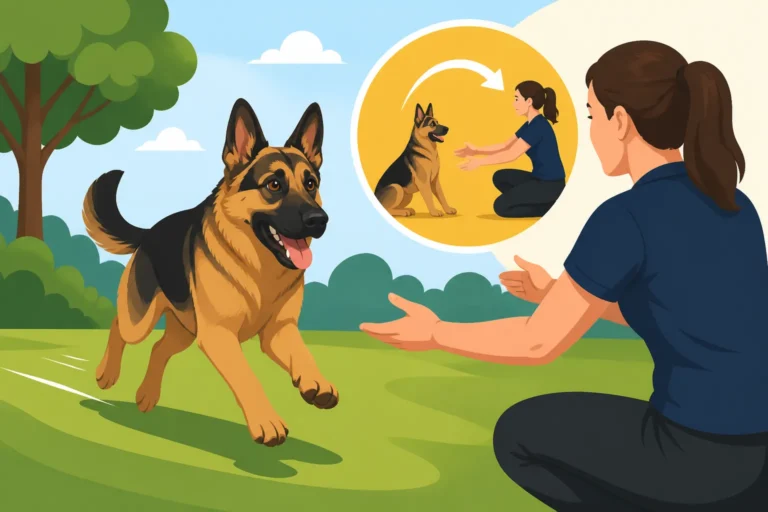
- Get Their Attention: Stand in front of your German Shepherd. Hold a treat in your hand, letting them see and smell it. Bring the treat close to their nose.
- The Lure: Slowly move the treat upwards and slightly backward, over their head, towards their tail. As their nose follows the treat, their rear end will naturally lower to the ground.
- Verbal Cue and Reward: The instant their bottom touches the ground, say "Sit!" in a clear, happy tone, and immediately give them the treat. Praise them enthusiastically with a "Good sit!" or "Yes!"
- Release and Repeat: Let them stand up (or gently encourage them) and then repeat the process several times. Keep sessions short, around 5-10 minutes, especially when they are young. You want to avoid overdoing it and having them lose interest.
The key here is timing. The treat and praise must come immediately when their bottom hits the floor, so they associate that action with the reward. This builds a strong positive association. For puppies, consistency is key, and our German Shepherd Puppy First Week Training goes into more detail about starting right.
Phasing Out the Lure and Adding Distractions
Once your German Shepherd is consistently sitting with the lure, it's time to make the command more independent of the treat.
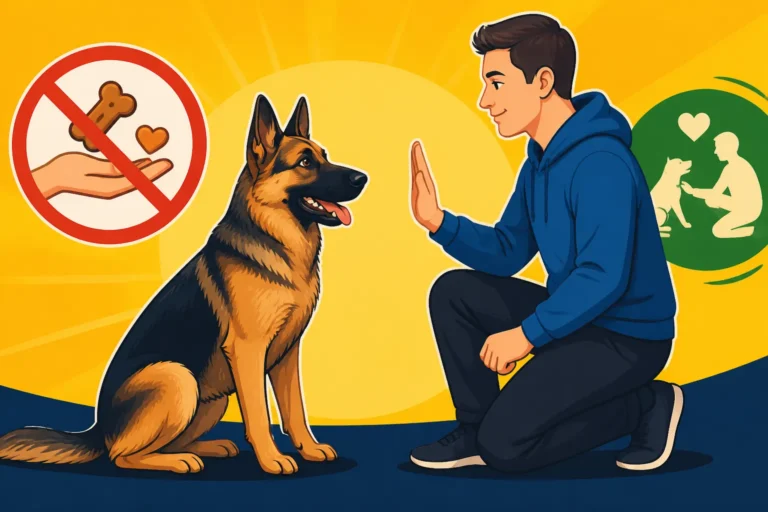
- Fade the Lure: Gradually reduce how much you rely on the visible treat. Instead of holding the treat in your fingers, hold it between your fingers and thumb, then eventually just mime the hand motion with an empty hand, with the treat hidden in your other hand or pocket. The hand motion will become your hand signal.
- Introduce the Verbal Cue First: Once they respond to the hand signal, start saying "Sit!" before you give the hand signal. This helps them associate the word with the action. Eventually, you should be able to say "Sit!" and they'll respond without a hand signal.
- Add Duration: Ask for the "sit," reward, but before they get up, say "Okay" or "Free" (your release word), and then let them go. Gradually increase the time they hold the sit before getting the reward and release. Start with one second, then two, then three, and so on.
- Introduce Distractions: Begin practicing in slightly more distracting environments – your backyard, a different room in the house, eventually a quiet park. Start small and gradually increase the level of distraction. If they fail, go back to a less distracting environment where they can succeed, then slowly build up again. Remember, building up distractions is crucial for a reliable command.
Mastering the "Down" Command
Teaching "down" can sometimes be a bit trickier than "sit," as it involves a more submissive posture. However, it's an incredibly useful command for calming your German Shepherd and for various situations, like vet visits or when guests are over.
Lure-and-Reward Technique for "Down"
It's usually easiest to teach "down" from a "sit" position, as they are already partially on the ground and focused.
- Start from a Sit: First, ask your German Shepherd to "Sit." Reward them for the sit, but don't release them yet.
- The Lure to Down: Hold a high-value treat in your closed hand. Bring the treat to their nose, then slowly move it downwards towards the floor, between their front paws. Then, slide the treat slowly away from them along the floor. As their nose follows the treat, their body will naturally stretch out into a down position.
- Verbal Cue and Reward: The instant their elbows and belly touch the ground, say "Down!" in a calm but encouraging voice, and immediately give them the treat. Praise them lavishly.
- Release and Repeat: Release them with your chosen word ("Okay" or "Free!") and let them stand up. Repeat this process several times in short, positive sessions.
A common mistake here is moving the treat too quickly or too far away, causing the dog to stand up rather than lie down. If this happens, bring the treat closer to their body and slow down your lure. If your German Shepherd is really struggling, you can even try luring them under a low object, like a chair, to encourage the 'down' motion.
Refining the "Down" and Holding the Position
Just like with "sit," building duration and reliability is essential for a solid "down" command.
- Fade the Lure: Once they are consistently going down with the treat lure, start to fade it. Use the same hand motion but with an empty hand, keeping the treat ready in your other hand or pocket.
- Add the Verbal Cue: Begin saying "Down!" before you use the hand signal. Soon, the word alone should prompt the behavior.
- Building Duration (The "Stay" Element): This is where "down" really becomes useful. Ask for "Down." Once they are down, count to one, then reward and release. Gradually increase the time they stay in the down position before getting the treat and release. This teaches them to hold the position. Our article on How to Teach a German Shepherd to Stay will give you more in-depth strategies for this crucial next step.
- Add Distance: Once your dog can hold the "down" for a few seconds right next to you, start taking a small step backward. If they hold, step back to them, reward, and release. Gradually increase the distance.
- Introduce Distractions: Practice the "down" command in increasingly distracting environments. Start with mild distractions and build up slowly. If your German Shepherd struggles, reduce the distance or distraction level to set them up for success.
Troubleshooting Common Training Issues
Even with the best intentions and methods, you're bound to hit a few bumps in the road. German Shepherds are smart, but they're also dogs, and sometimes their understanding or motivation might not align with yours.
My German Shepherd Won't Stay Down
This is a very common issue, often related to a lack of duration training or simply too much energy.
- Insufficient Duration Training: Did you gradually increase the time they had to stay down before being rewarded? Many owners reward immediately and then the dog pops right back up. You need to explicitly train the stay aspect. Start with literally one second of down, reward, release. Then two, then three, building up very slowly.
- High Energy/Excitement: A German Shepherd with pent-up energy will have a harder time settling into a "down" and staying there. Ensure they've had adequate physical exercise and mental stimulation before training. A good game of fetch or a brisk walk can help them focus better. Check out our guide on German Shepherd Exercise Requirements for ideas.
- Testing Boundaries: Sometimes, they're just seeing what they can get away with. Be firm, but fair. If they break the "down," gently lead them back to the position, give the command again, and wait for success before rewarding. Don't reward them for getting up!
- Comfort: Is the surface comfortable? Some dogs dislike lying down on cold, hard floors for extended periods. Try practicing on a rug or mat initially.
My Dog Gets Too Excited During Training
German Shepherds have a fantastic drive, but sometimes that enthusiasm can boil over, making it hard for them to focus.
- Manage Energy Levels: As mentioned above, a well-exercised German Shepherd is a more focused German Shepherd. Don't try to train a puppy fresh out of playtime or an adult who's been cooped up all day.
- Keep Sessions Short and Sweet: If your dog gets over-aroused easily, keep training sessions to 3-5 minutes, several times a day, rather than one long session. End before they lose interest or get too hyped.
- Choose the Right Environment: Start training in the quietest part of your home. As they become more proficient, slowly introduce mild distractions. A bustling dog park is not the place to start teaching a new command.
- Calm Your Energy: Dogs are experts at reading our body language and emotions. If you're excited or frustrated, they'll pick up on it. Use a calm, steady voice and relaxed body language.
- Reinforce Calm Behavior: Reward them not just for performing the command, but also for calmly performing it. If they flop into a "down" and then immediately look relaxed, that's worth extra praise! This also ties into How to Calm a Hyperactive German Shepherd when they're not in a training setting.
Essential Training Tools and Resources
Having the right equipment and knowing where to turn for extra help can make all the difference in your German Shepherd's training journey.
Must-Have Gear for Successful Training
You don't need a lot of fancy gadgets, but a few key items will significantly aid your efforts.
- High-Value Treats: As discussed, these are crucial. Think small, soft, and fragrant. You can find excellent options on Amazon or make your own. The higher the value of the reward, the more motivated your German Shepherd will be.
- Clicker (Optional but Recommended): A clicker provides a precise marker for desired behavior. When your dog's bottom hits the ground for "sit," click and then immediately give the treat. The click helps your dog understand exactly what action earned the reward.
- Standard Leash and Collar: For initial training, a comfortable flat collar and a 6-foot leash are perfect. This allows you to have gentle control without being harsh. Avoid retractable leashes during obedience training, as they don't provide consistent feedback.
- Training Pouch: A small pouch that clips to your belt is invaluable for keeping treats readily accessible, ensuring quick reward timing. No fumbling in pockets while your GSD loses focus!
Leveraging Online and Professional Resources
While this guide provides a solid foundation, sometimes you need extra support or want to advance your training.
- Online Training Programs: Platforms like BAXTER & Bella offer comprehensive online puppy and dog training programs that can guide you through various stages, often with video tutorials and personalized support. These can be great for busy owners or those who prefer to train at home.
- Local Puppy Classes or Obedience Schools: There's immense value in attending in-person classes. A good trainer can provide immediate feedback on your technique, help troubleshoot specific issues, and expose your German Shepherd to a controlled environment with other dogs and people, aiding in their socialization. If you're wondering about the cost, our article on German Shepherd Training Classes Cost can give you an idea.
- Experienced German Shepherd Owners: Connect with other GSD enthusiasts! They often have a wealth of practical advice and can share their own experiences with teaching these intelligent dogs. Community is key for long-term support.
- Focus on Mental Stimulation: Remember that physical exercise isn't the only way to tire out a German Shepherd. Puzzle toys, scent work, and other forms of Best Mental Stimulation for German Shepherds can greatly improve their focus and reduce hyperactivity during training.
Here's a quick comparison of the two commands:
| Feature | "Sit" Command | "Down" Command |
|---|---|---|
| Initial Lure Motion | Treat moved upwards and backward over the head. | Treat moved downwards between paws, then forward along the floor. |
| Primary Body Posture | Rear end on the ground, front paws extended. | Entire body (chest and belly) on the ground, front paws extended. |
| Ease of Teaching | Generally easier, often the first command taught. | Can be slightly more challenging; requires more commitment from the dog to the floor. |
| Common Use Cases | Greeting people calmly, waiting for food, waiting at doors, attention-getter. | Extended stays, calming anxious dogs, public settings, resting. |
| Common Pitfalls | Dog backing up instead of sitting, not holding the position. | Dog standing up instead of lying down, not extending fully, breaking position too early. |
| Starting Position | Can be taught from standing. | Best taught from a "sit" position initially. |
Teaching your German Shepherd "sit" and "down" is more than just imparting commands; it's about building a foundation of communication, trust, and mutual respect. With consistency, patience, and positive reinforcement, you'll soon have a well-mannered companion ready for any adventure. For a broader perspective on their development, consider reviewing our German Shepherd Training Timeline by Age to align your expectations with their natural growth stages.
Disclaimer
This article is for general informational purposes only and does not constitute professional advice. Laws, prices and regulations vary by location and change over time. Consult a qualified professional for guidance on your specific situation.