Is My German Shepherd Too Aggressive to Train
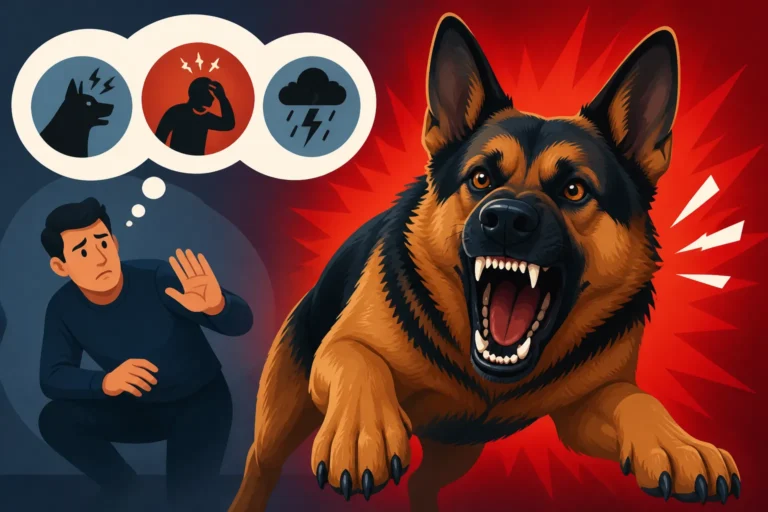
It’s a truly disheartening moment when you look at your beloved German Shepherd, a breed known for its loyalty and intelligence, and find yourself wrestling with the question: "Is my dog too aggressive to train?" This isn't just a fleeting thought; it's often born out of frustrating, sometimes frightening, experiences that leave you feeling helpless and wondering if you've made a mistake. You’re not alone in facing these challenges, and this guide is here to walk you through understanding aggression in German Shepherds, assessing its root causes, and finding effective, realistic pathways to management and training.
Understanding German Shepherd Aggression: Types, Causes, and Early Signs
When your German Shepherd displays aggression, it’s easy to feel overwhelmed and confused. What exactly is aggression, and why is your dog exhibiting it? It's crucial to understand that aggression isn't a single behavior; it's a complex umbrella term for a range of behaviors intended to threaten or harm. Pinpointing the type and cause is the first critical step toward finding a solution.
Differentiating Types of Aggression
Aggression can manifest in many forms, and understanding these distinctions is key to effective intervention. Often, what looks like aggression is actually a dog communicating distress, fear, or discomfort.
- Fear Aggression: This is incredibly common in German Shepherds, particularly if they haven't been adequately socialized as puppies or have experienced negative encounters. A dog exhibiting fear aggression might cower, tuck its tail, attempt to flee, but if cornered, it will lash out with growling, snapping, or biting. Think of the dog that snaps at a stranger reaching out too quickly, or lunges at another dog when on a leash because it feels trapped. Early signs of German Shepherd Fear Aggression Explained might be subtle, like avoidance or a tense body posture.
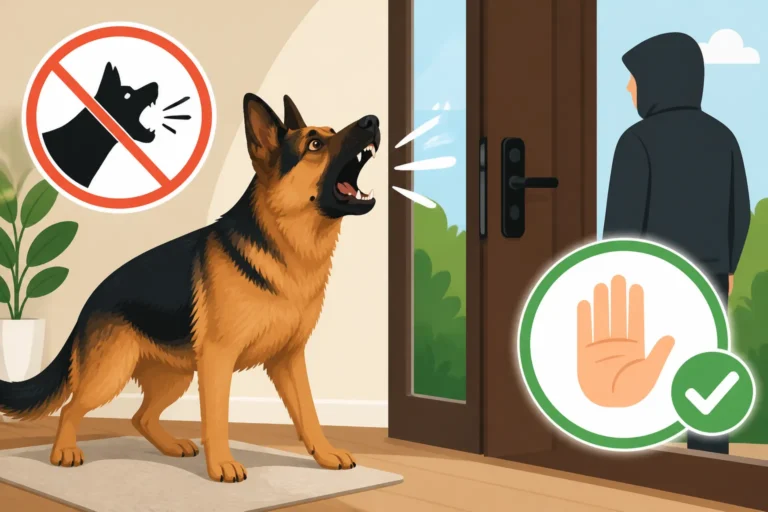
- Territorial Aggression: This type of aggression is often directed at strangers or other animals entering what the dog perceives as its territory – your home, yard, or even your car. German Shepherds are natural guardians, and this instinct, if not properly managed, can escalate. They might bark relentlessly, growl, or even charge at perceived intruders. This is where strong obedience training can help differentiate between a true threat and a welcomed guest.
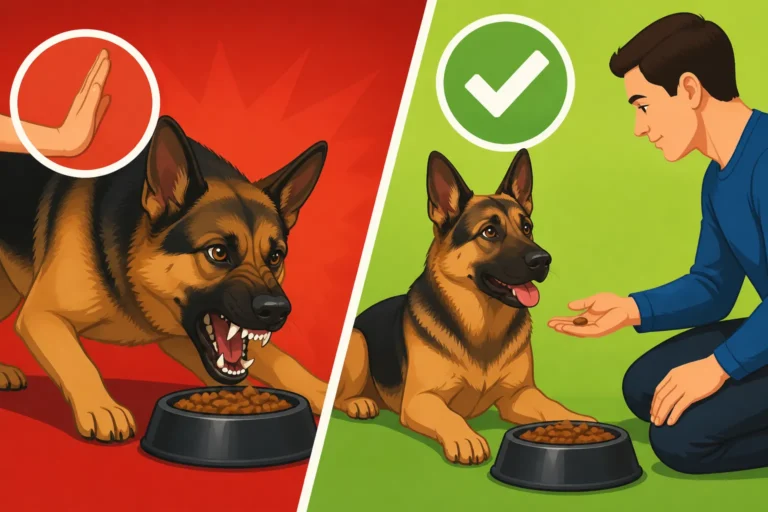
- Resource Guarding: Your German Shepherd might become aggressive when protecting valuable resources like food, toys, sleeping spots, or even you. This can be directed at other pets or even family members. It’s not necessarily a sign of a "bad" dog, but a deep-seated instinct to protect what's important, which needs careful management to prevent conflict.
- Pain-Induced Aggression: A sudden onset of aggression in a usually docile dog should always prompt a veterinary visit. Dogs in pain, especially chronic pain from conditions like German Shepherd Arthritis or German Shepherd Hip Dysplasia, might snap or growl when touched or moved. They're not being "mean," they're signaling severe discomfort and trying to protect themselves from further pain. This type of aggression is a cry for help.
- Redirected Aggression: This occurs when a dog is frustrated or aroused by something it can't reach, like another dog outside a window, and then snaps at whatever is closest – another pet or even you. It’s not about attacking you, but about releasing pent-up tension on an available target.
Common Causes of Aggression in German Shepherds
Understanding the root cause is paramount. It’s rarely about a dog being "mean" for no reason.
- Lack of Proper Socialization: German Shepherds need extensive, positive exposure to a wide variety of people, animals, sounds, and environments, especially during their critical puppy development period. Without it, they can become fearful, anxious, and prone to aggression when encountering new stimuli. This is where a program like BAXTER & Bella's online puppy school can provide crucial early guidance, even before formal training classes begin, by helping owners understand how to introduce their puppies to the world safely.
- Genetics: While proper training and socialization are vital, genetics play a significant role. Some German Shepherds are predisposed to shyness, anxiety, or a stronger guarding instinct. Reputable breeders screen for temperament, but it's not a foolproof science. A good breeder will also conduct German Shepherd Genetic Health Testing to rule out other predispositions.
- Traumatic Experiences: A single traumatic event, like being attacked by another dog or a harsh training method, can instill deep fear and lead to defensive aggression. Rescued German Shepherds often carry such histories.
- Inconsistent Training or Lack of Leadership: German Shepherds thrive on clear rules, boundaries, and consistent leadership. If they don't have it, they might try to fill that void themselves, which can sometimes manifest as resource guarding or reactivity if they feel they need to take charge of situations. Without consistent guidance, they can develop German Shepherd Behavior Problems and Solutions that require dedicated effort to correct.
- Underlying Medical Conditions: As mentioned, pain or illness can cause a sudden shift in temperament. Thyroid imbalances, neurological issues, or even severe allergies causing chronic discomfort can make a dog irritable and prone to lashing out. Always consult your vet first to rule out any health issues.
Recognizing Early Warning Signs
Many aggressive behaviors don't just appear out of nowhere. Dogs communicate their discomfort through a series of escalating signals, often called "ladder of aggression." Learning to read these signals can help you intervene before an incident occurs.
- Subtle Cues: Yawning (when not tired), lip licking, turning head away, blinking rapidly, freezing, tense body, whale eye (showing the whites of their eyes).
- Clearer Warnings: Growling, snarling, standing stiffly, raised hackles, baring teeth, a quick snap in the air (air snap).
- Last Resort: Biting.
If you’re seeing these early signs, it's a strong indication that your German Shepherd is communicating stress and needs help. Recognizing them means you have a chance to address the issue before it escalates to something more severe. If you notice your dog is constantly limping or showing discomfort, it could be a sign of deeper issues, and it's important to know How to Tell If a German Shepherd Is in Pain.
Assessing Trainability: When Aggression is a Challenge, Not a Dealbreaker
The question "Is my German Shepherd too aggressive to train?" often comes from a place of despair. The good news is that very few German Shepherds are truly "too aggressive" to benefit from training and management. Most cases of aggression, even severe ones, can be significantly improved with the right approach, commitment, and professional guidance. It's about shifting your mindset from "curing" aggression to "managing" it and improving your dog's quality of life and safety.
Factors Influencing Trainability
Several factors will influence how readily your German Shepherd responds to aggression management and training.
- Severity and Frequency of Aggression: A dog that growls occasionally at the mail carrier is different from one that has bitten multiple people or dogs. The more frequent and intense the aggressive outbursts, the more intensive and specialized the training will need to be. It might take longer, but it doesn't mean it's impossible.
- Age of Onset: Aggression that starts in puppyhood or adolescence can often be more readily addressed than deeply ingrained patterns in an older dog, simply because the habits are less established. However, even senior German Shepherds can learn and change with patience and appropriate methods. Keep in mind that understanding the German Shepherd Senior Care Guide can help in managing age-related issues that might contribute to aggression.
- Consistency of the Aggression: Is the aggression predictable (e.g., only with strangers entering the house)? Or is it seemingly random and unpredictable? Predictable aggression, while still serious, can sometimes be easier to manage because you can identify triggers and implement preventative measures.
- Your Commitment and Consistency: Training an aggressive German Shepherd is a marathon, not a sprint. It requires immense patience, consistency, and a willingness to follow through with management strategies every single day. Your attitude, your ability to remain calm, and your commitment to the process are perhaps the biggest factors in success.
- Underlying Health: We’ve already touched on this, but it bears repeating: any underlying health issue must be addressed first. A dog in pain or suffering from a neurological condition cannot be expected to respond to behavioral training effectively until their physical health is stabilized.
- The Dog's Temperament and History: A highly anxious or fearful German Shepherd might require a more delicate, confidence-building approach than a dog whose aggression stems from over-exuberance or a lack of boundaries. Knowing their history (if adopted) can provide crucial insights.
Redefining "Success" in Training
For an aggressive German Shepherd, "success" might not mean they become the life of every dog park party. It often means:
- Reduced Frequency and Intensity of Incidents: Fewer growls, no more bites, or less severe reactions.
- Increased Predictability: Understanding triggers so you can avoid or manage them effectively.
- Improved Safety for All: Creating an environment where your dog, family, and public are safe.
- Enhanced Quality of Life for Your Dog: A dog that isn't constantly stressed or reactive is a happier dog.
It's about managing the behavior to an acceptable level where everyone can coexist safely and comfortably. This often involves a multi-faceted approach, incorporating behavior modification, environmental management, and sometimes medication.
Professional Help and Training Strategies for Aggressive German Shepherds
Attempting to tackle aggression on your own, especially severe cases, can be dangerous and counterproductive. Professional help is not a luxury; it's often a necessity for the safety of everyone involved and for achieving lasting change.
The Importance of Professional Guidance
When you're dealing with aggression, you need more than just basic obedience commands. You need someone who understands canine behavior deeply.
- Veterinary Behaviorist (Diplomate ACVB): These are veterinarians who have specialized in animal behavior. They can rule out medical causes, prescribe medication if necessary (which can be a vital tool for reducing anxiety and reactivity, allowing training to be more effective), and create comprehensive behavior modification plans. Think of them as dog psychiatrists.
- Certified Professional Dog Trainer (CPDT-KA) or Certified Applied Animal Behaviorist (CAAB): These professionals have extensive knowledge and experience in animal behavior. They can work with you one-on-one, teach you appropriate training techniques, and help you implement your behavior plan. When looking for a trainer, prioritize those who use positive reinforcement, force-free methods. Avoid any trainer who suggests punitive tools or methods like shock collars, alpha rolls, or harsh corrections, as these can actually increase aggression and break your dog's trust. The German Shepherd's sensitive nature requires a compassionate approach, as outlined in guides like How to Train a German Shepherd.
- What to Look For in a Professional:
- Experience with Aggression: Ask specifically about their experience with German Shepherds and aggression cases.
- Certifications: Look for certifications like CPDT-KA, KPA CTP, or similar.
- Methods: Ensure they use positive reinforcement, science-based methods.
- References: Ask for client references.
- Observation: A good trainer will want to observe your dog in its natural environment if possible.
It's also worth noting that online platforms like BAXTER & Bella, while primarily geared towards puppy training and basic obedience, offer foundational knowledge that can significantly contribute to preventing aggression in the first place by building a strong, trust-based relationship and teaching owners how to communicate effectively with their dogs. While they might not be equipped to handle severe aggression directly, their philosophy of proactive, positive training is invaluable.
Effective Training Strategies and Tools
Once you have professional guidance, specific strategies come into play.
- Management is Key (and First!): Before any training can begin, you must manage your dog's environment to prevent aggressive incidents. This means avoiding triggers whenever possible.
- Leash Management: Use a sturdy leash and harness (like those readily available on Amazon) to maintain control on walks. Avoid retractable leashes, which offer less control. For reactive dogs, a head halter or front-clip harness can provide better steering.
- Muzzles: A well-fitted basket muzzle (also available on Amazon) is not a punishment; it's a safety tool. It allows your dog to pant, drink, and even take treats, but prevents bites. It's essential for dogs with a bite history, especially during training sessions or vet visits. Introduce it gradually and positively.
- Secure Spaces: Create a safe space for your dog where they can retreat when feeling overwhelmed, and use crates or separate rooms when guests are over or other pets are around if resource guarding is an issue.
- Behavior Modification Techniques:
- Desensitization and Counter-Conditioning: This involves gradually exposing your dog to their triggers at a distance where they don't react, while pairing the trigger with something positive (high-value treats, praise). The goal is to change their emotional response from negative (fear, aggression) to positive or neutral. For example, if your dog reacts to other dogs, you'd start by showing them another dog far away, then giving a treat, slowly decreasing the distance over many sessions. This is a core part of addressing German Shepherd Reactivity on Walks.
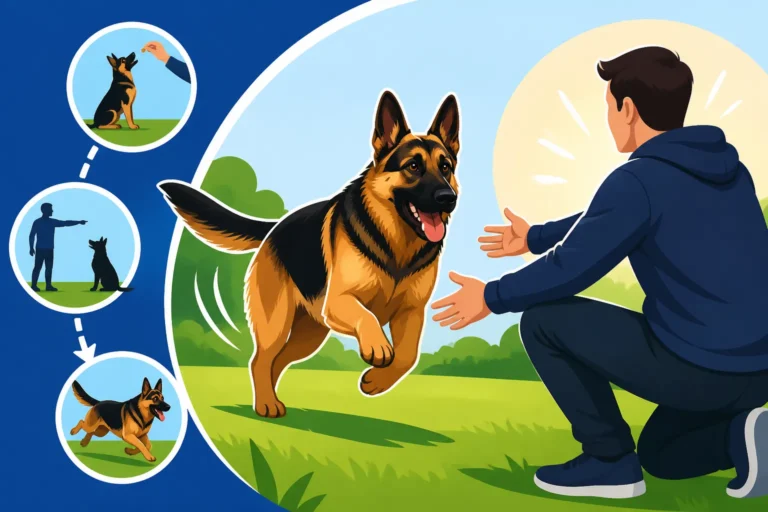
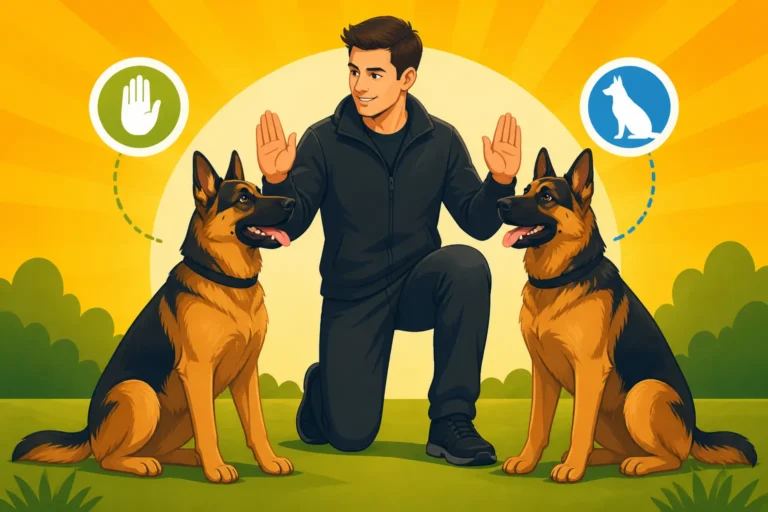
- Positive Reinforcement: Reward desirable behaviors lavishly. If your dog doesn't react to a trigger, reward them. If they calmly lie down when a visitor arrives, reward them. Building a strong foundation of obedience using positive reinforcement makes your dog more responsive to your cues and builds confidence. Learn more about German Shepherd Basic Commands Every Owner Should Teach to foster this bond.
- "Look At That" (LAT) Game: A simple, effective exercise for reactive dogs. When your dog sees a trigger (e.g., another dog), click or mark the moment they look at it, then immediately reward them with a high-value treat. The goal is to teach them that seeing the trigger predicts something good will happen.
- Structured Exercise and Mental Stimulation: A tired German Shepherd is often a well-behaved German Shepherd. Ensure your dog gets adequate physical exercise tailored to their needs and age. Equally important is mental stimulation through puzzle toys, training sessions, and scent work. A bored German Shepherd with pent-up energy is more likely to engage in unwanted behaviors, including reactivity. You can find many enriching toys and tools on Amazon. For specific advice, check out German Shepherd Exercise Requirements and Best Mental Stimulation for German Shepherds.
| Type of Aggression | Common Triggers | Management Strategies | Training Focus |
|---|---|---|---|
| Fear Aggression | Strangers, new environments, other dogs | Avoidance, safe spaces, muzzle training | Desensitization/Counter-conditioning to triggers, confidence building |
| Territorial Aggression | Visitors, people/dogs near property | Crate during visits, leash management, opaque fencing | "Place" command for visitors, doorbell training, neutrality to stimuli |
| Resource Guarding | Food, toys, specific people | Feed separately, trade-up games, teach "leave it" | Build trust, structured mealtimes, "drop it" and "trade" commands |
| Pain-Induced Aggression | Touching, lifting, sudden movements | Vet care, pain management, gentle handling | No specific behavioral training until pain is resolved |
| Redirected Aggression | Frustration at unreachable stimuli | Block views, remove from frustrating situations, leash control | Impulse control, "focus" commands, calm down cues |
Management and Long-Term Success: Living with and Supporting Your GSD
Dealing with an aggressive German Shepherd isn't a one-time fix; it's an ongoing journey of management, understanding, and love. The goal is to create a harmonious and safe life for everyone.
Adapting Your Lifestyle
Accept that your lifestyle might need to change to accommodate your German Shepherd's needs.
- Routine and Predictability: German Shepherds thrive on routine. A predictable schedule for feeding, walks, training, and play can reduce anxiety and make them feel more secure.
- Controlled Environments: Your dog might not be suited for busy dog parks or off-leash areas. Instead, opt for quiet trails during off-peak hours, secure private dog runs, or structured playdates with known, calm dogs. Focus on quality over quantity in social interactions.
- Guest Management: If your dog is aggressive towards visitors, be proactive. Have them crated or in a separate room before guests arrive. Gradually introduce them on a leash, rewarding calm behavior, or manage expectations with guests about not interacting with your dog.
Building a Strong Bond and Trust
Aggression, especially fear-based aggression, often stems from a lack of confidence and trust. Strengthening your bond with your German Shepherd is paramount.
- Positive Reinforcement: Continue to use positive reinforcement in all your interactions. This builds a positive association with you and makes your dog eager to please.
- Play and Enrichment: Engage in interactive play that your dog enjoys, like fetch, tug-of-war, or hide-and-seek. These activities release energy, provide mental stimulation, and reinforce your bond.
- Patience and Empathy: Remember that your dog isn't being aggressive to spite you. They are reacting out of instinct, fear, or discomfort. Approach every situation with patience, understanding, and empathy. Your calm demeanor can often help de-escalate a tense situation. For more insights on Understanding German Shepherd Behavior, this empathy is crucial.
Knowing When to Seek Further Help
Even with professional guidance, there might be plateaus or setbacks.
- Don't Hesitate to Re-engage Professionals: If you feel stuck, or if the aggression escalates, reach out to your veterinary behaviorist or trainer again. They can help adjust the plan or offer new strategies.
- Consider Medication: For highly anxious or fearful dogs, anti-anxiety medication, prescribed by a vet or veterinary behaviorist, can significantly lower their stress threshold, making them more receptive to training. It's not a "cure," but a tool to help them learn and cope.
- Long-Term Commitment: Managing aggression in a German Shepherd is a lifelong commitment. It requires vigilance, consistent reinforcement, and a willingness to adapt as your dog changes and new challenges arise.
The journey with an aggressive German Shepherd can be challenging, but it is also incredibly rewarding. With the right support system, professional guidance, consistent effort, and a heart full of patience, you can help your German Shepherd overcome their challenges and lead a happier, more integrated life. It’s never too late to start working towards a better future for your dog.
Disclaimer
The information provided in this article is for general informational purposes only and is not a substitute for professional veterinary or behavioral advice. If your German Shepherd is exhibiting aggressive behaviors, it is crucial to consult with a qualified veterinarian and a certified professional dog trainer or veterinary behaviorist. Every dog is an individual, and a personalized assessment and plan are essential for addressing aggression safely and effectively.