How to Train a German Shepherd to Walk Beside You
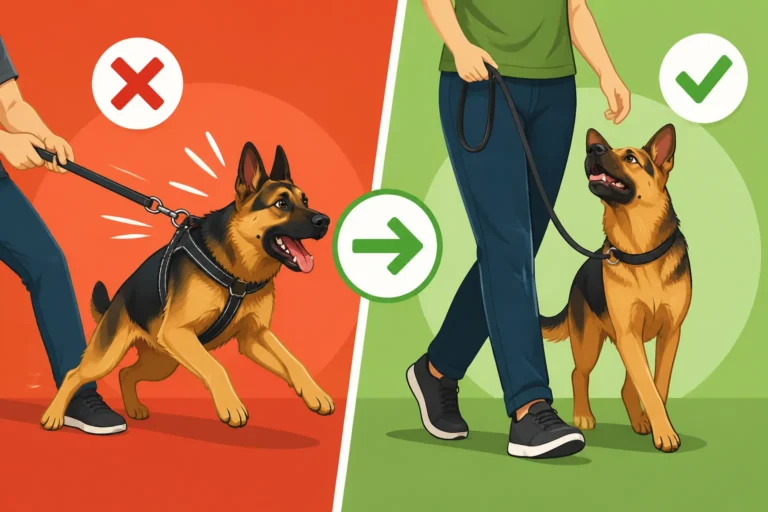
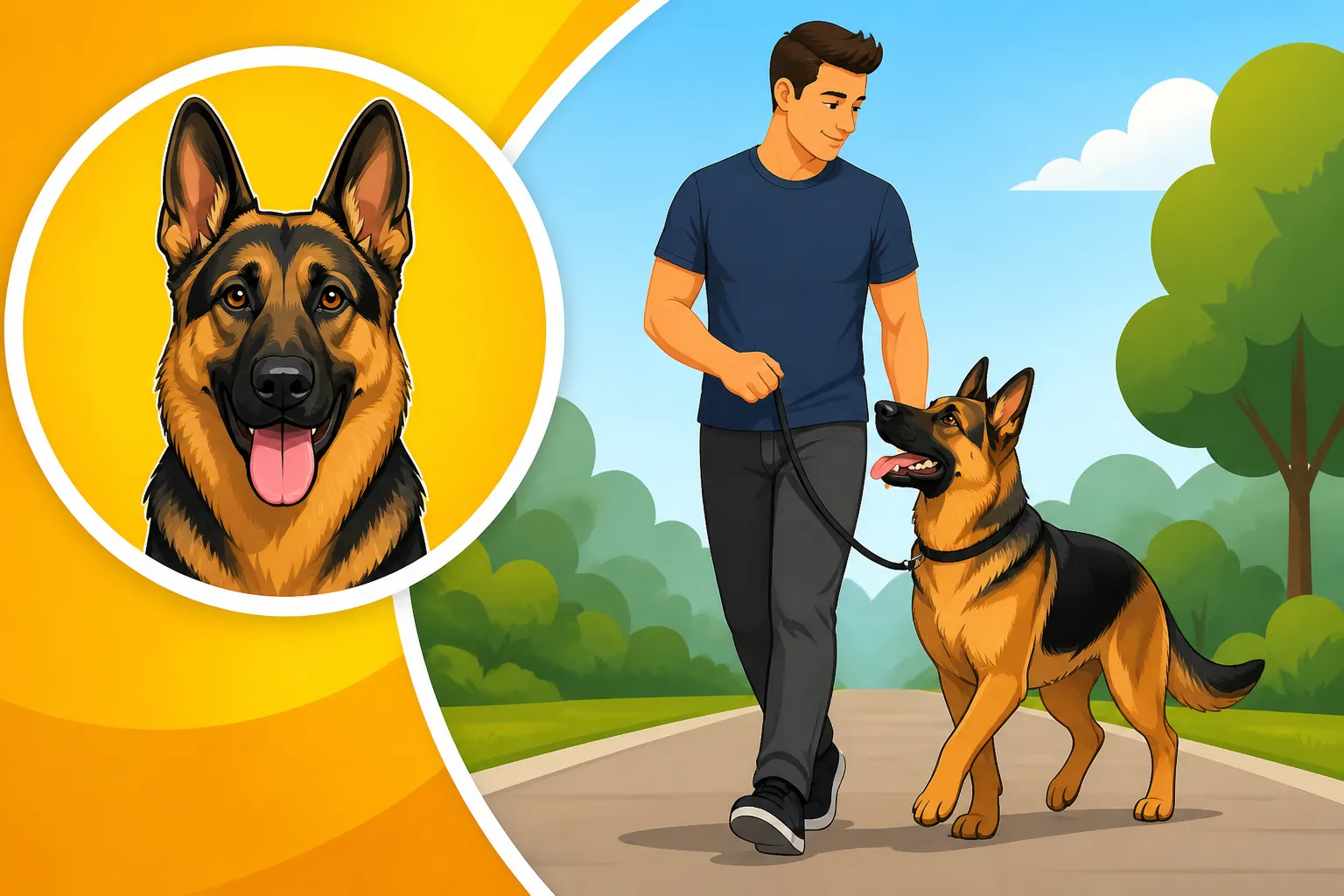
There's nothing quite as frustrating as stepping out for a relaxing walk with your magnificent German Shepherd, only to find yourself being dragged down the street, feeling more like a water-skier than a dog owner. This isn't just annoying; it can be dangerous for both you and your strong, enthusiastic companion. This comprehensive guide is here to walk you through the practical, empathetic steps to teach your German Shepherd to walk politely and calmly by your side, transforming those tug-of-war sessions into enjoyable strolls.
Understanding Why Your German Shepherd Pulls on Leash
Before we dive into the "how," it's absolutely crucial to understand the "why." Your German Shepherd isn't pulling just to be stubborn or difficult, even though it might feel that way sometimes! Their reasons are deeply rooted in instinct, learned behavior, and often, a misunderstanding of what you actually want from them. Getting inside their head is the first step to successful training.
The Natural Instinct to Explore
German Shepherds are incredibly intelligent, active, and curious dogs. They were bred for herding and protection, tasks that require them to be aware of their surroundings, investigate, and sometimes, lead the way. When you take them outside, their world explodes with sensory information – smells, sights, and sounds that are utterly fascinating to them. Each new scent on the sidewalk is like reading a newspaper headline, and every rustle in the bushes could be a squirrel just waiting to be chased. It's their instinct to want to get to these things, and their powerful bodies make it easy for them to pull you along in their pursuit of discovery.
Think about it from their perspective: you're holding them back from all the exciting things the world has to offer. They're not trying to be disobedient; they're simply following their instincts. This strong drive, coupled with their natural athleticism, means that if they learn that pulling gets them closer to what they want, they will continue to do it. It's a self-rewarding behavior.
Lack of Early Training and Consistency
Often, the habit of pulling starts very early. A German Shepherd puppy, even a small one, can pull surprisingly hard, and it's easy to dismiss it as "just puppy behavior." We might let them pull a little, thinking they'll grow out of it, or that it's too much effort to correct every time. However, every time your puppy or dog pulls and gets to continue moving forward, they are being rewarded for that pulling behavior. It's inadvertently teaching them that pulling works.
The lack of consistent training is a huge contributor. If one family member lets the dog pull, while another tries to correct it, the dog receives mixed signals. They learn that pulling sometimes works, sometimes doesn't, making it harder for them to understand the desired behavior. Consistency is the cornerstone of any successful dog training, especially with a smart and observant breed like the German Shepherd. Without a clear, unified message, they'll always try the behavior that has occasionally yielded results.
Equipment Issues
Believe it or not, the equipment you use can significantly impact your German Shepherd's pulling. A standard flat collar, while suitable for identification, offers very little control over a strong dog determined to pull. If they're pulling against their neck, it can even cause discomfort and potential injury, leading them to pull harder to escape the pressure. Retractable leashes are another common culprit. They teach dogs that constant tension on the leash is normal, and it even encourages pulling because the leash extends as they move forward. This completely undermines the concept of a loose leash.
Conversely, some equipment can actually make pulling worse if used incorrectly. A choke chain or prong collar, for example, can be effective tools in the hands of an experienced trainer, but if used improperly, they can cause pain, fear, and even aggression, further complicating your walks. Selecting the right tools for your dog and knowing how to use them safely and effectively is paramount to teaching polite leash manners.
Essential Equipment for Loose Leash Walking
Choosing the right gear is like picking the right tools for a home improvement project – it makes the job a whole lot easier and more effective. For German Shepherds, whose strength and enthusiasm are undeniable, having the correct equipment isn't just about convenience; it's about safety and setting your dog up for success.
Leashes and Collars: What Works Best
Let's break down the most common options and what you should consider for your German Shepherd.
Leashes:
- Standard 4-6 Foot Leash (Nylon or Leather): This is your bread and butter. A fixed-length leash gives you consistent control and allows your dog enough room to walk comfortably beside you without wandering too far. Nylon leashes are durable and easy to clean, while leather leashes offer a comfortable grip and tend to last a lifetime. Look for quality hardware that won't snap under pressure. You can find excellent options on online retailers like Amazon, often with various colors and materials to choose from.
- Avoid Retractable Leashes: Seriously, throw them away. Retractable leashes teach your dog that a constant tension on the leash is normal. They offer minimal control, can cause severe rope burns, and if the leash breaks or you drop the handle, your dog can bolt into dangerous situations. They actively work against loose leash training.
Collars:
- Flat Buckle Collar: Every dog should have a comfortable, well-fitting flat collar for identification tags. However, for active training, especially with a pulling German Shepherd, it offers very little control. Pressure on the neck can even encourage them to pull harder.
- Martingale Collar: This type of collar is fantastic for dogs with necks larger than their heads (like some German Shepherds) or those who are prone to slipping out of flat collars. It tightens gently when pulled, preventing escape, but relaxes when the pressure is off. It provides more control than a flat collar without the harshness of a choke chain.
- Front-Clip Harness: This is often the holy grail for teaching loose leash walking. Unlike traditional harnesses that clip on the back and actually encourage a dog's natural opposition reflex to pull harder (like a sled dog), a front-clip harness, such as the Freedom No-Pull Harness or Easy Walk Harness, has the leash attachment point on the dog's chest. When your German Shepherd pulls, it gently redirects them to the side, turning them back towards you. This makes it incredibly difficult for them to generate power for pulling and helps them understand that pulling doesn't get them where they want to go. This is a game-changer for many owners and a great investment.
- Head Halter (e.g., Gentle Leader, Halti): A head halter works much like a horse's halter, giving you control over the dog's head, and where the head goes, the body follows. It can be incredibly effective for very strong pullers or dogs that need immediate redirection. It rests over the dog's muzzle and behind their ears. While highly effective, some dogs initially resist them, so a gradual introduction with positive reinforcement is key. Never yank or jerk on a head halter, as it can cause neck injury.
It's a good idea to experiment to find what works best for your individual German Shepherd. What one dog tolerates or responds well to, another might find uncomfortable.
Treats and Training Aids
Beyond leashes and collars, a few other items are non-negotiable for effective loose leash training.
- High-Value Treats: Forget the dry kibble for training. You need treats that are so delicious and irresistible that your German Shepherd will focus on you even amidst distractions. Think small pieces of cooked chicken, cheese, hot dogs, or store-bought soft training treats. These treats are your primary reward system, showing your dog exactly what they're doing right. The higher the distraction, the higher value the treat needs to be.
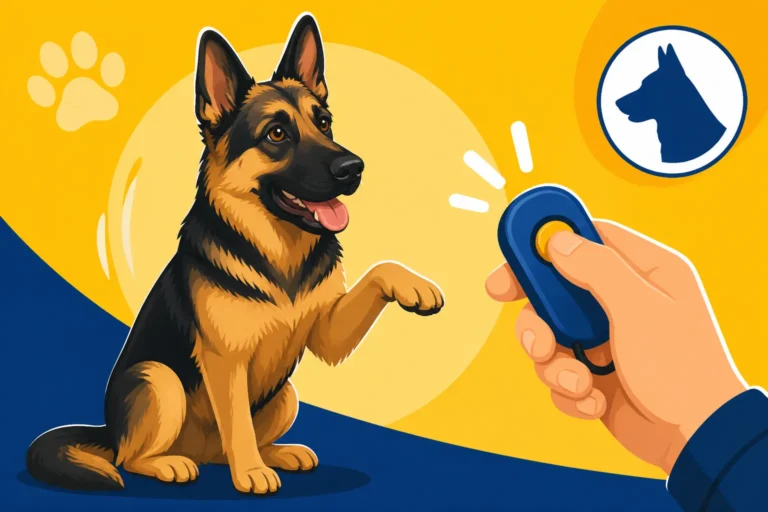
- Clicker or Verbal Marker: A clicker is a precise tool that marks the exact moment your dog performs the desired behavior. It's paired with a treat, so your dog learns that the click means "you did it right, and a reward is coming!" If you don't want to use a clicker, a consistent verbal marker like "Yes!" or "Good!" works similarly. Consistency is crucial, so always follow the marker with a treat, especially in the early stages.
- Treat Pouch: A small pouch that clips to your waist is invaluable. It keeps treats easily accessible, preventing fumbling and ensuring you can reward your dog instantly. This immediacy is vital for your dog to connect the good behavior with the reward. Having treats readily available means you can reinforce positive actions before your German Shepherd loses focus or resorts to pulling.
Step-by-Step Guide to Teaching Loose Leash Walking
Now that you're geared up with the right mindset and equipment, it's time to get down to the actual training. Remember, patience and consistency are your best friends here. This isn't a quick fix; it's about building a new habit and understanding with your German Shepherd.
Starting Indoors or in a Low-Distraction Environment
Beginning your training in a calm, familiar space is paramount to success. Trying to teach loose leash walking for the first time amidst barking dogs and squirrels at the park is setting both you and your German Shepherd up for failure.
The core technique here is lure and reward. Start in your living room or backyard. Hold a high-value treat in your hand, keeping it near your German Shepherd's nose to get their attention. As they walk beside you (even for a few steps), mark the behavior with your clicker or verbal marker ("Yes!") and give them the treat. The key is to reward them while the leash is loose, not after it's tightened. If the leash goes taut, you stop.
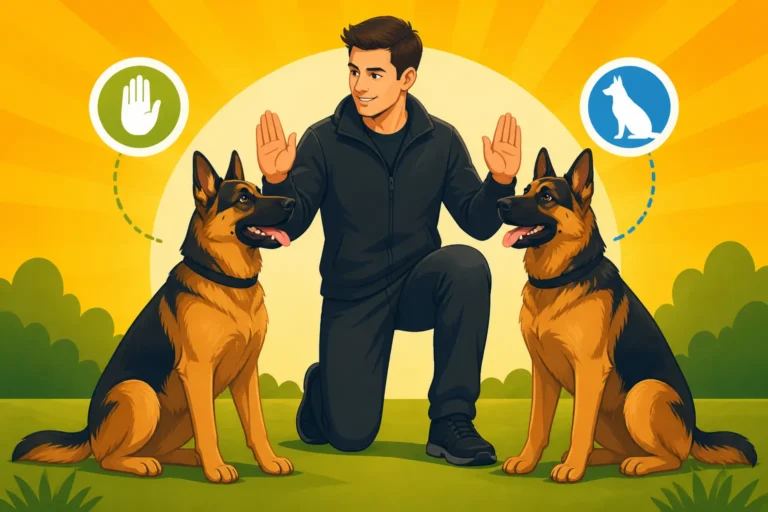
Introduce a verbal cue like "Let's Go!" or "Heel!" just as you start walking. This command will eventually signal to your German Shepherd that you want them to walk politely by your side. Keep these initial sessions short – 3 to 5 minutes at a time, several times a day. You want to end on a positive note before your dog gets bored or frustrated. The goal is to make walking beside you a highly rewarding experience. You're building a foundation where staying near you, rather than charging ahead, yields the best results. For a more structured approach, checking out a comprehensive guide like "German Shepherd Obedience Training Basics" can provide additional foundational skills.
Moving to Outdoor Environments with Gradual Distractions
Once your German Shepherd is confidently walking on a loose leash indoors, it's time to slowly introduce them to the real world. This is where many owners get stuck, but the trick is gradual exposure.
Start in a quiet outdoor area, like your driveway or a very quiet park entrance, during off-peak hours. The principles remain the same: use your "Let's Go!" command, keep the treat near your dog's nose, mark and reward for loose leash walking.
- The "Stop-and-Go" Method: If your German Shepherd starts to pull, immediately stop walking. Don't say anything, don't yank the leash. Just stand still. They'll eventually look back at you, confused. The moment the leash goes slack, even for a second, mark and reward, then immediately start walking again with your "Let's Go!" command. Repeat this every single time they pull. Your dog will quickly learn that pulling makes the walk stop, and a loose leash makes it continue. This can feel tedious at first, but it's incredibly effective.
- Changing Direction: Another powerful technique is to abruptly change direction the moment your German Shepherd starts to pull or gets overly fixated on a distraction. If they pull to the left, turn right. If they pull forward, turn around. This constant redirection forces them to pay attention to you to avoid tripping or being pulled off balance. Again, the moment they re-engage and the leash slackens, mark and reward. This reinforces that paying attention to your movements keeps the walk enjoyable.
- Using Equipment to Your Advantage: If you're struggling, this is where a front-clip harness or a head halter can be incredibly helpful. The physical redirection they provide makes it much harder for your German Shepherd to pull effectively, giving you more control and making the training less physically taxing for you. This often provides immediate relief and allows you to focus more on rewarding the desired behavior rather than constantly correcting the pulling. You'll find that incorporating a good front-clip harness can drastically reduce strain on both you and your dog's neck, a common concern given their size and power.
Remember, consistency is absolutely paramount. Every walk is a training opportunity. If you let them pull "just this once," you're undoing previous progress. For more specific guidance on early training, consider reviewing resources like how to leash train a German Shepherd puppy.
Addressing Common Challenges and Troubleshooting
Even with the best intentions, you're bound to hit some bumps in the road. It’s part of owning a German Shepherd, a breed known for its intelligence and strong will!
- Persistent Pulling: If the stop-and-go method isn't quite cutting it, you might need to increase your reward value. Are you using chicken when you should be using steak? Also, ensure your training sessions are short and positive. If your dog is getting overstimulated or tired, they'll be less receptive. Take a step back to a less distracting environment if needed. Sometimes, going back to basics in your home for a few days can reset their understanding.
- Major Distractions: Other dogs, people, or even squirrels can be irresistible. When you anticipate a distraction, try to get your German Shepherd's attention before they react. Use high-value treats to create a positive association with the distraction. As the distraction approaches, engage them with a "look at me" command, reward them heavily for focusing on you, and then continue past. If they still pull towards the distraction, use the stop-and-go or change direction method. Sometimes, increasing the distance from the distraction is all you need to allow your dog to cope successfully. Don't be afraid to cross the street or find a quieter path.
- Human Consistency: This is often the hardest challenge! Everyone in the household who walks the dog needs to be on the same page. If one person lets the dog pull, the dog learns that sometimes it's okay, which undermines all your hard work. Establish clear rules and ensure everyone follows them. Consider joining an online training program like BAXTER & Bella, which offers structured courses that families can follow together, ensuring everyone uses the same cues and techniques. This unified approach can make a world of difference for your German Shepherd's understanding and progress. Remember, your German Shepherd is a smart cookie; they learn what works, and if inconsistency allows them to pull, they will.
- Lack of Motivation: If your German Shepherd seems uninterested, check your treats (are they high-value enough?), your energy (are you enthusiastic?), and the length of your sessions. Make training fun and engaging! If your dog isn't having fun, they won't learn as quickly. You might also want to review your overall approach to German Shepherd behavior problems and solutions if you feel there are deeper behavioral issues at play.
Maintaining and Advancing Your German Shepherd's Leash Manners
Teaching loose leash walking is a fantastic achievement, but it's not a "one and done" situation. Like any skill, it requires ongoing practice and refinement to truly solidify those good habits. Think of it as investing in your future enjoyable walks!
Regular Practice and Reinforcement
The old adage "use it or lose it" definitely applies to dog training. Every walk, even if it's just a quick potty break, is an opportunity to reinforce polite leash manners. You don't need to turn every outing into an intensive training session, but always be mindful of the leash. If you see the leash start to tighten, remind your German Shepherd of the desired behavior with a gentle course correction or a quick stop.
Short, frequent walks are often more effective for maintaining good habits than long, sporadic ones. Your German Shepherd learns through repetition, and regular exposure to various environments, even for brief periods, helps generalize the behavior. Always carry treats with you, and generously reward moments of excellent loose leash walking, especially when your dog chooses to walk nicely even when distractions are present. This keeps the positive association strong and ensures your German Shepherd remains motivated to walk politely. Consider alternating between focused training walks and more relaxed decompression walks where they can sniff and explore more freely, perhaps on a longer line in a safe area, to balance their needs.
Advanced Techniques and Proofing Behavior
Once your German Shepherd consistently walks well in low-to-moderate distraction areas, you can start "proofing" the behavior – essentially, practicing in more challenging situations.
- Adding Duration and Distance: Gradually increase the length of your walks and the amount of time you expect them to walk politely. Don't overdo it initially; slow, steady progress is key.
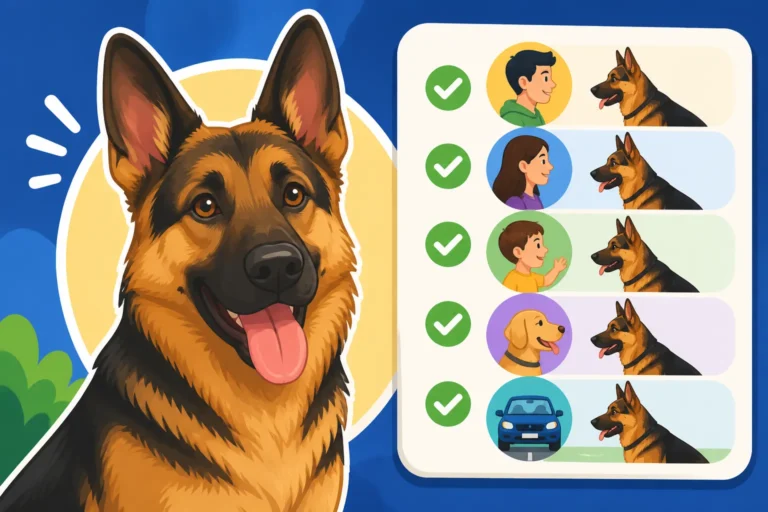
- Walking Past Distractions Calmly: This is where the real test often comes. Practice walking past other dogs, people, children, bikes, and noisy construction. Remember the "look at me" command and high-value treats. Start at a distance where your dog can still focus on you, then slowly decrease the distance as they improve. If they react, increase the distance again. This incremental exposure helps your German Shepherd build resilience and learn to ignore tempting distractions.
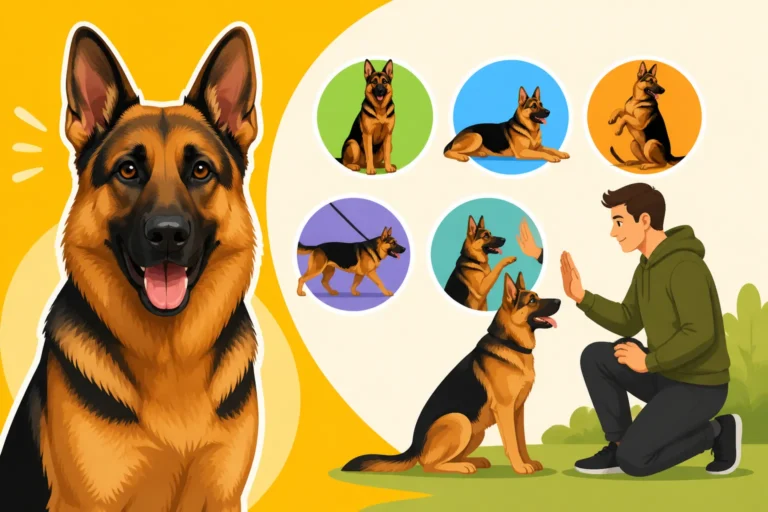
- Off-Leash Heel (if applicable and safe): For advanced German Shepherds in safe, permitted areas, you might work towards an off-leash heel. This requires an exceptionally strong recall and a high level of trust and focus. Start in a fully fenced area, gradually reducing your reliance on the leash. Always prioritize safety and local leash laws. A firm grasp of German Shepherd Obedience Training Basics will be a huge asset here.
- Introducing New Environments: Take your German Shepherd to new places – busy downtown streets, quiet hiking trails, pet-friendly stores. Each new environment presents unique challenges and opportunities to reinforce their good manners. The more varied the experiences, the more reliable their loose leash walking will become. For ideas on appropriate exercise levels, especially for a powerful breed, exploring topics like German Shepherd Exercise Requirements can be beneficial.
When to Seek Professional Help
Sometimes, despite your best efforts, you might find yourself hitting a wall, or perhaps your German Shepherd has some deeply ingrained habits that are tough to break. There's absolutely no shame in seeking professional help – it's often the smartest decision you can make!
- Recognizing When You Need a Professional Trainer: If your dog's pulling is causing you physical pain, if they're reactive to other dogs or people on walks, or if you simply feel overwhelmed and frustrated, it's time to call in the experts. A professional dog trainer can provide an objective assessment of your dog's behavior, identify the root causes of the pulling, and tailor a specific training plan to your German Shepherd's individual needs and your lifestyle. They have a wealth of experience and techniques that might not be obvious to the average owner.
- Benefits of One-on-One Sessions or Specialized Classes: A good trainer can teach you precise leash handling techniques, help you build your dog's focus, and address any underlying behavioral issues that might be contributing to the pulling. They can also provide support and guidance when you encounter challenging situations. Look for trainers who use positive reinforcement methods and have experience with large, strong breeds like German Shepherds. Group classes can also be beneficial for practicing around distractions under supervised conditions, helping you refine your techniques. For more insight into what to expect from trainers, resources discussing German Shepherd Training Timeline by Age or even German Shepherd Puppy Biting: What to Do (as an indicator of need for professional guidance for tough behaviors) can be useful starting points.
| Training Aid Type | Primary Function | Pros for German Shepherds | Cons/Considerations |
|---|---|---|---|
| Flat Collar | Identification, basic leash attachment | Simple, comfortable for daily wear | Very little control over strong pullers; can cause neck strain |
| Martingale Collar | Prevents escape, gentle tightening | Good for dogs who back out of collars, more control than flat | Still can encourage pulling if not used correctly |
| Front-Clip Harness | Redirects pulling from the chest | Significantly reduces pulling, gentle, no neck pressure | Can sometimes chafe under the armpits if ill-fitting |
| Head Halter | Controls head direction, highly effective | Excellent control for strong pullers, prevents jumping/lunging | Some dogs resist initially, requires careful introduction |
| Standard Leash | Consistent length, direct connection | Durable, reliable, provides clear communication | Must be paired with an effective collar/harness |
Disclaimer
This article is for general informational purposes only and does not constitute professional advice. Laws, prices and regulations vary by location and change over time. Consult a qualified professional for guidance on your specific situation.