How to Train a German Shepherd to Be Home Alone
It’s a heart-wrenching feeling, isn’t it? Leaving your beloved German Shepherd home alone, only to return to a symphony of barks from your neighbors, a chewed-up couch, or an unexpected puddle on the floor. Many German Shepherd owners face the frustrating challenge of helping their intelligent, deeply bonded companions cope with solitude. This comprehensive guide is here to walk you through a realistic, step-by-step approach to teach your German Shepherd to be comfortable and confident when you're not around.
Understanding Why Your German Shepherd Struggles Home Alone
Before we dive into solutions, it’s crucial to understand the "why" behind your German Shepherd's distress when left alone. These aren't random acts of defiance; they are often deeply rooted in their nature and how they perceive their world.
Natural Pack Instincts and Bonding
German Shepherds are, at their core, pack animals with a strong desire for companionship and a deep bond with their human families. They thrive on interaction, purpose, and being an integral part of their "pack." When you leave, especially for extended periods, they don't always understand that you'll be back. For some, it can trigger a primal fear of abandonment, even if they have everything they need. They're not just your pet; they're a loyal member of your family, and being separated from their pack leader (you!) can be genuinely distressing.
This strong bonding is one of the most wonderful traits of the breed, but it also means that being left alone goes against their natural inclination. They weren't bred to be solitary creatures, but rather to work alongside humans, making their absence feel particularly acute. Understanding this fundamental aspect of their temperament helps us approach training with empathy rather than frustration.
Common Causes of Separation Anxiety
Separation anxiety isn't a simple "naughty dog" issue; it's a complex behavioral problem often triggered by a variety of factors. A sudden change in routine, like someone working from home transitioning back to an office, can be a huge trigger. A previous traumatic experience, perhaps being rehomed or left alone extensively in a past life, can also contribute. Even subtle cues from you, like a drawn-out goodbye or making a big fuss when you leave and return, can inadvertently heighten their anxiety, signaling that your departure is a momentous, stressful event.
Sometimes, the anxiety isn't full-blown panic but rather a boredom-induced frustration if their physical and mental needs aren't adequately met before you leave. They have immense energy and intelligence, and without proper outlets, that energy can manifest as destructive behavior or incessant barking. It's not just about missing you; it's about not knowing how to cope with the sudden void of activity and companionship. You might find valuable insights in our article on German Shepherd Separation Anxiety Solutions.
Identifying the Signs of Distress
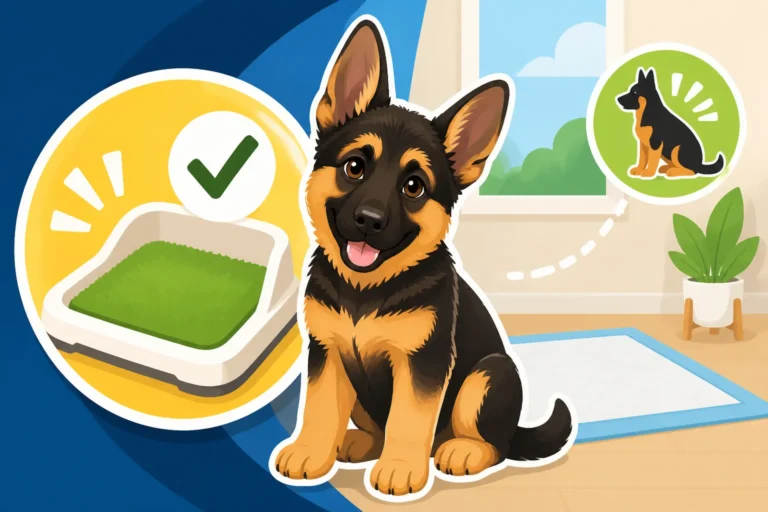
Knowing what to look for is the first step in addressing the problem. While a little whining when you first leave is normal, persistent barking, howling, or crying the entire time you're gone is a clear red flag. Destructive chewing, particularly around exit points like doors or windows, indicates a desperate attempt to reunite with you or alleviate stress. Inappropriate urination or defecation, even when house-trained, is another strong sign of anxiety, not spite.
Other, more subtle signs include pacing, panting excessively (even when it's not hot), drooling, or attempting to escape their crate or enclosure, sometimes leading to self-injury. If you suspect your German Shepherd is struggling, consider setting up a pet camera (there are many affordable options on Amazon) to observe their behavior when you're not home. This objective observation can provide invaluable insights into the specific triggers and manifestations of their anxiety, helping you tailor your training approach more effectively.
Laying the Foundation: Pre-Training Steps for Success
Before you even think about stepping out the door, there are crucial foundational steps you need to take to set your German Shepherd up for success. These steps build their confidence and teach them that being alone isn't something to fear.
Crate Training as a Safe Haven
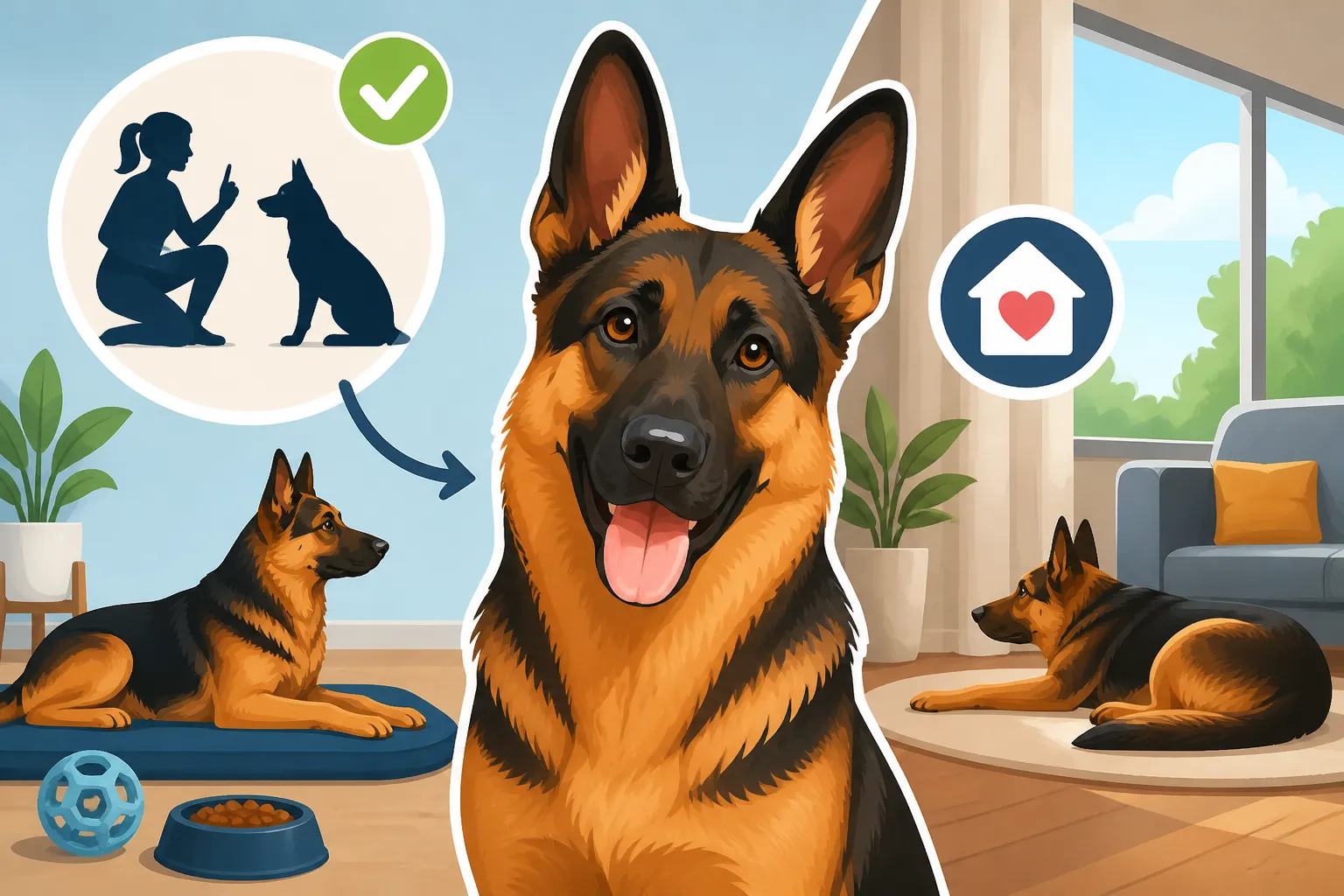
A properly introduced and conditioned crate should be your German Shepherd's personal sanctuary, not a punishment. It provides a den-like space where they feel secure and can relax without feeling overwhelmed by the entire house. The goal is for them to associate the crate with positive experiences: delicious chew toys, comfortable bedding, and quiet time. Never force them into it or use it as a timeout zone, as this can create negative associations.
Start by feeding meals in the crate, leaving the door open. Toss treats inside and let them explore. Gradually increase the time they spend in the crate with the door closed, always supervising initially. The key is making it a positive place they choose to enter. Many training programs, like those offered by BAXTER & Bella, emphasize positive crate training as a cornerstone for building independence, teaching your dog that their crate is a calm, personal space. You can find a detailed guide on How to Crate Train a German Shepherd to help you through this process.
Building Independence Early On
One of the biggest mistakes owners make is constantly being with their German Shepherd, creating an unhealthy over-reliance. To foster independence, practice short, intentional separations within the home. Put your German Shepherd in their crate with a high-value chew, then go into another room for just a few minutes. Don't make a big deal of it; simply leave and return casually. Gradually increase these periods.
Encourage them to entertain themselves with toys rather than constantly seeking your attention. Avoid inadvertently rewarding clingy behavior by giving them attention every time they nudge you. Teach them to "go to their bed" or "place" and stay there while you move about the house. This subtly communicates that your presence isn't always required for their well-being and helps them build confidence in their own ability to relax independently.
Meeting Exercise and Mental Stimulation Needs
A tired German Shepherd is a good German Shepherd, and a mentally stimulated one is even better. These dogs were bred for demanding work, and if their physical and mental needs aren't met, they'll invent their own (often destructive) entertainment. Before you plan to leave them alone, ensure they've had a vigorous walk, a solid play session, or a challenging training session. Think 60-90 minutes of active exercise, not just a potty break. Our guide on German Shepherd Exercise Requirements offers more detailed suggestions.
Equally important is mental stimulation. Engage their intelligent minds with puzzle toys, scent work games, or advanced obedience training. A long walk where they get to sniff extensively can be incredibly mentally tiring. Providing a fulfilling "job" before your departure helps them feel content and ready for a relaxing nap rather than an anxiety-fueled rampage. A well-exercised and mentally engaged dog is far more likely to settle calmly when left alone.
Step-by-Step Training Protocol for Alone Time
Once your German Shepherd has a solid foundation in crate training and understands some basic independence, you can start the crucial process of teaching them to be comfortable with your physical absence. This requires patience, consistency, and a very gradual approach.
Gradual Desensitization to Departure Cues
Many dogs start panicking the moment they see you grab your keys, put on your coat, or pick up your purse. These "departure cues" become triggers for anxiety. To desensitize them, start performing these actions randomly throughout the day without actually leaving. Pick up your keys, jingle them, then sit back down. Put on your shoes, then take them off. Open the door, then close it again. Do this dozens of times a day, making the actions utterly meaningless.
The goal is to break the association between these cues and your departure. Your German Shepherd should eventually see you putting on your coat as no more significant than you scratching your ear. When you do actually leave, keep your departures incredibly calm and low-key. No emotional goodbyes, no drawn-out farewell speeches. Just a simple, quiet exit.
Practicing Short Absences
This is where the real work begins, and it’s all about baby steps. Start by leaving your German Shepherd alone for literally seconds. Place them in their designated safe space (crate or a confined, dog-proofed area) with a special, high-value treat or puzzle toy (like a Kong stuffed with peanut butter that they only get when you leave). Step outside the door, wait 5-10 seconds, then calmly re-enter. Don’t make eye contact, don't talk to them, just walk past. Wait a few minutes, then calmly release them from their space.
Gradually, very gradually, increase the time you're gone. If they show any signs of distress – barking, whining, scratching – you've gone too long. The next session, go back to a shorter duration where they were successful. The aim is to build a string of positive experiences. This might mean only increasing your absence by 30 seconds at a time. The BAXTER & Bella online puppy school emphasizes this incremental exposure for building confidence and reducing anxiety during alone time.
Creating a Calming Environment
When you do leave your German Shepherd alone, make their environment as comfortable and stress-free as possible. Soft classical music or white noise can help mask outside sounds that might trigger barking, and a fan can provide a gentle hum. Some owners find that a pheromone diffuser, like Adaptil, can help create a calming atmosphere, releasing synthetic dog appeasing pheromones that mimic those a mother dog releases to comfort her puppies. These products are widely available on Amazon.
Ensure the temperature is comfortable and they have access to fresh water. If you’re not using a crate, make sure the room is completely dog-proofed, with nothing chewable within reach. Consider leaving a piece of your unwashed clothing, like a t-shirt, in their bed. Your scent can be incredibly comforting and reassuring, providing a familiar presence even when you’re not physically there.
Utilizing Enrichment and Distraction Toys
Leaving your German Shepherd with a highly engaging, long-lasting chew or puzzle toy can be a game-changer. These items provide a much-needed distraction and mental exercise, helping them associate your departure with a positive, rewarding activity. Think frozen Kongs, bully sticks, snuffle mats, or interactive feeder toys. The key is that these are special items, only brought out when you leave. This builds anticipation and positive association with your absence.
Choose toys that are safe and appropriate for your German Shepherd’s chewing style. Strong chewers might need toys made from nearly indestructible materials, and always ensure small pieces won’t break off and become a choking hazard. Our article on Best Puzzle Toys for German Shepherds provides excellent recommendations. Rotate these toys to keep things interesting and prevent boredom, which can often lead to destructive behaviors when left alone.
Troubleshooting and Advanced Tips
Even with the best intentions and consistent training, you might encounter bumps in the road. It’s important to stay patient, flexible, and know when to seek additional help.
Addressing Persistent Separation Anxiety
If your German Shepherd's anxiety persists despite diligent training, or if their symptoms are severe (e.g., self-mutilation, panic attacks), it's time to call in the professionals. A certified professional dog trainer (CPDT-KA) or a veterinary behaviorist can assess the situation, diagnose true separation anxiety, and develop a tailored treatment plan. This plan might include behavior modification techniques, management strategies, and in some cases, medication to help reduce anxiety enough for the training to be effective.
Don't feel like a failure if you need professional help; separation anxiety is incredibly challenging to treat alone. These experts can provide guidance, implement advanced desensitization and counter-conditioning protocols, and offer support through a difficult process. Sometimes, an outside perspective and specialized knowledge are exactly what’s needed to help your German Shepherd overcome their fears. More information can be found in our guide on Why Does My German Shepherd Have Separation Anxiety Issues.
Managing Destructive Chewing and Barking
When it comes to destructive chewing, ensuring your German Shepherd is adequately exercised and mentally stimulated before you leave is paramount. Additionally, "booby-trap" areas they chew with deterrents like motion-activated alarms or bitter apple spray (always test a small, inconspicuous area first). Provide appropriate chew toys that are more appealing than your furniture. If they are chewing out of anxiety, addressing the underlying anxiety is the ultimate solution.
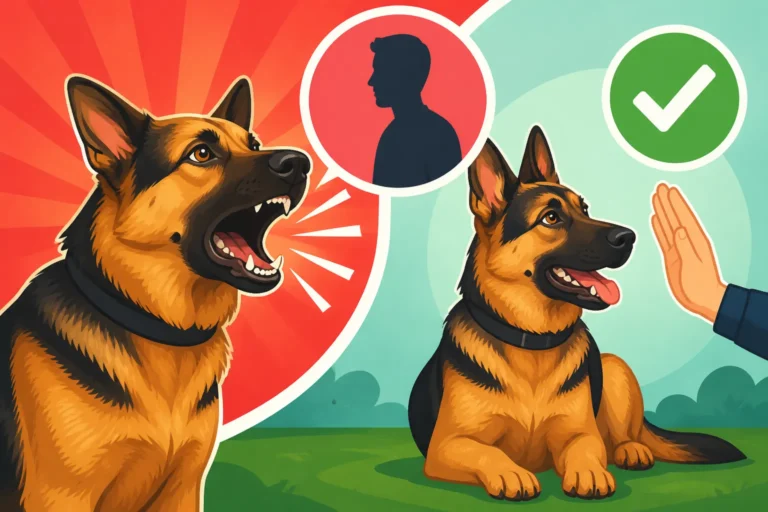
For excessive barking, the pet camera will be your best friend. Observe when and why they bark. Is it triggered by sounds outside? Are they pacing and barking out of anxiety? If it's alarm barking at passersby, consider blocking window access or using white noise. If it's anxiety-driven, the overall desensitization training is key. Avoid punishment, as this can heighten anxiety. Focus on rewarding quiet behavior and building confidence. Our article, How to Stop German Shepherd Excessive Barking, offers specific strategies.
Consistency is Key
There’s no magic wand to instantly make your German Shepherd comfortable being alone. This training requires immense patience and unwavering consistency. Every interaction, every departure, every return, sends a message to your dog. If you’re inconsistent – one day making a big fuss when you leave, the next day sneaking out – you’ll confuse them and undermine the training.
Stick to your routine, maintain calm departures and arrivals, and ensure their needs are met daily. This consistency builds trust and predictability, two critical elements for a German Shepherd to feel secure in your absence. Remember, you’re teaching them a new skill, and like any new skill, it takes time, repetition, and positive reinforcement to truly sink in. Celebrate small victories, and don't get discouraged by setbacks.
| Problem Area | Common Signs | Recommended Solutions |
|---|---|---|
| Separation Anxiety | Excessive barking/howling, destructive chewing at exits, inappropriate elimination, drooling, pacing, self-harm. | Gradual desensitization, counter-conditioning, crate training, calming aids, professional help. |
| Destructive Chewing | Chewing furniture, shoes, walls, door frames. | Ample exercise & mental stimulation, appropriate chew toys (e.g., Kong, Nylabone, bully sticks), Bitter Apple spray, dog-proofing environment. |
| Excessive Barking/Howling | Continuous barking when left alone (confirmed by camera or neighbors). | Address underlying anxiety, desensitize to departure cues, white noise, window coverings, reward quiet behavior, ensure exercise. |
| Inappropriate Elimination | Urinating/defecating inside despite being house-trained. | Rule out medical issues, address anxiety, ensure proper potty breaks before leaving, clean thoroughly with enzymatic cleaner. |
| General Restlessness | Pacing, whining, inability to settle. | Increase exercise and mental enrichment before departure, provide long-lasting chews, calming music/diffusers. |
Disclaimer
The information provided in this article is for general informational purposes only and is not a substitute for professional veterinary advice, diagnosis, or treatment. Always seek the advice of your veterinarian or other qualified animal health provider with any questions you may have regarding a medical condition or treatment for your German Shepherd.