How Often to Bathe a German Shepherd
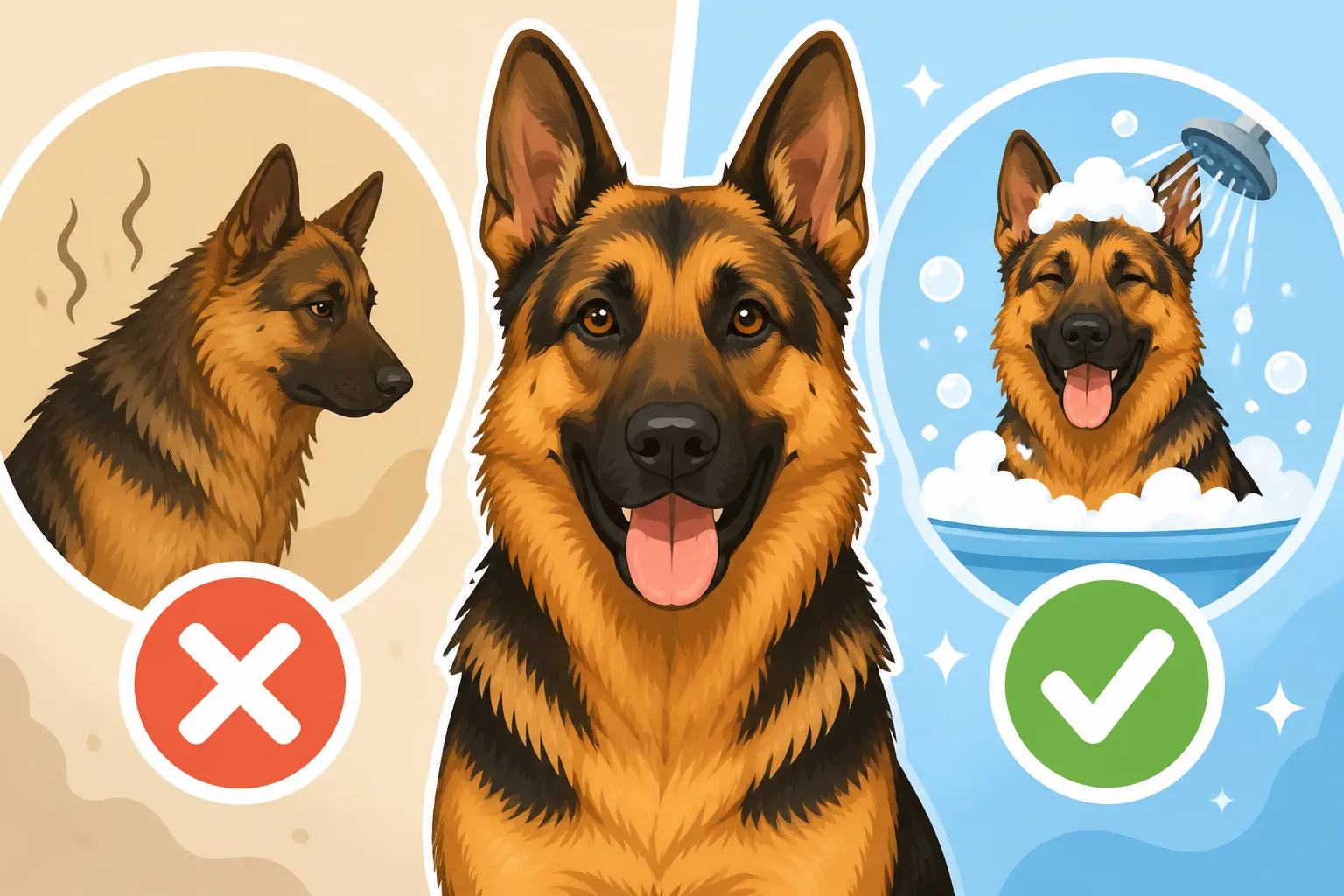
If you're a German Shepherd owner, you've probably stood there, brush in hand, wondering just how often you should actually bathe your furry best friend. It's a common dilemma – too many baths can strip away natural oils, leading to dry, irritated skin, while too few can leave your home smelling less-than-fresh and your dog's coat looking dull. Balancing cleanliness with coat health is crucial, and this guide is here to demystify the bathing schedule for your magnificent German Shepherd, ensuring a healthy coat and a happy home.
Understanding Your German Shepherd's Unique Double Coat
German Shepherds are renowned for their magnificent double coats, a feature that plays a crucial role in their overall health and well-being. This isn't just one layer of fur; it's a complex system designed to protect them from the elements, regulate body temperature, and repel dirt and water. Understanding how this coat works is the first step in figuring out the optimal bathing frequency.
The Anatomy of a German Shepherd's Double Coat
Your German Shepherd’s coat consists of two distinct layers, each with its own vital function. The outer coat, or guard hairs, are typically coarser, longer, and slightly oily. These hairs act as the first line of defense, repelling water, dirt, and debris, and protecting your dog from sun, wind, and minor abrasions. They're what gives your German Shepherd that classic sleek or plush look. Beneath this protective layer lies the undercoat. This dense, soft, woolly layer is primarily responsible for insulation, keeping your GSD warm in winter and cool in summer by trapping air.
The health of both these layers is paramount. Over-bathing can strip the natural oils from the guard hairs, making them less effective at repelling water and more prone to tangling. Conversely, under-bathing can lead to a buildup of dirt, dander, and dead hair, which can mat the undercoat, reduce its insulating properties, and create a breeding ground for bacteria and skin issues. It's a delicate balance, and respecting the natural design of their coat is key to maintaining its integrity.
The Self-Cleaning Properties and Natural Oils
One of the fantastic, often underestimated, aspects of a German Shepherd's coat is its natural self-cleaning ability. The slightly oily texture of their guard hairs, combined with regular shedding, helps prevent dirt from adhering too strongly and allows much of it to fall away with a good shake or a thorough brushing. These natural oils are vital; they contribute to the coat's shine, elasticity, and its protective barrier.
When you bathe your German Shepherd, especially with harsh shampoos, you inevitably wash away some of these beneficial oils. While they will regenerate over time, frequent stripping can lead to dry, flaky skin, dull fur, and even a compromised skin barrier, making your dog more susceptible to irritations and German Shepherd Skin Problems and Fixes. This is why many experienced German Shepherd owners emphasize brushing as the primary method of cleaning and maintaining the coat, reserving full baths for when they are truly necessary. Thinking about your dog's skin as similar to your own, you wouldn't want to over-wash and strip its natural moisture, right? The same principle applies here.
Factors That Influence Bathing Frequency
There's no one-size-fits-all answer to how often you should bathe your German Shepherd because so many individual factors come into play. What works for a pristine indoor show dog in Phoenix, Arizona, might be completely different for a working line GSD splashing in muddy creeks in rural Oregon. Let's break down the key elements that should guide your bathing decisions.
Lifestyle and Activity Level
The most significant factor influencing your German Shepherd's bathing needs is their daily lifestyle. A German Shepherd who spends most of their time indoors, enjoys regular walks on paved paths, and keeps mostly clean will naturally need fewer baths than an adventurous, outdoorsy dog. Think about it:
- The Urban Explorer: Your GSD might enjoy city park strolls, a bit of backyard playtime, and occasional visits to the local dog park. They might pick up dust, some city grime, and maybe a little mud after a rainy day. Their bathing needs will be moderate.
- The Rural Adventurer: If your German Shepherd is a working dog, enjoys hiking, swimming in lakes, rolling in fields, or is part of an active family that frequents nature trails, they are going to get genuinely dirty. Mud, pollen, lake water, sticky burrs, and even unpleasant wildlife encounters (like skunks!) will necessitate more frequent or targeted bathing.
- The Couch Potato (mostly!): For a less active GSD who primarily enjoys indoor comfort and short, clean walks, minimal bathing might be perfectly sufficient, relying mostly on regular brushing to keep their coat fresh.
Consider the environment they're in. Is it dusty? Humid? Do they have access to swimming spots? All these contribute to how quickly their coat gets dirty and requires a wash.
Skin and Coat Health Conditions
Beyond lifestyle, your German Shepherd's individual health can heavily dictate their bathing schedule. This is where a conversation with your veterinarian becomes crucial, as certain conditions might require specific bathing protocols.
- Allergies: German Shepherds are prone to German Shepherd Allergies: Symptoms and Treatment, which can manifest as itchy, irritated skin. For dogs with environmental allergies (pollen, dust mites), regular bathing with a soothing, hypoallergenic shampoo can help wash away allergens from their coat and provide relief. In these cases, your vet might even recommend bathing as frequently as once a week or every two weeks, using a specialized shampoo.
- Skin Infections: If your GSD develops a bacterial or fungal skin infection, medicated shampoos are often prescribed. These typically require bathing several times a week for a specific duration to effectively treat the condition. Follow your vet's instructions precisely.
- Excessive Dryness or Oiliness: While less common, some GSDs might have naturally drier or oilier skin. For dryness, over-bathing would be detrimental, stripping what little moisture they have. For oiliness, more frequent baths with a balancing shampoo might be beneficial, but again, always consult your vet to rule out underlying health issues.
- Shedding: German Shepherds are notorious for their shedding, especially during "blow coat" season. While bathing doesn't stop shedding, a good bath combined with thorough deshedding can help release a lot of dead hair at once, making the process cleaner. Read more about German Shepherd Shedding: How to Manage It.
Seasonal Changes and Climate
Just like our own routines change with the seasons, so too might your German Shepherd's bathing needs.
- Spring and Fall (Shedding Seasons): These are the infamous "blow coat" seasons when your German Shepherd sheds their entire undercoat to prepare for the upcoming temperature changes. During these times, a bath can be incredibly helpful in loosening and washing away dead fur. Following up with intense brushing using a deshedding tool after a bath can dramatically reduce the amount of hair floating around your house. Many owners find bathing once a month or even every 3-4 weeks during these peak shedding periods helpful.
- Summer: Warmer weather might mean more outdoor adventures, swimming, and exposure to dirt, pollen, and even fleas and ticks. Your dog might get dirtier faster, potentially warranting slightly more frequent baths. However, be mindful of drying their coat thoroughly to prevent "hot spots" in humid conditions.
- Winter: Colder weather often means less rolling in mud (unless you live somewhere with a lot of slush!) and more indoor time. Generally, baths can be less frequent in winter. However, if your GSD is exposed to road salt or de-icing chemicals, their paws and lower legs might need more frequent rinsing or even full baths to prevent irritation. Remember to dry them well to prevent chilling.
Living in a perpetually dusty area, like parts of the American Southwest, might mean more frequent brushing and occasional baths to remove fine desert dust, regardless of the season. Conversely, a perpetually rainy climate might mean more mud, leading to more rinses or baths.
The Ideal Bathing Schedule for German Shepherds
Given all the variables, determining the "ideal" bathing schedule requires a thoughtful approach. It’s less about a strict calendar date and more about observing your dog and responding to their needs while prioritizing their skin and coat health.
General Guidelines for Average German Shepherds
For the typical, healthy German Shepherd who lives primarily indoors with regular outdoor exercise, a good rule of thumb is to aim for a full bath every 2-3 months. This frequency usually allows their natural oils to replenish while keeping them clean and smelling fresh.
- Infrequent Baths (Every 3+ Months): This might work for German Shepherds with very low activity levels, who stay impeccably clean, or those with very sensitive skin that reacts poorly to bathing. The key here is diligent daily or weekly brushing to remove dirt, loose hair, and distribute natural oils.
- Moderate Baths (Every 6-8 Weeks): This is a sweet spot for many GSDs. It provides regular cleaning without over-stripping their coat. It aligns well with seasonal changes, allowing for a good deshedding bath as the weather shifts.
- More Frequent Baths (Monthly or Bi-Weekly): This schedule is usually reserved for specific situations:
- Dogs with skin allergies who benefit from regular allergen removal.
- Working dogs or outdoor enthusiasts who frequently get very dirty or muddy.
- During heavy shedding seasons to help release dead undercoat.
- As prescribed by a veterinarian for specific skin conditions, using medicated shampoos.
Remember, even with regular baths, a consistent German Shepherd Exercise and Grooming Routine including daily brushing is non-negotiable for German Shepherds to prevent matting, especially in their dense undercoat, and to keep their skin healthy.
When to Bathe Beyond the Schedule
Sometimes, life (and dogs) happen, and you'll need to bathe your German Shepherd outside of your planned schedule. These are the "emergency" or "as-needed" baths:
- The Unavoidable Stink: Did your GSD roll in something truly foul? Skunk spray, decaying animal matter, or stagnant pond water are all instant bath triggers. Don't hesitate; get them in the tub.
- Mud Monster: After a particularly exuberant romp in the mud, a full wash might be the only way to get them truly clean. If it's just muddy paws and lower legs, a quick rinse-off might suffice.
- Sticky Situations: Sap, tar, or other sticky substances in their fur need immediate attention. Use appropriate, dog-safe products (like vegetable oil for tar, followed by shampoo) to remove them, then bathe the affected area or the whole dog.
- Allergen Exposure: If your dog has known allergies and has had a particularly intense exposure (e.g., rolled in a patch of irritating weeds), an extra bath can help wash off irritants and provide relief.
- Vet's Orders: Always follow your veterinarian's recommendations, especially if they prescribe a medicated shampoo for a skin issue. This might mean bathing every few days for a couple of weeks, then tapering off.
Remember, a full bath doesn't always have to be a full-on shampoo and condition. Sometimes, a thorough rinse with lukewarm water can remove a lot of surface dirt without stripping oils, especially if they've just been swimming in clean water or rolled in dust.
The Role of Brushing and Spot Cleaning
Brushing is truly the unsung hero of German Shepherd coat care. For many GSD owners, a consistent brushing routine can extend the time between full baths significantly. Your German Shepherd has a magnificent coat, and daily or every-other-day brushing is essential. This not only removes loose hair, dirt, and debris but also helps distribute those vital natural oils throughout their coat, keeping it healthy and shiny. A good sturdy brush designed for double coats, like a rake or a slicker brush, is indispensable. You can find excellent options on Amazon or Chewy.
- Deshedding Brushes: During shedding season, a deshedding tool can work wonders. When you see tufts of undercoat coming out, it’s a sign that brushing, and perhaps a bath, are needed. Learning How to Deshed a German Shepherd effectively will save your vacuum cleaner and your sanity.
- Spot Cleaning: For minor messes, spot cleaning is your best friend. A dirty paw, a muddy belly, or a little something stuck to their rear end doesn't necessitate a full bath. Keep some dog-safe wet wipes handy, or simply use a damp cloth and a little dog shampoo on the affected area, rinsing thoroughly afterwards.
- Dry Shampoos: For a quick refresh between baths, especially if your GSD is smelling a bit "doggy" but isn't actually dirty, a dog-specific dry shampoo or deodorizing spray can work wonders. Just spray, let sit, and brush through. This is great for those cold winter days when a full wet bath isn't practical or desirable.
- Paw Wipes: For German Shepherds who love to track in dirt from outside, keeping paw wipes by the door is a game-changer. Cleaning their paws after every outing helps prevent mud and grime from getting all over your home and reduces the need for frequent full body washes.
These practices, along with a high-quality diet (some owners swear by the improved coat health from fresh food services like Ollie), contribute immensely to German Shepherd Coat and Skin Care and can make your bathing routine much more manageable.
The Step-by-Step German Shepherd Bathing Ritual
Bathing a German Shepherd is no small feat – they're large, they have a lot of fur, and they can be notoriously good at making a mess. But with the right approach and a calm demeanor, it can be a manageable, even enjoyable, experience for both of you.
Gathering Your Supplies and Preparing the Area
Before you even think about getting your German Shepherd wet, make sure you have everything you need within arm's reach. There’s nothing worse than having a soapy dog and realizing you forgot the conditioner!
- High-Quality Dog Shampoo and Conditioner: Always use products specifically formulated for dogs. Human shampoos have a different pH balance and can irritate their skin. Look for gentle, moisturizing formulas. If your dog has allergies, consider hypoallergenic or oatmeal-based shampoos. For heavy shedding, a deshedding shampoo can be beneficial. Check out reliable brands available on Chewy.
- Large, Absorbent Towels: You'll need several!
- Deshedding Brush or Rake: To pre-brush and post-brush.
- Non-Slip Mat: For the tub or shower to keep your dog stable and prevent slips.
- Cotton Balls: To gently place in your dog's ears to prevent water from entering, which can lead to ear infections.
- Eye Lubricant (Optional): A few drops of dog-safe eye lubricant can protect their eyes from shampoo.
- Hose attachment or Shower Sprayer: This makes wetting and rinsing their thick coat much easier.
- Treats: Positive reinforcement is key!
- Water Temperature: Ensure the water is lukewarm – not too hot, not too cold. Test it on your inner wrist.
Prepare your bathing area. Whether it's a walk-in shower, a large tub, or even an outdoor wash station (weather permitting), make sure it's secure and contained. Lay down your non-slip mat, gather your supplies, and ensure the space is warm if indoors. A thorough pre-bath brush will remove a significant amount of loose hair and help prevent drain clogs. This is a critical step, especially if your GSD is blowing coat.
The Actual Bathing Process
Alright, deep breaths! Get your German Shepherd into the tub or shower calmly, using treats and praise.
- Wet Thoroughly: This is the most challenging part for a double-coated breed. Use your shower sprayer or hose attachment to thoroughly wet their entire coat, right down to the skin. This takes longer than you think, especially on their dense undercoat. Start from their neck and work your way down, making sure their legs and belly are completely soaked. Avoid spraying directly into their face.
- Apply Shampoo: Dispense a generous amount of dog shampoo and work it into a lather, starting from their neck and moving back. Pay special attention to their back, sides, chest, belly, and legs. Massage it deeply into the undercoat. Avoid getting soap in their eyes, nose, or ears (where the cotton balls should be).
- Lather and Soak: Really work that lather in! For particularly dirty dogs, you might need to leave the shampoo on for 5-10 minutes to allow it to penetrate and lift dirt. For medicated shampoos, follow your vet's specific instructions for contact time.
- Rinse, Rinse, Rinse! This is perhaps the most crucial step. German Shepherds have such dense coats that shampoo can easily get trapped, leading to skin irritation if not fully removed. Rinse thoroughly, and then rinse again. Run your hands through their fur to feel for any remaining suds. The water running off their coat should be completely clear. Rinse from neck to tail, checking every nook and cranny.
- Apply Conditioner (Optional but Recommended): A dog-specific conditioner can help restore moisture to the coat, detangle fur, and leave it soft and shiny. Apply it similarly to the shampoo, working it through the entire coat. Let it sit for a few minutes as per the product instructions, then rinse even more thoroughly than the shampoo. Again, absolutely no residue should be left behind.
- Squeeze and Towel Dry: Once rinsed, gently squeeze excess water from their coat with your hands. Then, towel dry as much as possible with your absorbent towels. Don't rub too vigorously, as this can tangle their fur. Blot and squeeze the water out. Expect to use multiple towels!
Drying Your German Shepherd's Coat Properly
Proper drying is paramount for German Shepherds, especially due to their dense double coat. Leaving their undercoat damp can lead to skin problems like hot spots, fungal infections, or an unpleasant "wet dog" smell that just won't go away.
- More Towel Drying: After the initial towel-off, give them another good rub-down with fresh, dry towels.
- Air Drying (with caution): If it's a warm, sunny day and your dog can be outside in a secure area, air drying can work. However, this often takes hours, and you must continuously brush them as they dry to prevent matting and ensure air circulates to the undercoat. Never leave a damp GSD unsupervised in the sun, as they can overheat.
- Force Dryer (Recommended): For German Shepherds, a high-velocity force dryer (like those used by professional groomers, many of which you can find on Amazon) is a game-changer. These dryers blow off water rather than using heat, dramatically speeding up drying time and helping to "force" out loose undercoat. Keep the nozzle moving constantly, never holding it in one spot for too long, and direct the air against the grain of the fur to lift the undercoat. This is fantastic for reducing shedding!
- Hair Dryer (Use with extreme caution): If you must use a human hair dryer, only use it on the cool or lowest heat setting. High heat can burn your dog's skin and damage their coat. Keep it moving constantly and at a distance. Again, brush as you dry.
- Post-Bath Brushing: Once they are about 75-80% dry, give your German Shepherd a thorough brushing with a slicker or pin brush, then a deshedding tool. This helps to further dry the undercoat, prevents matting, and removes any remaining loose hairs. Continue brushing until they are completely dry, especially the thicker areas around their ruff, tail, and hindquarters.
Remember, a completely dry German Shepherd is a healthy German Shepherd. This entire process, from wetting to drying, can take a significant amount of time, but it's an important part of How to Groom a German Shepherd effectively.
Beyond the Bath: Maintaining Cleanliness Between Washes
A clean German Shepherd isn't just about the bath; it's about a consistent, year-round grooming routine. Between those full-on bathing sessions, there's a lot you can do to keep your German Shepherd looking and feeling their best, minimizing the need for frequent dips in the tub.
The Power of Regular Brushing
We've touched on it, but it truly bears repeating: daily or at least several-times-a-week brushing is the cornerstone of How to Keep a German Shepherd Healthy and clean. German Shepherds shed year-round, with intensified periods known as "blowing coat." Regular brushing achieves several things:
- Removes Loose Hair: This prevents matting, especially in the dense undercoat, and significantly reduces the amount of hair floating around your home.
- Distributes Natural Oils: Brushing helps spread the natural oils produced by their skin throughout their coat, keeping it healthy, shiny, and protected.
- Removes Dirt and Debris: Much of the surface dirt, dust, and minor debris picked up during walks can be effectively removed with a good brush.
- Stimulates Circulation: The action of brushing can stimulate blood flow to the skin, promoting healthy skin and coat growth.
- Bonding Opportunity: Brushing can be a wonderful, calm bonding experience between you and your German Shepherd.
Invest in the Best Brush for a German Shepherd Double Coat, such as a high-quality undercoat rake and a slicker brush. Start a routine early in your dog's life so they become accustomed to it and even enjoy it.
Spot Cleaning and Deodorizing Sprays
For those times when a full bath is overkill but your German Shepherd has a localized mess or just needs a quick freshen-up, spot cleaning and deodorizing products are incredibly useful.
- Targeted Cleaning: If your dog rolls in something messy with just one part of their body (say, a patch of mud on their leg or a mystery stain on their chest), there's no need for a full bath. Dampen a cloth with warm water and a tiny bit of dog shampoo, clean the affected area, and rinse thoroughly with another damp cloth. Ensure the area is dried well. Dog-specific grooming wipes are also excellent for quick clean-ups, especially for muddy paws after a walk.
- Doggy Deodorizers: Even a clean German Shepherd can sometimes develop a bit of a "doggy" smell, particularly if they’ve been out in the rain or just need a refresh. There are many excellent dog-safe deodorizing sprays and dry shampoos available. These aren't a substitute for cleaning but can be fantastic for extending the time between baths or for making your dog smell better before guests arrive. Look for natural, mild scents that won't irritate your dog's sensitive nose or skin. Always check ingredients to ensure they are dog-friendly.
These interim solutions are perfect for maintaining hygiene and comfort without disrupting the natural balance of your German Shepherd's skin and coat.
Grooming Wipes and Paw Cleaning
Living with a German Shepherd means embracing a certain level of dirt, but you can certainly mitigate it with proactive measures. Grooming wipes and dedicated paw cleaning routines are game-changers, particularly if your GSD is an outdoor enthusiast or simply loves to dig.
- Everyday Paw Cleaning: After every walk or outdoor adventure, make it a habit to wipe down your German Shepherd's paws. Mud, dirt, dust, and even irritants like pollen or road salt can accumulate between their paw pads. Keeping a container of dog-safe paw wipes or a simple damp towel by the door will save your floors and reduce skin irritation between their toes. For particularly muddy paws, a paw washer cup with soft silicone bristles can be incredibly effective.
- Full Body Wipes: Beyond paws, you can use large grooming wipes to quickly clean their belly, legs, and even their coat after a dusty outing. These are gentle enough for daily use and are a fantastic way to remove loose dirt and refresh their fur without the effort of a full bath. They are also great for cleaning up after they've been to the dog park or interacted with other dogs, helping to remove surface allergens or bacteria.
- Face and Ear Wipes: While not directly for bathing, specialized wipes can be used to gently clean around your German Shepherd's eyes and inside their ear flaps (never inside the ear canal). This helps prevent tear stains and keeps their ears free from dirt buildup, which can contribute to German Shepherd Ear Infections: Prevention. Always use separate wipes for eyes and ears to avoid cross-contamination.
Incorporating these small but consistent habits into your daily routine will make a huge difference in your German Shepherd's overall cleanliness and coat health, allowing you to stretch out the time between full baths and maintain that beautiful German Shepherd sparkle.
Common Bathing Mistakes and How to Avoid Them
Bathing your German Shepherd is more than just getting them wet and soapy. There are common pitfalls that many owners unknowingly fall into, which can lead to skin irritation, matting, or a less-than-effective clean. Being aware of these mistakes can help you provide a much better bathing experience for your furry friend.
Using Human Shampoos and Harsh Products
This is a big one, and it's perhaps the most frequent mistake novice dog owners make.
- pH Imbalance: Human skin and dog skin have different pH levels. Human shampoos are formulated for acidic skin, while dog skin is more alkaline. Using human shampoo on your German Shepherd can disrupt their skin's natural pH balance, leading to dryness, irritation, itching, and a compromised skin barrier. This can make them more susceptible to bacterial or fungal infections.
- Harsh Chemicals: Many human shampoos contain strong detergents, fragrances, and dyes that are too harsh for a dog's sensitive skin and coat. These can strip away essential natural oils, leaving their fur dry, brittle, and prone to static and matting.
- The Right Choice: Always invest in a high-quality dog-specific shampoo and conditioner. Look for products that are sulfate-free, paraben-free, and formulated for sensitive skin or specific coat needs. Oatmeal-based shampoos are often excellent for soothing dry or itchy skin. Many reputable brands can be found on Chewy or in specialty pet stores. If your dog has specific skin concerns, consult your vet for medicated options or specialized formulations.
Incomplete Rinsing
German Shepherds have such a dense double coat that it's incredibly easy to leave shampoo residue behind, even if you think you've rinsed thoroughly.
- The Problem: Leftover shampoo residue acts as an irritant, causing dry, itchy, flaky skin. It can also attract dirt, making your dog get dirty faster, and can leave their coat dull and sticky.
- The Solution: Rinse, rinse, and rinse again! Take your time. Use a strong shower sprayer or hose attachment and direct the water deep into their fur. Run your hands through their coat, feeling for any slick or soapy areas. Continue rinsing until the water running off their body is completely clear and there's no soapy feel or smell remaining. Pay extra attention to thicker areas like the neck ruff, under the legs, and around the tail. It's better to over-rinse than under-rinse.
Improper Drying Techniques
After the bath, the drying process is just as important as the washing itself, particularly for German Shepherds.
- Leaving Damp Undercoat: The biggest mistake is not drying their dense undercoat completely. If the undercoat remains damp, especially in humid conditions, it creates a perfect breeding ground for bacteria and yeast, leading to hot spots, fungal infections, and a persistent "wet dog" smell.
- Rough Towel Drying: Rubbing too vigorously with a towel can tangle their fur and cause mats, making subsequent brushing difficult and painful.
- Overheating with Hair Dryers: Using a human hair dryer on a high heat setting can easily burn your dog's skin, which is much more sensitive than ours. It can also cause heat stress, especially in a large, double-coated breed.
- The Right Way: As discussed earlier, start with thorough towel blotting. Then, ideally, use a high-velocity force dryer (no heat or low heat only) to blow out excess water and loose undercoat. If using a regular hair dryer, always use the coolest setting and keep it moving. Continuously brush your German Shepherd as they dry to help separate the fur and allow air to reach the undercoat. Don't consider the job done until every layer of their coat, right down to the skin, is completely dry.
By avoiding these common mistakes, you can ensure your German Shepherd's bath time is a positive experience that leaves them clean, comfortable, and with a healthy, vibrant coat.
Summary of German Shepherd Bathing Recommendations
To help you remember all these nuances, here's a quick reference table based on common scenarios. Keep in mind these are general guidelines, and your individual German Shepherd’s needs should always come first.
| Scenario | Recommended Bathing Frequency | Key Considerations |
|---|---|---|
| Indoor, Low Activity | Every 3-4 months | Prioritize daily brushing; spot clean as needed. Good quality nutrition also aids coat health. |
| Average Indoor/Outdoor | Every 2-3 months | Regular brushing is crucial. Increase frequency slightly during shedding seasons. |
| Active Outdoor/Working Dog | Every 4-8 weeks | May need more frequent baths due to dirt, mud, and environmental exposure. Prioritize thorough drying. |
| Heavy Shedding Seasons | Monthly (Spring/Fall) | A bath helps loosen dead undercoat. Follow with intense deshedding. |
| Skin Allergies/Issues | As directed by vet (e.g., bi-weekly) | Use prescribed medicated shampoos. Focus on gentle, hypoallergenic products. Consult your vet for German Shepherd Skin Problems and Fixes. |
| Unpleasant Odor/Extreme Dirt | As needed (immediate) | Do not delay for skunk spray, mud, or other strong odors. Focus on effective, thorough cleaning and rinsing. |
This table serves as a helpful starting point, but remember to be flexible and attentive to your German Shepherd's specific needs. Their coat is a marvel of nature, and with careful attention, you can keep it healthy, beautiful, and functional for years to come.
Disclaimer
This article is for general informational purposes only and does not constitute professional advice. Laws, prices and regulations vary by location and change over time. Consult a qualified professional for guidance on your specific situation.