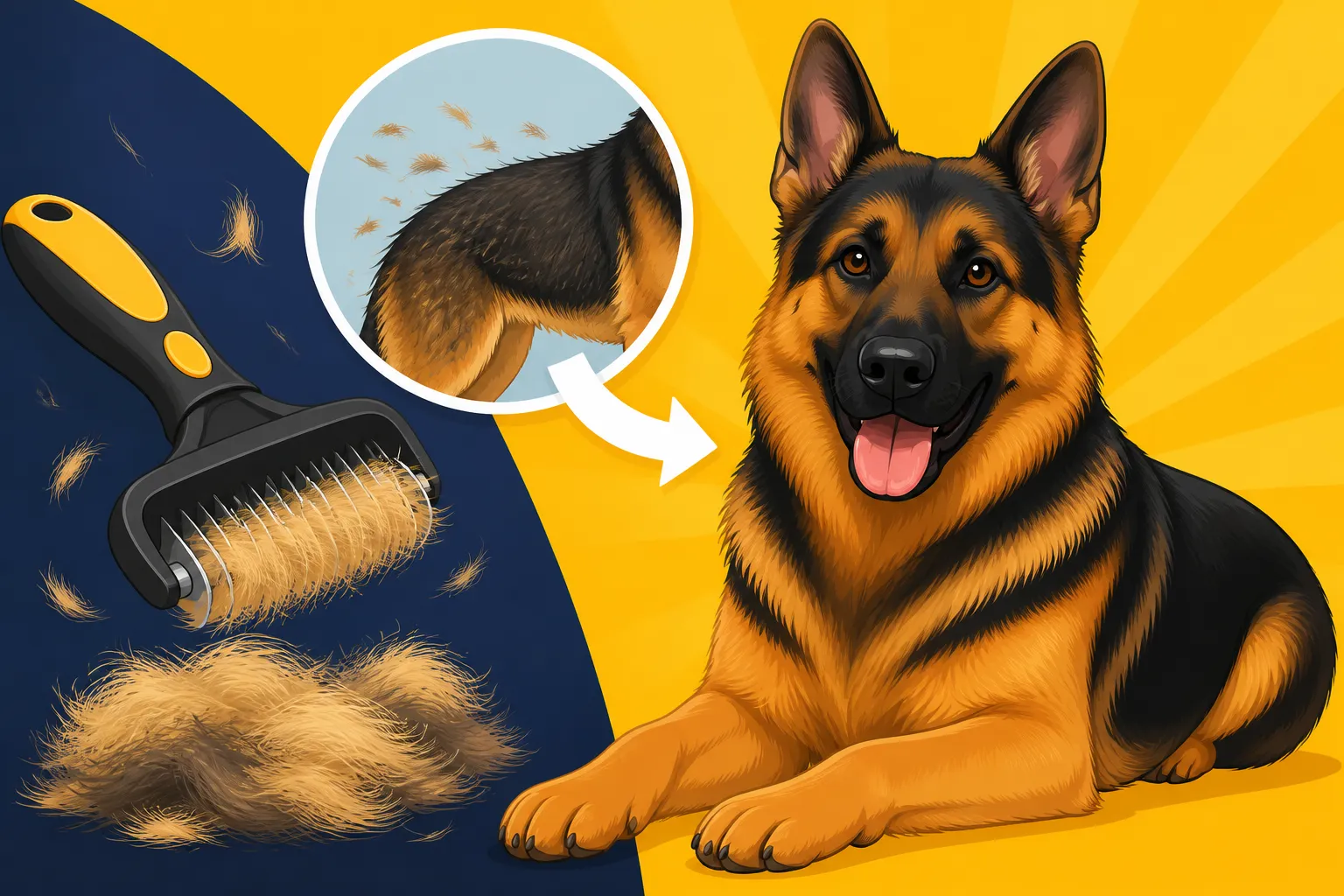
How to Deshed a German Shepherd
If you're a German Shepherd parent, you know the struggle is real: those majestic coats produce enough fur to knit a new dog every week! It feels like you're constantly battling an avalanche of shedding, finding hair on your clothes, furniture, and even in your coffee. But don't despair – managing your German Shepherd's incredible coat is absolutely possible with the right knowledge, tools, and routine. This comprehensive guide will walk you through everything you need to know to effectively deshed your German Shepherd, keep their coat healthy, and reclaim your home from the fur kingdom.
Understanding the German Shepherd Double Coat and Shedding Cycle
Before we dive into the nitty-gritty of deshedding, it's crucial to understand why German Shepherds shed so much. It's not just random; it's a finely tuned process tied to their unique coat structure and natural cycles. Their coat is a marvel of natural engineering, designed to protect them in various climates, but it does come with its own set of challenges for us owners.
The Anatomy of a German Shepherd's Coat
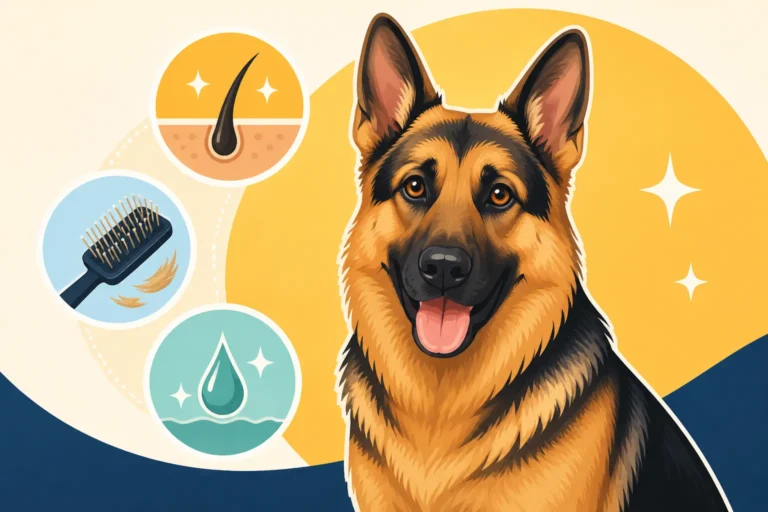
A German Shepherd's coat isn't just one layer; it's a sophisticated double coat, which is a hallmark of many working breeds. This dual-layer system provides superior insulation and protection.
The outer layer consists of what we call "guard hairs." These are tougher, coarser, and often longer hairs that give your German Shepherd their distinct appearance. The guard hairs are naturally water-resistant and act as a shield against dirt, debris, and UV rays. They're like a protective raincoat, keeping the elements away from the skin. While these hairs do shed, they're not the primary culprits behind the massive fur piles you find around your home. Their main job is protection and defining the dog's overall look.
Beneath this impressive outer layer lies the "undercoat." This is where the magic (and the madness) happens. The undercoat is incredibly dense, soft, and fluffy, composed of shorter, crimped hairs. Its primary function is insulation – keeping your dog warm in winter and cool in summer by trapping air close to the body. This undercoat is what sheds profusely, particularly during seasonal changes. Imagine a thick, woolen blanket nestled underneath a tough, outer shell. When that woolen blanket starts to detach, it creates those infamous fur tumbleweeds that seem to appear out of nowhere.
Why German Shepherds Shed So Much The "Blow Coat" Phenomenon
German Shepherds are notorious for their shedding, and it's largely due to this dense undercoat. Unlike single-coated breeds that shed a relatively consistent amount year-round, German Shepherds experience significant "blow outs" or "blow coats" twice a year.
These major shedding events typically happen in the spring, as they shed their thick winter undercoat to make way for a lighter summer coat, and again in the fall, when they shed their summer coat to grow in a denser winter one. During these periods, it can feel like your dog is literally disintegrating into a cloud of fur. The amount of hair that comes off during a blow coat can be astonishing, easily filling multiple grocery bags. Factors like daylight hours, temperature changes, and even hormonal shifts play a significant role in triggering these cycles. However, German Shepherds also shed a moderate amount of hair year-round, so a consistent grooming routine is essential, not just during their seasonal coat blows. Understanding this natural cycle helps us prepare and manage expectations – you can't stop it, but you can certainly control it. For more insights into this, you might find our guide on German Shepherd Shedding: How to Manage It really helpful.
Essential Tools for Effective Deshedding
Having the right tools is half the battle when it comes to effectively deshedding your German Shepherd. Trying to tackle their double coat with just a basic brush is like trying to drain a swimming pool with a teacup – it’s frustrating and ineffective. Investing in quality grooming tools designed for double-coated breeds will make a monumental difference, both for your sanity and your dog's comfort.
Deshedding Brushes and Rakes
These are your primary weapons against the fur invasion. They are specifically designed to penetrate the dense topcoat and reach the undercoat, removing loose hair before it ends up all over your home.
One of the most popular deshedding tools is the FURminator deShedding Tool. It features a fine-toothed blade that gently pulls out loose undercoat hair without cutting or damaging the guard hairs. Many owners swear by its effectiveness, and you can often find them at major pet retailers like Chewy or on Amazon. When using a FURminator, remember to use light, short strokes, going with the direction of hair growth. Never press hard or use it aggressively, as it can cause irritation or brush burn if used improperly. It’s best used on a dry, clean coat.
Another indispensable tool is the undercoat rake. These often have long, rotating teeth or blades that are designed to detangle and remove loose undercoat without damaging the topcoat. Brands like Hertzko, SleekEZ, or even basic grooming rakes work wonders. An undercoat rake is particularly effective during a blow coat when the undercoat is shedding heavily. Start by gently working through the coat, making sure to get down to the skin, but always being mindful not to scratch or pull too hard. The key is consistency and patience. These rakes help break up the mats and tangles of shedding undercoat that can otherwise become tightly packed and uncomfortable for your dog. If you're looking for more details on brushes, check out our guide on the Best Brush for a German Shepherd Double Coat.
High-Velocity Dog Dryers
This might sound like an indulgence, but a high-velocity dog dryer is an absolute game-changer for deshedding, especially after a bath. Unlike human hair dryers, which use heat that can damage a dog's skin and coat, these dryers use powerful, cool or lukewarm air to literally blast loose hair out of the coat.
Imagine all that loose undercoat trapped under the guard hairs. A regular towel or even air drying simply won't remove it effectively. A high-velocity dryer, sometimes called a force dryer, pushes the hair out. It's incredibly efficient at removing a huge amount of dead hair in a short amount of time, preventing it from shedding all over your house later. Start on a low setting and slowly increase the power as your dog gets used to it. Always aim the nozzle away from their face and sensitive areas, and ensure your dog has eye and ear protection (like happy hoodies or cotton balls in their ears) to protect them from the noise and direct air. This tool helps separate the coat hairs, allowing the dead undercoat to be blown away. It's an investment, but one that pays dividends in reduced shedding and a cleaner home.
Shampoos and Conditioners for Shed Control
While no shampoo can magically stop shedding, certain formulations can certainly help by loosening dead hair and promoting a healthier coat, which in turn reduces excessive shedding.
Look for shampoos and conditioners specifically marketed as "deshedding" or "shed control." These products often contain ingredients like Omega fatty acids, oatmeal, and various vitamins that promote healthy skin and hair follicles. Ingredients such as hydrolyzed wheat protein or essential oils like lavender can also help to condition the coat, making it easier for loose hairs to detangle and release during bathing and brushing. Brands like FURminator also offer their own line of deshedding shampoos and conditioners that work synergistically with their tools. When bathing, let the conditioner sit for a few minutes to fully penetrate the coat before rinsing thoroughly. A clean, well-conditioned coat is easier to brush and will shed less than a dry, damaged one. Using a good quality shampoo is part of a broader German Shepherd Coat and Skin Care routine that can significantly impact shedding.
Step-by-Step Guide to Deshedding Your German Shepherd
Deshedding a German Shepherd can seem like a daunting task, but by breaking it down into manageable steps, you can turn it into a much less overwhelming (and even enjoyable) routine for both you and your furry friend. Consistency is key, and approaching it with patience and the right technique will yield the best results.
Pre-Deshedding Preparation
Before you even think about getting your German Shepherd wet or bringing out the heavy-duty brushes, take some time to prepare. This step is often overlooked but can significantly impact the success and ease of your deshedding session.
First, choose a suitable location. If you're doing a full bath and blow-out, a bathroom or an outdoor space with easy access to water is ideal. Make sure the area is secure so your dog can't easily escape, especially if they're not thrilled about grooming. Gather all your tools: your chosen deshedding brush or rake, high-velocity dryer, shed-control shampoo and conditioner, towels, treats, and any protective gear for your dog (like ear covers). Having everything within reach will prevent you from scrambling mid-session. Next, spend some time brushing your dog before the bath. A thorough pre-bath brush with an undercoat rake can remove a surprising amount of loose hair, making the bathing process cleaner and more effective. This initial brushing also helps to work out any larger mats or tangles, which are much harder to address when wet. Finally, and perhaps most importantly, get your dog comfortable. Offer treats, gentle praise, and speak in a calm, reassuring voice. A relaxed dog is a cooperative dog, and positive associations with grooming are vital.
The Deshedding Bath
The bath is a crucial component of the deshedding process, as water and shampoo help to loosen and release dead hair from the follicles. Don't skip this step, especially during those heavy "blow coat" periods.
Start by thoroughly wetting your German Shepherd's coat. This can take longer than you think due to their dense double coat. Make sure the water penetrates all the way down to the skin. Once wet, apply a generous amount of your deshedding shampoo. Work it deep into the undercoat, massaging it all over their body. Pay extra attention to areas that tend to shed heavily, like their back, hindquarters, and chest. Allow the shampoo to sit for the recommended time (usually 5-10 minutes) to allow the ingredients to work their magic and loosen the dead hair. After rinsing the shampoo completely, follow up with a deshedding conditioner. This helps to hydrate the skin, smooth the hair cuticles, and make the coat more manageable. Again, allow it to sit for a few minutes before rinsing until the water runs clear and there's no residue. In terms of frequency, most German Shepherds don't need daily or even weekly baths. During heavy shedding, a bath every 2-4 weeks can be beneficial, but generally, bathing every 6-8 weeks is sufficient for maintaining a healthy coat and skin. Over-bathing can strip natural oils, leading to dry skin and potentially more shedding. If you're unsure about bathing frequency, our guide on How Often Should You Bathe a German Shepherd provides excellent advice.
Drying and Blowing Out the Undercoat
This is arguably the most effective stage for truly removing loose undercoat, and it's where that high-velocity dryer really shines.
After the bath, towel dry your German Shepherd as much as possible to remove excess water. Then, introduce the high-velocity dryer. Start on a low setting and slowly increase the air pressure, continually watching your dog's reaction. Use the dryer to "push" the water out of the coat, rather than just drying it. Hold the nozzle close to the coat, but not touching, and direct the air in the direction of hair growth first, then against it in short bursts to really lift and separate the undercoat. You'll be amazed at the clouds of fur that fly off! Doing this outdoors or in an easy-to-clean area is highly recommended. As you blow, you'll see large amounts of dead, fluffy undercoat being propelled out of their topcoat. Continue until their coat is mostly dry and you've removed as much loose hair as possible. This process not only dries them efficiently but also helps prevent matting and hot spots, which can be a concern for dogs with dense coats.
Final Brushing and Maintenance
Once your German Shepherd is thoroughly dry, it's time for the final touches and establishing a regular maintenance routine.
After the blow-out, go over their coat one more time with your undercoat rake and/or deshedding tool. This will catch any remaining loose hairs that the dryer might have missed and ensure their coat is smooth and tangle-free. This final brushing helps distribute natural oils, leaving their coat shiny and healthy. Now that the bulk of the shedding is handled, focus on consistent maintenance. Between major deshedding sessions, regular brushing 2-3 times a week with an undercoat rake or slicker brush can significantly reduce the amount of fur accumulating in your home. This preventative brushing helps to keep the undercoat from packing down, prevents matting, and stimulates healthy hair growth. Remember, the goal isn't to stop shedding entirely – that's impossible and unhealthy for a double-coated breed – but to manage it effectively. Establishing a routine helps your dog get comfortable with the process, making future sessions easier. Our article on How Often to Brush a German Shepherd can give you a deeper dive into optimal brushing schedules.
Advanced Tips and Common Mistakes to Avoid
Managing a German Shepherd's coat is an ongoing commitment, and there are always ways to refine your approach. Beyond the basic steps, some advanced tips can further reduce shedding, while avoiding common mistakes can prevent unnecessary issues for your dog and more frustration for you.
Nutritional Support for a Healthy Coat
What goes into your German Shepherd's body has a direct impact on the health and quality of their coat. A well-nourished dog with healthy skin and coat tends to shed less excessively and maintains a more resilient fur.
One of the most impactful dietary additions for coat health is Omega fatty acids, specifically Omega-3 and Omega-6. These essential fatty acids are crucial for skin hydration, reducing inflammation, and promoting a strong, shiny coat. You can find them in supplements like fish oil (salmon oil, cod liver oil) or flaxseed oil. Many high-quality dog foods, especially those formulated for large breeds, also include these beneficial fats. For instance, brands like Ollie, which offers fresh, human-grade dog food, often boast ingredient lists designed to support overall health, including skin and coat.
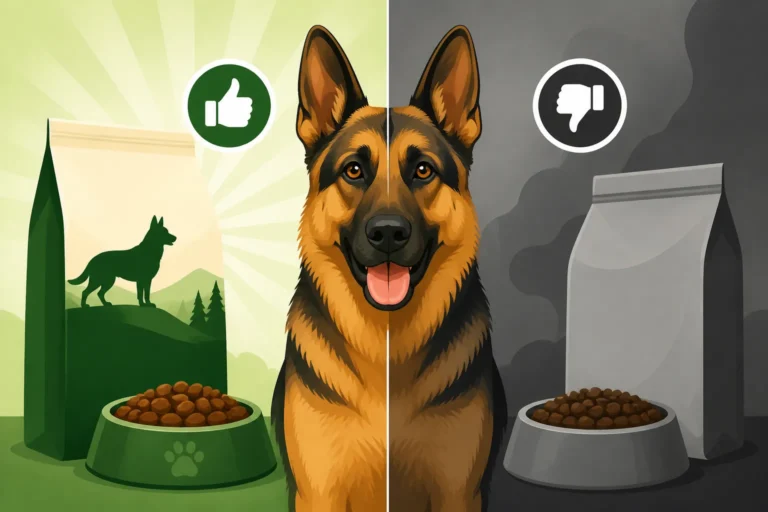
Beyond supplements, the quality of your dog's primary diet is paramount. Feeding a balanced diet with high-quality protein sources (like chicken, beef, or fish) and appropriate carbohydrates can make a world of difference. Cheap fillers and artificial ingredients can sometimes contribute to dull coats, dry skin, and increased shedding. Look for dog foods that list real meat as the first ingredient and avoid excessive grains if your dog shows sensitivities. A healthy gut also plays a role in nutrient absorption, so sometimes adding probiotics can indirectly support coat health. If you notice persistent dry skin or excessive shedding despite a good grooming routine, it might be worth discussing your German Shepherd's diet with your vet and considering dietary changes or specific supplements. Our guide on German Shepherd Dry Skin: Diet Fixes has more comprehensive information on this topic.
The Truth About Shaving Your German Shepherd
This is a mistake many well-meaning German Shepherd owners consider, especially during the warmer months or heavy shedding seasons. Let's be unequivocally clear: do not shave your German Shepherd.
Shaving a double-coated breed like a German Shepherd can cause far more harm than good. Their double coat isn't just about warmth; it's a complex temperature regulation system. The undercoat insulates against both cold and heat, while the guard hairs protect against sunburn and insect bites. When you shave off the coat, you remove this natural insulation, making them more susceptible to overheating, sunburn, and even hypothermia if exposed to cold. Furthermore, shaving can permanently damage the coat, leading to what's known as "clipper alopecia." The undercoat often grows back faster and coarser than the guard hairs, resulting in a patchy, uneven coat that no longer functions as intended. It can also make shedding worse in the long run, as the damaged coat loses its natural shedding rhythm. Instead of solving the shedding problem, you create a host of new ones. Trust in proper deshedding techniques rather than reaching for the clippers. This is a crucial point, and we delve deeper into it in our article Should You Shave a German Shepherd: The Truth.
When to Seek Professional Grooming Help
While many German Shepherd owners can handle routine deshedding at home, there are times when bringing in a professional groomer is the best course of action.
One obvious scenario is if your dog develops severe matting. German Shepherds can get mats, especially behind the ears, in their "armpits," or around their hindquarters, if their shedding undercoat isn't properly removed. These mats can be incredibly painful, pull on the skin, and even cause skin infections. Trying to remove severe mats at home without proper tools and training can be distressing for your dog and potentially cause injury. A professional groomer has the expertise and specialized tools to safely and humanely remove mats, often without resorting to shaving the entire dog. Another reason to seek professional help is if your German Shepherd is particularly anxious or reactive to grooming. Some dogs simply don't tolerate the force dryer or extensive brushing at home. A professional groomer often has techniques, equipment, and a calm demeanor that can make the experience less stressful for your dog. Lastly, if you simply don't have the time, the space, or the proper tools (like a high-velocity dryer), a professional deshedding service can be an excellent investment. They can perform a thorough "furminator" or deshedding treatment that will significantly reduce shedding for weeks. Don't feel guilty about seeking help; sometimes it's the kindest thing you can do for your dog and your home.
Creating a Deshedding Schedule and Routine
Successfully managing your German Shepherd's shedding isn't a one-time event; it's an ongoing process. Establishing a consistent schedule and making deshedding a positive part of your dog's life will make all the difference, transforming a chore into a bonding experience.
Seasonal Shedding vs. Year-Round Management
The approach to deshedding your German Shepherd needs to adapt to their natural cycles, specifically distinguishing between their seasonal "blow coats" and everyday, year-round shedding.
During the intense "blow coat" seasons – typically spring and fall – your deshedding efforts will need to ramp up significantly. This is when you should plan for more frequent and intensive grooming sessions, perhaps a full bath and high-velocity blow-out every 2-4 weeks, coupled with daily brushing with an undercoat rake. This proactive approach helps to remove the massive amount of dead undercoat that needs to come out, preventing it from forming mats or covering every surface in your home. Be prepared to dedicate more time during these periods, as the amount of fur released can be truly astonishing.
Outside of these peak shedding periods, a consistent year-round maintenance routine is still essential. Even without a full coat blow, German Shepherds shed a moderate amount daily. Aim for at least 2-3 thorough brushing sessions per week using an undercoat rake or slicker brush. These regular brushings help to catch loose hairs before they fall out, distribute natural oils for a healthy coat, and prevent smaller mats from forming. A full bath and deshedding treatment can be performed every 6-8 weeks during these less intensive periods. By tailoring your approach to the season, you'll be much more effective and less overwhelmed by the sheer volume of fur. For a holistic view, consider how this fits into their overall German Shepherd Health Problems Guide, as coat health is often an indicator of general well-being.
Making Deshedding a Positive Experience
Grooming, including deshedding, shouldn't be a battle. By making it a positive and consistent experience from an early age, you can foster a cooperative attitude in your German Shepherd, making sessions easier for everyone involved.
Start slow, especially with puppies. Introduce tools gently, letting them sniff and investigate without immediately using them. Use lots of high-value treats and praise throughout the process. For example, during a brushing session, give a treat every few minutes, especially when your dog remains calm. Keep initial sessions short – even just 5-10 minutes – and gradually increase the duration as your dog becomes more comfortable. If your dog shows signs of stress (like lip-licking, yawning, trying to escape, or growling), stop the session immediately and try again later with a shorter duration or different approach. Never punish your dog for being uncooperative during grooming; this will only create a negative association and make future sessions even harder.
Consistency is key to building trust and routine. If grooming only happens sporadically and feels like an ordeal, your dog will dread it. Regular, gentle sessions, even if brief, teach your dog what to expect and that it's nothing to fear. Consider incorporating a special "grooming treat" that they only get during these times. Some owners find playing calming music or using an aromatherapy diffuser can help create a more relaxed environment. Remember, your German Shepherd looks to you for guidance and reassurance. Your calm, positive attitude will go a long way in shaping their perception of deshedding as just another normal, and even pleasant, part of their life.
| Deshedding Tool | Primary Use | Best For | Effectiveness (1-5 stars) | Key Benefits |
|---|---|---|---|---|
| Undercoat Rake | Removing loose undercoat and detangling | Seasonal blow-outs, matted fur | ⭐⭐⭐⭐⭐ | Reaches deep into the coat, breaks up mats, prevents matting |
| Deshedding Blade | Removing dead undercoat | Regular maintenance, heavy sheds | ⭐⭐⭐⭐ | Very efficient at pulling out loose fur, reduces shedding volume |
| Slicker Brush | Removing loose surface hair, detangling | General brushing, finishing | ⭐⭐⭐ | Good for overall coat health, less effective on dense undercoat |
| Pin Brush | Long-haired coats, detangling | Long-haired GSDs, general brushing | ⭐⭐⭐ | Gentle on skin, good for daily maintenance, doesn't pull too much |
| Rubber Curry Brush | Loosening dead hair during bath, massage | Bath time, short coat breeds | ⭐⭐⭐ | Stimulates skin, easy to clean, gentle massage |
| High-Velocity Dryer | Blasting out loose undercoat after a bath | Seasonal blow-outs, professional finish | ⭐⭐⭐⭐⭐ | Rapid drying, incredible undercoat removal, prevents hot spots |
Disclaimer
The information provided in this guide is for general informational purposes only and is not intended as a substitute for professional veterinary or grooming advice. Always consult with a qualified veterinarian regarding your German Shepherd's health, diet, and specific grooming needs. Individual results from deshedding techniques and products may vary.