Is Nutro Good for a German Shepherd
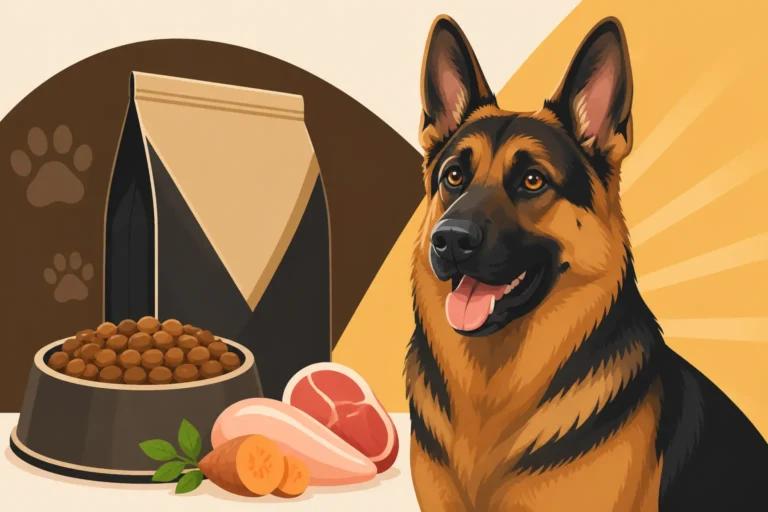
Bringing a magnificent German Shepherd into your life comes with a lot of responsibility, and one of the biggest questions on every owner's mind is always about their nutrition. With so many dog food brands out there, it’s easy to feel overwhelmed, wondering if you're truly choosing the best for your beloved companion, especially when a brand like Nutro frequently pops up in discussions. This guide will take a deep dive into whether Nutro dog food is a good choice for your German Shepherd, examining its ingredients, formulations, and how it aligns with the unique dietary needs of this incredible breed.
Understanding the Nutritional Imperatives of German Shepherds
German Shepherds are truly remarkable dogs – intelligent, active, and loyal to a fault. But with their specific breed characteristics come distinct nutritional requirements. It's not just about filling their bowl; it's about fueling their strong bodies and keen minds for a long, healthy life. Neglecting these needs can lead to a host of problems, from joint issues to skin sensitivities, which is the last thing any devoted GSD parent wants.
High Energy and Joint Support
Let's face it, a German Shepherd isn't content to be a couch potato. These dogs are built for activity, whether it's herding, protection work, or just an energetic game of fetch in the park. This high energy output means they require a diet rich in high-quality protein to support lean muscle mass and sustained energy. Without adequate protein, their powerful bodies can't maintain their strength and stamina, potentially leading to fatigue or even muscle loss over time.
Beyond protein, the health of their joints is paramount. German Shepherds are notoriously prone to orthopedic issues like German Shepherd Hip Dysplasia Explained and German Shepherd Elbow Dysplasia: Symptoms and Treatment. A diet that actively supports joint health, ideally with ingredients like glucosamine and chondroitin, is not just a nice-to-have, it's an essential component of preventative care. Starting these supportive nutrients early can make a significant difference in their comfort and mobility as they age, helping to potentially stave off some of the more severe symptoms of arthritis later in life.
Sensitive Stomachs and Allergies
Many German Shepherd owners can tell you a frustrating tale about trying to find a dog food that doesn't upset their dog's stomach. It feels like a constant battle, doesn't it? From loose stools to gas and vomiting, their digestive systems can be quite particular. This often means carefully selecting foods with easily digestible ingredients and avoiding common allergens that can trigger a flare-up. German Shepherd Sensitive Stomach Solutions are highly sought after for a reason.
Food allergies are also a real concern for the breed. Common culprits often include chicken, beef, dairy, wheat, and soy. When a German Shepherd reacts to an ingredient, it's not just digestive upset; you might see itchy skin, ear infections, or even excessive paw licking. Navigating these sensitivities requires a keen eye on ingredient labels and sometimes a process of elimination under veterinary guidance to pinpoint the exact triggers. Finding a food that minimizes these potential irritants is key to a happy, comfortable pup.
Coat Health and Overall Vitality
That thick, luxurious double coat of a German Shepherd isn't just beautiful; it's a testament to their overall health. A dull, dry, or excessively shedding coat can often be a warning sign that something is off with their diet or general well-being. Essential fatty acids, particularly Omega-3 and Omega-6, play a crucial role in maintaining healthy skin and a shiny, strong coat. These nutrients help reduce inflammation, promote skin barrier function, and keep shedding manageable (though let's be honest, a German Shepherd will always shed!).
Beyond their outward appearance, a balanced diet contributes to their immune system, cognitive function, and general vitality. They need a full spectrum of vitamins, minerals, and antioxidants to thrive. Just like us, what they eat directly impacts how they feel, how well they respond to training, and their overall zest for life. A truly good dog food aims to nourish every aspect of their being.
A Deep Dive into Nutro Dog Food for German Shepherds
Now that we've covered what German Shepherds need, let's talk about Nutro. This brand often positions itself as a natural, wholesome option, and many pet parents are curious if it lives up to the hype for their specific breed. Nutro offers several lines of food, each with slightly different formulations, which can make choosing the right one a bit confusing.
Key Ingredients and Formulation Analysis
Nutro generally focuses on using real animal protein as the first ingredient, which is a big plus for German Shepherds. You'll often see deboned chicken, lamb, or salmon leading the ingredient list, followed by whole grains like brown rice or barley, or grain-free alternatives like lentils and peas in their respective lines. They typically avoid artificial colors, flavors, and preservatives, which is excellent news for sensitive GSD stomachs.
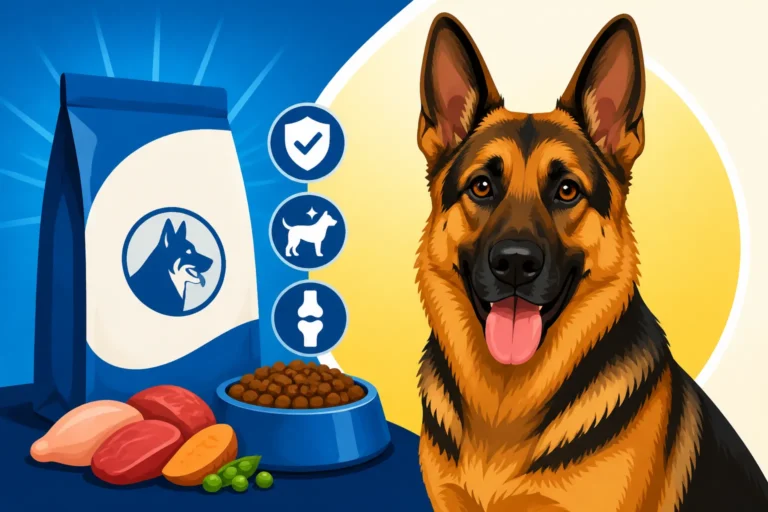
However, it's important to look beyond just the first ingredient. Many of Nutro's recipes also include a balanced blend of fats from sources like chicken fat, sunflower oil, and flaxseed, providing those crucial Omega-3 and Omega-6 fatty acids for skin and coat health. For joint support, you might find some formulas fortified with glucosamine and chondroitin, especially in their large breed or senior-specific lines. This attention to detail in their ingredient sourcing is why many vets often suggest considering Nutro as a viable option for a balanced diet.
Let's take a look at a general comparison of some of Nutro's popular lines and how they might fit a German Shepherd's needs:
| Nutro Line | Primary Focus | Protein Source (Example) | GSD Suitability Considerations |
|---|---|---|---|
| Nutro Wholesome Essentials | General Health & Digestibility | Chicken, Lamb | Good for average GSD; often contains brown rice for steady energy. |
| Nutro Ultra | Multi-Protein & Superfoods | Chicken, Lamb, Salmon | Diverse nutrient profile, good for active GSDs, potentially richer. |
| Nutro Limited Ingredient Diet | Allergy & Sensitivity Management | Lamb, Salmon | Excellent for GSDs with known sensitivities or allergies. |
| Nutro Large Breed Puppy | Controlled Growth, Joint Support | Chicken | Crucial for GSD puppies to prevent rapid growth issues. |
| Nutro Large Breed Adult | Joint Health, Lean Muscle Maintenance | Chicken, Lamb | Formulated with glucosamine/chondroitin, suitable for adult GSDs. |
Different Nutro Lines and Their Suitability
Nutro doesn't just offer a single type of dog food; they have several distinct lines, each designed for different needs. For a German Shepherd, certain lines might be more appropriate than others.
- Nutro Wholesome Essentials: This is their classic line, often featuring chicken or lamb as the primary protein. It's usually balanced with whole grains like brown rice, which can be a good source of digestible carbohydrates for sustained energy. For an adult German Shepherd with no specific health issues, this can be a solid everyday option. The fiber content can also aid in digestion, which is always a plus for our GSD friends.
- Nutro Ultra: If you're looking for a more nutrient-dense option, Nutro Ultra might appeal. It's often formulated with a trio of proteins (like chicken, lamb, and salmon) and a blend of "superfoods" (e.g., kale, blueberries, chia seeds). This line could be particularly beneficial for highly active German Shepherds or those who need an extra boost of antioxidants and diverse nutrient sources.
- Nutro Limited Ingredient Diet (L.I.D.): This line is a lifesaver for many German Shepherds battling food sensitivities or allergies. By simplifying the ingredient list and using novel proteins (like salmon or venison) with single carbohydrate sources, it significantly reduces the chances of an adverse reaction. If your German Shepherd is constantly scratching, has chronic ear infections, or suffers from frequent gastrointestinal upset, exploring a Nutro L.I.D. formula could be a crucial step in their German Shepherd Allergies: Causes and Relief.
- Nutro Large Breed Puppy & Adult Formulas: These are perhaps the most directly relevant for German Shepherds. The puppy formula is specifically designed for the controlled growth needed by large breeds, helping to prevent bone and joint issues that can arise from growing too quickly. The adult large breed formula often includes higher levels of natural sources of glucosamine and chondroitin, which, as we discussed, are vital for hip and elbow health. Switching to a large breed-specific diet can be a proactive measure to support their long-term orthopedic health.
Potential Pros and Cons for German Shepherds
No dog food is a perfect fit for every single dog, and Nutro is no exception. It's important to weigh the potential benefits against any drawbacks to make an informed decision for your German Shepherd.
Pros:
- High-Quality Protein: Many Nutro formulas list real meat as the first ingredient, which is essential for a German Shepherd's muscle maintenance and energy levels.
- Natural Ingredients: Nutro prides itself on using natural ingredients and avoiding artificial preservatives, colors, and flavors. This can be a huge benefit for German Shepherds with sensitive stomachs or general dietary sensitivities.
- Targeted Formulas: The availability of large breed-specific formulas with added joint support (glucosamine and chondroitin) is a major advantage for a breed prone to hip and elbow dysplasia. Their Limited Ingredient Diet line also addresses common allergy concerns.
- Digestibility: Many owners report good stool quality and fewer digestive upsets when feeding Nutro, especially the Wholesome Essentials or L.I.D. lines.
- Availability: Nutro products are widely available at major pet retailers like Chewy and even large online marketplaces like Amazon, making it relatively easy to purchase.
Cons:
- Cost: Compared to some generic brands, Nutro can be a bit more expensive. While quality often comes at a price, budget is a real concern for many families. However, investing in good nutrition can potentially save on vet bills down the line for German Shepherd Health Problems Guide.
- Grain Content (for some lines): While many German Shepherds do well on grains, some owners prefer grain-free diets, either due to perceived sensitivities or personal philosophy. While Nutro does offer grain-free options, a significant portion of their lines contain grains like rice or barley. It’s a matter of individual dog needs and owner preference.
- Ingredient Changes: Like many large brands, Nutro occasionally updates its formulations. It's always a good practice to double-check the ingredient list, especially if your German Shepherd has specific allergies or sensitivities, to ensure no new ingredients have been added that could cause an issue.
- Limited Novel Protein Options in L.I.D.: While Nutro's L.I.D. line is good, some dogs with very rare or multiple protein allergies might need even more specialized diets that Nutro might not offer. In such cases, a prescription diet or a fresh food service like Ollie might be explored under veterinary guidance.
Real-World Considerations and Feeding Tips
Choosing a dog food is never a "set it and forget it" decision. Your German Shepherd's needs can change over time due to age, activity level, or health status. Even if Nutro seems like a great fit on paper, how your individual dog responds is the ultimate test.
Transitioning to a New Food
If you decide to switch your German Shepherd to Nutro (or any new food, for that matter), a slow transition is absolutely crucial. A sudden change can wreak havoc on their digestive system, leading to diarrhea, vomiting, or a general aversion to the new food.
Here’s a general guideline for a smooth transition:
- Day 1-2: 75% old food, 25% new food.
- Day 3-4: 50% old food, 50% new food.
- Day 5-6: 25% old food, 75% new food.
- Day 7+: 100% new food.
For German Shepherds with particularly sensitive stomachs, you might even extend this transition period to 10-14 days. Watch your dog closely for any signs of discomfort, loose stools, or lack of appetite. If issues arise, slow down the transition or consult your vet. This gradual approach gives their gut microbiome time to adjust, making the switch much easier on both of you.
Monitoring Your German Shepherd's Response
Once your German Shepherd is fully on Nutro, you'll need to monitor them carefully for several weeks to truly gauge its effectiveness. This isn't just about whether they eat it – it's about their overall health and well-being.
Keep an eye out for these key indicators:
- Stool Quality: Are their poops firm, well-formed, and easy to pick up? This is one of the best indicators of good digestion. Loose stools or excessive gas could mean the food isn't agreeing with them.
- Energy Levels: Is your German Shepherd maintaining their typical energy? Are they bright, alert, and ready for playtime? A sudden drop in energy could signal inadequate nutrition.
- Coat Condition: Is their coat shiny, soft, and free from excessive dandruff or oiliness? A healthy diet should support a vibrant coat, minimizing issues like German Shepherd Skin Problems and Fixes.
- Skin Health: Look for any signs of itching, redness, or hot spots. These can be tell-tale signs of an allergic reaction or sensitivity to an ingredient in the food.
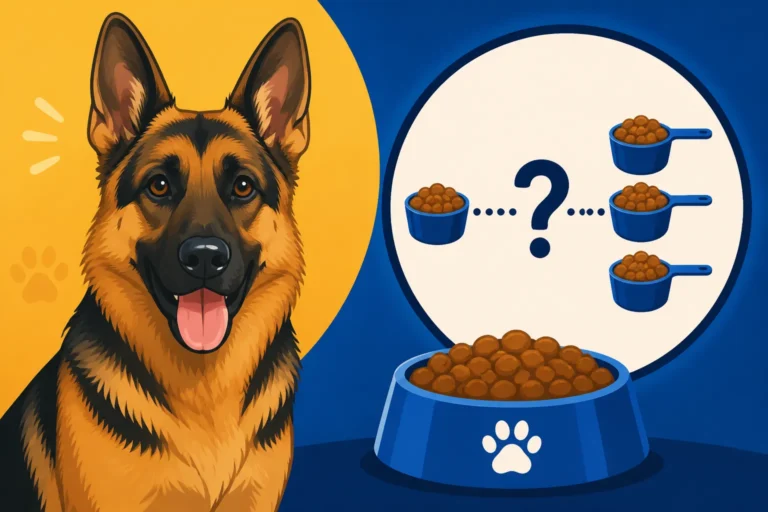
- Weight Management: Are they maintaining a healthy weight? You should be able to feel their ribs without seeing them, and they should have a discernible waist. Adjust feeding amounts as necessary, always following the guidelines on the Nutro bag but tailoring to your dog's individual metabolism and activity.
- Overall Demeanor: Are they happy and thriving? A well-fed German Shepherd is generally a happy German Shepherd.
Remember, every dog is an individual. What works wonders for one German Shepherd might not be ideal for another. Be patient and observant.
Consulting Your Veterinarian
Ultimately, your veterinarian is your best resource when making dietary decisions for your German Shepherd. They know your dog's medical history, any predispositions they might have, and can offer personalized advice. Before making any significant changes to your German Shepherd's diet, especially if they have existing health conditions or known allergies, always have a chat with your vet.
They can help you:
- Assess current health: A blood panel or other tests can reveal underlying issues that might influence dietary choices.
- Recommend specific formulas: Based on your GSD's age, weight, activity level, and health profile, they might suggest a particular Nutro line or even a different brand altogether.
- Guide on supplements: While Nutro large breed formulas often include joint support, your vet might recommend additional supplements, like those for German Shepherd Joint Health Supplements, especially for older dogs or those with diagnosed orthopedic conditions.
- Diagnose food sensitivities: If you suspect allergies, your vet can help guide you through an elimination diet or other diagnostic steps.
Choosing Nutro for your German Shepherd can certainly be a good option for many dogs, especially given their focus on natural ingredients and specialized large breed formulas. However, it's always about finding the right fit for your unique companion. Pay attention, transition slowly, and lean on your vet for guidance. Your German Shepherd deserves nothing less than the best, and a thoughtful approach to their nutrition is a huge part of that commitment.
Disclaimer
The information provided in this article is for educational purposes only and is not intended to be a substitute for professional veterinary advice, diagnosis, or treatment. Always seek the advice of your veterinarian or other qualified health provider with any questions you may have regarding a medical condition or diet for your German Shepherd.