How Much to Feed a Senior German Shepherd
It’s a tough moment for any German Shepherd parent when you start to notice the tell-tale signs of aging in your beloved companion. The boundless energy might be replaced with longer naps, the quick spring in their step with a more deliberate gait, and suddenly, their once-ravenous appetite might become a bit more finicky. Just like us, as our German Shepherds age, their bodies change, and so do their nutritional needs. Figuring out exactly how much to feed a senior German Shepherd can feel like navigating a minefield of conflicting advice, especially when you want to ensure they stay comfortable, healthy, and happy in their golden years. This comprehensive guide will walk you through everything you need to know to properly nourish your senior German Shepherd, helping them thrive through this special stage of life.
Understanding Your Senior German Shepherd's Changing Needs
As German Shepherds transition from adulthood into their senior years, typically around ages 7-8, their bodies undergo a variety of physiological changes. What worked perfectly for their diet as a young, active adult might actually be detrimental now. Recognizing these shifts is the first critical step in adapting their feeding regimen.
Metabolism Slowdown and Energy Requirements
One of the most significant changes in a senior German Shepherd is a decrease in their metabolic rate. They simply don't burn calories as efficiently or require as much energy as they once did. Think about it: they're likely less active, spending more time lounging, and their organs are working a bit slower. This metabolic shift means that if you continue to feed them the same amount of their adult dog food, they're highly susceptible to weight gain.
Excess weight isn't just a cosmetic issue; it's a serious health concern, especially for a large breed prone to joint problems. It puts additional strain on their already aging joints, exacerbates conditions like arthritis, and can contribute to other health issues like diabetes and heart disease. Adjusting their caloric intake downwards is usually necessary, focusing on nutrient-dense foods that provide satiety without excessive calories. The goal isn't to starve them, but to provide adequate energy for their current activity level and maintain a healthy weight.
Joint Health and Weight Management
German Shepherds are unfortunately well-known for their predisposition to orthopedic issues, particularly conditions like German Shepherd Hip Dysplasia Explained and elbow dysplasia. As they age, the cartilage in their joints naturally deteriorates, leading to pain and stiffness, often manifesting as German Shepherd Arthritis in Senior Dogs. Weight management becomes an even more critical component of joint health in senior dogs.
Every extra pound your senior German Shepherd carries adds stress to their hips, elbows, and spine. This increased pressure can accelerate the progression of arthritis and significantly worsen their discomfort. Beyond just reducing calories, incorporating specific nutrients and supplements into their diet can be profoundly beneficial. Ingredients like glucosamine, chondroitin, and omega-3 fatty acids (DHA and EPA) are often found in senior dog food formulas or can be added as supplements to support joint cartilage and reduce inflammation. Maintaining an ideal body condition score is paramount for their mobility and overall quality of life.
Digestive Sensitivities and Dental Concerns
Another common challenge for senior German Shepherds is a change in their digestive system. Their gastrointestinal tract might become less efficient, leading to sensitivities, occasional bouts of German Shepherd Loose Stool Common Causes, or even chronic conditions like exocrine pancreatic insufficiency (EPI). You might notice they're more prone to gas, bloating, or simply don't tolerate certain ingredients as well as they used to.
Dental health also plays a huge, often overlooked, role in a senior dog's ability to eat comfortably and properly. Years of chewing can lead to plaque and tartar buildup, gum disease, and even painful tooth loss. Imagine trying to eat hard kibble with a sore tooth! If your senior GSD suddenly shows less interest in food or drops pieces, it could be a sign of dental pain. Regular German Shepherd Dental Care Explained is crucial. For dogs with significant dental issues, transitioning to softer foods, or even just moistening kibble, can make a world of difference. Always consult your vet if you suspect dental problems, as professional cleaning or extractions might be necessary.
Determining the Right Amount of Food
There's no single "magic number" for how much to feed every senior German Shepherd. Each dog is an individual, with unique metabolism, activity levels, and health conditions. What's right for your neighbor's senior GSD might not be right for yours. The key is to pay close attention and make informed adjustments.
Calculating Caloric Needs
The average adult German Shepherd, depending on their size and activity, might consume anywhere from 1,700 to 2,400 calories per day. For a senior German Shepherd, this number will almost certainly decrease. A general guideline is that senior dogs often require about 20-30% fewer calories than their adult counterparts. However, this is just a starting point.
To get a more precise estimate, you can use a formula to calculate their Resting Energy Requirement (RER) and then multiply it by an appropriate factor for senior dogs. While consulting with your veterinarian is always the best approach, a rough calculation often used is:
- RER (kcal/day) = 70 x (body weight in kg)^0.75
Once you have the RER, you'd multiply it by a factor. For inactive, neutered senior dogs, a factor of 1.2 might be used, while slightly more active seniors might be 1.4-1.6.
Example:
Let's say your senior German Shepherd weighs 35 kg (approx. 77 lbs).
RER = 70 x (35)^0.75 = 70 x 14.8 = 1036 kcal/day.
If your GSD is an inactive senior, you might multiply this by 1.2: 1036 x 1.2 = 1243 kcal/day.
If they are still moderately active, perhaps 1.4: 1036 x 1.4 = 1450 kcal/day.
You'll then need to check the calorie content on your chosen dog food (usually listed as kcal/cup or kcal/kg) and divide your dog's target caloric intake by the food's caloric density to determine the daily portion. Remember, this is an estimate, and real-world observation is key.
The Importance of Body Condition Scoring
Relying solely on a dog's weight on a scale can be misleading. A better tool is Body Condition Scoring (BCS). This visual and tactile assessment helps you determine if your German Shepherd is at an ideal weight, too thin, or overweight. You want to aim for an ideal score of 4-5 on a 9-point scale.
How to Perform a BCS:
- Ribs: Gently feel along your dog's side. You should be able to easily feel their ribs without pressing hard, but they shouldn't be visibly protruding. If you can't feel them without significant pressure, they're likely overweight. If they're clearly visible, they might be underweight.
- Waist: Look down at your dog from above. They should have a noticeable "waist" — an indentation behind their rib cage before their hips. If they look like a straight line or bulge outwards, they're likely carrying too much weight.
- Abdominal Tuck: Look at your dog from the side. Their abdomen should tuck up slightly from their chest, not hang low or be parallel to the ground.
By regularly assessing your German Shepherd's BCS, you can make informed adjustments to their food intake. If they're trending towards overweight, gradually reduce their portion. If they're losing too much weight, slightly increase it. Your vet can show you how to accurately perform a BCS during your senior dog check-ups, which are vital for overall health as part of a comprehensive How to Care for a Senior German Shepherd plan.
Adjusting Portions Based on Activity Level
Even within the "senior" category, there's a huge spectrum of activity levels. Some senior German Shepherds might still enjoy daily walks and light play, while others might prefer short strolls and extensive napping. Their activity level is a major factor in their energy expenditure.
A dog that still goes for a couple of brisk walks each day will naturally need more calories than one who primarily potters around the yard and sleeps. Be honest with yourself about your dog's actual activity level, not what it used to be. Monitor their energy, their desire to play, and their general movement throughout the day. If you notice a significant decrease in activity, it's a clear signal to reassess and likely reduce their food portions. Conversely, if your senior GSD remains surprisingly spry, they might need closer to the higher end of the senior caloric range. Remember to factor in any treats, dental chews, or food used for administering medication – these all add to the daily caloric count.
Here's a simple table to guide your adjustments based on body condition:
| Body Condition Score (BCS) | Description | Action |
|---|---|---|
| 1-2 (Underweight) | Ribs, spine, pelvic bones very prominent; no fat. | Gradually increase food portion by 10-15%; consult vet for underlying health issues. |
| 3 (Lean Ideal) | Ribs easily felt; waist visible; minimal fat cover. | Maintain current feeding; monitor weight closely. |
| 4-5 (Ideal) | Ribs easily felt with slight fat cover; clear waist. | Maintain current feeding; this is the optimal target. |
| 6-7 (Overweight) | Ribs difficult to feel; waist less apparent; fat over spine. | Gradually decrease food portion by 5-10%; increase gentle activity if possible; consider senior weight management food. |
| 8-9 (Obese) | Ribs very difficult to feel; no waist; obvious fat deposits. | Significantly decrease food portion (10-20%); vet supervision for a controlled weight loss plan is crucial. |
Choosing the Best Food for a Senior German Shepherd
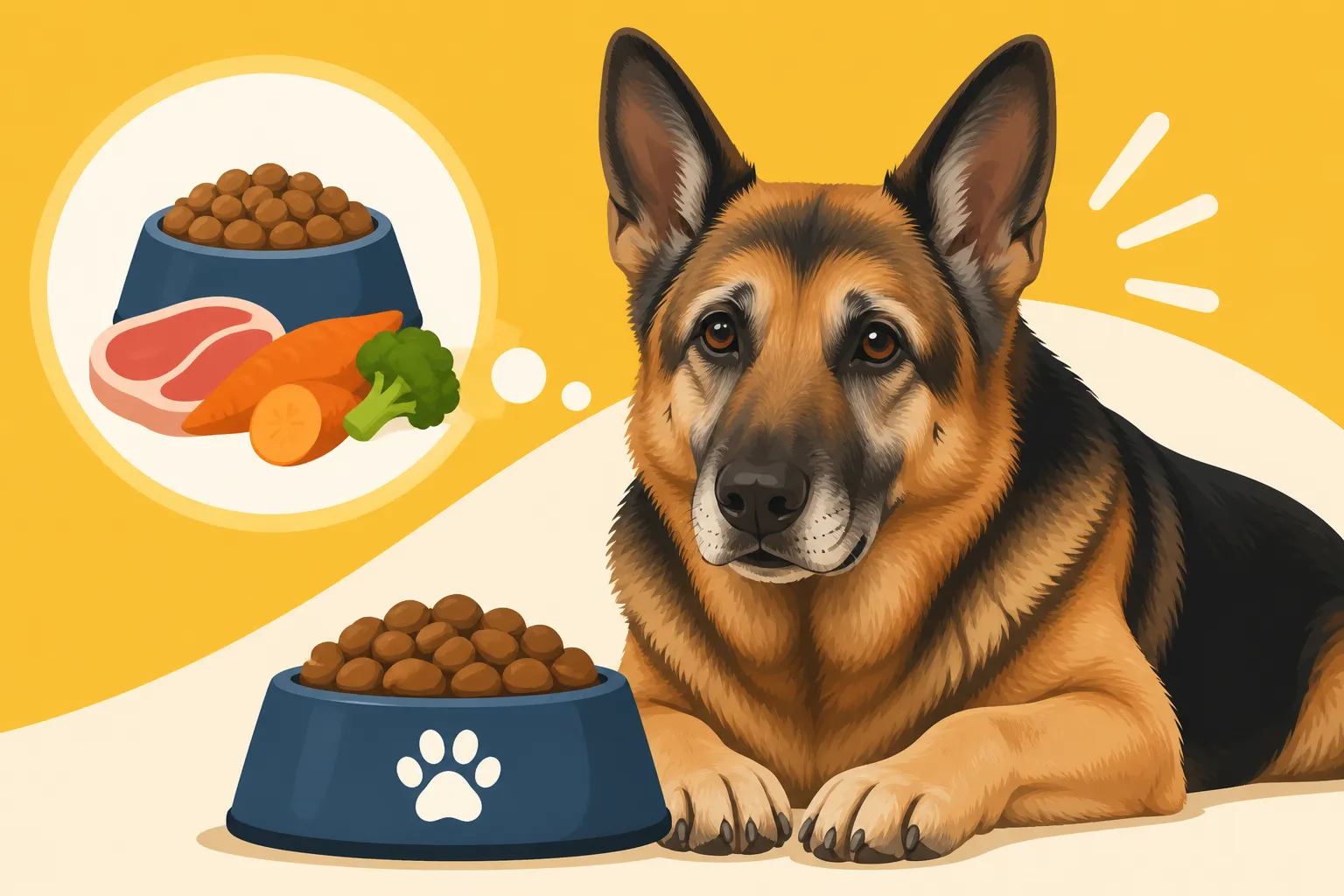
The type of food you offer your senior German Shepherd is just as important as the amount. High-quality senior-specific formulas are designed to address their unique physiological changes and support their health as they age.
Key Nutritional Components
When selecting a senior dog food, look for a formula that offers a balanced nutritional profile tailored for older dogs.
- Protein: Senior dogs still need high-quality protein to maintain muscle mass, but the type and digestibility are crucial. Too much low-quality protein can strain aging kidneys, while too little can lead to muscle wasting. Look for foods with easily digestible protein sources like chicken, turkey, lamb, or fish as the first few ingredients. Aim for moderate protein levels, often slightly higher than adult maintenance foods, but specifically formulated for seniors.
- Fats: Moderate levels of healthy fats, particularly omega-3 fatty acids (DHA and EPA), are important. These fats support cognitive function, reduce inflammation (beneficial for joint pain), and promote healthy skin and a shiny coat. Sources include fish oil, flaxseed, and certain vegetable oils.
- Carbohydrates and Fiber: Complex carbohydrates provide sustained energy. Fiber is vital for digestive health, helping to regulate bowel movements and promote a healthy gut microbiome. A good balance can also help senior dogs feel full without consuming excess calories. Prebiotics and probiotics are also beneficial additions to support their often more sensitive digestive systems.
- Vitamins and Minerals: Ensure the food is fortified with essential vitamins and minerals. Antioxidants like Vitamin E and C can help combat cellular damage from aging. Specific minerals, often in chelated forms for better absorption, support bone health and overall bodily functions.
- Joint Support: Many senior dog foods include glucosamine and chondroitin, which are crucial for joint health. These compounds help maintain cartilage and reduce pain associated with conditions like arthritis. If your chosen food doesn't have adequate amounts, your vet might recommend a separate joint supplement.
When checking ingredient lists, prioritize whole, recognizable ingredients over fillers and artificial additives.
Types of Senior Dog Foods (Kibble, Wet, Fresh)
The market offers a wide array of senior dog food options, each with its own advantages:
- Dry Kibble (Senior Formulas): This is the most common and often most economical choice. Senior-specific kibble formulas are designed with lower calorie counts, moderate protein, and added joint support. They are typically available on platforms like Chewy and Amazon, offering a vast selection from various reputable brands. The crunchy texture can also help with dental hygiene, though it might be challenging for dogs with severe dental pain.
- Pros: Convenient, cost-effective, aids dental health (if teeth are good), wide availability.
- Cons: Can be harder to chew for dogs with dental issues, lower moisture content, might be less palatable for some picky seniors.
- Wet/Canned Food (Senior Formulas): Wet food is often highly palatable and has a high moisture content, which is excellent for hydration, especially for senior dogs who might not drink enough water. It's also much easier for dogs with dental problems to consume.
- Pros: Highly palatable, high moisture content (good for hydration), easy to chew, softer texture.
- Cons: More expensive per serving, shorter shelf life once opened, might contribute to dental issues if not paired with regular dental care.
- Fresh/Human-Grade Food: Services like Ollie deliver freshly prepared, human-grade meals directly to your door. These diets are often highly digestible, palatable, and made with whole ingredients. They can be particularly beneficial for senior German Shepherds with sensitive stomachs or very particular appetites.
- Pros: Highly digestible, extremely palatable, made with whole, fresh ingredients, often customized to your dog's needs.
- Cons: Most expensive option, requires refrigeration, might not be suitable for all budgets.
- Homemade Diets: While possible, formulating a balanced homemade diet for a senior German Shepherd is extremely challenging and requires careful veterinary nutritionist guidance to ensure it meets all their complex nutritional requirements. Without expert input, it's very easy to create nutritional deficiencies or imbalances that can harm your dog in the long run.
Ultimately, the "best" food is one your senior German Shepherd thrives on, enjoys eating, and helps maintain their ideal body condition and overall health. Don't be afraid to try different types or brands, always making transitions slowly over 7-10 days to avoid digestive upset.
Considering Special Dietary Needs
Many senior German Shepherds develop specific health conditions that require specialized diets. It's not uncommon for them to experience issues beyond general aging, such as:
- Kidney Disease: This is a common concern in older dogs. Kidney-friendly diets are typically lower in phosphorus and protein (but still provide high-quality protein) to reduce the workload on the kidneys.
- Liver Disease: Dogs with liver issues may require diets with highly digestible protein, controlled fat levels, and specific vitamin supplementation.
- Heart Disease: Diets for heart conditions often involve controlled sodium levels to help manage fluid retention.
- Allergies: If your senior German Shepherd has developed German Shepherd Allergies Symptoms and Treatment, they might need a novel protein diet or a hydrolyzed protein diet to avoid specific allergens.
- Exocrine Pancreatic Insufficiency (EPI): For German Shepherds with EPI, a highly digestible, low-fiber diet, often with added pancreatic enzyme supplements, is crucial. For more details on managing this, you can refer to our guide on German Shepherd EPI Diet and Management.
- Pancreatitis: A history of German Shepherd Pancreatitis Diet will mean your senior GSD needs a low-fat diet to prevent flare-ups.
If your veterinarian diagnoses any of these conditions, they will likely recommend a prescription therapeutic diet specifically formulated to manage that illness. These diets are carefully balanced to support organ function and improve your dog's quality of life. Never attempt to formulate such a diet yourself without professional veterinary guidance.
Feeding Strategies and Practical Tips
Beyond what and how much you feed, how you feed your senior German Shepherd can significantly impact their well-being and enjoyment of mealtime.
Frequency and Timing of Meals
As German Shepherds age, their digestive systems can become less robust. Instead of one or two large meals a day, it can be beneficial to split their daily caloric intake into two, three, or even four smaller meals. This approach can:
- Reduce digestive upset: Smaller meals are easier to digest, reducing the likelihood of bloating, gas, or regurgitation.
- Maintain stable blood sugar levels: Especially important for senior dogs with conditions like diabetes.
- Keep them feeling satisfied: Spreading out meals can prevent long stretches of hunger, which can be particularly helpful for dogs on a reduced-calorie diet.
- Prevent bloat: While not as direct a prevention method as gastropexy, smaller meals can slightly reduce the risk of German Shepherd Bloat Signs and Prevention, a serious concern for deep-chested breeds.
Try to feed them at consistent times each day. Dogs thrive on routine, and consistent meal times can help regulate their digestive system and reduce anxiety around food. For example, if your dog gets breakfast at 7 AM and dinner at 5 PM, consider adding a small lunch at 12 PM and a light snack before bed.
Hydration and Supplements
Hydration is absolutely vital for senior German Shepherds. Their bodies are less efficient at retaining water, and many senior dogs tend to drink less, especially if they have joint pain that makes getting up to the water bowl difficult. Dehydration can exacerbate kidney problems, contribute to constipation, and make them feel generally unwell.
- Always provide fresh water: Ensure your German Shepherd always has access to clean, fresh water. Consider placing multiple water bowls around the house, especially if they have mobility issues.
- Elevated bowls: For dogs with arthritis or neck pain, elevated food and water bowls can make eating and drinking much more comfortable, preventing them from having to bend down too far.
- Add water to food: Mixing a bit of warm water or low-sodium bone broth into their kibble can increase their fluid intake and often makes the food more appealing.
- Wet food: Switching to or incorporating wet food into their diet is another excellent way to boost hydration.
Regarding supplements, always discuss them with your veterinarian first. However, many senior German Shepherds benefit from specific additions:
- Joint Supplements: Glucosamine, chondroitin, and MSM are common for supporting joint health. Omega-3 fatty acids (fish oil) also have powerful anti-inflammatory properties, making them excellent for aching joints. You can learn more about specific products in our guide on German Shepherd Joint Health Supplements.
- Probiotics: These can support a healthy gut microbiome, which is often compromised in older dogs, improving digestion and nutrient absorption.
- Antioxidants: Vitamins C and E, selenium, and other antioxidants can help combat oxidative stress associated with aging.
- Cognitive Supplements: For German Shepherds showing signs of cognitive decline (doggy dementia), supplements containing ingredients like medium-chain triglycerides (MCTs) or S-adenosylmethionine (SAMe) might be recommended by your vet.
Making Mealtime Enjoyable and Accessible
Mealtime should be a positive experience for your senior German Shepherd. As they age, you might need to make some adjustments to ensure they can eat comfortably and safely.
- Quiet Feeding Area: Provide a calm, quiet place for your dog to eat where they won't be disturbed by other pets or household activity. This can reduce stress and allow them to focus on their meal.
- Comfortable Position: As mentioned, elevated bowls are a game-changer for many older dogs. They allow your GSD to eat without putting strain on their neck or front joints. Ensure the bowls are stable and don't slide around, which can be frustrating or even frightening for an older dog.
- Enhance Palatability: If your senior German Shepherd's appetite is waning, you can try warming their wet food slightly or adding a small amount of low-sodium chicken broth or canned pumpkin to their kibble. Sometimes, a tiny bit of cooked, plain chicken or scrambled egg can entice a picky eater.
- Monitor and Adjust: Always observe your German Shepherd during and after meals. Are they eating enthusiastically? Are they struggling to chew? Are they experiencing any digestive upset later? Their behavior is your best indicator for making further adjustments. For example, if you notice your senior GSD is having German Shepherd Sensitive Stomach Solutions, adjusting food types or adding probiotics might be necessary.
- Regular Vet Check-ups: Consistent veterinary visits are crucial. Your vet can identify any underlying health issues that might be affecting appetite or digestion and provide tailored advice on diet and supplements, helping you maximize their German Shepherd Life Expectancy How to Maximize It. These check-ups also help to monitor their weight and overall health.
Remember, patience and observation are your best tools when caring for a senior German Shepherd. Their needs will continue to evolve, and your willingness to adapt their diet will play a huge role in ensuring their comfort and happiness in their twilight years.
Disclaimer
The information provided in this article is for educational purposes only and is not a substitute for professional veterinary advice. Always consult with your veterinarian regarding your German Shepherd's specific dietary needs, health conditions, and treatment options.