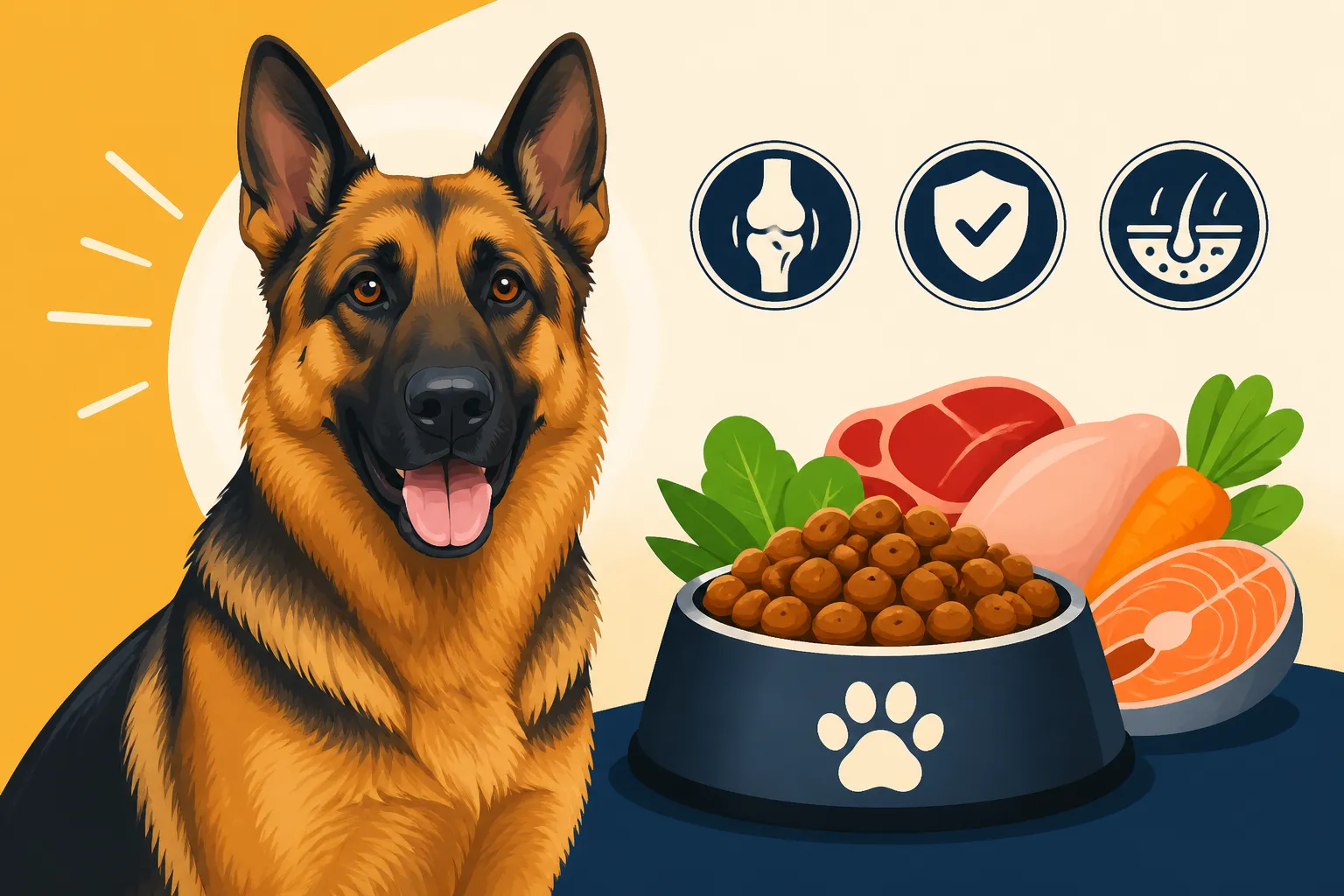
Best Dog Food for an Adult German Shepherd
Choosing the right food for your adult German Shepherd can feel like navigating a maze of conflicting advice and endless options, leaving many owners frustrated and unsure if they're truly giving their beloved companion the best. It's a critical decision that impacts their energy, coat, digestion, and long-term health. This comprehensive guide is here to cut through the noise, helping you understand precisely what your adult German Shepherd needs in their diet and how to make an informed choice that keeps them thriving.
Understanding Your Adult German Shepherd's Nutritional Needs
Your German Shepherd isn't just any dog; they're a powerful, intelligent, and often very active breed with specific dietary requirements that differ significantly from smaller, less energetic dogs. Once they've reached adulthood, typically between 18 months and 2 years old, their dietary focus shifts from rapid growth to maintaining peak physical condition, strong muscles, healthy joints, and robust immunity. This means a carefully balanced diet is absolutely essential for their well-being.
Protein Power for Muscle Maintenance
Protein is the cornerstone of an adult German Shepherd's diet. These dogs are naturally muscular and active, whether they're working lines, show lines, or beloved family companions. High-quality protein isn't just about building muscle; it's vital for repairing tissues, supporting organ function, and producing essential enzymes and hormones. Without adequate protein, especially as they age, you might notice muscle mass loss, a dull coat, or a general lack of vitality.
Aim for a diet with at least 22-26% crude protein for an adult German Shepherd. The source of that protein is just as important as the quantity. Look for named animal proteins as the first ingredient, such as chicken meal, lamb meal, beef, fish meal, or turkey. These "meal" ingredients are often highly concentrated sources of protein because the water has been removed before processing, making them excellent choices. Be wary of generic terms like "meat meal" or excessive plant-based proteins without a strong animal protein foundation, as these might not provide the full spectrum of amino acids your German Shepherd needs.
Healthy Fats for Energy and Coat Health
Fats often get a bad rap, but for dogs, healthy fats are incredibly important. They're a concentrated source of energy, providing more than twice the energy per gram compared to carbohydrates or protein. For an active German Shepherd, this sustained energy is crucial for their daily activities, whether it's a long walk, a training session, or just playing fetch in the yard. Beyond energy, fats play a massive role in nutrient absorption, especially for fat-soluble vitamins (A, D, E, K), and are critical for skin and coat health. A German Shepherd with a dull, dry coat or flaky skin might be lacking sufficient healthy fats, particularly omega-3 and omega-6 fatty acids.
Look for a diet containing around 12-18% crude fat. Excellent sources include chicken fat, fish oil (like salmon oil), flaxseed, and sunflower oil. Omega-3 fatty acids, often found in fish oils, are particularly beneficial for reducing inflammation, supporting joint health, and boosting cognitive function. It's a key component that contributes to a lustrous coat and supple skin, helping to manage some skin problems.
Carbohydrates for Sustained Energy
While German Shepherds thrive on protein and fat, carbohydrates still play an important role, primarily as an accessible source of glucose for energy. The key is to choose complex carbohydrates over simple, highly processed ones. Complex carbs, like whole grains and vegetables, provide sustained energy release, preventing blood sugar spikes and crashes that can leave your dog feeling sluggish or overly energetic in bursts. They also provide dietary fiber, which is crucial for a healthy digestive system and proper stool formation. A good diet should ensure your German Shepherd has a healthy gut biome, preventing issues like loose stool.
Look for ingredients like brown rice, oats, barley, sweet potatoes, peas, and lentils. These provide not just energy but also essential vitamins and minerals. Avoid foods with excessive amounts of corn, wheat, or soy as primary carbohydrate sources, especially if your dog shows signs of sensitivities. While not inherently bad for all dogs, some German Shepherds can have difficulty digesting them, and they are often used as cheap fillers in lower-quality foods.
Essential Vitamins, Minerals, and Joint Support
A complete and balanced diet goes beyond macronutrients. Your adult German Shepherd needs a carefully balanced array of vitamins and minerals for every bodily function, from bone health to immune response. Calcium and phosphorus, for example, are vital for maintaining strong bones. Antioxidants like Vitamins E and C support the immune system and help combat cellular damage.
Perhaps one of the most critical considerations for German Shepherds, given their predisposition to orthopedic issues like hip and elbow dysplasia, is joint support. A high-quality adult dog food specifically formulated for large breeds will often include glucosamine and chondroitin. These are natural compounds that help maintain cartilage health and support joint function. While a good diet is preventive, you may still consider supplements as they age. For more information on preventing these issues, check out how to prevent hip dysplasia in German Shepherds.
Decoding Dog Food Labels and Ingredients
Walking down the dog food aisle or browsing online, you're bombarded with marketing claims – "natural," "premium," "holistic," "grain-free!" It's enough to make your head spin. But the real truth about a dog food's quality lies not in the flashy words on the front, but in the ingredient list on the back. Learning to decipher this information is one of the most valuable skills you can acquire as a German Shepherd owner.
The First Five Ingredients Rule
When you look at a dog food label, the ingredients are listed in descending order by weight. This means the first few ingredients make up the bulk of the food. For an adult German Shepherd, you want to see highly digestible, nutrient-dense ingredients right at the top. Ideally, the first ingredient, and often the second and third, should be a high-quality animal protein source.
For instance, a label starting with "Chicken, Chicken Meal, Brown Rice, Peas, Chicken Fat" is a strong indicator of a good food. Here, you have two excellent animal protein sources, a beneficial complex carbohydrate, and healthy fats all within the top five. Conversely, a label that starts with "Corn, Meat By-Product, Wheat, Soy, Animal Fat" suggests a lower-quality food with cheaper fillers and less desirable protein sources. These ingredients are less bioavailable and might lead to digestive upset or nutritional deficiencies over time. Always prioritize named meat sources over vague terms.
Avoiding Fillers and Unnecessary Additives
Many commercial dog foods, especially those on the lower end of the price spectrum, use fillers to bulk up the product without adding significant nutritional value. Common fillers include corn, wheat, and soy, particularly when listed multiple times or as the primary ingredients. While some dogs tolerate them fine, others may experience digestive issues, allergies, or simply not thrive as well on such diets. If your German Shepherd has a sensitive stomach, avoiding these can be key.
Beyond fillers, be cautious of artificial colors, flavors, and preservatives. These ingredients offer no nutritional benefit and can sometimes trigger sensitivities in dogs. Natural preservatives like mixed tocopherols (Vitamin E) and rosemary extract are preferable. When reading labels, look for clarity. If you can't understand an ingredient, it's often best to avoid it or do thorough research. Remember, you're feeding a magnificent animal, and what they eat directly impacts their health and vitality.
Grain-Free vs. Grain-Inclusive Diets
The grain-free trend swept the pet food market, driven by the idea that grains are unnatural for dogs and cause allergies. However, it's crucial to understand the nuances. While some dogs genuinely have grain sensitivities or allergies, for the vast majority, grains are a perfectly healthy and digestible source of energy and fiber. In fact, many grain-free diets replace grains with other carbohydrate sources like peas, lentils, or potatoes, which can be just as problematic if fed in excessive amounts or improperly balanced.
Recent research, particularly from the FDA, has even raised concerns about a potential link between certain grain-free, legume-rich diets and dilated cardiomyopathy (DCM) in dogs. While the research is ongoing and the link isn't fully understood, it highlights the importance of discussing diet choices with your veterinarian. Unless your German Shepherd has a diagnosed grain allergy, a high-quality grain-inclusive diet can be an excellent choice. The focus should always be on the quality and balance of ingredients, not just whether grains are present or absent.
Top Dog Food Formulas for Adult German Shepherds
With so many options on the market, narrowing down the best dog food for your adult German Shepherd can still feel overwhelming. The good news is that many reputable brands have invested in scientific research and formulate foods specifically to meet the needs of large breeds like the German Shepherd, taking into account their unique growth patterns, energy levels, and common health predispositions.
High-Quality Kibble Options
For many German Shepherd owners, high-quality kibble remains the most practical and nutritionally sound choice. These foods are typically formulated to be complete and balanced, offering convenience and a long shelf life. When looking for kibble, consider brands that offer large-breed specific formulas. These often have different kibble sizes, nutrient ratios, and added joint support to cater to the unique needs of bigger dogs.
Here are a few widely respected options known for their quality and suitability for German Shepherds:
- Purina Pro Plan Large Breed Adult: This line offers several formulas, including options for sensitive skin and stomach or performance. Many German Shepherd owners have found success with Purina Pro Plan due to its focus on research-backed nutrition and high-quality protein sources. It’s a very common recommendation from veterinarians.
- Royal Canin German Shepherd Adult: This brand goes a step further by creating breed-specific formulas. Their German Shepherd Adult food is designed with a unique kibble shape and texture to encourage chewing, along with targeted nutrients for digestive sensitivity (which German Shepherds can experience) and joint support. You can often find this brand readily available on platforms like Chewy or Amazon.
- Hill's Science Diet Large Breed Adult: Another veterinary-recommended brand, Hill's Science Diet offers formulas with balanced nutrition, high-quality proteins, and added L-carnitine to help maintain ideal body weight and support healthy heart function in larger breeds.
When evaluating these or any other kibble, remember to check the ingredient list for named animal proteins as the first few ingredients and avoid excessive fillers.
Fresh and Raw Food Considerations
The popularity of fresh and raw food diets for dogs has surged, with many owners believing these diets are closer to what a canine would eat in the wild.
- Fresh Dog Food: Companies like Ollie deliver pre-portioned, gently cooked meals directly to your door. These diets typically use human-grade ingredients, are minimally processed, and often avoid common allergens and artificial additives. For German Shepherds with sensitive stomachs or picky eaters, fresh food can be a game-changer. The recipes are often developed by veterinary nutritionists, ensuring they are complete and balanced. While it can be more expensive and requires refrigeration, many owners find the benefits in their dog's health and vitality to be worth the investment.
- Raw Food (BARF or PMR Diets): Raw diets, often based on the BARF (Biologically Appropriate Raw Food) or PMR (Prey Model Raw) philosophies, involve feeding uncooked meat, bones, organs, and sometimes fruits and vegetables. Proponents believe raw feeding leads to shinier coats, cleaner teeth, and better digestion. However, raw feeding requires a deep understanding of canine nutrition to ensure it's balanced and safe. Risks include nutritional deficiencies if not properly formulated, and bacterial contamination (like Salmonella or E. coli), which can affect both the dog and human handlers. If you're considering a raw diet, it's absolutely critical to consult with a board-certified veterinary nutritionist to create a balanced plan to avoid issues like EPI or other digestive problems. Premade raw options from reputable brands can offer a safer, more convenient alternative to DIY raw feeding.
Considerations for Specific Health Concerns
No two German Shepherds are exactly alike, and sometimes, a standard adult formula might not be enough. Many German Shepherds can be prone to certain health issues that might require a specialized diet.
For example, if your German Shepherd experiences frequent digestive upset, soft stools, or excessive gas, they might benefit from a food specifically formulated for sensitive stomachs. These diets often contain easily digestible proteins, prebiotics, and probiotics to support gut health. Similarly, if your dog is prone to allergies, a limited-ingredient diet or a novel protein diet (e.g., duck or venison instead of chicken or beef) might be recommended by your vet. For senior German Shepherds, a food formulated for their specific needs, with reduced calories, increased joint support, and easily digestible ingredients, can help extend their happy and healthy years. You can find out more about senior diet adjustments in our guide. Always work closely with your veterinarian to address any specific health concerns through diet.
| Nutritional Component | Recommended for Adult GSDs | Key Benefits | Common Sources |
|---|---|---|---|
| Crude Protein | 22-26% (minimum) | Muscle maintenance, tissue repair, organ function | Chicken meal, lamb meal, beef, fish, turkey |
| Crude Fat | 12-18% | Concentrated energy, skin & coat health, nutrient absorption | Chicken fat, salmon oil, flaxseed, sunflower oil |
| Complex Carbs | Moderate amount (e.g., 30-45%) | Sustained energy, fiber for digestion | Brown rice, sweet potato, oats, peas, lentils |
| Glucosamine/Chondroitin | Yes, ideally | Joint health, cartilage support | Supplements, some fortified dog foods |
| Omega Fatty Acids | Present (e.g., 1-2% for Omega-6, 0.2-0.5% for Omega-3) | Anti-inflammatory, brain health, coat shine | Fish oil, flaxseed, chicken fat |
Transitioning Food and Feeding Guidelines
So, you've done your research, talked to your vet, and picked out a fantastic new food for your adult German Shepherd. That's a huge step! But don't just swap out the old food for the new one overnight. A sudden change can wreak havoc on your dog's digestive system, leading to upset stomachs, diarrhea, or even food aversion. A gradual transition is key to a happy belly and a smooth adjustment.
The Gradual Transition Method
The digestive system of a dog needs time to adapt to new ingredients and nutrient ratios. Their gut bacteria need to adjust, and a slow introduction minimizes the chances of digestive upset. This process typically takes about 7-10 days, but for German Shepherds with particularly sensitive stomachs, you might want to extend it to two weeks or even a bit longer.
Here's a common schedule for transitioning food:
- Days 1-2: Mix 25% new food with 75% old food.
- Days 3-4: Mix 50% new food with 50% old food.
- Days 5-6: Mix 75% new food with 25% old food.
- Day 7 onwards: 100% new food.
During this period, pay close attention to your German Shepherd's stool quality, energy levels, and appetite. If you notice any signs of digestive upset, such as diarrhea or vomiting, slow down the transition. Go back to the previous ratio for a few more days, or even longer, until their system stabilizes. It's better to take it slow than to rush and cause discomfort.
Portion Control and Feeding Schedule
Once you've fully transitioned to the new food, the next critical step is establishing proper portion control and a consistent feeding schedule. German Shepherds are large, active dogs, but they are also prone to gaining weight if overfed, which can exacerbate existing joint issues or lead to new health problems. Obesity in German Shepherds is a serious risk.
Most high-quality dog foods will have feeding guidelines on their packaging, usually based on your dog's weight and activity level. Start with these recommendations, but remember they are just guidelines. Your individual German Shepherd's metabolism, age, and activity level will dictate their precise caloric needs. A working line German Shepherd that trains daily will need more calories than a companion German Shepherd who enjoys leisurely strolls.
It's generally recommended to feed adult German Shepherds two meals a day, rather than one large meal. This helps with digestion, prevents excessive hunger, and can even reduce the risk of bloat (gastric dilatation-volvulus), a life-threatening condition that German Shepherds are susceptible to. For crucial information on this, see our guide on German Shepherd Bloat: Signs and Prevention. Always provide plenty of fresh, clean water alongside their meals.
Monitoring Your German Shepherd's Health
The true test of whether a dog food is "best" for your German Shepherd lies in how they thrive on it. Regular monitoring of their health and condition is paramount.
Here's what to watch for:
- Energy Levels: A well-nourished German Shepherd should have consistent energy for their daily activities without being overly hyper or lethargic.
- Coat and Skin Health: Look for a shiny, soft coat with no excessive shedding (beyond normal seasonal "blowing coat") or flaky skin. This is a great indicator of a good diet, and also a sign of a healthy German Shepherd.
- Stool Quality: Their stools should be firm, well-formed, and consistent in color. Loose stools or very hard stools can indicate digestive issues or improper nutrient absorption.
- Body Condition: You should be able to easily feel, but not prominently see, your dog's ribs. They should have a noticeable waist when viewed from above and a tuck-up when viewed from the side. Regular weight checks are important; if you notice weight gain, gently reduce their portions or increase exercise. If they're too thin, consult your vet before increasing food.
- Overall Demeanor: A happy, healthy German Shepherd is alert, engaged, and eager to participate in family life.
If you observe any persistent changes or concerns, such as chronic digestive upset, skin problems, or a significant change in weight or energy, it's always best to consult your veterinarian. They can help rule out underlying medical conditions and provide personalized dietary recommendations. Choosing the best dog food is an ongoing process of observation, adjustment, and care.
Disclaimer
This article is for general informational purposes only and does not constitute professional advice. Laws, prices and regulations vary by location and change over time. Consult a qualified professional for guidance on your specific situation.