German Shepherd DM DNA Testing Explained
Watching your beloved German Shepherd start to show signs of weakness or an unsteady gait can be heartbreaking, especially when you know their breed is predisposed to certain genetic conditions. Degenerative Myelopathy, or DM, is one of those devastating progressive neurological diseases that many German Shepherd owners fear. This comprehensive guide will walk you through exactly what DM DNA testing entails, how to understand the results, and why this simple test is such a critical tool for both responsible breeders and proactive pet parents.
Understanding Degenerative Myelopathy in German Shepherds
Degenerative Myelopathy (DM) is a cruel and progressive disease of the spinal cord in older dogs, often likened to Amyotrophic Lateral Sclerosis (ALS) in humans. It primarily affects the white matter of the spinal cord, leading to a gradual loss of coordination and weakness, especially in the hind limbs. For German Shepherd owners, the thought of their active, intelligent companions facing such a debilitating condition is a genuine nightmare. It's not a pain-inducing disease in itself, but the loss of mobility significantly impacts a dog's quality of life, and for us, it's incredibly tough to watch them decline.
What is Degenerative Myelopathy
DM specifically targets the nerve fibers that transmit signals from the brain to the limbs, causing them to degenerate over time. Imagine trying to use a frayed electrical cord; the signals just don't get through properly. This slow, insidious progression means symptoms can be subtle at first, often mistaken for arthritis or the general slowing down of old age. However, DM is distinct because it's a neurological problem, not a joint issue. It's a progressive march that steals away your dog's ability to walk, stand, and eventually control their bladder and bowels. This isn't just about losing mobility; it's about losing independence and dignity, which is incredibly hard to bear for dogs as proud and capable as German Shepherds.
The disease typically manifests in German Shepherds between 8 to 14 years of age, though it can sometimes appear earlier. Early diagnosis through DNA testing, before symptoms even begin, is crucial for planning and management, allowing owners to focus on supportive care and understanding what lies ahead. We often talk about First Signs of Degenerative Myelopathy and how easily they can be missed, making proactive testing even more vital.
Why German Shepherds are Prone to DM
It's no secret that German Shepherds are among the breeds most commonly affected by Degenerative Myelopathy. This isn't just bad luck; it's deeply rooted in their genetics. The breed's popularity and the unfortunate breeding practices that sometimes prioritized aesthetics or certain working traits over genetic health have contributed to a higher prevalence of the specific genetic mutation responsible for DM within the German Shepherd gene pool.
This predisposition isn't unique to German Shepherds; other breeds like Boxers, Welsh Corgis, and Bernese Mountain Dogs also carry the risk. However, German Shepherds often present with a more aggressive form of the disease. Understanding this genetic link is the first step toward prevention and responsible breeding. It's why initiatives focusing on German Shepherd Genetic Health Testing are so important for the future of the breed, helping ensure we don't inadvertently perpetuate these challenging health issues.
The Genetic Basis: SOD1 Gene and Inheritance
At the heart of Degenerative Myelopathy is a specific gene mutation: the Superoxide Dismutase 1 (SOD1) gene. This gene is responsible for producing an enzyme that plays a critical role in cleaning up harmful free radicals in the body. When this gene is mutated, the enzyme doesn't function correctly, leading to oxidative damage to the nerve cells in the spinal cord. It's a single gene that carries a heavy burden for many German Shepherds and their families.
The Role of the SOD1 Gene
The SOD1 gene mutation isn't a direct "on/off" switch for DM. Instead, it's a risk factor. Dogs inherit two copies of every gene, one from each parent. The combination of these two SOD1 genes determines their genetic predisposition to DM. It’s important to understand that even if a dog carries the mutated gene, they might not develop DM. It’s what scientists refer to as "incomplete penetrance" – the genetic predisposition is there, but other factors, perhaps environmental or other genetic modifiers, might play a role in whether the disease actually manifests. This means a dog can carry the gene, even pass it on, without ever showing symptoms themselves.
Researchers are constantly learning more about these complex interactions, but for now, the SOD1 gene test remains the most reliable tool we have to assess a dog's genetic risk. It empowers breeders to make informed decisions and helps owners prepare for potential challenges, allowing them to focus on preventative measures or early supportive care should symptoms arise.
Understanding the Inheritance Pattern
DM is inherited in an autosomal recessive pattern. This means a dog must inherit two copies of the mutated gene (one from each parent) to be at risk of developing the disease. However, dogs who inherit only one copy of the mutated gene are considered carriers; they won't develop DM themselves (or are at very low risk), but they can pass the mutation on to their offspring. This is where the intricacies of breeding and genetic testing become so vital.
Think of it like this: if you breed two carriers, there’s a 25% chance of their puppies inheriting two copies of the mutated gene and being at risk, a 50% chance of them being carriers, and a 25% chance of them being completely clear. This Punnett Square scenario is why knowledgeable breeders are so diligent about testing. They want to avoid producing puppies who are genetically predisposed to this debilitating condition. It’s a huge responsibility, and one that conscientious breeders take very seriously to protect the health and well-being of future generations of German Shepherds.
The Importance of DM DNA Testing
For German Shepherd owners and breeders, DM DNA testing isn't just a fancy scientific procedure; it's a cornerstone of responsible pet ownership and ethical breeding. It provides invaluable information that can influence breeding decisions, future care plans, and even help manage anxieties about an unknown future. Knowing your dog's genetic status can bring clarity and empower you to make the best choices for their health and happiness.
Why Breeders Must Test
For breeders, DM DNA testing is non-negotiable. It's an ethical imperative to ensure they are not knowingly producing puppies at high risk for a devastating disease. A good breeder will test both parents for the SOD1 mutation before any breeding takes place. This allows them to make informed decisions about pairings, ideally aiming to eliminate or at least significantly reduce the chances of producing at-risk puppies.
If a breeder has a dog that is a carrier (meaning it has one copy of the mutated gene), they might choose to breed it with a dog that is completely clear of the mutation. In this scenario, none of the puppies will be "at risk" of developing DM, although some may still be carriers. This strategic breeding helps preserve desirable traits within a line while progressively working towards a healthier gene pool. Any reputable German Shepherd breeder will be transparent about their dogs' DM test results and actively use them in their breeding program. This commitment is a hallmark of someone dedicated to the breed's long-term health, rather than just superficial traits.
Benefits for Pet Owners
For individual pet owners, especially those with German Shepherds, DM DNA testing offers peace of mind and the ability to plan. If your dog tests as "at risk" for DM, it doesn't mean they will get it, but it allows you to be vigilant for early signs of the disease, like subtle changes in gait or hind limb weakness. You can then discuss with your vet proactive measures such as appropriate exercise, diet, and supplements to support spinal health.
Even if your dog tests as "clear," it's still valuable information, alleviating a significant worry. Knowing your dog's genetic predisposition to conditions like DM means you can proactively manage their health, and it can help with discussions around pet insurance policies too. Companies like Healthy Paws offer coverage that can be invaluable when dealing with unexpected health challenges, but understanding predispositions through testing can guide your choices. Early detection, or even just preparation, can make a world of difference in managing a disease like DM. For more on preventative health, you might find our guide on How to Keep a German Shepherd Healthy useful.
Interpreting DM DNA Test Results
Once your German Shepherd has been tested for the SOD1 gene, you'll receive a report detailing their genotype. This report typically uses a specific nomenclature to indicate whether your dog is clear, a carrier, or at risk for Degenerative Myelopathy. Understanding these terms is crucial to grasp the implications for your dog's health and for any potential breeding.
Decoding the Genotypes: N/N, A/N, A/A
The results of a DM DNA test usually fall into one of three categories, represented by letters:
- N/N (Normal/Clear): This means your German Shepherd has two normal copies of the SOD1 gene and is considered genetically clear of DM. They do not have the mutation and cannot pass it on to any offspring. This is the ideal result, indicating a very low probability of developing DM due to this specific gene.
- A/N (Affected/Carrier): This indicates your dog has one normal copy and one mutated copy of the SOD1 gene. Your dog is a carrier of the DM mutation. They are highly unlikely to develop DM themselves but can pass the mutated gene on to approximately 50% of their offspring if bred. For breeders, this means careful consideration of breeding partners to avoid producing at-risk puppies.
- A/A (Affected/At-Risk): This means your German Shepherd has two copies of the mutated SOD1 gene, one from each parent. Dogs with this genotype are considered "at risk" of developing Degenerative Myelopathy. It's important to remember that "at risk" does not mean "will definitely get DM" due to the incomplete penetrance mentioned earlier. However, the probability is significantly higher, and if they do develop DM, they will pass the mutated gene to 100% of their offspring.
It's a common misconception that A/A means an immediate diagnosis of DM. Instead, it flags a genetic predisposition that requires vigilance and proactive health management. Understanding these nuances helps temper anxiety while encouraging responsible action.
Implications for Health and Breeding
The implications of these results are significant for both your dog's individual health journey and for the broader breeding community.
For an N/N dog, you can breathe a sigh of relief regarding DM. While other health concerns might arise, DM related to the SOD1 gene is not expected. For breeding, this dog is an excellent choice as it cannot pass on the mutation.
For an A/N dog, their personal risk of developing DM is extremely low. However, their role in a breeding program requires careful planning. They should only be bred with an N/N partner to ensure no A/A puppies are produced. This helps maintain genetic diversity while preventing the spread of the disease. Responsible breeders often keep A/N dogs in their lines if they possess other exceptional qualities, carefully managing their pairings.
For an A/A dog, the focus shifts to monitoring their health and providing supportive care. If symptoms do develop, early intervention and management, such as physical therapy or supportive aids, can help maintain quality of life. For breeding purposes, breeding an A/A dog is generally discouraged unless there are extraordinary circumstances and strict measures are taken to ensure no affected puppies are produced, which often means only breeding with N/N dogs and then testing all offspring. However, most ethical breeders will remove A/A dogs from their breeding program. If you are concerned about the progression of the disease, learning about How Fast Does Degenerative Myelopathy Progress can help you prepare.
Here's a quick summary table of the DM genotypes:
| Genotype | Description | Risk of Developing DM | Can Pass on Mutation? | Recommended for Breeding? |
|---|---|---|---|---|
| N/N | Clear – Two normal gene copies | Very low | No | Yes (with healthy partner) |
| A/N | Carrier – One normal, one mutated copy | Extremely low | Yes (50% chance) | Yes (only with N/N partner) |
| A/A | At-Risk – Two mutated gene copies | High (but not certain) | Yes (100% chance) | Generally Discouraged |
The Testing Process for Your German Shepherd
Getting your German Shepherd DNA tested for Degenerative Myelopathy is a straightforward process, far less daunting than it might sound. It doesn't involve needles or invasive procedures, which is a huge relief for both you and your furry friend. The convenience of modern genetic testing means it can often be done right from the comfort of your own home, or with minimal veterinary intervention.
How to Collect a Sample
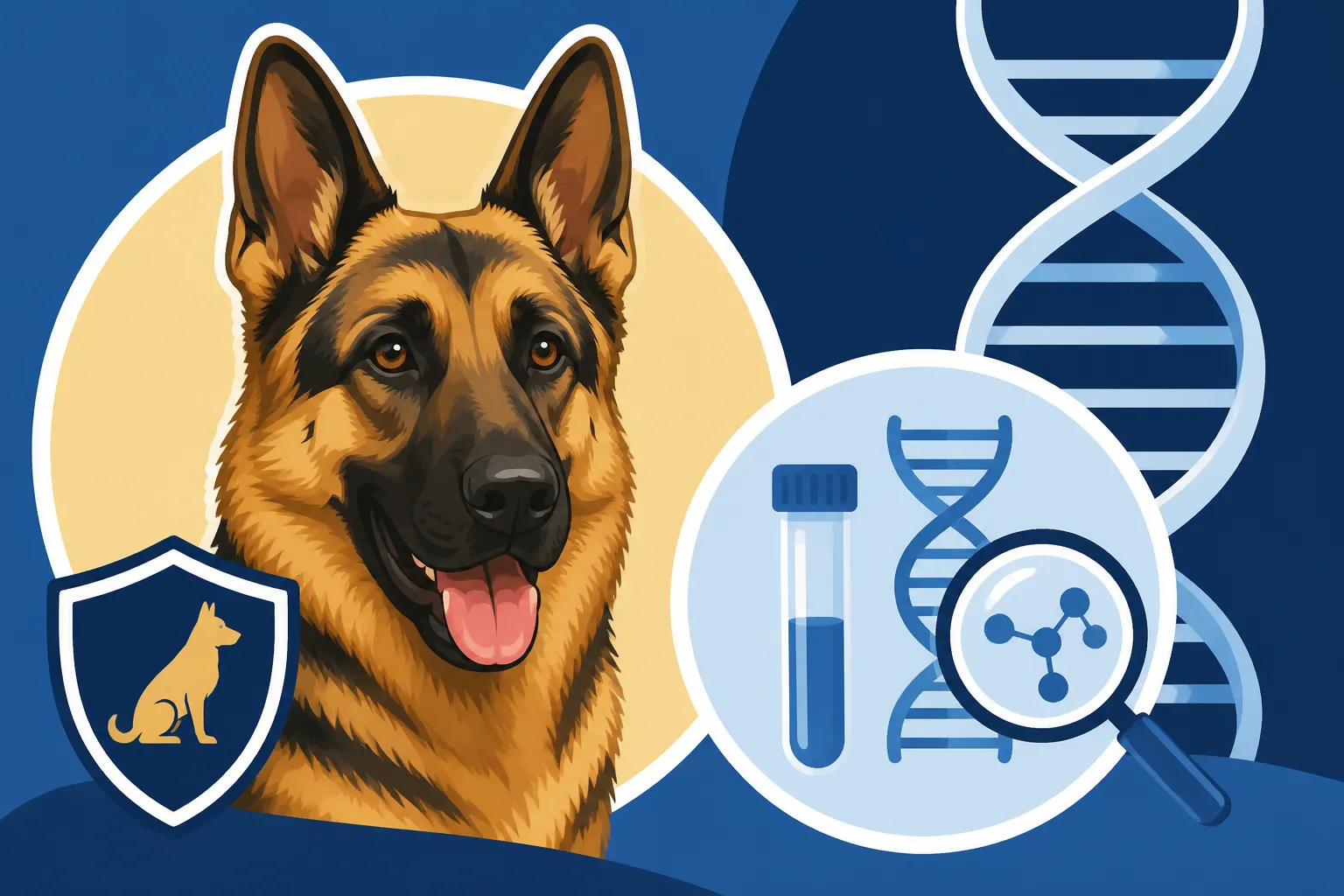
The most common method for DM DNA testing is a buccal swab, which is essentially a fancy term for a cheek swab. You'll receive a kit from a reputable veterinary genetics lab, such as those from Embark, Wisdom Panel, or OptiGen. These kits typically contain sterile swabs and detailed instructions.
To collect the sample, you simply rub the sterile swab firmly against the inside of your dog's cheek for about 15-30 seconds. The goal is to collect enough cells from their mouth, not just saliva. It's usually best to do this before feeding or after a couple of hours from their last meal, to ensure there are no food particles that could contaminate the sample. Once collected, you air dry the swab, place it in the provided packaging, and send it back to the lab. It's a quick, painless process that causes minimal stress for your dog. For more comprehensive health planning, remember that a pet insurance plan from providers like Healthy Paws can help manage the costs of future diagnostics and treatments.
Where to Get Your German Shepherd Tested
While some veterinary clinics offer in-house sample collection and submission, many owners choose to order direct-to-consumer kits from reputable genetic testing companies. These companies specialize in canine genetics and often provide comprehensive panels that test for multiple genetic conditions relevant to German Shepherds, not just DM.
Some popular and trusted labs that offer DM DNA testing for German Shepherds include:
- Embark Veterinary: Known for its comprehensive genetic health panels and breed identification.
- Wisdom Panel: Offers similar services, often with slightly different test panels.
- OptiGen: A lab specifically focused on inherited eye diseases but also offers other genetic tests like DM.
- Paw Print Genetics: Another specialized lab with a wide range of breed-specific tests.
When choosing a lab, always ensure they are reputable and widely recognized in the veterinary and breeding communities. Check reviews, ask your veterinarian for recommendations, and verify that their results are accepted by breed clubs if you're involved in showing or breeding. The cost of these tests can vary, but generally ranges from $60 to $200, depending on whether it's a single test or part of a larger panel. This is a small investment for the invaluable information you gain about your German Shepherd's genetic health. Considering the potential costs of managing conditions, understanding your German Shepherd Health Problems Guide is a key step in responsible ownership.
Living with a DM-Affected German Shepherd
If your German Shepherd is identified as "at risk" or eventually develops symptoms of Degenerative Myelopathy, it's understandable to feel overwhelmed. This diagnosis can bring a wave of emotions, from fear to sadness. However, while DM is ultimately progressive and incurable, there are many ways you can manage the condition to maintain your dog's comfort and quality of life for as long as possible. Focusing on supportive care, mobility assistance, and maintaining a positive environment can make a significant difference.
Managing Symptoms and Maintaining Comfort
Managing DM is all about supportive care, aimed at slowing the progression of symptoms and enhancing your dog's comfort. Since DM is not painful, the primary goal is to address the loss of mobility and secondary issues that arise from it. This often involves a multi-faceted approach, working closely with your veterinarian.
One key aspect is physical therapy. Gentle exercises, massage, and hydrotherapy can help maintain muscle mass, flexibility, and improve circulation, which can delay the onset of severe weakness. Regular, controlled exercise is crucial, but it needs to be adapted as the disease progresses. Think short, steady walks rather than strenuous runs. Maintaining a healthy weight is also paramount, as extra pounds put more strain on weakening limbs. A balanced diet, possibly supplemented with antioxidants and omega-3 fatty acids, can also support overall neurological health. You may want to explore topics like How to Slow Degenerative Myelopathy Naturally for more in-depth strategies.
Mobility Aids and Quality of Life
As DM progresses, your German Shepherd will inevitably lose strength and coordination in their hindquarters. This is where mobility aids become indispensable. Watching your powerful German Shepherd struggle to stand or walk is tough, but these tools can empower them to maintain their independence and enjoyment of life for much longer.
Initially, a supportive harness can help you steady them during walks or when they're getting up. As hind limb weakness becomes more pronounced, a dog wheelchair or cart can be a life-changer. These devices allow your German Shepherd to run, play, and explore, giving them back a sense of freedom that the disease tries to steal. They're an investment, but seeing your dog zoom around again is truly priceless. Indoor traction aids, like non-slip mats or socks, can also prevent slips and falls on smooth surfaces. It's also vital to ensure easy access to food, water, and outdoor potty breaks. You can delve into more details about German Shepherd DM: Wheelchair and Care Options to find the best solutions for your beloved companion.
The decision to choose mobility aids is deeply personal, and there's no right or wrong answer, only what's best for your individual dog and family. Focus on their happiness, comfort, and the ability to still enjoy their favorite activities, even if it looks a little different than it used to. Pet insurance, like that offered by Healthy Paws, can certainly ease the financial burden of purchasing specialized equipment or covering ongoing physical therapy sessions, allowing you to focus on providing the best possible care without added stress.
Proactive Steps Beyond Testing
While DM DNA testing is a powerful tool, it's just one piece of the puzzle when it comes to ensuring your German Shepherd lives a long, healthy, and happy life. True proactive care extends into daily routines, dietary choices, and continuous monitoring of their physical and mental well-being. Thinking ahead can prevent many problems or mitigate their impact significantly.
Environmental Enrichment and Exercise
German Shepherds are highly intelligent and active dogs, and keeping their minds and bodies engaged is crucial, regardless of their DM status. For dogs genetically at risk for DM, appropriate, controlled exercise helps maintain muscle tone and proprioception (awareness of body position), potentially delaying symptom onset. This isn't about pushing them to extremes but providing consistent, moderate activity. Daily walks, swimming (which is low-impact), or structured play in a safe environment are excellent options.
Mental stimulation is equally important. Puzzle toys, scent work, and continuing to teach new tricks keep their minds sharp and their spirits high. A bored German Shepherd can quickly become destructive or withdrawn. For a senior German Shepherd, adapting their environment to prevent slips and falls, such as adding rugs to slippery floors, can also significantly reduce injury risk and improve their confidence as their mobility changes. Understanding German Shepherd Senior Care Guide can provide further insights into making their golden years comfortable and fulfilling.
Nutrition and Supplementation Support
A high-quality diet forms the foundation of good health for any German Shepherd. For dogs with a genetic predisposition to DM or those showing early signs, nutrition can play a supportive role. Look for dog foods rich in antioxidants, omega-3 fatty acids (DHA and EPA), and B vitamins, which are crucial for neurological health. Some owners and veterinarians consider supplements like N-acetylcysteine (NAC), Alpha Lipoic Acid, and Coenzyme Q10 for their antioxidant properties, though always consult your vet before introducing new supplements.
Glucosamine and chondroitin, while not directly treating DM, can support overall joint health, which is vital as dogs with DM may put more strain on their joints due to gait changes. A strong emphasis on preventing obesity is also critical, as excess weight exacerbates mobility challenges and puts undue stress on the spine and joints. A well-rounded approach to diet and supplementation is a conversation you should definitely have with your veterinarian to tailor it to your German Shepherd's specific needs.
Disclaimer
This article is for general informational purposes only and does not constitute professional advice. Laws, prices and regulations vary by location and change over time. Consult a qualified professional for guidance on your specific situation.