German Shepherd Dry Skin: Diet Fixes
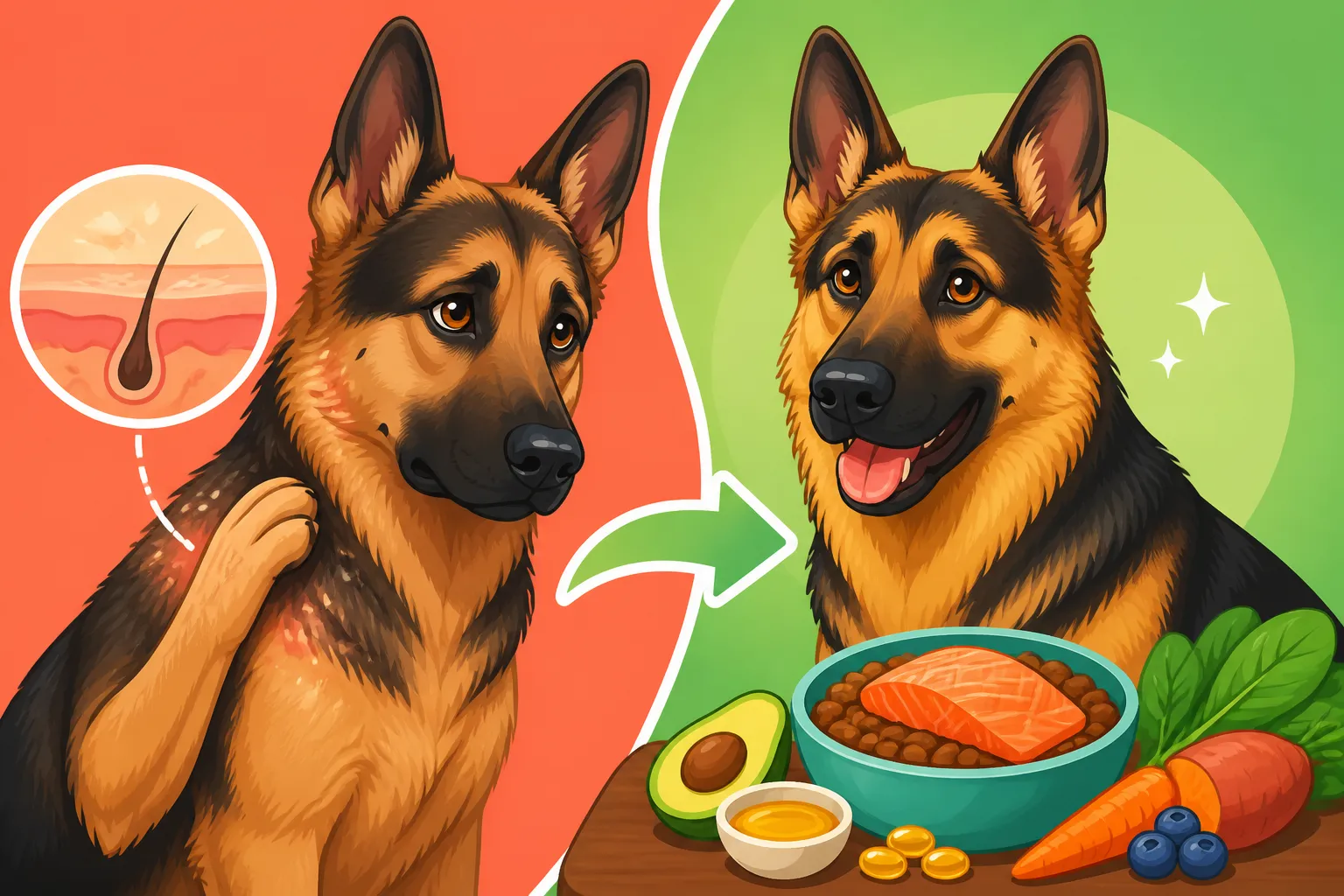
It's heartbreaking to see your beloved German Shepherd constantly scratching, dealing with flaky skin, or sporting a dull, unhealthy coat. You feel helpless, watching them squirm with discomfort, and it often seems like no matter what you try – special shampoos, conditioners, or even prescription creams – the problem persists. This guide is dedicated to exploring how dietary changes can be a powerful, often overlooked, solution to alleviate German Shepherd dry skin, helping you understand the nutritional fixes that promote a healthy, happy canine companion.
Understanding German Shepherd Dry Skin Beyond Diet
Before we dive deep into the world of nutrition, it's crucial to acknowledge that dry skin in German Shepherds isn't always just about what's in their food bowl. While diet is a huge piece of the puzzle, other factors can definitely contribute to that uncomfortable itchiness and flakiness. Ignoring these can make even the best dietary changes less effective, so let's briefly touch upon them.
Environmental Factors and Allergies
Sometimes, the culprits are right in your German Shepherd's environment. Just like us, dogs can suffer from seasonal allergies to pollen, dust mites, or mold. These environmental allergens often manifest as itchy skin, leading to scratching, redness, and sometimes secondary skin infections. Your dog might be particularly affected during certain times of the year, or perhaps when they spend more time outdoors. Identifying these triggers, often with the help of a vet, is the first step. For more insights on this, you might find our guide on German Shepherd Environmental Allergies: Relief helpful.
Beyond allergies, the air quality and humidity in your home can also play a role. Dry indoor air, especially during colder months when heaters are running constantly, can strip moisture from your German Shepherd's skin, leading to dryness. Regular bathing with harsh shampoos can also exacerbate this, removing natural oils that protect their skin. It's a tricky balance, trying to keep them clean without making things worse.
Grooming Mistakes and Their Impact
Grooming is essential for a German Shepherd, given their magnificent double coat, but doing it incorrectly can actually contribute to skin issues. Over-bathing, using shampoos with harsh chemicals, or not thoroughly rinsing out shampoo residue can all irritate the skin and lead to dryness. German Shepherds have a natural oil barrier that protects their skin and coat; aggressive scrubbing or using products not formulated for dogs can strip these vital oils away.
Similarly, neglecting regular brushing can lead to matting, which traps moisture and can prevent air circulation, creating a breeding ground for skin problems and hindering the natural shedding process. A good grooming routine is about more than just looking good; it's about maintaining skin and coat health. If you're struggling with excessive shedding or need tips on maintaining their coat, our comprehensive German Shepherd Coat and Skin Care guide offers practical advice.
The Nutritional Foundation for Healthy Skin and Coat
When it comes to addressing dry skin in German Shepherds, think of their diet as the internal defense system. What they eat directly impacts the health and integrity of their skin barrier, their coat's luster, and their overall ability to combat environmental stressors. A strong, healthy skin barrier is less prone to dryness, irritation, and secondary infections.
High-Quality Protein Sources
Protein isn't just for building muscle; it's absolutely fundamental for skin and coat health. Hair, skin cells, and nails are primarily made of protein. Without enough high-quality protein, your German Shepherd's body can't produce these essential components efficiently, leading to a dull coat, brittle fur, and dry, flaky skin that's easily irritated.
When we talk about "high-quality" protein, we mean easily digestible, bioavailable sources. Think lean meats like chicken, turkey, beef, and fish. These provide a complete amino acid profile, which are the building blocks their body needs. Avoid foods where the primary protein source is vaguely labeled "meat meal" or contains excessive fillers. The first ingredient on your dog food label should always be a named meat source.
The Importance of Healthy Fats
Healthy fats are arguably the most critical dietary component for combating dry skin. They are essential for maintaining the skin's natural lipid barrier, which locks in moisture and keeps irritants out. Think of this lipid barrier as your German Shepherd's natural moisturizer. When it's compromised, moisture escapes, and allergens can penetrate more easily, leading to dryness and itchiness.
Fats also contribute to the shine and softness of your German Shepherd's coat. A diet lacking in the right kinds of fats will almost always result in a dull, coarse coat and chronically dry skin. The key is to include fats rich in Omega-3 and Omega-6 fatty acids, which we'll discuss in more detail shortly. These aren't just any fats; they're specific types that play anti-inflammatory roles and directly support skin health.
Carbohydrates and Fiber for Overall Gut Health
While protein and fats often steal the spotlight for skin health, don't underestimate the role of carbohydrates and fiber. A healthy gut is intrinsically linked to healthy skin. If your German Shepherd's digestive system isn't functioning optimally, it can lead to nutrient malabsorption and systemic inflammation, which can manifest as skin issues.
Complex carbohydrates from sources like sweet potatoes, brown rice, and oats provide sustained energy and fiber. Fiber is crucial for promoting a healthy gut microbiome and regular bowel movements, helping to eliminate toxins that could otherwise contribute to skin problems. When the gut is balanced, the body can better absorb the essential vitamins, minerals, and fatty acids needed for skin health. Some German Shepherds have sensitive stomachs, so finding the right balance here is key, and you can explore more about German Shepherd Sensitive Stomach Solutions if your dog struggles with digestive issues.
Key Nutrients to Combat Dry Skin
Now that we've covered the foundational elements, let's zero in on the specific nutrients that act as superheroes against dry skin. These are the ingredients you want to actively look for in your German Shepherd's food and potentially consider supplementing under veterinary guidance.
Omega-3 and Omega-6 Fatty Acids
These are the powerhouses for skin health. Omega-3s (like EPA and DHA) are fantastic anti-inflammatory agents. They help reduce the itching and redness associated with dry skin and allergies. Excellent sources include fish oil, salmon, flaxseed oil, and green-lipped mussel. Omega-6s (like linoleic acid) are crucial for maintaining the skin's barrier function and overall coat quality. They are commonly found in poultry fat, sunflower oil, and corn oil.
The balance between Omega-3 and Omega-6 is vital. Many commercial dog foods have a higher ratio of Omega-6 to Omega-3, which can sometimes lead to an inflammatory response. Supplementing with additional Omega-3s can help restore this balance, promoting healthier, less inflamed skin. Brands like Chewy and Amazon offer a wide range of high-quality fish oil supplements specifically formulated for dogs. For more on joint and coat health supplements, check out Best Joint Supplements for German Shepherds.
Vitamins and Minerals Essential for Skin Health
Beyond fatty acids, a host of vitamins and minerals play critical roles in maintaining skin integrity and cell turnover.
- Vitamin E: A powerful antioxidant that protects skin cells from damage and supports immune function. You'll often find it in vegetable oils, nuts, and certain fruits.
- Vitamin A: Essential for healthy skin cell growth and repair. It's abundant in liver, eggs, and orange vegetables like carrots and sweet potatoes.
- Zinc: Crucial for wound healing, immune function, and maintaining skin barrier integrity. Deficiencies can lead to hair loss and skin lesions. Sources include red meat, poultry, and fish.
- B Vitamins (especially Biotin): Important for cell metabolism and coat quality. Biotin, in particular, is often touted for its benefits in improving skin and coat health.
Ensuring your German Shepherd's food is nutritionally complete and balanced is the primary way to get these, but sometimes targeted supplementation can make a significant difference, especially if your dog has specific deficiencies or needs a boost due to chronic dry skin.
Probiotics and Gut Health Connection
We briefly touched on gut health, but it's worth emphasizing the specific role of probiotics. Probiotics are beneficial bacteria that help maintain a healthy balance in the gut microbiome. A balanced gut can improve nutrient absorption and reduce systemic inflammation, both of which can directly impact skin health.
If your German Shepherd has recurring dry skin, especially coupled with digestive upsets like loose stools or frequent gas, adding a probiotic supplement might be beneficial. A healthy gut flora can strengthen the immune system, which in turn can reduce allergic reactions and inflammatory skin conditions. You might find several reputable probiotic options available on Chewy, and incorporating them can be a simple, non-invasive step toward better skin health.
Implementing Dietary Changes and Monitoring Progress
Making dietary changes for your German Shepherd's dry skin isn't just about picking a new food and hoping for the best. It's a thoughtful process that requires careful selection, a gradual transition, and diligent observation.
Choosing the Right Dog Food
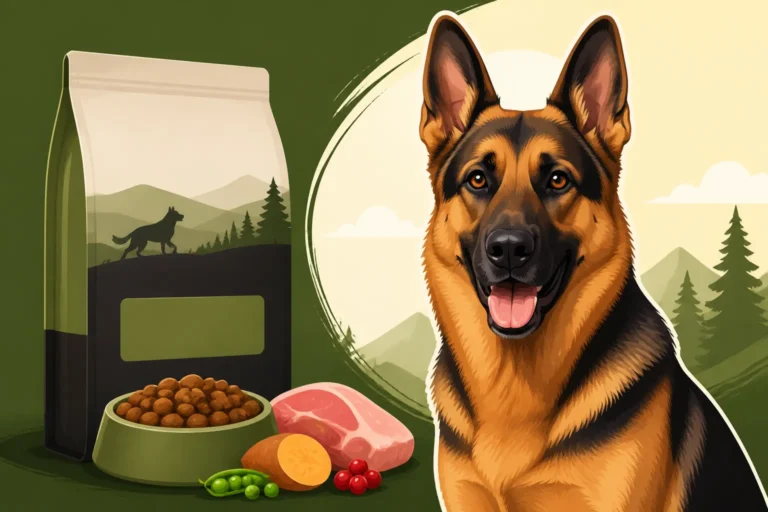
This is where the rubber meets the road. Given the emphasis on high-quality protein, healthy fats, and essential nutrients, selecting the right commercial dog food is paramount. Look for formulas specifically designed for "skin and coat health" or "sensitive skin." These often feature novel proteins (like duck or venison if your dog has common protein allergies), higher levels of Omega-3 fatty acids, and digestible carbohydrates.
When scrutinizing labels, ensure a named meat is the first ingredient, followed by other whole food sources. Avoid foods with excessive fillers, artificial colors, flavors, or preservatives, as these can sometimes trigger sensitivities. Brands like Purina Pro Plan, Royal Canin, and Hill's Science Diet often have specialized formulas, but newer options like Ollie (fresh, human-grade food) are also gaining popularity for their quality ingredients. Always consult with your veterinarian before making drastic changes, as they can help tailor recommendations to your dog's specific needs and health profile. For a broader overview, check out our guide on the Best Dog Food for German Shepherds.
Here's a quick reference table for what to look for and avoid:
| Ingredient Category | Look For (Good for Skin) | Avoid (Potentially Harmful) |
|---|---|---|
| Protein | Named meat (e.g., Chicken, Salmon, Lamb) | "Meat Meal" or "Animal By-Product" as primary |
| Fats | Fish Oil, Flaxseed Oil, Chicken Fat, Coconut Oil | Rendered Fat, Unknown Fat Sources |
| Carbohydrates | Sweet Potato, Brown Rice, Oats, Barley | Corn, Wheat, Soy (common allergens/fillers) |
| Supplements | Omega-3 (EPA/DHA), Vitamin E, Zinc, Biotin | Artificial Colors, Flavors, Preservatives |
| Overall | Whole, recognizable ingredients | Long lists of unidentifiable chemicals |
Supplements for Extra Support
Sometimes, even the best dog food might not provide enough of a specific nutrient to overcome chronic dry skin. This is where supplements can step in to bridge the gap.
- Fish Oil: A high-quality fish oil supplement, rich in EPA and DHA, is often the first line of defense against dry, itchy skin. It directly provides anti-inflammatory benefits.
- Coconut Oil: While more of a topical application for some, adding a small amount to food can also contribute healthy fats. However, be mindful of calorie intake.
- Probiotics: As mentioned, these can improve gut health, which in turn helps skin.
- Vitamin E: Can be supplemented, especially if your dog's diet isn't rich in it or they have specific needs.
Remember, supplements should always be used as an addition to a balanced diet, not a replacement. Always discuss any supplementation plans with your vet to ensure appropriate dosages and to avoid any potential interactions with existing medications or health conditions. Many of these supplements are readily available on platforms like Amazon and Chewy.
Transitioning and Observing Results
When you introduce new food or supplements, do it gradually. A sudden change can upset your German Shepherd's digestive system, causing more issues than it solves. Over a period of 7-10 days, slowly mix the new food with the old, gradually increasing the proportion of the new food.
Once the transition is complete, be patient and observant. You won't see results overnight. It typically takes several weeks, sometimes even 2-3 months, for the skin and coat to fully reflect the dietary changes. During this time, keep a journal. Note down any improvements: less scratching, reduced flakiness, a shinier coat, or even improved energy levels. Also, note any negative reactions like digestive upset or increased itching.
If after a few months, you see no improvement, it might be time to revisit with your vet. They might suggest allergy testing, a novel protein trial, or investigate other underlying conditions such as hypothyroidism, which can also cause skin issues. Remember, treating dry skin is often a process of elimination and fine-tuning. For puppies, understanding their nutritional needs from a young age is also important, and our guide on German Shepherd Puppy Feeding Schedule can offer valuable insights into proper nutrition during their critical growth phases. Similarly, understanding How Much to Feed a German Shepherd in general can help prevent both deficiencies and obesity, which can indirectly impact skin health.
The Long-Term Benefits of a Tailored Diet
Committing to a diet that specifically targets your German Shepherd's dry skin issues isn't just a temporary fix; it's an investment in their long-term health and comfort. When their skin is healthy, the natural barrier functions optimally, protecting them from environmental irritants and allergens. Their coat will become softer, shinier, and shed less excessively, which is a bonus for both of you.
Beyond the visible improvements, a nutritionally sound diet reduces inflammation throughout their body, potentially mitigating other health concerns. Your German Shepherd will likely feel more comfortable, reducing their constant urge to scratch and improving their overall quality of life. This means a happier, more playful companion who can focus on being the loyal, intelligent dog you know and love, rather than being distracted by discomfort.
Ultimately, addressing German Shepherd dry skin through diet is about providing their body with the best possible building blocks and support system. It’s about listening to their body and making informed choices that go beyond just filling their bowl.
Disclaimer
The information provided in this guide is for informational purposes only and does not constitute veterinary medical advice. Always consult with a qualified veterinarian for any health concerns or before making any changes to your German Shepherd's diet, medication, or care routine.