How Often to Groom a German Shepherd
Anyone who shares their home with a magnificent German Shepherd knows the unique challenges that come with their stunning double coat. It's not just a matter of a quick brush now and then; these dogs shed, and when they really shed, it feels like tumbleweeds of fur are rolling through your living room. Figuring out the right grooming routine can feel overwhelming, but a consistent approach is key not only for managing the inevitable shedding but also for your dog's overall health and comfort. This comprehensive guide will walk you through everything you need to know about how often to groom a German Shepherd, covering all the essential tasks to keep your furry companion looking and feeling their best.
Understanding the German Shepherd Coat
Before we dive into the nitty-gritty of grooming frequency, it's really helpful to understand what you're working with. German Shepherds aren't like some other breeds with single coats; they have a very distinct and functional double coat that demands specific care. Ignoring it can lead to uncomfortable mats, skin issues, and even more shedding than usual.
The Double Coat Explained
German Shepherds are equipped with a fantastic double coat that serves multiple purposes, primarily insulation and protection. This isn't just one layer of hair; it's two distinct layers working in harmony. The outer coat, often called the guard coat, consists of coarse, straight hairs that are somewhat water-resistant and provide protection from the elements like rain, snow, and UV rays. This is the part you usually see and feel first, giving them that classic, regal appearance.
Beneath this protective layer lies the undercoat. This is where things get really interesting, especially for shedding. The undercoat is much softer, denser, and woollier than the guard coat, acting as a natural insulator. It keeps them warm in the winter and actually helps to keep them cool in the summer by trapping a layer of air. The sheer density of this undercoat is why German Shepherds are such prolific shedders, and why regular, thorough brushing is absolutely non-negotiable for their comfort and your sanity.
Seasonal Shedding and "Blowing Coat"
If you've ever owned a German Shepherd, you've likely experienced the phenomenon known as "blowing coat." This isn't just regular shedding; it's an event, a declaration that winter or summer is officially on its way out. German Shepherds typically blow their undercoat twice a year, usually in the spring as they prepare for warmer weather, and again in the fall to make way for a thicker, warmer coat for winter. During these periods, the amount of fur they lose can be truly astonishing.
Outside of these major blowouts, German Shepherds do shed year-round, but it’s less intense. The daily shedding is mostly dead hair from their undercoat, mixed with some guard hairs. Understanding these cycles is crucial because your grooming frequency will absolutely need to adjust during these intense shedding seasons. It's not just about keeping your house clean; removing that dead undercoat helps their skin breathe, prevents mats, and allows their coat to function properly in regulating their body temperature. This process is key to managing German Shepherd Shedding: How to Manage It.
Essential Grooming Tasks and Frequency
Consistent grooming isn't just about aesthetics; it’s a critical part of your German Shepherd's overall health routine. Skipping these steps can lead to painful mats, skin infections, and even behavioral issues if they're uncomfortable. Let's break down each task and talk about how often you should be tackling it.
Brushing: The Cornerstone of GSD Grooming
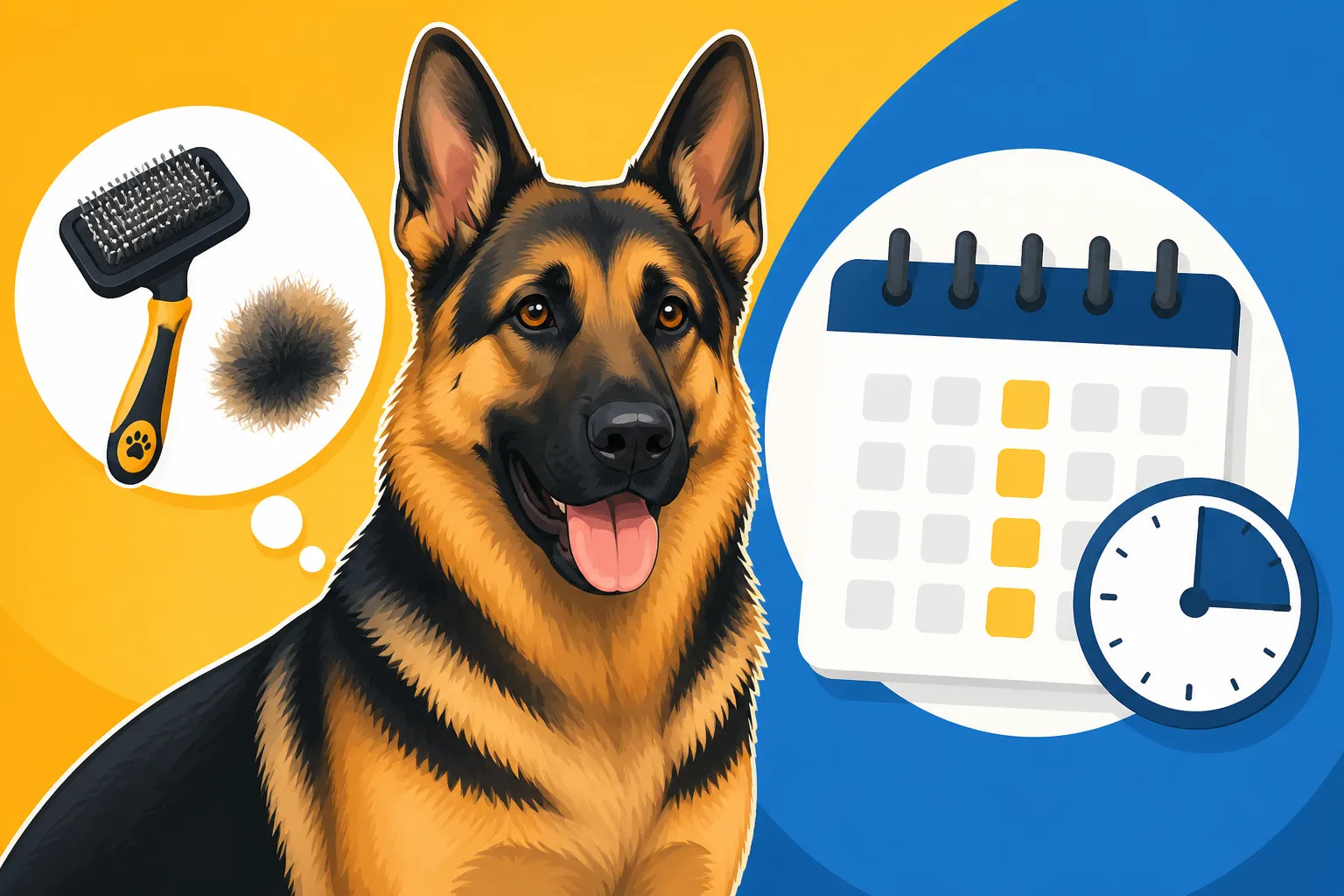
Without a doubt, brushing is the most important and most frequent grooming task for a German Shepherd. Their double coat, while beautiful, is a magnet for loose hair, dirt, and potential mats. Daily brushing is the ideal goal, especially if you have a German Shepherd with a very dense coat or if they spend a lot of time outdoors.
During the "blowing coat" seasons (spring and fall), daily brushing becomes absolutely essential – and sometimes even twice a day isn't enough to keep up with the sheer volume of fur. A good deshedding tool, combined with a slicker brush and a wide-toothed comb, will be your best friends. Focusing on thorough brushing helps to remove dead undercoat, distribute natural oils, and check for any skin issues or parasites. For a deeper dive into tools, check out Best Brush for a German Shepherd Double Coat. Even outside of heavy shedding, aim for at least 3-4 times a week to keep their coat healthy and your home a little less hairy.
Bathing: How Often is Too Often?
When it comes to bathing your German Shepherd, less is often more. Over-bathing can strip their coat of its natural oils, leading to dry, itchy skin and potentially worsening shedding. A good rule of thumb is to bathe your German Shepherd every 2-3 months, or when they are visibly dirty or smelly. If your dog loves rolling in mud or has a particularly active lifestyle that makes them prone to getting dirty, you might need to bathe them a bit more often.
Always use a high-quality dog shampoo specifically formulated for their skin and coat type. Look for gentle, pH-balanced formulas that won't irritate their skin. After bathing, make sure to thoroughly dry their undercoat to prevent skin issues like hot spots. A high-velocity dryer can be incredibly helpful for this, especially for their dense undercoat, as air drying alone can take hours. If you're struggling with finding the right balance, our guide on How Often Should You Bathe a German Shepherd offers more detailed advice.
Nail Trimming and Paw Care
Neglecting your German Shepherd's nails can lead to discomfort, pain, and even long-term joint problems. When their nails get too long, they can affect your dog's gait, putting undue stress on their paws and leg joints. You should aim to trim your German Shepherd's nails every 3-4 weeks, or whenever you hear them clicking on hard floors.
It's a good habit to get puppies used to nail trims early on. If you're nervous about cutting too far back and hitting the quick, a nail grinder can be a fantastic alternative, allowing you to gradually shorten the nails. Don't forget to check their paw pads regularly for any cuts, cracks, or foreign objects, especially if they’re active outdoors. Proper paw care is part of their overall German Shepherd Coat and Skin Care. For a step-by-step approach, see How to Trim German Shepherd Nails at Home.
Ear Cleaning and Dental Hygiene
These often-overlooked grooming tasks are incredibly important for preventing health issues. German Shepherds can be prone to ear infections, especially if they have floppy ears or if moisture gets trapped in their ear canals. Aim to check your German Shepherd's ears weekly and clean them as needed, typically every 2-4 weeks. Use a veterinarian-approved ear cleaner and a cotton ball – never use cotton swabs, which can push debris further into the canal. Look for redness, odor, or excessive head shaking, which could indicate a brewing infection. This is a vital step in German Shepherd Ear Infections: Prevention.
Dental hygiene is just as crucial. Just like humans, dogs can suffer from plaque buildup, tartar, gum disease, and tooth decay. The best defense is regular tooth brushing. Aim to brush your German Shepherd's teeth daily, or at least 3-4 times a week, using a dog-specific toothbrush and enzymatic toothpaste. If daily brushing isn't feasible, incorporating dental chews or dental wipes can help, but they are not a substitute for brushing. Consistent dental care contributes significantly to their overall health, as detailed in How to Brush a German Shepherd's Teeth.
Grooming Tools and Products
Having the right arsenal of grooming tools makes all the difference when dealing with a German Shepherd's coat. You don't need dozens of gadgets, but a few key items will save you a lot of time and frustration, and make the experience more comfortable for your dog.
Must-Have Brushes and Deshedding Tools
For a German Shepherd, a single brush simply won't cut it. You'll need a combination of tools to effectively manage their double coat:
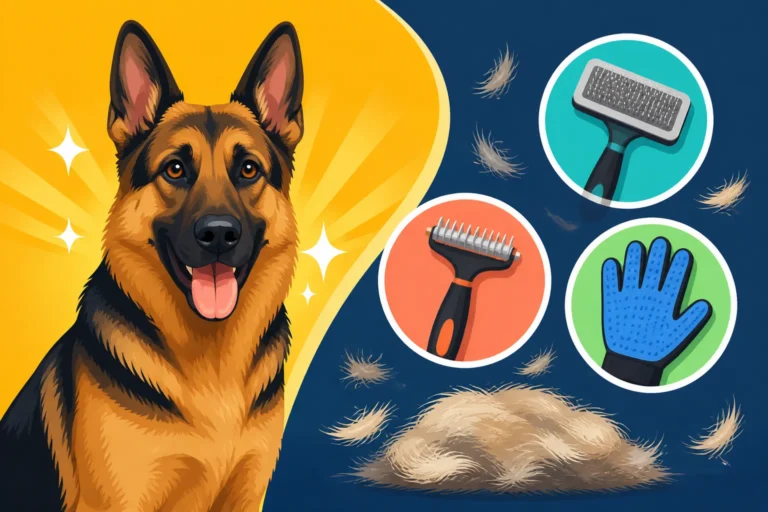
- Undercoat Rake: This is arguably the most essential tool for a German Shepherd. An undercoat rake, with its widely spaced, strong teeth, reaches down through the guard coat to pull out loose undercoat without damaging the top layer. Use this weekly, and more frequently during shedding seasons. Brands like Furminator are popular, but many reputable brands offer effective undercoat rakes that you can find easily on sites like Amazon or Chewy.
- Slicker Brush: A slicker brush has fine, wire bristles clustered together on a flat or curved surface. It’s excellent for removing mats, tangles, and general loose hair from both the undercoat and guard coat, and for smoothing out the coat after using an undercoat rake. Use this a few times a week.
- Pin Brush: This brush has widely spaced metal pins with rounded ends, perfect for longer-haired German Shepherds or for general everyday brushing to remove loose surface hair and stimulate the skin. It’s also great for dogs with sensitive skin who might find a slicker brush too harsh.
- De-shedding Blade/Tool: While an undercoat rake is good, specialized de-shedding tools can be incredibly effective during seasonal blowouts. These often have unique blade designs to grab and pull out even more loose undercoat. Just be careful not to overuse them, as they can sometimes irritate the skin if used too aggressively.
Investing in high-quality tools is worth it. They last longer, work more efficiently, and are more comfortable for your dog.
Shampoos, Conditioners, and Other Essentials
Beyond brushes, a few other products are crucial for a well-rounded grooming routine:
- Dog-Specific Shampoo and Conditioner: As mentioned, always use formulas designed for dogs. For German Shepherds, look for shampoos that are gentle, hypoallergenic, or formulated for sensitive skin if your dog has allergies or German Shepherd Skin Problems and Fixes. A good conditioner can help hydrate the skin and coat, making it easier to brush through. Many owners find great options at pet supply stores or online through retailers like Chewy.
- High-Velocity Dryer: While not strictly a "product," a high-velocity dryer is a game-changer for German Shepherd owners. It blasts water out of their dense double coat, significantly cutting drying time and preventing moisture-related skin issues. It also helps blow out loose undercoat during drying, which is a huge bonus.
- Nail Clippers or Grinder: Choose a style you're comfortable with. Scissor-style clippers or guillotine-style clippers are common, but many people prefer a Dremel-style nail grinder for a smoother finish and less risk of cutting too far.
- Ear Cleaner: A veterinary-approved ear cleaning solution is a must. Never use rubbing alcohol or hydrogen peroxide, as these can be irritating or drying.
- Dog Toothbrush and Toothpaste: Human toothpaste is toxic to dogs, so always use a pet-specific enzymatic toothpaste. There are various brush styles, including finger brushes and long-handled brushes.
- Towel and Grooming Apron: A dedicated set of towels for dog bathing is always a good idea. And trust me, a grooming apron will save your clothes during those intense deshedding sessions!
Tailoring Grooming to Your German Shepherd's Needs
While general guidelines are helpful, every German Shepherd is an individual. What works for one might not be perfect for another. You'll need to observe your dog, consider their lifestyle, and adjust your routine accordingly.
Factors Influencing Grooming Frequency
Several factors can impact how often your German Shepherd needs grooming:
- Coat Type and Length: German Shepherds come in standard and long-coat varieties. Long-haired German Shepherds will generally require more frequent and thorough brushing to prevent mats and tangles, especially around their "feathers" (longer hair on their legs, tail, and ears). Even within standard coats, density can vary, with some dogs having incredibly thick undercoats year-round.
- Activity Level and Environment: A German Shepherd who spends a lot of time outdoors, rolling in dirt, swimming, or running through brush, will naturally get dirtier faster and accumulate more debris in their coat. This means more frequent brushing and potentially more baths. A primarily indoor dog living in a clean environment might get away with slightly less frequent grooming, though the shedding will still occur!
- Health and Skin Conditions: Dogs with allergies, dry skin, or other dermatological issues might require special shampoos, conditioners, or supplements, or a modified bathing schedule. For instance, a dog with chronic dry skin might benefit from less frequent bathing with a moisturizing shampoo, while a dog with an active yeast infection might need more frequent medicated baths as prescribed by a vet. For managing health, consider checking out our German Shepherd Health Problems Guide.
- Diet and Nutrition: Believe it or not, what your German Shepherd eats can significantly impact their coat health. A high-quality diet, rich in essential fatty acids (like Omega-3 and Omega-6), contributes to a healthy, shiny coat and can even help reduce excessive shedding. Poor nutrition can lead to dull, dry, brittle fur and exacerbate skin problems. Premium dog foods, like those from Purina Pro Plan or even fresh food options like Ollie, often include ingredients aimed at coat health. Consider the recommendations in Best Dog Food for German Shepherds for optimal coat and skin health. Supplements, such as fish oil, can also be beneficial, and our article on Best Supplements for German Shepherds offers guidance.
- Age: Puppies typically have softer coats that require less intense grooming, but it's crucial to start grooming early to get them accustomed to the process. Senior German Shepherds might have drier, thinner coats, or they might develop lumps and bumps that need careful handling during grooming. Their mobility might also decrease, making certain positions uncomfortable, so patience is key.
Recognizing Signs Your GSD Needs Grooming
Your German Shepherd will often give you clues when it's time for some grooming attention. Being observant can help you adjust your routine before small issues become big problems:
- Excessive Shedding (beyond normal): If you're noticing an overwhelming amount of loose hair even after your regular brushing routine, it's a clear sign you need to step up your deshedding efforts. This is particularly true during their "blowing coat" phases.
- Matted or Tangled Fur: Mats most commonly form behind the ears, under the legs, and around the tail. If you feel any clumps or knots, it's time for a thorough brush-out. Mats can be very painful and pull on the skin, potentially leading to skin infections.
- Odor: A healthy German Shepherd should have a relatively neutral smell. If they start to smell "doggy" or unpleasant, it's usually a sign they need a bath. Unpleasant odors can also indicate an underlying skin or ear infection.
- Dull, Dry, or Flaky Skin/Coat: A healthy German Shepherd coat is generally shiny and smooth. If it looks dull, dry, or you see flakes of dandruff, it could point to a need for brushing, a bath with a moisturizing shampoo, a dietary adjustment, or even a vet visit if the condition persists.
- Long Nails: If you hear your dog's nails clicking on the floor, they are definitely too long and need to be trimmed immediately.
- Redness or Discharge in Ears: Any sign of inflammation, excessive wax, or an unusual smell coming from the ears means it's time for a cleaning, and possibly a vet check if it looks like an infection. For prevention, read more on How to Clean German Shepherd Ears Properly.
By staying attuned to these signals, you can ensure your German Shepherd's grooming routine is always responsive to their current needs, keeping them comfortable and healthy.
German Shepherd Grooming Frequency Summary
To make it easier, here's a quick reference table for your German Shepherd's grooming needs:
| Grooming Task | Regular Frequency (Year-Round) | During "Blowing Coat" Season (Spring/Fall) | Tools & Notes |
|---|---|---|---|
| Brushing | 3-4 times per week (daily if possible) | Daily, often twice daily | Undercoat rake, slicker brush, pin brush, deshedding tool |
| Bathing | Every 2-3 months, or as needed when dirty/smelly | Every 1-2 months, if heavy shedding/dirt requires | Dog-specific shampoo/conditioner, high-velocity dryer |
| Nail Trimming | Every 3-4 weeks (or when clicking on floors) | Same frequency | Nail clippers or grinder (Dremel-style) |
| Ear Cleaning | Every 2-4 weeks (check weekly) | Same frequency | Vet-approved ear cleaner, cotton balls (no cotton swabs) |
| Dental Brushing | Daily, or 3-4 times per week | Same frequency | Dog toothbrush, enzymatic dog toothpaste |
| Paw Pad Inspection | Weekly | Same frequency | Check for cuts, cracks, foreign objects |
Remember, consistency is key, and while these are general guidelines, always be ready to adjust based on your German Shepherd's individual coat, activity level, and health. A little dedication to their grooming routine goes a long way in ensuring a happy, healthy, and comfortable life for your beloved companion.
Disclaimer
The information provided in this guide is for general informational purposes only and does not constitute professional veterinary advice. Always consult with a qualified veterinarian or professional groomer for any health concerns or before making significant changes to your German Shepherd's care routine. Individual needs may vary.