Working Line German Shepherd Explained
Many aspiring German Shepherd owners find themselves navigating a sea of information, often getting confused by terms like "working line" and "show line." It’s a common frustration to think you understand the breed, only to discover there are distinct categories with very different needs and temperaments. This comprehensive guide is here to demystify the working line German Shepherd, helping you understand their unique characteristics, training requirements, and whether one is the right fit for your home and lifestyle.
What Exactly is a Working Line German Shepherd?
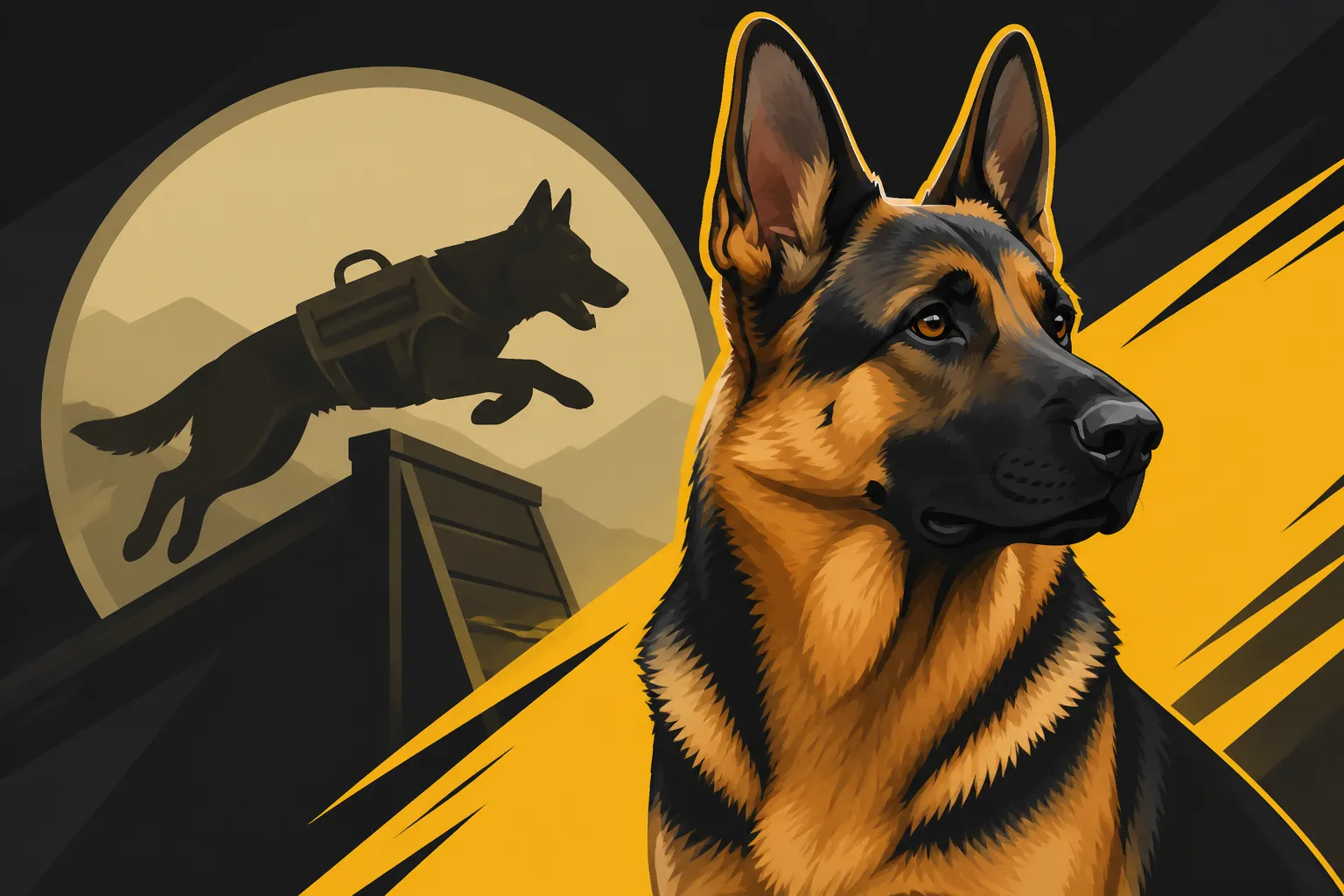
When we talk about working line German Shepherds, we're discussing a segment of the breed specifically bred for their utility, intelligence, and physical prowess rather than primarily for conformation to a beauty standard in dog shows. These dogs are descendants of lines specifically selected for strong nerves, high drive, trainability, and excellent working ability, often seen in roles such as police dogs, military dogs, search and rescue, and competitive dog sports like Schutzhund or IGP. They are a stark contrast to their show line counterparts, whose breeding focus has largely shifted towards aesthetics and temperament suitable for a broader pet market.
It’s crucial to understand that "working line" isn't just a fancy label; it signifies a deep-rooted genetic predisposition for specific traits. These dogs aren't just pets; they are athletes and thinkers, requiring a lifestyle that caters to their inherent abilities and drives. If you’re considering a working line German Shepherd, you’re essentially bringing a highly capable partner into your home, one that thrives on purpose and challenging work.
History and Purpose of Working Line German Shepherds
The German Shepherd Dog, as a breed, was originally developed by Captain Max von Stephanitz in Germany with a clear purpose: to be the ultimate herding dog. He envisioned a dog with unparalleled intelligence, strength, and unwavering loyalty – a true working dog. Early German Shepherds were selected based on their working capabilities, not their appearance in a show ring. This foundational principle of utility is what the modern working lines strive to maintain.
After World War II, the breed began to diverge, particularly between European and American breeding programs. In Europe, especially in countries like Germany, the focus on working ability was largely preserved, with strict regulations like Zuchtbuch (breeding book) entries requiring working titles before dogs could be bred. This commitment ensured that traits like courage, prey drive, and strong nerves continued to be prioritized. These dogs were bred for real-world tasks, protecting livestock, assisting law enforcement, and serving in the military, embodying the very essence of the breed's original purpose.
Key Differentiating Traits from Show Lines
The differences between working line and show line German Shepherds are quite pronounced, touching on temperament, physical structure, and overall drive. Working lines typically possess a more intense drive, boundless energy, and an insatiable desire to work. They often display higher prey drive, stronger retrieve instincts, and a more pronounced defense drive, which are all vital for their various working roles.
Physically, working lines often feature a straighter back, less exaggerated angulation in the hindquarters, and a more athletic build compared to the sloped backs and often more extreme angulation seen in many modern show lines. Their movements are efficient and powerful, designed for endurance and agility. When comparing a working line to a show line, you'll often notice the working dog carries itself with a more rugged, utilitarian presence, reflecting its heritage as a robust and capable worker. You might want to read our article on Working Line vs Show Line German Shepherd to get a deeper understanding of these distinctions.
Physical Characteristics of Working Line German Shepherds
While all German Shepherds share a foundational appearance, working lines possess certain physical traits that distinguish them, reflecting their demanding roles and the careful breeding that goes into maintaining their working abilities. These aren't just aesthetic differences; they directly relate to their functionality and resilience.
Build and Structure
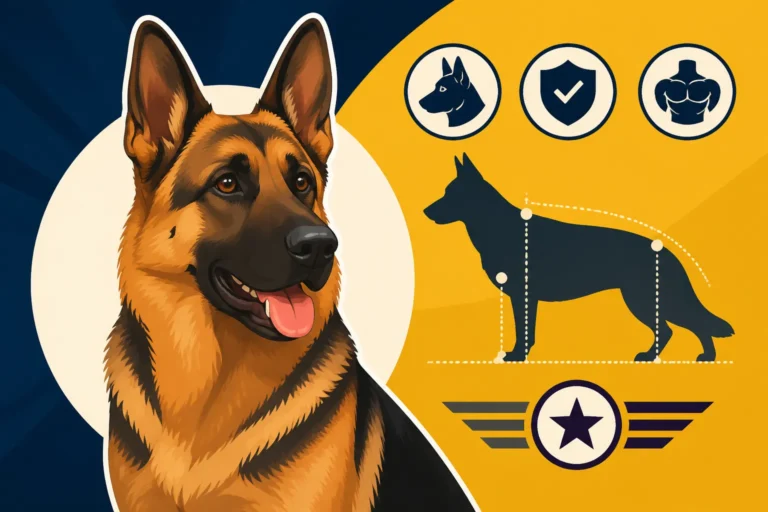
Working line German Shepherds typically exhibit a more classic, "old-fashioned" German Shepherd physique. Their backs are generally straighter, presenting a level topline that runs from the withers to the tail. This contrasts sharply with the often-sloped back and exaggerated rear angulation commonly seen in many show line German Shepherds, particularly those from American lines. The straighter back is believed to contribute to better longevity and fewer structural issues, making them more durable for strenuous physical activity.
Their angulation—the angle of their bones at the joints—is moderate, allowing for powerful, efficient movement without putting undue stress on their hips and elbows. This moderate angulation promotes a fluid, ground-covering gait that enables them to sustain high levels of activity over long periods. When you see a working line GSD move, it's often with purpose and power, not the flashy, low-to-the-ground trot sometimes associated with show ring movement. This athletic build also means they tend to be lean and muscular, built for stamina and strength rather than bulk.
Coat and Color Variations
Working line German Shepherds come in a fascinating array of coat colors and patterns, often more diverse and less restricted than those frequently seen in the show ring. While black and tan is certainly common, you’ll also encounter many sable German Shepherds, which feature hairs that are banded with different colors, creating a rich, multi-tonal appearance that offers excellent camouflage in natural environments. Other common colors include solid black and bi-color (primarily black with tan or red points).
Less common but still accepted are colors like blue and liver, though these are typically only seen in pet-quality working lines as they are considered disqualifying faults in the show ring. The coat texture is usually dense and harsh, providing excellent protection against the elements, which is essential for dogs that spend a lot of time outdoors working. Regardless of color, the double coat—a dense undercoat and a protective outer coat—is a hallmark of the breed and is crucial for their comfort in various climates. Understanding these variations can help you appreciate the diversity within the working lines.
Temperament and Drive
The temperament and drive of a working line German Shepherd are perhaps their most defining characteristics and the primary reasons people seek them out—or, conversely, realize they might not be the right fit. These dogs are not for the faint of heart or those seeking a docile couch potato; they demand engagement and purpose.
High Drive and Energy Levels
Working line German Shepherds are renowned for their incredibly high drive. This isn't just about physical energy, though they have that in spades; it's also about a mental intensity and a profound need for a job. They possess strong prey drive, meaning they are highly motivated by chasing and retrieving, which can be channeled into sports like IGP or even just a vigorous game of fetch with appropriate toys from retailers like Chewy. Their defense drive means they are naturally protective of their family and territory, though this needs careful management and training to ensure it's directed appropriately.
These dogs are built to go all day. A simple walk around the block isn't enough to satisfy their exercise needs. They require consistent, challenging physical activity, such as long runs, hikes, agility training, or intense play sessions. Without adequate outlets for their energy, they can become destructive, anxious, or develop behavioral issues like excessive barking or chewing. This intense energy is a hallmark of the breed, but especially pronounced in working lines, making it paramount for potential owners to commit to meeting these needs. For more on exercise, check out our guide on German Shepherd Exercise Requirements.
Trainability and Intelligence
One of the most appealing aspects of working line German Shepherds is their exceptional intelligence and trainability. They are incredibly eager to please, highly focused, and quick to learn. This makes them ideal candidates for advanced obedience, protection work, search and rescue, and various dog sports. They thrive on challenges and mental stimulation, viewing training not as a chore but as a fulfilling partnership with their handler.
However, their intelligence is a double-edged sword. While it makes them highly trainable, it also means they can easily pick up bad habits if not consistently guided. They need a handler who is confident, consistent, and understands how to motivate them. A working line GSD will test boundaries, and a firm, fair, and positive approach is essential. They respond best to clear communication and reward-based training methods. Engaging their minds with puzzle toys or complex training routines is just as important as physical exercise to keep them happy and balanced. Our article on How to Train a German Shepherd provides excellent starting points.
Socialization Needs
Given their inherent protective instincts and high drives, early and ongoing socialization is absolutely critical for working line German Shepherds. Without proper exposure to a wide variety of people, places, sounds, and other dogs from a young age, they can become overly suspicious, fearful, or even aggressive. This isn't a flaw in their temperament but rather a natural expression of their genetics if not properly shaped.
Socialization for a working line GSD goes beyond just casual encounters. It means controlled, positive introductions to diverse stimuli. Taking your puppy to different parks, busy downtown areas (if safe and appropriate), meeting different types of people (kids, adults, people with hats or glasses), and positive interactions with calm, vaccinated dogs are all vital. This consistent exposure helps them develop into well-adjusted, confident adults who can discern real threats from everyday occurrences. Neglecting socialization can lead to a dog that is a liability rather than a loyal companion, making their intense drives difficult to manage in public settings. Learn more about effective strategies in How to Socialize a German Shepherd.
Ideal Home Environment and Training Needs
Bringing a working line German Shepherd into your home is a significant commitment. They aren't the right choice for every family, and understanding their specific needs beforehand can prevent a lot of heartache and behavioral challenges down the road.
Exercise and Mental Stimulation Requirements
The demand for exercise in a working line German Shepherd cannot be overstated. These aren't dogs that are content with a few short walks a day. They typically require at least 1-2 hours of vigorous physical activity daily, ideally broken into multiple sessions. This could include long runs, intense games of fetch, swimming, or accompanying you on bike rides or hikes. Remember, a tired German Shepherd is a good German Shepherd!
Beyond physical exertion, their brilliant minds need constant engagement. Mental stimulation is just as vital as physical exercise. This can take many forms:
- Structured Training Sessions: Daily training, even just 15-20 minutes, working on obedience commands, new tricks, or practicing complex sequences.
- Puzzle Toys and Treat Dispensers: Products from brands like Chewy offer a wide variety of interactive toys that challenge your dog to figure out how to get their treats.
- Scent Work: Hiding treats around the house or yard for them to find engages their powerful nose and problem-solving skills.
- Dog Sports: Participating in activities like agility, obedience trials, Schutzhund/IGP, or dock diving can be incredibly rewarding for both dog and owner, providing a structured outlet for their drives.
Failing to provide sufficient mental and physical outlets will almost certainly lead to destructive behaviors, anxiety, and a generally unhappy dog. They need a purpose, and it's your job to provide it.
Training Approaches Best Suited for Working Lines
Given their intelligence and drive, working line German Shepherds excel with consistent, structured, and reward-based training. They respond best to a leader who is calm, confident, and fair, establishing clear boundaries and expectations from day one. Positive reinforcement, using treats, praise, and play as rewards, is highly effective in motivating them.
Harsh or punitive training methods are generally counterproductive for these intelligent and sensitive dogs, as they can damage the bond between handler and dog, leading to fear, distrust, or even aggression. Instead, focus on building a strong working relationship based on mutual respect and clear communication.
- Early Puppy Training: Start with basic obedience and socialization as soon as you bring your puppy home. A solid foundation is key. Our guide on German Shepherd Puppy Training Guide is a great resource.
- Consistency is Key: Everyone in the household needs to be on the same page regarding rules and commands. Inconsistency can confuse these smart dogs and lead to them trying to take advantage.
- Advanced Training: Once basic obedience is mastered, consider enrolling in advanced classes or dog sports. This provides ongoing challenges and strengthens their skills. Many working line owners pursue certifications like the Canine Good Citizen (CGC) and then move onto more specialized training.
Remember, training is an ongoing process, not a one-time event. A working line German Shepherd thrives on having a job, and training provides that essential mental engagement throughout their lives.
Living with a Working Line GSD
Living with a working line German Shepherd is a unique and deeply rewarding experience, but it’s not without its challenges. These dogs bond fiercely with their families and can be incredibly loyal companions, but they require owners who are prepared for their intensity.
Considerations for Daily Life:
- Space: While they can adapt to various living situations, a home with a secure yard is highly beneficial for them to expend some energy. Apartment living is possible, but it means you must be even more diligent about daily exercise outings.
- Time Commitment: They need a lot of your time and attention. This isn't a dog you can leave alone for long hours without consequences. If you have a busy, demanding schedule, this might not be the right breed for you.
- Patience and Understanding: Their high drives can sometimes manifest as strong-willed behavior or an overwhelming desire to "do" something. Patience, understanding, and redirecting that energy into productive outlets are crucial.
- Grooming: While not typically considered high-maintenance, their double coats do shed, especially during seasonal "blow outs." Regular brushing, especially with quality grooming tools, is necessary to manage shedding and maintain coat health. Many excellent brushes and grooming supplies are available through Chewy.
Here's a quick overview of what to expect:
| Trait | Working Line German Shepherd | Typical Pet Dog (General) |
|---|---|---|
| Energy Level | Very High: Requires 1-2+ hours vigorous exercise daily | Moderate: Content with walks and playtime |
| Mental Stimulation | High: Needs daily challenges, complex training, "jobs" | Moderate: Benefits from training, but not as demanding |
| Trainability | Excellent: Eager, focused, quick learner, thrives on structure | Good: Responsive to training, but may lack intensity |
| Drive (Prey/Defense) | Very Strong: Excellent for sports, protection, but needs channeling | Moderate to Low: Present, but less intense and easier to manage |
| Ideal Owner | Active, experienced, committed to consistent training and engagement | Active to moderately active, seeking a loyal companion |
| Potential Challenges | Destructive if bored, vocal, can be intense for novice owners | Less demanding, but can develop issues if needs aren't met |
Ultimately, owning a working line German Shepherd is a partnership. They give their all to their human, and in return, they expect to be given a purpose and a lifestyle that allows them to thrive.
Working Line Sub-Types: Czech, DDR, and West German Working Lines
Within the broad category of "working line German Shepherds," there are further distinctions based on their country of origin and specific breeding programs. These sub-types, while sharing common working traits, each carry a unique history and subtle differences in appearance, temperament, and health emphasis. Understanding these nuances can help you appreciate the depth of the working line world.
Czech Working Lines
Czech working line German Shepherds originate primarily from former Czechoslovakia, where they were meticulously bred for border patrol and military service. The breeding programs emphasized extreme durability, strong nerves, and intense working drives, essential for the demanding tasks these dogs performed. These dogs are known for their rugged health, strong bone structure, and incredible resilience, often having straighter backs and robust physiques designed for endurance in harsh conditions.
Their temperament is typically characterized by a very strong prey drive, high retrieve drive, and a fearless attitude. They are incredibly tough dogs, both physically and mentally, making them outstanding candidates for Schutzhund, IGP, and police K9 work. Owners of Czech working lines often praise their unwavering focus and tireless work ethic. However, this intensity also means they require a very experienced handler who can provide consistent, high-level training and an abundance of appropriate outlets for their drives. They aren't generally recommended for first-time dog owners due to their powerful personalities and extensive needs.
East German (DDR) Working Lines
The "DDR" in DDR German Shepherds refers to Deutsche Demokratische Republik, or East Germany. After World War II, when Germany was divided, East German breeders developed their own lines of German Shepherds. These dogs were strictly bred to serve the East German military and police force, focusing on traits like robust health, strong bone, dark pigment, and exceptional working abilities under harsh conditions. The breeding program was a closed gene pool, meaning there was no mixing with West German lines, which contributed to their distinct characteristics.
DDR German Shepherds are known for their large, powerful builds, dark sable or black coats, and a reputation for being incredibly tough and resilient. They possess powerful drives, excellent scenting abilities, and a generally calmer but very serious demeanor when not working. They often have an intense gaze and a formidable presence. Like Czech lines, DDRs are known for their health and longevity, a testament to their strict breeding for utility. They demand consistent training and a challenging lifestyle to thrive and are best suited for experienced handlers dedicated to working their dogs.
West German Working Lines
The term "West German working line" can sometimes be a bit confusing because "West German Show Line" is also a common distinction. However, true West German working lines maintain the emphasis on working ability, adherence to the original German Shepherd breed standard, and the requirement of working titles (like IPO/IGP) before breeding. These lines are still bred primarily in Germany and other European countries, following strict guidelines set by organizations like the SV (Verein für Deutsche Schäferhunde).
These dogs often represent a bridge between the extreme utilitarianism of some Czech or DDR lines and the more refined appearance found in some European show lines. They typically possess solid nerves, good health, and strong drives, making them versatile for various working roles, including police K9, search and rescue, and competitive dog sports. Their temperaments are usually balanced, being alert and protective when necessary, but calm and confident in appropriate settings. They generally have a good retrieve drive and are highly trainable. While perhaps not as "hard" as some dedicated police K9 lines, they are still intense working dogs that require experienced owners who can provide ample training, socialization, and exercise. Many West German working lines are known for their sound German Shepherd Temperament and Personality.
Health Considerations Specific to Working Lines
While German Shepherds, in general, are prone to certain health issues, working line breeders often prioritize robust health and genetic soundness, understanding that a working dog must be physically capable of performing its duties without debilitating conditions. However, vigilance and proactive care are still paramount. You should familiarize yourself with common health issues in the breed, such as those detailed in our German Shepherd Health Problems Guide.
Common Health Concerns and Genetic Testing
Despite careful breeding, working line German Shepherds can still be susceptible to some of the health issues common to the breed. The most notable concerns include:
- Hip and Elbow Dysplasia: These are hereditary conditions affecting the hip and elbow joints, leading to pain and arthritis. Reputable working line breeders extensively health test their breeding stock through certifications like OFA (Orthopedic Foundation for Animals) or PennHIP. It's crucial to verify these clearances. You can learn more about this in German Shepherd Hip Dysplasia Explained.
- Degenerative Myelopathy (DM): A progressive neurological disease that affects the spinal cord, leading to hind limb weakness and paralysis. While there is no cure, a DNA test can identify carriers and affected dogs. Responsible breeders avoid breeding two carriers together to prevent producing affected offspring. Our article Degenerative Myelopathy in German Shepherds offers more in-depth information.
- Bloat (Gastric Dilatation-Volvulus – GDV): A life-threatening condition where the stomach fills with gas and can twist. Large, deep-chested breeds like German Shepherds are at higher risk. While not genetic in the same way as dysplasia, some veterinarians recommend preventative gastropexy surgery, especially for highly active dogs.
- Exocrine Pancreatic Insufficiency (EPI): A condition where the pancreas doesn't produce enough digestive enzymes, leading to malabsorption. While treatable with enzyme supplements, it’s another genetic condition that requires testing of breeding dogs.
Good breeders will be transparent about the health of their lines, provide health clearances, and discuss any potential issues. They understand that a healthy dog is a successful working dog. For more information on preventative measures, consider checking out How to Keep a German Shepherd Healthy and German Shepherd Genetic Health Testing.
Proactive Care for Longevity
Ensuring a long and healthy life for your working line German Shepherd involves a combination of responsible breeding practices, excellent veterinary care, and diligent daily management.
- High-Quality Nutrition: A balanced diet appropriate for large, active breeds is essential. Look for high-quality dog foods designed for large breeds, with appropriate protein and fat content. Retailers like Chewy offer a wide range of premium dog food brands that can meet these needs. Always consult with your vet about the best diet for your dog's specific needs and life stage.
- Regular Veterinary Check-ups: Annual veterinary visits are crucial for preventive care, including vaccinations, deworming, and early detection of any health issues. As your dog ages, these check-ups might become more frequent.
- Appropriate Exercise: While working lines need a lot of exercise, it's vital to ensure it's appropriate for their age and physical development. Over-exercising puppies, especially during their critical growth phases, can contribute to joint problems. Follow your vet's recommendations for exercise duration and intensity for puppies and adolescents.
- Weight Management: Keeping your German Shepherd at a healthy weight reduces stress on their joints and can prevent various health problems. Monitor their food intake and exercise output to maintain an ideal body condition.
- Joint Supplements: Many working line owners choose to give their dogs joint supplements containing glucosamine, chondroitin, and MSM from a young age, particularly those with a predisposition to hip or elbow issues. Always discuss supplements with your veterinarian before introducing them.
By providing excellent care, meeting their physical and mental needs, and choosing a puppy from a reputable breeder who prioritizes health, you give your working line German Shepherd the best chance at a long, fulfilling life as your dedicated companion and partner. For information on general lifespan, refer to our article on German Shepherd Lifespan: How Long They Live.
Disclaimer
This article is for general informational purposes only and does not constitute professional advice. Laws, prices and regulations vary by location and change over time. Consult a qualified professional for guidance on your specific situation.