Belgian German Shepherd Explained
It’s quite common to hear people talk about a "Belgian German Shepherd," and if you’re one of the many who have, you’re likely grappling with some confusion. The truth is, there isn't actually a recognized breed by that specific name, and this misunderstanding can lead to a lot of questions for potential dog owners. This comprehensive guide will clear up the mystery, delve into the distinct characteristics of the German Shepherd and the Belgian Malinois, and help you understand why these magnificent dogs are often mistakenly linked.
Understanding the "Belgian German Shepherd" Misconception
The term "Belgian German Shepherd" often crops up in conversations, online searches, and even casual mentions, creating a persistent belief that such a breed exists. For anyone looking into dog breeds, especially working dogs, this can be incredibly perplexing. You might envision a dog with the sturdy build of a German Shepherd but perhaps the sleekness or intensity of a Belgian breed. It's a natural leap, given the strong working dog heritage shared by both German and Belgian breeds.
Is There Such a Breed? Addressing the Myth
Let's get straight to the heart of it: no, there isn't a recognized breed officially named the "Belgian German Shepherd" by major kennel clubs like the American Kennel Club (AKC) or the Fédération Cynologique Internationale (FCI). When people use this term, they are almost universally referring to one of two distinct breeds, or sometimes a cross between them. Most commonly, it's a misidentification of a Belgian Malinois, or an attempt to describe a German Shepherd with certain traits that might align with Belgian working dog characteristics.
The confusion is understandable, especially for those new to the world of dog breeds. Both German Shepherds and Belgian Malinois are incredible canines, renowned for their intelligence, athleticism, and loyalty. They are frequently employed in similar roles, such as police, military, search and rescue, and protection work, which further blurs the lines in the public eye. However, despite their shared working drive and general appearance, they are genetically and phenotypically separate breeds, each with its own unique history, temperament, and physical standards.
Why the Confusion Exists
The roots of this widespread misunderstanding are varied. One significant factor is the visual similarities, particularly in certain lines. A "working line German Shepherd" might, to an untrained eye, share some of the leaner, more athletic build often seen in Belgian Malinois, contrasting with the more substantial, sometimes sloped-back appearance of "show line German Shepherds." This visual overlap can easily lead someone to connect the two geographically and morph their names.
Another major contributor is media portrayal. Movies, TV shows, and even news reports often feature these impressive dogs in high-stakes roles. Sometimes, a Malinois might be cast in a role where a German Shepherd is typically expected, or vice-versa, without the specific breed being clearly identified to the general public. Furthermore, the sheer popularity of both breeds in law enforcement and military circles means they are often grouped together in people's minds as "police dogs," further cementing a generalized image. Many owners, for example, might be searching for information about their German Shepherd Health Problems Guide and stumble upon articles that discuss both breeds, leading them to believe they are closely related or a combined entity.
Adding to this, the actual Belgian Shepherd Dog group encompasses four distinct varieties: the Malinois, Tervuren, Groenendael, and Laekenois. The Malinois is by far the most well-known globally, often simply referred to as "Malinois." This can lead people to infer a "Belgian Shepherd" is the Belgian working dog, and then connect it to the German Shepherd due to shared roles and a superficial resemblance. The journey into understanding canine genetics and breed history is fascinating, but it certainly has its twists and turns, making this particular misconception a common one that deserves thorough clarification.
The German Shepherd Dog: A Closer Look
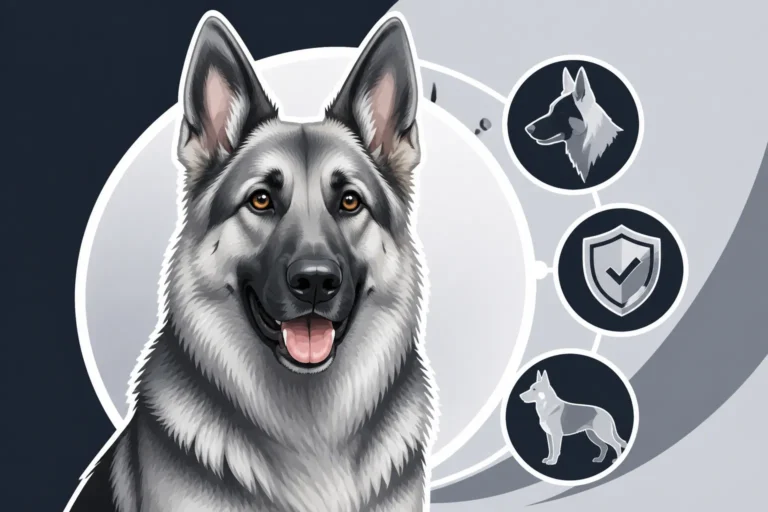
The German Shepherd Dog, or GSD, is one of the world's most recognizable and beloved breeds. Its noble appearance, unwavering loyalty, and formidable intelligence have cemented its place in countless homes and working environments across the globe. For decades, the German Shepherd has been a symbol of canine capability and devotion, a true testament to its thoughtful development.
Historical Roots and Breed Standards
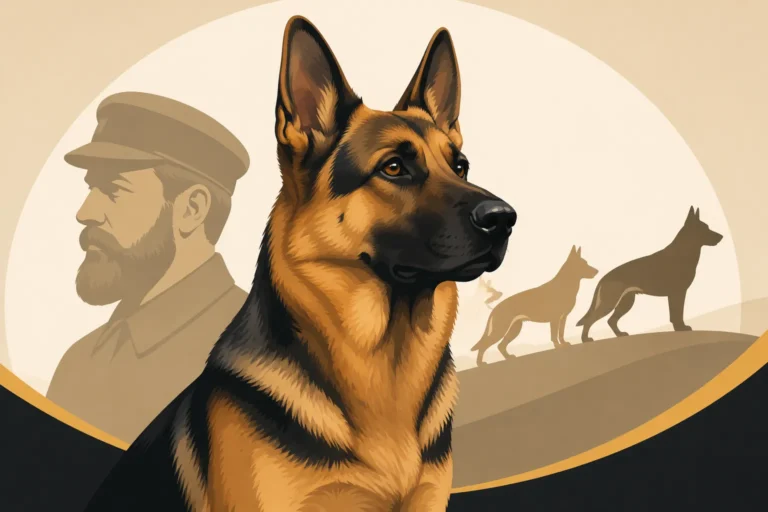
The German Shepherd's story begins in Germany in the late 19th century, specifically with Captain Max von Stephanitz, who is credited with developing the breed. His vision was to create the ultimate herding dog – intelligent, athletic, and trainable, capable of enduring tough work and adverse conditions. He succeeded admirably, and as the need for traditional herding dogs declined with industrialization, the German Shepherd quickly found new vocations in military, police, and service work, roles it excels at to this day. Its original versatility and robust nature are still hallmarks of the breed.
The breed standard for the German Shepherd calls for a dog of medium size, slightly longer than tall, with a strong, muscular body and a noble, confident expression. The head should be proportionate to the body, with erect ears and intelligent, dark eyes. The gait is fluid and powerful, suggesting effortless movement. While there are variations in build and coat within the breed, broadly divided into Working Line vs Show Line German Shepherd, the core characteristics of strength, agility, and mental acumen remain consistent across all lines. Understanding these standards is crucial when evaluating a purebred German Shepherd.
Distinctive Physical Traits and Temperament
Physically, German Shepherds are impressive dogs. Males typically stand 24-26 inches at the shoulder and weigh between 65-90 pounds, while females are slightly smaller at 22-24 inches and 50-70 pounds. Their double coat can come in a variety of colors, most famously black and tan, but also sable, black, and bi-color. They have a powerful, muscular build, often characterized by a distinctive, balanced angulation that allows for their famously efficient trot. Their dignified stance and watchful eyes are classic indicators of the breed.
In terms of temperament, German Shepherds are known for being incredibly intelligent, courageous, and loyal. They are typically reserved with strangers but form deep, protective bonds with their families. This protective instinct, combined with their sharp minds, makes them excellent guard dogs and dedicated companions. However, their intelligence also means they require consistent training and mental stimulation to prevent boredom and destructive behaviors. Early German Shepherd Puppy Training Guide and continuous socialization are paramount to raising a well-adjusted GSD. They thrive on having a "job" to do, whether it's obedience, agility, or simply being a vigilant family guardian. Without proper outlets, their intelligent minds can sometimes lead to problem behaviors, emphasizing the importance of understanding the German Shepherd Temperament and Personality.
Common Health Considerations
Like many purebred dogs, German Shepherds are prone to certain genetic health issues. Owners must be vigilant and proactive in managing their dog's health. Hip and elbow dysplasia are unfortunately common orthopedic conditions that can cause pain and mobility issues. Responsible breeders conduct extensive health screenings to minimize the risk of passing these conditions on to puppies. You can learn more about this by reading our detailed article on German Shepherd Hip Dysplasia Explained.
Other notable health concerns include Degenerative Myelopathy (DM), a progressive neurological disease affecting the spinal cord, and Bloat (Gastric Dilatation-Volvulus), a life-threatening condition where the stomach twists. Less commonly, German Shepherds can also be susceptible to certain cancers, exocrine pancreatic insufficiency (EPI), and allergies. A balanced diet, regular exercise, and routine veterinary check-ups are vital for maintaining a GSD's well-being. Keeping an eye on their weight and ensuring they are on a high-quality food, perhaps from a reputable supplier like Chewy, can also significantly impact their long-term health. Regular grooming, as outlined in our German Shepherd Shedding: How to Manage It guide, is also essential for maintaining their coat and skin health.
The Belgian Malinois: Unpacking Its Identity
Often mistaken for a German Shepherd, the Belgian Malinois is a powerhouse of a dog, known for its intense drive, incredible agility, and unwavering focus. While they share a similar working background and some superficial resemblances with GSDs, the Malinois has its own distinct heritage and characteristics that set it apart.
Origin and Purpose
The Belgian Malinois is one of four varieties of Belgian Shepherd Dogs, all originating from Belgium in the late 19th century. Each variety is named after the Belgian village or region where it was primarily developed. The Malinois specifically hails from Malines (Mechelen in Dutch). Unlike the German Shepherd, which was initially bred for herding and later adapted for protection, the Belgian Shepherd varieties were developed simultaneously for herding, guarding, and general farm work. The Malinois quickly distinguished itself through its exceptional athleticism, keen intelligence, and intense work ethic.
Today, the Malinois is globally recognized as a premier working dog. Their high drive, speed, and precision make them invaluable in demanding roles such as police K9 units, military working dogs (especially Special Forces units), search and rescue, and advanced protection sports like IGP (formerly Schutzhund). They are often the breed of choice for tasks requiring extreme focus and physical prowess, capable of performing complex tasks under pressure with remarkable consistency. This breed excels when given a clear purpose and a structured environment, embodying the spirit of a true working partner.
Physical Characteristics and Energetic Demeanor
Physically, the Belgian Malinois is a medium-to-large sized dog, built for speed and endurance rather than heavy bone. Males typically stand 24-26 inches at the shoulder and weigh 60-80 pounds, while females are 22-24 inches and 40-60 pounds. They have a relatively short, straight, weather-resistant double coat, most commonly fawn to mahogany, with a black mask and ears. Their build is square and well-muscled, with a sleek, agile appearance. Their eyes are dark and almond-shaped, conveying an alert and intelligent expression, and their ears are erect and triangular.
The most defining characteristic of the Malinois is arguably its energetic demeanor. These dogs possess an almost inexhaustible amount of energy and an extremely high drive. They are perpetually "on," alert, and ready for action. This boundless energy translates into a need for significant physical exercise and, perhaps even more importantly, rigorous mental stimulation. A Malinois isn't content with a simple walk around the block; they crave intense activities like running, agility, fetch, and complex training sessions. Their high prey drive and natural protective instincts make them formidable workers, but also dogs that require experienced handling and consistent training from a very young age. This intense energy is a core part of their identity and must be deeply understood by potential owners.
Unique Health Predispositions
While generally a healthy and robust breed, Belgian Malinois do have some health considerations. Like German Shepherds, they can be predisposed to hip and elbow dysplasia, so responsible breeding practices are crucial. Other orthopedic issues like luxating patella (dislocating kneecap) can also occur. Eye conditions, such as progressive retinal atrophy (PRA), are also seen in the breed, though less commonly than some other conditions.
Because of their high energy levels and athletic nature, Malinois can also be prone to injuries if not properly conditioned or if over-exercised as puppies before their growth plates close. It’s important to strike a balance to ensure their joints develop correctly. Mental health is also a factor; a bored or under-stimulated Malinois can develop behavioral issues like destructive chewing, excessive barking, or anxiety. Providing a consistent schedule, ample exercise, and a high-quality diet (which you can easily source from pet supply stores like Chewy, offering specialized large-breed formulas) are key to keeping a Malinois healthy and happy. Regular vet check-ups are, of course, a non-negotiable part of their care.
Key Differences Between German Shepherds and Belgian Malinois
Understanding the distinct characteristics of German Shepherds and Belgian Malinois is crucial for anyone considering either breed. While often confused, these two breeds, despite their shared working dog heritage, possess clear differences in appearance, temperament, and ideal lifestyle requirements. Dispelling the "Belgian German Shepherd" myth hinges on appreciating these individual traits.
Comparing Appearance and Build
At first glance, German Shepherds and Belgian Malinois might appear similar, especially if you're not intimately familiar with both breeds. Both are large, athletic dogs with erect ears and intelligent expressions. However, upon closer inspection, their physical differences become quite apparent.
- Size and Structure: German Shepherds tend to be heavier-boned and more substantial in build. They are often described as having a more "sloping" backline in show lines, though working lines maintain a straighter back. Malinois, by contrast, are lighter, more finely boned, and possess a more square, athletic silhouette, built for agility and explosive speed. Their movements are often described as lighter and more cat-like.
- Coat: German Shepherds typically have a medium-length double coat, which can be quite dense and requires significant grooming, especially during their "blow coat" seasons. Their coat colors are varied, including the classic black and tan, sable, or solid black. Malinois have a shorter, harsher, and less dense double coat that typically comes in shades of fawn to mahogany with a distinct black mask and ear tips. Their grooming needs are generally less intensive than a GSD's.
- Head Shape: While both have intelligent faces, a German Shepherd's head is usually broader and more imposing, with a strong muzzle. The Malinois's head tends to be more refined and wedge-shaped, again reflecting its lighter build and quickness.
This table highlights some of the primary differences in their physical attributes:
| Feature | German Shepherd (GSD) | Belgian Malinois (Mal) |
|---|---|---|
| Size (Male) | 24-26 inches, 65-90 lbs | 24-26 inches, 60-80 lbs |
| Size (Female) | 22-24 inches, 50-70 lbs | 22-24 inches, 40-60 lbs |
| Build | Sturdier, heavier bone, powerful | Leaner, more agile, athletic, lighter bone |
| Backline | Can be sloped (show lines) or straighter (working) | Generally straight and level |
| Coat Length | Medium, dense double coat | Short, coarse, weather-resistant double coat |
| Common Colors | Black & Tan, Sable, Black, Bi-color | Fawn to Mahogany with black mask and ear tips |
| Head Shape | Broad, powerful, noble | More refined, wedge-shaped, alert |
| Temperament | Confident, aloof with strangers, protective | Intense, high drive, very alert, energetic |
| Energy Level | High, but can relax indoors | Extremely high, constant need for activity |
| Trainability | Highly intelligent, eager to please, responsive | Highly intelligent, intense focus, very sensitive |
| Grooming | Moderate to high (seasonal heavy shedding) | Low to moderate (minimal shedding) |
Temperament, Drive, and Trainability Differences
Beyond their looks, the core distinctions lie in their internal makeup—their temperament and drive. These are perhaps the most important factors for prospective owners to consider.
- Energy and Drive: This is where the most significant divergence lies. German Shepherds have high energy levels and require substantial exercise, but they are generally capable of settling down indoors and enjoying quiet time with their families. They have a strong working drive but can also be content as family companions with appropriate activity. Malinois, on the other hand, possess an extreme and relentless energy drive. They are often described as "always on" and require constant engagement, both physical and mental. Their drive is often compared to a motor that never truly switches off, needing an outlet for their intensity. A Malinois without a job or sufficient exercise can become destructive, anxious, or develop obsessive behaviors.
- Temperament with Strangers and Family: German Shepherds are known for being reserved, sometimes aloof, with strangers. They are protective of their families but typically not overtly aggressive unless provoked or if their family is threatened. Their confidence comes from a calm, steady demeanor. Malinois tend to be more intense and wary of strangers. Their protective instincts are often sharper and more reactive. They form strong bonds with their primary handler but can be less forgiving of inconsistencies or lack of leadership, requiring a very confident and experienced owner.
- Trainability: Both breeds are exceptionally intelligent and highly trainable. German Shepherds are eager to please and respond well to positive reinforcement and consistent training. They are versatile and can excel in various disciplines. Malinois are also incredibly trainable, but their intensity means they are highly sensitive to handling and environment. They need an experienced trainer who understands their high drive and can channel it effectively. They thrive on structured, challenging work and can become frustrated or difficult if their intellectual and physical needs aren't met. For detailed guidance on specific training needs, our article on How to Train a German Shepherd provides a great starting point for GSD owners.
Exercise Needs and Lifestyle Compatibility
Given their profound differences in energy and drive, their exercise needs and lifestyle compatibility also diverge significantly. This is often the make-or-break factor for many potential owners.
- German Shepherds: These dogs need a good 60-90 minutes of vigorous exercise daily. This could include long walks, runs, hikes, fetch sessions, or engaging in dog sports like obedience, agility, or tracking. They also benefit immensely from mental stimulation like puzzle toys or training sessions. While they can adapt to various living situations, a home with a secure yard is generally preferred. They are loyal family dogs who enjoy being involved in family activities and thrive on companionship. If you're wondering how much exercise your GSD truly needs, check out our guide on German Shepherd Exercise Requirements.
- Belgian Malinois: Their exercise needs are far more demanding. A Malinois requires at least 90-120 minutes of intense physical exercise daily, often more. This isn't just a casual stroll; it's high-impact running, biking, advanced agility, Schutzhund work, or other physically and mentally taxing activities. Without this outlet, they will find their own ways to release energy, which often manifests as destructive behaviors around the house. They also need constant mental engagement. A Malinois is truly suited for an active, experienced owner or family who can dedicate significant time every day to their dog's physical and mental well-being. They are not typically recommended for first-time dog owners or those seeking a more laid-back companion. Their energy and drive mean they excel in very specific, demanding environments.
Living with Either a German Shepherd or a Malinois
Bringing a German Shepherd or a Belgian Malinois into your home is a significant commitment. Both breeds offer immense companionship, loyalty, and the potential for incredible partnerships, but they also demand a great deal from their owners. Understanding their needs for training, nutrition, and overall care is crucial for a harmonious life together.
Training and Socialization Imperatives
For both German Shepherds and Belgian Malinois, early and consistent training and socialization are not just recommendations; they are absolute necessities. These are powerful, intelligent dogs with strong protective instincts, and without proper guidance, they can easily develop undesirable behaviors.
- Early Socialization: Beginning socialization as a puppy is paramount for both breeds. This means safely exposing them to a wide variety of sights, sounds, people, and other dogs from a young age. Puppy classes, supervised playdates, and positive experiences in different environments help them grow into confident, well-adjusted adults. For a German Shepherd, proper socialization helps temper their natural wariness of strangers and ensures they differentiate between a welcome guest and a perceived threat. For a Malinois, it helps channel their intensity and teaches them appropriate responses in various situations, preventing potential reactivity or fear-based behaviors.
- Consistent Training: Both breeds thrive on structure and clear communication. Positive reinforcement methods work best, rewarding desired behaviors rather than punishing mistakes. German Shepherds are eager to please and intelligent, making them highly trainable, but they require owners who can be firm, fair, and consistent. They respond well to a "job" or purpose, be it advanced obedience, agility, or even trick training. Malinois, with their intense drive and focus, require an even higher level of training commitment. They excel in demanding dog sports and need an experienced handler who understands how to manage and motivate such a high-energy dog. Their sensitivity means that harsh training methods can be detrimental, leading to a shutdown or increased reactivity. A well-trained German Shepherd or Malinois is a joy to live with, but an untrained one can be a handful, if not a liability.
Nutrition and Grooming Essentials
Proper nutrition and grooming are fundamental aspects of care for both breeds, contributing significantly to their overall health and well-being.
- Nutrition: Given their active lifestyles and large size, both German Shepherds and Belgian Malinois require high-quality dog food formulated for large, active breeds. Look for foods with real meat as the first ingredient, balanced protein-to-fat ratios, and essential nutrients to support joint health. Puppies, especially, need specific large-breed puppy formulas to ensure proper growth and prevent developmental orthopedic issues. You can find excellent options and even read reviews on platforms like Chewy, which offer a wide selection of specialized dog foods. Be mindful of portion control to prevent obesity, which can exacerbate joint problems. For German Shepherds, specifically, you might want to delve into our comprehensive German Shepherd Feeding Guide to understand their dietary needs at different life stages. Some owners opt for brands like Royal Canin or Purina Pro Plan, which often have breed-specific formulas, but always consult with your veterinarian for personalized dietary advice.
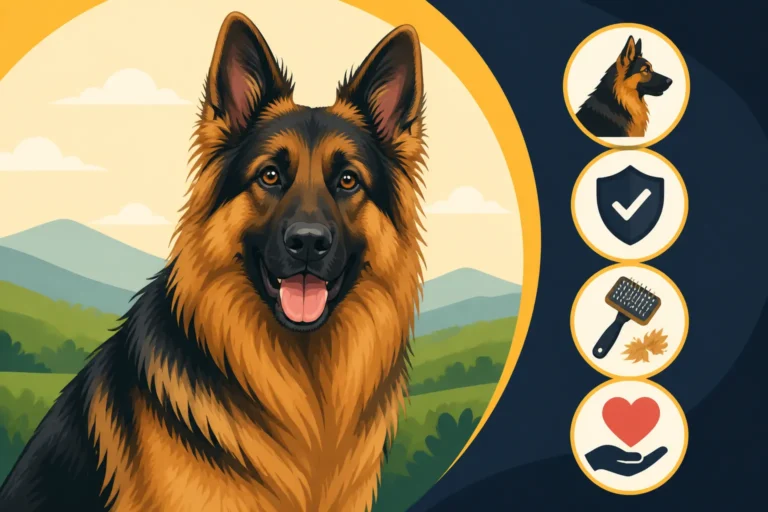
- Grooming: While both have double coats, their grooming needs differ. German Shepherds are known for being heavy year-round shedder, with periods of "blowing coat" twice a year where shedding becomes intense. Regular brushing (2-3 times a week, daily during shedding season) with a slicker brush and undercoat rake is essential to manage loose fur, prevent matting, and keep their skin healthy. Baths are needed periodically, usually every 1-2 months or when visibly dirty. Malinois, with their shorter coats, have lower grooming demands. Weekly brushing is typically sufficient to remove loose hair and keep their coat healthy. They shed moderately year-round and less intensely during seasonal coat changes. Both breeds need regular nail trims, ear cleaning, and dental care to prevent common health issues.
Making an Informed Choice for Your Family
Deciding between a German Shepherd and a Belgian Malinois—or confirming that what you have is indeed one of these magnificent purebreds—requires honest self-assessment about your lifestyle, experience, and commitment level. Neither breed is suitable for everyone, and rushing into ownership without understanding their specific demands can lead to frustration for both dog and owner.
- Assessing Your Lifestyle: Are you an active individual or family who enjoys hiking, running, and dedicating significant time to canine activities? If so, either breed could potentially fit. However, if your lifestyle is more sedentary, or you have limited time for daily exercise and training, neither breed is a good match. The Malinois, in particular, absolutely requires a highly active lifestyle and a "job" to do.
- Experience Level: German Shepherds benefit from experienced owners but can be managed by dedicated first-time owners willing to invest heavily in training and socialization. Belgian Malinois, on the other hand, are almost exclusively recommended for experienced dog owners who have a deep understanding of working dog breeds and their unique needs. Their intensity and drive can be overwhelming for those unprepared.
- Family Dynamics: Both breeds can be wonderful with children and other pets when properly socialized and trained from a young age. However, their protective instincts and high energy mean that interactions should always be supervised, especially with very young children. Their powerful presence requires a clear understanding of boundaries within the home.
- Long-Term Commitment: Owning a German Shepherd or a Belgian Malinois is a 10-14 year commitment. This includes the financial investment in high-quality food, veterinary care, training classes, and durable supplies (many of which can be conveniently found at a retailer like Chewy). It also involves the significant time commitment to exercise, training, and companionship that these intelligent and loyal dogs crave.
Ultimately, both German Shepherds and Belgian Malinois are incredible breeds that offer unparalleled loyalty and capability when placed in the right hands. The key is to understand that a "Belgian German Shepherd" isn't a single entity, but rather a confusion between two distinct and demanding breeds, each with its own incredible strengths and specific requirements. Choose wisely, and you'll gain a loyal, intelligent partner for life.
Disclaimer
Please remember that this article provides general information and should not be taken as professional veterinary advice. Always consult with a qualified veterinarian or certified dog trainer for personalized guidance regarding your specific pet's health, diet, training, or behavioral concerns. Breed characteristics can vary, and individual dogs will have their own unique personalities and needs.