German Shepherd Dental Care Explained
It’s a scenario many German Shepherd owners know well: you lean in for a loving cuddle, and instead of a sweet doggy breath, you’re hit with a pungent, almost eye-watering odor. Bad breath might seem like a minor annoyance, but for our magnificent German Shepherds, it’s often the first glaring red flag of underlying dental issues that can quickly escalate into painful, costly, and even systemic health problems. This guide is here to unravel the complexities of German Shepherd dental care, from understanding their unique oral health challenges to establishing an effective at-home routine and navigating professional veterinary cleanings, ensuring your beloved companion keeps that healthy smile for years to come.
Understanding German Shepherd Dental Health Needs
Just like us, our German Shepherds need diligent dental care to maintain their overall health. Unfortunately, it's often an overlooked aspect of pet ownership until a problem becomes undeniable. German Shepherds, with their powerful jaws and specific breed traits, have particular dental considerations that owners should be aware of.
The Unique Challenges German Shepherds Face
German Shepherds are known for their strong bite, which is a testament to their working heritage. While impressive, this strength also means they can be incredibly hard chewers, potentially leading to fractured teeth if given inappropriate items. Their muzzle shape, while generally well-proportioned, can still create areas where food particles and plaque can accumulate, especially in the molars and pre-molars at the back of the mouth.
Beyond the physical mechanics of their mouths, there can be a genetic predisposition to certain dental issues. While not as widely discussed as conditions like hip dysplasia, some lines might be more prone to issues such as crowded teeth or even missing teeth, which can complicate oral hygiene efforts. Their active lifestyles also mean they might be more susceptible to accidental tooth trauma during play or work. Understanding these breed-specific nuances is the first step in creating a proactive dental care plan.
Common Dental Problems in German Shepherds
Dental disease in dogs isn't a single condition but a progressive spectrum of issues. For German Shepherds, these problems can start subtly and worsen over time if left unaddressed.
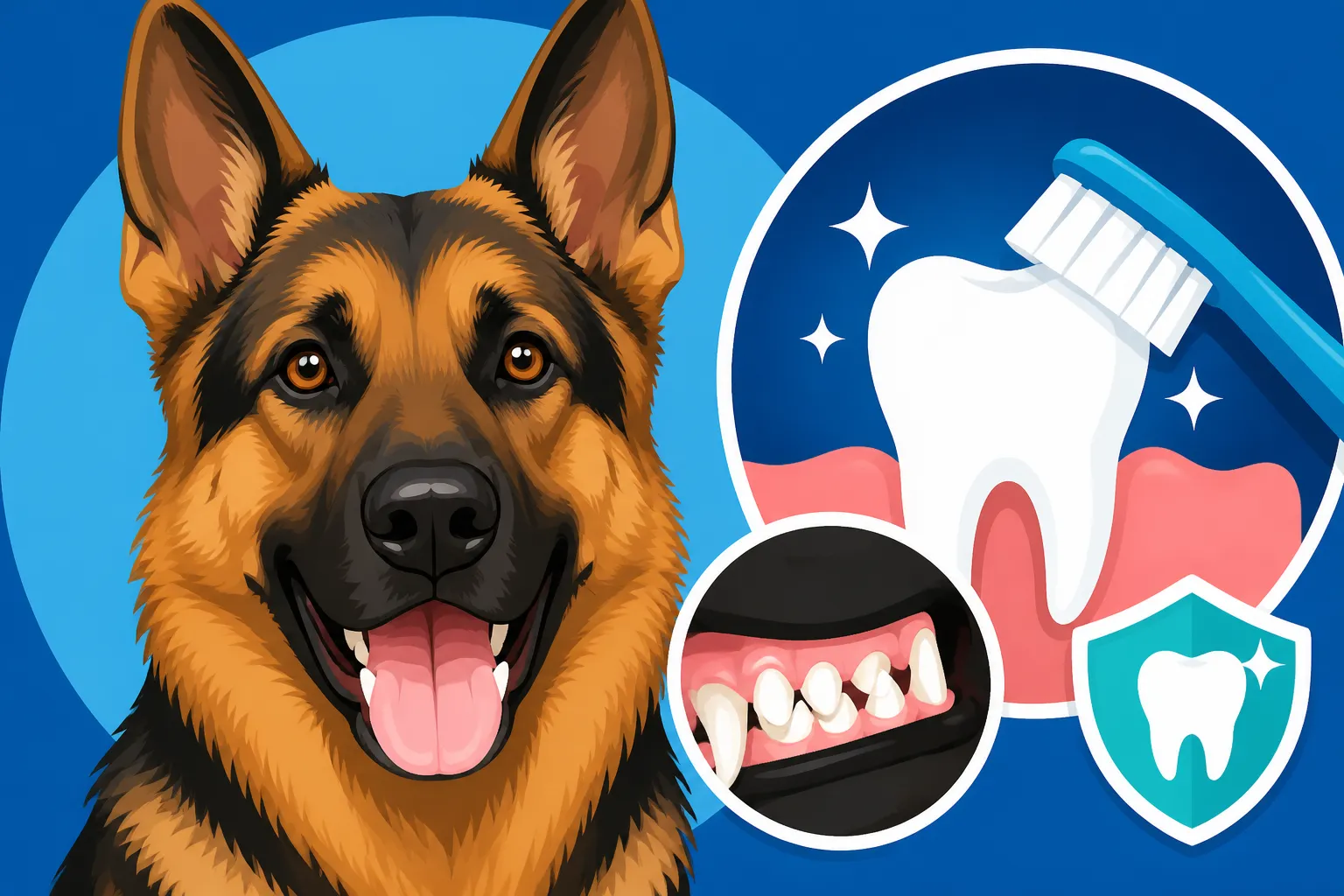
The most common culprit is plaque, a sticky film of bacteria, food particles, and saliva that constantly forms on teeth. If plaque isn't removed regularly, it hardens into tartar (calculus), a rough, brown or yellowish deposit that adheres firmly to the teeth, particularly along the gum line. Once tartar forms, at-home brushing alone usually isn't enough to remove it; professional scaling is typically required.
Tartar buildup then leads to gingivitis, which is the inflammation of the gums. You might notice your German Shepherd's gums looking red, swollen, or even bleeding slightly when they chew or when you try to brush their teeth. Gingivitis is reversible with proper care. However, if gingivitis progresses, it can lead to periodontal disease, which is much more serious. This involves the destruction of the tissues supporting the teeth, including the gums, ligaments, and bone. At this stage, teeth can become loose, painful, and even fall out. The bacteria from advanced periodontal disease can also enter the bloodstream, potentially affecting vital organs like the heart, kidneys, and liver, contributing to a host of other German Shepherd Health Problems Guide.
Other less common but still significant issues include fractured teeth from chewing on hard objects like antlers or bones, retained deciduous (puppy) teeth that don't fall out as adult teeth emerge, leading to crowding, and malocclusions (misaligned bites) that can cause abnormal wear or trapping of food. Each of these conditions contributes to discomfort and can severely impact your German Shepherd's quality of life if not managed properly.
Recognizing the Signs of Dental Disease
Many German Shepherd owners feel a pang of guilt when they discover their dog has a significant dental issue, often wishing they had noticed sooner. The truth is, dogs are incredibly stoic, and they’re masters at hiding pain and discomfort, especially when it comes to their mouths. Knowing what to look for, both the subtle and the overt, can make all the difference.
Subtle Clues Often Missed by Owners
Dogs have an instinct to conceal pain, a remnant from their wild ancestors where showing weakness could mean vulnerability. This makes noticing early dental issues tricky. You might observe slight, almost imperceptible shifts in your German Shepherd’s behavior rather than obvious cries of pain.
For example, has your usually ravenous eater started taking a bit longer to finish their meals, or maybe drops food more frequently? They might be trying to chew on one side of their mouth to avoid a painful area. Perhaps they're suddenly less interested in their favorite chew toy, or they pick it up and then drop it quickly without enthusiasm. Changes in their play style, such as avoiding tug-of-war or being more hesitant to fetch hard objects, can also be subtle indicators. You might also notice them rubbing their face more often or being less tolerant of having their mouth or head touched, especially if they usually enjoy it. These seemingly minor behavioral changes are critical signals that something might be amiss, prompting a closer look or a vet visit. This vigilance is a key part of How to Keep a German Shepherd Healthy in all aspects.
Obvious Indicators Requiring Immediate Attention
While subtle signs give you an early warning, there are more overt indicators that scream "vet visit NOW!" These often mean the dental disease has progressed significantly and your German Shepherd is likely experiencing considerable pain.
The most common and unmistakable sign is halitosis, or severe bad breath. This isn't just "dog breath"; it's a foul, often rotting odor caused by the massive bacterial buildup in their mouth. If your German Shepherd's breath makes you recoil, it's definitely time for a professional dental check.
Visually, look for red, swollen, or bleeding gums, especially along the gum line where the tooth meets the gum. The gums might recede, exposing the tooth root. You might also see obvious yellow, brown, or green tartar buildup on the teeth. Loose or missing teeth are also clear signs of advanced periodontal disease. Some dogs might excessively drool, or you might find blood in their saliva or on their chew toys. Pawing at the mouth, reluctance to open their mouth wide, or crying out when trying to eat are all signs of severe discomfort. These conditions are not only painful but can lead to infections that impact their entire system. Don't wait for these serious signs; proactive care is always best.
Establishing an Effective At-Home Dental Care Routine
The thought of brushing your German Shepherd's teeth might seem daunting, especially if they're not used to having their mouth handled. But consistent at-home care is the cornerstone of preventing serious dental problems and extending the time between professional cleanings. It's a true investment in their long-term health and comfort.
Brushing Your German Shepherd's Teeth
Brushing is, hands down, the most effective way to combat plaque and tartar buildup at home. Yes, it takes patience and consistency, but it's entirely doable.
First, you'll need the right tools: a dog-specific toothbrush (there are finger brushes, long-handled brushes, and even sonic brushes) and dog-specific toothpaste. Never use human toothpaste, as it contains fluoride and other ingredients that are toxic if swallowed by dogs. Dog toothpastes come in appealing flavors like chicken, beef, or peanut butter, which can make the experience more palatable for your German Shepherd.
Start slowly. Don't expect to accomplish a full brushing on the first try. Begin by simply letting your German Shepherd lick a tiny bit of toothpaste off your finger. Once they're comfortable with that, gently rub your finger along their gums and teeth. The goal is to create a positive association. After a few days or a week of this, introduce the toothbrush. Let them lick the toothpaste off the brush. Then, gently lift their lip and try to brush just a few teeth for a few seconds. Focus on the outside surfaces, especially the back molars, as these are where plaque tends to accumulate most. Work up to brushing for about two minutes, ideally every day or at least three times a week. Consistency is key. Reward them with praise and a small treat afterward to reinforce the positive experience. This process can be integrated into their German Shepherd Puppy Training Guide for early success.
Dental Chews, Water Additives, and Supplements
While brushing is king, other tools can complement your at-home dental routine. These are aids, not replacements for brushing or professional cleanings.
Dental Chews: These come in various shapes, sizes, and textures, designed to mechanically scrape plaque off teeth or to release enzymatic cleaners as your dog chews. Look for chews approved by the Veterinary Oral Health Council (VOHC), which signifies they meet standards for reducing plaque and/or tartar. Brands like Greenies, Virbac CET VeggieDents, and Purina DentaLife are popular choices. It's crucial to select chews appropriate for your German Shepherd's size and chewing style to prevent choking or fractured teeth. Avoid overly hard chews like antlers, real bones, or nylon bones, as these can cause significant dental damage.
Water Additives: These are solutions you add to your dog's drinking water, often containing ingredients that help reduce bacteria in the mouth and freshen breath. They are a passive way to support dental health, but their efficacy can vary. They are best used as part of a multi-faceted approach.
Supplements: Certain supplements might indirectly support oral health by boosting overall immunity or providing ingredients beneficial for gum health. For instance, some Best Joint Supplements for Senior German Shepherds contain omega-3 fatty acids, which have anti-inflammatory properties that can benefit gum health. However, there isn't a "dental supplement" that replaces brushing or professional cleanings.
The Importance of Diet for Dental Health
What your German Shepherd eats plays a significant role in their dental health, sometimes in ways you might not expect.
Traditional dry kibble, contrary to popular belief, doesn't always "clean" teeth effectively. While some kibble is specifically designed with a larger, more fibrous texture to help scrape teeth, most standard kibbles shatter upon impact, offering minimal abrasive action. If you're using a standard kibble, don't rely on it for dental cleaning. However, specialized dental diets, available through your veterinarian, are formulated with unique kibble shapes and textures, and often contain ingredients that can help reduce plaque and tartar formation. These can be a fantastic option for German Shepherds prone to rapid plaque buildup.
On the other hand, certain foods can actually worsen dental health. Diets high in carbohydrates or sugar can contribute to plaque formation, similar to how they affect human teeth. Wet food, while great for hydration and palatability, tends to stick to teeth more readily than dry kibble, potentially accelerating plaque buildup. If your German Shepherd is on a wet food diet, meticulous at-home brushing becomes even more critical. For a comprehensive overview of appropriate nutrition, refer to a German Shepherd Feeding Guide and explore the Best Dog Food for German Shepherds that includes dental health considerations.
Some owners opt for raw diets, which sometimes include raw meaty bones. The idea is that chewing on these bones helps clean teeth naturally. However, this approach comes with significant risks, including fractured teeth, internal injuries, and bacterial contamination. If you consider raw feeding, consult with a veterinary nutritionist and always prioritize safety over potential dental benefits.
Professional Veterinary Dental Care
Even with the most diligent at-home routine, professional veterinary dental care remains an indispensable part of your German Shepherd's overall health strategy. Think of it like your own dental check-ups and cleanings – you brush every day, but you still need your dentist to catch issues and deep clean.
Why Regular Vet Check-ups are Crucial
Just like humans, German Shepherds should have their teeth checked by a veterinarian annually, and for older dogs or those prone to dental issues, sometimes biannually. These check-ups are more than just a quick peek in the mouth; they're an opportunity for a trained professional to assess the overall health of your dog's oral cavity.
During a conscious oral exam, your vet will look for visible plaque and tartar, evaluate the gums for signs of gingivitis or recession, check for any loose or fractured teeth, and examine the soft tissues of the mouth (tongue, palate, inner cheeks) for abnormalities, masses, or injuries. They’ll also check for malocclusions and retained puppy teeth, which are particularly relevant for younger dogs.
These regular exams allow your vet to spot problems early, often before they become painful or severe. Early intervention can prevent the progression of dental disease, potentially saving your German Shepherd from pain, tooth loss, and expensive treatments down the line. It's a proactive step that can significantly contribute to their German Shepherd Lifespan: How to Maximize It. Your vet can also advise you on the most effective at-home care products and techniques tailored to your German Shepherd's specific needs.
Understanding Professional Dental Cleanings (Anesthesia)
When significant plaque and tartar have built up, or if your German Shepherd shows signs of periodontal disease, a professional dental cleaning under anesthesia is necessary. This is often the part that gives owners pause, as anesthesia always carries some level of risk. However, the risks of not addressing severe dental disease often far outweigh the risks of anesthesia.
Here's what typically happens during a professional dental cleaning:
- Pre-anesthetic Evaluation: Before any procedure, your German Shepherd will undergo a thorough physical exam and often pre-anesthetic bloodwork. This helps ensure they are healthy enough for anesthesia and allows the vet to tailor the anesthetic protocol to their individual needs.
- Anesthesia and Monitoring: Your German Shepherd will be put under general anesthesia. During the entire procedure, dedicated veterinary staff will continuously monitor their vital signs, including heart rate, respiration, blood pressure, and oxygen saturation, ensuring their safety and comfort.
- Oral Examination and X-rays: Once under anesthesia, a much more thorough oral exam can be performed. Dental X-rays are crucial here, as about 60% of dental disease lies below the gum line and is invisible to the naked eye. X-rays reveal issues like bone loss, root damage, and un-erupted teeth.
- Scaling and Polishing: Specialized ultrasonic and hand scalers are used to meticulously remove plaque and tartar from above and below the gum line. After scaling, the teeth are polished to create a smooth surface, which helps prevent new plaque from adhering quickly.
- Extractions and Other Procedures: If X-rays or the visual exam reveal severely diseased or fractured teeth, extractions might be performed. The vet will ensure proper pain management is in place before, during, and after any extractions. In some cases, advanced procedures like root canals may be considered, often by a veterinary dental specialist.
Many owners worry about the cost of these procedures, which can range from a few hundred to several thousand dollars depending on the severity of the issues, required extractions, and the need for specialists. This is where pet insurance, like Healthy Paws, can be a lifesaver. Policies often cover a significant portion of unexpected veterinary costs, including necessary dental procedures beyond routine cleaning, making crucial treatments more accessible. Understanding German Shepherd Vet Costs Per Year can help you plan for these necessities.
Advanced Dental Procedures and Specialists
For German Shepherds with complex dental conditions that go beyond routine cleaning and simple extractions, advanced dental procedures and specialist care become necessary. Just like in human dentistry, there are veterinary dentists who have undergone extensive training and certification in this specialized field.
These specialists can perform procedures such as root canals, vital pulpotomies (saving a damaged tooth), orthodontics (correcting misaligned bites), and complex oral surgery for tumors, jaw fractures, or advanced periodontal disease. If your German Shepherd has fractured a canine tooth while playing fetch or has a stubborn malocclusion causing chronic issues, a referral to a veterinary dental specialist might be recommended. They have specialized equipment and expertise to handle intricate cases that a general practitioner might not. While these treatments can be expensive, they are often crucial for alleviating chronic pain and restoring your German Shepherd's ability to eat and live comfortably. Again, having a robust pet insurance plan can help mitigate these significant financial burdens.
Preventing Dental Problems and Long-Term Strategies
Preventing dental problems is always more effective, less painful, and ultimately less expensive than treating them once they’ve become severe. Establishing a lifelong strategy for your German Shepherd’s oral health begins the moment they become a part of your family.
Proactive Steps from Puppyhood Onward
The best time to start thinking about dental care for your German Shepherd is when they are a puppy. Even before their adult teeth emerge, you can begin to desensitize them to having their mouth handled. Gently lift their lips, touch their gums, and open their mouth briefly. Make these experiences positive with praise and treats. This early conditioning will make it much easier when it’s time to introduce a toothbrush. For specific guidance on handling and training, consult resources like the German Shepherd Puppy Training Guide.
Once their adult teeth are in (typically around 6-7 months of age), you can begin a regular brushing routine. Even if you can only manage a minute or two every other day, consistency is far more important than intensity. Alongside brushing, provide appropriate chew toys that are safe and help mechanically clean their teeth. Look for VOHC-approved chews designed for large, strong chewers. Avoid anything too hard that could fracture teeth.
During puppy and adolescent phases, your vet will monitor their erupting teeth to ensure all puppy teeth fall out and adult teeth come in properly, checking for any overcrowding or malocclusions. Early intervention for these structural issues can prevent significant problems later on.
Monitoring and Adapting Your Dental Care Plan
A German Shepherd's dental needs aren't static; they change throughout their life. What works for a energetic two-year-old might need adjustment for a slower senior dog.
As your German Shepherd ages, they become more susceptible to dental disease. Senior dogs often have more significant plaque and tartar buildup, and periodontal disease can advance rapidly. For these older companions, more frequent veterinary check-ups and potentially professional cleanings might be necessary. Senior German Shepherds might also develop other health issues that impact their oral health or their ability to tolerate anesthesia, making proactive care even more critical. You can learn more about specific needs in a German Shepherd Senior Care Guide.
It’s essential to remain vigilant for the subtle signs of dental pain and discomfort. If your German Shepherd suddenly becomes reluctant to eat dry kibble, seems hesitant to play with their favorite toy, or if their breath worsens despite your best efforts, it’s a sign to re-evaluate your dental care plan and consult your veterinarian. Consistency in at-home care, regular veterinary check-ups, and a willingness to adapt your approach as your German Shepherd ages are the keys to ensuring they maintain a healthy, pain-free mouth throughout their long and happy life.
| Dental Care Method | Description | Pros | Cons | Frequency & Efficacy (Approx.) |
|---|---|---|---|---|
| Tooth Brushing | Manual cleaning of teeth with dog-specific toothbrush and toothpaste. | Most effective at-home method for removing plaque before it hardens; prevents tartar and gingivitis; owner-controlled; strengthens bond with pet. | Requires daily or near-daily commitment; can be challenging to teach; some dogs may resist strongly; doesn't remove hardened tartar. | Daily – Every Other Day (High) |
| Dental Chews/Treats | Specially formulated chews designed to scrape plaque mechanically or release active ingredients. | Enjoyable for dogs; aids in plaque reduction; can freshen breath; VOHC-approved options show proven efficacy. | Not a substitute for brushing; some chews can be high in calories; risk of choking or tooth fracture with inappropriate products; efficacy varies widely by product. | Daily (Medium-High) |
| Water Additives | Liquid solutions added to drinking water to help reduce bacteria and plaque. | Easy to administer; passive approach; can help with bad breath. | Less effective than brushing or specific chews; some dogs may refuse to drink water with additives; efficacy varies. | Daily (Low-Medium) |
| Dental Diets | Prescription or specialized kibble with unique texture and/or ingredients to reduce plaque/tartar buildup. | Convenient; dogs consume it as part of their regular meal; VOHC-approved options available. | Can be more expensive than regular kibble; not suitable for all dogs (e.g., allergies); only works on surfaces it touches; doesn't address existing severe disease. | Daily (Medium) |
| Professional Cleaning | Full oral examination, scaling (above and below gum line), polishing, and X-rays performed under anesthesia by a veterinarian. | Removes all plaque and tartar, including subgingival; identifies and treats underlying issues (e.g., bone loss, extractions); essential for advanced disease. | Requires general anesthesia (small risk); more costly than at-home care; not a preventative measure for ongoing daily plaque. | Annually/Biannually (High) |
Disclaimer
The information provided in this article is for general informational purposes only and is not intended as a substitute for professional veterinary advice, diagnosis, or treatment. Always seek the advice of your veterinarian or other qualified health provider with any questions you may have regarding a medical condition or treatment for your German Shepherd.