German Shepherd Ear Infections: Prevention
Dealing with a German Shepherd who constantly struggles with ear infections can be incredibly frustrating, not just for you but for your beloved companion too. That incessant scratching, head shaking, and sometimes even a foul odor can quickly turn what should be a happy, healthy dog into one who’s visibly uncomfortable and possibly in pain. It's a common issue that many German Shepherd owners face, and it often feels like a never-ending battle. This comprehensive guide is here to walk you through everything you need to know about preventing those pesky ear infections, offering practical tips and in-depth insights to keep your German Shepherd's ears happy and healthy.
Understanding Why German Shepherds Are Prone to Ear Infections
It might seem unfair that some dogs get ear infections more often than others, but there's a good reason why German Shepherds often find themselves in this predicament. Their unique ear anatomy combined with certain predispositions makes them more susceptible. It's not just bad luck; it's a mix of genetics and environment.
The Anatomy of a German Shepherd Ear
Unlike human ears, which are relatively open and easy to clean, a German Shepherd's ear canal is a bit of a labyrinth. It’s a deep, L-shaped structure, starting vertically and then making a sharp turn horizontally before reaching the eardrum. This design is fantastic for funneling sound, which is crucial for a breed known for its keen senses, but it creates a perfect environment for moisture and debris to get trapped. Think of it as a warm, dark, and often humid cave – prime real estate for bacteria and yeast to multiply.
The ear flaps themselves, while not floppy like a Basset Hound's, are still substantial enough to cover the opening of the canal, further limiting air circulation. Reduced airflow means trapped warmth and moisture, especially if your dog loves to swim or run through dewy grass. This combination makes it incredibly difficult for the ear to air out naturally, which is often the first line of defense against microbial overgrowth. Add in a dense coat around the ears, and you've got even more insulation preventing natural ventilation.
Common Environmental and Breed-Specific Factors
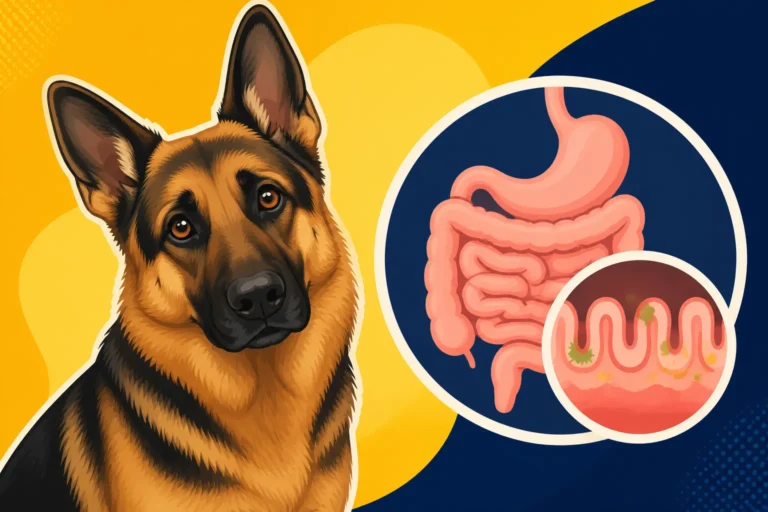
Beyond the basic anatomy, several other factors contribute to German Shepherds' susceptibility to ear infections. For starters, allergies are a huge culprit. Many German Shepherds suffer from environmental allergies (atopy) or food allergies, and one of the most common ways these allergies manifest is through skin and ear inflammation. When the skin inside the ear canal becomes inflamed, it produces more wax and changes the pH balance, creating an even more inviting environment for infections. You might notice your dog scratching other areas, too, which could be a sign of underlying allergies that are also affecting their ears. If you're wondering about the root causes, our detailed guide on German Shepherd Allergies: Causes and Relief can shed more light on this.
Moisture is another significant factor. If your German Shepherd loves a good splash in the lake, a swim in the pool, or even just gets a bath, water can easily get trapped in that L-shaped canal. This creates the ideal damp conditions for bacteria and yeast to thrive. It’s not just standing water, either; high humidity on a hot summer day can also play a role. Puppies and younger German Shepherds might also be more susceptible as their immune systems are still developing, and their playful antics often lead to more exposure to dirt and water. Understanding Common German Shepherd Health Issues by Age can help you anticipate some of these developmental vulnerabilities.
Furthermore, some German Shepherds naturally produce more ear wax than others, which, if not managed, can build up and also contribute to blockages and infections. Parasites like ear mites, though less common in well-cared-for adult dogs, can also trigger inflammation and secondary bacterial infections, especially in puppies or dogs from shelters. Even something as simple as debris, dirt, or stray hairs getting into the ear canal can act as an irritant, leading to inflammation and opening the door for opportunistic pathogens.
Recognizing the Early Warning Signs of an Ear Infection
Catching an ear infection early is key to preventing it from becoming a full-blown, painful problem that requires extensive veterinary intervention. German Shepherds are stoic dogs, and they might try to hide their discomfort, but if you know what to look for, you can often spot trouble brewing before it escalates. It's about being observant and knowing your dog's normal behaviors.
Behavioral Clues to Watch For
The first signs of an ear infection are often behavioral, rather than physical. Your German Shepherd might not suddenly develop a weeping ear overnight, but you might notice subtle changes in their demeanor or habits. The most obvious sign is increased scratching at the ear or head. This might start as an occasional scratch, but as the irritation grows, it will become more frequent and vigorous, sometimes even leading to raw skin around the ear from self-trauma.
Another classic sign is head shaking. It’s not just a casual shake; it’s often sudden, forceful, and repeated, as if they’re trying to dislodge something uncomfortable from their ear. If you see your dog doing this more than usual, especially after waking up or a nap, it's a red flag. They might also rub their head or ear against furniture, the carpet, or even your leg, attempting to alleviate the itch or discomfort. Some dogs might even yelp softly if you touch their affected ear, indicating pain.
Beyond direct ear-focused behaviors, you might notice a general change in their mood. A normally playful German Shepherd might become lethargic, withdrawn, or even a little grumpy. They might lose interest in toys or walks, or seem less eager to interact with family members. Pain can make any dog less tolerant, so pay attention if your dog seems unusually sensitive around their head, flinching when you try to pet them or avoiding contact altogether. In more severe cases, they might even tilt their head persistently to one side, favoring the unaffected ear. These subtle shifts are often the first hint that something is amiss, and taking note early can save a lot of discomfort down the line.
Physical Symptoms and Discharge Types
While behavioral cues are often the first alert, physical symptoms confirm your suspicions. When you gently lift your German Shepherd's ear flap and peek inside, a healthy ear canal should look clean, pale pink, and free of any strong odor or excessive discharge. If you notice a departure from this, it's time to investigate further.
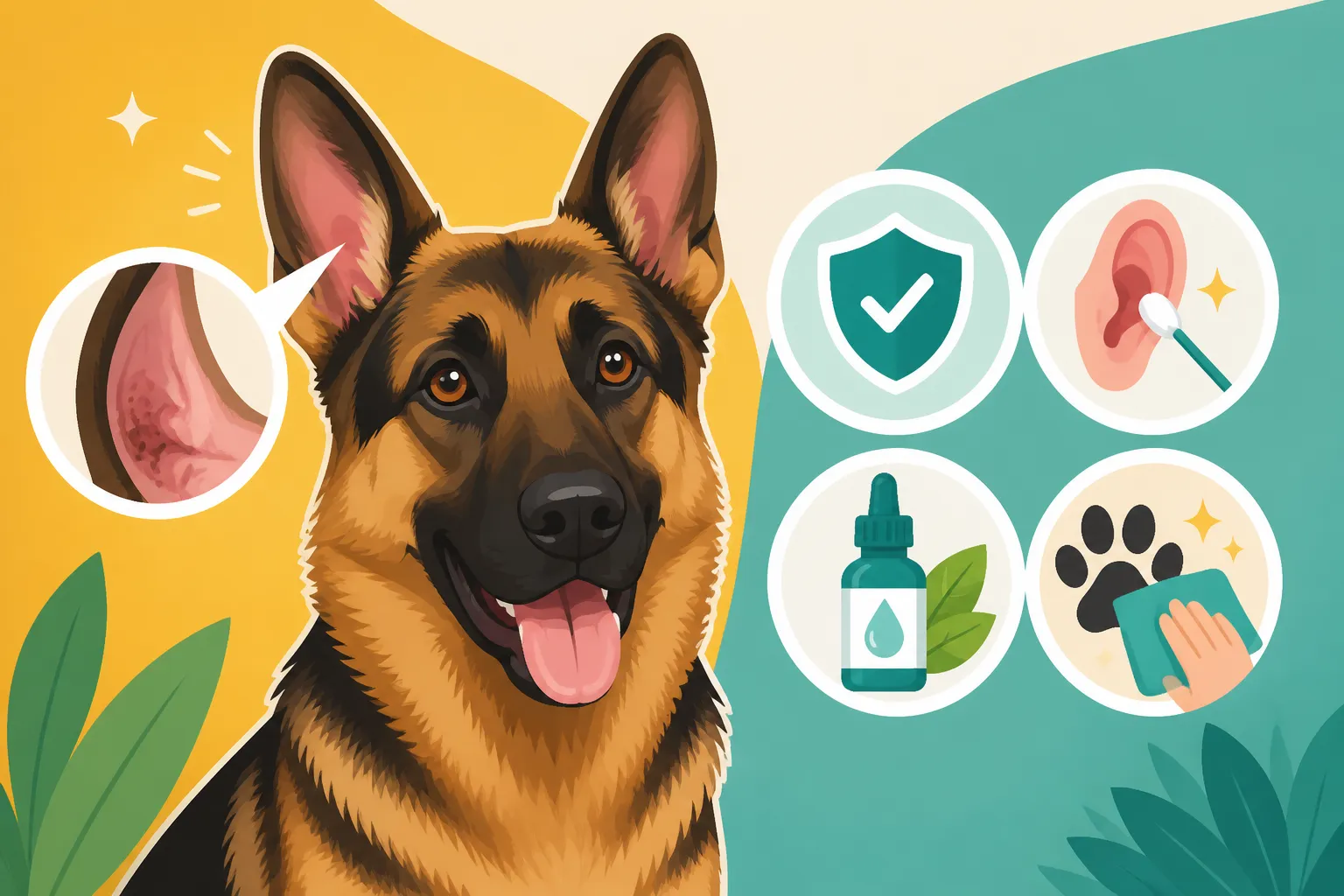
One of the most common physical signs is redness or swelling inside the ear canal. The skin might look inflamed, perhaps even a bit shiny or greasy. You might also notice a buildup of ear wax that looks different than usual. Healthy ear wax is typically pale yellow to light brown, but with an infection, it can change dramatically.
Here's a quick guide to discharge types:
| Discharge Type | Common Causes | Appearance | Smell |
|---|---|---|---|
| Dark Brown/Black | Yeast infection, Ear Mites | Waxy, crumbly, often resembles coffee grounds | Sweet, yeasty |
| Yellow/Green | Bacterial infection | Pus-like, thick, sometimes sticky or creamy | Foul, pungent |
| Reddish-Brown | Blood, severe irritation, debris | Can be waxy with streaks of blood, sometimes thin | Varies, often strong |
| Clear/Light Yellow | Minor irritation, early allergy | Thin, watery discharge, often minimal | Mild or none |
Along with discharge, you might detect a strong, unpleasant odor emanating from the ear. Yeast infections often have a distinctive sweet, yeasty smell, while bacterial infections can smell quite foul or pungent. The hair around the opening of the ear canal might also appear matted or greasy from the discharge. In some cases, you might even see small abrasions or scabs on the outer ear or inside the flap, caused by vigorous scratching. If your dog exhibits any of these physical symptoms, especially coupled with the behavioral changes discussed earlier, it's time to take action. Don't try to guess or treat it yourself, as misdiagnosis can worsen the problem. A visit to the vet for a proper diagnosis is crucial to determining the right course of treatment.
Essential Daily and Weekly Ear Care Routines for Prevention
Once you understand why German Shepherds are prone to ear issues and what signs to look for, the next step is proactive prevention. Implementing a consistent ear care routine is perhaps the most effective way to keep those painful infections at bay. It's not just about reacting when there's a problem, but about creating an environment where problems are less likely to occur.
Gentle Cleaning Techniques and Products
Regular ear cleaning is fundamental, but there's a fine line between keeping ears clean and over-cleaning or irritating them. For a German Shepherd with no current infection, a weekly or bi-weekly cleaning is often sufficient. If your dog has a history of ear issues or significant allergies, your vet might recommend a more frequent schedule.
Here’s how to approach gentle ear cleaning:
- Gather Your Supplies: You’ll need a veterinarian-approved ear cleaner for dogs. Look for gentle, pH-balanced solutions that don't contain alcohol, as alcohol can be drying and irritating. Cotton balls or gauze pads are ideal for wiping, but avoid cotton swabs (Q-tips) for inside the ear canal, as they can push debris further in and damage the eardrum.
- Position Your Dog: Choose a calm environment where your German Shepherd feels comfortable. A treat or a favorite toy can help make this a positive experience. Gently hold their head steady.
- Apply the Cleaner: Hold the ear flap up and squirt the recommended amount of cleaner directly into the ear canal. Don't be shy; you need enough to fill the canal.
- Massage the Base of the Ear: This is the crucial part! Gently massage the base of your dog's ear for 20-30 seconds. You should hear a squishy sound, which means the cleaner is breaking up wax and debris. This massage also helps the cleaner distribute throughout the L-shaped canal.
- Let Them Shake (and then Wipe): After massaging, step back and let your dog shake their head. This helps dislodge loosened debris and cleaner. Have a towel ready! Once they've shaken, use a cotton ball or gauze pad to gently wipe away any visible cleaner and debris from the outer ear and the opening of the ear canal. Remember, only clean as far as your finger can comfortably reach. Never force anything down the ear canal.
Consistency is more important than intensity. Over-cleaning or using harsh products can strip the ear of its natural protective oils, leading to irritation and potentially even causing an infection. Always consult your veterinarian for specific product recommendations, especially if your German Shepherd has sensitive skin or recurring issues. Investing in a good quality cleaner is a small price to pay to help avoid the expense and discomfort of treating an actual infection, and some pet insurance plans like Healthy Paws can help cover unexpected vet bills if an infection does crop up despite your best efforts.
The Importance of Drying After Water Exposure
German Shepherds often love water, whether it's a splash in a muddy puddle, a dip in a lake, or a regular bath. While these activities are great for their physical and mental well-being, they also introduce a significant risk factor for ear infections: moisture. Trapped moisture in the ear canal creates a warm, humid breeding ground for bacteria and yeast, which is exactly what we discussed as a key problem due to their ear anatomy.
Therefore, thoroughly drying your German Shepherd's ears after any water exposure is paramount. This isn't just a quick towel rub on the outside; it requires a bit more attention.
Here’s how to ensure those ears are dry:
- Immediate Action After Swimming/Bathing: As soon as your dog is out of the water, gently yet thoroughly blot the outer ear and the opening of the ear canal with a soft, absorbent towel.
- Use Cotton Balls: Take a fresh, dry cotton ball (or two) and gently insert it just inside the ear canal's opening. Don't push it deep! Simply let it sit for a few seconds to absorb any residual moisture. You can use a fresh one for each ear if needed. The goal is to wick away moisture, not to rub or scrub.
- Consider an Ear Drying Solution: For German Shepherds who swim frequently or are particularly prone to wet ears, an ear-drying solution can be a game-changer. These are different from ear cleaners; they typically contain ingredients like boric acid or salicylic acid, which help dry out the ear canal and acidify the environment, making it less hospitable for pathogens. Always choose a veterinary-approved product and follow the instructions carefully.
- Air Circulation: After drying, allow your dog to air dry fully. Avoid putting ear flaps down or covering them immediately. If they have longer hair around the ears, gently comb it away from the ear opening to promote airflow.
This simple step can drastically reduce the risk of infection. Think of it as an insurance policy for their ears – a quick bit of effort that pays off in long-term health and comfort. Neglecting to dry ears is one of the most common reasons German Shepherds end up with recurring infections, so make this a non-negotiable part of your post-water routine. Consistent care is a huge part of How to Keep a German Shepherd Healthy.
Dietary and Allergenic Considerations for Ear Health
Many owners don't realize the profound connection between a dog's diet, allergies, and ear health. When you're constantly battling ear infections, it's easy to focus solely on topical treatments, but often, the root cause is something internal, specifically related to what they eat or environmental sensitivities. Addressing these underlying issues can be far more effective than just treating symptoms.
Food Allergies and Their Impact on Ears
Food allergies are a major, yet often overlooked, contributor to chronic ear infections in German Shepherds. When a dog is allergic to an ingredient in their food, their immune system overreacts, leading to inflammation throughout the body, including the skin and ears. This inflammation can cause increased ear wax production, redness, itching, and changes in the ear canal's microenvironment, making it ripe for secondary bacterial or yeast infections.
Common food allergens for dogs include proteins like chicken, beef, dairy, wheat, and soy. It’s not necessarily about the quality of the food, but rather the specific protein or carbohydrate source that triggers an immune response in that individual dog.
If you suspect food allergies are at play, here's how to approach it:
- Consult Your Vet: This is the crucial first step. Your veterinarian will likely recommend an elimination diet, which is the gold standard for diagnosing food allergies.
- The Elimination Diet: This involves feeding your German Shepherd a novel protein (one they've never eaten before, like duck, venison, or kangaroo) and a single carbohydrate source (like potato or sweet potato) for 8-12 weeks. During this time, absolutely no other treats, table scraps, or flavored medications can be given.
- Reintroduction (Carefully!): After the elimination period, if ear infections and other symptoms have resolved, you'll systematically reintroduce old ingredients one by one to identify the culprit. If symptoms return after reintroducing chicken, for example, then chicken is likely the allergen.
- Long-Term Management: Once identified, you'll need to feed a diet that completely avoids the problematic ingredient(s). There are many excellent hypoallergenic dog foods on the market formulated with novel proteins or hydrolyzed proteins (where proteins are broken down so the immune system doesn't recognize them as allergens). Brands like Royal Canin German Shepherd or Purina Pro Plan often have specialized formulas, but finding the right one for your dog might require some trial and error.
Addressing food allergies can be a lengthy process, but the relief it brings to your German Shepherd, and the reduction in ear infection frequency, is well worth the effort. It's an important part of understanding German Shepherd Allergies: Symptoms and Treatment.
Environmental Allergies and Seasonal Triggers
Just like us, German Shepherds can suffer from environmental allergies, also known as atopy. These are reactions to allergens in their surroundings, such as pollen (from trees, grasses, weeds), dust mites, mold spores, and even dander from other animals. Unlike food allergies, which tend to be year-round, environmental allergies often have seasonal patterns, flaring up when specific pollens are prevalent.
The symptoms of environmental allergies often mimic food allergies, with itchy skin being a primary sign. This itchiness frequently extends to the ears, causing inflammation, redness, and increased wax production, again setting the stage for secondary infections.
Here's how to manage environmental allergies for better ear health:
- Identify Triggers: Pay attention to when your German Shepherd's ears flare up. Is it spring (tree pollen)? Summer (grass pollen)? Fall (ragweed)? Or year-round (dust mites, mold)? Keeping a journal can help you and your vet pinpoint the culprits.
- Reduce Exposure:
- Pollen: Wipe down your dog's paws and coat with a damp cloth after outdoor excursions to remove pollen. Consider walking during times when pollen counts are lower (early morning, late evening). Keep windows closed and use air purifiers indoors.
- Dust Mites: Regularly wash bedding in hot water, vacuum frequently with a HEPA filter, and minimize dust-collecting items.
- Mold: Address any dampness in your home, use dehumidifiers, and clean moldy areas thoroughly.
- Medication and Immunotherapy: Your vet might recommend various treatments to manage symptoms. These can include:
- Antihistamines: Over-the-counter options (like Zyrtec or Benadryl) can help some dogs, but always consult your vet for dosage.
- Steroids: For severe flare-ups, short courses of corticosteroids can provide rapid relief from inflammation and itching.
- Apoquel or Cytopoint: These prescription medications are specifically designed to target the itch pathway in dogs, offering effective, long-term relief with fewer side effects than steroids.
- Immunotherapy (Allergy Shots/Drops): This involves identifying specific allergens through testing and then administering gradually increasing doses of those allergens to desensitize the immune system. It's a long-term solution that can significantly reduce allergic reactions over time.
- Topical Treatments: Medicated shampoos, wipes, and ear rinses can help soothe irritated skin and prevent secondary infections during allergy season.
Managing environmental allergies is often a multi-pronged approach, requiring patience and collaboration with your veterinarian. But by proactively addressing these sensitivities, you can drastically improve your German Shepherd's overall skin and ear health, leading to fewer infections and a more comfortable life. Some of these treatments can be costly, which is where considering pet insurance like Healthy Paws might be beneficial to help manage recurring vet bills.
Lifestyle Adjustments and Veterinary Partnership
Preventing German Shepherd ear infections isn't just about cleaning and diet; it's also about a holistic approach that includes smart grooming, consistent veterinary care, and knowing when to call in the professionals. Your partnership with your vet is invaluable in navigating the complexities of your dog's health.
Grooming Practices and Regular Vet Check-ups
Thoughtful grooming plays a bigger role in ear health than you might initially think. While German Shepherds don't typically need professional haircuts, the hair around their ears can sometimes grow quite long and thick. This dense hair can trap moisture and debris, further impeding airflow to the ear canal, especially in long-coat varieties.
Here are some grooming practices to consider:
- Trimming Excess Hair: Gently trim any long hair around the opening of the ear canal. This isn't about plucking hair from inside the canal (which is often discouraged, as we'll discuss later), but rather about clearing the path for better air circulation. Use blunt-nosed scissors for safety, or have a professional groomer handle it.
- Brushing: Regular brushing of their coat, especially around the ears, can help prevent matting that could trap moisture or debris near the ear.
- Bathing Techniques: When bathing your German Shepherd, always place cotton balls lightly in their ears to prevent water from entering the canal. Remember to remove them immediately after the bath and thoroughly dry the ears as discussed earlier.
Beyond at-home grooming, regular veterinary check-ups are non-negotiable for overall health, and especially for ear health. Your vet can spot subtle changes you might miss and offer professional advice tailored to your dog.
What your vet will do during check-ups:
- Ear Examination: A routine exam includes a thorough visual inspection of the ears and often an otoscopic examination, where a special tool is used to look deep into the ear canal and at the eardrum. This allows them to identify any redness, swelling, discharge, foreign bodies, or parasites.
- Discussing History: They'll ask about any recent issues, changes in behavior, or potential exposures (like swimming).
- Professional Cleaning (if needed): If your dog has excessive wax buildup or a mild irritation, your vet might perform a professional ear cleaning, which can be more thorough than what you can do at home.
- Health Plan Adjustments: Based on their findings, your vet can recommend adjustments to your ear care routine, diet, or suggest further diagnostics if they suspect underlying issues like allergies or a more serious infection.
These routine visits are your first line of defense in maintaining good health and catching problems early, before they become serious. They are a critical part of a comprehensive German Shepherd Health Problems Guide.
When to Seek Professional Help
Knowing when to switch from at-home prevention to professional veterinary care is vital. While gentle cleaning and proactive drying are excellent for preventing issues, once an infection takes hold, it typically requires medical intervention. Delaying treatment can lead to more severe pain for your dog, more complex and costly treatments, and even long-term damage to the ear structures.
You should contact your veterinarian immediately if you observe any of the following signs:
- Severe Pain: Your German Shepherd yelps, cries, or shows aggression when their ear is touched, or if they are constantly holding their head tilted to one side.
- Excessive Discharge: Any significant amount of dark, yellow, or green discharge, especially if it's accompanied by a foul odor.
- Swelling and Redness: Noticeable swelling of the ear flap or deep redness within the ear canal that doesn't improve with gentle cleaning.
- Persistent Head Shaking or Scratching: If these behaviors continue despite your best efforts at cleaning and drying, it indicates ongoing discomfort.
- Loss of Balance or Hearing: In severe cases, an inner ear infection can affect balance, causing your dog to walk in circles, stumble, or show signs of hearing loss.
- Changes in Ear Appearance: If the ear flap itself appears thickened, crusty, or has open sores, it definitely warrants a vet visit.
During your vet visit, they will likely:
- Perform an Otoscopic Exam: To get a clear view of the ear canal and eardrum.
- Collect a Sample: A swab of the ear discharge will be taken to be examined under a microscope (cytology) to identify whether the infection is caused by bacteria, yeast, or mites. This is critical for choosing the right medication.
- Prescribe Medication: Treatment might involve medicated ear drops (antibacterial, antifungal, or anti-parasitic), oral antibiotics or antifungals, or anti-inflammatory medications, depending on the diagnosis.
- Recommend Follow-Up: It's common to need a follow-up visit to ensure the infection has cleared and to discuss long-term prevention strategies, especially if it's a recurring problem.
Remember, attempting to treat a full-blown infection at home with inappropriate remedies can be dangerous. A German Shepherd's deep ear canal makes it challenging to apply medication correctly, and using the wrong type of medication can lead to resistance or worsen the condition. When in doubt, always err on the side of caution and consult your vet. This proactive approach saves your dog from unnecessary suffering and you from greater expenses down the road. This is also where a good pet insurance plan from a provider like Healthy Paws can be incredibly helpful for managing the unexpected costs of diagnostics and treatments.
Debunking Common Myths and Misconceptions
When it comes to pet health, there's a lot of well-intentioned advice floating around, but not all of it is accurate or beneficial. This is particularly true for ear care, where some common practices can actually do more harm than good for your German Shepherd. Let's clear up some of these misconceptions.
The Truth About Ear Hair Plucking
One of the most debated topics in canine ear care, especially for breeds with hair in their ear canals, is ear hair plucking. The theory behind plucking is that removing hair from the ear canal improves airflow and prevents moisture and wax from getting trapped, thus reducing the risk of infection. While this might hold true for some breeds with extremely hairy ear canals, like Poodles or Schnauzers, it's generally not recommended for German Shepherds.
Here's why:
- German Shepherds Typically Don't Have Excessive Ear Hair: Unlike those breeds specifically mentioned, German Shepherds usually have minimal hair growing inside their ear canals. The dense hair is typically on the outer ear and around the opening, which can be trimmed, but not deep inside.
- Pain and Trauma: Plucking ear hair can be quite painful for your dog. It can also cause micro-traumas or small tears in the delicate skin lining the ear canal. These tiny wounds then become entry points for bacteria and yeast, ironically increasing the risk of infection rather than preventing it.
- Inflammation: The act of plucking itself can cause significant irritation and inflammation within the ear canal, leading to redness and discomfort, which again, can set the stage for an infection.
- Natural Protection: In some cases, the fine hairs inside the ear canal actually serve a protective purpose, helping to catch dust and debris and move it out of the ear naturally.
Unless your German Shepherd has a very specific, diagnosed condition where excessive hair inside the ear canal is demonstrably trapping debris and causing chronic issues, and your veterinarian explicitly recommends it, avoid plucking. Focus instead on keeping the outer ear clean and dry, and ensuring good air circulation by trimming hair around the opening of the canal, as discussed in our grooming section. Always consult your vet if you're unsure about any ear grooming practices.
Over-Cleaning and Irritation Risks
While consistent ear cleaning is a cornerstone of prevention, there's such a thing as too much of a good thing. Over-cleaning your German Shepherd's ears can be just as detrimental, if not more so, than neglecting them entirely. The temptation to "deep clean" or clean very frequently, especially for owners who have dealt with recurrent infections, is understandable, but it carries significant risks.
The skin lining the ear canal is incredibly delicate and has a natural, protective barrier of oils and beneficial microorganisms. Aggressive or overly frequent cleaning can disrupt this natural balance and damage the skin.
Here are the risks of over-cleaning:
- Stripping Natural Oils: Excessive cleaning, especially with harsh solutions, can strip away the ear's natural cerumen (wax) and protective oils. While we don't want too much wax, a healthy amount is crucial for protecting the skin and trapping foreign particles. Removing it completely leaves the delicate skin exposed and vulnerable.
- Irritation and Inflammation: Rubbing too hard or using cotton swabs inside the canal can irritate the skin, causing redness, swelling, and itchiness. This inflammation then compromises the ear's defenses, making it easier for bacteria and yeast to take hold. It creates an environment ripe for infection.
- Altering pH Balance: Many commercial ear cleaners are designed to maintain a healthy pH balance. However, over-cleaning can throw off this delicate balance, potentially making the ear canal more alkaline, which favors the growth of certain pathogens.
- Pushing Debris Deeper: As mentioned earlier, using cotton swabs or anything that pushes into the ear canal can force wax and debris further down towards the eardrum, potentially causing blockages or even rupturing the eardrum.
For most German Shepherds without active issues, a weekly or bi-weekly cleaning is perfectly adequate. If your dog has chronic allergies or recurring infections, your vet might recommend a more frequent cleaning schedule with a specific medicated cleaner, but this should always be under veterinary guidance. Listen to your vet's advice on frequency and technique, and resist the urge to "scrub" those ears clean. Gentle is always the way to go when it comes to your German Shepherd's sensitive ears. This gentle approach applies to all aspects of their well-being, including detailed care routines, as highlighted in guides like German Shepherd Ear Cleaning Guide.
Disclaimer
This article is intended for informational purposes only and is not a substitute for professional veterinary advice. Always consult with a qualified veterinarian for any health concerns or before making any decisions related to your German Shepherd's care or treatment. Individual results may vary, and proactive health management is crucial.