Red Sable German Shepherd: What to Know
It's completely understandable to feel a sense of wonder and perhaps a little confusion when you first encounter a Red Sable German Shepherd. Their coats are truly distinctive, a stunning tapestry of colors that isn't always what people expect when they picture a "typical" German Shepherd. If you've been captivated by one of these magnificent dogs and want to dive deeper into what makes them so special, you've come to the right place. This guide will unravel the mysteries of the Red Sable German Shepherd, covering everything from their unique genetics to their care requirements, helping you appreciate the depth and beauty of this particular coat variation.
What Exactly is a Red Sable German Shepherd?
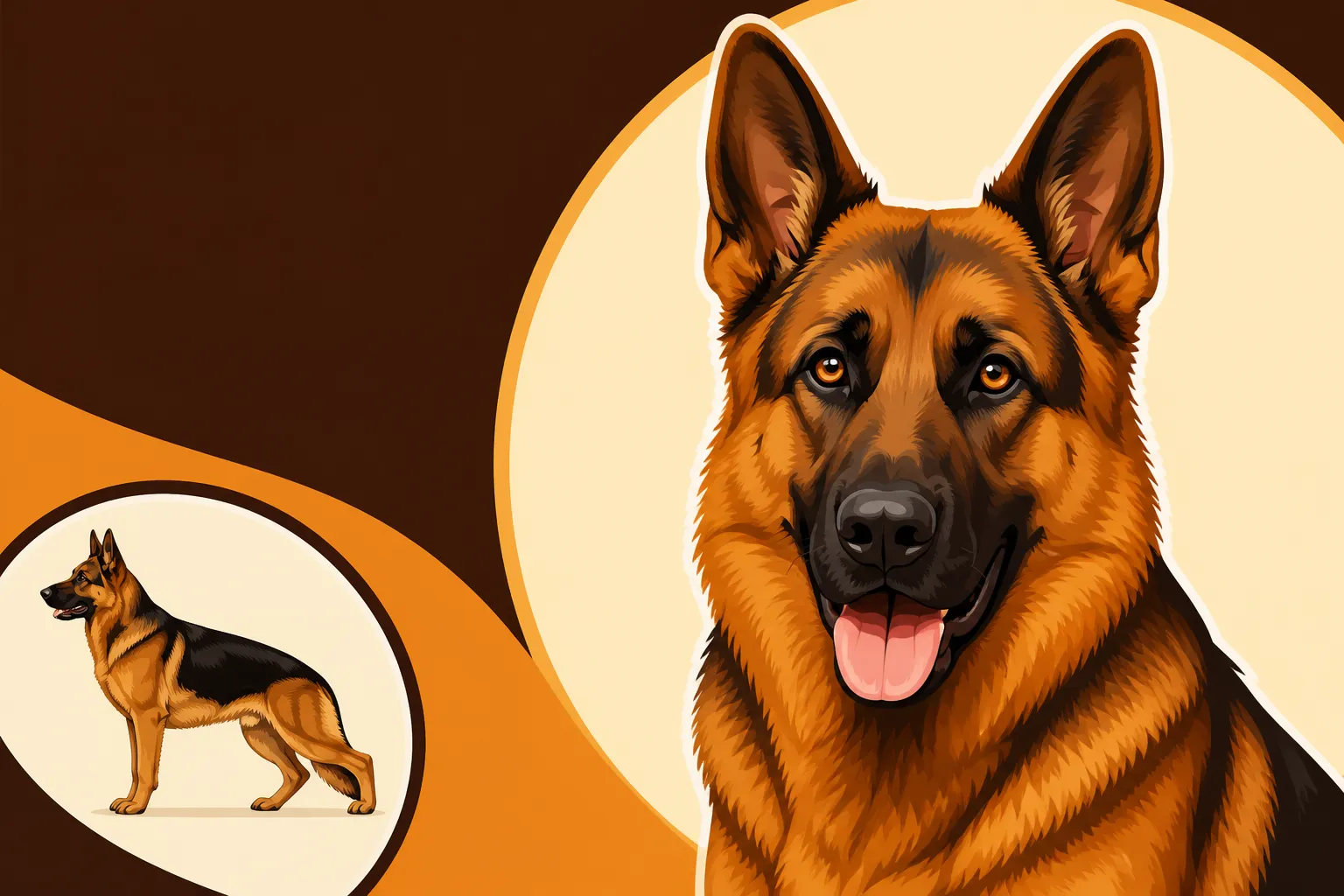
When someone mentions a "Red Sable German Shepherd," they're referring to a specific and highly attractive coat pattern within the breed. Unlike the more common black and tan, or even solid black variations, sables are characterized by multi-colored hairs on their bodies, where each individual hair strand isn't just one color but rather banded with different shades. The "red" part of "red sable" highlights the underlying color, which can range from a deep, rich mahogany to a lighter, more fiery reddish-gold, peeking through the darker tips of the hair. It’s a dynamic coat that changes with movement and light, offering a unique visual experience.
Understanding the Sable Gene in German Shepherds
The sable coat pattern is genetically dominant in German Shepherds, meaning it only takes one copy of the sable gene from a parent for a puppy to express this pattern. This particular gene is part of the Agouti series, often denoted as "A" in canine genetics. The "A" locus has several alleles, including Ay (sable), aw (wolf gray/agouti), at (black and tan), and a (recessive black). For a sable German Shepherd, the key is the presence of the Ay allele. This gene dictates how pigment is distributed along each hair shaft. Instead of solid color, you get bands of light and dark, creating that beautiful grizzled, frosted, or "peppered" appearance.
What makes a sable dog look "sable" is this banding. Think of it like someone took a paint brush and dabbed dark tips onto hairs that are otherwise lighter at the base. As the dog moves, these banded hairs catch the light differently, giving the coat a shimmering, almost alive quality. This is a fundamental difference from bi-color or black and tan dogs, where the hairs are solid colors in distinct patterns. If you're fascinated by the different patterns, our article on Sable German Shepherd: What to Know delves deeper into the general characteristics of sable coats.
The Spectrum of "Red" in Sable Coats
The "red" in a Red Sable German Shepherd isn't a single, fixed shade. Just like human hair, there's a wide spectrum. You might see puppies born with a very pale, almost fawn-colored base that deepens over time into a vibrant reddish-gold. Others might start with a more intense red hue from the beginning. Factors like genetics from other color loci, sun exposure, and even diet can influence the intensity and depth of the red pigment. A red sable can be a light golden-red with dark overlay, or a very deep, almost burnt orange-red. The darker hair tips, or "saddling," will then overlay this red base, creating a stunning contrast.
Imagine a sunset: you have brilliant oranges, deep reds, and sometimes hints of darker purples or browns as the light fades. A Red Sable coat can be just as complex and captivating. The overall impression is one of warmth and richness, distinguishing them from their gray sable or silver sable counterparts. It’s important to remember that puppies' colors can change significantly as they mature, so a pale puppy might surprise you with a much richer red as an adult.
How Red Sable Differs from Other Sable Variations
While "sable" broadly describes the banded hair pattern, the specific color of the sable coat can vary immensely, leading to classifications like grey sable, silver sable, and of course, red sable. The primary difference lies in the underlying base color beneath the dark tipping. In a grey sable, the base color is a lighter, often cooler grey or fawn, giving the dog a more muted, wolf-like appearance. Silver sables take this even further, often with an almost white or very pale silver base.
Red sables, by contrast, have that distinct warm, reddish hue as their base. This red pigment is much more pronounced and vibrant, creating a striking contrast with the darker "saddle" or "overlay" that defines any sable coat. Think of it as painting a canvas: a grey sable might be painted with cool, earthy tones, while a red sable would use warm, fiery pigments. Each variation is beautiful in its own right, showcasing the incredible diversity within the German Shepherd breed's coat genetics. Understanding these nuances is key to appreciating German Shepherd Colors and Coat Types in their full glory.
Genetics Behind the Gorgeous Red Sable Coat
Unpacking the genetics of a Red Sable German Shepherd is like understanding a complex recipe – many ingredients come together to create the final product. It's not just one gene but an interaction of several that determines the exact shade and pattern. The primary player, as we've discussed, is the sable gene itself, but other genes influence the intensity of the red pigment and the extent of the dark overlay. This is why you can see such variation even within litters of sable puppies.
The Agouti Gene Series at Play
The Agouti (A) gene series is the master control for sable patterns. The Ay allele (sable) is dominant over other alleles in the series, such as at (black and tan/bicolor) and a (recessive black). So, if a dog inherits at least one Ay allele, it will display some form of sable patterning, provided it also has the genes to produce eumelanin (black pigment) and phaeomelanin (red pigment). The "red" part of the red sable comes from the phaeomelanin, which is the pigment responsible for red, yellow, and tan colors. The intensity of this red is controlled by other genes, often referred to as modifier genes. These modifiers can turn a light yellow into a deep mahogany, and they are why some red sables are truly breathtaking in their fiery coloration.
It's a fascinating interplay. Imagine a genetic switchboard: the Agouti gene decides where the colors go on each hair, creating the banded pattern, while other switches control how intense those colors are. A dog could have the genetic blueprint for sable, but without the right modifier genes, the red might be faded, leading to a lighter fawn sable rather than a rich red sable. This complexity is part of what makes German Shepherd Genetic Health Testing so valuable for breeders, allowing them to predict coat colors and health traits with greater accuracy.
Interpreting a Red Sable Pedigree
For those interested in breeding or simply understanding the lineage of their Red Sable German Shepherd, looking at a pedigree can offer clues about the genetic background. While you won't see "Red Sable" explicitly listed on every ancestor, you can often infer the presence of the sable gene (Ay) if multiple generations show sable dogs. If a red sable puppy comes from two sable parents, it's highly likely both parents contributed an Ay allele. If a red sable puppy comes from one sable and one non-sable parent (like a black and tan), then the sable parent carried at least one Ay allele.
Interpreting a pedigree goes beyond just coat color; it also helps understand potential health predispositions and temperament. However, when it comes to color, breeders often rely on the visual history and, increasingly, on genetic testing to confirm specific color alleles. This can help them make informed breeding decisions to produce desired coat variations while also maintaining the overall health and integrity of the breed.
Common Misconceptions About Red Sable Genetics
One common misconception is that red sables are "rare" or inherently "special" due to their color. While they might be less common than the classic black and tan in some regions or lines, the sable gene itself is actually dominant. Its expression simply requires the right combination of other genes for the "red" to shine through intensely. Another myth is that all sables fade with age or sun exposure; while some pigment can lighten over time, especially the reddish tones, a genetically strong red sable will generally maintain a good portion of its rich color throughout its life, with proper care.
People sometimes believe that a specific color dictates health or temperament, which is generally untrue for German Shepherds. A dog's genetics for health and behavior are largely independent of its coat color. A red sable is first and foremost a German Shepherd, and its core traits stem from the breed as a whole, not its specific shade of red and black.
Temperament and Health of Red Sable German Shepherds
It’s a common and very natural question to wonder if a dog's coat color affects its personality or health. With a distinctive coat like the Red Sable, it's easy to imagine they might have unique characteristics. However, in the vast majority of cases, a German Shepherd's temperament and inherent health predispositions are tied to its breed, lineage, and upbringing, not the color of its fur. A Red Sable German Shepherd is, at its heart, a German Shepherd.
Does Coat Color Affect Personality?
Absolutely not. The vibrant red and dark overlay of a Red Sable German Shepherd's coat is purely an aesthetic trait, determined by pigment genes. It has no bearing on their intelligence, courage, loyalty, or trainability. These traits are intrinsic to the German Shepherd breed as a whole and are heavily influenced by genetics inherited from their parents (regardless of color), early socialization, and consistent training. Whether you have a black and tan, a solid black, a white, or a Red Sable, you should expect the same core German Shepherd personality: intelligent, protective, devoted, and active.
Any differences you might perceive in personality are far more likely to be due to individual variation, the specific breeding lines (working line vs. show line, for instance), or how the dog was raised. Therefore, choosing a German Shepherd based on its temperament should always prioritize factors like reputable breeders who health test and temperament test their breeding stock, and ensuring you provide adequate training and socialization. For more on this, check out our guide on German Shepherd Temperament and Personality.
Health Considerations Specific to Sables (or Lack Thereof)
Another common myth is that certain coat colors are inherently healthier or unhealthier. For Red Sable German Shepherds, there are no known health conditions directly linked to the sable coat gene. Their health concerns are the same as any other German Shepherd, which means they are prone to certain genetic conditions common to the breed. These can include:
- Hip and Elbow Dysplasia: These are perhaps the most well-known joint issues in German Shepherds, affecting the hip and elbow joints. Responsible breeders screen for these conditions. Our in-depth guide to German Shepherd Hip Dysplasia Explained offers more details.
- Degenerative Myelopathy (DM): A progressive neurological disease affecting the spinal cord. It's not linked to coat color, but genetic testing is available to identify carriers. You can learn more in our article on Degenerative Myelopathy in German Shepherds.
- Bloat (GDV): A life-threatening condition where the stomach twists. Again, not color-specific, but all German Shepherd owners should be aware of the signs and prevention. Find out more about German Shepherd Bloat: Signs and Prevention.
It’s crucial to understand that a beautiful coat does not guarantee a healthy dog, nor does a less common color indicate poor health. What truly matters is the genetic health of the parents, the care they receive, and the overall breeding practices.
General German Shepherd Health Overview for All Colors
Regardless of whether your German Shepherd is a stunning red sable or another color variation, they require diligent care to remain healthy. This includes:
- Regular Veterinary Check-ups: Annual exams are critical for early detection of any health issues.
- Balanced Nutrition: A high-quality diet appropriate for large, active breeds supports overall health and a vibrant coat. You can find excellent options and even read reviews on platforms like Chewy.
- Adequate Exercise: German Shepherds are energetic dogs and need plenty of physical and mental stimulation to stay fit and prevent behavioral problems. Our guide on German Shepherd Exercise Requirements provides helpful insights.
- Preventative Care: This includes vaccinations, parasite control, and dental hygiene.
Choosing a puppy from a reputable breeder who performs comprehensive health screenings on their breeding dogs is the single most important step you can take to ensure you bring home a healthy German Shepherd, regardless of its coat color. Our comprehensive German Shepherd Health Problems Guide provides a broader look at potential issues to be aware of.
Caring for Your Red Sable German Shepherd's Coat
The red sable coat is undeniably beautiful, but like all German Shepherd coats, it requires regular care to keep it looking its best and to maintain your dog's skin health. Their thick, double coat is designed to protect them from the elements, but it also means they shed, especially during "blowing coat" seasons. Don't worry, with the right tools and routine, caring for this magnificent coat isn't overly complicated!
Grooming Essentials for a Double Coat
Maintaining a Red Sable's double coat involves more than just a quick brush. You'll need specific tools to effectively remove loose undercoat and keep the topcoat healthy.
- Undercoat Rake: This is your best friend during shedding season. It reaches deep into the undercoat to pull out dead hair without damaging the topcoat.
- Slicker Brush: Ideal for smoothing the topcoat and removing mats or tangles, especially behind the ears and on the "feathers" of the legs and tail.
- Pin Brush: Great for general brushing and distributing natural oils throughout the coat, adding shine.
- Deshedding Tool: Brands like FURminator offer tools specifically designed to reduce shedding by removing loose undercoat more efficiently.
- Quality Shampoo and Conditioner: Opt for products formulated for double-coated breeds or those that support healthy skin and coat.
A thorough brushing session at least 2-3 times a week, and daily during heavy shedding, will significantly reduce the amount of hair floating around your home. Regular bathing (but not too often, to avoid drying out their skin) and consistent brushing will help maintain the vibrancy of their red sable color and overall coat health. Many of these essential grooming tools can be conveniently found on large pet supply websites like Chewy, offering a wide selection to suit your needs. For a complete guide, check out How to Groom a German Shepherd.
Nutritional Support for a Vibrant Coat
What goes into your German Shepherd's body has a direct impact on the health and appearance of their coat. A vibrant, shiny red sable coat is a strong indicator of good internal health.
- High-Quality Protein: Protein is the building block of hair. Ensure your dog's food lists a high-quality animal protein (like chicken, beef, or salmon) as the first ingredient.
- Omega-3 and Omega-6 Fatty Acids: These essential fatty acids are crucial for skin and coat health, helping to keep the fur shiny and the skin moisturized. Look for foods that include fish oil, flaxseed, or add a supplement recommended by your vet.
- Vitamins and Minerals: A complete and balanced diet should provide all necessary vitamins and minerals, particularly Vitamin E and Zinc, which are vital for skin and coat integrity.
Some German Shepherds might have sensitivities or allergies that manifest as skin issues or a dull coat. If you notice persistent issues, consult your veterinarian. They might recommend specific dietary changes or supplements. Reputable dog food brands that cater to large breeds with specific nutritional needs for coat health are widely available, often found on platforms like Chewy. Getting the right food is key to German Shepherd Nutrition Essentials.
Managing Seasonal Shedding
German Shepherds are notorious for their shedding, and Red Sables are no exception. They typically "blow their coat" twice a year, usually in spring and fall, in preparation for new seasonal growth. During these periods, shedding intensifies dramatically.
- Increase Brushing Frequency: Daily, thorough brushing is absolutely necessary during blow-out seasons. This helps remove the massive amount of loose undercoat before it ends up on your furniture.
- Professional Grooming: Some owners opt for professional grooming during these times, as groomers have powerful dryers and tools that can quickly and efficiently strip out dead undercoat.
- Bathing: A bath can help loosen dead hair, making it easier to brush out. Ensure your dog is thoroughly dry afterwards to prevent skin issues.
- Vacuuming and Lint Rollers: These will become your new best friends! Invest in a good pet vacuum and keep lint rollers handy.
While you can't stop a German Shepherd from shedding, you can definitely manage it effectively with a consistent grooming routine. Understanding German Shepherd Shedding: How to Manage It will make living with a double-coated breed much easier and more enjoyable. Your Red Sable's stunning coat is a part of its majestic appeal, and with proper care, it will remain a source of pride and beauty.
Disclaimer
This article is for general informational purposes only and does not constitute professional advice. Laws, prices and regulations vary by location and change over time. Consult a qualified professional for guidance on your specific situation.