Is a Working Line German Shepherd a Good Pet
Many German Shepherd enthusiasts are captivated by the breed's intelligence, loyalty, and imposing presence. But when you start looking into specific lines, the term "working line German Shepherd" often comes up, leading many prospective owners to wonder: is this type of German Shepherd truly suitable as a family pet? It's a fair question, as the characteristics that make them excel in demanding roles also mean they come with specific needs and challenges that differ significantly from their show-line counterparts. This guide will dive deep into what owning a working line German Shepherd as a pet truly entails, helping you decide if your lifestyle is a good match for these magnificent, high-drive dogs.
Understanding the Working Line German Shepherd
Before you can determine if a working line German Shepherd is a good fit for your home, it's crucial to understand what distinguishes them. These dogs aren't just bred for their looks; they're selectively bred for their inherent drive, temperament, and working abilities. This foundational difference shapes every aspect of their personality and needs.
The Breeding Philosophy: Drive Over Looks
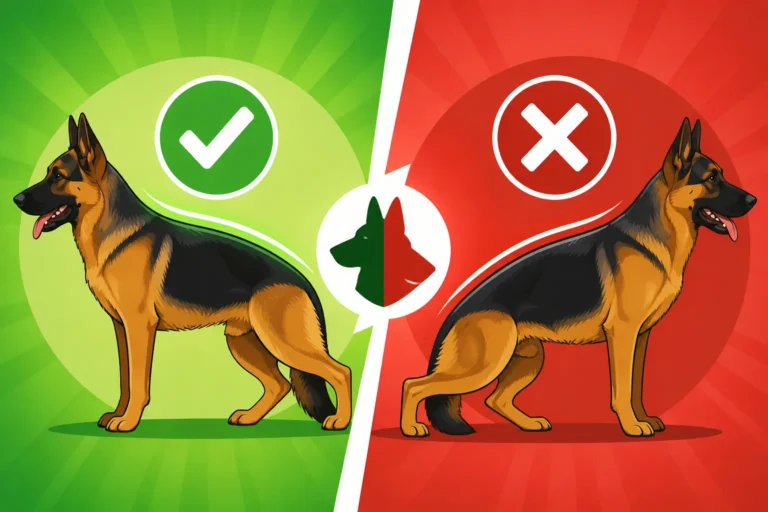
Working line German Shepherds, whether they stem from West German, East German (DDR), or Czech lineages, are primarily bred for performance. Their breeders focus on traits like strong nerves, high prey drive, intense focus, endurance, and trainability – qualities essential for roles in police work, search and rescue, protection sports like Schutzhund or IGP, and military service. This means their physical appearance, while still adhering to breed standards, is secondary to their mental and physical prowess. You'll often see these dogs with straighter backs and a more robust, athletic build, designed for long hours of demanding work.
They are quite distinct from show-line German Shepherds, which are often bred with an emphasis on specific physical aesthetics and conformation for the show ring, often leading to a more exaggerated angulation in the hindquarters. While all German Shepherds are intelligent and active, the intensity of these traits is amplified in working lines. It’s not just a subtle difference; it's a fundamental shift in purpose that impacts their entire being. Many of these dogs possess a drive that simply must be channeled, or it can lead to frustration for both dog and owner.
Key Physical and Mental Traits
Working line German Shepherds typically exhibit a leaner, more muscular physique, built for agility and stamina. Their coats might be shorter or denser, practical for various weather conditions rather than purely ornamental. Mentally, these dogs are powerhouses. They possess an incredible capacity for learning, a relentless desire to work, and an almost insatiable need for mental and physical challenges. Their intelligence isn't just about learning commands quickly; it's about problem-solving, strategizing, and engaging with their environment in a highly active way.
They often have a stronger "off switch" than some show lines, meaning they can relax once their energy needs are met, but getting to that "off switch" requires significant effort. These dogs thrive on routine and clear expectations, and they need a job to do, whether it's advanced obedience, agility, tracking, or protection work. If these innate drives are not adequately satisfied, they can manifest as destructive chewing, incessant barking, or even neurotic behaviors, leaving both the dog and the owner feeling overwhelmed.
The Unique Temperament and Energy Levels of Working Lines
Bringing a working line German Shepherd into your home means preparing for a dog with an exceptionally high motor and a profound need for engagement. Their temperament is characterized by intense focus and an eagerness to please, but also by a drive that can be misunderstood or mismanaged by an inexperienced owner.
Unmatched Drive and Intelligence
One of the most defining characteristics of a working line German Shepherd is their incredible drive. This isn't just about boundless energy; it's a deep-seated desire to do something, to have a purpose. They are highly intelligent, often able to anticipate commands and learn complex tasks with remarkable speed. This makes them incredibly rewarding for experienced trainers, but it can also make them a handful for those unprepared for their mental acuity. A working line GSD will quickly figure out your routines, the weaknesses in your training, and how to get what they want if you're not consistent and clear in your expectations.
Their drive often translates into high prey drive, meaning they might be extremely focused on chasing squirrels, rabbits, or even fast-moving cars. This requires diligent leash training and a secure environment. They possess a strong will and need a handler who can match their intensity with calm, confident leadership. Ignoring their mental needs is like leaving a supercomputer to run solitaire; it simply won't be satisfied, and it will find its own, potentially destructive, ways to occupy itself. For insights into managing a German Shepherd's mind, explore topics like Best Mental Stimulation for German Shepherds.
The Need for Purpose and Activity
Unlike many companion breeds that are content with a couple of walks around the block, a working line German Shepherd requires a substantial amount of structured activity every single day. We're talking about more than just physical exercise; they need mental stimulation that challenges their intelligence and satisfies their drive. This could mean engaging in dog sports, regular advanced obedience training, tracking exercises, or even complex puzzle toys. A simple game of fetch for 15 minutes won't cut it.
Imagine a highly intelligent, physically capable athlete who is told to sit on the couch all day. They would become frustrated, bored, and likely disruptive. The same applies to these dogs. Without a "job" or a consistent outlet for their energy, they can become anxious, destructive, and difficult to manage. This isn't just about avoiding bad behavior; it's about fulfilling their fundamental needs as a breed. If you're looking for a dog that will be a calm companion with minimal effort, a working line German Shepherd might not be the right choice. Their exercise needs are significant, and understanding their German Shepherd Exercise Requirements is paramount.
Potential Behavioral Challenges Without Proper Management
The high drive and intelligence that make working line German Shepherds so capable can also lead to significant behavioral problems if not properly managed. Boredom and under-stimulation are the biggest culprits. Without sufficient mental and physical outlets, they can develop issues such as excessive barking, destructive chewing, digging, hyper-vigilance, and even anxiety or aggression. This isn't because they are "bad" dogs, but because their inherent needs are not being met.
For example, a working line puppy left alone for long periods without adequate exercise and mental engagement might decide to redecorate your living room with your couch stuffing. Or an adult dog, without consistent training and socialization, might become overly protective or reactive to new people or situations, leading to difficulties on walks or when guests visit. Addressing German Shepherd Behavior Problems and Solutions often starts with a thorough review of their daily routine and ensuring they have appropriate outlets for their energy and intelligence.
Evaluating if a Working Line GSD is Right for Your Household
Choosing to bring any dog into your family is a big decision, but with a working line German Shepherd, it's amplified. You need to be incredibly honest with yourself about your lifestyle, commitment, and what you're truly prepared for.
Assessing Your Lifestyle and Commitment
A working line German Shepherd is not a pet for the faint of heart or the casually engaged. They demand a significant investment of time, energy, and resources. Are you someone who enjoys being active outdoors for several hours a day? Do you have the time and dedication to commit to daily training sessions, not just for a few months, but for the dog's entire life? These dogs thrive on consistency and routine, so a chaotic or unpredictable schedule might be a source of stress for them.
Consider your living situation: while a large yard is beneficial, it's not a substitute for active engagement. A working line GSD with a large yard but no interaction will be far less content than one in a smaller space that receives ample exercise and mental work. Your commitment needs to extend beyond just feeding and walking; it needs to encompass their emotional and intellectual well-being. Think about your future plans – will your lifestyle allow for this level of dedication five or ten years down the line?
The Importance of Early and Consistent Training
Training a working line German Shepherd isn't an option; it's an absolute necessity. Their intelligence and drive mean they absorb information quickly, but they also require a handler who is knowledgeable, patient, and consistent. Early puppy training is crucial, focusing on foundational obedience, bite inhibition, and house manners. This lays the groundwork for a well-adjusted adult dog. You can learn more about this by reading our German Shepherd Puppy Training Guide.
However, training doesn't stop once they're past the puppy stage. These dogs benefit from ongoing advanced obedience, scent work, agility, or even protection sports. It's not just about teaching them commands; it's about building a strong bond, establishing clear communication, and providing that essential mental engagement. Without consistent training, their intelligence can work against you, as they'll quickly learn how to manipulate situations to their advantage or develop unwanted habits.
Socialization Beyond the Basics
Socialization is vital for all dogs, but for a working line German Shepherd, it needs to be comprehensive and ongoing. Due to their protective instincts and strong nerves, they need to be exposed to a wide variety of people, places, sounds, and other animals from a young age in a positive and controlled manner. This helps them learn to differentiate between normal everyday occurrences and actual threats, fostering a balanced and confident temperament rather than one prone to reactivity or fear.
Just taking your puppy to a dog park isn't enough. Structured socialization, like puppy classes, supervised playdates with well-behaved dogs, and gradual introductions to different environments, are key. An undersocialized working line German Shepherd can become anxious, fearful, or overly reactive, making daily life challenging. You want a dog that is confident and comfortable in various situations, not one that is constantly on edge. Our guide on How to Socialize a German Shepherd offers more in-depth advice.
Practical Considerations for Living with a Working Line German Shepherd
Bringing a working line German Shepherd into your family is a marathon, not a sprint. It requires careful planning, dedication, and an understanding of their specific needs for a happy and harmonious life together.
Crafting a Daily Routine for Success
A predictable daily routine is not just helpful for a working line German Shepherd; it's often essential for their mental stability. These dogs thrive on knowing what to expect, and a consistent schedule for feeding, exercise, training, and rest can significantly reduce anxiety and improve behavior. This routine needs to be robust, integrating ample physical activity and dedicated mental work.
For example, a typical day might start with a vigorous walk or run, followed by a structured training session. Mid-day could involve puzzle toys or chew sessions, and the evening might wrap up with another period of intense play or obedience practice. The key is balance: intense activity followed by downtime. Without this structure, a working line GSD might become agitated, constantly seeking attention, or resorting to destructive behaviors out of boredom. It's about proactive management to prevent issues before they start.
Beyond Walks: Intense Exercise and Mental Work
As mentioned, two casual walks a day simply won't cut it. Working line German Shepherds need outlets that challenge both their bodies and their minds. Think about activities like long-distance hiking, running alongside a bicycle (once fully grown and vet-approved), agility training, dock diving, advanced obedience, or even Schutzhund/IGP training. These activities tap into their natural drives and provide a satisfying "job."
Mental work is equally important. Scent detection games, complex puzzle toys, learning new tricks, or even just engaging in long training sessions that require sustained focus will exhaust their minds in a way that physical exercise alone cannot. For instance, platforms like Chewy offer a fantastic selection of durable toys and interactive feeders that can provide hours of mental stimulation, perfect for these intelligent breeds. Rotating toys and introducing new challenges keeps them engaged. Remember, a tired German Shepherd is a good German Shepherd, but a mentally tired German Shepherd is even better.
Providing for Their Physical and Mental Needs
Beyond exercise and training, ensuring your working line German Shepherd's overall well-being means addressing their specific needs. Their high activity levels mean they need a high-quality diet to sustain their energy and support joint health. Look for reputable brands that offer formulas specifically designed for active, large breeds. You'll likely be stocking up on high-quality kibble from your favorite pet supply store, perhaps even ordering in bulk from places like Chewy, to fuel that energetic drive.
Consider their grooming needs, too. While not as high-maintenance as some breeds, their double coats require regular brushing, especially during shedding seasons. This can also be a bonding experience. Additionally, proactive health management, including regular vet check-ups and awareness of common German Shepherd Health Problems Guide, is crucial for keeping them in peak condition. A healthy, well-fed, and well-exercised working line GSD is much more likely to be a happy and well-behaved family member.
Working Line vs. Show Line: A Pet Owner's Comparison
To help clarify the differences, here's a quick comparison of general traits you might observe when considering a working line versus a show line German Shepherd as a family pet. Remember, these are generalizations, and individual dogs will always vary.
| Feature | Working Line German Shepherd (Pet Context) | Show Line German Shepherd (Pet Context) |
|---|---|---|
| Primary Breeding Focus | Drive, temperament, workability, athletic build | Conformation, specific aesthetic standards, calmer temperament |
| Energy Level | Extremely high; needs intense physical and mental stimulation daily | High; needs consistent daily exercise and mental engagement |
| Drive (Prey, Food, Toy) | Very high; strong instinct to chase, retrieve, and work | Moderate to high; enjoys play but less intensely driven |
| Trainability | Highly intelligent, eager to please, learns quickly; needs firm, consistent handler | Intelligent, trainable; responds well to positive reinforcement |
| Temperament | Confident, strong-willed, requires clear leadership; can be reserved with strangers | Generally more laid-back, outgoing, and adaptable; still protective |
| Physical Appearance | Athletic, robust, often straighter back, functional coat | More refined, often exaggerated hindquarter angulation, specific coat colors/patterns for show |
| Ideal Owner | Experienced, active, dedicated to training and dog sports, structured home | Active, willing to train, enjoys regular walks and family interaction |
| Potential Challenges | Boredom, destructiveness, reactivity if needs unmet, requires significant time commitment | Can be prone to hip/elbow issues, still needs substantial exercise to prevent boredom |
Ultimately, whether a working line German Shepherd is a "good pet" depends entirely on you and your household. For the right owner – one who is committed, knowledgeable, and ready to meet their intense needs – they can be the most loyal, intelligent, and rewarding companion imaginable. They are not simply pets; they are partners. But if you're looking for a low-maintenance companion, or you're new to dog ownership, a working line might be more dog than you bargained for. A great resource for understanding these different types is the Working Line vs Show Line German Shepherd article.
Disclaimer
This article is for general informational purposes only and does not constitute professional advice. Laws, prices and regulations vary by location and change over time. Consult a qualified professional for guidance on your specific situation.