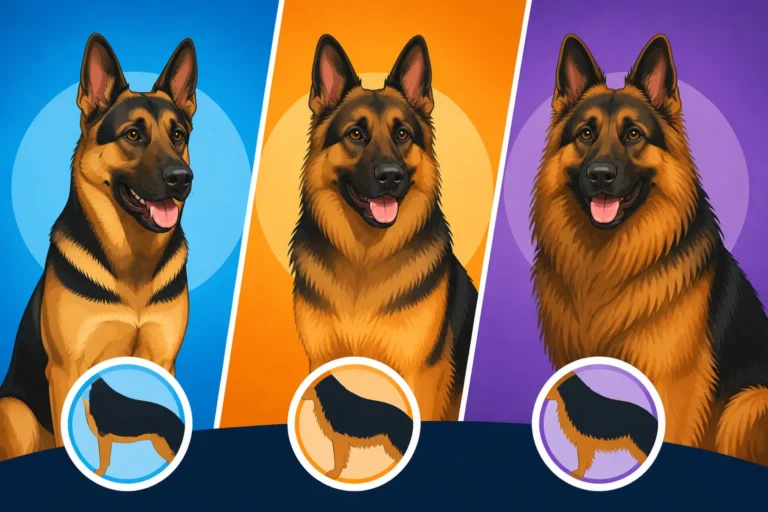
Is a Sieger Line German Shepherd a Good Pet
Many prospective German Shepherd owners find themselves drawn to the striking appearance of dogs from the Sieger Line, often seen gracing the top tiers of conformation shows. However, there's a common question that quickly arises: are these magnificent animals, bred for their show ring presence, truly suitable as everyday family pets? This guide will dive deep into what makes a Sieger Line German Shepherd, exploring their unique traits, temperament, and how they fit into a typical household, helping you decide if one is the right furry addition for your life.
Understanding the Sieger Line German Shepherd
When people talk about a "Sieger Line" German Shepherd, they're generally referring to dogs bred from bloodlines that have excelled in the Bundessiegerzuchtschau (BSZS), Germany's national German Shepherd Dog show. This show is the pinnacle of the breed's conformation events, and the dogs that compete and win there embody the breed standard as interpreted by the German Shepherd Dog Club of Germany (SV). It’s a lineage focused on specific aesthetics, structure, and a certain degree of working ability, but with a heavy emphasis on appearance.
What Defines the Sieger Line?
The Sieger Line is primarily defined by its adherence to the German breed standard, which dictates not just physical appearance but also temperament and working aptitude. Unlike some "American Show Lines" that might prioritize extreme angulation or a less robust structure, the German standard seeks a dog that is functional and balanced. This means judges are looking for correct proportions, strong bones, good pigmentation, and a fluid, powerful gait. The famous "flying trot" is a hallmark. However, a significant emphasis is placed on the dog's character during the show, requiring a confident, stable, and self-assured temperament. They are expected to perform courage tests and demonstrate obedience, ensuring they are not just pretty faces.
History and Purpose
The German Shepherd breed itself was developed by Captain Max von Stephanitz with a clear vision: a versatile working dog. Over time, as the breed gained popularity, different interpretations of the standard emerged. The Sieger Line (or West German Show Line, as it's often called) has its roots firmly planted in Germany, where breeders continued to emphasize a dog capable of both beauty and utility, although the balance has shifted more towards form. These dogs are bred to excel in the conformation ring, where their physical attributes, movement, and temperament are rigorously judged against a specific ideal. This focus on a stringent breed standard, evaluated in competitive environments, means that many generations of Sieger Line dogs have been selected for specific visual traits and a particular presentation in the ring. You'll often see them with rich red and black or sable coats, a powerful build, and that signature confident stance.
Key Characteristics
Sieger Line German Shepherds typically exhibit several distinctive characteristics that set them apart. Physically, they possess a strong, substantial bone structure, well-angulated hindquarters that contribute to their powerful movement, and a coat that is usually rich in color, most often black and red or sable. Their heads are strong, ears erect and alert, and their overall presence is one of nobility and confidence.
Beyond their looks, their temperament is also a key characteristic. These dogs are expected to be calm and self-assured, not skittish or overly aggressive. In the show ring, they undergo temperament tests that evaluate their nerve and courage. While they are often described as having a "softer" temperament compared to some intensely driven working lines, they still possess a keen intelligence and an alert nature. They are bred to be attentive to their handlers and perform under pressure, which translates into a dog that is generally eager to please and highly trainable when properly motivated. This innate desire to work alongside their human companions, combined with their striking appearance, makes them incredibly appealing to a wide range of enthusiasts.
Temperament and Compatibility as a Pet
Choosing a Sieger Line German Shepherd as a pet means understanding that while they are bred for the show ring, many also make wonderful companions. Their temperament, shaped by generations of selective breeding for specific traits, often aligns surprisingly well with the needs of a dedicated family.
The "Show Temperament" vs. Pet Life
The temperament desired in the show ring – confident, stable, attentive, and biddable – often translates beautifully into a fantastic family pet. A Sieger Line German Shepherd is typically not prone to neuroticism or extreme shyness. They are generally self-possessed and carry themselves with an air of quiet authority. This doesn't mean they're aloof; in fact, many are incredibly affectionate and devoted to their families. They tend to be intelligent and eager to please, making them highly trainable. A well-bred Sieger Line dog should be comfortable in various social situations, provided they receive appropriate socialization from a young age. They are observant and protective without being overtly aggressive, often preferring to assess a situation before reacting. This balanced demeanor is exactly what many families seek in a large companion dog. It's a stable, predictable nature that allows them to integrate smoothly into a household routine, whether it's lounging on the sofa during quiet evenings or joining in active family outings. German Shepherd Temperament and Personality offers more insight into the general traits of the breed.
Energy Levels and Exercise Needs
While Sieger Line German Shepherds might not possess the same frantic, ceaseless energy of a pure working line dog, make no mistake: they are still German Shepherds, and they require significant exercise and mental stimulation. These are not dogs content to be left in a backyard all day. They typically thrive on a combination of physical activity and engaging mental tasks. Think long walks, games of fetch, hiking, or even participating in dog sports like obedience or agility. Daily exercise isn't just about physical health; it's crucial for their mental well-being too. A bored Sieger Line GSD can quickly become a destructive one, channeling their intelligence and energy into undesirable behaviors like chewing furniture or excessive barking. Just like any German Shepherd, they need a job, even if that "job" is just being an active, well-behaved family member. Ensuring they have outlets for their natural drive is paramount. You can find more comprehensive advice in German Shepherd Exercise Requirements.
Socialization and Trainability
Sieger Line German Shepherds are known for their intelligence and eagerness to learn, making them highly trainable. They respond well to consistent, positive reinforcement training methods. Early socialization is crucial, just as it is for any German Shepherd. Exposing a Sieger Line puppy to a variety of sights, sounds, people, and other well-behaved dogs from a young age helps them develop into well-adjusted adults. Without proper socialization, any dog, regardless of line, can develop fear or reactivity. However, with their inherent stability, Sieger Line GSDs often take to socialization and training with remarkable ease. They are keen observers and form strong bonds with their handlers, which facilitates the training process. Their desire to please, coupled with their sharp minds, means they can excel in everything from basic obedience to more advanced canine activities. Investing time in their training will yield immense rewards, creating a polite, responsive, and joyful companion. For detailed training steps, check out How to Train a German Shepherd.
Potential Challenges for Pet Owners
While Sieger Line German Shepherds can make exceptional pets, it's vital to be aware of potential challenges. Responsible ownership means understanding the breed's needs and common issues so you can address them proactively.
Health Considerations
Despite the rigorous breeding standards in Germany, Sieger Line German Shepherds are still susceptible to some health issues common within the breed. Hip and elbow dysplasia are unfortunately prevalent, though reputable breeders meticulously screen their breeding stock. You should always ask to see OFA or PennHIP certifications for the parents. Other concerns can include degenerative myelopathy (DM), a progressive neurological condition, and certain eye conditions. Potential owners should research the German Shepherd Health Problems Guide and specifically look into German Shepherd Hip Dysplasia Explained. Choosing a puppy from a breeder who prioritizes German Shepherd Genetic Health Testing is the single most important step you can take to mitigate these risks. Remember, a healthy dog is a happy dog, and reducing the likelihood of costly and painful conditions for your pet should be a top priority.
Grooming and Care Demands
German Shepherds, including those from the Sieger Line, are not low-maintenance dogs when it comes to grooming. They possess a dense double coat that sheds year-round, with seasonal "blowing coats" where they lose even more fur. Regular brushing – often daily during shedding seasons – is essential to manage loose hair, prevent mats, and keep their skin healthy. While they don't require frequent bathing, their coats do benefit from thorough brushing to distribute natural oils and remove dirt. Neglecting their grooming can lead to uncomfortable skin irritations, excessive shedding throughout your home, and an unhealthy coat. Additionally, consistent nail trims, ear cleaning, and dental care are crucial parts of their overall hygiene routine. Investing in quality grooming tools and establishing a routine early on will make the process much smoother for both you and your dog. Companies like Chewy offer a wide range of brushes, deshedding tools, and shampoos designed for double-coated breeds, making it easier to keep your Sieger Line GSD looking their best. Learn more about managing their coats in German Shepherd Shedding: How to Manage It.
Addressing Common Misconceptions
There are several misconceptions about Sieger Line German Shepherds that often deter potential owners or lead to unrealistic expectations. One common myth is that they are inherently aggressive. While they are protective by nature, a well-bred Sieger Line GSD should be stable and confident, not randomly aggressive. Any aggression is typically a result of poor breeding, inadequate socialization, lack of training, or past trauma. Another misconception is that they are "lazy" because they aren't working dogs in the traditional sense. As discussed, they have significant energy and mental stimulation needs. Lastly, some believe they are exclusively for experienced handlers due to their size and intelligence. While they do require a committed owner, their biddable nature and intelligence often make them a joy to train, even for dedicated first-time GSD owners who are willing to put in the work. Understanding these myths and focusing on realistic expectations will help you build a stronger bond with your Sieger Line companion.
Making the Decision: Is a Sieger Line Right for You?
Ultimately, bringing any dog into your home is a big decision, and a Sieger Line German Shepherd is no exception. Weighing their unique characteristics against your lifestyle and commitment is key to a successful, happy partnership.
Lifestyle Match
A Sieger Line German Shepherd thrives in a home where they are truly part of the family, not just an outdoor accessory. They need owners who can provide consistent training, ample exercise, and plenty of mental engagement. If you lead an active lifestyle and enjoy outdoor activities, a Sieger Line GSD could be an excellent companion, accompanying you on hikes, runs, or long walks. They generally do well with children and other pets when properly socialized and introduced, thanks to their stable temperaments. However, they are large dogs and require space, both indoors and out. A small apartment with minimal outdoor access might not be the ideal environment unless you are exceptionally dedicated to daily, rigorous exercise and mental enrichment outside the home. Consider if you have the time, energy, and financial resources for a dog of this size and intelligence. Is a German Shepherd Right for You can help you determine if the breed in general fits your life.
Finding a Reputable Breeder
This is perhaps the most critical step when considering a Sieger Line German Shepherd. A reputable breeder will prioritize health, temperament, and adherence to the breed standard. They will be transparent about health clearances (like OFA/PennHIP for hips and elbows, and DM testing) for both parents, be willing to answer all your questions, and often participate in dog sports or conformation themselves. They will also typically have waiting lists and will screen potential owners carefully to ensure their puppies go to suitable homes. Avoid breeders who sell puppies without papers, offer multiple breeds, or can't provide verifiable health records. Remember, quality breeding costs more upfront, but it can save you heartache and significant veterinary expenses down the line. Sites like Chewy also often have informative articles about pet health and can be a resource for understanding the needs of a well-bred dog. For more advice, read How to Find a Reputable German Shepherd Breeder.
Preparing for a Sieger Line GSD
Once you've decided a Sieger Line German Shepherd is the right fit, preparing your home and lifestyle is the next step. This involves more than just buying a food bowl. You'll need to puppy-proof your home, invest in quality training equipment, and plan for their ongoing needs. Consider enrolling in puppy classes early to kickstart socialization and basic obedience. Think about their feeding schedule, what kind of premium large-breed kibble you'll use (you can find many great options on Chewy), and where they will sleep. Understanding the financial commitment for food, veterinary care, grooming supplies, and potential training classes is also crucial. Be ready for the time commitment – these dogs thrive on interaction and being involved in your daily life. They are incredibly rewarding companions, but they do require a significant investment of time, love, and effort. Preparing adequately ensures a smooth transition for your new family member and sets the stage for a wonderful life together.
Disclaimer
This article is for general informational purposes only and does not constitute professional advice. Laws, prices and regulations vary by location and change over time. Consult a qualified professional for guidance on your specific situation.