Is a Belgian German Shepherd a Good Pet
It's quite common for prospective dog owners to come across terms like "Belgian German Shepherd" and wonder exactly what kind of dog that refers to, and more importantly, if it's a good fit for their home. The truth is, "Belgian German Shepherd" isn't an officially recognized breed, which can lead to a lot of confusion about what you're actually getting. This guide will help clarify what people usually mean by this term, explore the likely characteristics of such a dog, and give you a realistic picture of the commitment involved in bringing one into your life.
Deconstructing the "Belgian German Shepherd" Term
When someone mentions a "Belgian German Shepherd," they're usually referring to one of two things: either they have a German Shepherd with some Belgian lineage, or, more commonly, they are mistakenly using the term to describe a Belgian Malinois, or another breed within the "Belgian Shepherd" group. It's a bit like calling a Labrador a "Canadian Golden Retriever" – it mixes up national origins and distinct breed types. Understanding the nuance here is crucial for setting proper expectations.
The Reality of Breed Terminology
Let's clear the air right away: there is no official breed called a "Belgian German Shepherd." What's happening is often a conflation of two distinct, though sometimes visually similar, canine groups.
Firstly, a German Shepherd could conceivably have ancestors from breeders located in Belgium, just as a German Shepherd could have ancestors from breeders in France, Holland, or even the United States. In this scenario, it's still fundamentally a German Shepherd, and its core traits and appearance would align with the German Shepherd Breed Guide. The "Belgian" simply refers to the geographical origin of part of its lineage, not a distinct breed type. These dogs would likely be registered as German Shepherds, and their paperwork would reflect that.
Secondly, and perhaps more frequently, the term "Belgian German Shepherd" is a misnomer for one of the four breeds that fall under the umbrella of "Belgian Shepherd" dogs. These breeds are:
- Belgian Malinois: Often mistaken for German Shepherds due to their similar color patterns and working dog appearance, Malinois are distinct and possess a much higher energy level and intensity.
- Belgian Tervuren: These are long-haired Belgian Shepherds, graceful and often mahogany in color, but with the same energetic and intelligent drive as their Malinois cousins.
- Belgian Sheepdog (Groenendael): Known for their striking long, black coats, these are also highly intelligent and active herding dogs.
- Belgian Laekenois: The rarest of the Belgian Shepherds, with a wiry, rough coat. They share the same underlying drive and intelligence.
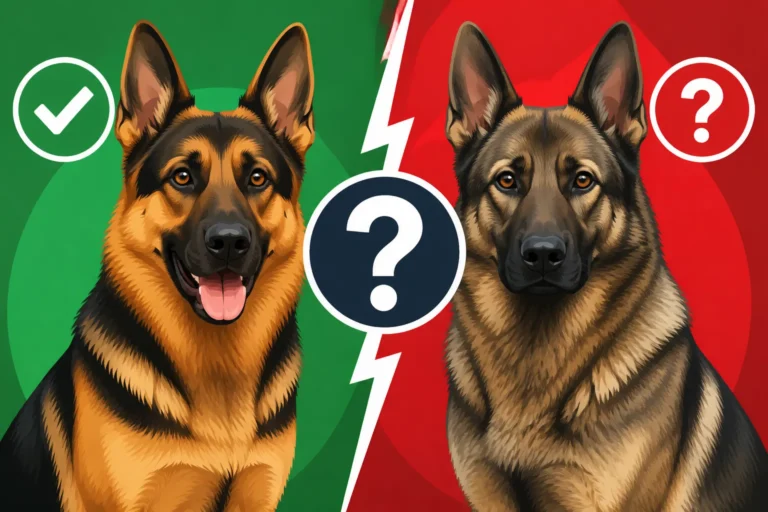
The key takeaway is that if you encounter a dog labeled "Belgian German Shepherd," you need to ask for clarification. Is it a German Shepherd from Belgian lines, or is it actually a Belgian Malinois or another Belgian Shepherd breed entirely? The distinction is vital because the care, training, and lifestyle requirements can vary significantly.
Understanding German Shepherd Lines
Even within the German Shepherd breed itself, there's a world of difference between "working lines" and "show lines," which might play a role if the "Belgian" refers to lineage.
- Working Line German Shepherds: These dogs are bred primarily for their utility, drive, and performance in roles like police work, search and rescue, or competitive dog sports like Schutzhund or IGP. They typically have higher energy, intense focus, and a strong desire to work. A German Shepherd from Belgian working lines would likely embody these traits strongly. You can learn more in Working Line German Shepherd Explained.
- Show Line German Shepherds: These are bred primarily for conformation to breed standards and often have a more relaxed temperament than their working line counterparts, making them potentially more suitable for family pets, though they still require significant exercise and mental stimulation. Show Line German Shepherd Explained delves deeper into these characteristics.
Regardless of the specific lineage, a German Shepherd is a powerful, intelligent, and highly trainable dog. Their inherent protective instincts and loyalty make them formidable companions, but these same traits demand a committed and knowledgeable owner.
Temperament and Traits: What to Expect
When evaluating if a "Belgian German Shepherd" is a good pet, we need to consider the temperaments of the most likely candidates: the German Shepherd and the Belgian Malinois. Both are incredible dogs, but their suitability for a typical pet home can differ wildly.
German Shepherd Characteristics
A true German Shepherd, regardless of where its ancestors hailed from, is renowned for its intelligence, loyalty, and protective nature. They are often described as "Velcro dogs" because they form incredibly strong bonds with their families and thrive on being an integral part of daily life.
- Intelligence: German Shepherds are exceptionally smart, often ranking among the most intelligent dog breeds. This makes them highly trainable, but it also means they require consistent mental stimulation. A bored German Shepherd can quickly become a destructive one. Puzzle toys, training sessions, and engaging activities are non-negotiable.
- Loyalty and Protectiveness: These dogs are fiercely loyal to their families, which makes them excellent guard dogs. However, this protectiveness can sometimes manifest as wariness or reactivity towards strangers or other dogs if not properly socialized from a young age. Early and ongoing German Shepherd Socialization Checklist is paramount.
- Energy Level: While perhaps not as hyper-drive as a Malinois, German Shepherds are still high-energy dogs. They need a significant amount of physical exercise daily, including vigorous walks, runs, hikes, or active playtime. Just letting them out in the backyard isn't enough; they need to do something.
- Trainability: Their intelligence and desire to please make German Shepherds highly trainable. They excel in obedience, agility, and various working roles. Consistent, positive reinforcement training is key to channeling their instincts productively. Basic commands are just the beginning; they crave more complex tasks. You can get started with German Shepherd Obedience Training Basics.
- Affection: With their family, German Shepherds can be incredibly affectionate and loving. They enjoy being close to their people, often leaning on them or following them from room to room. They are truly companions.
Belgian Malinois Influence (if misidentified)
If the term "Belgian German Shepherd" is actually referring to a Belgian Malinois, then the expectations for temperament and required commitment ratchet up significantly. Malinois are often mistaken for German Shepherds, but they are a breed developed specifically for intense working roles and excel in protection sports, police work, and military applications.
- Extreme Energy and Drive: This is the defining characteristic of a Malinois. They possess an almost boundless energy supply and an incredibly high prey drive. They aren't content with a few walks; they need hours of structured exercise and mental engagement every single day. Imagine a dog that can run for miles, then still wants to play fetch for an hour. This is a Malinois.
- Intense Focus and Work Ethic: Malinois thrive on having a job to do. They are incredibly focused and eager to work, which makes them phenomenal in dog sports. However, without a clear purpose and consistent training, this intensity can turn into neurotic, destructive, or obsessive behaviors.
- Sensitivity: Despite their tough exterior, many Malinois can be quite sensitive to their handler's moods and tone. They respond best to fair, consistent, and positive training methods. Harsh handling can easily shut them down or make them reactive.
- High Alertness: Malinois are constantly aware of their surroundings. This makes them exceptional protectors but also means they can be prone to reactivity towards novel stimuli or strangers if not properly managed and socialized. They are not dogs that can be left unsupervised or unmanaged in public situations without extensive training.
- Strong Bite Inhibition (or lack thereof): Due to their strong drives, Malinois puppies require intense bite inhibition training to ensure they understand the appropriate pressure to use with their mouths. This is a critical part of German Shepherd Puppy Training Guide, and even more so for Malinois.
Other Belgian Shepherds
While less likely to be confused with German Shepherds due to their distinct appearances (especially the Tervuren and Sheepdog's long coats or the Laekenois's wiry fur), other Belgian Shepherd breeds share the underlying intelligence, activity level, and strong herding instincts of the Malinois. They are all alert, active, and highly intelligent dogs that require dedicated training and plenty of mental and physical engagement. They are generally sensitive and form strong bonds with their families, but their energy and demand for engagement mean they aren't suitable for every household.
To help visualize the differences, here's a quick comparison of the German Shepherd and Belgian Malinois:
| Trait | German Shepherd (Typical) | Belgian Malinois (Typical) |
|---|---|---|
| Energy Level | High; requires significant daily exercise (1-2 hours) | Extremely High; requires intense, structured exercise (2+ hours) |
| Mental Stimulation | High; needs daily training, puzzles, and interactive play | Extremely High; thrives on having a demanding "job" |
| Loyalty | Very strong; bonds closely with family | Very strong; often forms a single primary bond |
| Protectiveness | Strong; natural guardian, wary of strangers | Intense; highly protective and vigilant |
| Trainability | Excellent; intelligent and eager to please | Exceptional; incredibly quick learners, high drive |
| Suitability for Novice Owners | Challenging but possible with dedication | Not recommended; requires experienced, dedicated owners |
| Common Misconception | Often perceived as inherently aggressive (they're not) | Often mistaken for German Shepherds or even pit bulls |
The Commitment Required for These Breeds
Regardless of whether you're dealing with a purebred German Shepherd with Belgian lineage or a Belgian Malinois mistakenly identified, these are not "easy" dogs. They demand a significant commitment of time, energy, and resources. Anyone considering one of these magnificent animals needs to be prepared for the realities of ownership.
Exercise and Mental Stimulation Needs
This is perhaps the biggest area where people underestimate these dogs. Both German Shepherds and Malinois are working breeds, and their bodies and minds are wired for activity and purpose.
- German Shepherds: A healthy adult German Shepherd typically needs at least an hour to two hours of dedicated, vigorous exercise daily. This isn't just a leisurely walk around the block; it includes activities like running, hiking, fetch, swimming, or playing in a secure yard. Beyond physical exercise, their sharp minds need to be challenged. Daily training sessions, puzzle toys, scent work, or even engaging in dog sports like agility or obedience trials are crucial. A German Shepherd left without adequate outlets for its energy and intelligence can develop destructive habits like excessive barking, chewing, digging, or even aggression due to frustration.
- Belgian Malinois: If your "Belgian German Shepherd" turns out to be a Malinois, multiply those requirements. Malinois need intense, structured exercise for at least two to three hours a day, often more. This often involves high-impact activities like running alongside a bike, intense fetch sessions, or specific dog sports like German Shepherd Schutzhund: Step-by-Step or IGP. Their mental stimulation needs are equally demanding; they crave a "job." Many Malinois owners engage in advanced obedience, protection sports, or utilize them for actual working roles. If a Malinois isn't given enough to do, they will find their own entertainment, which often involves tearing up your house, obsessively herding family members, or engaging in incessant pacing and vocalizations. This is why How Much Exercise Does an Adult German Shepherd Need is so important to understand.
Training and Socialization Imperatives
For both breeds, early and ongoing training and socialization are not just recommendations; they are absolute necessities for raising a well-adjusted dog.
- Early Socialization: From puppyhood, exposing your dog to a wide variety of sights, sounds, people, and other dogs (in a controlled and positive way) is critical. This helps them develop confidence and reduces the likelihood of fear-based aggression or reactivity. For a German Shepherd, this means positive experiences with strangers, children, and other animals. For a Malinois, this needs to be even more carefully managed due to their intense drives and guarding instincts.
- Consistent Training: Both breeds thrive on structure and consistency. Positive reinforcement methods work best, building a strong bond between you and your dog. Basic obedience commands like sit, stay, come, and heel are just the foundation. These intelligent dogs benefit from advanced training, whether it's trick training, canine good citizen programs, or competitive sports. A lack of clear boundaries and leadership can lead to behavioral issues, as these dogs will often try to take on the leadership role themselves. Teaching German Shepherd Basic Commands Every Owner Should Teach is your starting point.
- Addressing Potential Issues: German Shepherds can be prone to resource guarding or territorial behaviors if not properly managed. Malinois can develop obsessive behaviors or become overly protective. Understanding German Shepherd Behavior Problems and Solutions and being proactive with training is essential. Professional guidance from a certified trainer experienced with working breeds is often invaluable, especially for Malinois.
Grooming and Health Considerations
While not as demanding as their exercise and training needs, grooming and health are still important factors.
- Grooming: German Shepherds have a dense double coat that sheds year-round, with heavy "blow coat" seasons twice a year. Regular brushing (several times a week, daily during shedding season) is crucial to manage shedding and maintain coat health. Bathing is less frequent. Malinois have a shorter, less dense coat but still shed and benefit from regular brushing. Check out How to Groom a German Shepherd for more detailed advice.
- Health Issues: German Shepherds are unfortunately prone to certain genetic health issues, most notably German Shepherd Hip Dysplasia Explained and German Shepherd Elbow Dysplasia: Symptoms and Treatment. Other concerns include Degenerative Myelopathy in German Shepherds and German Shepherd Bloat: Signs and Prevention. Reputable breeders perform extensive health testing on their breeding dogs. Malinois are generally a healthier breed but can still be susceptible to hip and elbow dysplasia, as well as certain eye conditions. Potential owners should always inquire about the health testing of a puppy's parents.
Is a "Belgian German Shepherd" Right for You?
The decision to bring a dog like a German Shepherd or a Belgian Malinois into your home should never be taken lightly. These aren't dogs that can be left to their own devices; they are a lifestyle commitment. Before you fall in love with a cute puppy, it's vital to honestly assess whether your life aligns with the needs of these demanding, yet incredibly rewarding, breeds.
Assessing Your Lifestyle
Take a moment to truly evaluate your current living situation and daily routine.
- Time Commitment: Do you realistically have 2-3 hours every day to dedicate to your dog's exercise and training? This isn't just for a few months; it's for their entire lifespan, which can be 10-14 years. Think about weekends, vacations, and busy workdays.
- Experience Level: Have you owned high-drive dogs before? Are you comfortable with consistent training, setting boundaries, and potentially seeking professional help? A first-time dog owner might find either breed overwhelming without a strong support system.
- Living Environment: Do you have a secure yard where your dog can play safely? While neither breed requires a massive property, an apartment dwelling would mean an even greater commitment to outdoor exercise and mental stimulation. German Shepherd Apartment Living: Possible but needs careful planning.
- Family Dynamics: Do you have young children or other pets? Both breeds can be wonderful family dogs, but their protective instincts and high energy mean introductions and supervision are critical. Early socialization with kids and other animals is non-negotiable. German Shepherds with Kids and Other Pets explores this further.
- Financial Resources: These are not cheap dogs to own. Beyond the initial purchase price, you'll need to budget for high-quality food (brands like Purina Pro Plan or Royal Canin are often recommended for large breeds), regular vet check-ups, potential emergency vet costs, training classes, and durable toys. Don't forget that online retailers like Chewy offer a wide variety of these essential supplies, often at competitive prices, making it easier to manage the ongoing costs. Consider German Shepherd Vet Costs Per Year and Cost of Owning a German Shepherd Per Year.
Scenarios Where it Works (and Doesn't)
Let's imagine some scenarios to help clarify.
- It Works If You Are: An active individual or family who enjoys outdoor activities like hiking, running, or dog sports. You are committed to daily training and mental challenges, understand the need for strong leadership, and are prepared for a dog that wants to be an active participant in your life. You're home a good portion of the day or have reliable arrangements for their care and exercise.
- It Doesn't Work If You Are: Someone looking for a low-maintenance companion. You have a busy schedule that leaves little time for dedicated exercise and training. You prefer a dog that is independent and doesn't require constant engagement. Your idea of exercise is a casual stroll around the block once a day, and you expect your dog to entertain itself in the backyard.
Finding a Reputable Breeder or Rescue
If, after careful consideration, you believe one of these breeds is right for you, the next critical step is finding a responsible source.
- For German Shepherds: Seek out breeders who prioritize health, temperament, and ethical breeding practices. They should be transparent about health testing (OFA, PennHIP for hips/elbows, DM testing, etc.), allow you to meet the puppy's parents, and have a clear understanding of their dogs' lineage and temperament. Avoid puppy mills or backyard breeders who don't conduct health tests or provide proper socialization. How to Find a Reputable German Shepherd Breeder is an essential read.
- For Belgian Malinois: Given their intensity, it's even more crucial to find a breeder who specifically breeds for stable temperaments suitable for civilian homes, or to work with a dedicated Malinois rescue organization. These organizations often have a deep understanding of the breed and can help match you with a dog whose needs and temperament align with your lifestyle.
- Adoption: Don't overlook breed-specific rescues for both German Shepherds and Belgian Malinois. Many wonderful dogs end up in rescues through no fault of their own, often because previous owners underestimated their needs. Rescues can provide valuable insight into an adult dog's temperament and history, which can be beneficial. Check out German Shepherd Adoption vs Buying.
In conclusion, while there isn't a "Belgian German Shepherd" as a distinct breed, the dogs typically associated with this term – primarily German Shepherds and Belgian Malinois – are truly remarkable animals. They offer unparalleled loyalty, intelligence, and companionship. However, they demand owners who are equally dedicated, active, and committed to their extensive needs. If you can provide the exercise, mental stimulation, training, and love they require, you will be rewarded with an extraordinary partner for life.
Disclaimer
This article is for general informational purposes only and does not constitute professional advice. Laws, prices and regulations vary by location and change over time. Consult a qualified professional for guidance on your specific situation.