How to Prevent Panosteitis in German Shepherds
It's incredibly stressful to see your bouncy, energetic German Shepherd puppy suddenly start limping, favoring a leg, or even refusing to put weight on it. You immediately worry it's something serious, especially with all the talk about hip and elbow issues in the breed. Often, however, this "shifting lameness" in young, fast-growing German Shepherds points to a condition called Panosteitis, affectionately known as "growing pains." This guide is here to walk you through understanding Panosteitis and, more importantly, how you can proactively prevent it or at least minimize its impact on your beloved companion.
Understanding Panosteitis in German Shepherds
When your young German Shepherd starts limping, your heart sinks. Is it a broken bone? Is it something chronic like hip dysplasia already? The good news is, Panosteitis, while painful, is generally a self-limiting condition. However, understanding what it is and how it manifests is the first step in helping your pup through it.
What Exactly is Panosteitis?
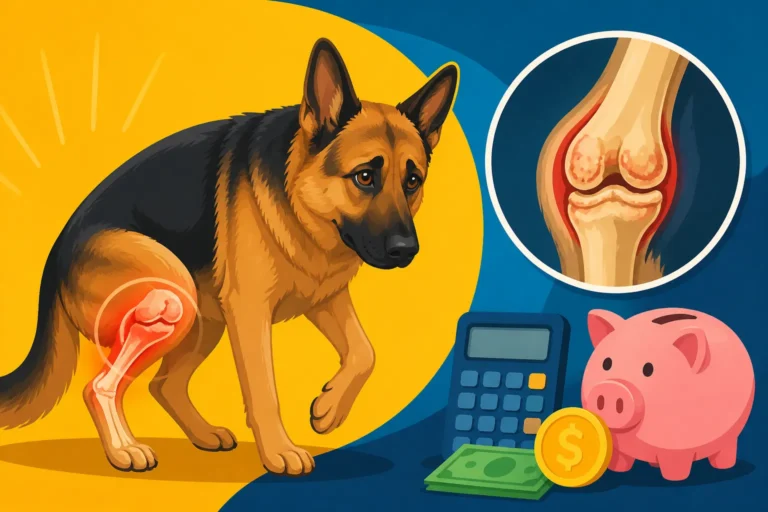
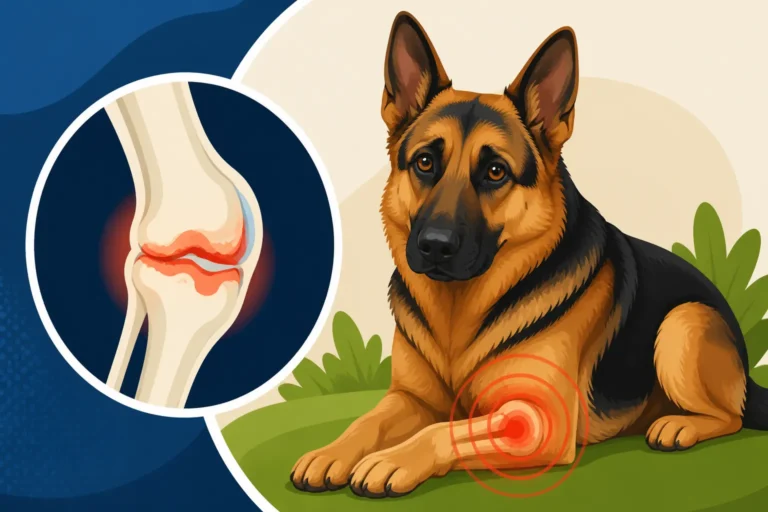
Panosteitis is an inflammatory condition affecting the outer surface of the long bones in a dog's legs. Think of the femur (thigh bone), humerus (upper arm bone), radius, ulna (forearm bones), and tibia (shin bone). It's primarily seen in rapidly growing large and giant breed dogs, and German Shepherds are, unfortunately, particularly predisposed to it. The exact cause isn't fully understood, but it's believed to be related to rapid growth, genetics, and possibly nutritional factors or even stress. Essentially, the body is growing so quickly that the bone and marrow within the long bones become inflamed and sometimes even experience increased bone density.
The classic sign of Panosteitis is what veterinarians call "shifting leg lameness." This means your German Shepherd might be limping on their front left leg one day, then their back right leg the next, or perhaps even both front legs. The lameness can range from mild, barely noticeable stiffness to severe, acute pain where they refuse to put weight on the affected limb. It typically affects dogs between 5 and 18 months of age, though it can sometimes be seen in dogs as young as 2 months or as old as 2 years. Episodes can last from a few days to several weeks, and they can recur until the dog reaches skeletal maturity, usually around 18-24 months.
Why German Shepherds Are Prone to Growing Pains
German Shepherds are magnificent dogs, known for their size, strength, and rapid growth rate. It's precisely this fast growth that puts them at a higher risk for conditions like Panosteitis. Their bones are undergoing significant changes and development in a relatively short period, making them more susceptible to the inflammation that defines Panosteitis.
It's not just their size; genetics can play a role. While not as clearly hereditary as something like hip dysplasia, there appears to be a genetic predisposition in certain lines. This is why choosing a reputable breeder who prioritizes overall health and provides a German Shepherd Genetic Health Testing is so important. When puppies are pushed to grow too quickly, either through excessive protein or calorie intake or inappropriate exercise, it can exacerbate this predisposition. Owners often feel frustrated because they're trying their best to feed and exercise their growing pup, only to be told they might be contributing to the problem. It's a fine line to walk, and getting it right can feel like a puzzle.
Nutritional Strategies to Support Bone Health
One of the most impactful ways you can help prevent Panosteitis, or at least reduce its severity and frequency, is through careful attention to your German Shepherd's diet. It's not just about what they eat, but how much, and the delicate balance of nutrients that support healthy, steady growth.
Choosing the Right Large Breed Puppy Food
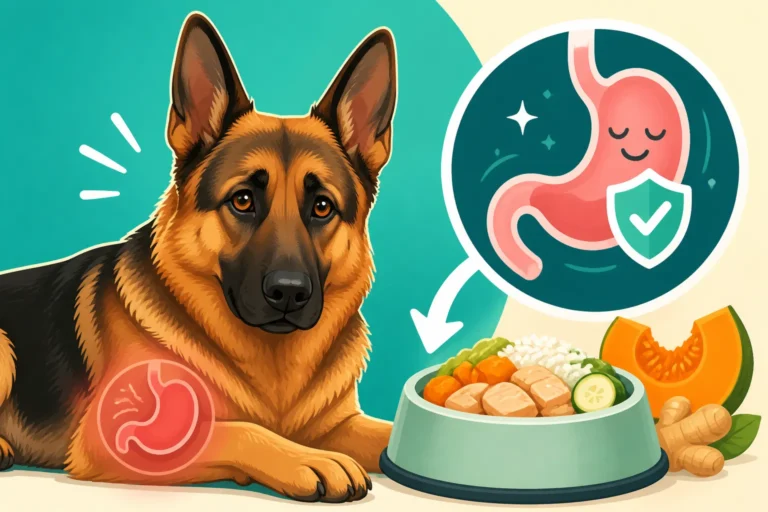
The temptation to feed your German Shepherd puppy a high-protein, calorie-dense food to encourage massive growth can actually backfire, contributing to rapid, unbalanced bone development. For German Shepherds, slow and steady growth is the goal, not accelerated bulk. This means selecting a high-quality commercial dog food specifically formulated for large breed puppies.
These specialized formulas are designed with a careful balance of calcium and phosphorus, often in lower concentrations than regular puppy foods, and with a calorie count that supports moderate growth. Look for foods that state they meet the nutritional levels established by the AAFCO Dog Food Nutrient Profiles for "growth of large size dogs." Brands like Purina Pro Plan for German Shepherds or Royal Canin German Shepherd for German Shepherds often have breed-specific or large-breed puppy formulas. The key is to avoid foods that promote extremely rapid growth, which can put undue stress on developing bones and joints.
Avoiding Over-Nutrition and Rapid Growth
Over-nutrition, especially during the critical puppy stages, is a significant risk factor for skeletal development issues, including Panosteitis. It's not about making your German Shepherd fat; it's about pushing their frame to grow faster than it's naturally equipped to handle. Providing too many calories, even from appropriate food, can lead to this accelerated growth.
Carefully follow the feeding guidelines on your chosen large breed puppy food, but also observe your puppy's body condition. If they are looking too chunky, reduce their food intake slightly. You should be able to feel their ribs without pressing hard, but not see them prominently. A good guideline is to keep your puppy lean during their growth phase. You can find detailed advice in a German Shepherd Puppy Feeding Schedule to help you regulate their intake as they grow. Remember, a slightly leaner puppy is often a healthier puppy in the long run, especially when it comes to preventing joint and bone issues. This vigilance can sometimes mean more vet visits for check-ups, and having pet insurance from a reputable provider like Healthy Paws can alleviate some of the financial stress of these routine (and sometimes unexpected) costs.
The Role of Calcium and Phosphorus Balance
The balance between calcium and phosphorus in a puppy's diet is absolutely crucial for proper bone development. Too much calcium, or an incorrect calcium-to-phosphorus ratio, can interfere with bone remodeling and increase the risk of skeletal diseases. While it might seem intuitive to add calcium supplements to a growing puppy's diet, this is actually one of the biggest mistakes owners can make if they are already feeding a balanced large breed puppy food.
Commercial large breed puppy foods are expertly formulated to provide the correct ratio and amount of these minerals. Supplementing with additional calcium, cottage cheese, or other dairy products on top of a balanced diet can throw this delicate balance off, potentially causing more harm than good. Always consult your veterinarian before adding any supplements, especially mineral supplements, to your German Shepherd puppy's diet. Focus on feeding a complete and balanced diet, and trust that the food is doing its job.
Managing Exercise and Growth Plates
Just as important as nutrition is the way you manage your German Shepherd puppy's exercise. Their bones, particularly the growth plates, are incredibly vulnerable during their first year or two of life. Protecting these delicate structures is paramount in preventing conditions like Panosteitis.
Appropriate Exercise Levels for Puppies
It's tempting to think that a high-energy German Shepherd puppy needs endless hours of vigorous exercise. However, this couldn't be further from the truth for a growing dog. Excessive or high-impact exercise can place immense stress on their developing joints and bones, increasing the risk of Panosteitis and other orthopedic problems. This is especially critical during their rapid growth spurts.
Instead of long, forced runs, intense agility training, or repetitive jumping, focus on short bursts of free play on soft surfaces. Think about exploring a grassy park, short walks where they can sniff and investigate, or playing fetch for a few minutes. The general rule of thumb is 5 minutes of structured exercise per month of age, twice a day. So, a 4-month-old puppy might get two 20-minute walks a day. Let them self-regulate during playtime; if they lie down, they're tired. Remember, "How Much Exercise Is Too Much for a Puppy" is a common concern, and the answer is usually less than you think for very young dogs.
Protecting Delicate Growth Plates
German Shepherd puppies have open growth plates at the ends of their long bones, which are areas of cartilage where new bone is formed as they grow. These plates are incredibly vulnerable to injury until they close, usually between 12-18 months of age, though it can vary by individual. Any trauma or repetitive stress to these areas can cause damage, leading to lifelong issues.
Activities to avoid until your German Shepherd's growth plates have fully closed include:
- Jumping: From heights, off furniture, or intense fetch with high jumps.
- Running on hard surfaces: Concrete, asphalt, long periods of road work.
- Stairs: Repetitive going up and down stairs, especially for very young puppies.
- Sudden stops and starts: Intense fetching with abrupt turns, vigorous sports.
- Long-distance running: Jogging with you for miles.
You'll find more detailed guidance on protecting these crucial areas in our article on German Shepherd Growth Plates and Exercise. Prioritizing protection during this critical period can save your German Shepherd from unnecessary pain and potential long-term orthopedic complications.
The Importance of Rest and Recovery
Just like human athletes, growing puppies need adequate rest and recovery time. Their bodies are working overtime to develop bones, muscles, and organs. Pushing them constantly, even with appropriate exercise, without allowing sufficient rest, can hinder their development and exacerbate any underlying tendencies toward conditions like Panosteitis.
Ensure your German Shepherd puppy has a comfortable, quiet place to rest and sleep throughout the day. Crate training can be invaluable here, providing a safe den where they can truly relax without constant stimulation. Good quality sleep is essential for their physical and mental development. Don't underestimate the power of a good nap! A well-rested puppy is less likely to be irritable, more receptive to training, and better equipped to handle the rigors of growing up.
Early Detection and Veterinary Care
Even with the best preventive measures, some German Shepherds may still experience Panosteitis. Knowing the signs and promptly seeking veterinary care can ensure your pup gets the pain relief they need and that other, more serious conditions are ruled out.
Recognizing the Symptoms
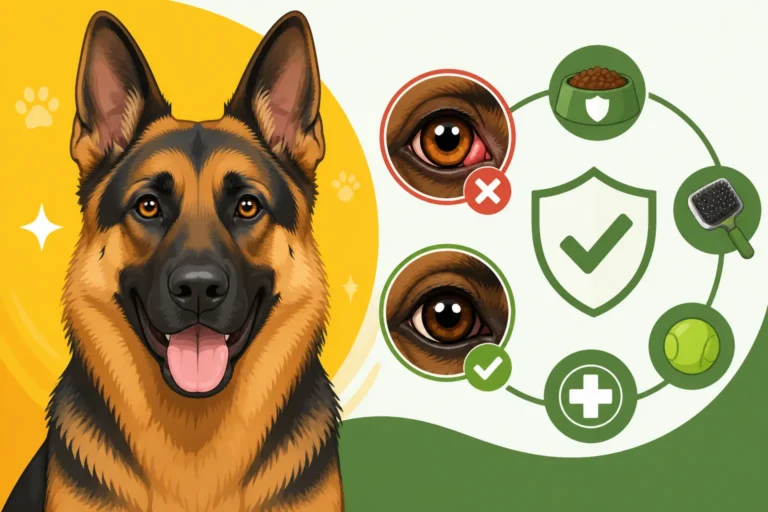
The primary symptom of Panosteitis is lameness, often described as a "shifting" lameness, meaning it can move from one leg to another, or even disappear and reappear. Beyond that, here are some key things to watch for:
- Sudden onset of limping: Often appears without any obvious injury.
- Reluctance to play or exercise: Your usually energetic pup might seem lethargic or unwilling to engage.
- Pain on palpation: If you gently press along the long bones of their legs, your dog might cry out or pull away.
- Fever: Some dogs might develop a low-grade fever during episodes.
- Loss of appetite or weight loss: In more severe or prolonged cases, due to discomfort.
- General malaise: They might just seem "off."
Keep a close eye on your German Shepherd, especially during their growth phases. If you notice any of these signs, even if they come and go, it's wise to contact your vet. Early intervention and proper pain management can make a world of difference for your suffering pup.
Diagnostic Steps and Ruling Out Other Conditions
If your German Shepherd is showing symptoms, a trip to the veterinarian is essential. While Panosteitis is common, your vet will need to perform a thorough examination and likely recommend X-rays to confirm the diagnosis and rule out other, potentially more severe orthopedic conditions. These might include:
- Hip or Elbow Dysplasia: Early stages can mimic Panosteitis. Our articles like German Shepherd Hip Dysplasia: Symptoms and Treatment and German Shepherd Elbow Dysplasia: Symptoms and Treatment delve deeper into these.
- Osteochondritis Dissecans (OCD): Another developmental orthopedic disease.
- Fractures or sprains: Especially if there was a known trauma.
- Infections or tumors: Though less common in puppies, they must be considered.
X-rays are the definitive diagnostic tool for Panosteitis. They can reveal characteristic changes in the bone marrow and outer bone surface. Your vet might also palpate the affected limbs, observing your dog's reaction to pinpoint areas of pain. The cost of diagnostics can add up quickly, especially with X-rays. This is where comprehensive pet insurance, like a plan from Healthy Paws, can be a huge relief, covering a significant portion of the unexpected vet costs. Having that safety net means you can make decisions based on your dog's health, not just your wallet.
Managing Pain and Supporting Recovery
Once Panosteitis is diagnosed, the treatment is primarily focused on pain management and supportive care. Since it's a self-limiting condition, it will eventually resolve on its own as your dog matures. However, managing the pain is crucial for your dog's comfort and well-being.
- Pain Relief Medications: Your vet will likely prescribe Non-Steroidal Anti-Inflammatory Drugs (NSAIDs) to reduce pain and inflammation. Always administer these exactly as prescribed and never give human pain medications, which can be toxic to dogs.
- Restricted Exercise: During acute episodes, strict rest is often recommended. This means short leash walks for potty breaks only, and no running, jumping, or strenuous play.
- Warm Compresses: Some owners find that applying warm compresses to the painful areas can provide some relief.
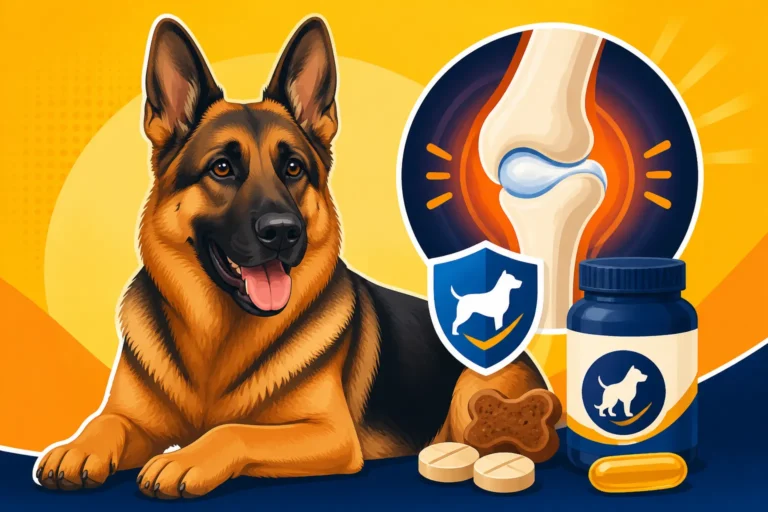
- Supplements: While diet should be balanced, your vet might suggest certain German Shepherd Joint Health Supplements like glucosamine and chondroitin, though their direct impact on Panosteitis specifically is debated, they can support overall joint health.
- Therapeutic Laser or Massage: Some vets may offer these complementary therapies to aid comfort.
The good news is that most dogs recover completely from Panosteitis without any long-term effects. It can be a frustrating period for owners, seeing their beloved pup in pain, but with proper care and patience, they will grow out of it. Knowing what to expect and how to act can help you navigate this challenging phase with confidence.
| Age Range (Months) | Recommended Exercise Type | Activities to Limit/Avoid |
|---|---|---|
| 2-4 Months | Short, frequent potty breaks, gentle indoor play, short controlled leash walks (5 min per month of age, twice daily) | Jumping, stairs, long walks, vigorous play with older dogs, repetitive running |
| 4-6 Months | Moderate leash walks, supervised free play in a fenced yard, puppy classes | High-impact jumps, intense fetch, long runs on hard surfaces, agility training |
| 6-12 Months | Longer leash walks, hiking on soft trails, light swimming, continued supervised play | Forced long-distance running, extensive agility jumps, excessive twisting/turning, heavy impact sports |
| 12-18+ Months | Gradual increase in intensity for activities like jogging, hiking; assess individual readiness | Marathon-style runs, extreme agility or protection work until growth plates are fully closed (confirm with vet) |
Final Thoughts on Prevention
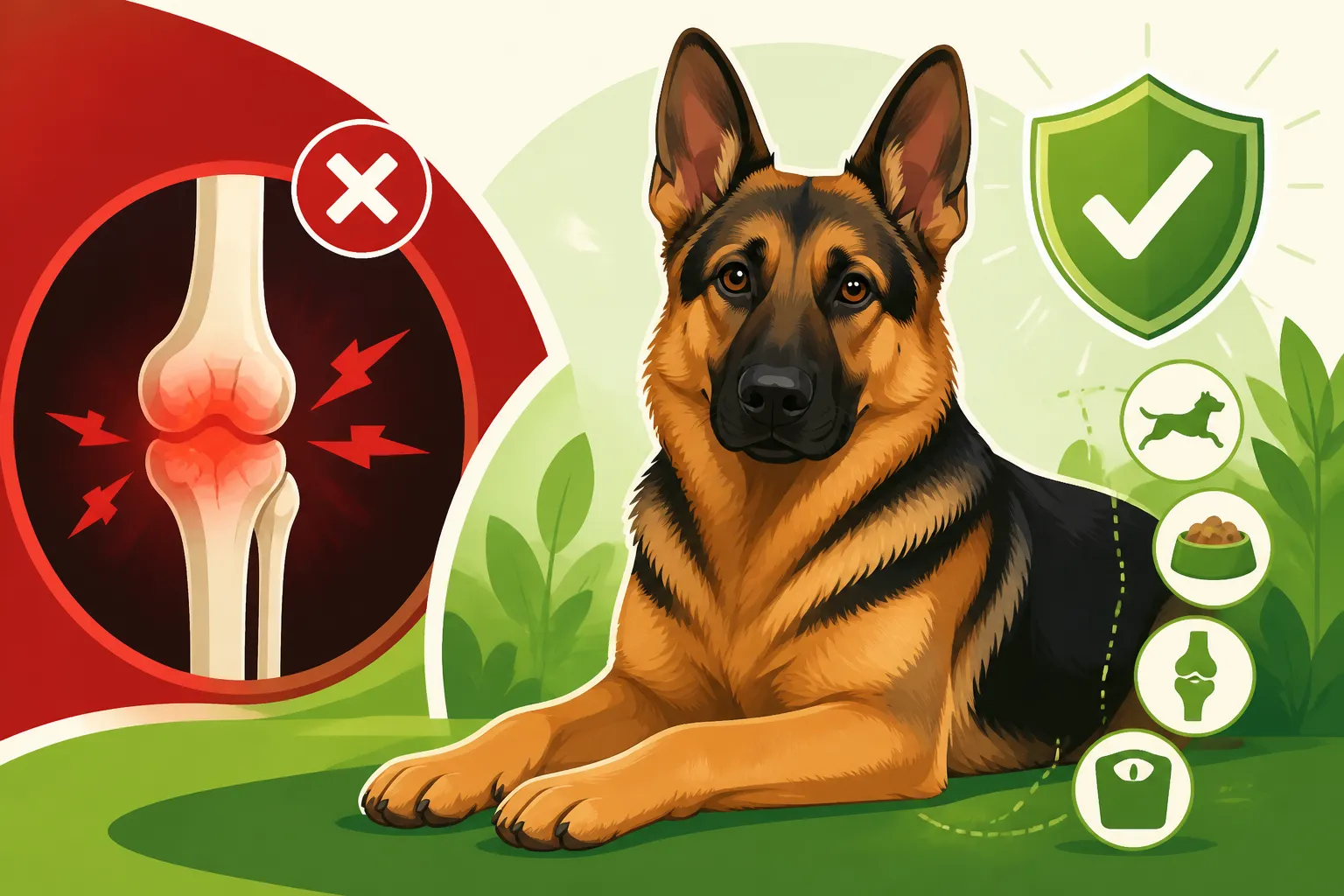
While Panosteitis can seem like an inevitable rite of passage for some German Shepherds, a proactive approach to their growth, nutrition, and exercise can significantly reduce the likelihood or severity of this painful condition. It’s about cultivating an environment that supports healthy, steady development rather than rushing it.
By being mindful of the quality and quantity of food you offer, especially ensuring it's a balanced large breed puppy formula, you lay a solid foundation for strong bones. Couple that with carefully managed exercise that protects those vulnerable growth plates, allowing for plenty of rest and recovery, and you're doing almost everything in your power. And, of course, always be attentive to any signs of discomfort and consult your veterinarian promptly. With your diligent care, your German Shepherd will hopefully navigate their "growing pains" with minimal fuss and grow into the magnificent, healthy adult dog they are meant to be.
Disclaimer
Please remember that the information provided in this article is for educational purposes only and should not be considered a substitute for professional veterinary advice. Always consult with a qualified veterinarian for any health concerns or before making any decisions about your German Shepherd's health or treatment plan.