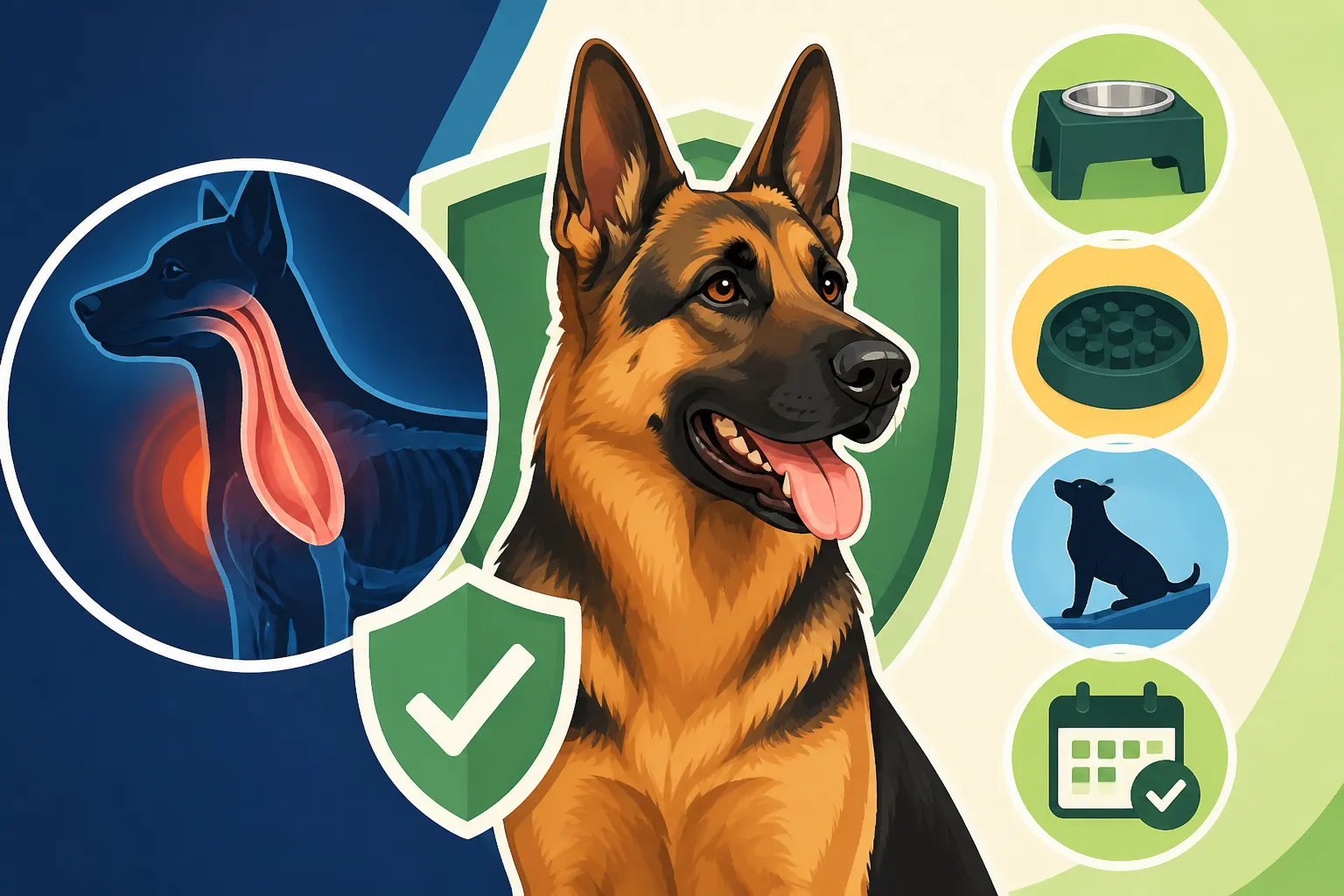
How to Prevent Megaesophagus in German Shepherds
Finding out your beloved German Shepherd might be at risk for a serious condition like megaesophagus is incredibly unsettling. It's a diagnosis that can turn an owner's world upside down, bringing with it worries about feeding, aspiration pneumonia, and your dog's overall quality of life. The good news is that understanding this condition and implementing proactive measures can make a significant difference in preventing its onset or managing it effectively. This guide will walk you through what megaesophagus is, how to identify risk factors, and most importantly, practical strategies to prevent it in your German Shepherd.
What Exactly is Megaesophagus in German Shepherds?
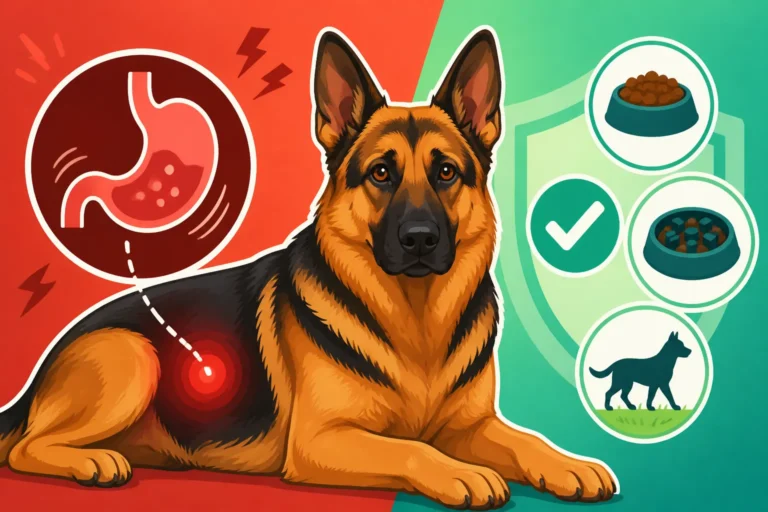
When we talk about megaesophagus in German Shepherds, we're referring to a condition where the esophagus – the muscular tube that carries food and liquid from the mouth to the stomach – becomes enlarged and loses its normal muscle tone. Instead of contracting rhythmically to push food down, it becomes a floppy, dilated pouch. Imagine trying to push food through a deflated balloon; it just sits there. This lack of proper movement, called peristalsis, means food often gets stuck, leading to regurgitation, nutritional deficiencies, and a host of other severe complications.
Understanding the Esophagus's Role
The esophagus is more than just a tube; it's a finely tuned muscular highway. When your German Shepherd swallows, a complex series of muscle contractions, like a wave, propels the food bolus downward into the stomach. This process is automatic and incredibly efficient in a healthy dog. With megaesophagus, this wave-like action is either weak or entirely absent. Food doesn't get pushed along; gravity is the only force at play, and often, gravity isn't enough, especially with solid food. It's a distressing situation for both the dog and the owner, as feeding becomes a constant battle against gravity and a major source of anxiety.
Primary vs. Secondary Megaesophagus
Megaesophagus isn't a single disease but rather a symptom of either a primary condition or a secondary issue stemming from another underlying disease. Primary megaesophagus, often congenital, means the esophagus itself developed abnormally or has inherent functional issues. German Shepherds are one of the breeds with a known genetic predisposition to this form, which can sometimes manifest in puppies. It's truly heartbreaking to see a young pup struggle with eating right from the start.
Secondary megaesophagus, on the other hand, develops later in life due to another illness affecting the nerves or muscles of the esophagus. Conditions like myasthenia gravis, hypothyroidism, Addison's disease, or even certain toxins can lead to secondary megaesophagus. Identifying and treating the underlying disease can sometimes improve or even resolve the megaesophagus, but it requires diligent veterinary care and often, a comprehensive diagnostic workup. This is where German Shepherd Genetic Health Testing becomes particularly vital for breeders and puppy buyers alike, helping to screen for inherited predispositions.
The Dangers of Aspiration Pneumonia
Perhaps the most terrifying complication of megaesophagus, and often the immediate cause of serious illness or even death, is aspiration pneumonia. Because food and liquid sit in the dilated esophagus instead of moving to the stomach, it's very easy for small particles to be inhaled into the lungs, especially during regurgitation or even just breathing. The lungs are not designed to handle food particles or stomach acid, leading to a severe infection and inflammation.
Aspiration pneumonia is an emergency that requires immediate veterinary attention. Symptoms can include coughing, difficulty breathing, fever, lethargy, and a nasal discharge. For a German Shepherd owner, watching for these signs is paramount. If your dog regresses after an initial diagnosis or shows new respiratory symptoms, it's always best to contact your vet right away. Dealing with such a severe complication can be incredibly stressful and costly, highlighting why early prevention and diagnosis are so crucial.
Identifying Risk Factors and Early Warning Signs
Understanding the potential causes and recognizing the subtle hints that your German Shepherd might be developing megaesophagus is your first line of defense. Because German Shepherds are predisposed to this condition, vigilance is key throughout their lives, from puppyhood into their senior years.
Genetic Predisposition and Breed-Specific Concerns
It's a tough truth that some breeds, including our beloved German Shepherds, are simply more prone to certain health issues due to genetics. Megaesophagus is one of them. While not every German Shepherd will develop it, the breed's genetic makeup means they are at a higher risk for both congenital (present at birth) and acquired forms. This is a crucial piece of information for anyone considering bringing a German Shepherd into their home, and something reputable breeders are very aware of.
When selecting a German Shepherd puppy, inquire about the health history of the parents and their lineage. A responsible breeder will be transparent about any instances of megaesophagus or other significant health problems in their breeding lines. While there isn't a definitive genetic test for all forms of megaesophagus yet, good breeding practices aim to minimize the risk of known inheritable conditions. You might also want to look into German Shepherd Health Problems Guide for a broader understanding of common issues.
Environmental and Acquired Triggers
Beyond genetics, several environmental factors and acquired medical conditions can contribute to the development of megaesophagus in German Shepherds. Autoimmune diseases like myasthenia gravis, where the body's immune system attacks its own muscle receptors, are a leading cause of acquired megaesophagus. Endocrine disorders, such as hypothyroidism (underactive thyroid) or Addison's disease (adrenal gland insufficiency), can also weaken esophageal function. Even exposure to certain toxins or lead poisoning can have an impact, though these are less common.
Neurological conditions that affect the nerves controlling the esophagus, trauma to the throat or neck, and even persistent inflammation or obstructions in the esophagus (like a tumor, though rare) can also be culprits. The list of potential triggers means that if your dog starts showing symptoms, a thorough diagnostic investigation by your veterinarian is absolutely necessary to pinpoint the underlying cause and determine the best course of action. This is where having pet insurance like Healthy Paws can truly alleviate the financial burden of extensive testing and treatment.
Subtle Symptoms to Watch For
The early signs of megaesophagus can be easy to miss, often mimicking other, less severe issues. This is why paying close attention to your German Shepherd's eating habits and overall demeanor is so important. One of the most common early signs is regurgitation, which is different from vomiting. Vomiting involves abdominal contractions and often happens after digestion has started, while regurgitation is a more passive expulsion of undigested food, usually without warning or effort, often shortly after eating. The food may appear exactly as it went down, sometimes tube-shaped if it was stuck in the esophagus.
Other subtle symptoms include:
- Weight loss or failure to gain weight: Despite eating, your dog isn't getting adequate nutrition.
- Persistent coughing or gagging: Especially after eating or drinking.
- Excessive drooling: Saliva can pool in the esophagus.
- Bad breath: From food sitting in the esophagus.
- Swallowing difficulties: Repeated attempts to swallow, discomfort while eating.
- Lethargy and poor coat condition: Signs of overall ill health or malnutrition.
- Increased thirst: Sometimes dogs will try to drink more to wash food down.
If you notice any of these signs, particularly regurgitation, it's crucial to consult your veterinarian immediately. Early diagnosis can prevent serious complications like aspiration pneumonia and improve the prognosis significantly. You might want to refer to German Shepherd EPI Symptoms to Watch as some digestive issues can share similar early signs, though the underlying causes are different.
Practical Prevention Strategies
While you can't completely eliminate the genetic predisposition for megaesophagus in German Shepherds, there are definitive, proactive steps you can take to significantly reduce the risk and improve outcomes if the condition does develop. These strategies focus on supporting esophageal health and ensuring efficient food passage.
Feeding Techniques and Equipment
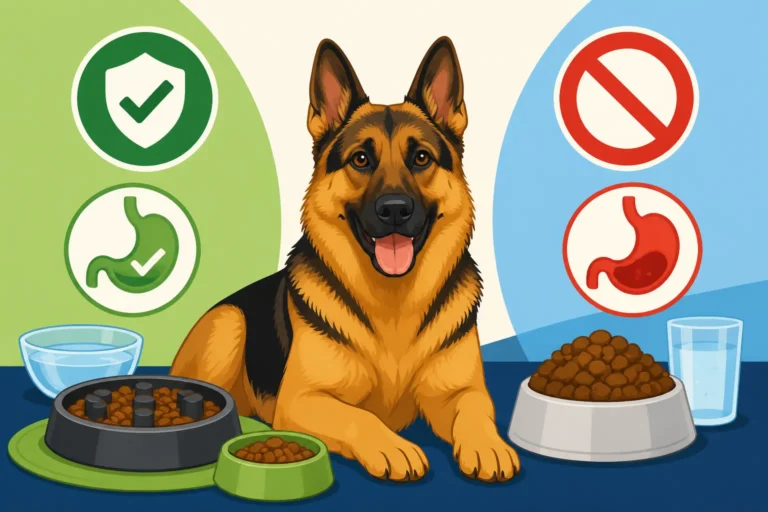
This is arguably the most critical area for prevention and management. For German Shepherds prone to megaesophagus or those with a confirmed diagnosis, gravity is your best friend. Feeding your dog in an elevated position, often called "upright feeding," helps food travel down the esophagus more effectively. Many owners use a "Bailey Chair" – a custom-made, high chair that keeps the dog in a vertical position during and immediately after meals.
Even without a full-blown megaesophagus diagnosis, using raised bowls for German Shepherds can be beneficial, particularly for those who eat quickly or have a history of regurgitation. While some older theories linked raised bowls to bloat, current veterinary consensus doesn't support this and for megaesophagus, elevated feeding is strongly recommended. Regardless, always monitor your dog closely during and after meals. Small, frequent meals are also better than large ones, as they put less strain on the esophagus. Consider a specialized feeder or even just placing their bowl on a sturdy stand or a few books to get it to chest height.
Here's a quick comparison of feeding methods:
| Feeding Method | Description | Pros | Cons |
|---|---|---|---|
| Ground Level Bowl | Standard feeding position. | Easy, no special equipment needed. | Highest risk for food pooling and regurgitation with esophageal issues. |
| Raised Bowl | Bowl elevated to chest height. | Aids gravity, more natural eating posture for large breeds. | May not be high enough for severe cases; requires a stand. |
| Bailey Chair | Dog sits upright in a custom chair during and after feeding. | Most effective for severe megaesophagus, maximizes gravity's help. | Requires training and investment, can be cumbersome. |
| Hand Feeding | Owner feeds small portions by hand, encouraging slow eating and upright head. | Direct control over pace, strong bonding. | Time-consuming, not sustainable for all meals. |
Regular Vet Check-ups and Early Detection
Routine veterinary care is indispensable for the early detection and prevention of many health issues in German Shepherds, including those that can lead to secondary megaesophagus. Annual (or bi-annual for senior dogs) check-ups allow your vet to catch subtle changes in weight, coat condition, energy levels, and listen for any abnormal lung sounds. These visits are also opportunities to discuss any minor changes you've noticed at home, like occasional coughing or difficulties eating. These seemingly small observations can be crucial clues for your vet.
During these visits, your veterinarian might recommend blood tests to screen for underlying conditions like hypothyroidism or myasthenia gravis, especially if your German Shepherd shows any suspicious symptoms. Early diagnosis of these conditions can allow for timely treatment, potentially preventing the progression to megaesophagus. If you're wondering about the cost, a good pet insurance plan from providers like Healthy Paws can significantly help cover these diagnostic tests and ongoing treatments, ensuring you can always make the best health decisions for your furry friend without financial stress. Learning German Shepherd Vet Costs Per Year can help you budget for these essential check-ups.
Dietary Considerations and Hydration
What and how your German Shepherd eats can have a huge impact on esophageal health. For dogs at risk or those exhibiting early signs, modifying food consistency is key. Often, vets recommend "meatball" consistency for food – moist, small balls that are easy to swallow and heavy enough to be pushed down by gravity. Avoid dry kibble, which can easily get stuck. Some owners find a gruel-like consistency (blending kibble with water or broth) works well, while others opt for canned food or a raw diet, ensuring it's appropriately balanced. Discuss the Best Dog Food for German Shepherds options with your vet.
Hydration is also critical. Water can also be aspirated. Many megaesophagus dogs struggle to drink water from a bowl without aspirating. Consider using thickened liquids, adding water to their food, or offering ice cubes one at a time to reduce the risk. Always observe your dog after they drink. For more feeding tips, check out our German Shepherd Feeding Guide for general nutritional advice that can be adapted for specific conditions.
Living with and Managing Megaesophagus
While prevention is the ideal, sometimes despite our best efforts, megaesophagus develops. If your German Shepherd is diagnosed with megaesophagus, it’s not a death sentence, but it does require unwavering dedication and a very specific care routine. The goal is to minimize regurgitation, prevent aspiration pneumonia, and ensure adequate nutrition.
Specialized Feeding Regimens
If your German Shepherd is diagnosed with megaesophagus, feeding becomes a dedicated ritual. The Bailey Chair isn't just a suggestion; for many, it becomes an essential piece of equipment. Dogs typically need to remain in an upright position for 10-30 minutes after eating and drinking to allow gravity ample time to pull everything into the stomach. This means someone needs to be available to feed and supervise every single meal.
The consistency of food is also paramount. Many vets recommend a "slurry" or gruel-like consistency that is thick enough to not be easily aspirated, yet liquid enough to travel down the esophagus with minimal effort. Some dogs do better with small, firm "meatballs" that can be swallowed whole and quickly travel down. It often takes trial and error to find what works best for your individual dog. Remember, small, frequent meals throughout the day are generally better than two large meals. This intensive feeding schedule can be demanding, but it's crucial for their health and well-being. This kind of dedicated care is part of How to Keep a German Shepherd Healthy.
Medication and Ongoing Support
Depending on the underlying cause of secondary megaesophagus, specific medications might be prescribed. For example, if myasthenia gravis is the culprit, drugs that improve neuromuscular transmission can significantly help. If hypothyroidism is diagnosed, daily thyroid hormone supplementation can often reverse the megaesophagus. Your vet will conduct various tests, including blood work and possibly chest X-rays, to understand the full picture.
Beyond treating the root cause, medication might be used to address symptoms. Prokinetics, for instance, can sometimes help improve esophageal motility, although their effectiveness varies. Antacids or stomach protectants might be given to reduce irritation if reflux is an issue, and antibiotics are crucial if aspiration pneumonia develops. Regular follow-up appointments with your veterinarian are non-negotiable to monitor progress, adjust medications, and catch any new complications early. Having pet insurance like Healthy Paws can be a lifesaver, covering a significant portion of these ongoing vet visits, medications, and potential emergency treatments for conditions like aspiration pneumonia. For senior dogs, managing these conditions can be even more complex, so understanding German Shepherd Senior Care Guide can also be helpful.
The Importance of a Dedicated Care Routine
Living with a German Shepherd with megaesophagus means committing to a lifestyle centered around their needs. Beyond feeding, it involves constant vigilance for signs of regurgitation or respiratory distress. You'll need to clean their face and mouth frequently, as food and saliva can accumulate. Monitoring their weight and overall health is also critical, as nutrient absorption can be compromised.
Many owners find immense support in online communities dedicated to dogs with megaesophagus, sharing tips, tricks, and emotional encouragement. It’s a challenging journey, but the bond you form with your German Shepherd through this dedicated care is incredibly strong. While it’s not an easy path, with proper management, many German Shepherds with megaesophagus can still live full and happy lives.
Disclaimer
The information provided in this guide is intended for educational purposes only and should not be taken as professional veterinary advice. Always consult with a qualified veterinarian for any health concerns or before making any decisions about your German Shepherd's medical care or diet.