Is a Shiloh Shepherd a Real German Shepherd
It’s a common moment for many German Shepherd enthusiasts: you see a majestic, large dog with an undeniable German Shepherd-like presence, but something feels a little different. Then you hear the name "Shiloh Shepherd," and a question pops into your mind: Is that a real German Shepherd, or something else entirely? It can be incredibly confusing, especially with so many "designer" or "hybrid" breeds out there. This guide is here to clear up that confusion, diving deep into the origins and distinctions between the beloved German Shepherd and the impressive Shiloh Shepherd, so you understand exactly where each stands in the canine world.
Understanding the German Shepherd Breed Standard
To truly understand what a Shiloh Shepherd is, we first need to firmly grasp what a German Shepherd is and where it comes from. This isn't just about their looks; it's about their history, purpose, and the meticulous standards that define them.
A Brief History of the German Shepherd
The story of the German Shepherd begins, as its name suggests, in Germany, specifically in the late 19th century. A cavalry officer named Captain Max von Stephanitz dedicated his life to creating the ideal German herding dog. He envisioned a dog that was not only intelligent and strong but also supremely trainable and versatile, capable of both herding sheep and performing complex tasks. His efforts culminated in the breed we know today. Von Stephanitz founded the Verein für Deutsche Schäferhunde (SV), the primary German Shepherd Dog club, which set the rigorous standards for the breed. These standards were then adopted and adapted by kennel clubs around the world, like the American Kennel Club (AKC), ensuring the breed's integrity and consistent characteristics across generations. The focus was always on a dog bred for utility, courage, and unwavering loyalty.
This rich heritage means that every truly purebred German Shepherd can trace its lineage back to this carefully curated foundation. It’s a breed built on purpose, with a history deeply intertwined with its working capabilities and distinctive traits. If you're curious about the general characteristics, our German Shepherd Breed Guide offers a comprehensive overview.
Key Characteristics of a "Purebred" German Shepherd
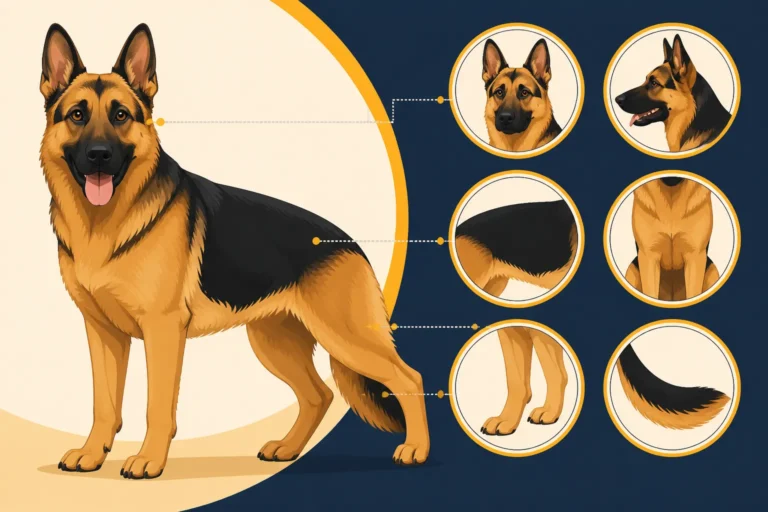
When we talk about a "purebred" German Shepherd, we're talking about a dog that adheres to a specific breed standard, meticulously outlined by organizations like the AKC. Physically, they are strong, agile, muscular dogs, medium-to-large in size, with an aristocratic and noble bearing. Their heads are proportionate to their bodies, and their ears should stand erect and parallel, ideally by around 16 weeks of age, though sometimes later. They have a double coat, which can be medium or long-haired, and come in a variety of colors, with black and tan being the most iconic. Their gait is a defining feature, a flowing, tireless trot that covers ground efficiently, often described as having a "flying trot" where two legs are off the ground at once. This impressive movement is linked to their balanced angulation, which gives them both power and endurance.
Beyond appearance, temperament is paramount. A purebred German Shepherd is known for its intelligence, confidence, and courage. They are exceptionally loyal to their families, often forming a strong bond with one person, but they can be reserved with strangers. Their high drive and eagerness to please make them highly trainable, whether for protection, search and rescue, or obedience competitions. However, this also means they require significant mental and physical stimulation. They are not dogs content to simply lie on the couch all day; they need a job, a purpose. This is especially true for the Working Line vs Show Line German Shepherd, where these traits might be emphasized differently. Understanding their German Shepherd Temperament and Personality is crucial for any potential owner.
Introducing the Shiloh Shepherd: A Breed Apart
Now that we have a solid understanding of the German Shepherd, let's turn our attention to the Shiloh Shepherd. While visually similar, it's essential to recognize that they are distinct.
The Genesis of the Shiloh Shepherd
The Shiloh Shepherd is a relatively new breed, developed in the United States by Tina M. Barber, starting in the 1970s. Barber's goal was to create a dog with the intelligence and trainability of the German Shepherd but with a larger size, a calmer, more gentle temperament, and a focus on improved health and longevity. She was concerned about some of the health issues becoming prevalent in German Shepherds, such as German Shepherd Hip Dysplasia Explained and Degenerative Myelopathy in German Shepherds, as well as what she perceived as an increasingly sharp or nervous temperament in some lines.
To achieve her vision, Barber initially bred selected German Shepherds known for their size and stable temperaments. Over time, she introduced other large breeds into the lineage, most notably the Alaskan Malamute, and possibly others like the Sarplaninac, to enhance size, bone structure, and calm disposition, while aiming to reduce health predispositions. The careful selection and outcrossing programs meant that the Shiloh Shepherd evolved into its own distinct breed, not merely a variation or larger version of the German Shepherd. It was a deliberate creation with specific goals that moved beyond the existing German Shepherd breed standard.
Distinguishing Features of the Shiloh Shepherd
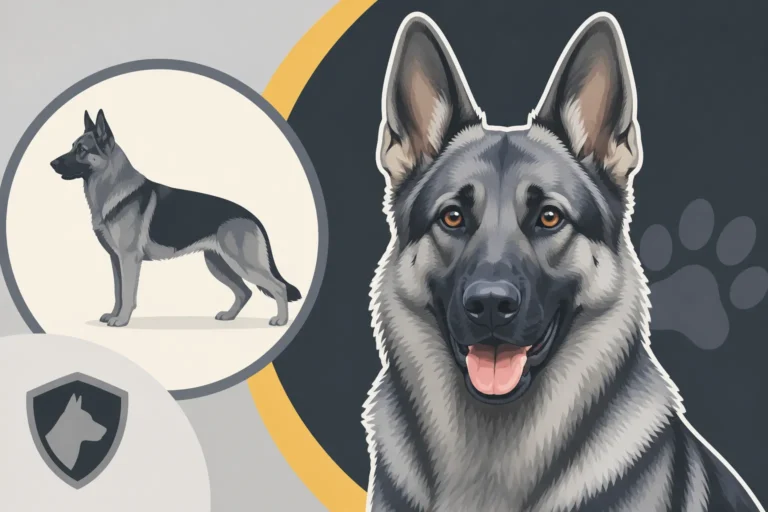
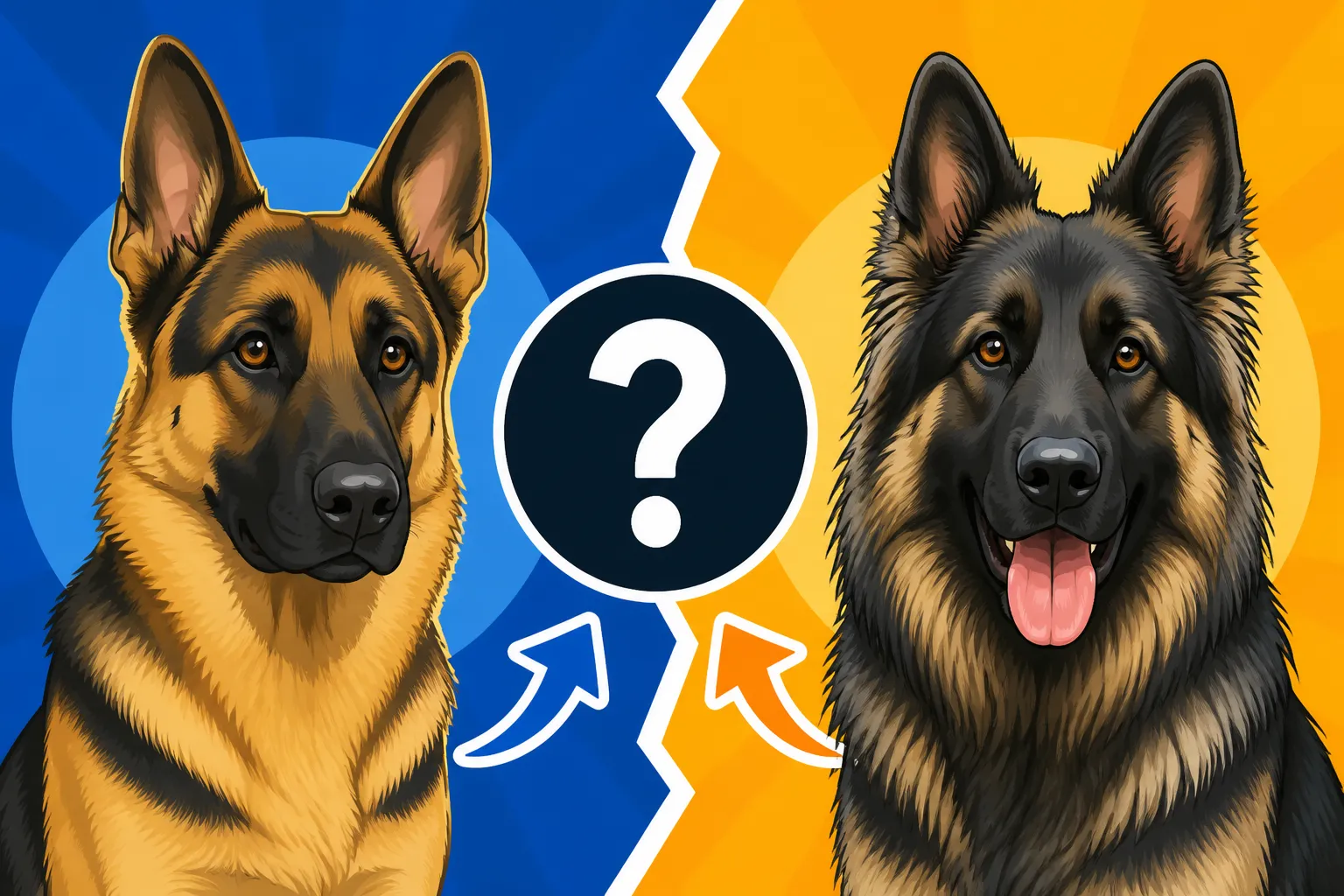
While they share a strong resemblance to German Shepherds, especially those from traditional lines, Shiloh Shepherds have several distinguishing characteristics. They are notably larger and heavier than most German Shepherds, with males often weighing over 100 pounds and standing taller at the shoulder. Their build is typically more substantial, with heavier bone structure. One of the most talked-about physical differences is their back: Shiloh Shepherds are bred for a level or slightly sloped topline, aiming to avoid the exaggerated rear angulation sometimes seen in modern show-line German Shepherds.
In terms of coat, Shiloh Shepherds often come in two varieties: "smooth" (medium length, dense double coat) and "plush" (longer, softer, thicker coat with feathering, similar to a long-haired German Shepherd). Their colors can be similar to German Shepherds, including sables, black and tans, and solid blacks. Temperamentally, the focus of the Shiloh Shepherd breed has always been on a gentle, stable, and intelligent companion. They are generally described as calmer and less intense than many German Shepherds, making them potentially more suitable for certain family environments, though they still require consistent training and socialization. For large breed dog owners, considering dietary needs from a brand like Chewy, which offers a wide range of specialized foods, is always a good idea.
Here's a quick comparison of some key traits:
| Feature | German Shepherd | Shiloh Shepherd |
|---|---|---|
| Origin | Germany, late 19th century | USA, 1970s |
| Primary Goal | Versatile working dog (herding, protection, military) | Large, calm, intelligent companion dog with improved health |
| Size | Medium to large (males typically 65-90 lbs) | Large to giant (males often 100+ lbs) |
| Build | Athletic, muscular, balanced angulation (can be sloped) | More substantial bone, often straighter back, less angulated |
| Temperament | Intelligent, courageous, loyal, high drive, can be reserved with strangers, needs mental and physical work | Gentle, calm, intelligent, devoted, often more outgoing and less intense than GSDs |
| Coat Types | Standard (medium) and Long-haired (double coats) | Smooth (medium) and Plush (long, soft, thicker double coats) |
| Breed Status | Recognized by major international kennel clubs (AKC, FCI) | Recognized by independent breed registries (ISSR, SSDCA) |
| Ancestry | Carefully selected German herding dogs | German Shepherds + Alaskan Malamutes (and possibly others) |
Are Shiloh Shepherds "Real" German Shepherds? The Verdict
This is the core question, and it's where understanding breed definitions truly comes into play. The simple answer is no, a Shiloh Shepherd is not considered a "real German Shepherd" in the traditional, purebred sense by major kennel clubs.
The Purebred Definition and Breed Recognition
When a breed is "purebred," it means that its ancestry can be traced back through a recognized lineage of only that specific breed, without any outcrossings to other breeds. This lineage is recorded and validated by major kennel clubs like the American Kennel Club (AKC) in the U.S. or the Fédération Cynologique Internationale (FCI) internationally. These clubs maintain strict breed standards and registries to ensure the genetic purity and consistent characteristics of each recognized breed. For a German Shepherd, this means a traceable pedigree back to the original German lines without any non-German Shepherd dogs in its recent ancestry. You can learn more about the strict health screening and genetic testing of the traditional breed in our German Shepherd Genetic Health Testing article.
The Shiloh Shepherd, while having German Shepherd foundation stock, also intentionally incorporates genes from other breeds, specifically the Alaskan Malamute. This intentional outcrossing means they do not meet the strict purebred definition of a German Shepherd as defined by the major kennel clubs. Instead, Shiloh Shepherds are recognized as a separate, distinct breed by their own dedicated breed clubs and registries, such as the International Shiloh Shepherd Registry (ISSR) and the Shiloh Shepherd Dog Club of America (SSDCA). These organizations maintain their own breed standards, pedigrees, and breeding protocols, specifically for Shiloh Shepherds. Therefore, they are "real" as a breed, but they are not "real German Shepherds."
Why the Confusion Persists
The confusion surrounding Shiloh Shepherds largely stems from their striking resemblance to German Shepherds and their shared ancestral roots. When people see a large, intelligent, shepherd-type dog, it's natural for them to assume it's a German Shepherd, especially if they aren't familiar with the nuances of various dog breeds. Furthermore, some individuals or less scrupulous breeders might inadvertently or intentionally misrepresent Shiloh Shepherds as a "type" of German Shepherd or a "giant German Shepherd," which only adds to the misunderstanding.
Ultimately, the intent behind the Shiloh Shepherd breed was not to create a German Shepherd variant, but to establish a new breed that addressed specific concerns while maintaining desirable shepherd-like qualities. Both breeds are magnificent, loyal, and intelligent companions, but they are distinct in their genetic makeup, breed standards, and the organizations that recognize and regulate them. Understanding this distinction is key to appreciating both the German Shepherd for its historical integrity and the Shiloh Shepherd for its carefully cultivated qualities.
What This Means for Potential Owners
So, you're looking for a large, intelligent, loyal companion. Knowing the difference between a German Shepherd and a Shiloh Shepherd is crucial for making an informed decision that perfectly matches your lifestyle and expectations.
Choosing Between a German Shepherd and a Shiloh Shepherd
Deciding between a German Shepherd and a Shiloh Shepherd really comes down to what you're looking for in a canine partner. If you're drawn to the classic German Shepherd, you're often seeking a highly active, driven dog with a strong work ethic. These dogs excel in obedience, agility, protection sports, and various service roles. They thrive on having a job to do and a consistent training regimen. Their intelligence and loyalty are unparalleled, but they require owners who can commit to their extensive exercise needs and mental stimulation. They can be reserved with strangers and often bond very closely with one or two primary caregivers. Our guide on German Shepherd Exercise Requirements can give you a better idea of the daily commitment needed.
On the other hand, if you appreciate the shepherd look but desire a generally calmer, larger, and perhaps more overtly gentle giant, a Shiloh Shepherd might be a better fit. While still intelligent and requiring training and socialization, they often have a lower overall energy level compared to many German Shepherds and are bred for a more relaxed, family-oriented disposition. This can make them suitable for families who want a substantial dog without the intense drive that can sometimes overwhelm first-time large breed owners. They still need plenty of room to stretch their legs and daily mental engagement, but their intensity is often dialed down. When considering food for a larger breed like a Shiloh Shepherd, checking brands on Chewy for large-breed specific formulas is a good starting point to support their growth and bone health.
Health and Care Considerations
Both German Shepherds and Shiloh Shepherds are large breeds, and with that comes a shared responsibility for proactive health management. German Shepherds are known to be prone to certain genetic conditions, including hip and elbow dysplasia, degenerative myelopathy (DM), and bloat. Responsible breeders meticulously screen their breeding stock for these issues. This is why it’s so important to find a reputable breeder who conducts extensive German Shepherd Genetic Health Testing. Our article on Common German Shepherd Health Issues by Age provides further insight into what to watch for throughout their lives.
The Shiloh Shepherd was, in part, developed to mitigate some of these prevalent health concerns, with breeders focusing on wider gene pools and careful health screening to produce healthier animals. However, no breed is entirely free from potential health issues, and Shiloh Shepherds can still be susceptible to conditions common in large breeds, such as hip and elbow dysplasia, as well as bloat. Regardless of which breed you choose, prioritizing regular veterinary check-ups, a high-quality diet (you'll find many excellent options for large, active breeds on Chewy), appropriate exercise, and maintaining a healthy weight are paramount. Look for breeders who offer extensive health guarantees and are transparent about the health testing of their parent dogs for both breeds. A healthy puppy starts with healthy parents, and that's true whether you're bringing home a German Shepherd or a Shiloh Shepherd. Ultimately, providing the best possible care is how we help ensure our furry companions live long, happy lives.
Disclaimer
This article is for general informational purposes only and does not constitute professional advice. Laws, prices and regulations vary by location and change over time. Consult a qualified professional for guidance on your specific situation.