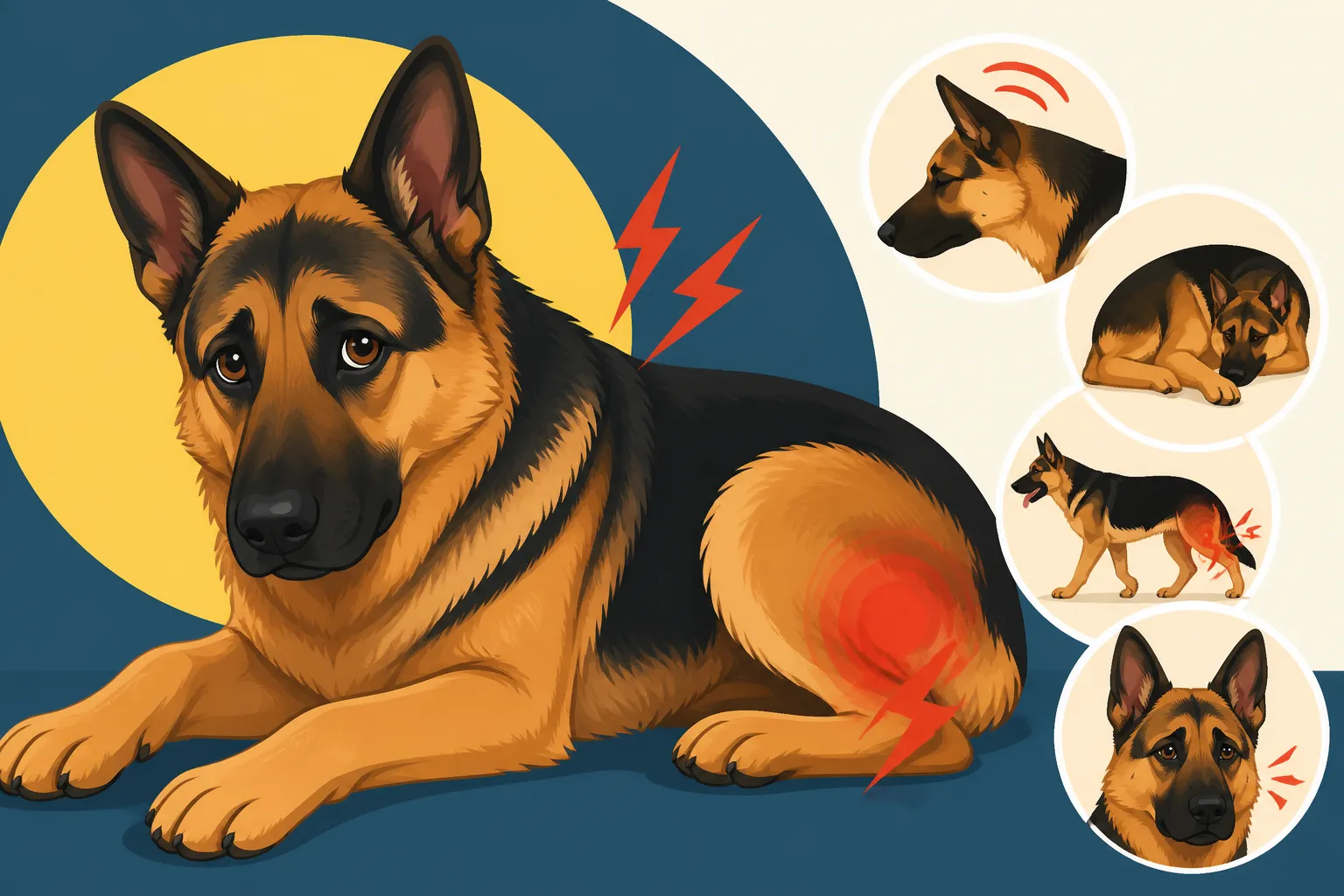
How to Tell If a German Shepherd Is in Pain
It can be incredibly distressing and confusing when you suspect your beloved German Shepherd is in pain, but they can't simply tell you what's wrong. Their natural instinct often compels them to hide discomfort, making it a real challenge for even the most attentive owner to spot the subtle signals. This comprehensive guide is here to unravel those hidden cues, helping you recognize the sometimes-silent language of pain in your German Shepherd so you can provide them with the care and relief they deserve.
Understanding the German Shepherd's Instinct to Hide Pain
As German Shepherd owners, we often marvel at their strength, resilience, and often, their stoicism. But this very stoicism can be a double-edged sword when it comes to their health. Many dogs, German Shepherds included, possess an innate drive to conceal pain, a survival mechanism rooted in their ancient wild ancestors where showing weakness could make them vulnerable to predators. This means that by the time you notice overt signs of discomfort, your GSD might have been hurting for a while.
The Stoic Nature of German Shepherds
It’s not just a personality quirk; it's deeply ingrained. In a pack environment, a dog showing pain might be seen as a liability, or even worse, a target. While our modern German Shepherds live a pampered life with us, those primal instincts still linger. They often try to "tough it out," meaning they won't cry out or yelp unless the pain is acute or suddenly exacerbated. This can be incredibly frustrating for us, as we want nothing more than to alleviate their suffering, but we're left guessing.
Think about it: your GSD might still greet you at the door with a wagging tail, even if their hips are aching, or they might still try to retrieve a ball, even if a joint is stiff. They want to please you and maintain their routine, which further masks their true discomfort. It takes a keen eye and a deep understanding of their normal behaviors to pick up on the subtle shifts.
Subtle Behavioral Changes to Watch For
Because of this stoic nature, the earliest indicators of pain in a German Shepherd are often behavioral rather than obvious physical lameness. These are the little things that, when you string them together, paint a clearer picture. Has your typically enthusiastic greeting become a bit muted? Do they still wag their tail, but maybe not with the same vigorous sweep? Are they less inclined to jump on the couch or into the car, even if they used to love it?
These small changes might include a decrease in overall energy or enthusiasm for activities they once adored. Perhaps your GSD used to be the first one to the door for a walk but now lags a little, or they might shorten their walks voluntarily. They might also appear restless, struggling to find a comfortable position to lie down, constantly shifting from one spot to another. Observing these minor deviations from their normal routine can be crucial in catching pain early, before it progresses into more noticeable and severe symptoms.
Physical Indicators of Pain in Your German Shepherd
While German Shepherds are adept at hiding discomfort, their bodies often betray them. Paying close attention to how they move, hold themselves, and interact with their environment can provide critical clues. These physical signs can range from obvious lameness to very subtle postural changes.
Changes in Posture and Movement
This is often where many owners first notice something is amiss. A pronounced limp is a clear sign, but pain can manifest as much more subtle alterations in gait. Your German Shepherd might be favoring one leg, putting less weight on it, even if they aren't fully limping. Watch them walk from behind and the front: Is their stride uneven? Do they seem stiffer than usual, especially after resting or first waking up? Stiffness, a reluctance to fully extend or flex a limb, or a noticeable decrease in their usual agility are all red flags.
Common issues in German Shepherds, such as German Shepherd Hip Dysplasia Explained or German Shepherd Arthritis: Symptoms and Treatment, often first present as difficulty with everyday movements. They might struggle to stand up from a lying position, hesitate before jumping up or down from furniture, or show a marked slowness when ascending or descending stairs. A hunched back or a lowered head carriage can also indicate spinal or abdominal pain. Some dogs might even walk with a slightly crabbed gait, pushing off one side more than the other, or experience a tremor in their limbs when standing.
Body Language and Facial Expressions
Our German Shepherds communicate volumes with their body language, and pain is no exception. Look closely at their face: are their eyes narrowed or squinted? Do they have a worried or stressed expression? Excessive panting when not hot or exerted, licking their lips repeatedly, or a sudden disinterest in their surroundings can all be signs of discomfort. Their ears might be held back or flattened against their head, rather than in their usual alert position.
Beyond the face, observe their overall body tension. A painful dog often appears tense, with rigid muscles. They might flinch or guard a specific area when you try to touch it, even if they usually love being petted there. A tucked tail, especially if it's out of character, can signal general anxiety or abdominal pain. They might also shift their weight constantly when standing or lying down, unable to get comfortable, or avoid lying on a particular side.
Self-Mutilation or Excessive Licking
When pain persists, some German Shepherds will try to self-soothe or alleviate the discomfort by licking or chewing specific areas of their body. If you notice your dog constantly licking, chewing, or even biting at their paws, legs, or any joint, it's a strong indicator of localized pain, itchiness, or irritation. This can sometimes lead to what are called "hot spots," which are raw, inflamed skin lesions. While hot spots can also be caused by German Shepherd Allergies: Symptoms and Treatment, persistent licking often points to an underlying orthopedic issue or nerve pain in that area.
For example, a German Shepherd with elbow dysplasia might constantly lick their elbow joint. Dogs with allergies might chew their paws, but if the licking is focused on one specific joint or area without other allergy symptoms, it’s worth investigating for an injury or degenerative joint disease. Sometimes, the licking can be so persistent that it removes hair or causes skin infections, further compounding the problem.
Behavioral Signs That Point to Discomfort
Beyond physical tells, pain can profoundly impact a German Shepherd's behavior and personality. These changes can sometimes be subtle, or they can be drastic, turning a typically mellow dog into an irritable one. It's crucial to distinguish these changes from simple "bad behavior."
Appetite and Thirst Changes
A sudden change in eating or drinking habits is often one of the first indicators that something is not right. If your German Shepherd, who usually inhales their food, starts to pick at it, leaves some behind, or refuses to eat altogether, it’s a significant warning sign. Similarly, a decrease in water intake could be a symptom of pain, especially if it's accompanied by other signs. Conversely, sometimes increased thirst can indicate certain metabolic or kidney issues that also cause discomfort.
Pain can make it difficult for your dog to comfortably lower their head to eat or drink, especially if they have neck or back pain. Dental pain, stomach upset, or internal organ issues like German Shepherd Pancreatitis: Symptoms and Treatment can also lead to a loss of appetite. Keeping track of their daily food and water consumption is a simple but effective way to monitor their overall well-being. If they show a sustained loss of appetite, it’s always best to consult your vet.
Altered Sleep Patterns and Restlessness
Pain often interferes with the ability to get good quality rest. You might notice your German Shepherd struggling to settle down at night, pacing, or changing sleeping spots frequently. They might get up and down multiple times during the night, seemingly unable to find a comfortable position. Or, conversely, they might become lethargic and sleep much more than usual, possibly as a coping mechanism for pain.
This restlessness can be particularly telling for dogs with chronic joint pain, like those suffering from advanced arthritis, or if they have back problems. They might whimper softly in their sleep or wake up suddenly as a particular movement causes a jolt of pain. If your GSD, who once slept soundly through the night, now seems agitated or constantly shifting, it's a strong indication that discomfort is interfering with their rest.
Changes in Temperament or Social Interaction
Pain can make even the sweetest German Shepherd irritable, withdrawn, or even aggressive. If your typically friendly GSD suddenly snaps or growls when approached, especially when touched in a particular area, it's very likely they are trying to protect themselves from anticipated pain. They might become more reclusive, opting to lie alone in a quiet room rather than joining the family.
A dog in pain might also show less tolerance for other pets or even children, simply because they don't have the patience or physical comfort to deal with playful interactions. They might avoid eye contact, pull away from affection, or simply seem "off." It's important never to punish a German Shepherd for these behavioral changes, as they are often a cry for help. Instead, approach them with empathy and investigate the underlying cause. When you notice these drastic shifts in temperament, it’s crucial to seek professional veterinary help right away. Understanding that a robust pet insurance plan like Healthy Paws can help cover diagnostic and treatment costs for unexpected illnesses or injuries can bring immense peace of mind during such stressful times.
Vocalizations and Other Less Obvious Clues
Beyond the obvious physical and behavioral shifts, some less overt signs can also indicate pain in your German Shepherd. These might be subtle sounds or changes in routine bodily functions that, when combined with other observations, solidify your suspicion.
Unusual Sounds
German Shepherds are generally not overly vocal about pain unless it’s very acute or sudden. However, subtle changes in their vocalizations can be telling. Listen for soft whimpers or groans when they are getting up or lying down, or a low growl if you accidentally touch a sensitive area. Some dogs might sigh more frequently, which can be a sign of discomfort or resignation. A sharp yelp if they make a sudden movement, jump off something, or when a specific body part is touched indicates acute pain.
Contrast these sounds with their normal barks, woofs, or conversational grumbles. If you hear new, soft cries, especially at night when they think no one is watching, or if their usual playful growl turns into a warning growl when you approach their hindquarters, it's time to pay attention. Even a change in the pitch or frequency of their normal vocalizations can be a clue. For instance, a dog with a sore throat or mouth pain might have a different sounding bark.
Changes in Potty Habits or House Training
A German Shepherd who is suddenly having accidents inside the house, despite being fully house-trained, could be experiencing pain. This isn't usually a behavioral issue; rather, it often points to a physical limitation. They might be unable to hold it as long as they used to, or they might be in too much pain to get up and go outside in time. Issues like German Shepherd Senior Care Guide often touch on this, as older dogs can develop incontinence or joint pain that makes outdoor trips difficult.
Observe their posture during urination or defecation. Are they struggling to squat comfortably? Are they straining, or showing signs of discomfort while going? This could indicate back pain, hip pain, or even gastrointestinal issues. Similarly, if they are reluctant to go outside in inclement weather, it might not just be stubbornness; the cold or wet ground could be exacerbating joint pain. If your GSD is exhibiting signs of discomfort during elimination or has frequent accidents, a trip to the vet is in order.
Grooming and Coat Condition
While not a direct sign of acute pain, changes in grooming habits or coat condition can be indicators of chronic discomfort or illness. A dog in pain might neglect their grooming altogether, leading to a dull, unkempt coat. They might struggle to reach certain areas, resulting in matted fur or excessive shedding in specific spots. Conversely, as mentioned earlier, excessive licking of a painful area can also lead to localized hair loss, skin irritation, and the development of German Shepherd Hot Spots: Treatment at Home.
A healthy German Shepherd typically has a shiny, well-maintained coat, reflecting their overall well-being. If you notice a sudden deterioration in coat quality, an increase in dander, or uneven grooming, it could be a subtle sign that they're not feeling their best. This is especially true if accompanied by other signs from this list. It all ties back to the idea that subtle changes can speak volumes about your German Shepherd's internal state. Ensuring your dog's preventative care is up-to-date and that they are on a healthy diet, as discussed in How to Keep a German Shepherd Healthy, can help maintain coat health and overall vitality.
Here's a quick summary of key pain indicators:
| Category | Common Signs of Pain | Potential Issues (German Shepherds) | What to Do |
|---|---|---|---|
| Movement & Posture | Limping, stiffness, favoring a limb, hunched back, difficulty rising/jumping/climbing stairs, trembling, reluctance to move. | German Shepherd Hip Dysplasia: Symptoms and Treatment, German Shepherd Elbow Dysplasia: Symptoms and Treatment, German Shepherd Panosteitis: Symptoms and Treatment, arthritis, spinal injury, muscle strain. | Observe closely. Note when and where the pain seems to occur. Avoid strenuous activity. Schedule a vet visit, especially if you see German Shepherd Limping: When to Worry. |
| Behavioral Changes | Lethargy, restlessness, excessive panting, loss of appetite, changes in thirst, altered sleep, sudden aggression, withdrawal, guarding. | Dental pain, internal organ issues (German Shepherd Pancreatitis: Symptoms and Treatment), chronic pain, anxiety, fear. | Don't ignore these shifts. Rule out obvious triggers. If persistent, consult your vet. Early detection of issues is often covered by pet insurance like Healthy Paws. |
| Vocalizations | Whimpering, groaning, yelping, increased sighing, low growls when touched. | Acute injury, localized pain, dental issues, abdominal pain. | Listen carefully. Pinpoint the circumstances of the vocalization. Be gentle when investigating. Report findings to your veterinarian. |
| Self-Grooming | Excessive licking/chewing a spot, causing hot spots or hair loss, neglected overall grooming. | Localized pain (joint, muscle), skin irritation, German Shepherd Allergies: Symptoms and Treatment, nerve pain, stress. | Examine the area for redness, swelling, or heat. Try to distract them. If it persists or worsens, consult your vet. |
| Potty Habits | Accidents indoors, straining, difficulty posturing, increased frequency, discomfort during elimination. | Urinary tract infection, back pain, hip pain, gastrointestinal upset, age-related incontinence. | Monitor frequency and appearance of urine/stool. Note any signs of pain during elimination. Collect a urine sample if possible and bring to the vet. |
Remember, you know your German Shepherd best. Any deviation from their normal behavior, no matter how small, warrants your attention. Early intervention can make a world of difference in managing pain and improving their quality of life. If you suspect your German Shepherd is in pain, don't hesitate to consult your veterinarian. They can accurately diagnose the issue and recommend appropriate treatment, which could range from German Shepherd Joint Health Supplements to medication or other therapies.
Disclaimer
This guide is intended for informational purposes only and does not constitute professional veterinary advice. Always consult with a qualified veterinarian for any health concerns or before making any decisions about your German Shepherd's medical care.