German Shepherd End-of-Life Care
Watching your beloved German Shepherd grow older is a profound experience, filled with cherished memories, but also the inevitable realization that their time with us is finite. It's a heartache many of us face, struggling with how to best care for our loyal companions as they near their final journey, often feeling overwhelmed by the decisions ahead. This guide aims to offer compassionate, practical advice on German Shepherd end-of-life care, helping you understand the signs, make difficult choices, and provide comfort to your cherished friend in their twilight days.
Recognizing the Signs: When Your German Shepherd is Approaching End-of-Life
It's a gradual process, not usually a sudden shift. As German Shepherds age, particularly past their prime, which for many starts around 7-8 years old, you'll begin to notice changes. These aren't always obvious at first, and it's easy to dismiss them as "just old age." However, recognizing these subtle and sometimes more pronounced signs is crucial for assessing their quality of life and ensuring they remain comfortable and loved.
Subtle Changes in Behavior and Appetite
One of the first indicators that your German Shepherd is truly slowing down, beyond just general senior laziness, often manifests in their daily behavior. You might observe a significant decrease in their enthusiasm for activities they once absolutely adored. That vigorous morning walk might become a slow amble, or they might outright refuse to go. Toys that once sparked intense playtime now lie untouched, and the excited greeting at the door might be replaced with a gentle wag from a comfortable spot. They may seem more withdrawn, choosing to rest alone rather than engaging with the family, or conversely, becoming more clingy and seeking constant reassurance.
Sleep patterns often shift dramatically. They might sleep much more deeply and for longer periods during the day, struggling to rouse themselves even for mealtimes. At night, however, some senior German Shepherds become disoriented or anxious, pacing or whining due to cognitive dysfunction, sometimes referred to as "doggy dementia." You might notice an increase in confusion, a blank stare, or they might get "stuck" in corners. These changes in mental acuity, combined with reduced physical stamina, profoundly impact their daily experience.
Changes in appetite and thirst are also red flags. They might become picky eaters, turning their nose up at food they once devoured, or only eating small amounts. This can lead to noticeable weight loss, even if you’re trying to tempt them with their favorite treats. Conversely, some dogs might drink excessively, which can be a sign of underlying health issues like kidney disease or diabetes, conditions that often become more prevalent as they get older. Keeping an eye on their German Shepherd Senior Diet Adjustments can sometimes help.
Physical Symptoms and Pain Management
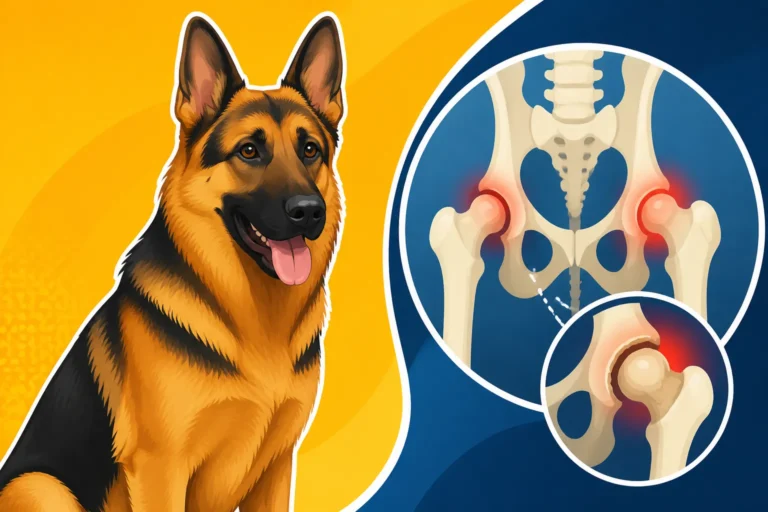
Beyond behavioral shifts, physical symptoms become more apparent as a German Shepherd approaches the end of their life. Mobility issues are incredibly common, especially in a breed prone to joint problems like hip and elbow dysplasia. You might see them struggling to stand up after lying down, needing several attempts, or swaying as they walk. Stairs become insurmountable obstacles, and they might develop a noticeable limp or stiff gait. Chronic pain from conditions such as severe arthritis or the progression of German Shepherd Hip Dysplasia: Symptoms and Treatment can make every movement an agonizing effort.
Incontinence is another heart-wrenching sign. Your meticulously house-trained German Shepherd might start having accidents inside, either due to weakened bladder control, kidney issues, or simply an inability to get up and outside quickly enough. This isn't a behavioral issue for which they should be reprimanded; it's a sign of their declining physical function. You might find yourself needing to use doggie diapers or increasing the frequency of outdoor trips.
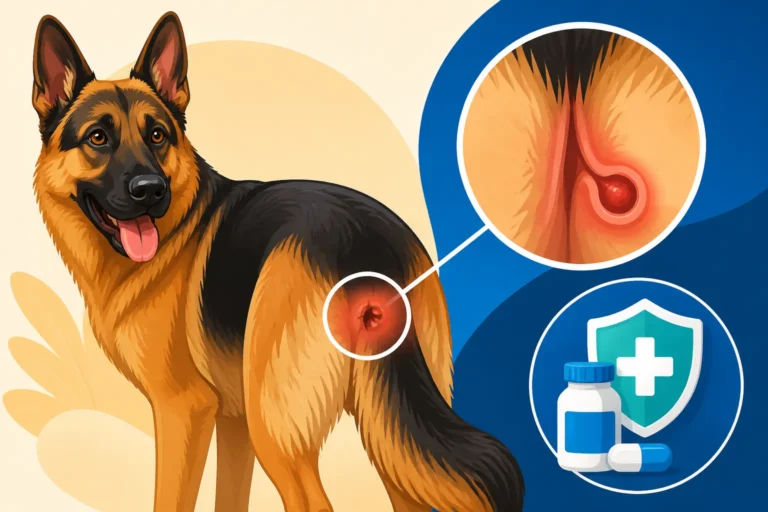
More severe health issues can also emerge or worsen. Respiratory problems, like persistent coughing, wheezing, or labored breathing, can indicate heart disease or lung issues. Their coat might lose its luster, becoming dull or matted, as they struggle to groom themselves. Pressure sores can develop on bony areas if they spend too much time lying in one position. Regular check-ups with your vet become even more critical during this stage, not just to manage existing conditions, but to look for new ones and assess their overall comfort. Our comprehensive guide on German Shepherd Health Problems Guide delves into many of these conditions.
Making Difficult Decisions: Quality of Life Assessments and Euthanasia
This is arguably the hardest part of being a German Shepherd owner – confronting the reality that we might have to make the ultimate decision for them. The goal is always to prevent unnecessary suffering, but discerning when that moment arrives can feel impossible, riddled with guilt and doubt.
The Quality of Life Scale HHHHHMM
When faced with declining health, it can be incredibly helpful to have a somewhat objective framework to assess your German Shepherd's quality of life. Many veterinarians use or recommend variations of the "HHHHHMM Scale," developed by Dr. Alice Villalobos. This scale helps owners evaluate key aspects of their pet's well-being:
- Hurt: Is their pain adequately controlled? Are they showing signs of chronic discomfort despite medication? This is paramount. Look for signs of pain like reluctance to move, heavy panting, guarding a body part, or changes in posture. You can also refer to How to Tell If a German Shepherd Is in Pain for more detailed indicators.
- Hunger: Are they eating enough? Can they eat on their own, or do they need to be hand-fed? A sustained lack of appetite or refusal to eat is a serious concern.
- Hydration: Are they drinking enough water? Are they dehydrated? This is critical for organ function and overall comfort.
- Hygiene: Can they keep themselves clean? Are they developing bedsores, urinary scald, or matted fur? Are you able to keep them clean and comfortable?
- Happiness: Do they still experience joy? Do they interact with family? Do they still have "good days" where they wag their tail, or greet you with affection? Depression and anxiety in dogs are real.
- Mobility: Can they get up and move around comfortably? Can they go to the bathroom unassisted? Are they able to stand for short periods?
- More Good Days Than Bad: This is the overarching consideration. Are the majority of their days filled with comfort and some semblance of enjoyment, or are the bad days (pain, nausea, extreme lethargy) becoming more frequent and outweighing the good?
By regularly assessing your German Shepherd against these criteria, perhaps even keeping a journal, you can track their decline more objectively. It helps you have concrete data to discuss with your vet, rather than just relying on emotional impressions.
| Indicator | "Good" Quality of Life | "Poor" Quality of Life |
|---|---|---|
| Hurt | Pain is managed effectively; minimal discomfort. | Constant or unmanageable pain; grimacing, panting. |
| Hunger | Eats readily, maintains healthy weight. | Refuses food, significant weight loss, needs coaxing. |
| Hydration | Drinks adequately, maintains hydration. | Dehydrated, reluctant to drink, needs assistance. |
| Hygiene | Stays clean, no sores, minimal accidents. | Frequent accidents, soiled coat, developing bedsores. |
| Happiness | Shows interest, engages with family, enjoys affection. | Withdrawn, no joy, depressed, anxious. |
| Mobility | Moves with relative ease, can stand and walk. | Struggles to move, falls frequently, unable to stand. |
| Good Days | Good days outnumber bad days significantly. | Bad days are more frequent and severe than good days. |
Discussing Euthanasia with Your Veterinarian
This conversation is never easy, but your veterinarian is your most valuable ally. They can offer an objective medical perspective and help you interpret your German Shepherd's symptoms through a lens of their professional experience. Don't hesitate to ask frank questions about prognosis, pain management options, and what their professional opinion is on your dog's quality of life. A good vet will empower you to make an informed decision, not make it for you.
When the time comes, understanding the euthanasia procedure can help ease some anxiety. It's designed to be peaceful and painless. Typically, your vet will administer a sedative first, allowing your German Shepherd to relax and fall into a deep sleep, often in your arms. Once they are fully unconscious, a final injection, usually an overdose of an anesthetic, is given. This stops the heart and breathing quickly and peacefully. Most vets are incredibly compassionate, allowing you as much time as you need to say goodbye.
You also have choices regarding where this deeply personal moment takes place. Many clinics offer a quiet, private room. Increasingly, mobile veterinarians provide the option of in-home euthanasia, allowing your German Shepherd to pass peacefully in their familiar environment, surrounded by loved ones. This can significantly reduce stress for both you and your dog.
Financially, end-of-life care, especially in an emergency or with chronic conditions, can be a concern. While pet insurance can't cover euthanasia itself, it can certainly help with the costs leading up to it, such as diagnostics, pain medications, or palliative care. Companies like Healthy Paws are well-regarded for their comprehensive coverage, which could significantly ease the burden of expenses during a difficult time. Considering Is Pet Insurance Worth It for a German Shepherd is a crucial decision for many owners, especially with a breed prone to specific health issues.
It's natural to feel an immense burden of guilt, as if you are "giving up" on your dog. However, when suffering becomes unmanageable and their quality of life is severely diminished, choosing euthanasia is often the final, most profound act of love an owner can offer. It means placing their comfort and peace above your own grief, sparing them from prolonged pain or distress.
Providing Comfort and Support: In-Home Care During Their Final Days
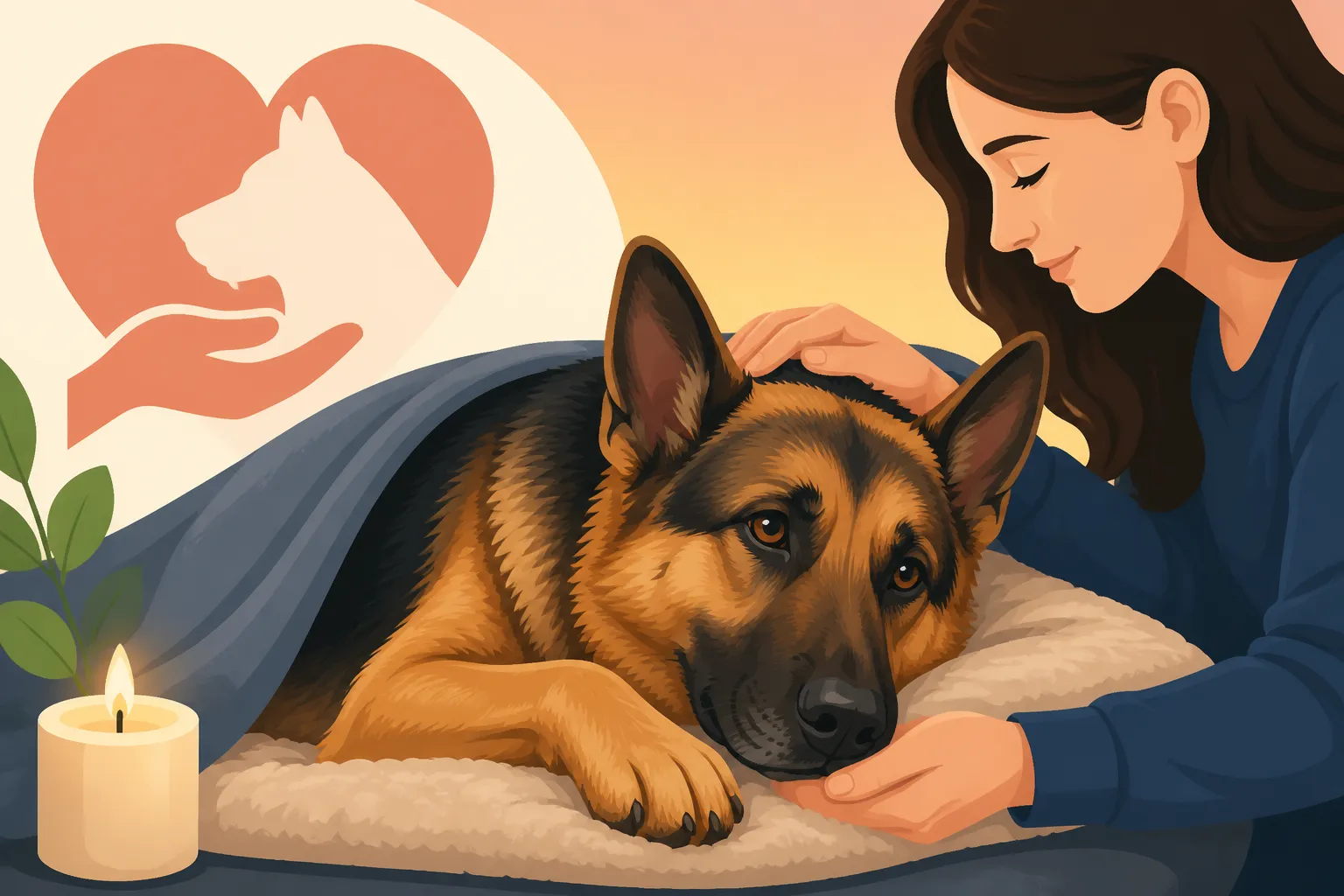
Even if the ultimate decision hasn't been made, or if your German Shepherd is simply living out their final weeks or months with managed conditions, providing a loving, comfortable environment is paramount. This period is about maximizing their comfort and minimizing any stress or pain.
Creating a Comfortable Environment
As mobility declines, making your home more accessible becomes essential. Invest in soft, orthopedic dog beds that cushion their joints and prevent pressure sores. Place these beds in quiet, familiar spots where they feel secure and can still be part of the family without being overwhelmed. If they have a favorite sunny spot, make sure it’s easily accessible. For a deep dive into German Shepherd Senior Care Guide, we explore many of these considerations.
Ensuring easy access to food and water is also vital. If bending down is difficult for them, raised bowls can sometimes help, though this needs to be discussed with your vet as it's not always recommended for all conditions, particularly those prone to bloat. Their feeding station should be close to their resting spot, eliminating the need for long, painful trips.
Temperature regulation can also become more challenging for senior dogs. Make sure their resting areas are free from drafts in winter and cool in summer. A small fan or a cooling mat can make a world of difference during warmer months, while extra blankets can provide warmth when it's chilly. Gentle grooming is also important; while they might not be able to groom themselves as effectively, regular, soft brushing can prevent matting and keep their skin healthy. It's also a wonderful, calming bonding experience.
Managing Pain and Discomfort at Home
Working closely with your veterinarian is key to effectively managing your German Shepherd's pain. They may prescribe various medications, such as NSAIDs (non-steroidal anti-inflammatory drugs), gabapentin, or other pain relievers. Administering these medications faithfully, exactly as prescribed, is crucial. Never give human medications unless specifically instructed by your vet, as many are toxic to dogs.
Beyond medication, there are many comfort measures you can implement at home. Warm compresses applied gently to stiff joints can provide relief. Soft, therapeutic massages, if your dog enjoys them, can improve circulation and reduce muscle tension. Investing in mobility aids like ramps for getting into cars or onto furniture, or even a support sling to help them get up or navigate short distances, can significantly improve their quality of life. For dogs with severe joint issues, a good joint supplement can also be beneficial, as discussed in our article on German Shepherd Joint Health Supplements.
Adjusting their diet might also be necessary. If they're struggling to eat solid kibble, your vet might recommend wet food, a softened diet, or special prescription diets that are easier to digest or provide specific nutritional support for organ function. Ensuring they remain hydrated is crucial, so offer water frequently, perhaps with a little low-sodium broth to entice them. These small, thoughtful adjustments can make a profound difference in their daily comfort and overall well-being.
Coping with Loss and Remembering Your Companion: Aftercare and Grieving
The depth of the bond we share with our German Shepherds makes their loss profoundly painful. It's a journey no one wants to take, but understanding the options for aftercare and how to navigate your grief can provide a small measure of solace during this incredibly difficult time.
Aftercare Options: Burial and Cremation
Once your German Shepherd has passed, you'll need to decide on their physical remains. The two primary options are cremation and burial.
Cremation is a very common choice. You typically have two sub-options:
- Communal Cremation: Your German Shepherd is cremated alongside other pets, and their ashes are usually scattered in a memorial garden or buried together. You do not receive your pet's ashes back with this option.
- Private Cremation: Your German Shepherd is cremated individually, and their ashes are returned to you in an urn or a special keepsake box. This allows you to keep their remains with you, scatter them in a meaningful place, or inter them in your garden. Many pet crematories offer a variety of urns, paw print impressions, or other memorial items.
If you opt for home burial, be sure to check local regulations and ordinances. Many municipalities have rules about pet burial, including depth requirements and restrictions in certain areas. You'll need to ensure the grave is deep enough to prevent disturbance by other animals and that it won't contaminate any water sources. For some, burying their beloved companion in their own yard provides a sense of peace and closeness.
Many pet owners also find comfort in creating memorial items, regardless of their chosen aftercare. This could be a paw print impression, a lock of fur, a custom-engraved urn, or a piece of jewelry incorporating their ashes. These tangible reminders can be incredibly important in the grieving process.
Navigating Grief and Honoring Their Memory
The grief that follows the loss of a German Shepherd can be as intense and debilitating as losing a human family member. It's crucial to understand that your feelings are valid, and there is no "right" way or timeline for grieving. Allow yourself to feel the sadness, anger, guilt, and emptiness without judgment. Our article on German Shepherd End-of-Life Care touches on the emotional impact.
Talking about your loss can be incredibly helpful. Reach out to friends or family members who understand the bond with a pet, or consider joining a pet loss support group. Many veterinary clinics, humane societies, and universities offer these services, either in person or online. Websites and forums dedicated to pet bereavement can also provide a safe space to share your feelings and connect with others who understand.
Honoring your German Shepherd's memory can be a powerful part of the healing process. This could involve creating a small memorial garden, planting a tree in their honor, or donating to a German Shepherd rescue in their name. Frame your favorite photos, write down cherished memories, or create a photo album. Some people find comfort in lighting a candle for them each day, while others choose to volunteer at an animal shelter in their memory.
Remember to be gentle with yourself. Take time off work if you need to, ensure you're eating, and try to maintain some routine. The emptiness in your home and heart will take time to heal, but the love and joy your German Shepherd brought into your life will forever be a part of you. They may be gone, but the paw prints they left on your heart will last a lifetime. Knowing how to care for them when they are senior, as outlined in How to Care for a Senior German Shepherd, also helps with processing that final stage of their lives.
Disclaimer
The information provided in this article is intended for general informational purposes only and does not constitute veterinary advice. Always consult with a qualified veterinarian for any health concerns or before making any decisions related to your German Shepherd's care, especially concerning serious medical conditions or end-of-life choices.