German Shepherd Flea and Tick Prevention
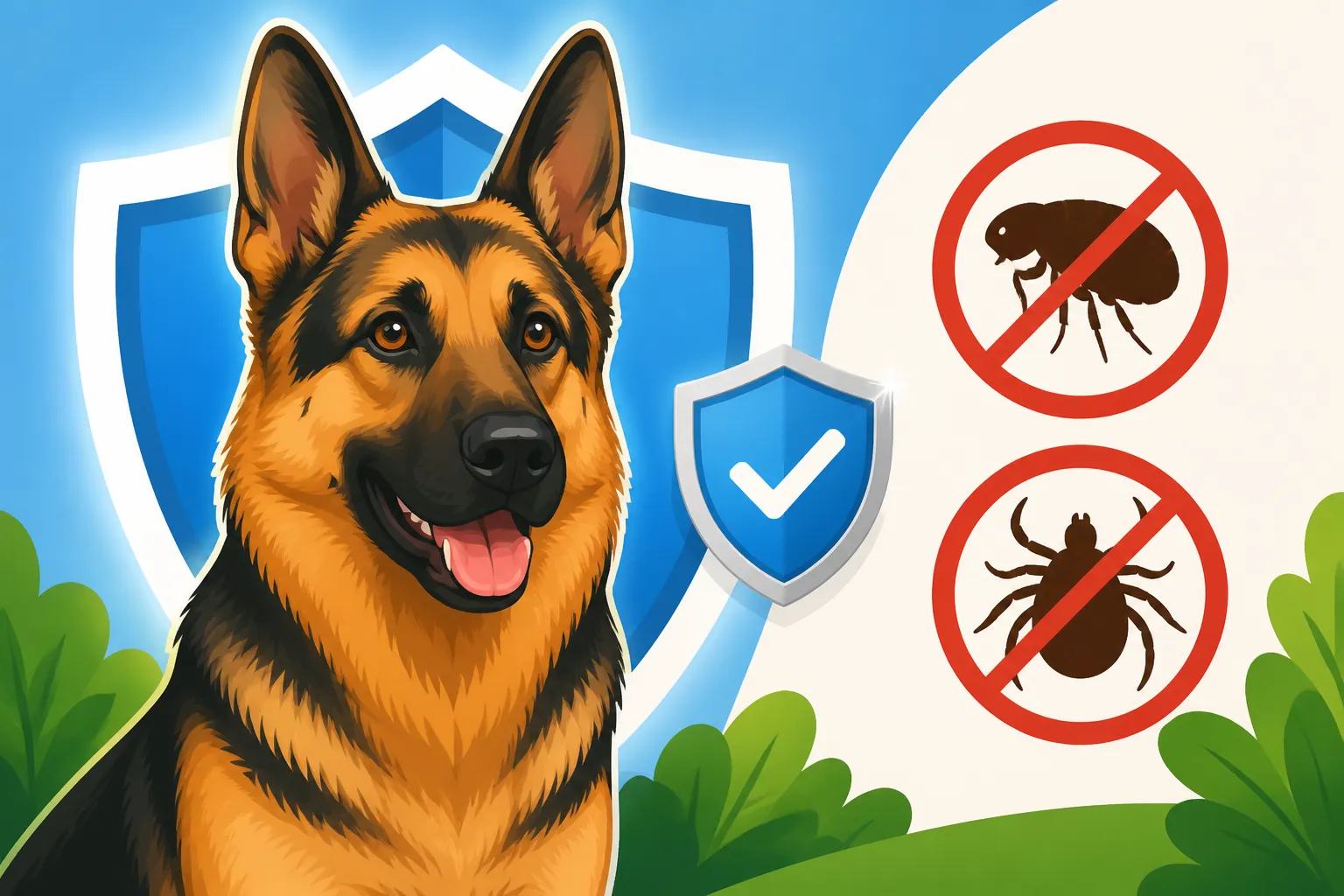
One of the most frustrating challenges any German Shepherd owner faces is the battle against fleas and ticks. These tiny pests aren't just an annoyance; they can lead to uncomfortable skin irritations, severe allergic reactions, and even transmit serious diseases to your beloved companion. This comprehensive guide will walk you through everything you need to know about German Shepherd flea and tick prevention, helping you keep your furry friend healthy, happy, and itch-free.
Understanding the Threat: Fleas and Ticks
Before we dive into prevention, it's crucial to understand who we're up against. Fleas and ticks are more than just creepy crawlies; they are persistent parasites that thrive in various environments and can pose significant health risks to your German Shepherd. Knowing their habits and the dangers they present is the first step in effective protection.
Why German Shepherds Are Particularly Susceptible
German Shepherds, with their majestic double coats, are unfortunately prime real estate for fleas and ticks. Their dense outer guard hairs and soft, thick undercoat provide an ideal hiding spot, making it incredibly difficult to spot these parasites during routine checks. A tick can embed itself deep within the fur, often going unnoticed until it's engorged, and a flea infestation can explode before you even realize it, with hundreds of tiny critters multiplying rapidly. Their active, outdoor lifestyle also plays a huge role; whether they're hiking through tall grass, playing in the dog park, or simply exploring your backyard, German Shepherds are constantly exposed to environments where these parasites lurk. This natural inclination to explore means they're frequently venturing into areas where ticks drop from foliage and fleas jump from other animals or the environment, increasing their risk exponentially compared to a more sedentary, indoor-only breed.
Health Risks Posed by Fleas and Ticks
The dangers associated with fleas and ticks extend far beyond a simple itch. Fleas can cause intense itching, leading to excessive scratching, biting, and licking. This can result in skin irritation, secondary bacterial infections, and hair loss. Many German Shepherds also suffer from Flea Allergy Dermatitis (FAD), a severe allergic reaction to flea saliva that can cause extreme discomfort from just a single bite. For puppies, a heavy flea infestation can even lead to anemia due to significant blood loss, which can be life-threatening if not addressed promptly. For a deeper dive into skin issues, consider reading about German Shepherd Skin Problems and Fixes.
Ticks, on the other hand, are vectors for a variety of debilitating diseases. The most well-known is Lyme disease, transmitted by blacklegged ticks (deer ticks), which can cause lameness, joint pain, fever, and kidney issues if left untreated. Other common tick-borne diseases include Ehrlichiosis, Anaplasmosis, and Rocky Mountain Spotted Fever, each with its own set of severe symptoms ranging from fever and lethargy to neurological problems and even death. The insidious nature of these diseases means symptoms might not appear for weeks or even months after the initial bite, making early detection and consistent prevention absolutely critical. It’s a terrifying thought to consider your German Shepherd suffering from one of these illnesses, which is why proactive prevention is so vital.
A Deep Dive into Prevention Methods
With the threats understood, let's explore the arsenal of prevention methods available to protect your German Shepherd. The market is flooded with options, and choosing the right one requires understanding how each works, its advantages, and its potential drawbacks.
Topical Treatments and Collars
Topical treatments, often referred to as "spot-ons," are liquid medications applied directly to your dog's skin, typically between the shoulder blades. These products, such as those from Frontline Plus or K9 Advantix II, usually contain insecticides or insect growth regulators that spread over the dog's skin and hair follicles, killing fleas and ticks on contact or as they bite. They are generally effective for about one month and are a popular choice due to their ease of application. However, it's crucial to ensure your German Shepherd doesn't get wet or bathed for a couple of days after application to allow the product to fully absorb and distribute, which can be a challenge with active dogs who love water.
Flea and tick collars are another option, though their effectiveness can vary significantly. Older generations of collars often only protected the neck area, leaving the rest of the body vulnerable. Modern collars, like the Seresto collar, utilize different technology, releasing active ingredients that spread over the dog's skin and coat, offering broader protection for several months. These can be convenient for owners who prefer not to remember monthly spot-on applications or daily pills. However, some dogs might experience skin irritation where the collar sits, and it's essential to ensure the collar is fitted correctly – snug enough to make contact with the skin but loose enough for two fingers to slip underneath. Always check the packaging for water resistance if your German Shepherd is a swimmer.
Oral Medications
Oral flea and tick medications have become incredibly popular, and for good reason. These come in chewable tablet form, making them easy to administer, often disguised as a treat. Brands like Bravecto, NexGard, and Simparica are commonly prescribed by veterinarians. The active ingredients in these medications enter your German Shepherd's bloodstream, killing fleas and ticks when they bite and ingest the dog's blood. This method eliminates the worry of topical residues, washing off, or children potentially touching application sites. Most oral medications offer protection for one to three months, depending on the specific product.
One of the significant advantages of oral medications is their systemic protection, meaning the entire body is protected regardless of coat length or water exposure. They are also highly effective against a wide range of parasites, often including mites. While generally safe, some German Shepherds might experience mild side effects like vomiting or diarrhea. It’s always best to discuss your dog's specific health needs and any pre-existing conditions with your veterinarian before starting any new oral medication. This ensures you choose a product that's both effective and safe for your unique companion. Remember, a comprehensive approach to your German Shepherd's well-being is key, and discussing preventative measures is a big part of How to Keep a German Shepherd Healthy.
Environmental Control
Preventing fleas and ticks isn't just about treating your German Shepherd; it's also about managing their environment. Fleas and ticks don't just live on your dog; they thrive in yards, kennels, and even inside your home. Neglecting environmental control means your dog is constantly being re-exposed, making individual treatments less effective over time.
For outdoor spaces, regular lawn maintenance is crucial. Keeping your grass mowed short, trimming shrubs, and clearing leaf litter can significantly reduce tick habitats. Ticks often hide in tall grasses and wooded areas, waiting to latch onto a passing host. Consider creating a barrier of wood chips or gravel between your lawn and any wooded areas to further deter them. For severe outdoor infestations, professional pest control services can treat your yard with pet-safe insecticides, but always ensure they use products safe for pets and follow application instructions carefully.
Indoors, consistency is key. Flea eggs, larvae, and pupae can reside in carpets, upholstery, and bedding. Regular, thorough vacuuming is essential, especially in areas where your German Shepherd spends a lot of time. Don't forget to immediately empty the vacuum bag outside after each use to prevent any live fleas from escaping back into your home. Washing your dog's bedding in hot water at least once a week will kill any existing fleas or eggs. For persistent indoor infestations, veterinary-approved household sprays or foggers can be used, but always follow manufacturer instructions and ventilate your home thoroughly before allowing your German Shepherd back inside. This multi-pronged attack on fleas and ticks helps break their life cycle and offers more complete protection for your German Shepherd.
Choosing the Right Prevention for Your German Shepherd
Selecting the perfect flea and tick prevention strategy isn't a one-size-fits-all situation. What works wonders for one German Shepherd might not be ideal for another. It's a decision that needs careful consideration of several individual factors to ensure maximum effectiveness and safety for your furry family member.
Factors to Consider
Your German Shepherd's lifestyle is perhaps the most significant factor. Does your dog spend most of their time indoors, or are they an avid adventurer who loves hiking through forests and fields? A dog frequently exposed to high-risk environments will need more robust and consistent protection than a primarily indoor companion. Geographic location also plays a critical role. If you live in an area known for a high prevalence of Lyme disease-carrying ticks, for example, your veterinarian might recommend specific products known to be highly effective against those particular parasites. The seasonality of fleas and ticks varies across regions; in warmer climates, year-round prevention is often necessary, whereas in colder regions, protection might be more focused on warmer months.
Your German Shepherd's age and overall health are equally important. Puppies and senior dogs might have different sensitivities or medical conditions that influence the choice of medication. Dogs with a history of seizures, certain organ diseases, or known allergies might react negatively to some active ingredients. This is where a detailed conversation with your vet becomes paramount. Furthermore, if you have children or other pets in the household, topical treatments might be less ideal due to the risk of contact with residues. Understanding these nuanced factors ensures you make an informed decision that safeguards your German Shepherd effectively.
Consulting Your Veterinarian
This point cannot be stressed enough: your veterinarian is your absolute best resource for tailoring a flea and tick prevention plan. They have a deep understanding of the local parasite risks, the latest product advancements, and your German Shepherd's individual health history. During your routine check-ups, or if you're specifically concerned about flea and tick prevention, your vet will perform a thorough physical examination and discuss your dog's lifestyle. They can recommend specific brands and formulations that are best suited for your German Shepherd, taking into account their age, weight, health conditions, and any potential drug interactions with other medications they might be taking.
Beyond just prescribing medication, your vet can also explain the different active ingredients, potential side effects, and proper application techniques. They can help you understand the nuances between various products – for instance, why one oral medication might be better for a dog with sensitive skin, or why a particular topical might be preferred for a German Shepherd with a history of gastrointestinal issues. They can also advise on proper vaccination schedules, which might include specific vaccines against diseases like Lyme, offering another layer of protection. Don't hesitate to ask questions; your vet is there to partner with you in keeping your German Shepherd healthy. Understanding potential costs, even for preventative care, is also helpful; check out German Shepherd Vet Costs Per Year for more information.
Reading Product Labels and Understanding Active Ingredients
Once you and your veterinarian have narrowed down the options, it’s still incredibly important for you to read and understand the product labels thoroughly. Don't just rely on the brand name; pay attention to the active ingredients. Common active ingredients in flea and tick preventatives include Fipronil (often found in Frontline), Permethrin (toxic to cats, so extreme caution needed in multi-pet households, found in K9 Advantix II), Imidacloprid (K9 Advantix II, Advantage), and Isoxazolines (such as Afoxolaner in NexGard, Fluralaner in Bravecto, and Sarolaner in Simparica). Each of these works slightly differently, targeting the parasites' nervous systems or growth cycles.
Understanding these ingredients helps you grasp how the product works and what potential side effects to monitor. For example, some products might only kill adult fleas, while others also prevent eggs from hatching. Some are effective against a broader spectrum of ticks, while others might be more specific. Always follow the dosage instructions precisely based on your German Shepherd's weight. Never use products designed for different species (e.g., dog products on cats) as this can be extremely dangerous. Being well-informed about the specifics of your chosen preventative empowers you to use it safely and effectively, providing the best possible protection for your German Shepherd. If you are concerned about covering unexpected illnesses or injuries, considering pet insurance like Healthy Paws can provide peace of mind for future unforeseen health issues.
Integrated Pest Management: A Holistic Approach
Effective flea and tick prevention often requires more than just a single product. An integrated pest management approach combines various strategies to create a robust defense system for your German Shepherd, minimizing both exposure and infestation risk. This holistic view ensures you're tackling the problem from all angles.
Regular Grooming and Inspection
Your German Shepherd's thick double coat, while beautiful, is a perfect camouflage for parasites. Regular grooming isn't just about keeping them looking sharp; it's a vital part of flea and tick prevention. Brushing your German Shepherd daily or every few days, especially after outdoor excursions, allows you to meticulously check their fur and skin. Use a fine-toothed flea comb, particularly around the ears, neck, armpits, and groin areas – these are common hiding spots for fleas and ticks.
When you brush, look for tiny dark specks ("flea dirt," which is flea feces containing digested blood) on their skin, or actual live fleas scurrying away. For ticks, run your fingers over their skin, feeling for small bumps. If you find a tick, remove it immediately and carefully with tweezers, grasping it as close to the skin as possible and pulling straight up without twisting. Store the tick in a sealed bag or jar with rubbing alcohol for identification if your dog develops symptoms later. Consistent grooming not only helps you catch parasites early but also allows you to bond with your German Shepherd and monitor their overall skin health. For more on grooming, check out How to Groom a German Shepherd.
Natural and Home Remedies
Many German Shepherd owners are curious about natural or home-based remedies for flea and tick prevention. It’s important to approach these with caution and a healthy dose of skepticism. While some natural methods might offer mild repellent properties, they are rarely as effective or consistent as veterinary-prescribed preventatives and should never replace them as your primary line of defense. Things like diatomaceous earth (food-grade), when sprinkled in the environment, can dehydrate and kill insects, but it needs to be kept dry to be effective and isn't typically recommended for direct application on your dog's skin due to irritation risks.
Essential oils, such as cedarwood, peppermint, or lavender, are sometimes touted as repellents. However, many essential oils can be toxic to dogs if ingested or applied incorrectly, especially in concentrated forms. Always dilute them heavily and consult with your veterinarian before using any essential oils on or around your German Shepherd. The safety and efficacy of these methods are often not scientifically proven, and relying solely on them can leave your German Shepherd vulnerable to infestations and the serious diseases they carry. For severe infestations or tick-borne illnesses, veterinary treatment can be costly, making pet insurance, like a policy from Healthy Paws, a valuable consideration to help manage unexpected expenses. Remember, when it comes to your German Shepherd's health, proven scientific methods are generally the safest and most reliable choice.
Here's a comparison of common flea and tick prevention methods:
| Method | Efficacy Level | Duration of Protection | Application Frequency | Common Risks & Considerations | Cost (approx. per month) |
|---|---|---|---|---|---|
| Oral Chews/Tablets | Very High | 1-3 months | Monthly/Quarterly | Mild GI upset (vomiting, diarrhea), prescription required | $20 – $50 |
| Topical Spot-Ons | High | 1 month | Monthly | Skin irritation, oily residue, wash-off risk, caution with kids/cats | $15 – $40 |
| Medicated Collars | Moderate to High | 6-8 months | Every 6-8 months | Skin irritation, choking hazard (less common), odor, caution with kids | $5 – $10 (averaged) |
| Environmental Sprays/Yard Treatments | Varies (specific to product & application) | Varies (weeks to months) | As needed | Chemical exposure risk, environmental impact, professional application often best | $20 – $100+ (per treatment) |
| Shampoos/Dips | Short-term kill only | Hours to days | As needed | Not preventative, skin irritation, harsh chemicals, temporary relief | $5 – $20 (per wash) |
Remember, this table provides general information. Always consult your veterinarian for the most suitable and safest options for your German Shepherd. Proactive health management, including awareness of German Shepherd Health Problems Guide, is essential for a long, happy life with your dog.
Conclusion: A Proactive Approach is Key
Protecting your German Shepherd from fleas and ticks is an ongoing commitment, but it's one of the most important aspects of their overall health and well-being. From understanding the specific risks these parasites pose to implementing a multi-faceted prevention plan, a proactive approach is always the most effective. By combining regular veterinary consultations, appropriate use of proven preventative products, diligent grooming, and environmental management, you can significantly reduce the chances of your German Shepherd falling victim to these pesky pests and the potentially serious diseases they carry. Remember, an ounce of prevention is truly worth a pound of cure, especially when it comes to your beloved companion. Staying on top of your German Shepherd Vaccination Schedule and general health checks are also crucial parts of this proactive care.
Disclaimer
Please note that the information provided in this article is intended for general informational purposes only and does not constitute professional veterinary advice. Always consult with a qualified veterinarian regarding your German Shepherd's specific health concerns, diagnosis, and treatment plan. Product recommendations are examples only and should not be taken as endorsements; individual results and suitability may vary.