Most Common Cause of Death in German Shepherds
It's an unfortunate truth that with the incredible joy and companionship our German Shepherds bring into our lives, there also comes the inevitable worry about their health and how long we get to cherish them. Knowing the most common causes of death in German Shepherds isn't about dwelling on the negative, but about empowering yourself with knowledge to potentially prevent or prepare for these challenges. This guide will delve deep into the health issues that most commonly shorten their lives, offering insights into what you can do.
The Heartbreaking Reality: Understanding Common Causes of Death
When you welcome a German Shepherd into your home, you're not just getting a pet; you're getting a loyal family member with a lifespan that, while generally robust, is still susceptible to various health issues. The thought of losing them is painful, but understanding the primary threats allows us to be vigilant. It’s a sad reality that some conditions disproportionately affect this magnificent breed, leading to heartbreak far too soon.
Cancer: The Silent Battle
Cancer is, tragically, one of the leading causes of death across many dog breeds, and German Shepherds are no exception. It's a broad term encompassing a multitude of diseases, each with its own characteristics and progression. What makes cancer particularly insidious is its often silent onset, with symptoms sometimes not appearing until the disease has advanced significantly. For German Shepherds, certain types of cancer seem to appear more frequently than others, making proactive monitoring incredibly important.
One of the most devastating forms seen in German Shepherds is hemangiosarcoma, a highly aggressive cancer that originates in the blood vessel lining. It can develop in any part of the body but is most commonly found in the spleen, heart, or liver. The terrifying aspect of hemangiosarcoma is its tendency to metastasize rapidly and cause sudden internal bleeding, which can lead to collapse and death with little to no warning. Another type of cancer often observed is osteosarcoma, a painful bone cancer that typically affects larger breeds like German Shepherds. Lymphoma, a cancer of the lymphatic system, is also a concern. The prevalence of these diseases means that any unusual lumps, persistent lameness, unexplained weight loss, or changes in behavior should prompt an immediate veterinary visit. Early detection, while not a cure, can sometimes extend quality of life. For more detailed information, you might find our guide on German Shepherd Common Cancers to Know helpful.
Bloat (GDV): A Sudden, Deadly Threat
Gastric Dilatation-Volvulus, more commonly known as "bloat," is a terrifying and rapidly progressing condition that is an emergency medical situation. For German Shepherd owners, the fear of bloat is very real because this deep-chested breed is particularly predisposed to it. It occurs when the stomach fills with gas and twists upon itself, trapping both food and gas, and cutting off blood supply to the stomach and potentially other organs. This can lead to shock and death very quickly if not addressed immediately.
The onset of bloat is incredibly sudden and can turn a healthy, happy dog into one fighting for its life within hours. Symptoms include a distended abdomen (though this might not always be obvious), retching without vomiting, excessive drooling, restlessness, panting, and signs of pain or discomfort. Owners often describe their dog looking anxious or trying to vomit repeatedly without success. If you ever suspect bloat, time is of the absolute essence. It's a critical situation that requires immediate veterinary intervention, often surgery. Understanding German Shepherd Bloat: Signs and Prevention is vital for any owner of this breed. The swiftness and severity of this condition underscore why it's such a significant cause of death for German Shepherds.
Musculoskeletal Issues and Their Complications
German Shepherds are renowned for their powerful, athletic builds, but this very strength can come with a predisposition to certain debilitating musculoskeletal conditions. While these conditions themselves might not be direct causes of death, their severe impact on a dog's quality of life can lead to difficult decisions for owners, or secondary health complications that do shorten their lifespan. The most prominent among these are hip and elbow dysplasia.
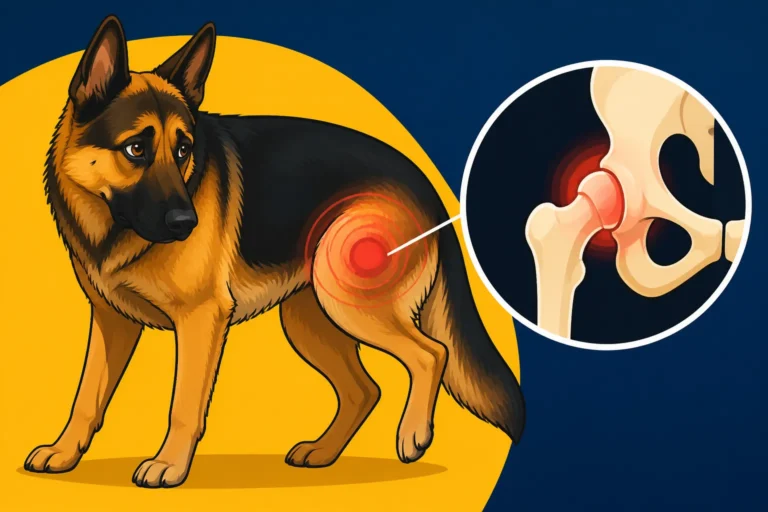
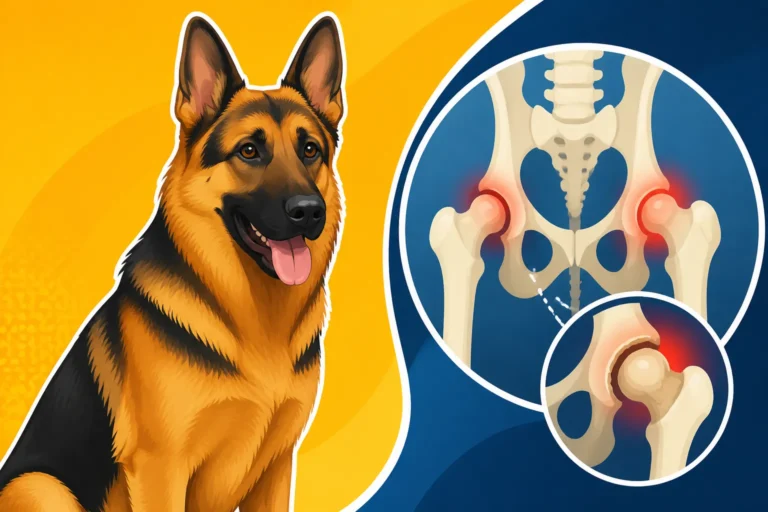
Hip dysplasia is a malformation of the hip joint, where the ball and socket don't fit together properly, leading to grinding of the joint. Over time, this causes pain, lameness, and debilitating arthritis. Similarly, elbow dysplasia involves abnormal development of the elbow joint, resulting in pain and lameness. These conditions are largely genetic but can be exacerbated by environmental factors like rapid growth, inappropriate exercise, or obesity in puppies. While not immediately fatal, the chronic pain and reduced mobility can severely diminish a dog's quality of life, making euthanasia a consideration for severe, untreatable cases. Furthermore, dogs with severe mobility issues might become less active, leading to weight gain and other secondary health problems like heart disease or diabetes. Our article on German Shepherd Hip Dysplasia Explained offers a deeper dive into this widespread issue.
Delving Deeper into Specific Health Challenges
Beyond the broad categories, specific diseases pose significant threats to German Shepherds, each requiring a careful understanding from dedicated owners. These conditions can range from genetic predispositions that manifest later in life to acquired diseases that affect organ function.
Degenerative Myelopathy's Progression
One of the most heartbreaking neurological conditions to affect German Shepherds is Degenerative Myelopathy (DM). This progressive disease affects the spinal cord, specifically the white matter, leading to a loss of coordination and weakness in the hind limbs. DM is often compared to Amyotrophic Lateral Sclerosis (ALS) in humans, as it's a relentlessly progressive and ultimately fatal disease with no cure. Witnessing your strong, active German Shepherd slowly lose the ability to walk, use their hindquarters, and control their bodily functions is incredibly difficult.
The initial signs of DM are often subtle – a slight weakness in one hind leg, scuffing of the paws, or an awkward gait. Owners might initially mistake these for arthritis or signs of aging. However, unlike arthritis, DM is not painful, which can make it even more confusing. As the disease progresses, the weakness worsens, leading to paralysis of the hind limbs. Eventually, the disease can spread to the front limbs and even affect respiratory function. The average life expectancy after diagnosis can range from 6 months to 3 years, but the quality of life deteriorates rapidly towards the later stages. Many owners eventually make the compassionate decision to euthanize their beloved companion when their mobility and dignity are severely compromised. Understanding Degenerative Myelopathy in German Shepherds is crucial for early recognition and managing this challenging condition.
Organ Failure and Age-Related Decline
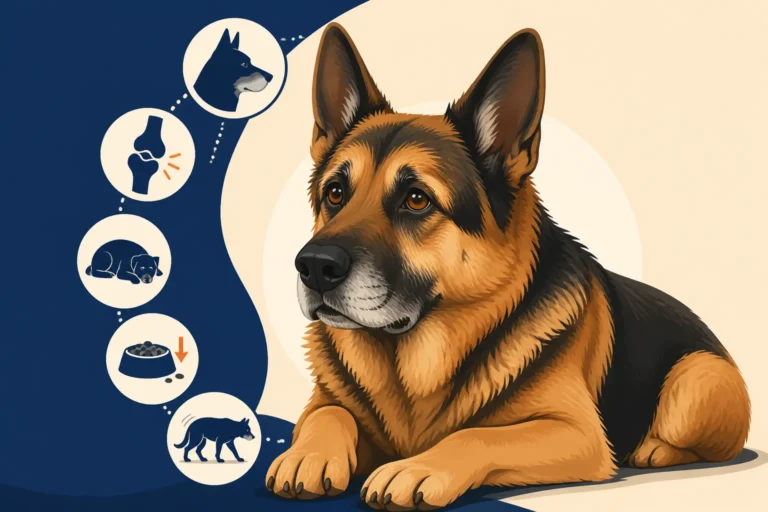
Just like humans, German Shepherds are susceptible to organ failure as they age, and this is a common cause of death, particularly in their senior years. While we all hope our furry friends live forever, the reality is their bodies wear down over time. The primary organs that often fail include the heart, kidneys, and liver. Chronic diseases affecting these organs can progress silently for a long time before overt symptoms appear.
Heart disease, such as dilated cardiomyopathy (DCM) or valvular disease, can lead to congestive heart failure. Kidneys can gradually lose their ability to filter waste products from the blood, resulting in chronic kidney disease. The liver, essential for detoxification and metabolism, can also succumb to disease. These conditions often manifest as a general decline in health, including lethargy, loss of appetite, weight loss, increased thirst and urination, and difficulty breathing. Regular veterinary check-ups are essential to monitor organ function, especially in older dogs, and can sometimes help slow the progression of these diseases. It's a natural, yet painful, part of the aging process for many German Shepherds. Our guide on German Shepherd Senior Care Guide provides comprehensive advice for navigating these later years.
Other Significant Health Concerns
Beyond the major causes, German Shepherds can also succumb to other serious health issues. Exocrine Pancreatic Insufficiency (EPI) is a genetic condition where the pancreas doesn't produce enough digestive enzymes, leading to malabsorption, chronic diarrhea, and severe weight loss. While treatable with enzyme supplements, if left undiagnosed or unmanaged, the malnutrition can severely weaken a dog, making them susceptible to other fatal conditions or leading to a very poor quality of life.
Another concern is severe allergies, which, while not typically fatal on their own, can lead to chronic skin infections, ear infections, and gastrointestinal distress, severely impacting quality of life and potentially weakening the immune system. Certain autoimmune diseases also occur in the breed, where the immune system mistakenly attacks the body's own tissues. These conditions require lifelong management and can, in severe cases or with complications, lead to premature death. Being aware of these additional health issues emphasizes the importance of thorough veterinary care and watchful ownership.
Here's a simplified overview of common causes of death in German Shepherds:
| Cause of Death Category | Common Manifestations in GSDs | Typical Age Range (onset) | Urgency for Vet Care | Prevention/Management Focus |
|---|---|---|---|---|
| Cancer | Hemangiosarcoma, Osteosarcoma, Lymphoma | Mid to Senior Years | High (often emergency) | Early detection, genetic screening |
| Bloat (GDV) | Stomach distension & twisting | Any age, most common adults | Extreme (surgical emergency) | Preventative gastropexy, feeding habits |
| Degenerative Myelopathy | Progressive hind limb weakness/paralysis | Senior Years (5-14 years) | Moderate (diagnostic) | Genetic testing (pre-breeding) |
| Organ Failure | Kidney disease, Heart disease, Liver disease | Senior Years | Moderate to High (chronic) | Regular check-ups, diet, medication |
| Musculoskeletal Issues | Hip/Elbow Dysplasia (complications) | Puppyhood to Senior | Moderate (pain management) | Responsible breeding, proper exercise |
| Other Conditions | EPI, severe allergies, autoimmune disease | Any age | Variable | Diagnosis, specific treatments |
Proactive Steps to Extend Your German Shepherd's Lifespan
While some health challenges are unavoidable, there's a lot you can do as a responsible German Shepherd owner to maximize your dog's chances of living a long, healthy, and happy life. It's about being proactive, diligent, and partnering closely with your veterinarian. This proactive approach not only helps manage potential issues but also significantly improves your dog's overall well-being.
Regular Vet Check-ups and Early Detection
This cannot be stressed enough: regular veterinary care is paramount. Your veterinarian is your best ally in keeping your German Shepherd healthy. Annual check-ups, and even bi-annual for senior dogs, allow for early detection of potential health problems before they become severe or untreatable. During these visits, your vet will perform a thorough physical exam, listen to your dog’s heart and lungs, check their teeth and ears, and palpate their abdomen. They might also recommend routine bloodwork and urinalysis, which can reveal underlying issues with organ function that aren’t yet obvious externally.
Early detection of conditions like kidney disease, liver issues, or certain cancers can mean the difference between effective management and a devastating prognosis. For instance, catching an abnormal growth early often allows for successful surgical removal. Regular discussions with your vet about any changes in your dog's behavior, appetite, or activity levels are crucial. They can also advise on appropriate vaccination schedules and parasite prevention. Investing in pet insurance, like plans offered by Healthy Paws, can help alleviate the financial burden of unexpected illnesses or accidents, ensuring you can always afford the best care for your beloved companion without hesitation. Our comprehensive guide on How to Keep a German Shepherd Healthy covers these aspects and more.
Nutritional Support and Weight Management
What you feed your German Shepherd plays a monumental role in their long-term health. A high-quality diet provides the essential nutrients for strong bones, healthy organs, a robust immune system, and sustained energy. Look for dog foods specifically formulated for large breeds and, for puppies, large breed puppy formulas, as these are designed to support slower, controlled growth to help prevent orthopedic problems like hip and elbow dysplasia. Avoid overfeeding, which can lead to obesity.
Obesity is a silent killer, putting extra strain on joints, heart, and other organs, increasing the risk of diabetes, and generally shortening a dog's lifespan. It can exacerbate existing conditions like arthritis and even contribute to the risk of bloat by altering stomach position. Work with your vet to determine the ideal weight for your German Shepherd and establish an appropriate feeding plan. This includes proper portion control and limiting high-calorie treats. Feeding a diet tailored to their age and activity level is key. For insights into proper feeding, check out our German Shepherd Feeding Guide.
Exercise and Mental Stimulation
German Shepherds are an incredibly active and intelligent breed, and meeting their physical and mental exercise needs is critical for their health and longevity. Lack of adequate exercise can lead to obesity, muscle atrophy, behavioral problems, and overall poor well-being. However, the type and intensity of exercise need to be carefully managed, especially during puppyhood, to protect their developing joints. Over-exercising a young German Shepherd can actually increase the risk of developing joint problems.
Adult German Shepherds typically thrive on a combination of vigorous physical activity and mental challenges. This could include long walks, running, hiking, playing fetch, or engaging in dog sports like agility or obedience. Mental stimulation is just as important; puzzle toys, training sessions, and interactive games keep their minds sharp and prevent boredom and destructive behaviors. A healthy body, supported by a healthy mind, contributes significantly to a longer, more fulfilling life. Remember, a tired German Shepherd is a good German Shepherd, but a mentally stimulated one is even better. You can find more ideas in our article about Best Mental Stimulation for German Shepherds.
The Role of Responsible Breeding and Genetic Testing
For those considering bringing a German Shepherd into their lives, choosing a puppy from a responsible breeder is one of the most impactful steps you can take to prevent many of the common causes of death. Reputable breeders are committed to improving the breed and prioritize health over profit. They perform extensive health screenings on their breeding dogs for genetic conditions prevalent in German Shepherds.
This includes screening for hip and elbow dysplasia through organizations like OFA (Orthopedic Foundation for Animals) or PennHIP. They also conduct genetic testing for diseases like Degenerative Myelopathy (DM), which is incredibly important for preventing this devastating condition from being passed down. A responsible breeder will be transparent about their dogs' health histories, provide health clearances for the parents, and offer a health guarantee for their puppies. While no breeder can guarantee a dog will never develop health issues, choosing one who actively works to minimize the risk significantly improves your puppy's chances of a long, healthy life. Understanding German Shepherd Genetic Health Testing can empower you to ask the right questions when selecting a breeder.
Disclaimer
The information provided in this article is for general informational purposes only and is not a substitute for professional veterinary advice. Always consult with a qualified veterinarian for any health concerns or before making any decisions related to your German Shepherd's health or treatment plan.