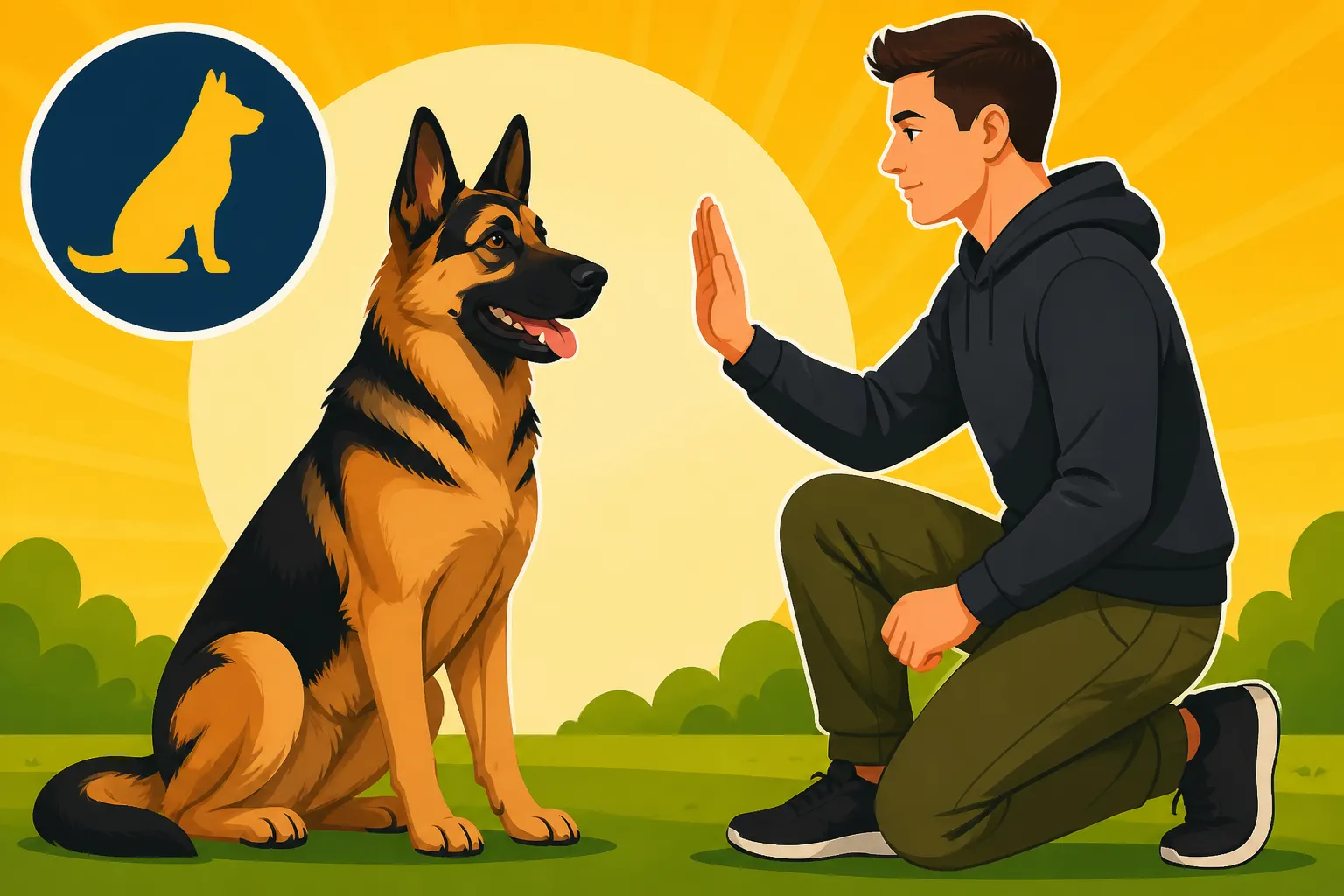
German Shepherd Obedience Training Basics
Bringing a German Shepherd into your life is an incredible joy, but let's be honest, it can also feel like you've adopted a furry, four-legged whirlwind with a mind of its own. Many new owners quickly realize that these intelligent, powerful dogs need more than just a walk around the block; they need clear communication and consistent guidance. This guide is here to walk you through the fundamentals of German Shepherd obedience training, from puppyhood basics to advanced commands, helping you build a strong, harmonious relationship with your canine companion.
Why Obedience Training is Non-Negotiable for German Shepherds
Look, nobody wants a dog that's a handful, especially not a German Shepherd. These aren't your average lapdogs; they're substantial, highly intelligent, and possess a strong protective instinct. Without proper obedience training, their natural drive and energy can quickly translate into undesirable behaviors, leaving both you and your dog frustrated. It’s not about "breaking" their spirit; it's about channeling their incredible potential into being a well-behaved, confident, and happy member of your family.
Understanding the German Shepherd Mindset
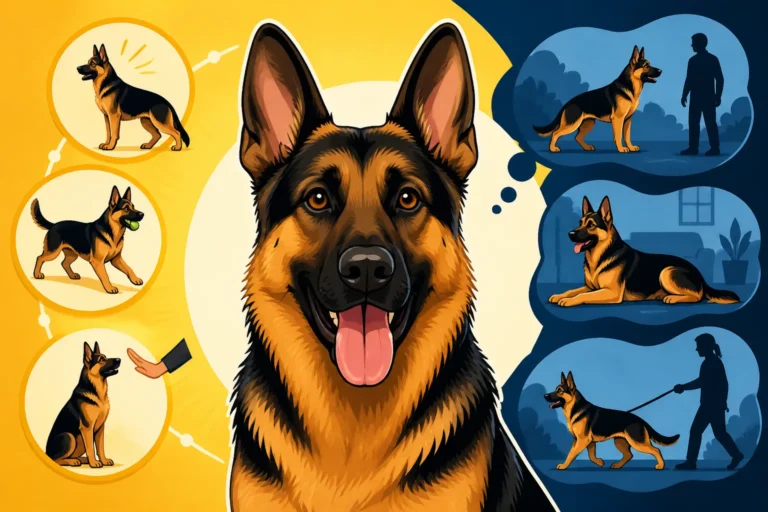
German Shepherds were originally bred to herd sheep, which means they come hardwired with an intense work ethic, sharp intelligence, and an innate desire to have a job. They thrive on structure and clear leadership. Think of them as eager students just waiting for you to teach them the rules of the house and the world. If you don't provide that guidance, they'll often take matters into their own paws, creating their own "rules," which usually aren't compatible with living in a human household. This drive is why they excel in roles like police, military, and service dogs, but it also means they need an owner who understands how to tap into that drive productively.
Their intelligence means they learn quickly, both good habits and bad ones. A bored German Shepherd is a destructive German Shepherd, plain and simple. They'll find ways to entertain themselves, whether that's chewing through furniture, incessant barking, or digging craters in your yard. Understanding their need for mental stimulation and purpose is the first step in successful training. It's not just about teaching commands; it's about engaging their brilliant minds and satisfying their inherent need to work alongside you.
Preventing Common Behavior Issues
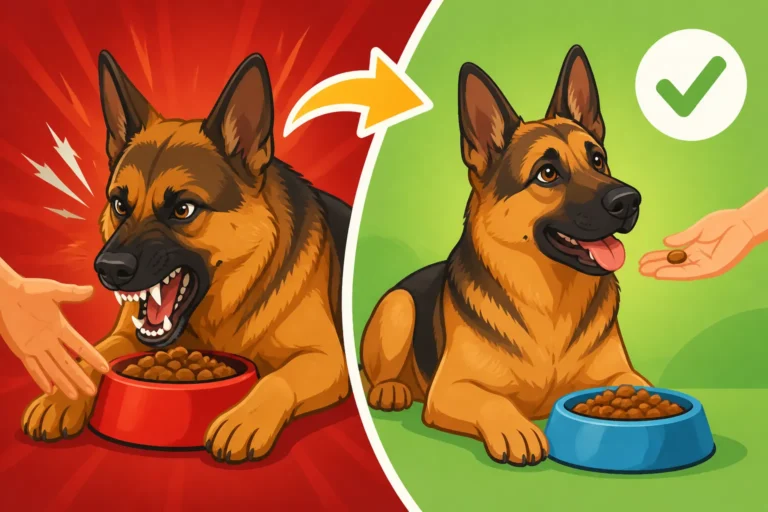
The truth is, many of the frustrations German Shepherd owners face—like pulling on the leash, jumping on guests, or resource guarding—stem from a lack of consistent, early obedience training. When your dog doesn't understand what you expect, they'll revert to instinctual behaviors that aren't always socially acceptable. For instance, a German Shepherd's protective nature, if not properly managed, can lead to aggression towards strangers or other animals. This is why addressing these behaviors early on is crucial, ideally starting with a German Shepherd Puppy Training Guide the moment they come home.
Effective training provides a roadmap for your dog, reducing anxiety and confusion. When a German Shepherd knows its role and understands your commands, it feels secure and confident. Conversely, a dog without clear boundaries can become anxious, leading to more problematic behaviors. Proper training helps prevent issues like separation anxiety, excessive barking, and even fear-based aggression. It's about building trust and mutual respect, turning potential problems into opportunities for strengthening your bond.
Essential Tools and Resources for Successful Training
Before you even start issuing commands, having the right gear and knowing where to turn for support can make a world of difference. Think of it like preparing for a hike; you wouldn't just head out without proper boots or a map, right? Training your German Shepherd is an adventure, and good preparation sets you up for success.
Must-Have Gear
First things first, let's talk about the gear that will be your best friends during training. A sturdy, well-fitting collar (flat buckle or martingale are good choices) and a 6-foot leash are absolute necessities. For walking, consider a front-clip harness or a head halter to help manage their strength and reduce pulling, especially while you're mastering How to Leash Train a a German Shepherd Puppy. Brands like Ruffwear or Kurgo offer durable options often found on Amazon that hold up to the power of a German Shepherd. Avoid retractable leashes, as they offer little control and can be dangerous.
Next up, high-value treats. These are your dog's currency, the motivators that will make them eager to learn. Think small, soft, smelly treats like boiled chicken, cheese, or specialized training treats. A treat pouch that clips to your waist is incredibly useful for quick access. Finally, a crate is invaluable for potty training, managing destructive chewing, and providing a safe den for your dog. For more on this, check out our guide on How to Crate Train a German Shepherd. Investing in a durable, appropriately sized crate is essential, as German Shepherds can grow quite large.
Finding the Right Training Support
While this guide offers a solid foundation, sometimes you need a little extra help. Group obedience classes are fantastic for both you and your German Shepherd. They provide a structured environment, professional guidance, and vital socialization opportunities with other dogs and people. Look for classes that use positive reinforcement methods, focusing on rewarding desired behaviors rather than punishing mistakes. Many local pet stores or community centers offer these, or you can search for reputable dog training clubs in your area.
For more personalized attention, consider private lessons, especially if you're dealing with specific challenges like reactivity or aggression. A good professional trainer can tailor their approach to your dog's unique personality and your family's lifestyle. You might also explore online training programs. Platforms like BAXTER & Bella offer comprehensive online courses and live one-on-one support, which can be a fantastic resource for busy owners or those in remote areas. Even reading up on detailed guides like How to Train a German Shepherd can give you a lot of insight and confidence.
Laying the Foundation: Early Puppyhood Training
The moment your German Shepherd puppy steps paw into your home, the training begins. Puppyhood is a critical window for learning and socialization, shaping the adult dog they will become. Don't wait until they're older and more set in their ways; start establishing good habits from day one.
Starting with Basic Commands
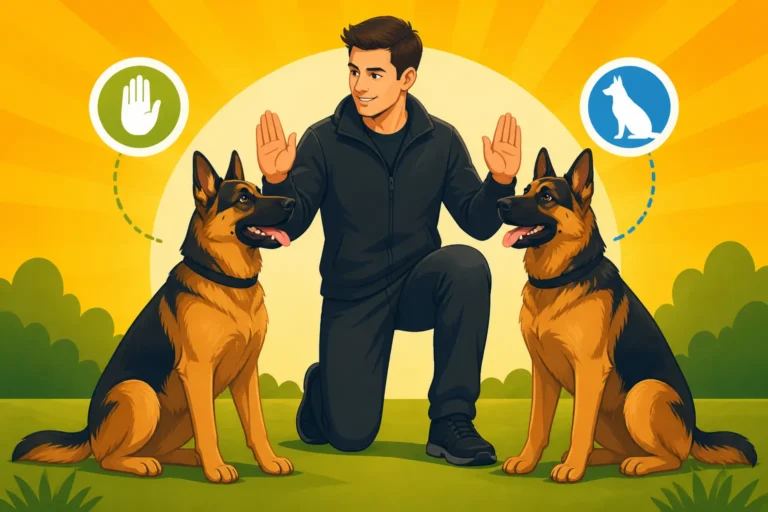
The absolute first commands you'll want to teach are "sit," "stay," "down," and "come." These aren't just tricks; they're fundamental communication tools that ensure your dog's safety and your peace of mind. Start in a quiet, distraction-free environment. Use clear, consistent vocal cues and hand signals. When your puppy performs the desired action, immediately reward them with a high-value treat and verbal praise ("Good sit!"). Keep training sessions short, fun, and positive – think 5-10 minutes, several times a day.
For example, to teach "sit," hold a treat near your puppy's nose and slowly move it back over their head. Their nose will naturally follow the treat, causing their rear end to lower. The moment their bottom touches the ground, say "Sit!" and give the treat. Repeat this many times. Remember, puppies have short attention spans, so end on a positive note before they get bored. Consistency is key here; everyone in the household needs to use the same commands and reward system.
Critical Socialization Practices
Socialization is arguably one of the most important aspects of raising a well-adjusted German Shepherd. It involves safely exposing your puppy to a wide variety of sights, sounds, people, places, and other friendly, vaccinated dogs during their critical developmental period (roughly 3-16 weeks). A well-socialized German Shepherd is less likely to develop fear, anxiety, or aggression later in life. This means taking them to new places (once vaccinated, of course), letting them safely meet different people of all ages, and introducing them to novel objects and noises. Our guide on How to Socialize a German Shepherd offers a comprehensive approach.
The goal is to create positive associations. If your puppy seems hesitant or scared, don't force them. Instead, create distance from the scary stimulus and offer treats and praise until they relax. Gradually reduce the distance as they become more comfortable. A great way to socialize is to enroll them in a puppy class, where they can interact with other puppies in a controlled environment. Failing to properly socialize your German Shepherd can lead to fearfulness, reactivity, and a host of German Shepherd Behavior Problems and Solutions that are much harder to address in adulthood.
Mastering Core Obedience Commands
Once your German Shepherd has a handle on the basic concepts of training, it's time to solidify those core commands. These are the building blocks for a well-behaved dog and crucial for safety and control in various situations.
Sit, Stay, and Down
Let's dive deeper into "sit," "stay," and "down," as these are your primary control commands. You've introduced "sit" with the lure-and-reward method. Now, practice it in different locations and with slight distractions. Once "sit" is solid, you can add "stay." Have your dog sit, say "Stay," take one step back, count to one, then step back to your dog, release with a verbal cue like "Okay!" and reward. Gradually increase distance and duration. If your dog breaks the stay, calmly bring them back to the original spot and restart.
"Down" is another powerhouse command. You can teach this by luring your dog from a sit position, dragging a treat from their nose down to the floor and then away from them, encouraging them to lie down. As they lie down, say "Down!" and reward. Practice all these commands daily. The goal is for your German Shepherd to perform them reliably, even when excited or in a distracting environment. This consistency is vital for a safe and happy life together.
Come and Heel
"Come" (or recall) is arguably the most important command for your dog's safety. A reliable recall can prevent your German Shepherd from running into traffic, chasing after a squirrel, or getting lost. Start teaching "come" in a quiet, enclosed space like your backyard. Get down on their level, use an excited voice, say "How to Teach a German Shepherd to Come", and back away, encouraging them to run to you. When they reach you, make it a party with treats and praise. Never punish your dog for a slow recall; always make coming to you a positive experience.
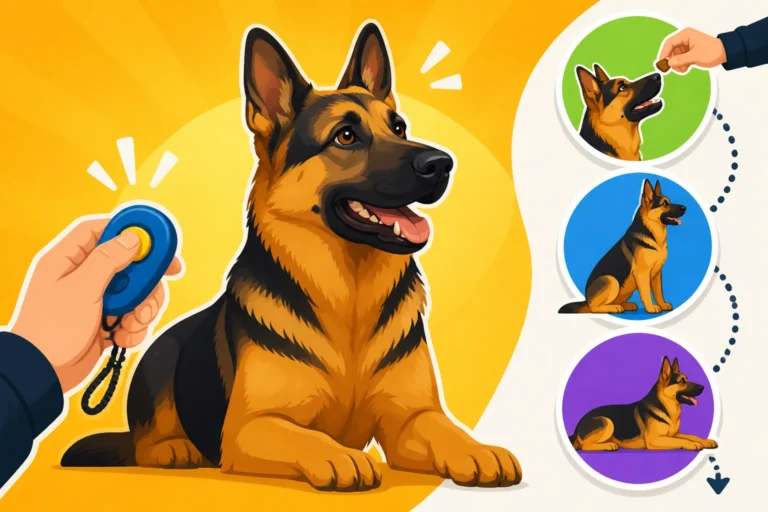
"Heel" is about walking politely by your side without pulling on the leash. This command requires patience and consistency, especially with a strong German Shepherd. Start by walking in a distraction-free area. When your dog is walking nicely beside you, mark the behavior with a verbal "Yes!" or a clicker, and reward them at your side. If they start to pull ahead, stop immediately. Only resume walking when the leash is loose again. This teaches them that pulling gets them nowhere, but loose-leash walking gets them to their destination and earns rewards. A front-clip harness can be incredibly helpful during this stage to manage their strength and make training easier.
Addressing Common Training Challenges
Even with the best intentions and consistent training, German Shepherds can present their unique set of challenges. Their intelligence and strong drives mean that some behaviors can become ingrained if not addressed proactively. It's not about being discouraged; it's about understanding and adapting your approach.
Leash Reactivity and Pulling
Leash reactivity is a common frustration for many German Shepherd owners. This often manifests as barking, lunging, or growling at other dogs, people, or cars while on a leash. It's often rooted in fear, frustration, or over-excitement rather than true aggression. First, ensure your dog is getting enough exercise; a tired German Shepherd is often a calmer German Shepherd. Check out German Shepherd Exercise Requirements for guidance. For actual training, management is key. Use a front-clip harness or head halter to give you more control.
The training itself involves desensitization and counter-conditioning. Identify your dog's "threshold"—the distance at which they notice a trigger but don't react. Stay at or below this threshold. When you see a trigger, immediately start feeding your dog high-value treats, continuing until the trigger passes. The goal is to change their emotional response from negative to positive ("Oh, another dog! That means treats!"). If they react, you're too close, so increase your distance. This takes time, patience, and consistency, but it's incredibly rewarding to see your dog become more relaxed on walks.
Nipping, Biting, and Chewing
Puppies, especially German Shepherds, explore the world with their mouths, and nipping is a natural part of their development. However, their strong jaws mean that even playful nips can be painful. The key is to teach "bite inhibition"—that human skin is fragile. When your puppy nips too hard during play, let out a high-pitched yelp, and immediately withdraw all attention (stand up, turn away, ignore them for 10-20 seconds). This mimics how littermates teach each other. When they play more gently, reward them. Our article on German Shepherd Puppy Biting: What to Do offers more strategies.
Destructive chewing, beyond puppy teething, often indicates boredom, anxiety, or a lack of appropriate outlets. German Shepherds need to chew. Provide plenty of appropriate, durable chew toys like Kongs filled with peanut butter, Nylabones, or natural chews (ensure they are safe and size-appropriate). Rotate toys to keep them novel and exciting. If you catch your dog chewing something inappropriate, redirect them to an approved chew toy and praise them when they engage with it. Management is also crucial: puppy-proof your home, keep tempting items out of reach, and use a crate when you can't supervise directly.
Barking and Destructive Behavior
Excessive barking can quickly become a major nuisance, both for you and your neighbors. German Shepherds are naturally vocal and often use their bark as a form of communication, whether it's alerting you to perceived threats, expressing boredom, or demanding attention. The first step is to identify the root cause. Are they barking at squirrels out the window? Are they bored and looking for attention? Are they anxious when left alone? For an in-depth look, see our guide on How to Stop German Shepherd Excessive Barking.
Once you know why they're barking, you can address it. If it's alarm barking, teach them a "Quiet" command: let them bark once or twice, then interrupt with "Quiet!" and reward them when they stop. For boredom barking, increase their mental and physical exercise. A German Shepherd needs a lot of both. If it's attention-seeking, ignore the barking and only reward silence. Destructive behavior, such as tearing up furniture or digging, often goes hand-in-hand with boredom or anxiety, especially German Shepherd Separation Anxiety Solutions. Ensure they have plenty of appropriate exercise and mental stimulation, like puzzle toys or scent work, to tire them out constructively.
Advanced Obedience and Beyond
Once your German Shepherd has a solid grasp of basic and intermediate commands, you can begin to explore advanced obedience. This not only keeps their intelligent minds engaged but also deepens your bond and provides even greater control and confidence in various situations.
Off-Leash Reliability
Achieving off-leash reliability is the dream for many German Shepherd owners, allowing for greater freedom and more intense exercise in safe, appropriate areas. However, it's a huge step and one that requires impeccable recall, solid obedience in distracting environments, and a deep understanding of your dog's individual temperament and prey drive. Never attempt off-leash work in unfenced, high-traffic areas until your dog's recall is 100% reliable, even with major distractions.
Start by practicing your "come" command in increasingly distracting environments, first on a long line (a 20-30 foot training leash available on Amazon) in a fenced area. Reward lavishly every single time they come. Practice "stay" with you out of sight, building up duration slowly. Consistency and making coming to you the most rewarding thing ever are paramount. Once your German Shepherd understands that coming to you is always better than chasing that squirrel, you can start testing short periods off-leash in highly controlled, safe spaces. Remember, their safety is paramount, and it's always better to err on the side of caution.
Mental Stimulation and Advanced Tricks
German Shepherds are incredibly intelligent and thrive on having a "job" to do. Beyond basic obedience, engaging them in advanced mental stimulation and teaching them complex tricks or dog sports is vital for their well-being. A mentally tired German Shepherd is often a well-behaved German Shepherd. Consider activities like agility, flyball, or nose work, which tap into their natural instincts and athletic abilities. These can provide immense satisfaction and a fantastic outlet for their energy.
Teaching advanced tricks like "spin," "weave," "fetch specific items," or "play dead" not only impresses your friends but also strengthens your communication with your dog. Each new trick is a puzzle for their brilliant mind to solve, building their confidence and reinforcing their desire to work with you. Puzzle toys, especially those from brands like Kong or Outward Hound, available on Amazon, are excellent tools for Best Mental Stimulation for German Shepherds when you're busy. You can stuff them with treats or parts of their meal, turning mealtime into a challenging brain game.
Maintaining Consistency and Continuing Education
Training a German Shepherd isn't a one-time event; it's an ongoing journey that evolves as your dog grows and matures. The effort you put in now will pay dividends for years to come, ensuring you have a loyal, well-adjusted companion.
The Lifelong Training Journey
Think of training as a lifelong conversation with your German Shepherd. Just like humans, dogs can forget things if they're not regularly practiced. Continue to incorporate obedience commands into your daily routine. Ask for a "sit" before putting down their food bowl, a "stay" before opening the door, and a "down" during quiet time. These small, consistent reinforcements keep their skills sharp and remind them of their good manners. Regularly revisiting basic commands in new environments also helps generalize their learning, meaning they'll respond reliably no matter where you are.
As your German Shepherd enters different life stages, their training needs might shift. A young adult might need more challenging mental exercises, while a senior dog might benefit from gentler reinforcement of basic commands. Staying engaged and continuing to provide opportunities for learning keeps their minds active and prevents boredom, which can often lead to behavioral issues. Remember, a German Shepherd is truly a partner, and investing in their education is investing in your shared future.
When to Seek Professional Help
While much can be accomplished through consistent home training and resources like BAXTER & Bella, there will be times when professional help is not just beneficial, but necessary. If you encounter severe behavioral issues such as aggression (towards people or other dogs), intense fear, or debilitating separation anxiety, it's crucial to seek guidance from a certified professional dog trainer or a veterinary behaviorist. These experts have the knowledge and experience to diagnose the underlying causes of complex behaviors and develop a safe, effective modification plan.
Don't feel ashamed or embarrassed to ask for help; it's a sign of a responsible owner committed to their dog's well-being. Early intervention can make a significant difference in resolving these issues. A good professional will use positive, humane training methods and will work closely with you to ensure you have the tools and understanding to continue the training at home. Sometimes, an outside perspective from an experienced trainer is exactly what you need to navigate particularly stubborn challenges in your German Shepherd Behavior Problems and Solutions.
Essential German Shepherd Obedience Commands and Their Benefits
| Command | Description | Key Benefit |
|---|---|---|
| Sit | Dog places hindquarters on the ground. | Promotes calm, polite greetings; fundamental for other commands. |
| Stay | Dog remains in position (sit, down, stand) until released. | Safety in open areas; prevents rushing doors or people. |
| Down | Dog lies down on its stomach. | Excellent for calming; great for public places or vet visits. |
| Come | Dog immediately returns to handler when called. | Crucial safety command; prevents running away or getting lost. |
| Heel | Dog walks politely by handler's side without pulling. | Enjoyable walks; control in crowded areas. |
| Leave It | Dog ignores an object or distraction. | Prevents ingestion of dangerous items; manages prey drive. |
| Drop It | Dog releases an object from its mouth. | Prevents resource guarding; useful for retrieving dangerous items. |
| Place | Dog goes to and stays on a designated spot (bed, mat). | Provides a "safe zone" for dog; helps manage household behavior. |
Disclaimer
The information provided in this guide is for general informational purposes only and does not constitute professional veterinary or behavioral advice. Always consult with a qualified veterinarian or certified professional dog trainer for any concerns regarding your German Shepherd's health or behavior. Individual results may vary, and consistent, positive reinforcement training is recommended.