How to Do Crate Training with a German Shepherd
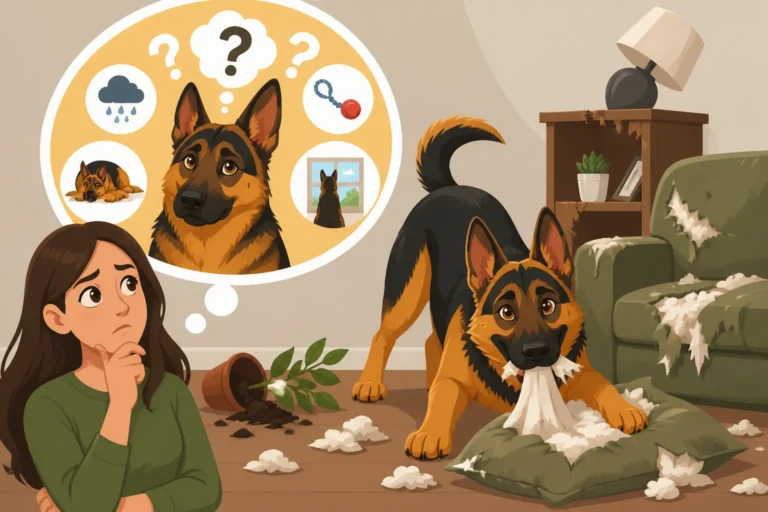
Crate training a German Shepherd can feel like a daunting task, especially when you’re met with a chorus of whines or a determined attempt to escape. It's easy to feel guilty, wondering if you're doing more harm than good by "caging" your majestic companion. But I promise you, when done correctly, a crate becomes a safe, comforting den for your German Shepherd, not a punishment. This comprehensive guide will walk you through everything you need to know, transforming that metal box into your dog's favorite personal retreat.
Understanding the "Why" Behind Crate Training Your German Shepherd
Let's be honest, the idea of putting your dog in a crate can evoke images that make many of us uncomfortable. We love our German Shepherds; they're family, and the thought of them feeling confined goes against our instincts. However, understanding the true purpose and benefits of a properly introduced crate is crucial. It's not about punishment; it's about providing a secure, personal space that caters to their natural denning instincts and offers a host of practical advantages for both you and your dog.
Benefits for Your German Shepherd's Well-being
German Shepherds, like their canine ancestors, have an innate desire for a den – a small, safe, enclosed space where they can feel secure and protected. A crate, when introduced positively, perfectly mimics this natural den. It becomes a quiet sanctuary where your dog can retreat to sleep, relax, or simply escape the hustle and bustle of a busy household. This is particularly valuable for puppies or easily overstimulated dogs, offering them a predictable spot for downtime.
Beyond providing a private den, a crate is an invaluable tool for house training. Dogs are naturally clean animals and instinctively avoid soiling their sleeping area. By limiting your German Shepherd's unsupervised access to the house and utilizing the crate during times when you can't actively supervise them, you teach them to hold their bladder and bowels, preventing accidents and establishing a routine for potty breaks. This makes the entire house-training process much smoother and less stressful for everyone involved. For more in-depth guidance on this, check out our German Shepherd Puppy Training Guide.
Furthermore, a crate can be a lifesaver in emergency situations or when traveling. If you ever need to evacuate your home, visit the vet, or stay in a pet-friendly hotel, having a dog that is comfortable and calm in a crate makes these experiences significantly less stressful. It ensures their safety and reduces anxiety when they're in unfamiliar environments. It’s also a fantastic way to keep them contained and safe from potential hazards if you have maintenance workers in your home or during periods when you need them out from underfoot.
Dispelling Common Crate Training Myths
One of the biggest misconceptions about crate training is that it's cruel or akin to locking your dog away. This simply isn't true for a properly trained dog. A crate should never be used for punishment or as a place where your German Shepherd spends the majority of their day. When used correctly, it's a positive space where they feel safe and secure, choosing to go in on their own accord, much like a child's bedroom or a comfy reading nook for us humans.
Another common myth is that crate training will make your German Shepherd feel abandoned or lonely. In reality, the opposite is often true. A dog who views their crate as a safe haven is less likely to develop separation anxiety because they have a predictable, secure space to retreat to when you're not around. This sense of security can actually reduce anxiety, not create it. Teaching them to be calm and content in their crate is a cornerstone of preventing future issues like German Shepherd Separation Anxiety Solutions.
Some owners also worry that crate training will stifle their German Shepherd's independence or personality. This is far from the truth. German Shepherds are intelligent, active dogs, and a crate simply provides structure and safety during periods of rest or when unsupervised. It allows them to develop self-control and learn to settle down, crucial skills for a well-behaved adult dog. A crate is a tool for management and training, not a character-altering device.
Choosing the Right Crate for Your German Shepherd
Selecting the perfect crate isn't just about picking one off the shelf; it's about ensuring it's the right size, material, and type for your German Shepherd's comfort and safety. This decision plays a huge role in how successful your crate training journey will be. A crate that's too small will feel restrictive and uncomfortable, while one that's too large can hinder house training progress by allowing your dog to soil one end and sleep in the other.
Sizing It Up: Comfort and Safety
The golden rule for crate size is simple: your German Shepherd should be able to stand up comfortably, turn around easily, and lie down stretched out on their side. For a puppy, you'll want a crate that accommodates their adult size, but comes with a divider panel. This divider allows you to adjust the living space as your puppy grows, ensuring the crate is always just big enough for them to stand, turn, and lie down, but not so big that they have room to eliminate in one corner and sleep in another.
An adult male German Shepherd typically weighs between 65-90 pounds and stands 24-26 inches tall, while females are usually 50-70 pounds and 22-24 inches tall. This means you'll likely need a large to extra-large crate, generally measuring around 42-48 inches long. It's always best to measure your dog: measure them from the tip of their nose to the base of their tail, and from the top of their head to the floor while standing. Add 2-4 inches to these measurements to ensure ample space.
Remember, a crate that is too big for a puppy can sabotage your house-training efforts, as they might use one end as a potty area. Using a divider is key for puppies. As they grow, you can gradually expand the space until they fit comfortably in the full size. Investing in a properly sized crate with a divider from the start will save you money and headaches in the long run.
Material Matters: Wire, Plastic, or Furniture Style
When it comes to crate materials, you have a few main options, each with its own pros and cons.
| Crate Type | Pros | Cons | Best For |
|---|---|---|---|
| Wire Crates | Excellent ventilation, foldable for travel, easy to clean, often come with dividers. | Less den-like feel, some dogs may feel exposed, can be noisy, aggressive chewers might damage their teeth on bars. | Everyday use, house training, visibility, travel (if foldable). |
| Plastic Crates (Airline Approved) | More den-like, secure, good for travel, limits external distractions for anxious dogs. | Less ventilation than wire, harder to clean, can be bulky, not suitable for highly destructive chewers, no dividers for puppies. | Travel, nervous dogs needing a secure "den," den-like feel. |
| Furniture-Style Crates | Blend seamlessly with home decor, provide a functional surface. | Most expensive, not easily portable, less durable for strong chewers, typically no dividers, can be harder to clean if accidents occur inside. | Owners prioritizing aesthetics, dogs already crate-trained. |
Wire crates are perhaps the most popular choice for German Shepherds. They offer excellent ventilation, allow your dog to see what's going on around them (which some dogs prefer), and many models fold down for easy transport. They typically come with divider panels, making them ideal for puppies who are still growing. Brands like MidWest Homes for Pets offer sturdy, reliable wire crates that are readily available on Amazon. However, some German Shepherds might feel a bit too exposed in a wire crate, and an anxious dog might find the open design overwhelming.
Plastic crates, often referred to as "airline approved" crates, provide a more den-like environment. They block out some external stimuli, which can be beneficial for dogs who are easily overstimulated or anxious. These are sturdy and often preferred for travel, providing a secure, enclosed space. The downside is that they offer less ventilation than wire crates, can be bulkier, and usually don't come with dividers, making them less ideal for growing puppies unless you buy multiple sizes.
Furniture-style crates are designed to blend into your home decor, often looking like an end table or a credenza. They're typically made of wood or composite materials and are a great option if you want the crate to be a more permanent fixture in your living space. However, they are generally the most expensive option, are not portable, and are usually not recommended for initial crate training, especially for puppies or dogs who are prone to chewing, as they are not as durable as metal or heavy-duty plastic options.
Consider your dog's temperament, your lifestyle, and your budget when making your choice. No matter the type, always ensure the crate is well-constructed and free of sharp edges or hazards.
The Step-by-Step Crate Introduction Process
Introducing your German Shepherd to their crate isn't a race; it's a marathon. Patience, consistency, and positive reinforcement are your best friends here. The goal is to create such a positive association with the crate that your dog willingly and happily goes in, viewing it as their own personal retreat. Rushing this process can lead to negative associations, making future crate use much harder.
Making the Crate a Happy Place
The very first step is to make the crate an inviting, comfortable space. Place it in a high-traffic area of your home, like the living room or kitchen, where your German Shepherd spends a lot of time. This helps them feel like part of the family, rather than isolated. Line the crate with a soft, comfortable bed or blanket. Think about what makes you comfortable when relaxing – a plush surface is always more appealing than a cold, hard floor.
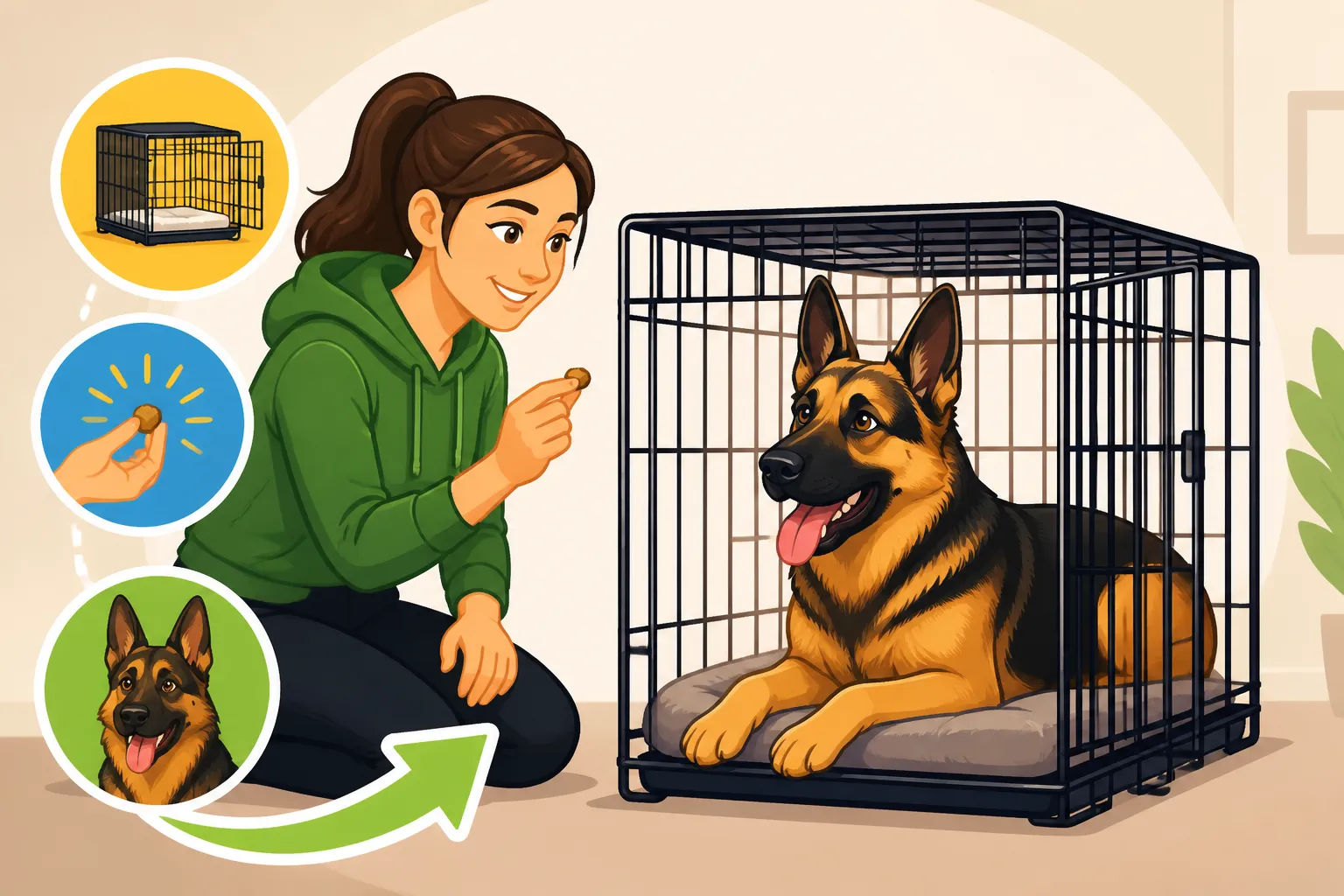
Next, make the crate a source of all things good! Scatter high-value treats inside, leave a favorite toy, or even feed meals near or inside the crate with the door open. The idea is for your German Shepherd to associate the crate with positive experiences. Don't force them in; let them explore at their own pace. If they hesitate, gently toss a treat inside and praise them softly when they go in to retrieve it. For durable chew toys that can keep them occupied, Amazon has a fantastic selection that German Shepherds love.
An excellent strategy is to give your German Shepherd their favorite long-lasting chew or a puzzle toy only when they are in their crate. This creates a powerful positive association, making the crate the place where all the best things happen. A Kong filled with peanut butter or a high-quality dental chew can keep them happily occupied and help them settle down inside. Remember, the crate is never a place for punishment or time-out; it is a safe, rewarding space.
Gradual Acclimation: Short Stays to Longer Durations
Once your German Shepherd is comfortable voluntarily entering the crate, you can start with short, controlled periods with the door closed. Begin by having them go into the crate for their special chew toy or meal. While they are happily occupied, gently close the door for a few seconds, then open it before they show any signs of distress. As soon as you open it, offer praise and a small treat. Repeat this several times a day, gradually increasing the duration of the door closure.
Slowly extend the time your German Shepherd spends in the crate. Work up to 5-10 minutes at a time, always staying in the room, then slowly moving out of sight for brief moments. When you leave the room, quietly return before they get anxious. The key is to avoid making a big fuss when you leave or return. A calm "goodbye" and a calm "hello" reinforces that crate time is normal and not a big deal.
Once your German Shepherd is comfortable for 30 minutes to an hour while you're in another room, you can begin leaving for short periods, like running an errand. Always ensure they have relieved themselves immediately before crating. Start with just 15-20 minutes, gradually increasing the time. When you return, don't immediately open the door; wait for them to be calm and quiet. This teaches them that stillness is rewarded. Consistency is vital in this stage, as is ensuring their German Shepherd Exercise Requirements are met before crating.
Handling Nighttime and Longer Absences
Nighttime crate training is often the most challenging, especially with puppies. Place the crate in your bedroom or a nearby area where your German Shepherd can still hear and smell you. This provides comfort and reassurance. The first few nights might involve some whining or crying, which is perfectly normal. It's tough, but resist the urge to immediately let them out every time they make noise, unless you suspect they genuinely need to go potty.
To distinguish between needing to potty and simply wanting attention, take them out on a short, boring potty break. No play, no interaction, just business. If they go, praise them quietly and immediately return them to the crate. If they don't go, put them back in the crate without fuss. Gradually, your German Shepherd will learn to sleep through the night. For young puppies, remember their bladders are small, and they may need to go out every few hours initially. You can refer to our German Shepherd Puppy Feeding Schedule for an idea of when to plan potty breaks around meals.
For longer absences during the day, such as when you're at work, it's generally recommended that adult German Shepherds shouldn't be crated for more than 4-5 hours. Puppies have even shorter bladder control, typically one hour per month of age. If you work long hours, consider hiring a dog walker, arranging for a friend or family member to let your dog out, or utilizing doggy daycare. Extended crating can lead to behavioral problems, regression in house training, and unnecessary stress for your German Shepherd. Always make sure they've had plenty of exercise and a potty break before being crated for any length of time.
Troubleshooting Common Crate Training Challenges
Even with the best intentions and a solid plan, crate training can present its own set of hurdles. Your German Shepherd might whine, bark, or resist going into the crate, making you question your entire approach. It’s important to remember that these behaviors are common and usually stem from either anxiety, boredom, or simply not understanding what’s expected of them. Approaching these challenges with patience and the right strategies is key to success.
Dealing with Whining and Barking
Whining and barking are probably the most common and frustrating challenges during crate training. It’s a natural instinct for a dog to vocalize when they feel separated from their pack or are unsure about their environment. The absolute golden rule here is do not let your German Shepherd out of the crate while they are actively whining or barking for attention. If you do, you inadvertently teach them that noise is the way to get what they want, reinforcing the very behavior you want to stop.
Instead, wait for a brief moment of silence – even just a second or two – before opening the crate door. This teaches them that being quiet is the key to getting out. If the barking or whining is intense and continuous, you might need to try a "re-set." Tap on the crate, make a noise to interrupt the barking, and as soon as they quiet down, even for a split second, praise them softly and then let them out. Gradually increase the duration of silence required.
Before crating, ensure all their needs are met: they’ve had a good potty break, plenty of exercise to burn off energy, and some mental stimulation. A tired German Shepherd is a good candidate for a quiet crate session. Consider using a white noise machine or a fan to muffle household sounds that might trigger barking. Sometimes, a blanket draped over most of the crate can help create a more secure, den-like atmosphere, reducing the feeling of exposure that might contribute to vocalizations.
Overcoming Crate Aversion and Anxiety
If your German Shepherd actively resists going into the crate, stiffens up, or shows signs of fear (tail tucked, ears back, excessive panting), you might have moved too quickly in the training process, or they've developed a negative association. This is where you need to take a step back and rebuild a positive relationship with the crate. Never force them into the crate, as this will only worsen their aversion.
Start by making the crate incredibly appealing again. Go back to basics: leave the door open, scatter treats, and place favorite toys inside. Feed all meals near the crate, then just inside the crate. Use a soft, inviting bed. The goal is for them to choose to go in. You can even try playing fun games where you toss a toy into the crate for them to retrieve, making it part of a positive, interactive experience.
If anxiety seems to be the root cause, providing a secure, comfortable environment is crucial. A blanket over the crate can help, as can placing a piece of your worn clothing inside so your scent provides comfort. For some dogs, a calming chew or a diffuser with dog-specific pheromones might help. In severe cases of crate aversion or anxiety, especially if it manifests as destructive behavior or extreme distress, consulting a professional dog trainer or veterinary behaviorist might be necessary. They can help identify the underlying cause and develop a tailored plan. Online training programs like BAXTER & Bella can also provide excellent resources and live support for these types of challenges, offering step-by-step guidance to help your German Shepherd feel safe and secure.
Maintaining a Positive Crate Relationship Long-Term
Crate training isn't just for puppies or for solving immediate behavioral issues. It's a lifelong skill that, when maintained positively, provides a safe, predictable space for your German Shepherd throughout their life. The crate can evolve from a primary house-training tool into a beloved den, a cozy travel companion, or a safe spot during specific situations.
Crate Use Beyond Puppyhood
As your German Shepherd matures and becomes fully house-trained and trustworthy in the home, the primary use of the crate might shift. While some owners choose to phase out the crate entirely, many find immense value in continuing its use as a consistent den and safe haven. Even an adult German Shepherd can benefit from having a designated "room" where they can retreat for peace and quiet. This is especially true in multi-pet households or homes with young children, where a dog might need an escape from overzealous playmates.
The crate remains an invaluable tool for preventing destructive chewing, especially if your German Shepherd has a high prey drive or is prone to boredom. When you need to leave the house, even for short periods, crating them ensures they aren't getting into trouble by chewing on furniture or raiding the pantry. Always ensure their German Shepherd Mental Stimulation for German Shepherds needs are met before crating, to prevent boredom-induced mischief. Think of it as their safe zone when you can't actively supervise them.
Even if your German Shepherd has earned full house privileges, keeping the crate available and continuing to use it occasionally for short periods, or for treats and meals, reinforces its positive association. This ensures that if you ever need to use it more frequently again (e.g., for recovery after surgery, during travel, or for managing new behavioral challenges), it won't be a stressful experience for them. It’s all about maintaining that positive perception.
When to Transition Away from the Crate
The decision to transition your German Shepherd away from regular crate use is a personal one and depends heavily on your individual dog's maturity, temperament, and behavior. There's no set age when all German Shepherds are ready to be unsupervised. Some might be trustworthy by 18-24 months, while others may need the structure of a crate for several years, or even their entire lives.
Before considering a transition, ask yourself these questions: Is your German Shepherd consistently house-trained? Do they have a history of destructive chewing when unsupervised? Are they comfortable being left alone for extended periods without showing signs of anxiety? Do they get along well with other pets or children in the house without constant supervision? If the answer to any of these is "no" or "sometimes," then it's likely too early to ditch the crate entirely.
If you decide to try phasing out the crate, do it gradually. Start by leaving your German Shepherd out of the crate for very short periods (e.g., 15-30 minutes) while you're still home but in another room. Slowly increase the duration and test leaving them unsupervised for short errands. Ensure they're always exercised and have had a potty break beforehand. Observe their behavior closely. If they handle these freedoms well, you can continue to expand their unsupervised time. Remember, you can always go back to crating if problems arise. The goal is a happy, well-adjusted German Shepherd, and if the crate helps achieve that, it's a valuable tool.
Disclaimer
This guide offers general information and recommendations for crate training your German Shepherd. Every dog is an individual, and results may vary. Always consult with a professional veterinarian or certified dog trainer for personalized advice regarding your dog's specific health, behavior, and training needs.