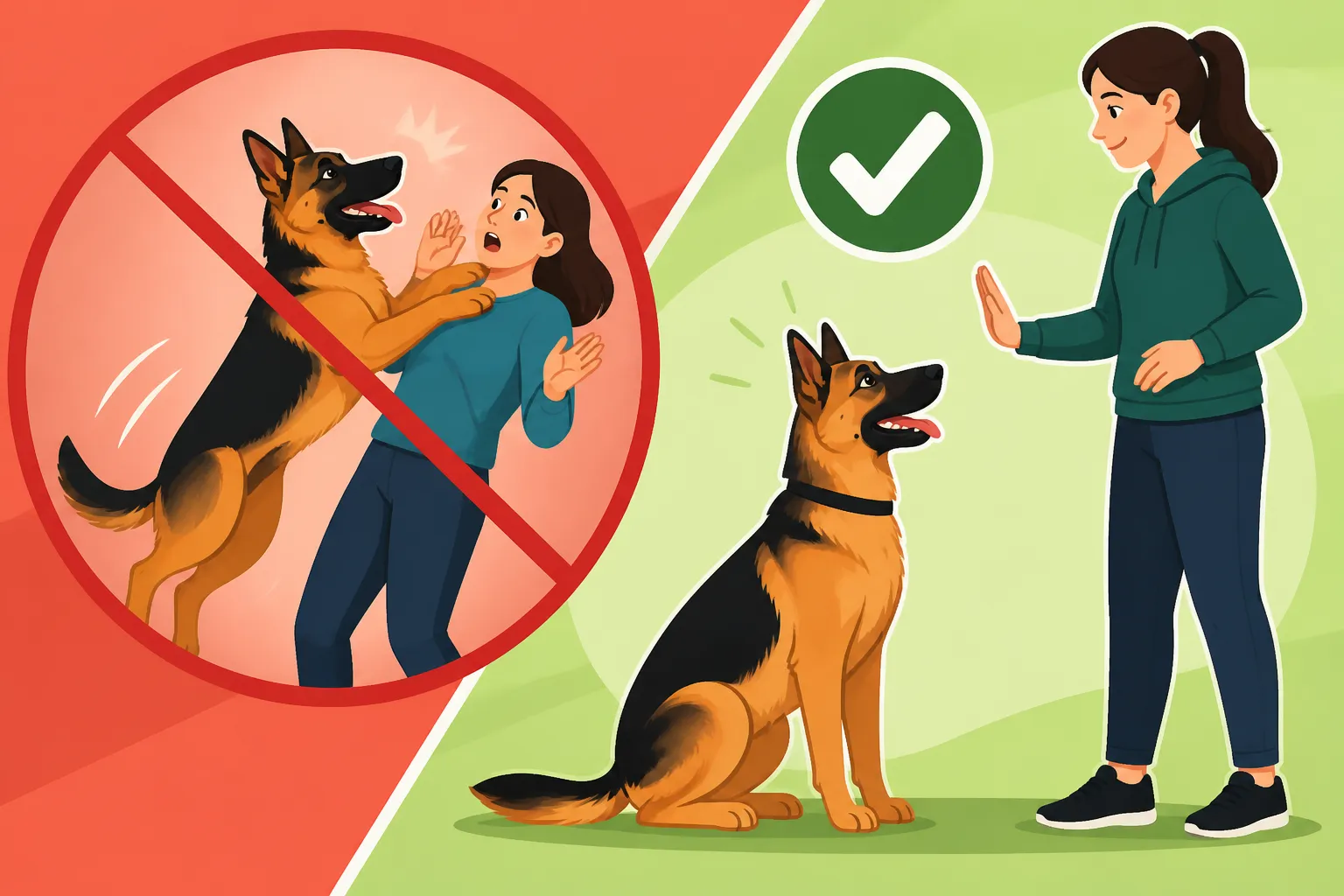
How to Stop a German Shepherd from Jumping
Few things are more frustrating than a large, enthusiastic German Shepherd launching themselves at you or your guests. While their intentions are often pure — a burst of joy or an eager greeting — their size and strength can quickly turn a friendly welcome into an unwelcome shove, scratched legs, or even a knocked-over visitor. This guide is here to walk you through exactly why your German Shepherd might be jumping and, more importantly, provide you with practical, empathetic strategies to curb this common but often challenging behavior, making greetings calm and enjoyable for everyone.
Understanding Why Your German Shepherd Jumps
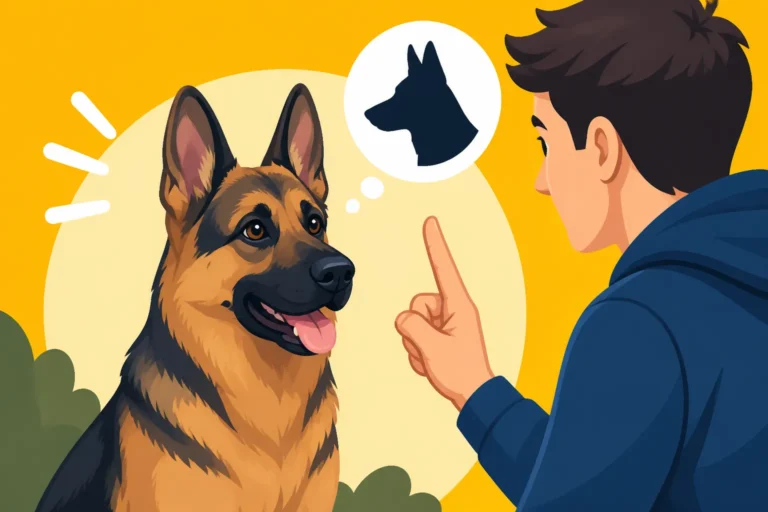
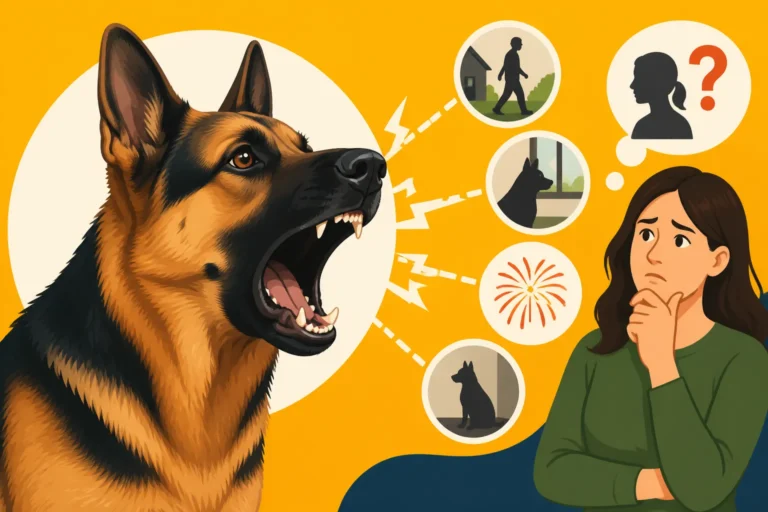
It's easy to just see the jumping as "bad behavior," but truly understanding why your German Shepherd feels the need to spring upwards is the first step toward effectively changing it. Dogs, especially intelligent and energetic breeds like German Shepherds, communicate through their actions. Their jumping is almost always a form of communication, rooted in a few key motivations.
Excitement and Greeting Behavior
Let's face it, your German Shepherd loves you. When you walk through the door after a long day, or when a new person steps into their territory, their world lights up. This surge of excitement often manifests as an uncontrollable urge to get closer to your face, which, in their mind, is the ultimate way to say "hello!" They might wag their entire body, whine with anticipation, and then whoosh – they're airborne. They're not trying to be naughty; they're genuinely thrilled and haven't learned a more appropriate way to express that joy. For many German Shepherds, this is a deeply ingrained social behavior, stemming from puppyhood when they might have jumped on their mother or littermates for attention or to initiate play. They simply haven't been taught that human greetings are different.
When a dog jumps up, they're often trying to reach eye level, which is a natural greeting behavior among canids. They're trying to sniff your face, or even give a little lick, which are all part of their natural social etiquette. The problem is, humans are a lot taller! So, what starts as an instinctual, affectionate gesture for them becomes a problematic, potentially painful habit for us. It’s crucial to remember this isn't malice; it's a misunderstanding of social norms between two different species.
Attention-Seeking and Demand Behavior
Beyond pure excitement, a German Shepherd might jump because it has learned that jumping gets them what they want: your attention. Even negative attention, like a verbal reprimand or pushing them away, can be perceived as a reward by a dog craving interaction. Imagine this scenario: your GSD nudges you, you ignore them. They bark, you ignore them. Then, they jump on you, and suddenly, you're looking at them, talking to them, and pushing them down. Bingo! From your dog's perspective, they just discovered the magic button for getting you to pay attention.
This can quickly become a demanding behavior, especially if it's not consistently addressed. Your German Shepherd might jump to demand petting, to get you to play, or even to signal that they need to go outside. They've effectively trained you to respond to their jumping. This pattern can be incredibly difficult to break because the reinforcement (your attention) is so powerful and immediate. This is particularly common in highly intelligent breeds like German Shepherds who are always looking for ways to interact and engage with their humans.
Lack of Early Training or Inconsistent Management
Many jumping problems stem from a lack of consistent training from a young age or inconsistent application of rules as they grow. When a German Shepherd puppy is small, their little jumps might be seen as cute. We might even inadvertently encourage it by bending down to greet them or petting them while they're jumping. However, a cute 15-pound puppy quickly becomes a powerful 70-pound adult. What was once adorable becomes dangerous.
Inconsistency is the biggest enemy of effective dog training. If sometimes jumping is allowed (e.g., when you're wearing old clothes or are in a playful mood) and sometimes it's not (e.g., when you're dressed for work or have guests), your German Shepherd will become confused. They don't understand the nuances of human situations; they just know that sometimes jumping works, and sometimes it doesn't. This makes it much harder for them to generalize the "no jumping" rule. Everyone in the household, and even frequent visitors, needs to be on the same page for training to stick.
Breed Instincts and Energy Levels
German Shepherds are renowned for their high energy levels, intelligence, and strong working drive. These traits, while fantastic for many purposes, can contribute to jumping behavior if not properly channeled. A bored or under-exercised German Shepherd has a lot of pent-up energy that needs an outlet. Jumping can be an easy way to burn off some of that energy and get attention simultaneously. Think of it as a double-win for them.
Their natural herding instincts can also play a subtle role. A German Shepherd might try to "herd" people by nudging or jumping, especially if they perceive someone moving away or acting unpredictably. This isn't usually the primary reason for jumping on people but can be a contributing factor in some situations, particularly with children or other animals. Providing enough mental and physical stimulation through proper German Shepherd Exercise Requirements and engaging training sessions is vital for managing their overall behavior, including jumping. A tired German Shepherd is often a well-behaved German Shepherd.
Foundational Training: Establishing Calm Greetings
Addressing jumping effectively requires a solid foundation of training that teaches your German Shepherd what to do instead of jumping. It's about proactive teaching, not just reactive correction. The goal is to make calm, four-paws-on-the-floor greetings the most rewarding and instinctive behavior for your dog.
The "Four Paws on the Floor" Rule
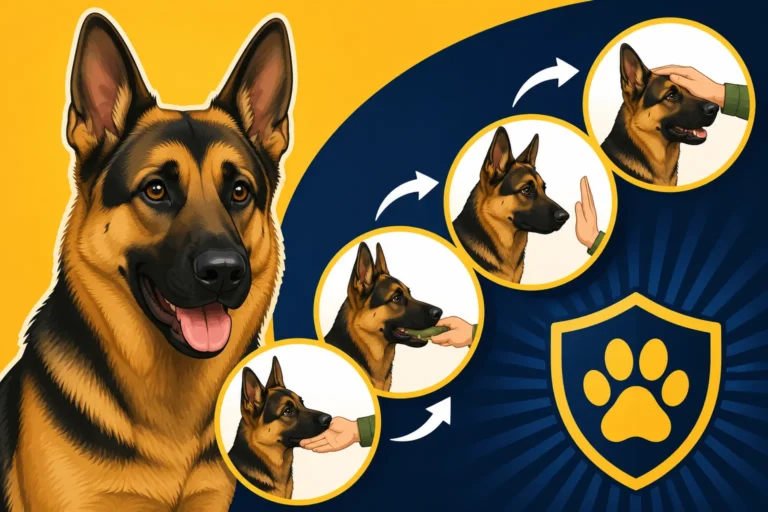
This is the golden rule, and it needs to be applied religiously. The core principle is simple: your German Shepherd gets absolutely zero attention – no eye contact, no talking, no touching – if any part of their body is off the ground in a greeting context. The moment all four paws are firmly planted, and they are calm, they immediately get lavish praise, gentle petting, or a small, high-value treat.
Start practicing this rule in a controlled environment, perhaps by having family members enter and exit a room. As soon as your dog starts to jump, turn your back, cross your arms, and completely ignore them. Don't say "no," don't push them away; just become a "boring tree." The instant they settle, even for a split second, turn back around, praise quietly, and reward. This isn't about punishment; it's about making jumping ineffective and calm behavior highly rewarding. It will take repetition, but your German Shepherd will quickly learn that the desired outcome (attention, treats, interaction) only comes when they keep all four paws on the ground. This consistent approach is key to any successful German Shepherd Obedience Training Basics.
Teaching an Alternative Behavior
Ignoring the unwanted behavior is only half the battle. You also need to actively teach and reward a replacement behavior. Instead of jumping, what do you want your German Shepherd to do when they're excited? Common alternative behaviors include sitting, lying down, or going to a designated "place" (like their bed or mat).
Teaching a solid "sit" or "down" command is foundational. Once your dog understands these commands in low-distraction environments, begin practicing them in situations where they might normally jump. For instance, when you arrive home, instead of waiting for them to jump, immediately ask for a "sit" as you walk through the door. If they sit, reward them generously. If they jump, disengage by turning away, wait for the calm, then re-engage and ask for the sit again. This takes patience, but it clearly communicates what you expect. You'll find that teaching German Shepherd Basic Commands Every Owner Should Teach is incredibly helpful here, as it provides a foundation for more complex behavioral modifications.
Another excellent alternative behavior is teaching them to go to a "place" or "mat." This involves training your German Shepherd to go to a specific spot and stay there until released. This is particularly useful when guests arrive. By directing them to their place before guests come in, you manage the environment and set them up for success. Reward them heavily for staying on their place, even if it's just for a few seconds initially. Gradually increase the duration and distraction.
Consistency Across All Interactions
This cannot be stressed enough: consistency is paramount. Every single person who interacts with your German Shepherd must adhere to the "four paws on the floor" rule and reinforce the desired alternative behavior. This includes every family member, houseguests, dog walkers, and even children. If one person allows jumping, even occasionally, it creates confusion and undermines all your hard work.
Hold a family meeting to discuss the rules. Explain why it's important and how everyone needs to react the same way. For guests who might not understand, prepare a brief explanation: "Please don't greet [Dog's Name] until he's sitting calmly with all four paws on the floor. If he jumps, just turn your back." You might even want to keep a small bag of treats near the door for guests to use when your dog performs the desired behavior. The more consistent the message, the faster your German Shepherd will learn. Consider enrolling in an online program like BAXTER & Bella, which offers structured lessons that can help ensure everyone in the family understands and applies consistent training methods.
Practical Strategies to Prevent Jumping in Various Scenarios
Jumping behavior isn't usually limited to one specific situation. Your German Shepherd might jump on guests, on you when you come home, or on strangers during walks. Each scenario presents its own unique challenges and requires tailored approaches.
Dealing with Guest Arrivals
This is often one of the most challenging situations because of the heightened excitement for both your dog and your visitors. The key is preparation and management.
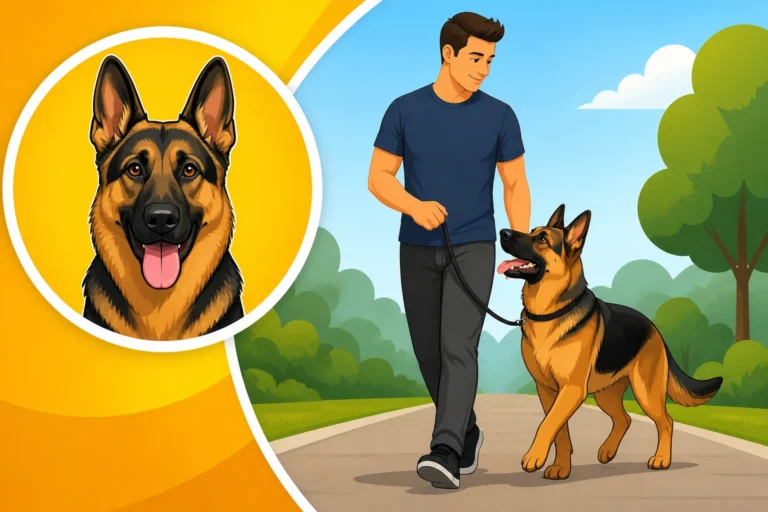
Before guests even knock on the door, make sure your German Shepherd has had ample exercise. A long walk or a good play session can take the edge off their energy. When you know guests are arriving, consider putting your dog on a leash before they come in. A short, sturdy leash, perhaps attached to your belt or a piece of furniture, gives you more control. This prevents the initial lunge and allows you to calmly ask for a sit or down. As the guest enters, immediately ask your dog to sit. If they remain sitting, the guest can offer a calm, low-key greeting and perhaps a small treat. If they jump, the guest should immediately turn their back and ignore the dog until all four paws are on the floor.
Alternatively, you can crate your dog or put them in another room with a favorite chew toy or puzzle while your guests arrive and settle in. Once the initial excitement has subsided, bring your German Shepherd out on a leash for a controlled greeting. This method allows your dog to slowly acclimate to the new presence without the overwhelming urge to jump. Remember, every successful, calm greeting builds positive associations. You can find excellent crates and other management tools on Amazon.
Managing Excitement During Walks or Park Visits
It’s not just about home greetings; many German Shepherds get overly excited and jump on other people or dogs when out and about. This can be embarrassing and potentially dangerous, especially if the person isn't expecting it.
When you're out on a walk, and you see someone approaching, prepare your German Shepherd. Shorten their leash, give a command like "heel" or "watch me," and offer a treat for calm behavior. If your dog starts to strain or look like they're about to jump, create distance or turn them around to redirect their focus. When a person wants to greet your dog, ask them to wait until your German Shepherd is sitting or standing calmly. You can even instruct them to avoid eye contact and pet your dog underneath the chin, rather than over the head, which can be less intimidating and less likely to elicit a jump. This falls under the realm of How to Leash Train a German Shepherd Puppy and ensuring they maintain composure in public.
For park visits or off-leash areas, it's even more critical to have a reliable recall and strong obedience. If your German Shepherd is prone to jumping on strangers, keep them on a long line until their greetings are consistently calm. Work on training a solid "leave it" command when approaching people, or a "go to mat" command if you're settling in a spot. Focus on rewarding calm engagement with you, rather than letting them self-reward by jumping on others.
Addressing Jumping on Family Members
This is often where consistency breaks down because family members are often more forgiving or simply used to the behavior. However, it's just as important to address jumping on family as it is on guests.
The "four paws on the floor" rule applies to every single entry and exit by a family member, every time you sit down on the couch, or any instance where your dog might initiate contact by jumping. This means if your German Shepherd jumps on you when you're making dinner, you immediately disengage, turn your back, and wait for them to settle. Only then do you re-engage. This includes young children as well; teach them how to properly greet the dog, and supervise their interactions closely. Young children often inadvertently reinforce jumping by squealing or running, which excites the dog further. Teach children to stand like a "tree" when the dog jumps and to only pet when the dog is calm and sitting.
Establish clear boundaries. For example, some families choose to have a "no dogs on the couch unless invited" rule. If your German Shepherd jumps onto the couch uninvited, calmly but firmly lead them off. This reinforces that all elevated interactions are on your terms, not theirs. Over time, your German Shepherd will learn that calm, polite requests for attention are far more effective than jumping.
Preventing Jumping in the Yard or Public Spaces
Outdoor environments often add more distractions and excitement, making jumping even more tempting for your German Shepherd. The strategies employed here are an extension of the indoor training but with increased vigilance.
In your yard, if your German Shepherd jumps on you during playtime, immediately stop the game. Turn your back and ignore them for a minute. Only resume play when they are calm. This teaches them that jumping equals the end of fun. If a delivery person or neighbor approaches your fence, preemptively put your dog on a leash and ask for a sit or stay away from the fence line. Reward for calm observation rather than jumping or barking.
In public spaces, especially busy ones, proactive management is key. Use a comfortable, well-fitting harness that gives you good control without causing discomfort. The German Shepherd Socialization Checklist can help you gradually expose your dog to different environments in a controlled manner, making them less prone to over-excitement and jumping. Always carry high-value treats to reward calm behavior. If your German Shepherd is generally overwhelmed by public spaces and prone to jumping, start with quieter areas and gradually increase the level of distraction as they improve. Remember, setting your dog up for success means not putting them in situations where they are guaranteed to fail.
Tools and Aids to Assist in Training
While patience and consistency are your primary tools, certain physical aids and resources can significantly help you in teaching your German Shepherd not to jump. These tools are designed to facilitate control and communication, making the training process smoother for both you and your dog.
Leashes, Harnesses, and Gate Management
A sturdy leash and a well-fitting harness are indispensable for managing a jumping German Shepherd, especially during initial training phases or in high-distraction environments. A front-clip harness, for example, can be particularly effective. When your dog pulls or tries to jump, the leash attachment point on their chest redirects their body back towards you, making it much harder for them to launch forward or upwards. Brands like Ruffwear or Easy Walk offer good options. Always ensure the harness is properly fitted so it's comfortable and effective.
Leash management is also key. A shorter leash (around 4-6 feet) gives you more immediate control than a retractable leash, which can actually encourage pulling and jumping by giving the dog too much slack. Using a leash to practice controlled greetings, as mentioned earlier, allows you to gently guide your dog into a sit or prevent a jump without resorting to harsh corrections.
Gates and crates are also excellent management tools. If your German Shepherd struggles with calm greetings, using a baby gate to create a barrier between them and arriving guests can prevent jumping entirely while still allowing them to see and hear what's happening. This controlled exposure can help them learn to be calm in the presence of visitors. Crate training is also invaluable, providing a safe, quiet space for your dog during high-excitement times and reinforcing independent calm behavior. You can find a wide range of these products on Amazon.
Utilizing Treats and Toys Effectively
High-value treats are a powerful motivator for German Shepherds. When training, use treats that your dog absolutely loves – small pieces of cooked chicken, cheese, or specialized training treats often work best. The higher the value of the treat, the more motivated your dog will be to perform the desired behavior. Remember, timing is everything: the treat must be delivered within 1-3 seconds of the desired behavior (e.g., all four paws on the floor) to create a clear association.
Toys can also be used as rewards, especially for German Shepherds with a strong play drive. A quick game of fetch or a tug session can be a fantastic reward for a calm greeting. Moreover, enrichment toys like puzzle feeders or KONGs can keep your German Shepherd mentally stimulated and physically occupied, reducing their overall energy levels and decreasing the likelihood of jumping out of boredom or pent-up energy. A mentally stimulated German Shepherd is less likely to resort to attention-seeking behaviors like jumping. For more ideas on how to keep your dog engaged, check out our guide on Best Mental Stimulation for German Shepherds.
Professional Help and Online Resources
Sometimes, despite your best efforts, you might feel stuck or overwhelmed. This is where professional help can make a huge difference. A certified professional dog trainer or a veterinary behaviorist can assess your specific situation, identify underlying causes for the jumping, and develop a personalized training plan. They can also demonstrate techniques firsthand and provide invaluable feedback.
For those who prefer a flexible learning approach, online training platforms like BAXTER & Bella offer comprehensive programs that cover a wide range of behaviors, including jumping. These platforms often provide video tutorials, live Q&A sessions, and community support, allowing you to train at your own pace from home. The structured curriculum ensures that you're building foundational skills progressively, which is essential for German Shepherds. Such resources can be particularly helpful for new owners or those dealing with persistent issues, guiding you through the steps to successfully How to Train a German Shepherd.
Common Mistakes to Avoid and Troubleshooting Tips
Even with the best intentions, it's easy to fall into common traps or feel discouraged when training a German Shepherd to stop jumping. Understanding these pitfalls and having troubleshooting strategies can keep you on track.
Inadvertently Reinforcing Jumping
This is perhaps the most common mistake owners make. Any form of attention, even negative attention, can be seen as a reward by your German Shepherd. If you push your dog down, say "no," make eye contact, or even just sigh loudly when they jump, you're still interacting with them. In their world, this interaction is a victory. They might think, "Okay, jumping gets me noticed!"
The solution is strict, consistent ignoring. Think of yourself as a statue. The moment a paw leaves the ground, turn your entire body away, cross your arms, and look at the ceiling or the floor. Make yourself utterly boring. Do not speak, do not touch, do not make eye contact. Wait until all four paws are back on the floor, and they are calm, then you can acknowledge them with praise or a treat. This might feel counter-intuitive at first, but it's incredibly powerful because it removes all reinforcement for the jumping behavior. Over time, your German Shepherd will realize that jumping yields nothing, while calm behavior brings all the good things.
Getting Frustrated or Using Punishment
Training can be frustrating, especially when your German Shepherd seems to regress or not "get it." However, becoming angry, yelling, or resorting to physical punishment (like kneeing them in the chest or hitting them) is not only ineffective but also damaging to your relationship with your dog. German Shepherds are sensitive and intelligent; harsh punishment can lead to fear, anxiety, and a breakdown of trust. It might suppress the jumping in your presence, but it doesn't teach them what to do instead, and they might still jump when you're not around or when they're particularly excited. Moreover, it doesn't address the underlying reason for the jumping.
Instead of punishment, focus on positive reinforcement and management. If you feel your frustration rising, take a break. Put your dog in their crate with a chew, walk away, and compose yourself. Remember that your German Shepherd isn't trying to be malicious; they're behaving in a way that has worked for them in the past. Reframe the situation: it's not about punishing bad behavior, but about teaching new, appropriate behaviors and rewarding them generously. Consistency and patience will always win over anger and frustration.
What to Do When Progress Stalls
It's natural for progress to ebb and flow in dog training. If you find that your German Shepherd isn't improving, or even seems to be getting worse, it's time to troubleshoot.
- Re-evaluate Consistency: Is everyone in the household following the rules 100% of the time? Are you letting it slide sometimes? Even one instance of reinforcement can set you back. Ensure a united front.
- Lower Distractions: Are you asking too much too soon? If your German Shepherd jumps when guests arrive, go back to practicing with just family members. If they jump on walks, practice in a very quiet area before moving to busier spots. Gradually increase the difficulty.
- Increase Reward Value: Is your chosen treat or toy truly motivating enough for the situation? In highly exciting scenarios, you might need a super high-value treat to capture their attention and reward calm behavior.
- Review the Alternative Behavior: Is your "sit" or "down" command truly solid? Practice it repeatedly in various settings, making it so ingrained that it becomes their go-to default.
- Seek Professional Guidance: Don't hesitate to contact a certified professional dog trainer. They can observe your interactions and offer insights and techniques you might not have considered. Sometimes, an outside perspective is exactly what's needed to identify the sticking point. This is especially true if you suspect other behavioral issues are contributing to the jumping. For comprehensive insights, you might also want to review our general guide on German Shepherd Behavior Problems and Solutions.
It's a journey, not a sprint. Celebrate small victories and remain patient and persistent, and you will eventually see lasting change in your German Shepherd's greeting manners.
Here's a quick reference table to help visualize common jumping scenarios and effective solutions:
| Scenario | Why They Jump | Immediate Action (Disengage) | Proactive Training (Engage) | Key Management Tools |
|---|---|---|---|---|
| Guest Arrival | Excitement, attention-seeking | Turn back, cross arms, no eye contact/talking | Ask for "sit" or "place" before entry; reward calm | Leash, crate, baby gate, high-value treats |
| Family Member Entry | Excitement, greeting ritual | Turn back, ignore until calm | Immediately ask for "sit" or "down" upon entry | Consistent family rules, treats |
| During Playtime | Excitement, demand for continued play | Stop play immediately, turn away | Resume play only when calm; reward polite requests | Interactive toys, clear "stop" cues |
| On Walks/Public Spaces | Excitement, seeking interaction, frustration | Shorten leash, create distance, redirect focus | "Heel," "watch me," "sit" as people approach | Front-clip harness, short leash, high-value treats, long line |
| Demand for Attention (General) | Learned behavior for attention | Ignore completely (no eye contact, touch, talk) | Reward for calm presence near you (e.g., lying down) | Puzzle toys, designated "place" command |
Disclaimer
This article is for general informational purposes only and does not constitute professional advice. Laws, prices and regulations vary by location and change over time. Consult a qualified professional for guidance on your specific situation.