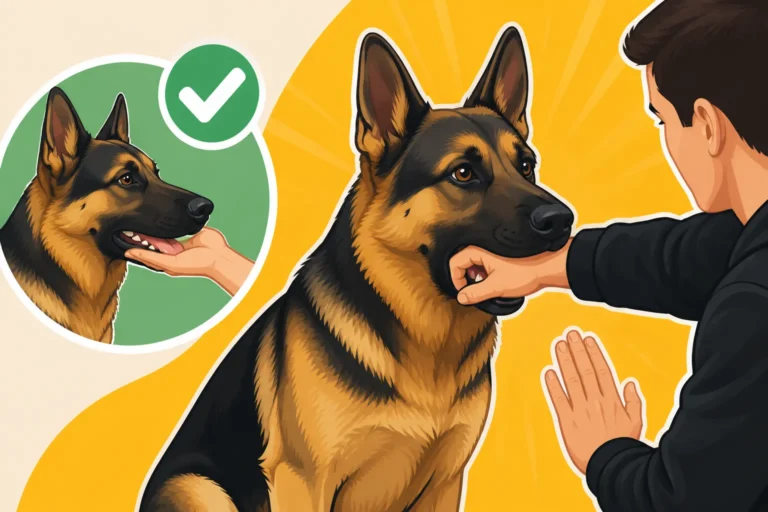
German Shepherd IGP Sport Explained
Many German Shepherd owners find themselves captivated by their dog's incredible intelligence, drive, and athleticism, yet struggle to find an outlet that truly harnesses these magnificent traits. You might have heard whispers of "Schutzhund" or "IGP" and wondered if this intense, highly disciplined sport could be the answer to channel your GSD's boundless energy and sharp mind, but the jargon and perceived complexity can feel intimidating. This comprehensive guide is here to demystify the German Shepherd IGP sport, breaking down its intricate phases, exploring its profound benefits, and outlining how you can begin this rewarding journey with your canine partner.
What is IGP Sport for German Shepherds?
For those new to the world of high-level dog sports, the term "IGP" might sound a bit mysterious. It stands for "Internationale Gebrauchshund Pruefung," which translates to "International Working Dog Test." This sport, formerly known as Schutzhund (German for "protection dog"), is a demanding three-phase discipline designed to test a German Shepherd's temperament, intelligence, physical prowess, and overall utility. It’s far more than just a competition; it’s a commitment to developing a well-rounded, highly obedient, and stable canine companion.
From Schutzhund to IGP: A Name Change, Same Spirit
The name change from Schutzhund to IGP in 2017 was primarily a rebranding effort to broaden the sport's appeal and emphasize its international nature. Despite the new acronym, the fundamental principles and the spirit of the sport remain exactly the same. Schutzhund was originally developed in Germany in the early 20th century to identify and preserve the working abilities of the German Shepherd Dog breed. Breeders needed a way to objectively assess the temperament, courage, trainability, and physical soundness of their dogs before approving them for breeding. This rigorous testing ensured that only the best working dogs contributed to the breed's future, helping to maintain the German Shepherd's reputation as a versatile and capable working animal.
Today, IGP continues this legacy by testing dogs in three distinct areas: tracking, obedience, and protection. It's a sport that demands exceptional teamwork between handler and dog, profound understanding of canine behavior, and a dedication to consistent, fair, and humane training methods. The roots of the sport are deeply intertwined with the development of the German Shepherd breed itself, and participating in IGP can offer a unique insight into the breed's inherent capabilities.
The Core Philosophy: A Holistic Approach to Canine Development
At its heart, IGP isn't about creating aggressive dogs or merely winning titles; it's about developing the whole dog – mind, body, and spirit – into a balanced and responsive partner. The core philosophy centers on proving a dog's suitability for various working roles, from police work to search and rescue, by demonstrating stable nerves, sound temperament, high intelligence, and unwavering courage. A German Shepherd participating in IGP is expected to exhibit controlled drive, keen focus, and a strong desire to please its handler, even under pressure.
This holistic approach means that training for IGP goes beyond simply teaching commands. It delves into understanding your dog’s natural instincts, channeling their prey drive, defensive drives, and tracking abilities into a structured, controllable framework. It challenges the dog mentally through complex tracking problems and precision obedience, and physically through demanding exercises and controlled bite work. The ultimate goal is a dog that is confident, self-assured, resilient, and utterly devoted to its handler, showcasing a perfect blend of natural aptitude and disciplined training. This rigorous development process not only builds an incredible athlete but also fosters an unparalleled bond between human and dog, transforming them into a true team.
The Three Phases of IGP for German Shepherds
IGP is comprised of three distinct phases: Tracking (Fährtenarbeit), Obedience (Unterordnung), and Protection (Schutzdienst). Each phase tests different aspects of a German Shepherd's abilities and requires specific training techniques and a deep understanding of canine behavior.
Phase 1: Tracking (Fährtenarbeit)
Tracking is often considered the foundation of IGP, testing the dog's natural ability to follow a human scent trail on various terrains. In this phase, a human "track layer" walks across a field, dropping small articles (like leather or carpet pieces) along the way. After a certain period (which increases with the difficulty level), the dog is guided to the starting point and must follow the track meticulously, indicating each article it finds by lying down or sitting beside it.
This isn't just about sniffing; it's about concentration, methodical work, and scent discrimination. The dog must distinguish the track layer's specific scent from other environmental odors, ignoring distractions like wildlife trails or residual human scents. Factors like wind, humidity, ground cover, and the age of the track significantly increase the challenge. Successfully completing a tracking phase demonstrates a German Shepherd's exceptional focus, perseverance, and highly developed olfactory senses, truly showcasing their incredible working potential. It also requires immense patience from the handler, as success hinges on letting the dog work independently while providing subtle guidance.
Phase 2: Obedience (Unterordnung)
The obedience phase in IGP is far more demanding than standard pet obedience, requiring a high degree of precision, enthusiasm, and control. It evaluates the dog's willingness to work, its nerve stability, and the harmony between dog and handler. The exercises include on-leash and off-leash heeling, where the dog must walk perfectly beside the handler, maintaining eye contact and responding instantly to directional changes and stops. There are also specific retrieve exercises, including retrieving a dumbbell on flat ground, over a 1-meter hurdle, and over a 6-foot A-frame wall.
Further challenges include the "send out," where the dog runs a long distance away from the handler and lies down on command, and long down-stays under distraction. Every movement, every position change, and every retrieve is scored on precision, speed, and attitude. A perfect obedience routine showcases a German Shepherd that is not only highly trained but also incredibly engaged and joyful in its work, demonstrating an almost telepathic connection with its handler. It's about a seamless partnership, where the dog anticipates and executes commands with minimal visible cues. You can learn more about developing a strong foundation in German Shepherd Obedience Training Basics.
Phase 3: Protection (Schutzdienst)
The protection phase is often the most misunderstood and visually dramatic part of IGP. It tests the German Shepherd's courage, natural defensive instincts, strength, and, crucially, its self-control. It is NOT about aggression; it is about controlled drive and handler protection. The dog must locate a "helper" (a trained decoy wearing protective equipment) hidden in blinds (small shelters), bark to indicate the helper's presence, and prevent them from "escaping." When the helper simulates an attack on the handler or attempts to flee, the dog is required to firmly bite the padded sleeve worn by the helper.
Crucially, the dog must release the bite immediately on command from the handler and guard the helper. This emphasis on control is paramount. A dog that continues to bite after the command or shows uncontrolled aggression will be faulted. The protection work demonstrates the German Shepherd's inherent protective instincts, its unwavering loyalty to its handler, and its ability to switch between intense drive and calm obedience on command. It's a testament to the dog's mental fortitude and the handler's ability to manage powerful working drives responsibly. Understanding the nuances of this phase is critical, as it directly relates to managing inherent breed traits, as discussed in How to Stop German Shepherd Aggression.
| IGP Phase | Primary Focus | Key Elements | Common Challenges |
|---|---|---|---|
| Tracking | Scent discrimination, concentration, perseverance | Following human footsteps, indicating articles, various terrain types | Environmental distractions (wildlife, other scents), weather conditions (wind, rain), maintaining consistent pace |
| Obedience | Precision, control, teamwork, enthusiasm | Off-leash heeling, retrieves (flat, hurdle, A-frame), send-out, long down | Maintaining focus under distraction, combining drive with precision, handler nerves, proofing commands in new environments |
| Protection | Courage, self-control, drive, handler defense | Search for helper, bark and hold, controlled bite work, out command, guarding | Ensuring precise "out" command, maintaining control and calm during high-drive work, proper targeting of the sleeve |
Benefits and Challenges of IGP Training
Embarking on the IGP journey with your German Shepherd is a significant undertaking that offers profound rewards, but also demands a considerable commitment. It's not a path for the faint of heart, but for those who embrace it, the benefits can be truly transformative for both dog and owner.
Building an Unbreakable Bond and Discipline
One of the most remarkable outcomes of IGP training is the creation of an almost unbreakable bond between you and your German Shepherd. This isn't just about spending time together; it's about facing complex challenges, celebrating successes, and learning to communicate on a deeper, more instinctual level. The intense focus required for tracking, the precise teamwork in obedience, and the controlled courage in protection work forge a partnership built on trust, mutual respect, and clear understanding. Your dog learns to rely on your guidance, and you learn to read your dog’s subtle cues, creating a synergy that is truly special.
Beyond the bond, IGP instills unparalleled discipline. Dogs learn to control their powerful drives, to focus amidst chaos, and to perform complex tasks with precision and enthusiasm. This high level of discipline translates into a dog that is not only excelling in sport but also incredibly well-behaved, responsive, and stable in everyday life. Think of a German Shepherd that can execute a perfect long down-stay at an IGP trial, and then calmly settle at your feet at a busy outdoor cafe. This level of self-control is a hallmark of good IGP training. It provides immense mental stimulation for German Shepherds, which is crucial for preventing common behavioral issues. For more on keeping your dog engaged, see our guide on Best Mental Stimulation for German Shepherds.
The Commitment Required: Time, Effort, and Resources
While the rewards are immense, it’s crucial to be realistic about the commitment IGP training demands. This is not a casual hobby. You'll need to dedicate significant time – often several days a week – to training sessions, which can last for hours. Tracking sessions might start early in the morning before the ground dries out, obedience might be in a group setting, and protection work requires the availability of a skilled helper and appropriate equipment. This means rearranging your schedule and prioritizing your dog's training.
The effort involved is also substantial. You'll need to be physically capable of keeping up with your dog, especially in the obedience phase. Mentally, you'll need patience, resilience, and a willingness to constantly learn and refine your handling skills. Training a German Shepherd for IGP is a continuous learning curve, and it often involves overcoming plateaus and frustrations. Furthermore, there are financial resources to consider. Club memberships, entry fees for trials, specialized equipment (like tracking lines, obedience dumbbells, and tug toys available on platforms like Amazon), and potentially travel expenses for competitions can add up. It’s a lifestyle commitment, not just a training program.
Getting Started with IGP Training
The thought of diving into IGP might seem overwhelming, but with the right approach and resources, it’s an achievable goal for dedicated German Shepherd owners. The key is to start with a strong foundation and seek out experienced guidance.
Finding the Right Club and Trainer
This is, without a doubt, the most critical step. IGP is a specialized sport, and attempting to train it without expert guidance can be counterproductive and even dangerous, particularly in the protection phase. You need to find an established IGP club with experienced, ethical trainers and helpers who prioritize the dog's well-being and control above all else. A good club will focus on building drives, confidence, and control in a positive, systematic way.
When looking for a club, don't be afraid to visit several, observe their training methods, and ask questions. Look for:
- Positive reinforcement methods: While corrections are part of balanced dog training, look for trainers who primarily use motivation and reward to build desire and enthusiasm.
- Emphasis on control and safety: Especially in protection work, safety for both dog and helper should be paramount, and the "out" command (releasing the bite) should be non-negotiable.
- Experienced helpers: A good helper is crucial for the protection phase, knowing how to properly present the sleeve and build the dog's confidence and courage.
- A supportive community: IGP is a team sport, and a good club fosters a supportive environment where members help each other grow.
Many clubs offer introductory classes or observation opportunities for newcomers. Don't rush into committing to the first club you find; make sure it's the right fit for you and your German Shepherd. This is also where understanding your dog's German Shepherd Training Timeline by Age can help you gauge readiness.
Essential Gear and Early Steps
Before you even step onto the training field, there are some essential pieces of equipment you'll need, and some foundational work you can start at home.
Essential Gear:
- Long Line/Tracking Line: A 30-foot (or longer) nylon or biothane line is crucial for tracking and for proofing obedience at a distance. You can find many options on Amazon.
- Flat Buckle Collar/Training Collar: A well-fitting collar is essential. Some trainers use slip leads or prong collars, but always discuss equipment choices with your trainer to ensure proper, humane use.
- High-Value Treats: Small, soft, incredibly tempting treats are indispensable for motivation and reward, especially in early tracking and obedience.
- Durable Tug Toys/Bite Tugs: These are vital for building drive and as a reward in all three phases. Look for sturdy materials like jute or French linen. Again, Amazon has a wide selection.
- Dumbbells: For obedience retrieves, you'll need specific IGP-compliant dumbbells made of wood.
Early Steps You Can Take:
- Build a strong retrieve: Teach your dog to enthusiastically bring objects back to you. Start with toys and make it a fun game.
- Develop focus and engagement: Play games that encourage eye contact and attention on you, even with distractions. Tug-of-war is excellent for building drive and bond, but always ensure you initiate and end the game.
- Basic obedience to a high standard: A solid "sit," "down," "stay," and a reliable recall are non-negotiable. While IGP obedience is more advanced, these basics are the building blocks. If you're looking for comprehensive online guidance, consider platforms like BAXTER & Bella, which offer structured programs to establish a strong obedience foundation before you dive into specialized sports.
- Socialization: Ensure your German Shepherd is well-socialized and comfortable in various environments and around other dogs and people. This builds nerve strength and confidence, which is vital for IGP. Our guide on How to Socialize a German Shepherd offers valuable insights.
Starting with these fundamentals will give you a significant advantage and allow you to fully benefit from specialized IGP instruction once you join a club.
Is IGP Right for Your German Shepherd?
IGP is not for every German Shepherd, nor is it for every owner. It requires a specific type of dog and a particular level of dedication from the human handler. Before you commit, it's wise to honestly assess if this challenging and rewarding sport aligns with your dog's temperament and your lifestyle.
Temperament and Drive: Key Indicators
A German Shepherd that excels in IGP typically possesses a combination of specific temperament traits and natural drives. These aren't traits that can be entirely trained into a dog; they are largely inherent.
Look for a German Shepherd with:
- High Drive: This refers to a strong desire to work, play, and engage with its environment and handler. It's the engine that powers their performance. Dogs with strong prey drive (desire to chase and capture) and defensive drive (instinct to protect themselves or their handler) are excellent candidates, as these drives are channeled and controlled in protection work.
- Confidence and Courage: An IGP dog must be confident in new environments, unfazed by loud noises, strange people, or challenging situations. They need true courage to face a helper in protection work without hesitation or fear. Shyness or fearfulness are significant disqualifiers.
- Intelligence and Trainability: German Shepherds are renowned for their intelligence, but an IGP candidate needs to be particularly eager to learn and capable of understanding complex sequences of commands. They should be highly responsive and willing to please their handler.
- Sound Nerves: This means the dog can recover quickly from startling events, remains stable under pressure, and doesn't exhibit excessive anxiety or overreactivity. A dog with strong nerves can think clearly even in high-stress situations.
If your German Shepherd is timid, easily overwhelmed, or shows aggression without control, IGP is likely not the right fit. The sport aims to channel drives, not create them, and certainly not to exacerbate existing behavioral issues. A dog with behavioral problems should first address those issues, perhaps with guidance from resources like German Shepherd Behavior Problems and Solutions, before considering a demanding sport like IGP.
Evaluating Your Commitment and Lifestyle
Beyond your dog's natural aptitude, your commitment and lifestyle are equally important considerations. IGP is a journey, not a destination, and it demands consistent dedication over several years to achieve titles.
Ask yourself:
- Do I have the time? As mentioned, IGP training is a serious time commitment. Are you willing to dedicate multiple days a week, often for several hours per session, to training? This includes driving to the club, working on individual phases, and practicing at home.
- Am I physically able? The obedience phase, in particular, requires you to move quickly and precisely alongside your dog. Are you capable of running with your German Shepherd, throwing retrieves, and maintaining an energetic pace?
- Am I mentally prepared for the challenge? Training for IGP can be frustrating at times. Progress isn't always linear, and you'll encounter setbacks. Are you patient, resilient, and open to constructive criticism from experienced trainers?
- Can I afford the resources? The costs for club membership, equipment, trial fees, and potential travel should be budgeted for. Is this a financial commitment you can comfortably make?
- What are my goals? Are you looking for a fun hobby, or do you aspire to compete at a high level? Your goals will influence the intensity of your commitment.
IGP is a fantastic way to develop your German Shepherd's full potential and build an incredible partnership, but it's essential to enter into it with a clear understanding of what it entails. For those who embrace the challenge, it can be one of the most enriching experiences of dog ownership. Remember, a healthy German Shepherd is a good candidate for any sport, so prioritizing their overall well-being as outlined in our German Shepherd Health Problems Guide is always the first step.
Navigating the IGP Competition Journey
Once you and your German Shepherd have put in the hard work and built a solid foundation, the next exciting step is to enter the world of IGP competitions. This is where all your training culminates in a test of skill, teamwork, and nerve under pressure. Understanding the competition structure and how to progress through the levels can help demystify the process and give you clear goals.
IGP Titles and Levels Explained
The IGP sport is structured with progressive titles, each building upon the skills and expectations of the previous one. This tiered system ensures that dogs and handlers gradually develop their abilities, proving their proficiency at each stage before moving on. There are typically three main levels, along with some introductory options:
- BH (Begleithund): This is the prerequisite "traffic-sure companion dog" test. It's not an IGP title itself, but a necessary foundation. The BH test evaluates basic obedience (heeling, sit, down, stay, recall) and the dog's temperament and composure in everyday public situations (e.g., encountering people, bicycles, other dogs, loud noises). Passing the BH demonstrates that your German Shepherd is a well-behaved and stable member of society, a crucial step before advanced working dog sports.
- IGP1: This is the entry-level IGP title. To earn IGP1, the dog must pass all three phases (Tracking, Obedience, Protection) with a minimum score of 70 points out of 100 in each phase. The requirements for each phase are less demanding than the higher levels, but still require significant precision and control. For instance, the tracking phase will involve a shorter, younger track with fewer turns, and the obedience and protection exercises will be simpler variations of the advanced routines.
- IGP2: The intermediate level, IGP2, demands a higher degree of difficulty and precision in all three phases. The tracking phase will be longer, older, and have more complex angles. Obedience routines require faster transitions and more refined execution. Protection work includes more challenging scenarios, testing the dog's courage and control under increased pressure. Dogs must have successfully completed IGP1 to compete for IGP2.
- IGP3: This is the master level, representing the pinnacle of achievement in the IGP sport. IGP3 tests are extremely rigorous, requiring a German Shepherd and handler team to perform at the highest possible standard across all three phases. Tracking involves a long, old, intricate track with numerous articles. Obedience is flawless, showcasing exceptional speed, precision, and drive. Protection work demands ultimate courage, control, and resilience in complex scenarios. To earn IGP3, dogs must have successfully completed IGP2. Many top IGP competitors and breeders aim for IGP3 as a testament to their dog's superior working abilities.
Each title earned is a testament to years of dedicated training, consistent effort, and a deep partnership between dog and handler. It’s a journey of continuous improvement and learning.
The Role of Judges and Scoring
IGP trials are judged by certified judges who are experts in canine behavior, training, and the sport's rules. They meticulously evaluate every aspect of the dog's performance in all three phases, assigning points based on precision, enthusiasm, speed, control, and adherence to the specific criteria for each exercise.
Scoring Breakdown:
- Each phase (Tracking, Obedience, Protection) is worth 100 points.
- To pass a phase, a dog must achieve a minimum of 70 points. If a dog fails any single phase, it fails the entire trial.
- Points are deducted for errors, lack of enthusiasm, slow execution, poor position, or any display of aggression or lack of control outside of the prescribed protection exercises.
- A "V" (Vorzüglich – Excellent) is awarded for scores of 90-100 points, "SG" (Sehr Gut – Very Good) for 80-89 points, "G" (Gut – Good) for 70-79 points. Below 70 points is "M" (Mangelhaft – Insufficient) and results in failure.
Judges are looking for a complete picture: a dog that not only performs the exercises correctly but does so with eagerness, confidence, and a strong connection to its handler. They assess the dog's temperament, nerve strength, and physical condition throughout the trial. It's a comprehensive evaluation that truly identifies a superior working dog. This kind of detailed assessment underscores the importance of a dog's health, as discussed in Signs of a Healthy German Shepherd. The judging process can be nerve-wracking for handlers, but it provides invaluable feedback for continued training and development.
Conclusion: A Journey of Partnership and Potential
The German Shepherd IGP sport is far more than just a series of exercises; it's a profound journey of partnership, discipline, and unlocking the incredible potential of your canine companion. It demands an immense commitment of time, effort, and resources, pushing both dog and handler to their limits, but the rewards—a bond unlike any other, a dog of exceptional stability and skill, and the immense satisfaction of achieving shared goals—are immeasurable.
Whether you aspire to reach the highest IGP3 title or simply want to engage your German Shepherd in a structured, stimulating activity, understanding the sport's three phases, its underlying philosophy, and the commitment required is the first step. Seek out ethical, experienced trainers, invest in the right equipment (many great options are available on Amazon), and embrace the continuous learning process. For those dedicated owners and their magnificent German Shepherds with the right temperament and drive, IGP offers an unparalleled path to developing a truly world-class working dog and an unbreakable lifelong bond. It's a testament to the enduring legacy of the German Shepherd as a breed designed for purpose and partnership.
Disclaimer
Please remember that the information provided in this guide is for educational purposes only and should not replace professional veterinary advice or the guidance of a certified professional dog trainer. Always consult with a qualified veterinarian regarding your dog's health and consult with experienced IGP trainers before attempting any advanced training, especially protection work. IGP training involves powerful drives and should only be undertaken under expert supervision to ensure the safety and well-being of both dog and handler.