German Shepherd Hip Dysplasia Explained
It's one of the most heartbreaking phrases a German Shepherd owner can hear: "Your dog has hip dysplasia." The fear, the worry about their pain, the questions about their future quality of life – it’s overwhelming. You bought a German Shepherd, a breed renowned for its loyalty and strength, only to discover they're predisposed to a condition that can steal their joy and mobility far too soon. This comprehensive guide isn't here to scare you, but to empower you. We're going to dive deep into everything you need to know about German Shepherd hip dysplasia, from understanding its origins to exploring every possible treatment and prevention strategy, so you can be the best advocate for your beloved companion.
Understanding German Shepherd Hip Dysplasia
When you bring home a German Shepherd, you're not just getting a dog; you're welcoming a majestic, intelligent, and often very active member into your family. However, with their incredible genetics comes a predisposition to certain health challenges, and none is quite as synonymous with the breed as hip dysplasia. It’s a condition that can cause immense frustration and worry for owners, especially as they watch their once-energetic companion slow down. This isn't just a simple ache; it's a fundamental issue with their very structure.
What Exactly is Hip Dysplasia?
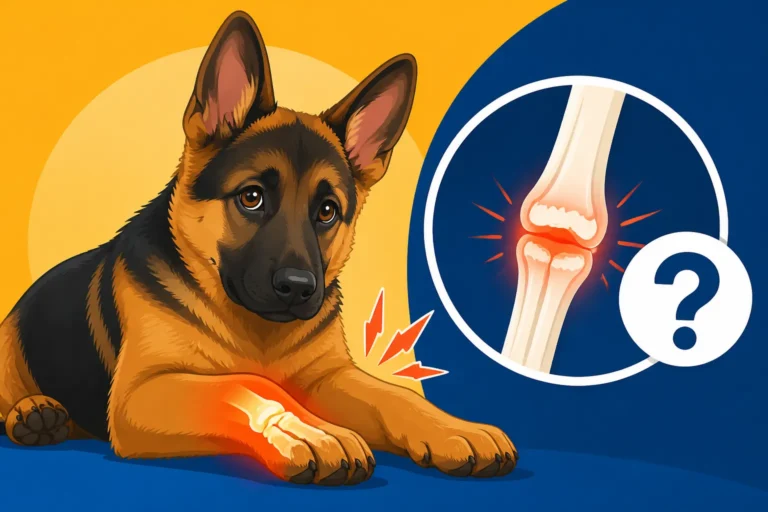
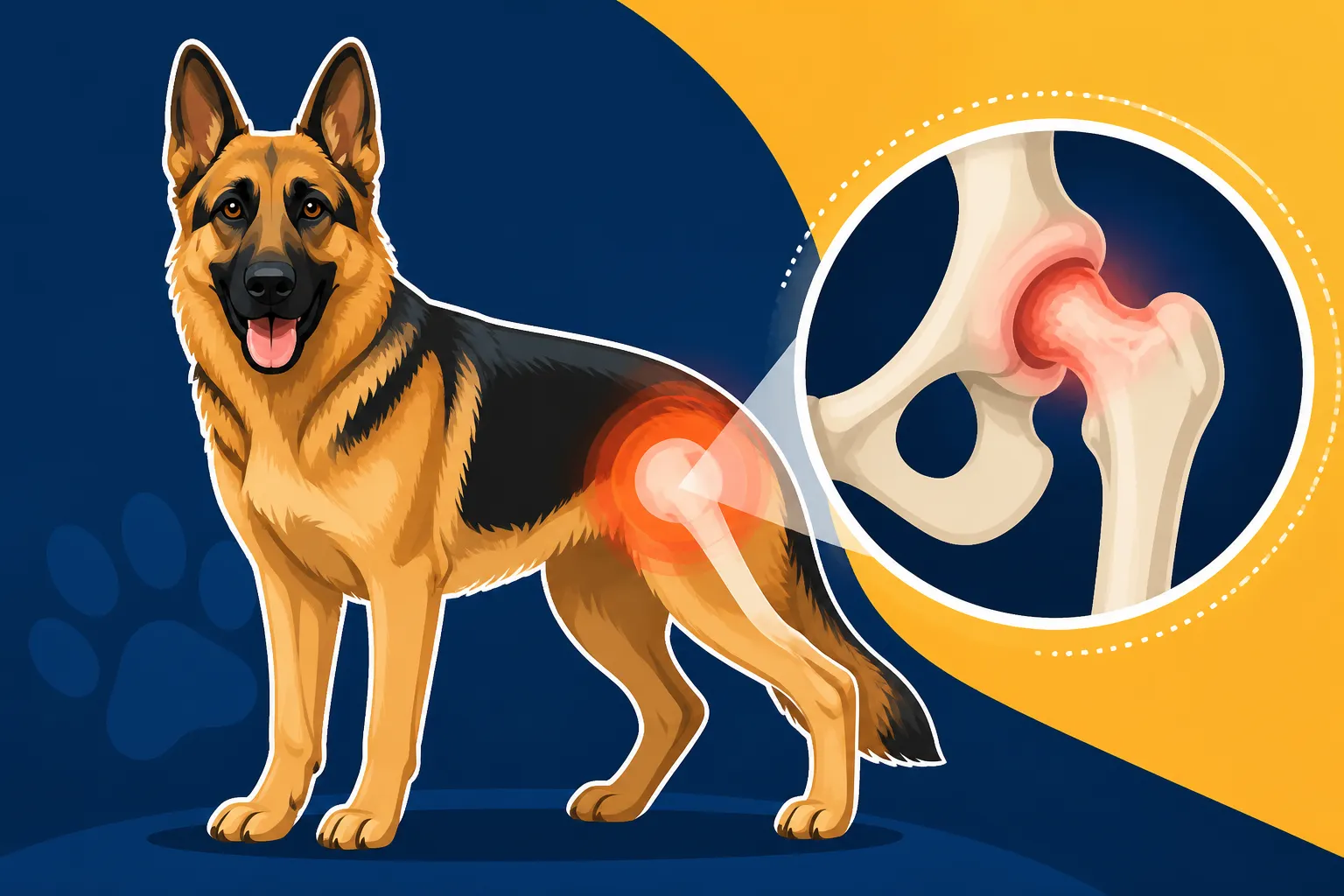
At its core, hip dysplasia is a developmental condition where the hip joint doesn't form correctly. Think of a ball and socket joint, like the one in your own hip. For a German Shepherd, the "ball" (the head of the femur, or thigh bone) doesn't fit snugly and smoothly into the "socket" (the acetabulum, part of the pelvis). Instead, the socket might be too shallow, or the ball might be flattened or poorly formed.
This misalignment means that instead of gliding smoothly, the ball and socket grind against each other with every movement. This constant friction leads to wear and tear, eventually causing painful inflammation, cartilage damage, and the development of osteoarthritis. It’s important to understand that puppies aren't born with hip dysplasia in its clinical form; rather, they are born with genetically pre-disposed hip laxity that then develops into dysplasia as they grow, with environmental factors playing a significant role. It's a progressive disease, meaning it tends to get worse over time if not managed. The laxity, or looseness, in the joint is the initial problem, leading to instability and the eventual degeneration of the joint.
Why German Shepherds are Particularly Prone
It feels unfair, doesn't it? To have such a noble breed be so susceptible to such a debilitating condition. But the truth is, German Shepherds are indeed one of the breeds most commonly affected by hip dysplasia, alongside others like Labrador Retrievers and Golden Retrievers. The primary culprit is genetics. The genes responsible for proper hip joint development are unfortunately widespread within the German Shepherd gene pool. This means that even dogs with outwardly healthy parents can still carry the genes and pass them on.
Beyond genetics, several factors contribute to the prevalence and severity of hip dysplasia in German Shepherds. Their rapid growth rate, especially during puppyhood, can exacerbate the condition. If a puppy grows too quickly, their bones and joints may not develop uniformly, increasing laxity. High-impact exercise at a young age, excessive weight, and even certain nutritional deficiencies or imbalances can also play a role. It's a multi-faceted problem that often leaves owners feeling helpless, wondering if they could have done anything differently. The good news is that understanding these factors allows us to take proactive steps to mitigate risks, which we'll discuss later in this guide. This is just one of many German Shepherd Health Problems Guide that owners often face.
The Stages of Hip Dysplasia
Hip dysplasia isn't a static condition; it evolves, often silently at first, then progressively causing more discomfort and mobility issues. Understanding these stages can help you grasp what's happening inside your dog's hips and why early intervention is so crucial.
Initially, a German Shepherd puppy might have hip laxity – meaning the hip joint is looser than it should be. This laxity leads to the ball not sitting perfectly in the socket, causing instability. Over time, as the dog moves, this instability and the abnormal contact between the bones lead to micro-traumas within the joint. The body tries to compensate, often laying down new bone, but this only makes the joint less flexible and more painful.
This process eventually leads to osteoarthritis, also known as degenerative joint disease. The smooth cartilage that cushions the bones starts to wear away, bone spurs (osteophytes) form around the joint, and the joint capsule thickens. In its advanced stages, the joint can become severely deformed, causing chronic pain, significant lameness, and a drastic reduction in the dog's quality of life. The severity and progression can vary greatly between individual dogs, even those with similar genetic predispositions, highlighting the impact of environmental factors on the disease's trajectory.
Recognizing the Signs and Symptoms
One of the hardest parts about hip dysplasia is that our stoic German Shepherds don't always wear their pain on their sleeves. They're wired to push through discomfort, especially when they're young and full of boundless energy. This can make early detection tricky, often leading to delayed treatment. But as an owner, becoming acutely aware of subtle changes in their movement and behavior is your superpower. These are the First Signs of Hip Dysplasia in German Shepherds to look out for.
Early Warning Signs in Puppies and Young Dogs
It can be incredibly disheartening to think your playful puppy might be struggling. In young German Shepherds, the signs of hip dysplasia are often subtle and can easily be dismissed as normal puppy clumsiness or a passing ache. You might notice your puppy being a bit reluctant to jump, run, or climb stairs, preferring to lie down more frequently than their littermates. A common tell-tale sign is what we call "bunny hopping," where they move both hind legs together when running, almost like a rabbit. This is their way of minimizing pain by reducing stress on one hip at a time.
Another early indicator might be an unusual sway in their gait, or a preference to stand with their hind legs closer together than usual. They might have difficulty rising from a lying position, especially after a nap. While a young puppy often sleeps soundly, if they consistently seem stiff upon waking, it's a red flag. Owners might also observe a decrease in their enthusiasm for play or a slight lameness after a burst of activity, which seems to resolve with rest. It’s easy to rationalize these away, but consistent observation is key.
Common Indicators in Adult and Senior German Shepherds
As hip dysplasia progresses into adulthood and senior years, the symptoms generally become more pronounced and harder to ignore. What started as subtle discomfort can escalate into chronic pain and significant mobility issues. You might start to notice a persistent limp, especially after exercise or first thing in the morning. Stiffness, particularly in the hindquarters, is very common, and your German Shepherd may struggle to get up from a lying position, often taking longer to "warm up" their joints.
Their gait might change significantly; you could observe a noticeable sway in their rear, or they might shift more weight to their front legs, leading to a visible decrease in muscle mass in their hindquarters. Activities they once loved, like chasing a ball, jumping into the car, or tackling stairs, become difficult or even impossible. They might vocalize when touched in the hip area or show signs of irritability due to chronic pain. It's crucial not to mistake these signs for "just getting old," as proper intervention can significantly improve their comfort and mobility. Many of these symptoms overlap with other Common German Shepherd Health Issues by Age, making a vet visit essential for an accurate diagnosis.
When to Consult Your Veterinarian
If any of these signs sound familiar, even if they're mild, it's absolutely time to call your veterinarian. Don't wait until the symptoms become severe or debilitating. Early detection of German Shepherd hip dysplasia is crucial, not just for managing pain, but potentially for choosing more effective, less invasive treatment options. Waiting can allow the joint degeneration to advance, limiting the available interventions and increasing your dog's suffering.
When you contact your vet, be prepared to describe the specific behaviors you've observed, how long they've been occurring, and any patterns you've noticed (e.g., worse after exercise, better after rest). Your vet will conduct a thorough physical examination, observing your dog's gait, palpating their hips, and assessing their range of motion. They might perform specific maneuvers like the Ortolani sign, which helps detect hip laxity. In most cases, X-rays will be recommended to confirm the diagnosis and assess the severity of the dysplasia. It can be a scary process, but remember you're doing the best thing for your companion by seeking professional help promptly.
Diagnosing Hip Dysplasia
Receiving a diagnosis of hip dysplasia can feel like a punch to the gut. The fear for your dog's future, the potential for pain, and the financial implications can be overwhelming. But remember, a diagnosis is the first step toward effective management and ensuring your German Shepherd maintains the best possible quality of life. The diagnostic process is thorough, designed to accurately assess the condition of their hip joints.
The Veterinary Examination Process
When you take your German Shepherd to the vet with concerns about hip dysplasia, the initial examination is crucial. Your veterinarian will start by carefully observing your dog's gait and posture. They'll look for signs like limping, bunny hopping, hind end swaying, or difficulty rising. Next, they’ll gently palpate your dog's hips, feeling for any discomfort, grinding sensations, or abnormal movement in the joint.
A key part of the physical exam for hip dysplasia is often testing for the Ortolani sign. This involves positioning your dog in a specific way, often under light sedation or anesthesia, and applying pressure to the hip joint while rotating the leg. If the hip is lax, the vet might feel or hear a "clunk" as the femoral head moves in and out of the socket. This indicates instability, a hallmark of early hip dysplasia. Sedation is often necessary because dogs, especially German Shepherds, can tense their muscles, which might mask the true laxity of the joint.
Radiographic Imaging X-rays and Scoring Systems
While the physical exam can strongly suggest hip dysplasia, the definitive diagnosis comes from radiographic imaging – X-rays. X-rays allow the veterinarian to visually assess the structure of the hip joint, the depth of the acetabulum, the shape of the femoral head, and the presence of any degenerative changes like bone spurs or joint space narrowing.
There are primarily two internationally recognized systems for evaluating hip health in dogs: the Orthopedic Foundation for Animals (OFA) and PennHIP.
- OFA (Orthopedic Foundation for Animals): This method involves taking a single, specific X-ray view of the hips, with the dog lying on its back, hind legs extended and rotated inward. The X-rays are then submitted to a panel of three independent radiologists who grade the hips based on seven categories ranging from Excellent to Severe. This system assesses the hip joint for evidence of laxity and degenerative changes. Dogs are typically evaluated at 24 months of age or older for a final certification. While helpful, some critics argue that the positioning can sometimes mask true laxity, and it's a subjective scoring system.
- PennHIP: Developed at the University of Pennsylvania, PennHIP is considered a more objective and often earlier predictor of hip dysplasia. It involves taking three distinct X-ray views: a standard extended view (like OFA), a compression view (to assess joint congruity), and a distraction view (to measure hip joint laxity using a specialized device). The distraction index (DI) is a numerical measurement that quantifies the amount of laxity in the hip joint, with lower numbers indicating tighter hips. PennHIP evaluations can be performed on puppies as young as 16 weeks, offering valuable insights into a dog's predisposition long before outward symptoms appear. This allows breeders to make informed decisions earlier. You can learn more about these methods in our guide on OFA vs PennHIP Hip Scoring Explained.
Both methods provide crucial information for diagnosis and, more importantly, for responsible breeding practices.
Genetic Testing and Breeder Responsibilities
While there isn't one single "hip dysplasia gene" that can be tested for to definitively say if a dog will or won't develop the condition, genetic research is ongoing. Scientists are identifying markers associated with an increased risk of hip dysplasia, and some DNA tests are emerging that can provide insights into a dog's genetic predisposition. These tests aren't a standalone diagnostic tool, but they can be a valuable piece of the puzzle, especially for breeders looking to reduce the incidence of the disease in their lines.
This brings us to the absolutely critical role of responsible breeders. Any reputable German Shepherd breeder will prioritize the health of their breeding stock by conducting comprehensive health screenings, including OFA or PennHIP certifications, on both parent dogs. They should be transparent about these results and be able to provide you with copies of the certifications. A good breeder aims to produce puppies with the lowest possible genetic risk for hip dysplasia, which means breeding dogs with "good" or "excellent" hip scores and a history of sound hips in their lineage. Asking to see these clearances is not just recommended, it's essential when looking for a puppy. Our detailed guide on German Shepherd Genetic Health Testing provides more insight into these screenings.
Choosing a puppy from parents with proper health clearances significantly reduces the likelihood of your puppy developing severe hip dysplasia, though it cannot offer a 100% guarantee due to the complex inheritance patterns and environmental factors involved. When considering a German Shepherd puppy, always demand evidence of these screenings.
Treatment and Management Options
Discovering your German Shepherd has hip dysplasia can be devastating, but it's important to remember that a diagnosis is not a death sentence. There are numerous treatment and management options available today, ranging from non-surgical approaches to advanced surgical interventions, all aimed at reducing pain, improving mobility, and enhancing your dog's quality of life. The best approach depends on several factors: the dog's age, the severity of the dysplasia, the presence of osteoarthritis, and your individual circumstances.
Conservative Management: Non-Surgical Approaches
For many German Shepherds, especially those with mild to moderate hip dysplasia or those who aren't candidates for surgery, conservative management can provide significant relief and maintain a good quality of life. This approach focuses on alleviating pain, reducing inflammation, and supporting joint health.
- Pain Management: Non-steroidal anti-inflammatory drugs (NSAIDs) like carprofen (Rimadyl), firocoxib (Previcox), or galliprant are often the first line of defense. They help reduce pain and inflammation, allowing your dog to move more comfortably. In some cases, veterinarians might prescribe other pain relievers, such as gabapentin or amantadine, which work differently and can be used in combination with NSAIDs. It’s a matter of finding the right balance for your dog, and this often involves a bit of trial and error with your vet.
- Joint Supplements: Supplements containing ingredients like glucosamine, chondroitin sulfate, and MSM (methylsulfonylmethane) are widely recommended. These compounds are believed to help repair and maintain cartilage, reduce inflammation, and improve joint fluid quality. Omega-3 fatty acids, particularly EPA and DHA found in fish oil, also have powerful anti-inflammatory properties. Brands like Dasuquin, Cosequin, and GlycoFlex are popular choices and are often recommended by vets. While not a cure, these supplements can play a crucial role in slowing progression and improving comfort. For a deeper dive, check out our guide on German Shepherd Joint Health Supplements.
- Weight Management: This is perhaps one of the most critical aspects of conservative management. Every extra pound your German Shepherd carries puts additional stress on their already compromised hip joints, exacerbating pain and accelerating degeneration. Maintaining a lean body condition is paramount. Your vet can help you determine an ideal weight and create a feeding plan.
- Controlled Exercise: While rest is important, complete inactivity can lead to muscle atrophy, which further destabilizes the joint. The key is controlled, low-impact exercise. Short, frequent walks on soft surfaces (like grass), swimming, and gentle leash walks are excellent. Avoid high-impact activities like jumping, running on hard surfaces, or sudden stops and starts that jar the joints.
- Physical Rehabilitation: Just like in humans, physical therapy can work wonders for dogs with hip dysplasia. This can include hydrotherapy (underwater treadmill), therapeutic exercises to build muscle strength around the hip, massage, cold laser therapy, and acupuncture. A certified canine rehabilitation therapist can develop a tailored program to improve range of motion, reduce pain, and strengthen supporting muscles, dramatically improving your dog's mobility.
Surgical Interventions: When Necessary
For German Shepherds with severe hip dysplasia, or those who don't respond adequately to conservative management, surgery might be the best option to alleviate pain and improve function. There are several surgical procedures, each suited for different ages and severities of the condition.
- Juvenile Pubic Symphysiodesis (JPS): This procedure is performed on very young puppies, typically between 14 and 20 weeks of age, before hip dysplasia fully develops. It involves fusing a part of the pelvis (the pubic symphysis) to encourage the remaining parts of the pelvis to grow outwards, effectively rotating the hip sockets over the femoral heads. This creates a tighter, more stable joint. JPS is a minimally invasive procedure with a high success rate when performed on appropriate candidates.
- Triple Pelvic Osteotomy (TPO) / Double Pelvic Osteotomy (DPO): These procedures are generally performed on younger dogs (usually under 10-12 months of age) who have hip laxity but minimal to no signs of osteoarthritis. The surgeon cuts the pelvic bone in three (TPO) or two (DPO) places and then rotates the segment containing the hip socket to create better coverage of the femoral head. Plates and screws are used to stabilize the repositioned bone. This significantly improves joint stability and prevents further degenerative changes. Recovery involves strict confinement and rehabilitation.
- Femoral Head Ostectomy (FHO): This is a "salvage" procedure, meaning it's often considered when other options aren't viable, or for dogs with severe arthritis that are not candidates for a total hip replacement. The surgeon removes the femoral head (the "ball" part of the joint). The body then forms a "false joint" where scar tissue eventually builds up. While the dog won't have a perfectly normal gait, the pain from bone-on-bone grinding is eliminated. FHO is often recommended for smaller dogs or those with unilateral dysplasia, but it can be successful in German Shepherds with dedicated rehabilitation.
- Total Hip Replacement (THR): Considered the gold standard for severe hip dysplasia with significant osteoarthritis, THR involves replacing both the damaged femoral head and the acetabulum with prosthetic implants made of metal and plastic. This procedure offers the most complete return to pain-free function. It’s a complex and costly surgery, requiring a highly skilled veterinary orthopedic surgeon and a long, intensive rehabilitation period. However, for the right candidate, it can dramatically improve their quality of life. THR is a significant financial investment, and it’s one of those situations where pet insurance, like a plan from Healthy Paws, can make a huge difference in covering the costs.
Lifestyle Adjustments and Home Care
Whether your German Shepherd undergoes surgery or is managed conservatively, home care and lifestyle adjustments are paramount to their comfort and long-term well-being. Your home environment needs to become a sanctuary that supports their mobility and minimizes stress on their joints.
Consider investing in orthopedic dog beds that provide excellent support and cushioning, alleviating pressure points on their hips. Ramps or pet stairs can be incredibly helpful for getting into and out of cars, onto furniture, or up and down stairs, preventing painful jumps or strains. Non-slip rugs or runners on slick floors (like hardwood or tile) are essential to provide traction and prevent slips that could lead to injury or increased pain.
Maintaining a consistent, appropriate exercise routine is also vital. This means short, frequent walks rather than one long, strenuous one. Focus on activities that build muscle without excessive impact, such as swimming. A healthy diet specifically formulated for large breeds or those with joint issues can also support their overall health and help with weight management. Look for foods with added joint-supporting nutrients. Remember, living with a German Shepherd with hip dysplasia means being proactive and adaptive, constantly looking for ways to make their life easier and more comfortable.
Prevention Strategies and Proactive Care
While genetics play a huge role in German Shepherd hip dysplasia, it's not the only factor. As a dedicated owner, there's a lot you can do to reduce the risk of your dog developing severe dysplasia or at least mitigate its progression. Proactive care starts even before you bring your puppy home and continues throughout their entire life.
Choosing a Reputable Breeder
This is, arguably, the single most critical step in preventing hip dysplasia. As we discussed, genetics are the primary driver of this condition. A reputable German Shepherd breeder understands this and takes immense responsibility for the health of their breeding program. They will:
- Perform Health Clearances: Insist on seeing OFA or PennHIP certifications for both parent dogs. The hip scores should be "Good" or "Excellent" on OFA, or have a low Distraction Index (DI) on PennHIP. Do not accept excuses or vague assurances. A responsible breeder will have these documents readily available. They will also screen for other common German Shepherd health issues.
- Research Pedigrees: A good breeder also looks beyond just the parents' scores. They'll research the hip health of the grandparents and other close relatives to identify any patterns of hip dysplasia in the lineage.
- Avoid Puppy Mills and Backyard Breeders: These operations often prioritize profit over health, breeding dogs without proper health clearances, leading to a higher incidence of genetic health problems. While the initial cost of a puppy from a reputable breeder might seem higher, it's a small price to pay compared to the potential veterinary bills for a dog with severe hip dysplasia. Our guide on How to Find a Reputable German Shepherd Breeder offers more detailed advice on this crucial decision.
Proper Nutrition for Growing Puppies
A German Shepherd puppy grows at an astonishing rate, sometimes gaining several pounds a week. While exciting to watch, rapid growth is a known environmental factor that can exacerbate hip laxity and lead to the development of hip dysplasia, even in genetically predisposed puppies.
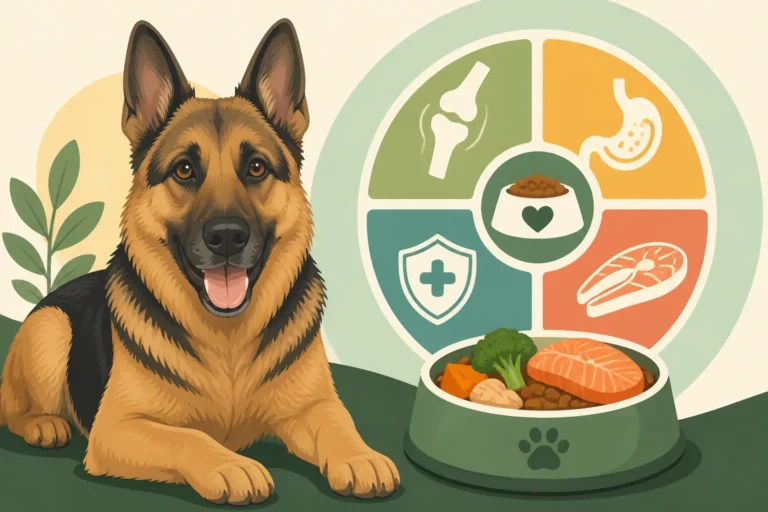
- Large Breed Puppy Food: It's essential to feed your German Shepherd puppy a high-quality commercial dog food specifically formulated for large breed puppies. These foods are designed with a controlled calcium-to-phosphorus ratio and a lower calorie density compared to regular puppy foods. This balance encourages slower, more controlled growth, allowing bones and joints to develop properly without undue stress. Avoid giving supplements containing extra calcium unless specifically directed by your veterinarian, as this can disrupt bone development.
- Avoid Overfeeding: Resist the urge to let your puppy become overweight. A pudgy puppy might look cute, but those extra pounds put immense strain on developing joints. Follow the feeding guidelines on your chosen large-breed puppy food, but also adjust based on your puppy's individual growth and activity level. Your vet can help you assess your puppy's body condition score. A lean body condition during puppyhood is one of the best preventative measures you can take. For more information, refer to our German Shepherd Puppy Feeding Schedule.
Controlled Exercise and Weight Management
Exercise is vital for a German Shepherd's physical and mental well-being, but the type and amount of exercise are incredibly important, especially during their growth phases.
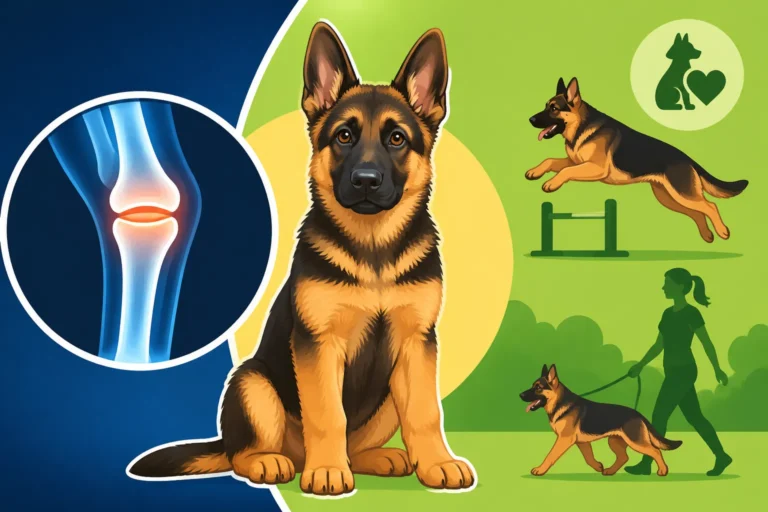
- Controlled Exercise in Puppyhood: For young puppies (up to 12-18 months), avoid high-impact activities like excessive jumping, long runs, or strenuous agility training. Their growth plates are still open, and their joints are still developing, making them vulnerable to injury. Instead, focus on short, frequent walks on leash, gentle play sessions on soft surfaces, and controlled swimming. Allow for plenty of natural, self-directed play, but don't force or over-exert them. Understanding How to Prevent Hip Dysplasia in German Shepherds often boils down to these common-sense approaches.
- Lifelong Weight Management: This cannot be stressed enough. Maintaining a lean body weight throughout your German Shepherd's life is paramount, regardless of whether they have hip dysplasia or not. For dogs with existing dysplasia, every pound they lose can translate to less pain and improved mobility. Regularly monitor their weight and body condition. You should be able to easily feel their ribs without seeing them, and they should have a discernible waist when viewed from above. If your dog starts to gain weight, adjust their diet and increase their appropriate exercise. This ongoing diligence is a cornerstone of proactive care.
It's also worth noting that unforeseen accidents or sudden onset conditions can happen even with the best preventative care. This is where a reliable pet insurance plan, such as one from Healthy Paws, can be incredibly beneficial. Enrolling your German Shepherd when they're young and healthy helps ensure coverage for potential future conditions like hip dysplasia, should it develop. Remember, once a condition is diagnosed, it's typically considered pre-existing and won't be covered by a new policy.
Living with a German Shepherd with Hip Dysplasia
The journey of caring for a German Shepherd with hip dysplasia is a marathon, not a sprint. It requires patience, dedication, and a commitment to adapting as their needs change. While a diagnosis can feel overwhelming, many German Shepherds with this condition live long, happy, and fulfilling lives with proper management. Your role as their advocate is critical in ensuring their comfort and well-being.
Maintaining Quality of Life
The ultimate goal for any German Shepherd with hip dysplasia is to maintain the highest possible quality of life, minimizing pain and maximizing mobility. This involves a multi-pronged approach that extends beyond medication and into their daily routine.
- Consistent Pain Management: Work closely with your veterinarian to establish a consistent and effective pain management plan. This might involve daily NSAIDs, complementary pain relievers, or even periodic injections. The key is finding the right combination and dosage that keeps your dog comfortable without significant side effects. Don't be afraid to voice concerns or ask for adjustments if you feel your dog is still in pain.
- Ongoing Physical Therapy and Rehabilitation: If your German Shepherd has undergone surgery, a structured rehabilitation program is non-negotiable for optimal recovery. Even for dogs managed conservatively, regular physical therapy sessions can make a world of difference. Hydrotherapy, therapeutic exercises, and even modalities like laser therapy can strengthen supporting muscles, improve range of motion, and reduce inflammation.
- Adapting Activities: While your dog might not be able to join you on a 5-mile hike anymore, that doesn't mean they can't enjoy life. Adapt their activities to their capabilities. Short, frequent walks on even, soft surfaces are better than one long, strenuous outing. Swimming is an excellent low-impact exercise that builds muscle without stressing joints. Mental stimulation through puzzle toys, scent work, and gentle training sessions can keep their minds sharp and engaged, even if their bodies are limited.
- Regular Veterinary Check-ups: Because hip dysplasia is a progressive condition, regular check-ups with your vet are essential. These visits allow your vet to monitor the progression of the disease, assess the effectiveness of the current treatment plan, and make any necessary adjustments. Catching new symptoms or changes early can prevent significant setbacks.
Financial Considerations and Pet Insurance
Let's be realistic: managing hip dysplasia can be expensive. From diagnosis to lifelong medication, supplements, physical therapy, and potentially surgery, the costs can quickly add up, causing significant financial strain on owners who simply want the best for their dog.
To give you a clearer picture, here's a general cost breakdown for common hip dysplasia treatments:
| Treatment Option | Ideal Candidate | Pros | Cons | Estimated Cost Range (USD) |
|---|---|---|---|---|
| Conservative Management | Mild/moderate cases, not surgical candidates | Non-invasive, often effective for pain control | Not curative, requires lifelong commitment, progressive degeneration | $50-300+/month |
| Juvenile Pubic Symphysiodesis (JPS) | Puppies 14-20 weeks, mild laxity, no OA | Minimally invasive, prevents progression to severe dysplasia | Must be done young, not for all cases | $1,000 – $3,000 |
| Triple/Double Pelvic Osteotomy (TPO/DPO) | Young dogs (<1 year), laxity, no/minimal OA | Corrects joint anatomy, preserves natural hip | Invasive, long recovery, strict patient selection | $3,000 – $7,000 (per hip) |
| Femoral Head Ostectomy (FHO) | Severe OA, smaller dogs, salvage procedure, not THR candidate | Eliminates pain from bone-on-bone, less expensive than THR | Altered gait, muscle atrophy, extensive rehab | $1,500 – $4,000 (per hip) |
| Total Hip Replacement (THR) | Severe OA, good health, owner commitment | Best functional outcome, pain-free, near-normal gait | Most invasive, most expensive, specialized surgeon required, long rehab | $6,000 – $12,000 (per hip) |
Disclaimer: These are approximate costs and can vary significantly based on location, veterinarian, and specific circumstances.
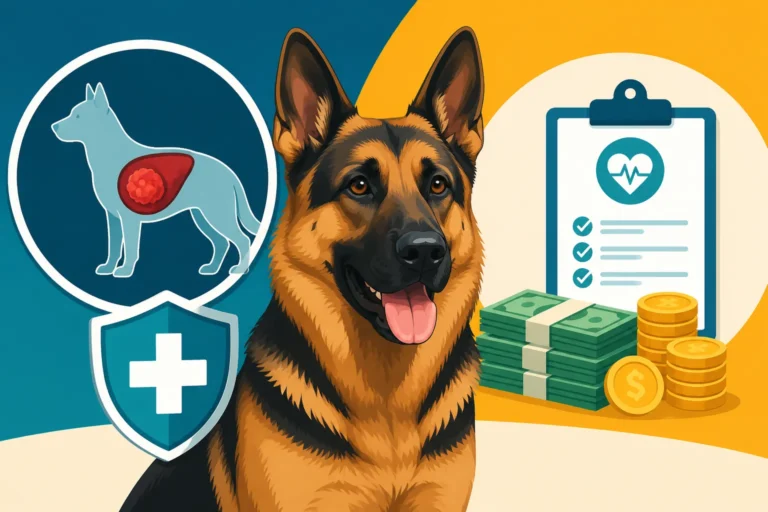
This is where pet insurance becomes a true lifesaver. Companies like Healthy Paws offer comprehensive plans that can cover a significant portion of diagnostic tests, medications, rehabilitation therapies, and even expensive surgeries like total hip replacements. The catch, however, is that hip dysplasia (like any other genetic or chronic condition) will be considered pre-existing if your dog is diagnosed before you enroll or during the waiting period. This means it won't be covered. Therefore, it's crucial to enroll your German Shepherd in a pet insurance plan when they are young and healthy. While it's an upfront cost, it can provide invaluable peace of mind and financial security should your dog face a condition like hip dysplasia down the road. Our article on Is Pet Insurance Worth It for a German Shepherd delves deeper into making this important decision.
Advocating for Your Dog
As your German Shepherd's primary caregiver, you are their strongest advocate. This means being an active and informed participant in their healthcare.
- Ask Questions: Never hesitate to ask your veterinarian questions. Understand the diagnosis, the prognosis, the treatment options, potential side effects of medications, and what you can expect during recovery. If something isn't clear, ask for clarification.
- Seek Second Opinions: If you're facing a complex diagnosis or a major surgical decision, don't be afraid to seek a second opinion from a board-certified veterinary orthopedic specialist. They often have advanced training and experience in these specific conditions and can offer different perspectives or treatment strategies.
- Be Involved: You know your German Shepherd best. Pay close attention to their comfort levels, their response to medication, and any changes in their behavior. Communicate these observations to your vet. You are an integral part of their care team, and your input is invaluable in tailoring their treatment plan for optimal results. Your dedication makes all the difference in navigating life with hip dysplasia and ensuring your German Shepherd continues to thrive.
Disclaimer
The information provided in this guide is intended for general informational purposes only and does not constitute veterinary medical advice. Always consult with a qualified veterinarian or veterinary specialist for any medical concerns or before making any decisions about your German Shepherd's health or treatment plan. Individual circumstances and health conditions can vary, and professional veterinary guidance is essential.