How to Stop German Shepherd Digging
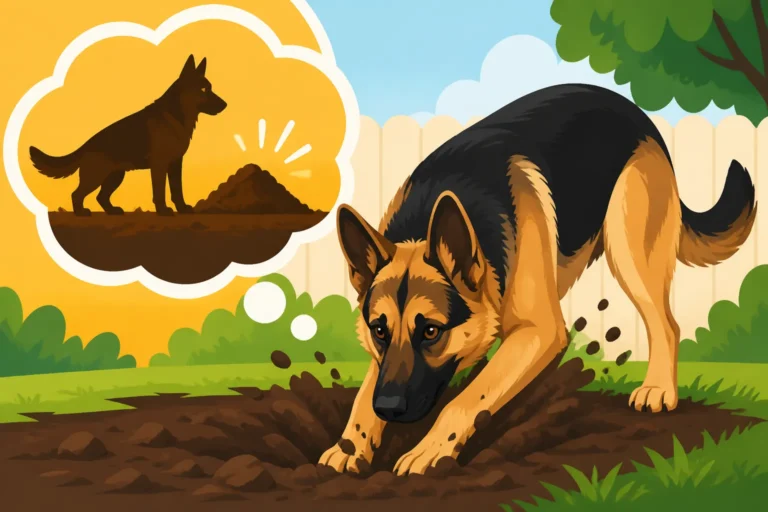
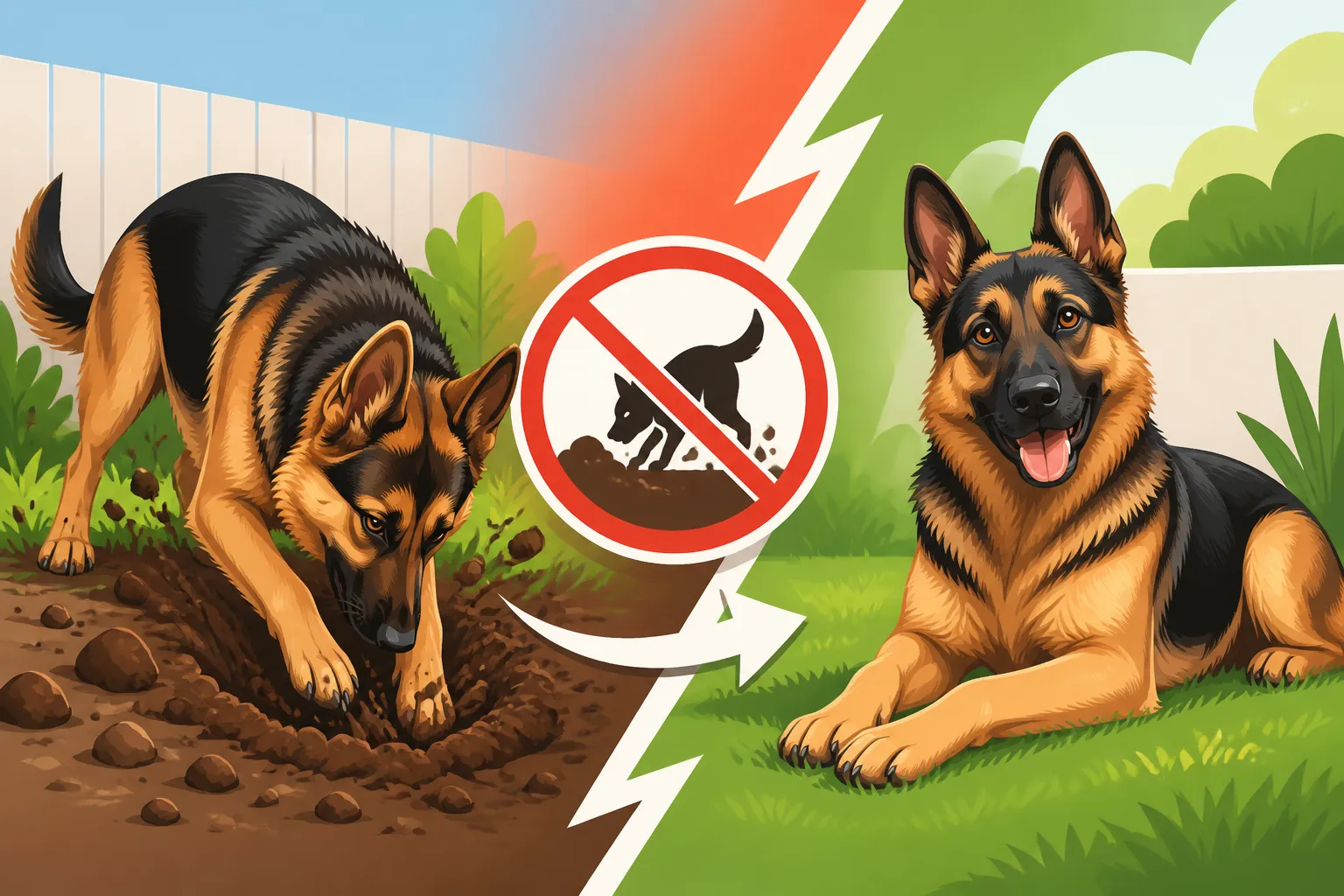
There's nothing quite as disheartening as stepping into your yard, only to find a fresh crater where your beautiful lawn once was, or worse, finding your beloved German Shepherd with dirt all over their nose, looking proud of their excavation work. Digging is a common, often frustrating, behavior in German Shepherds that can stem from a variety of causes. This comprehensive guide aims to peel back the layers of this muddy mystery, helping you understand why your German Shepherd is digging and providing actionable, realistic strategies to gently and effectively put a stop to it.
Why Do German Shepherds Dig? Understanding the Root Cause
Before we can even think about stopping the digging, we absolutely have to understand why they're doing it in the first place. German Shepherds are intelligent, driven dogs, and their behaviors are rarely random. Digging is often a symptom of an unmet need or an instinct playing out in an undesirable way. Ignoring the underlying cause means you'll likely be playing an endless game of whack-a-mole with new holes appearing.
Instinctual Behaviors at Play
Let's face it, dogs are dogs, and many of their behaviors are hardwired into their DNA. German Shepherds, with their strong working dog heritage, are no exception. They come from a lineage of dogs bred for herding, guarding, and working alongside humans, which means they have keen senses and an innate desire to engage with their environment.
One major reason for digging is the instinct to hunt or pursue prey. Even if your yard is impeccably maintained, your German Shepherd might catch the scent of a rodent, a mole, or even an interesting bug scurrying underground. Their powerful noses tell them there's something fascinating down there, and their strong paws are built for excavating. It’s like a treasure hunt for them, and the reward is the thrill of the chase, whether they catch anything or not. This is particularly true for younger, more energetic dogs or those with a high prey drive.
Another deep-seated instinct is denning or creating a comfortable spot. In the wild, dogs would dig shelters for warmth in winter, coolness in summer, or a safe place to have puppies. Your German Shepherd might be trying to create a cozy depression in the dirt to regulate their body temperature on a hot day, or simply to feel more secure and protected from the elements or perceived threats. They aren't trying to be destructive; they're just following ancient impulses that tell them this is a good idea.
Boredom and Lack of Stimulation
This is probably one of the most common culprits behind destructive digging in German Shepherds, and it's something many of us inadvertently contribute to without realizing it. German Shepherds are not couch potatoes. They are incredibly intelligent animals that need significant physical and mental exercise to thrive. When these needs aren't met, they don't just sit around looking sad; they invent their own "jobs."
A German Shepherd left alone in a yard for extended periods with nothing to do will quickly become bored. They'll start exploring, and digging is a highly engaging activity that provides both physical exertion and mental stimulation. It allows them to expend pent-up energy, discover new scents, and feel a sense of accomplishment. Think of it like a human being given nothing to do in a room—eventually, they'll start picking at the wallpaper or trying to find a way out. Your dog isn't trying to be bad; they're simply trying to entertain themselves in the only way they know how, which often leads to chewed-up plants or craters in the lawn. This is why understanding German Shepherd Exercise Requirements is so crucial.
Lack of mental stimulation is just as detrimental. These dogs love to learn and problem-solve. If they're not challenged with training, puzzle toys, or interactive games, their brilliant minds will find other outlets. Digging can be a complex problem-solving activity for them—how deep can I go? What's under this root? Can I get to that interesting smell? This mental engagement, combined with the physical act, can be incredibly satisfying for a bored dog, making it a self-reinforcing behavior. Regularly engaging their minds with activities detailed in guides like Best Mental Stimulation for German Shepherds can make a huge difference.
Seeking Comfort or Escape
Sometimes, the digging isn't about instinct or boredom but a more direct need for comfort or a desire to get out of an uncomfortable situation. This often manifests in digging near fences or in shaded areas.
If your German Shepherd is digging to escape, it's usually a clear sign of anxiety, fear, or an overwhelming desire to get to something on the other side of the fence. Perhaps there's another dog they want to play with, or they're reacting to a perceived threat outside their territory. It could also be a symptom of German Shepherd Separation Anxiety Solutions if they're trying to reunite with you after you've left them alone. They might be trying to create a tunnel under the fence to explore a more interesting world or to escape a situation that makes them feel stressed or lonely.
Temperature regulation is another common reason. On a hot summer day, a German Shepherd with a thick double coat can overheat quickly. Digging down into the cooler earth is a natural way for them to create a makeshift cool spot. Conversely, on a cold, windy day, digging a shallow pit can provide a bit of shelter from the elements. They are simply trying to make themselves more comfortable when their environment isn't meeting their needs. Observing when and where your dog digs can offer vital clues to whether comfort or escape is the primary driver.
Effective Strategies to Curb Digging Behavior
Once you've got a handle on why your German Shepherd is becoming a furry excavator, you can start implementing strategies to redirect this behavior. It's not about punishing them for their natural instincts; it's about providing appropriate outlets and managing their environment so that digging in your prize-winning petunias is no longer their best option.
Increasing Mental and Physical Exercise
For a German Shepherd, a tired dog is often a well-behaved dog. These dogs were bred for endurance and mental acuity, and if they're not getting enough of either, digging becomes a convenient way to burn off steam and boredom. This is often the first, and most effective, strategy to try.
Physical exercise should be a non-negotiable part of your German Shepherd's daily routine. We're not talking about a quick stroll around the block. Adults often need at least 60-90 minutes of vigorous exercise per day, which can include brisk walks, jogging, hiking, playing fetch, or even swimming. A German Shepherd who has had a good run or a long play session is far less likely to have the energy or inclination to start digging holes in your yard. Remember, a puppy's exercise needs are different to protect their growing joints; you can learn more about this in our guide on How Much Exercise Is Too Much for a Puppy. For adults, consistency is key—make exercise a regular, predictable part of their day.
Beyond just physical exertion, mental stimulation is paramount for these intelligent dogs. Engage their brains with obedience training sessions (even short, fun ones), puzzle toys, scent work, or interactive games. Toys from brands available on Amazon that dispense treats or require problem-solving, like Kongs or snuffle mats, can keep them occupied for significant periods. Consider enrolling in an online training program like BAXTER & Bella, which offers comprehensive resources and guidance for engaging your dog mentally and physically. Even simple training sessions working on commands like "stay" or "find it" can exhaust their minds in a positive way, often more effectively than physical exercise alone.
Managing Environmental Triggers
Sometimes, the solution isn't about changing your dog, but changing their environment. By making your yard less appealing for digging and removing temptations, you can significantly reduce unwanted excavations.
First, identify the hot spots. Are they digging under the fence? In a shaded area? Near a particular plant? Knowing where they dig helps you understand why. If it's under the fence, try burying chicken wire or large rocks along the fence line, extending them horizontally a foot or two into the yard. This creates an uncomfortable barrier that deters them from continuing their escape route. You can find robust wire fencing or similar deterrents on Amazon. If they're digging for comfort in a shaded area, consider providing an elevated dog bed or a cooling mat in that spot.
Consider removing or covering any attractants that might be sparking their prey drive. If you have a mole problem, addressing that might reduce their hunting-related digging. For dogs that dig up plants, try placing large, smooth river stones around the base of the plants they target. Not only does this protect the plant, but it also makes the area less appealing for digging. Keep your yard clean of any food scraps, bones, or tempting smells that might invite an archaeological dig. Remember, a German Shepherd's nose is incredibly powerful, and even old smells can be exciting.
Training and Redirection Techniques
While addressing the "why" is critical, teaching your German Shepherd what to do instead of digging is equally important. This involves positive reinforcement and consistent redirection.
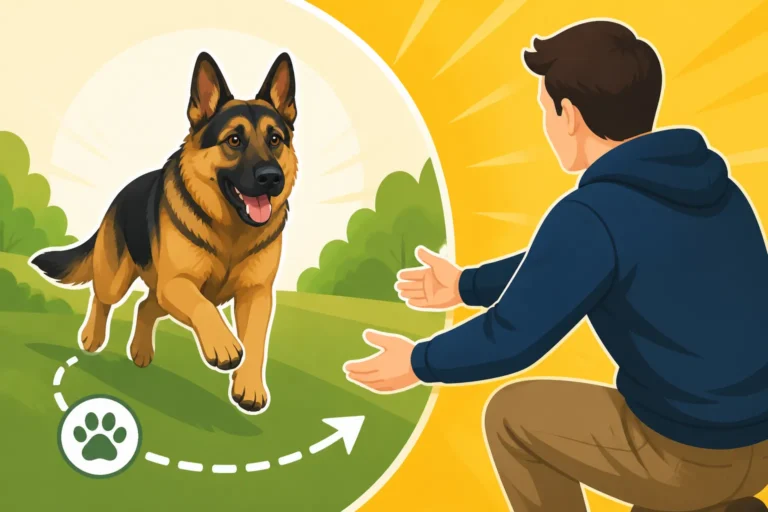
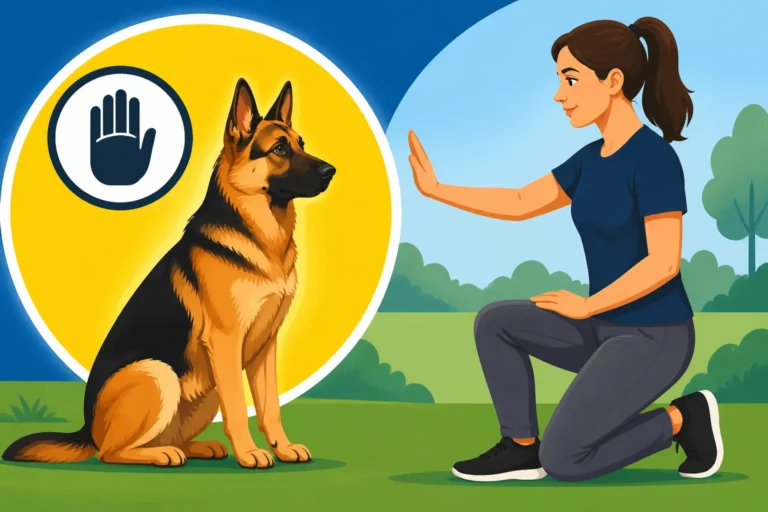
When you catch your German Shepherd in the act of digging where they shouldn't, avoid harsh punishment. A startled or scared dog might just learn to dig when you're not around. Instead, calmly interrupt the behavior. Use a firm but not angry "leave it" or "no dig" command. As soon as they stop, redirect their attention to an acceptable activity. This could be playing fetch with a favorite toy, engaging with a puzzle toy, or a short, fun training session. The goal is to show them that stopping the digging leads to something more rewarding and fun. Consistency is absolutely vital here. Everyone in the household needs to use the same commands and redirection methods. For more foundational training tips, check out our How to Train a German Shepherd guide.
A fantastic redirection strategy is to create a "designated digging zone." This is a specific area in your yard where digging is allowed and even encouraged. You can build a sandbox or simply loosen an area of dirt in a corner of the yard. Bury interesting toys or treats (like a long-lasting chew) in this zone to encourage them to dig there. When they start to dig in an undesirable spot, gently lead them to their digging zone and praise them lavishly when they start digging there. This teaches them, "Digging is fun, but only in this spot." This method leverages their natural instinct in a way that works for both of you. You might find ideas for durable sandbox materials or appropriate digging toys on Amazon.
Practical Tools and Solutions for Persistent Diggers
Even with the best intentions and consistent effort, some German Shepherds can be particularly persistent diggers. For these resilient earth-movers, you might need to employ a combination of practical tools and perhaps even professional guidance. These aren't quick fixes but rather additional layers of support to help manage the behavior.
Designated Digging Zones
We touched on this briefly, but it deserves a deeper dive because it’s one of the most proactive and humane ways to manage a digging German Shepherd. Instead of fighting an instinct, you're channeling it. Think of it as giving your dog their own personal construction site.
To create an effective digging zone, choose an area of your yard that’s out of the way but still accessible to your dog. It could be a simple, small patch of loose soil, or you could go all out with a child’s sandbox filled with sand or a mixture of sand and soil. The key is to make it irresistible. Regularly "seed" this area with enticing items. Bury durable chew toys, favorite squeaky toys, or even some safe, natural treats just below the surface. The scent will draw them in, and the act of discovering these treasures will provide immense satisfaction. This positive reinforcement, the thrill of the hunt and discovery, will make this spot far more appealing than any random patch of grass.
The success of a digging pit hinges on two things: making it more attractive than other spots, and consistent redirection. Whenever you see your German Shepherd starting to dig elsewhere, gently interrupt them and guide them to their digging pit. Say "Dig here!" in an encouraging tone and maybe even help them "find" a buried toy. When they start digging in their designated spot, praise them enthusiastically and let them enjoy their excavation. Over time, they'll learn the rules, understanding that this one specific area is their domain for digging. This strategy aligns perfectly with the German Shepherd's intelligent nature and desire for a "job."
Barriers and Deterrents
For areas where digging absolutely cannot happen, such as flower beds, vegetable gardens, or under critical fence lines, physical barriers and safe deterrents become your best friends. These are not meant to punish but to make the forbidden zones less appealing or physically impossible to dig in.
Physical barriers can be as simple as strategically placed landscaping elements. Large, heavy rocks or decorative pavers laid flat can create an impassable surface for digging. Burying chicken wire or a section of hardware cloth horizontally just beneath the soil surface in flower beds can also be effective; when your dog's paw hits the wire, it's an unpleasant sensation that discourages further digging. For fence lines where escape is a concern, consider digging a shallow trench and burying concrete pavers or a length of sturdy wire mesh vertically, extending a foot or two down, along the entire fence. This creates a solid underground barrier that will thwart even the most determined escape artist.
When it comes to deterrents, stick to safe, non-toxic options. Some dogs dislike the smell of citrus, so orange or lemon peels scattered (and replaced frequently) in problem areas might work for some. Commercial dog repellents, available on Amazon, often use scents that dogs find unappealing but are harmless. Always check reviews and ingredients to ensure they are safe for pets and plants. Another common deterrent is placing thorny branches (like rose trimmings, carefully, so your dog doesn't step on them) in specific spots. The discomfort is mild but enough to make them think twice about digging there again. It's about making the effort-to-reward ratio for digging in undesirable spots unfavorable.
| Digging Motivation | Common Locations | Recommended Solutions | Tools & Products |
|---|---|---|---|
| Boredom/Excess Energy | Anywhere in yard, near fence | Increase exercise & mental stimulation, provide puzzle toys | Durable chew toys, puzzle feeders, long-lasting chews from Amazon, interactive training programs like BAXTER & Bella |
| Prey Drive | Near fences, under trees/shrubs, random spots | Pest control, designated digging pit, scent work | Dog-safe repellents, buried chicken wire, mole traps (if necessary), durable digging toys |
| Seeking Comfort | Shaded areas, under bushes, near house | Provide comfy alternatives, cooling mats | Elevated dog beds, cooling mats, small kiddie pool, shaded areas |
| Anxiety/Escape | Along fence lines | Secure fencing, anxiety management, professional training | Buried fence barriers (chicken wire, pavers), calming supplements, anti-anxiety wraps, secure leashes |
| Attention-Seeking | Anywhere visible | Ignore digging, redirect to positive activity, consistent training | High-value treats for positive behavior, engaging toys |
Professional Help and Advanced Training
If you've tried everything and your German Shepherd is still turning your yard into a lunar landscape, it might be time to call in the cavalry. Persistent, destructive digging can sometimes be a sign of deeper behavioral issues that require a professional eye.
A certified professional dog trainer or a canine behaviorist can observe your dog's digging habits in their environment and help pinpoint the exact triggers you might be missing. They can design a tailored training plan that addresses the root cause, whether it's severe separation anxiety, an exceptionally high prey drive, or deeply ingrained habits. These professionals have a wealth of experience in German Shepherd Behavior Problems and Solutions and can offer insights and techniques that might not be obvious to the average owner. They can also guide you through advanced obedience training that provides your dog with more structure and mental engagement, potentially reducing the need to self-entertain through digging.
Sometimes, digging is just one symptom of a larger anxiety issue. If you suspect your German Shepherd's digging is related to stress, fear, or separation anxiety, a consultation with a veterinary behaviorist might be appropriate. They can assess your dog's overall well-being and, if necessary, prescribe medication or recommend specific therapies to help manage anxiety alongside behavioral modifications. Programs like BAXTER & Bella can also provide excellent ongoing support and structure for addressing complex behavioral challenges, offering online resources and professional coaching to help you implement advanced training techniques effectively. Remember, investing in professional help isn't a sign of failure; it's a sign of a dedicated owner committed to their dog's happiness and well-being.
Disclaimer
This article is for general informational purposes only and does not constitute professional advice. Laws, prices and regulations vary by location and change over time. Consult a qualified professional for guidance on your specific situation.